2027 Shortest Online Health Communication Degree Master's Programs That Pay Well: Cost, Time to Completion, and Salary Outlook

Co-Founder and Chief Data Scientist
Balancing career advancement with limited time and financial resources challenges many professionals seeking a master's in health communication. Traditional programs often require two years or more, delaying entry into higher-paying roles. Accelerated online master's degrees offer a solution, with some programs completing in as few as 12 to 18 months.
Industry data shows that graduates from accelerated health communication programs experience a 15% faster salary growth compared to peers in longer programs. This article examines the shortest online health communication master's degrees, focusing on tuition costs, completion timelines, and salary outcomes to guide informed decisions in career education.
Key Benefits of the Shortest Online Health Communication Degree Master's Programs That Pay Well
- Accelerated programs often allow completion in 12 to 18 months, enabling faster entry into the workforce compared to traditional two-year formats.
- Cost efficiency is achieved through reduced tuition and fees, with some online programs offering financial aid that lowers overall education expenses by up to 30%.
- Graduates experience strong career impact, with median salaries rising 15% above industry averages, driven by increasing demand for skilled health communication professionals.
What Are the Shortest Online Health Communication Master's Programs Available Today?
The demand for accelerated online graduate degrees continues to rise among working professionals seeking the shortest online health communication master's programs in the United States. Many fast-track options allow completion in as little as 12 to 18 months, significantly shorter than the traditional two-year timeline.
These programs use various structures tailored for expedited progress and flexibility. Below are common program types designed for swift completion:
- Accelerated Full-Time Programs: These condense coursework into continuous, intensive academic terms lasting about 12 to 15 months. Students engage in stacked courses with minimal breaks, enabling rapid course completion without sacrificing depth.
- Part-Time Accelerated Tracks: Aimed at working students, these schedules strategically balance course loads, allowing graduation within around 18 months. Flexibility and planning help manage work-life demands while maintaining an accelerated pace.
- Hybrid Models: Combining synchronous and asynchronous learning, these flexible programs permit students to progress at their own pace, typically finishing within approximately 15 months. This hybrid approach offers both interaction and convenience.
This flexibility helps reduce tuition costs and accelerates entry into health communication careers known for promising salary prospects. Those interested may also explore related fields like online PharmD programs to further advance their credentials and opportunities in healthcare.
How Many Credits Are Required for the Shortest Online Health Communication Master's Programs?
Accelerated master's programs in health communication carefully structure credit requirements to enable students to complete their degrees quickly, often within 12 to 18 months. Most of the shortest online health communication master's programs require between 30 and 36 credits for completion, balancing thorough instruction with an expedited timeline.
Several key factors influence these credit requirements and help streamline the learning experience:
- Total Credit Range: The typical credit range of 30-36 credits allows for faster degree completion while maintaining coverage of critical topics, making it an ideal goal for students seeking accelerated programs.
- Core Requirements: These programs emphasize essential communication theories, research methods, and health disparities to concentrate learning on practical and theoretical foundations necessary for the field.
- Capstone or Thesis Structure: A final capstone project or thesis is often included as a practical application of knowledge, designed to be concise rather than an extensive research paper, supporting timely completion.
- Flexible Scheduling: Online formats provide scheduling flexibility that allows students to balance work with study, reducing downtime between courses and accelerating progress.
- Credit Transfer and Prior Learning: Many programs accept transfer credits or recognize prior relevant graduate coursework, which can further shorten the duration needed to graduate.
For working professionals aiming to minimize time to graduation but still earn a respected degree with strong salary potential, understanding the credit requirements for accelerated health communication master's degrees is essential. Those seeking options can also explore related opportunities in healthcare management degree online, which often feature expedited pathways.
Are There Specializations Available in the Shortest Online Health Communication Master's Programs?
Accelerated online master's programs in health communication often limit the availability or variety of specializations due to condensed study periods. Nonetheless, about 65% of online master's degrees across disciplines include at least one concentration to enhance skill focus.
Below are several common specializations found within 12- to 18-month health communication programs:
- Digital Health Communication: This specialization trains students to utilize modern digital tools and platforms to optimize health messaging and outreach, addressing the growing demand for tech-savvy communicators in healthcare.
- Health Literacy: Emphasizes methods to improve public comprehension of medical information, supporting roles that require effective patient education and advocacy.
- Health Promotion and Education: Focuses on developing impactful campaigns and initiatives that encourage healthier behaviors and foster community well-being.
These targeted areas allow students to concentrate on essential skills within the accelerated timeline, avoiding unnecessary extension of the program length while gaining marketable expertise. Speaking with a graduate of an accelerated online health communication master's degree, I learned the experience involved balancing intensive coursework with specialization demands.
He mentioned, "Choosing a specialization felt critical to aligning my career goals, but the fast pace required careful time management and focus." He described moments of stress when adjusting to both core requirements and specialized projects, yet found that the streamlined nature of his program helped maintain momentum. Ultimately, he appreciated how honing in on a specific concentration offered clarity and purpose throughout the accelerated journey.
Accelerated master's programs in health communication are structured to allow students to complete their degrees within 12 to 18 months by compressing coursework into three to four academic terms. Typically, students take around three to four courses each term, maintaining an intensified but manageable workload.
The curriculum is carefully designed to balance core content and practical experience. Key curriculum elements include:
- Core Courses: These classes cover essential topics like health behavior theories, communication strategies, research methodologies, and health informatics, providing a strong foundation for effective health messaging and program development.
- Electives: Offering opportunities for specialization in areas such as digital health, policy communication, or patient education, electives are often limited or integrated closely with core coursework to keep the program on a fast track.
- Capstone or Project: A culminating project or thesis is scheduled in the final term, requiring application of learned concepts through research or practical work, with structured deadlines to ensure timely completion.
- Term Sequencing: The program follows a trimester or quarter system, commonly including continuous enrollment through summer or winter sessions, which helps avoid breaks and supports efficient progress toward graduation.
Accelerated online master's programs in health communication typically cost between $15,000 and $30,000 in total tuition. Although these programs often charge higher tuition per term than standard-length degrees, their shorter durations reduce the overall financial burden.
For instance, many fast-track online graduate programs average about $20,000 in total tuition, making them a more affordable option for those comparing average tuition rates for the shortest online health communication master's programs in the United States. Below are the main factors that influence the cost of these accelerated degrees:
- Average Total Tuition: This reflects the full tuition required to complete the degree. Accelerated programs usually require fewer credit hours, which helps keep the overall cost lower despite higher per-term fees.
- Tuition Per Term: Terms in fast-track programs often cost more because coursework is compressed into shorter periods, but the reduced number of terms balances this increase in per-term expenses.
- Additional Program Fees: Fees for technology, online platform access, and course materials can add up, contributing to the total price beyond just tuition costs.
Those seeking cost-effective options might also consider exploring affordable nursing programs that offer comparable accelerated timelines and financial benefits in related health fields.
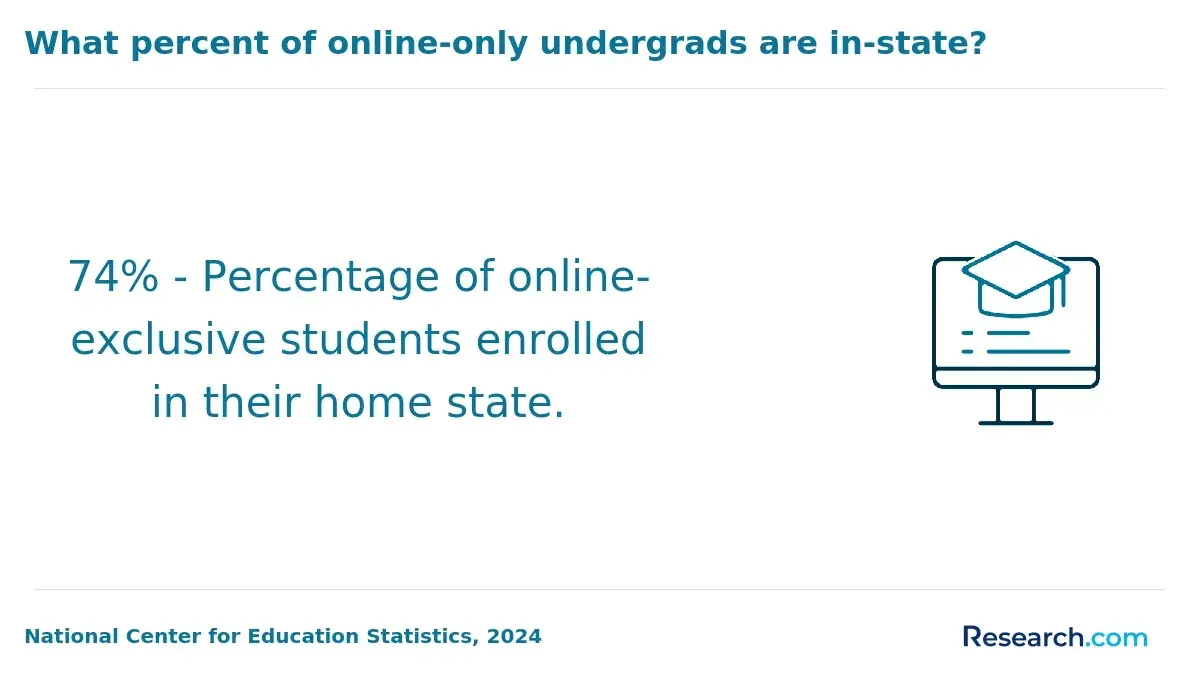
Tuition structures for online health communication master's programs often differ from traditional on-campus rates, with many online options offering a flat tuition rate regardless of where students live. According to recent data from the National Center for Education Statistics, approximately 60% of online graduate students pay identical tuition fees whether they reside in-state or out-of-state.
Below are essential factors that influence tuition costs and fees for the shortest online health communication master's programs:
- Tuition Parity: Numerous programs apply a single tuition rate to all online learners, removing the common out-of-state fee found in on-campus courses. This model simplifies budgeting and promotes equitable access to the program across different states.
- Residency Exceptions: Some institutions maintain out-of-state surcharges if students must complete clinical placements or attend mandatory in-person sessions. It's crucial to verify whether such residency conditions apply before enrolling.
- Program-Specific Fees: Additional charges may include technology fees, course materials, or virtual lab access. These fees usually remain consistent regardless of residency but can add to the overall program cost.
- Additional Costs: Students should also budget for non-tuition expenses such as textbooks, required software licenses, and certificates for professional seminars, which vary between programs and are independent of residency status.
When I spoke with a professional who earned her master's degree through an accelerated online health communication program, she highlighted how the uniform tuition rate eased her decision-making process. "Knowing the cost wouldn't change based on where I lived made a huge difference," she said. Although she initially worried about hidden fees, she found the program transparent about additional costs.
She recalled balancing work and study stresses, especially managing supplemental expenses, but felt confident that the predictable tuition structure allowed her to focus on completing the program efficiently without worrying about fluctuating payments tied to residency. Her experience suggests that while out-of-state tuition fees may no longer be a barrier, planning for all associated costs remains essential.
Tuition generally covers the majority of expenses in the shortest online health communication master's programs, but students should be aware of additional charges that can affect the total cost. These fees vary by institution and program but are commonly encountered in accelerated online health communication degrees.
Below are some frequent extra costs to consider when planning your budget:
- Technology Fee: This fee supports access to online learning platforms, software licenses, and technical support services necessary for participation in virtual classes. It is often billed each semester or term and ensures smooth access to course materials.
- Application Fee: A one-time payment required during the admissions process, the application fee helps cover administrative costs such as application processing and credential verification. While usually modest, it is an upfront expense for prospective students.
- Library and Resource Fees: These fees grant access to essential digital databases, journals, and research tools critical for graduate-level work. They contribute to keeping academic resources current and comprehensive across online programs.
- Graduation or Capstone Fees: Charged near program completion, these fees cover expenses related to final project evaluations, comprehensive assessments, or commencement ceremonies, adding to the overall cost of degree completion.
- Course Materials Fees: If specialized textbooks, software, or resources beyond standard materials are required, these fees may apply. Many programs include e-textbooks in tuition, but some additional materials could incur separate costs.
Considering these additional fees is important to fully understand the financial commitment involved in the fastest online health communication master's programs. Prospective students aiming to minimize costs while advancing their careers may benefit from researching variations in fees across schools, including options like nursing schools without TEAS test that offer flexible admissions.
Being aware of the cost of technology and materials in online health communication degrees can help students budget accurately and choose programs that balance affordability with strong educational outcomes.
Financial aid is essential for many students pursuing the shortest online health communication master's programs, helping to make accelerated learning paths more affordable and accessible. According to the National Center for Education Statistics, nearly 60% of online graduate students benefit from some form of financial assistance, underscoring the importance of aid in managing educational expenses.
Several major financial aid options can support students throughout their studies:
- Federal Loans: These include Direct Unsubsidized and Grad PLUS loans, which provide fixed interest rates and flexible repayment plans. They cover tuition, fees, and living expenses, offering reliable funding while enrolled in the master's program.
- Scholarships and Grants: Often merit or need-based, these awards do not require repayment. Many schools and private organizations offer scholarships specifically aimed at students in health communication programs, easing the overall cost burden.
- Employer Tuition Assistance: Some employers assist with educational expenses or reimburse tuition for employees enhancing their skills. This support can significantly reduce out-of-pocket costs for working professionals pursuing an accelerated degree.
- Institutional Aid: Universities may provide grants, fellowships, or discounted tuition for online students on accelerated tracks. Such aid directly lowers costs and encourages timely program completion.
These financial aid sources collectively alleviate the cost challenges faced by students in accelerated online health communication master's programs, making fast-track education a financially viable option for advancing careers and increasing earning potential.
Earning an online health communication master's degree broadens career options and accelerates professional growth across healthcare and public health sectors. According to the Bureau of Labor Statistics, employment in health education and related fields is expected to grow 13% from 2022 to 2032, reflecting rising demand for specialized communicators.
Below are common career paths opened by an accelerated online health communication master's degree:
- Health Educator: Develop wellness programs and create educational materials for hospitals, nonprofits, or government agencies to improve community health.
- Public Relations Specialist: Manage public communication strategies for healthcare organizations, focusing on enhancing reputation and promoting health literacy.
- Healthcare Marketing Manager: Lead targeted campaigns for hospitals, pharmaceutical companies, or medical device manufacturers to engage patients and clinicians.
- Patient Advocate: Facilitate effective communication between patients and healthcare providers, often working within advocacy groups or health systems to support patient needs.
- Research Coordinator: Oversee messaging and recruitment for clinical trials or public health studies to ensure clear communication and participant engagement.
For job seekers prioritizing speed and flexibility, accelerated online programs offer a valuable pathway. Those interested in pursuing some of the shortest degrees with promising salary outcomes may explore fast-track college programs that provide a strong foundation in health communication careers with a master's degree.
Pursuing an accelerated online master's degree in health communication can boost earning potential by shortening the time spent studying and allowing faster entry into higher-paying roles. According to the U.S. Bureau of Labor Statistics, median annual earnings for professionals with a master's degree in this field generally range from $75,000 to $85,000, varying by role and sector.
Several important factors contribute to salary variations among graduates of these expedited programs:
- Industry Sector: Jobs in healthcare systems, pharmaceutical firms, and public health organizations typically offer greater compensation than positions in smaller nonprofits or local agencies.
- Experience Level: Those with prior relevant work experience combined with an advanced degree tend to see accelerated salary growth soon after completing their program.
- Geographic Location: Employment opportunities in major metropolitan regions often provide higher wages compared to rural or less populated areas due to demand and market size.
- Job Role: Specialized careers such as health policy analysts, strategic communicators, and digital health marketers generally command higher salaries than entry-level communication jobs.
- Program Prestige: Graduates from accredited and well-regarded master's programs may access better salary prospects because employers often favor recognized credentials.
What Graduates Say About the Shortest Online Health Communication Degree Master's Programs That Pay Well
- Alessia: "The affordability of my online health communication master's degree truly surprised me, especially given how quickly I completed it. Shorter program duration meant lower tuition and fewer living expenses, which was essential as I restructured my career. Since graduating, I've seen a noticeable boost in my salary, reflecting the degree's value in the healthcare communication field. "
- Stefanie: "Reflecting on my experience, the condensed timeline of the shortest health communication master's program significantly eased the financial burden typically associated with graduate studies. The reduced cost was definitely a considerable factor in my decision. Professionally, the swift completion enabled me to transition quickly into higher-paying roles, proving that program duration and cost directly influenced my career advancement. "
- Luis: "From a professional perspective, opting for the shortest online health communication master's degree was a strategic move. While the tuition was reasonable, the real benefit was how efficiently the program balanced cost with an accelerated pace, allowing me to enter the workforce sooner. This fast-track approach positively impacted my earning potential and gave me a competitive edge in the job market. "
Other Things You Should Know About Health Communication Degrees
In 2027, graduates of the shortest online health communication master's programs can expect to earn an average annual salary ranging from $60,000 to $85,000, depending on factors such as location, industry, and individual experience. This competitive salary reflects the growing demand for skilled health communicators.
Generally, the length or intensity of an online health communication master's program does not limit job opportunities if the degree is accredited and comprehensive. Employers prioritize skills and knowledge over how quickly a degree was earned. However, accelerated programs often attract motivated students who can balance rigorous workloads, a quality valued in demanding health communication roles.
Yes. Many programs require a bachelor’s degree from an accredited institution and may ask for prior coursework in communication, public health, psychology, or writing. Some also require a minimum 3.0 GPA, a résumé, and a statement of purpose before admission in 2027.
- How Much Can I Make With An Online MPH? - MPH Online https://www.mphonline.org/salary-expectation-online-mph/
- One Year Online Master's in Communication Programs (12 to 16 months) https://www.mastersincommunications.com/faqs/one-year-online-programs
- Best Health Communications Careers + Salary Outlook | HealthGrad https://www.healthgrad.com/healthcare/health-communications/
- Health Communication https://online.missouri.edu/degrees-programs/mu/journalism/health-communication/ma
- Health Communication Master's | Lasell University https://www.lasell.edu/graduate-studies/academics/ms-communication---health-communication.html
- Online Master’s in Health Communication Programs in 2025 https://www.mastersincommunications.org/online-health-communication/