2027 How Long Does It Take to Earn an Online Health Communication Master's Degree? Program Timelines & Completion Options

Co-Founder and Chief Data Scientist
Many working professionals considering an online health communication master's degree face uncertainty about how long it will take to complete their program while balancing job and family obligations. According to recent data, nearly 60% of students in these programs opt for part-time study options, extending their time to graduation beyond the typical two-year timeline. This elongation can impact career advancement and financial planning. Understanding the variety of program pacing options and timelines is essential for prospective students aiming to align their education with personal and professional goals. This article explores typical completion durations and flexible pathways available in online health communication master's degrees to assist informed decision-making.
Key Things to Know About Online Health Communication Master's Degree Timelines & Completion Options
- Full-time online health communication master's programs typically take 18 to 24 months to complete, while part-time options can extend up to 3 or more years depending on course load.
- Accelerated pathways offer completion in as little as 12 to 15 months by increasing credit intensity and reducing breaks between terms.
- Flexible scheduling with asynchronous classes allows working professionals to balance employment and study, often enabling customizable timelines based on individual needs.
What Is the Average Duration of an Online Health Communication Master's Program?
The average duration for completing an online health communication master's degree generally ranges from 18 to 24 months. This typical program length for health communication master's degrees online allows students to gain a solid foundation in both health-related content and communication theory. Most programs are designed to balance academic rigor with flexibility, ensuring students can maintain steady progress without being overwhelmed. This timeframe accommodates the needs of working professionals and nontraditional students seeking advanced skills.
Several factors influence the standard program length, including curriculum design and the institution's method of course delivery. While many programs aim for completion within two years, this period can vary depending on students' pace and personal circumstances. The depth of training required also plays a role, as students engage with core courses, electives, and sometimes practical experiences to meet degree requirements. Those interested in related fields might also explore options available through online pharmacy school programs, which offer different timelines and focuses.
How Many Credits Are Required for an Online Health Communication Master's Degree?
Most online health communication master's degree programs require between 30 and 45 semester credits to graduate. This range reflects the average credit requirements for online health communication graduate programs across various U.S. institutions. Several factors influence the total credits needed, including specialization, school type, and curriculum design.
The credit requirements warrant a closer look at the diverse elements shaping these programs.
- Total Credit Ranges: Programs typically require 30 to 45 credits, aligning with standard graduate course loads. The credit total ensures students gain essential knowledge and practical skills expected at the master's level.
- Variation by Specialization: Some specializations, such as behavioral health communication or digital health, may require more credits due to the unique curriculum content. Others focusing on traditional strategic communication might have slightly fewer credit hours.
- Institutional Differences: Research universities, comprehensive universities, and professional schools set different credit expectations. For example, research universities may require 36 credits, while institutions with thesis options could demand up to 45 credits.
- Program Structure: Credit requirements can increase with mandatory components like internships, capstone projects, or thesis research. Programs without these elements might keep credit loads lower by concentrating solely on coursework.
- Additional Considerations: For students comparing options, reviewing credit requirements alongside pacing and completion timelines is important. Those exploring easier admission routes may also look into easy nursing schools to get into, which often provide flexible program structures.
How Long Does a Full-Time Online Health Communication Master's Program Take to Complete?
Completing a full-time online health communication master's program typically requires about two years. This timeline aligns with many graduate degree frameworks, offering students a balanced pace to manage coursework and other responsibilities effectively. Several important factors influence how this period unfolds for each student.
Key elements shaping program duration include:
- Standard Completion Timeline: Most programs expect full-time students to finish within two years, reflecting a traditional academic calendar designed for steady progress.
- Course Load Expectations: Enrolling full-time usually involves taking between 9 and 12 credit hours per semester, ensuring students maintain focus without overwhelming their schedules.
- Program Structure: Curricula commonly require 30 to 42 credit hours, divided among core subjects, electives, and often a final project or thesis to culminate the learning experience.
- Academic Intensity: The workload features a mix of lectures, assignments, discussions, and practical projects or internships, demanding time management and critical thinking skills.
- Scheduling Consistency: Courses follow set semester or quarter schedules with fixed start and end dates, helping students plan study time around personal and professional commitments.
A professional who enrolled full-time in an online health communication master's shared that balancing coursework with work and family was a constant challenge. "The fixed deadlines kept me disciplined, but juggling projects and discussions after hours was taxing," he explained. He valued the clear structure but found the thesis especially demanding, describing it as "a deep dive that required sustained focus and perseverance." His experience highlighted how the steady pacing can both support and pressure students committed to completing the program in the typical two-year span.
Completing a part-time health communication master's degree online usually takes about three to five years. This timeframe reflects the balance between study and other life commitments for students in such programs. Understanding key elements that affect duration can help prospective students manage expectations for part-time health communication master's degree program duration.
Several factors determine how long it takes to finish a part-time online master's degree in health communication.
- Reduced Course Load: Part-time students often enroll in one or two classes per semester instead of a full-time schedule, which naturally extends the overall program length but allows for manageable pacing.
- Flexible Scheduling: Many online programs provide asynchronous courses or multiple start dates throughout the year, letting students fit studies around irregular work hours or family needs.
- Program Pacing: Some schools set specific credit milestones each year, while others allow learners to adjust their pace, speeding up or slowing down based on personal capacity.
- Balancing Responsibilities: Working professionals frequently juggle jobs and personal duties with academics, which can cause intermittent enrollment or lighter course loads in certain terms.
- Consistent Progress: Staying engaged and maintaining steady coursework is vital to avoid prolonging degree completion unnecessarily.
For students interested in cost considerations alongside program duration, exploring the cheapest np school options can offer additional insights into affordable online graduate education.
About one-quarter to one-third of online health communication master's programs offer accelerated tracks, which typically reduce completion time to around 12 to 18 months instead of the usual two years. These programs are designed for students seeking to finish quickly while maintaining academic rigor. Key elements that define accelerated options commonly include:
- Faster Completion Timelines: Students can usually earn their degree in as little as a year, significantly shortening the graduate study period compared to traditional pacing.
- Intensive Course Loads: Coursework demands are heavier, with students managing multiple classes simultaneously, necessitating effective time management and focus.
- Eligibility Requirements: Candidates often need a relevant bachelor's degree or comparable professional experience to handle the accelerated curriculum effectively.
- Flexible Scheduling: Many courses are offered asynchronously or within shorter terms, helping working professionals integrate studies with their existing commitments.
- Benefits and Challenges: While accelerated programs can speed workforce entry or career advancement, they also involve increased academic pressure and limited downtime between sessions.
A professional who completed her accelerated online master's in health communication described the experience as both demanding and rewarding. She emphasized the need for strict discipline, sharing that juggling work, family, and intensive coursework was challenging but ultimately manageable due to her determination and the program's flexible structure. "It wasn't easy-there were moments I felt overwhelmed," she said, "but finishing faster allowed me to reach my career goals sooner than I expected."
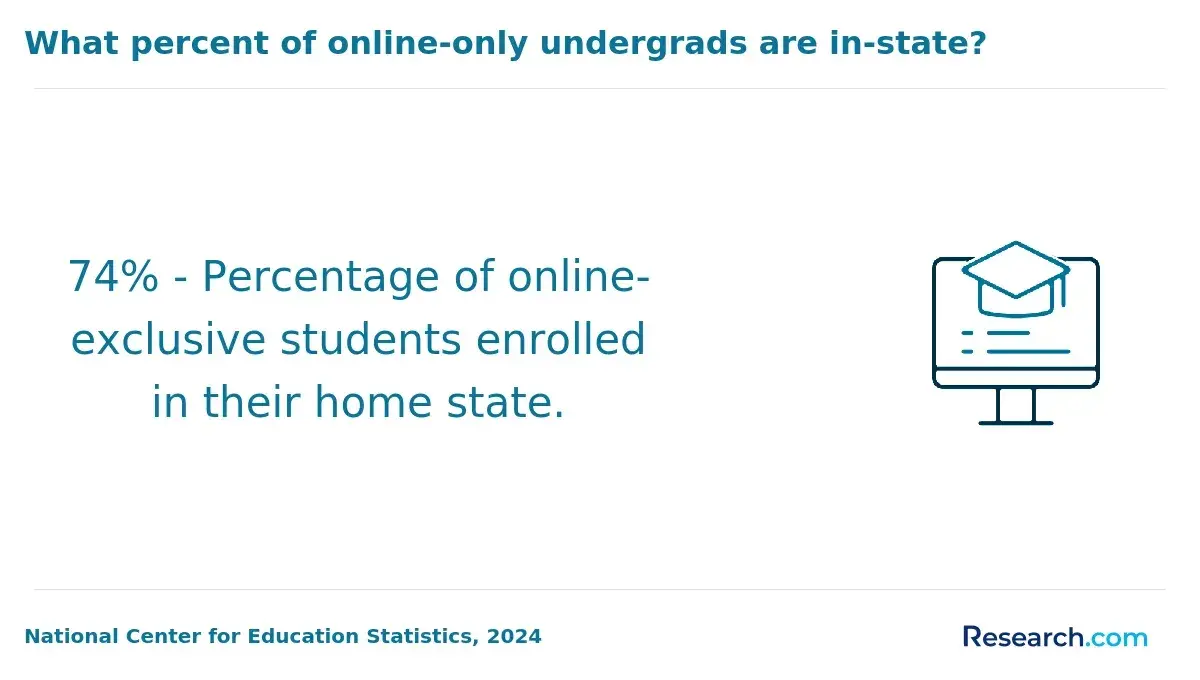
Online Health communication master's degree programs typically use asynchronous or synchronous formats to deliver course content, each shaping the pace of degree completion differently. Asynchronous classes let students engage with materials on their own time, which can improve satisfaction with time management but may extend program length if self-discipline is lacking. In contrast, synchronous courses require attending scheduled live sessions, promoting a more consistent study pace. Several factors highlight how these delivery methods affect the overall timeline.
- Flexibility: Asynchronous formats offer learners the freedom to study whenever convenient, which is ideal for professionals juggling work and personal commitments.
- Pacing Control: Students in asynchronous courses can adjust their workload to speed up or slow down progress, whereas synchronous learners follow a fixed cohort schedule with set deadlines.
- Interaction Requirements: Synchronous programs demand real-time participation in classes and discussions, limiting when students can complete their work.
- Scheduling Consistency: Regular live sessions in synchronous formats help maintain steady momentum and reduce prolonged gaps in study.
- Duration Impact: While asynchronous learning may enable rapid completion through intensive study, it also risks slower progress without external accountability or structure.
Research from the Online Learning Consortium indicates that while asynchronous students appreciate the ability to manage their own time, this freedom can sometimes lead to longer completion times if motivation wanes. Ultimately, choosing between these formats depends on individual preferences for structure and independence, which directly affects how quickly students can earn their degree.
Many online health communication master's programs offer monthly or rolling start dates to provide greater flexibility for students. This approach allows enrollment throughout the year, rather than restricting admission to traditional semester periods. A growing number of institutions embrace these multiple start options to better meet the needs of working professionals and adult learners. This trend reflects a broader shift in online graduate education toward accommodating diverse student schedules and promoting continuous enrollment.
Flexible start dates benefit students by accommodating unpredictable work and family responsibilities, enabling them to select entry points that align with their personal lives. These options also facilitate more effective planning of coursework, allowing students to manage their load according to their availability. Whether pursuing studies part-time or full-time, students can pace their progress to reduce stress related to fixed academic deadlines. However, applicants should confirm specific program policies, as some health communication master's degrees may still operate on traditional semester calendars, which can impact timing for internships or cohort-based projects.
Many online health communication master's degree programs allow students to transfer up to 6 to 9 semester credits, which can represent approximately 20% to 30% of the total coursework required. This transfer option can indeed shorten the program length, enabling students to complete their degree more quickly. However, the impact of transfer credits on health communication program length varies widely depending on institutional rules and course relevance. Understanding how these factors play into credit acceptance is important for prospective students.
Transfer credits must typically be relevant to health communication, earned with a satisfactory grade, and come from accredited institutions to qualify. The process often involves an academic review of transcripts, syllabi, and learning outcomes, which can require detailed documentation and time for approval. Because some core courses or capstone requirements may not be waived, the overall time reduction depends on which credits are accepted. Careful planning and communication with program advisors can maximize the benefit of transfer credits and accelerate degree completion. Those considering options to shorten their studies might also explore programs such as an mha degree, which offers alternative pathways in healthcare education.
Career changers often require additional time to complete health communication master's programs compared to students with related academic backgrounds. Studies show that graduate students entering with unrelated undergraduate degrees are about 20% more likely to take extra semesters to finish their degrees. This trend is common given the combination of communication expertise and health knowledge necessary in these programs.
Several key factors influence the average completion time for career changers in health communication master's degrees:
- Adapting to a New Field: Students must learn industry-specific terminology, frameworks, and methodologies, which can extend the initial learning curve when moving from unrelated backgrounds.
- Completing Foundational Coursework: Many programs require prerequisite or bridge courses for career changers, adding to the total length of the curriculum to build essential health-related knowledge.
- Balancing Commitments: Many career changers manage full-time jobs or family obligations while studying, which naturally slows down the pace of course completion.
- Pacing Flexibility: Online programs often offer part-time or self-paced options, enabling students to adjust their timeline according to personal and professional responsibilities.
- Building Subject-Specific Knowledge: Mastering effective communication within healthcare contexts demands both theory and practice, which may take longer for those new to the discipline.
For those exploring related educational paths, it's helpful to review options at online schools for medical billing and coding as well, which may offer flexible pathways aligned with healthcare professions.
Completing a health communication master's degree more quickly can help students enter the job market sooner, potentially allowing them to start earning and gaining work experience earlier. Employment rates for graduates in health-related fields often exceed 70% within six months, indicating strong demand. However, faster completion does not guarantee better career outcomes, as several factors affect long-term success.
The key considerations include:
- Early Workforce Entry: Finishing sooner lets graduates begin professional roles and build experience without delay, which can be advantageous for income and career momentum.
- Skill Readiness: Accelerated courses may shorten time spent mastering complex skills, which are essential for specialist positions and comprehensive understanding.
- Employer Perceptions: Some hiring managers prefer applicants who have undergone more extensive training, viewing longer programs as a mark of thorough preparation.
- Experience Versus Speed: Taking additional time often provides opportunities for internships, projects, or research that deepen practical knowledge and professional networking.
- Long-Term Career Growth: A solid educational foundation gained over a full program duration can better support advancement and leadership roles in health communication fields.
Balancing pace with quality and experience is crucial when deciding how quickly to complete a health communication master's degree.
What Graduates Say About Online Health Communication Master's Degree Timelines & Completion Options
- Romeo: "I truly appreciated how flexible the online health communication master's program was, allowing me to fit coursework around my busy work schedule. The ability to choose between accelerated and extended timelines helped me control both my pacing and overall expenses. Finishing earlier meant saving on tuition, which was a huge bonus while balancing other financial commitments."
- Aidan: "Reflecting on my experience, the program's structure was thoughtfully designed with multiple pacing options, making it accessible for students in different life stages. Taking the longer path made it manageable to absorb material without feeling rushed, though it did increase the total cost. This flexibility in scheduling really made me value how education can adapt to individual needs in health communication."
- Luke: "From a professional standpoint, the direct link between completion timelines and program costs was eye-opening. Choosing a standard two-year track struck a great balance between advancing my career soon enough and not stretching expenses unnecessarily. The program's modular design gave me clear milestones, which helped maintain motivation and efficient progress throughout my health communication master's degree."
Other Things You Should Know About Health Communication Degrees
No, many online health communication master’s programs do not require GRE scores in 2027. Admissions usually focus on a bachelor’s degree, transcripts, a statement of purpose, and sometimes letters of recommendation. Some programs waive test scores entirely, while others may request them for applicants with lower GPAs.
Some online health communication master's programs include internships or practicum components to provide hands-on experience. These requirements vary by institution, with some offering virtual internships or partnerships with healthcare organizations to complete hours locally. Practical experience helps students apply theoretical knowledge and enhance career readiness.
Many online health communication master's programs require either a thesis or a capstone project as a culminating experience. A thesis involves original research, while a capstone project often focuses on practical problem-solving within the health communication field. These components generally extend the timeline slightly but deepen students' expertise and portfolios.
- BU Health Communication Master's Degree & Graduate Certificate https://www.mhaonline.com/school-profiles/boston-university-ms-health-communication
- Online Master’s in Health Communication Programs in 2025 https://www.mastersincommunications.org/online-health-communication/
- Masters Communication In Health Communication Courses https://timescoursefinder.com/courses/health-medicine/communication-in-health-communication/postgraduate/masters
- Asynchronous vs. Synchronous Learning | Brookline College https://www.brooklinecollege.edu/blog/asynchronous-vs-synchronous-learning-whats-the-difference-and-which-is-right-for-you/
- Online Master’s in Communication Admissions: Fall, Spring, Summer, Rolling https://www.mastersincommunications.com/faqs/online-masters-in-communication-start-dates
- How Long is an Online Master’s in Communication Program? https://www.onlineeducation.com/communication/faqs/how-long-to-earn-a-communications-masters-degree-online
- Asynchronous vs. Synchronous Learning | Eagle Gate College https://www.eaglegatecollege.edu/blog/whats-the-difference-between-asynchronous-vs-synchronous-learning-and-which-is-right-for-you/
- Health Communication https://www.uni-erfurt.de/en/studies/course-offerings/master/health-communication
- Synchronous vs Asynchronous | University of Bridgeport https://www.bridgeport.edu/news/synchronous-vs-asynchronous/