2027 Shortest Online Counseling Psychology Doctorate Programs: Fast PhD, DBA, EdD, DNP, PsyD, and Professional Doctorate Options

Co-Founder and Chief Data Scientist
Choosing the shortest online counseling psychology doctorate is really a trade-off between speed, licensure, cost, and career fit. The need is timely: the U.S. Bureau of Labor Statistics projects psychologist employment to grow 7% from 2024 to 2034, faster than the average for all occupations.
This guide is for counselors, psychology graduates, nurses, educators, and behavioral health professionals comparing fast doctoral routes. You will learn which doctorate types tend to finish fastest, which requirements slow students down, and how to choose a program that saves time without weakening your long-term options.
Key Things You Should Know
- The fastest online mental health-related doctorates are usually post-master's DNP, professional doctorate, or EdD programs, often advertised around 2 to 4 years; licensure-focused PsyD and PhD psychology programs commonly take longer because of practica, internships, and dissertation requirements.
- For psychologist licensure, speed is not enough: students should verify state rules and whether the program's accreditation, internship structure, supervised clinical hours, and residency format meet licensing-board expectations.
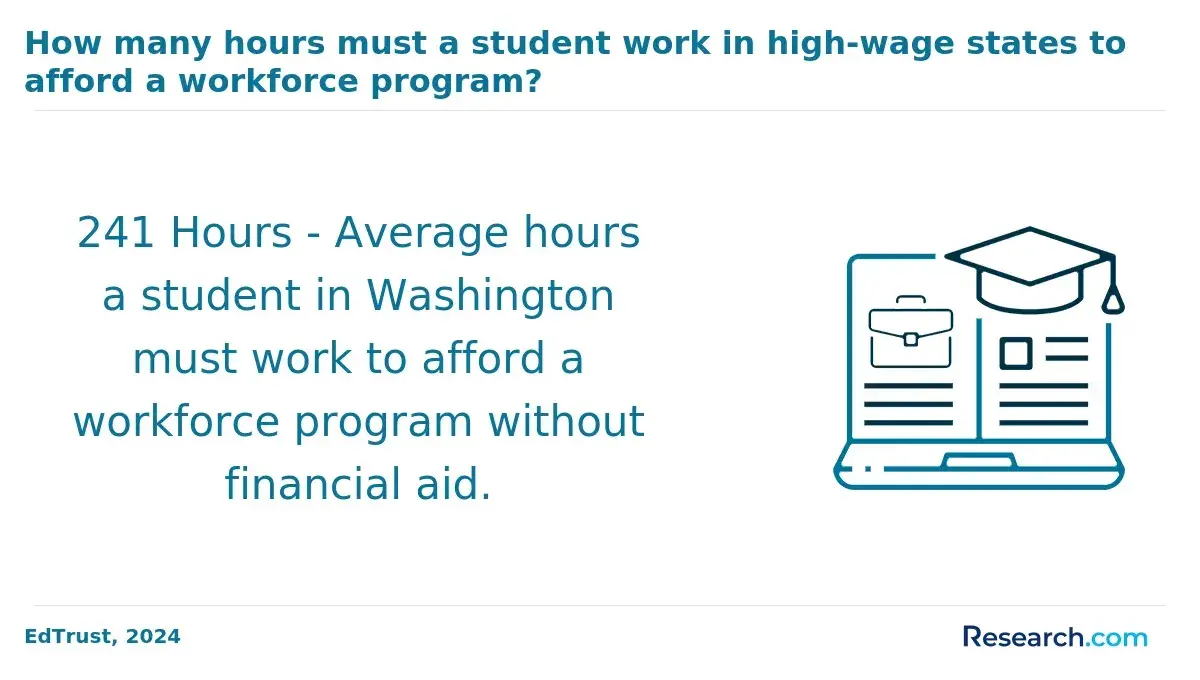
- Cost and time are connected: Federal Student Aid lists the standard Direct Unsubsidized Loan annual limit for graduate and professional students at $20,500, so fewer enrolled years can reduce borrowing exposure, but accelerated terms may increase workload and out-of-pocket pressure.
Which Online Counseling Psychology Doctorate Programs Can Be Completed the Fastest?
The fastest online counseling psychology doctorate options are usually not traditional licensure-oriented PhD or PsyD programs. They are more often post-master's professional doctorates built for people who already have graduate training, clinical experience, or a professional license.
Use the table below to compare realistic speed ranges by doctorate type. The ranges reflect common U.S. program designs and should be treated as planning estimates, not promises, because transfer credit, dissertation progress, clinical placement availability, and enrollment pace can change the timeline:
| Doctorate type | Common online or hybrid fit | Typical fastest completion range | Best fit | Main speed risk |
| Post-master's DNP with psychiatric-mental health focus | Online coursework with clinical or practice requirements | About 1 to 3 years | Licensed nurses or APRNs seeking advanced behavioral health leadership or PMHNP preparation | Clinical placement, state nursing rules, and practicum scheduling |
| Professional doctorate in behavioral health, counseling, or psychology-related practice | Often online with a capstone or applied project | About 2 to 3 years | Working clinicians, administrators, coaches, or behavioral health leaders | Whether the credential supports the intended license or employer requirement |
| EdD in counselor education, counseling psychology-related leadership, or mental health education | Online or low-residency | About 2.5 to 4 years | Counselor educators, supervisors, program directors, and school or community mental health leaders | Dissertation, applied research project, and CACREP or institutional requirements |
| DBA in healthcare management, behavioral health leadership, or organizational psychology | Online with applied business research | About 3 to 5 years | Behavioral health executives, clinic owners, and consultants | Not a clinical psychology licensure pathway |
| PsyD in clinical or counseling psychology | Usually hybrid or campus-based, with limited online components | About 4 to 6 years | Students seeking psychologist licensure and practice-focused doctoral training | APA accreditation expectations, practica, internship, and residency |
| PhD in counseling psychology or psychology | Usually campus-based or hybrid; fully online licensure paths are uncommon | About 4 to 7 years or more | Students seeking research, faculty, or psychologist licensure pathways | Research apprenticeship, dissertation, and clinical training sequence |
Students who do not yet have the right master's preparation may save more total time by first choosing accelerated mental health counseling programs online before applying to a doctorate. A fast master's can be more useful than entering a doctorate that requires leveling courses or does not match licensure goals.
The most important distinction is whether the doctorate is designed for clinical psychologist licensure, counseling licensure advancement, nursing practice, academic leadership, or behavioral health administration. A two-year doctorate can be the wrong choice if it does not meet the requirement that actually matters for the career you want.
Which Type of Online Counseling Psychology Doctorate Offers the Fastest Path to Graduation?
The fastest path depends on your starting credential. A licensed counselor with a master's degree, a nurse with an MSN, and a bachelor's-level psychology graduate are not comparing the same timeline, even if they are all searching for an online counseling psychology doctorate.
The table below matches common student goals to doctorate types. It helps separate the fastest degree from the fastest appropriate degree, which is the better decision point:
| Student goal | Usually fastest suitable doctorate | Why it may be faster | When to avoid it |
| Advance as a licensed counselor, clinical supervisor, or counseling program leader | EdD or PhD in counselor education, counseling, or supervision | Programs may accept a counseling master's and focus on supervision, teaching, and applied research | Avoid if your main goal is psychologist licensure and the program does not meet state psychology-board rules |
| Become a licensed psychologist | PsyD or PhD in clinical, counseling, or school psychology | It is not usually the shortest, but it is the most direct licensure-oriented psychology route | Avoid non-licensure online doctorates if you need the legal title of psychologist |
| Move into integrated behavioral health nursing practice | DNP with psychiatric-mental health or population health focus | Post-master's tracks can be shorter for nurses who already hold graduate nursing preparation | Avoid if you are not a nurse or do not want a nursing-scope credential |
| Lead a behavioral health organization or private group practice | DBA or professional doctorate in behavioral health leadership | Applied research and capstone formats can be more predictable than traditional dissertations | Avoid if the job requires a psychology license, counselor educator credential, or clinical supervision authority |
| Teach counseling or psychology in higher education | EdD, PhD, or PsyD depending on faculty role | Applied doctorates may be faster for teaching-focused roles, while PhDs may be preferred for research-heavy posts | Avoid choosing only by speed if you want tenure-track research roles |
If you are still deciding between psychology and counseling pathways, reviewing online clinical psychology masters options can clarify prerequisites before you commit to a doctorate. Many doctoral delays begin when students enter with a master's degree that does not align with the program's clinical, research, or accreditation expectations.
In practical terms, the DNP and professional doctorate are often fastest for already-credentialed professionals, the EdD is often the fastest leadership or education pathway for counselors, and the PsyD or PhD is the most appropriate route when psychologist licensure is the goal.
What Program Features Help Students Finish an Online Counseling Psychology Doctorate Faster?
Fast programs are not fast only because they advertise a shorter duration. They usually have structural features that reduce scheduling friction, prevent dissertation delays, and make it easier for working adults to move through the curriculum without stopping out.
When comparing programs, look for features that affect the actual completion path rather than only the catalog description:
- Post-master's entry: Programs that admit students with a relevant master's degree can reduce foundational coursework and move students into doctoral-level research, supervision, leadership, or practice courses sooner.
- Lockstep course sequencing: A fixed sequence can help students avoid missed prerequisites, although it may also reduce flexibility if a student needs to pause.
- Year-round terms: Programs with summer, eight-week, or multiple start terms can shorten calendar time compared with programs that offer required courses only once per year.
- Embedded dissertation or capstone milestones: Programs that require students to choose a topic, complete literature reviews, and receive committee feedback early are less likely to leave the final project until the end.
- Low-residency design: Short, planned residencies can be easier to manage than unpredictable campus visits, especially for students who work full time or live far from the institution.
- Strong clinical placement support: For programs with practicum or internship requirements, placement coordination can prevent months of delay.
- Clear transfer-credit policy: Some schools allow a limited number of previous graduate credits to apply, but students should confirm whether credits reduce tuition, time, or both.
A major red flag is a program that says it is "accelerated" but does not publish course sequences, dissertation milestones, residency expectations, or clinical placement policies. If the school cannot explain how students finish faster, the advertised timeline may apply only to an unusually ideal student.
The requirements most likely to extend an online counseling psychology doctorate are not always the courses. Delays more often come from research approval, clinical hour sequencing, dissertation committee availability, residency attendance, and internship placement.
The table below shows where students commonly lose time and why the effect differs by doctorate type:
| Requirement | Why it can extend completion | Most affected doctorate types | What to verify before enrolling |
| Dissertation | Topic changes, committee delays, data collection problems, and institutional review board approval can add terms | PhD, EdD, some PsyD programs | Ask for average dissertation completion time, not just minimum program length |
| Capstone or applied doctoral project | Usually more structured than a dissertation, but still depends on site access, project approval, and faculty feedback | DNP, DBA, professional doctorate, some EdD programs | Ask whether the project begins early or only after coursework |
| Practicum and internship | Clinical placements require approved sites, supervisors, hours, evaluations, and sometimes competitive matching | PsyD, PhD, DNP, licensure-oriented counseling programs | Ask who secures placements and whether local sites are allowed |
| Residency or intensive sessions | Students may need to travel, take leave from work, or wait for the next scheduled intensive | PsyD, PhD, EdD, professional doctorates | Ask for exact dates, duration, location, and whether attendance is mandatory |
| Licensure documentation | State boards may require specific courses, supervised hours, exams, or program accreditation | Psychologist, counselor, and nursing licensure pathways | Confirm requirements with the state board where you plan to practice |
For licensure-oriented psychology doctorates, accreditation deserves special attention. Many states reference APA-accredited doctoral education or internships for psychologist licensure, and fully online counseling psychology doctorates that meet those expectations are limited. Students should confirm requirements directly with the relevant psychology board before relying on any school's general marketing language.
The common mistake is assuming that "online" means fewer clinical or research obligations. Online delivery can reduce travel for coursework, but it rarely removes the supervised practice, dissertation, assessment, ethics, or residency requirements tied to professional preparation.
Enrollment pace can change the real timeline as much as the doctorate type. Full-time study usually shortens calendar time, but part-time study may be more sustainable for professionals who cannot pause employment or clinical responsibilities.
The table below compares common enrollment choices and how they affect speed, workload, and financial planning:
| Enrollment choice | Likely effect on time | Best for | Trade-off |
| Full-time, year-round enrollment | Fastest calendar-time option when courses are available every term | Students with flexible work schedules, savings, employer support, or reduced family obligations | Higher weekly workload and less room for clinical, research, or personal disruptions |
| Part-time enrollment | Often adds one or more years depending on course sequencing | Working counselors, teachers, nurses, and administrators | More manageable workload but longer exposure to tuition increases and program changes |
| Cohort-based enrollment | Can be efficient if the student stays on track | Students who value structure, peer support, and predictable scheduling | Pausing may mean waiting for the next cohort or repeating a sequence |
| Self-paced or flexible enrollment | Can be faster for highly disciplined students, but slower for students who need structure | Experienced professionals with strong independent work habits | Progress depends heavily on self-management and faculty availability |
| Transfer-credit or advanced-standing enrollment | May shorten coursework if the school accepts relevant graduate credits | Applicants with recent, aligned graduate coursework | Credits may reduce electives but not dissertation, capstone, residency, or clinical requirements |
Financial aid planning also matters. Federal Student Aid lists $20,500 as the annual Direct Unsubsidized Loan limit for most graduate and professional students, with Grad PLUS loans available for eligible remaining costs. A shorter program may reduce the number of borrowing years, but an accelerated schedule can concentrate tuition and fees into fewer terms.
The best enrollment choice is the fastest pace you can sustain without repeated withdrawals, incomplete grades, or delayed dissertation work. For many working professionals, a steady part-time plan can finish sooner than an unrealistic full-time plan that leads to interruptions.
The best online counseling psychology doctorate for working professionals is usually the one that protects schedule predictability. A program can be academically strong and still be a poor fit if classes, residencies, supervision, or research meetings regularly conflict with employment.
Working adults should compare programs by the friction points they will actually experience during a normal week:
- Licensed professional counselors and marriage and family therapists: An EdD or PhD in counselor education, supervision, or counseling leadership may fit if the goal is teaching, supervision, administration, or advanced practice credibility rather than psychologist licensure.
- School counselors and educational leaders: An EdD with a counseling, mental health, student support, or human development focus can align with district leadership, program evaluation, and student services roles.
- Psychiatric nurses and APRNs: A DNP can fit professionals seeking advanced practice, systems leadership, or psychiatric-mental health nursing roles, subject to state nursing rules and certification requirements.
- Behavioral health managers and clinic owners: A DBA or professional doctorate in behavioral health leadership can support strategic planning, quality improvement, finance, operations, and organizational consulting.
- Aspiring licensed psychologists: A PsyD or PhD may be necessary, but students should expect less flexibility because clinical training and internship requirements are difficult to compress.
Strong working-professional programs tend to publish class meeting expectations, offer asynchronous coursework where appropriate, provide early dissertation or capstone advising, and schedule residencies far in advance. They also explain whether students can complete fieldwork near home and whether evening or weekend supervision is available.
Students should be cautious with programs that advertise flexibility but require frequent synchronous meetings during business hours. For employed clinicians, those conflicts can create more delay than a slightly longer but better-structured program.
Finishing faster can lower some costs, but it does not automatically mean better value. The financial benefit depends on tuition structure, fees, lost income, loan interest, employer reimbursement, and whether the degree supports the career outcome the student actually wants.
Use the table below to separate cost savings from quality signals. A fast program is most valuable when it reduces unnecessary time without cutting essential academic, clinical, or research support:
| Factor | How speed can help | How speed can hurt | Quality signal to check |
| Tuition and fees | Fewer terms may mean fewer semester-based fees and less time in school | Compressed programs may charge high per-credit tuition or intensive residency fees | Total program cost, not just cost per credit |
| Lost income | Graduating sooner may reduce time spent limiting work hours | Accelerated workloads may force students to reduce employment temporarily | Weekly workload estimate and practicum schedule |
| Academic support | Structured milestones can keep students moving | Too little mentoring can delay the dissertation or capstone despite a short course plan | Faculty advising model, committee timelines, and student support services |
| Accreditation and recognition | A reputable accelerated format can preserve credibility | A short non-licensure doctorate may not meet board, employer, or faculty-role expectations | Institutional accreditation and relevant programmatic accreditation where applicable |
| Clinical preparation | Efficient placement support can prevent delays | Clinical requirements cannot always be rushed without affecting eligibility | Approved sites, supervision standards, and exam or licensure alignment |
Quality should be judged by outcomes and fit, not by length alone. Ask whether graduates complete the final project, whether students receive timely mentoring, whether the curriculum aligns with current behavioral health practice, and whether the credential is recognized by the employers or licensing boards that matter to you.
A good rule is to pay for speed only when the program is transparent about how it maintains rigor. If a school shortens the timeline by removing support, weakening research expectations, or being vague about licensure, the apparent savings may not hold up.
The careers that benefit most from a faster doctorate are usually roles where the student already has the required license or professional foundation and needs the doctoral credential for leadership, teaching, advanced practice, or credibility. For entry into licensed psychologist practice, completing faster is helpful only if all licensure requirements are still met.
The U.S. Bureau of Labor Statistics reported a May 2024 median annual wage of $94,310 for psychologists. That figure is not a guarantee for doctorate graduates, but it shows why students should connect program choice to the specific role, setting, license, and experience level they are targeting:
| Career direction | Doctorate that may fit | How faster completion can help | Important limitation |
| Licensed psychologist | PsyD or PhD in clinical, counseling, or school psychology | May allow earlier entry into postdoctoral, exam, or licensure steps | Clinical training and accreditation requirements often limit acceleration |
| Counselor educator or supervisor | EdD or PhD in counselor education or supervision | Can support teaching, supervision, curriculum design, and leadership roles sooner | Faculty jobs may prefer research productivity, CACREP alignment, or a PhD depending on the institution |
| Behavioral health administrator | DBA, EdD, DNP, or professional doctorate | Can strengthen qualifications for executive leadership, quality improvement, and program development | Clinical authority still depends on the underlying license |
| Psychiatric-mental health nursing leader | DNP | Can support advanced nursing practice, systems leadership, and evidence-based care improvement | Eligibility depends on nursing education, certification, and state scope-of-practice rules |
| Forensic or correctional behavioral health consultant | PsyD, PhD, professional doctorate, or relevant clinical doctorate | Can add advanced assessment, leadership, or consulting credibility | Forensic psychology roles vary widely by license, court expectations, and employer standards |
Students considering forensic settings should also compare education requirements and salary context before assuming any psychology doctorate will lead to the same opportunities. A guide on how much do forensic psychologists make can help clarify how role, setting, and credentials affect earning potential.
Fast completion is most useful when it moves you sooner into a role for which you are already nearly qualified. It is less useful when the doctorate is being used to switch professions and the new field requires additional supervised hours, exams, internships, or postdoctoral experience.
Students who finish online counseling psychology doctorates faster tend to have aligned prior education, clear goals, strong writing habits, and enough schedule control to maintain momentum. The program matters, but student readiness often determines whether the advertised timeline is realistic.
The following characteristics are especially important because doctoral delays often come from independent work rather than weekly class attendance:
- A clearly defined career target: Students who know whether they need psychologist licensure, counselor education preparation, nursing advancement, or administrative leadership can avoid switching programs or adding remedial coursework.
- Relevant graduate preparation: A master's degree in counseling, psychology, nursing, social work, education, or behavioral health can reduce transition time when it matches the doctorate's prerequisites.
- Consistent academic writing ability: Doctoral students who can write literature reviews, synthesize research, and revise quickly are less likely to stall during the dissertation or capstone.
- Access to a practice or research setting: Students who can complete projects at a workplace, clinic, school, or approved agency may move faster through applied research requirements.
- Protected weekly study time: Accelerated doctoral work often requires regular blocks for reading, writing, data analysis, supervision, and faculty meetings.
- Comfort with online learning technology: Students who can manage learning platforms, teleconferencing, library databases, citation tools, and digital collaboration lose less time to avoidable technical friction.
Students who should be cautious about the shortest programs include those changing fields, those unsure about licensure rules, those who cannot reduce work during heavy terms, and those who need extensive faculty structure to complete long research projects. Taking longer can be the better choice if it improves clinical readiness, reduces debt stress, or leads to a credential with stronger recognition.
How Should Students Compare the Shortest Online Counseling Psychology Doctorate Programs?
The best comparison process starts with your end goal and works backward. Do not begin with the shortest advertised timeline; begin with the license, role, employer expectation, or academic pathway you need the doctorate to support.
Use this step-by-step process to compare programs without being misled by marketing claims:
- Define the required outcome: Decide whether you need psychologist licensure, counselor supervision authority, faculty eligibility, nursing advancement, behavioral health leadership, or personal scholarly development.
- Check accreditation first: Verify institutional accreditation and any required programmatic accreditation, such as APA expectations for psychology licensure pathways or CACREP relevance for counselor education roles.
- Ask for average time to completion: Minimum time shows what is possible; average time shows what is more typical for real students.
- Request the full course sequence: Confirm when required courses are offered and whether missing one term delays graduation by a full year.
- Clarify dissertation or capstone support: Ask when students choose a topic, how committees are assigned, and how often faculty provide feedback.
- Verify fieldwork rules: For clinical or practice doctorates, ask whether local placements are permitted and who is responsible for securing approved sites.
- Calculate total cost: Include tuition, fees, residencies, travel, books, technology, background checks, exam fees, and possible lost income.
- Compare flexibility honestly: Review synchronous class times, residency dates, practicum hours, and expected weekly workload against your real schedule.
- Confirm state and employer recognition: Contact licensing boards or target employers before enrolling if the degree is tied to a regulated role.
- Choose the shortest credible option: Select the fastest program that still meets accreditation, licensure, academic support, and career-fit requirements.
Students focused on children, adolescents, and families should also compare doctoral options with earlier specialization routes such as child psychology master's programs. Choosing the right specialization before the doctorate can prevent costly detours later.
The biggest mistake is treating all online doctorates as interchangeable. A fast DNP, EdD, DBA, PsyD, PhD, or professional doctorate can each be valuable, but only when the degree type matches the student's professional destination.
Other Things You Should Know About Counseling Psychology
It depends on the program and state. Many psychologist licensure pathways require specific doctoral training, supervised clinical experience, and sometimes APA-accredited education or internship components. Fully online options that meet all requirements are limited, so students should confirm directly with the state psychology board before enrolling.
Many accelerated or post-master's doctorates require a relevant master's degree, especially EdD, DNP, and professional doctorate programs. Some PsyD or PhD programs admit bachelor's-prepared students, but those programs usually take longer because they include master's-level and doctoral-level training.
No. Even accelerated online counseling psychology doctorates usually require a dissertation, capstone, or applied research project, plus a residency or intensive campus visit. Many programs still total about 54 to 90 credits, and licensure-track PsyD or PhD options must meet state board and APA-accreditation expectations.
Yes. APA accreditation is the main quality signal for doctoral programs leading to psychologist licensure, especially for clinical and counseling psychology routes. The APA Commission on Accreditation recognizes doctoral, internship, and postdoctoral programs, and many state licensing boards require APA-accredited training for eligibility.
- Fastest Online Master's In Counseling Programs https://www.psychology.org/counseling/fastest-online-degrees/
- 3 Year PsyD Programs: Accelerated, Comprehensive, and Blended Weekend Program https://www.scuhs.edu/psyd-article/3-year-psyd-programs-accelerated-comprehensive-and-blended-weekend-program/
- Doctor of Psychology in Clinical Psychology (PsyD) - Chestnut Hill College https://www.chc.edu/academics/programs/doctor-of-psychology-in-clinical-psychology-psyd/
- What is the Fastest Online Counseling Degree? | University of Bridgeport https://www.bridgeport.edu/news/fastest-online-counseling-degree/
- 2025 Best Online Ph.D. Programs in Counseling https://www.counselingpsychology.org/counseling/degrees/doctorate/
- Counseling Scholarships https://onlinecounselingprograms.com/become-a-counselor/resources/scholarships/
- EdD in Mental Health Counseling https://online.aic.edu/programs/online-doctorate-counseling
- Online and Hybrid PhD & PsyD Programs in Psychology https://www.psychologist-license.com/phd/
- Financial Aid for Psychology Students https://www.onlinepsychologydegrees.com/financial-aid/