
2027 Return on Investment (ROI) of a Web Development Degree Program

Co-Founder and Chief Data Scientist
Many prospective students wonder if investing in a web development degree will lead to meaningful career advancement or financial gain. With technology evolving rapidly, the demand for skilled web developers grows, yet concerns over tuition costs and job market saturation remain. According to the U. S. Bureau of Labor Statistics, employment of web developers is projected to grow 15% from 2021 to 2031, faster than the average for all occupations.
This article examines the true return on investment of a web development degree, analyzing costs, earnings potential, and employment outcomes to help readers make informed decisions.
Key Things to Know About Web Development Degree ROI
- Graduates with a web development degree can expect a median starting salary around $65,000, with potential for 20% salary growth over five years due to skill specialization.
- The degree facilitates career advancement by opening roles in software engineering, UI/UX design, and project management, increasing long-term job security across tech sectors.
- Web development skills offer flexibility, allowing professionals to work in various industries such as finance, healthcare, and entertainment, enhancing employment stability and marketability.
How Is ROI Calculated for a Web Development Degree Program?
Return on investment (ROI) in higher education evaluates the financial gains students can expect relative to the cost and time required to complete their degree. This metric helps prospective students compare the value of a web development degree against its expense and duration, guiding informed decisions about their education.
Several factors are crucial when evaluating return on investment calculation for web development degrees. These key elements include:
- Tuition and fees: This encompasses all direct educational costs such as tuition, textbooks, and associated fees. Accurately estimating these costs is essential for determining the initial financial commitment.
- Opportunity cost: The potential income lost while attending school, whether full or part time, influences ROI significantly. Time spent studying instead of working represents a financial trade-off that must be considered.
- Time to completion: The length of the program affects both total expenses and time before entering the workforce. Shorter programs can lower costs and accelerate earning potential, boosting overall ROI.
- Post-graduation salary outcomes: Expected starting salaries and long-term income growth within web development impact how quickly graduates recover their investment. Higher earnings increase the financial returns over a career.
- Career advancement potential: The degree's role in enabling promotions, specialized roles, or entrepreneurial ventures can enhance lifetime earnings and improve value.
Prospective students evaluating web development degree program costs and earnings should also explore specialized options like online BCBA programs, which demonstrate the diversity of educational pathways affecting ROI.
How Much Does a Web Development Degree Program Cost?
Accurately gauging the total cost of a web development degree is vital for assessing whether the financial and time investments will yield worthwhile returns. Graduate tuition and fees at public colleges have risen steadily over recent years, complicating the calculation of potential debt versus future earnings. This growing expense heightens the importance of understanding all contributing factors.
Several major cost elements influence the overall return on investment for a web development degree program:
- Tuition and fees: This forms the bulk of expenses and varies widely depending on the type of institution and program duration, often making up the most significant financial hurdle.
- Books and materials: Necessary textbooks, software tools, and development hardware can collectively add hundreds or sometimes thousands of dollars, a non-negligible investment for students.
- Living and relocation costs: For those relocating, expenses related to housing, daily living, and commuting significantly increase the total outlay beyond direct educational charges.
- Opportunity cost: Time devoted to studies usually means lost income opportunities, a crucial but often overlooked factor in evaluating overall affordability and payback.
- Hidden or indirect costs: Additional fees such as technology access, certification tests, or unpaid internships can further impact the bottom line and lengthen the financial recovery period.
When I spoke with a recent web development degree graduate about his experience, he shared how managing these expenses was sometimes overwhelming. "Balancing part-time work with coursework was necessary, but it also stretched my graduation timeline," he recalled.
He noted the unexpected costs for software licenses and attending networking events added pressure. Despite these challenges, he emphasized, "The skills I gained opened doors to better job offers, but it took careful budgeting and persistence to make it through without excessive debt."
What Financial Aid Is Available for Web Development Degree Programs?
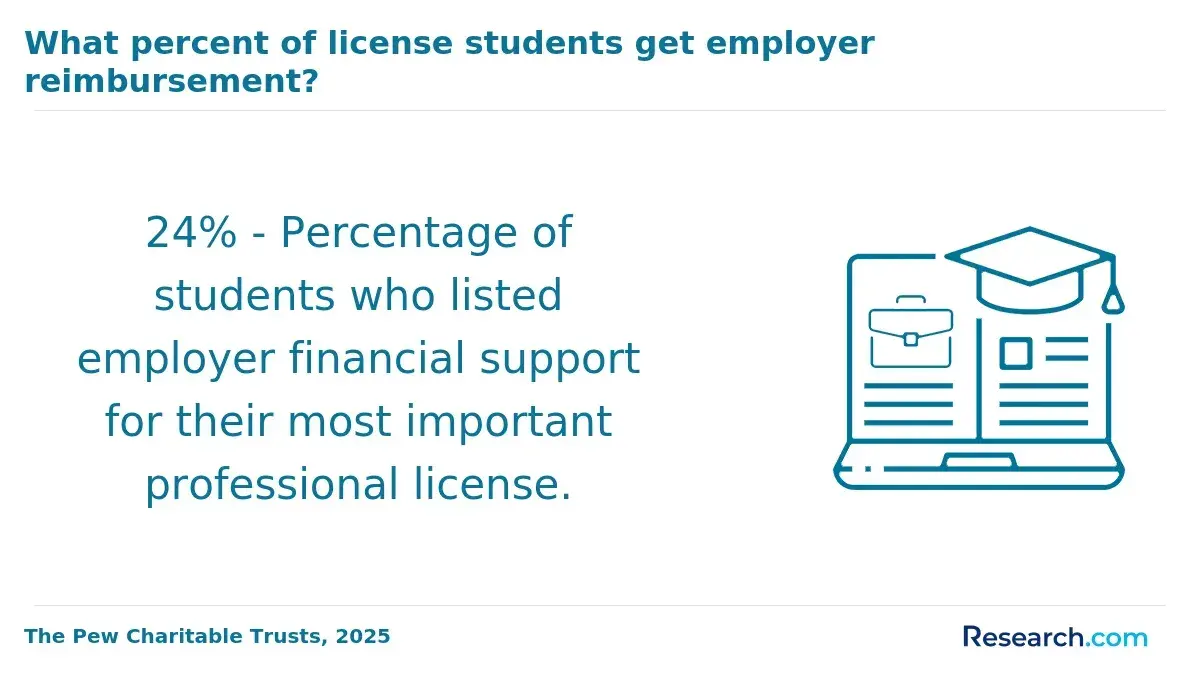
Financial aid can significantly reduce the initial expenses of a web development degree, helping students finish with less debt and boosting their long-term return on investment. Nearly 85% of college students in the U.S. benefit from some form of financial support, underscoring its role in making education more affordable.
Several types of aid are commonly available to those pursuing web development programs:
- Scholarships: These awards, often based on merit or financial need, provide money that doesn't require repayment, decreasing overall program costs and lowering debt burdens.
- Grants: Typically need-based, grants help cover tuition or living expenses, making education more accessible and improving financial outcomes after graduation.
- Fellowships: Mostly offered for advanced studies, fellowships supply stipends or tuition support, easing financial pressure and allowing focused skill development.
- Employer Tuition Assistance: Many companies reimburse educational expenses, enabling students to gain new skills without sacrificing income, thus enhancing ROI.
- Federal Loans: While loans increase debt, federal options usually offer lower interest rates and flexible repayments, allowing students to manage costs without severely impacting their financial future.
The time needed to finish a web development degree plays a significant role in determining its return on investment (ROI) by influencing opportunity costs, potential earnings, and total educational expenses. Completing the degree sooner can reduce costs and accelerate income, while taking longer may increase expenses and delay entering the workforce.
Several key factors affect how quickly students complete their web development studies and how these choices impact their financial outcomes:
- Enrollment status: Attending full-time generally shortens the duration of studies, enabling earlier entry into the job market and enhancing ROI. Part-time enrollment extends the timeline but allows students to earn income simultaneously, which can offset education costs.
- Program format: Online and accelerated programs offer flexible pacing that often shortens completion time. These formats help minimize opportunity costs by letting students learn at their own speed or pursue degrees faster than traditional programs.
- Transfer credits: Applying previous coursework or professional certifications can reduce the number of required classes, cutting down both time and financial investment.
- Practical requirements: Internships, capstone projects, or thesis components may lengthen the degree but provide valuable hands-on experience that could improve job prospects and long-term earnings.
- Scheduling flexibility: Programs designed to accommodate working students allow balancing education and income, which influences both time to degree and overall costs.
When I spoke with a graduate from a web development degree, she shared insight that highlighted the balance between time and investment. She explained how initially, juggling a part-time job with evening classes stretched her studies beyond the expected timeframe, leading to occasional frustration and pressure. However, as she accumulated credits and leveraged online course options, she accelerated her pace.
The practical internships challenged her but proved critical to landing her first developer role quickly after graduation. Reflecting on the journey, she noted, "It wasn't always easy managing everything at once, but the flexibility built into my program made a big difference." Her experience illustrates how individual circumstances and program design profoundly affect the path to degree completion and the resulting ROI.
Differences in delivery format influence the return on investment (ROI) of web development degree programs primarily through variations in cost, flexibility, and career outcomes. More than one-third of higher education students now enroll exclusively online, reflecting a growing trend that affects both tuition pricing and graduate experiences. These factors play a crucial role when comparing online vs on-campus web development ROI.
Several key factors distinguish the two learning paths:
- Tuition and fees: Online programs typically have lower tuition and fees than their on-campus counterparts, which often leads to reduced student debt and upfront expenses.
- Opportunity cost: Many online learners maintain employment while studying, thereby minimizing lost income compared to full-time on-campus students who may have limited ability to work.
- Time to completion: Flexible pacing in online programs can enable some students to graduate faster, improving overall ROI by accelerating entry into the workforce.
- Networking and career services: On-campus programs usually provide richer in-person networking opportunities and more direct access to career resources, which can impact job placement and long-term earnings.
- Employer perception: While some employers still prefer traditional degrees, the acceptance of reputable online credentials continues to grow, increasing their value in the job market.
Prospective students seeking to balance affordability and career preparation might also consider alternatives like an online counseling degree program, which may offer comparable cost advantages.
Post-graduation salary is a key determinant of the return on investment (ROI) for those holding a web development degree, as it directly impacts how quickly graduates can recover educational costs and accumulate wealth. In the United States, the average web developer salary ranges between $50,000 and $85,000 annually, reflecting a wide span depending on various factors such as experience and specialization. Understanding these variables helps prospective students evaluate the financial benefits tied to web development degree graduate earnings.
Several critical factors influence salary outcomes and consequently affect ROI:
- Industry: Sectors like tech, finance, and healthcare differ in compensation levels. Industries with high demand for web development skills typically offer better salaries, enhancing ROI.
- Geographic Location: Urban tech hubs generally provide higher salaries due to cost of living and competition, improving financial returns compared to lower-paying regions.
- Prior Experience: Internships and related work experience before graduation increase starting salaries, accelerating ROI realization.
- Specialization: Expertise in front-end, back-end, or full-stack development can elevate earning potential, with some niches commanding premium wages.
- Career Level: Progressing from junior to senior roles significantly boosts salary, positively impacting long-term ROI as skills and responsibilities grow.
For individuals balancing career advancement with education, exploring online executive MBA programs might also provide strategic pathways to higher earnings and career growth.
Promotions play a crucial role in determining the return on investment (ROI) of a web development degree by often resulting in salary increases, expanded responsibilities, and greater career mobility. These advancements enhance both financial outcomes and professional growth opportunities.
A notable workforce trend is the increasing emphasis on credential-based promotions within the technology sector, where holding formal degrees like a web development degree can be a decisive factor for leadership and specialized roles.
Here are key ways a web development degree may influence promotion opportunities and ROI:
- Credential Requirements: Many managerial and senior technical positions require specific formal credentials. Holding a web development degree meets these prerequisites, making candidates more eligible for such roles.
- Leadership Preparation: The degree provides foundational knowledge and skills that prepare graduates for decision-making and leadership responsibilities, which are critical for career advancement.
- Employer Tuition Support: Graduates often qualify for employer-sponsored tuition reimbursement or support programs, reducing financial barriers to continuing education and thereby improving overall ROI.
- Competitive Edge: In a competitive job market, experience alone may not suffice; a web development degree strengthens a professional's profile and enhances chances for upward mobility.
- Career Flexibility: The broader skill set and credentials gained open up a wider array of roles within organizations, aiding long-term career development and mobility.
Experience remains an important factor for promotions, but it is the combination of hands-on skills and formal education that often convinces employers to align higher responsibilities with academic achievements. This synergy is especially relevant when evaluating promotions with web development degree credentials.
Prospective students and career changers looking for options that balance cost and career returns might consider programs recognized as the cheapest online bachelor's degree pathways in related fields, which can provide affordable routes to these career benefits.
The return on investment (ROI) for web development graduates varies significantly by industry due to differences in salary levels, career advancement opportunities, and demand for specialized skills. This variability reflects how industries prioritize technical roles and reward expertise. Below are some of the top sectors offering the highest paying industries for web development graduates.
Several industries consistently deliver strong ROI for web development professionals:
- Technology and Software Services: This sector is known for competitive salaries, rapid career progression, and a high demand for advanced skills like front-end frameworks and cloud integration. These factors contribute to sustained compensation growth and promotion potential.
- Finance and Fintech: Due to stringent security and performance needs in digital banking, compensation remains strong. Job growth in this area is stable, driven by innovations that rely heavily on sophisticated web-based systems.
- Healthcare Technology: The rise of telemedicine and secure patient portals creates long-term demand and job stability. This industry allows developers to apply meaningful technical skills in a growing market segment.
- E-commerce and Retail: Continuous expansion of online sales channels requires developers who enhance user experience and platform efficiency, offering steady opportunities and skill development.
- Media and Entertainment: Streaming, gaming, and interactive content innovations offer creative and technical growth prospects, making this a profitable area for web developers.
When choosing a field, prospective web development graduates should also consider exploring online certificate programs tailored to these high-demand sectors. These programs can enhance skills that align with the top sectors with best ROI for web developers, improving long-term earnings and career satisfaction.
Accreditation for web development degree programs signifies that the curriculum and faculty meet established quality criteria set by recognized educational authorities. This validation ensures students gain skills that align with industry standards, making their education more reliable in the eyes of employers. A notable trend is that many companies now prefer graduates from accredited programs, as this reduces hiring risks and indicates consistent competencies.
Additionally, accreditation often impacts eligibility for federal financial aid, which can considerably lower the total cost of education and improve the initial financial return. Over time, accreditation enhances long-term ROI by building credibility with employers, which can lead to better job opportunities and higher starting salaries. It also allows credits to transfer between institutions, helping students save time and expenses if they pursue further education.
Graduates from accredited programs may qualify for certifications or licenses required for career advancement, broadening professional options. Furthermore, accredited credentials typically increase career mobility, allowing graduates to work across different states or sectors with recognized qualifications.
Evaluating the return on investment for a web development degree involves balancing various financial and professional factors. Tuition costs and the duration of study, often between one and four years, heavily influence the initial investment. Graduates typically earn a median starting salary around $73,000 annually in the U.S., with potential for significant growth as experience and expertise increase.
Career progression opportunities, such as roles in front-end architecture or project management, also contribute positively to long-term earnings and job satisfaction. Whether the degree is worthwhile depends on several aspects. Strong industry demand supports job stability and wage growth, making the field attractive for many.
Program format, including online or in-person options, can affect affordability and flexibility, especially when balancing work and study. Access to scholarships or financial aid may reduce upfront costs, while personal career objectives and previous skills play a crucial role in determining the value of formal education versus alternative training paths.
What Graduates Say About The ROI of Their Web Development Degree
- Brent: "Choosing to pursue a web development degree through a traditional campus program was a big commitment, especially considering the average cost can be upwards of $30,000. However, I truly believe the comprehensive curriculum and hands-on experience provided a solid foundation for my career growth. The degree opened doors to roles I wouldn't have accessed otherwise, making the investment well worth it in the long run."
- Chloe: "As an online student, weighing the cost versus benefit of enrolling in a web development degree was crucial for me. Online programs tend to be more affordable, often ranging between $10,000 and $20,000, which fit my budget without compromising quality. Reflecting now, finishing this degree gave me the flexibility to switch careers smoothly and confidently, proving it was definitely worth every penny."
- Dwayne: "I opted for a part-time web development degree while working full-time, which made the overall cost manageable despite tuition still averaging around $20,000. The experience was challenging but incredibly rewarding; it allowed me to apply new skills directly to my job, boosting my professional advancement. Looking back, this degree was a strategic move that enhanced both my expertise and earning potential."
Other Things You Should Know About Web Development Degrees
The American Opportunity Tax Credit can cover up to $2,500 per eligible student for the first four years of postsecondary study, and the Lifetime Learning Credit can provide up to $2,000 per tax return. Both can lower tuition costs and improve ROI when you qualify.
In 2027, a realistic starting salary for web development graduates is expected to be between $60,000 and $70,000 annually. Such salaries can significantly influence the Return on Investment (ROI) by recouping tuition and associated expenses more quickly, though individual results may vary based on location and demand.
- Comparing Educational Pathways - Degree vs Bootcamp ROI https://oboe.com/learn/degree-vs-bootcamp-roi-1oyzxuv/comparing-educational-pathways-b9kjp8
- What Is a Web Developer? | Skills and Career Paths https://www.computerscience.org/careers/web-developer/
- Web Development Course Cost & Duration Explained https://ecareupskill.com/web-development-course-cost-and-duration/
- Understanding Accreditation And Why It Matters In Online Education https://elearningindustry.com/understanding-accreditation-and-why-it-matters-in-online-education
- Web Application Development | Kirkwood Community College https://www.kirkwood.edu/programs/degrees/stem-it/web-application-development
- What Are Common Career Paths for Web Developers? https://www.csinow.edu/blog/what-are-common-career-paths-for-web-developers/
- How Much is a Full-Stack Web Development Course? https://www.nobledesktop.com/learn/full-stack-web-development/how-much-is-a-full-stack-web-development-course
- The ROI of Professional Web Development for Small Businesses | Dayton Web Design https://atomicinteractive.com/blog/the-roi-of-professional-web-development-for-small-businesses/
- Should I Be a Web Developer Quiz: 6 Questions to Ask https://careerfoundry.com/en/blog/web-development/6-questions-i-asked-myself-before-i-changed-my-career-to-web-development/
- Best Web Development Programs 2026 https://hakia.com/degrees/web-development/best-programs/


