2027 Accelerated vs. Traditional Web Development Degrees: Pros & Cons

Co-Founder and Chief Data Scientist
The choice between accelerated and traditional web development degrees involves weighing time efficiency against depth of study. Accelerated programs appeal to working adults and career changers who seek to complete their education quickly, often within a year. In contrast, traditional degrees typically offer a more flexible pace, allowing for comprehensive learning and broader academic engagement over several years.
Recent data shows a 25% increase in enrollment in accelerated tech programs across the U.S., reflecting growing demand. This article will explore differences in time commitment, learning experiences, career outcomes, and essential considerations to help prospective students decide which path suits their goals best.
Key Points About Accelerated vs. Traditional Web Development Degrees
- Accelerated programs offer flexibility and cost efficiency, ideal for motivated learners aiming for rapid career advancement in the tech industry.
- Traditional degrees promote deeper academic engagement, allowing students to explore complex concepts and build stronger peer networks.
- The paced structure of traditional programs supports skill mastery, benefiting those who prefer a balanced, methodical learning approach over fast-tracked study.
What Are the Differences Between Accelerated vs. Traditional Web Development Programs?
Accelerated and traditional web development degree programs differ primarily in pacing, scheduling, and learning intensity. These variations shape the overall student experience and influence how quickly students progress through their studies. Below is a comparison of key structural differences between the two formats that highlight these contrasts.
Understanding the differences between accelerated and traditional web development degrees can help you decide which approach aligns best with your learning style and goals.
- Course Pace and Intensity: Accelerated programs follow highly compressed schedules, requiring students to absorb material quickly and manage more demanding weekly workloads. Traditional programs offer a steadier pace, allowing for more gradual learning and time to digest complex topics.
- Schedule Flexibility: Accelerated programs often feature rolling admissions and year-round classes, giving students the option to start at various times. In contrast, traditional programs typically adhere to fixed academic calendars, which may limit flexibility for working students or those with other commitments.
- Support Resources: Combined accelerated degree tracks may include dedicated advisors and peer cohorts to help students keep up with the faster pace. Traditional programs rely on standard university support services without additional accelerated-focused resources.
- Peer Interaction: Accelerated programs usually attract older students or working professionals, fostering peer groups with more industry experience but less time for extended networking. Traditional programs encourage longer-term relationships through sustained campus engagement.
- Assessment and Feedback: Due to condensed timelines, accelerated programs typically use more frequent, short-term assessments to monitor progress. Traditional courses provide broader and more detailed feedback over longer periods.
When comparing accelerated web development degree vs traditional program duration, it's important to recognize how these structural elements impact student experience beyond just time to completion. Many accelerated web development programs in the US are designed for those who want to move rapidly or already have some background, while traditional programs serve a broader learner base.
How Fast Can You Finish an Accelerated vs. Traditional Web Development Program?
Program length varies significantly between accelerated and traditional web development degrees. Accelerated formats condense coursework into shorter terms, requiring intensive study, while traditional paths follow a standard academic pace with longer semesters and breaks. This difference impacts how quickly students can graduate and enter the workforce.
A comparison of completion timelines highlights the distinct pace of each format.
- Transfer credits: Students who transfer relevant college credits can reduce their time to graduation, especially in accelerated programs where every completed credit shortens the condensed timeline.
- Full-Time vs. Part-Time Enrollment: Full-time students generally finish faster than part-time learners, as part-time study extends program duration regardless of whether the program is accelerated or traditional.
- Course intensity: Accelerated programs deliver a semester's material in compressed sessions, demanding more concentrated effort but enabling completion in less time than traditional formats.
- Year-round scheduling: Continuous course offerings in accelerated degrees eliminate long breaks, facilitating faster progress compared to traditional programs.
- Previous experience: Prior knowledge or relevant experience may allow students to test out of specific courses, further shortening the road to earning the degree.
For learners researching the fastest online web development degree in the United States, these factors can make a substantial difference. Meanwhile, those wondering how long does a traditional web development degree take will find it typically requires a minimum of two years for associate and four years for bachelor's degrees.
Prospective students interested in advanced degrees might consider easy PhD programs to get into as an option for accelerated graduate study pathways.
What Are the Admission Requirements for Accelerated vs. Traditional Web Development Programs?
Admission requirements for accelerated and traditional web development programs often share common standards, such as GPA, test scores, and prerequisite coursework. However, they may differ significantly in how they evaluate academic readiness and professional experience. Understanding these distinctions helps prospective students choose the path best suited to their background and goals.
The following key differences highlight important variations in admissions expectations for each program type:
- Academic Performance: Both formats require a high school diploma or equivalent. Accelerated programs typically expect a higher minimum GPA, often around 2.5 or above, reflecting their fast-paced curriculum. Traditional web development program entry criteria are usually more flexible, sometimes accepting students with a GPA as low as 2.0.
- Prior Experience or Coursework: Applicants to accelerated programs often need relevant technical coursework, certifications, or professional experience in web development or IT. Traditional programs generally welcome beginners without prior experience, focusing on foundational skill-building.
- Standardized Testing and Essays: Accelerated formats may waive standardized test scores like the SAT or ACT for candidates with sufficient experience, emphasizing essays or interviews to assess motivation and ability to succeed quickly. Traditional programs more commonly require standardized test scores as part of their admission process.
- Credit Transfer and Life Experience: Accelerated programs are more likely to grant credit for previous learning, professional experience, or military service, shortening time to completion. Traditional programs usually require students to complete all core coursework irrespective of background.
These aspects clarify how admission requirements for accelerated web development degree programs prioritize preparedness for a condensed timeline, whereas traditional programs maintain broader access for new learners. To explore options on program duration and curriculum intensity, consider what associate degree is the fastest to get?
Accelerated web development degree programs are designed to cover the same core material as traditional programs but in a significantly shorter period. These programs increase pace, workload, and often use flexible delivery formats like online or hybrid models, making them distinct from conventional courses.
Key structural differences between accelerated and traditional web development programs include:
- Course Length: Accelerated degrees condense content into 18-24 months, ideal for motivated learners wanting quick workforce entry. Traditional programs stretch over 3-4 years, allowing for a more gradual, in-depth learning experience best suited for those balancing other commitments.
- Weekly Workload: Accelerated courses demand a heavier weekly commitment with more projects and assignments, favoring students who can invest substantial time and effort. Traditional courses have a steadier pace, accommodating students needing to balance education with work or family responsibilities.
- Instruction Style: Accelerated programs rely on online platforms, asynchronous lessons, and AI-enhanced tools supporting self-directed learning. Conversely, traditional programs often include in-person classes and scheduled labs, providing more structured guidance.
Both formats uphold academic standards with current curricula covering topics like progressive web apps and serverless architecture, ensuring that graduates receive recognized certifications upon completion.
Tuition and overall costs for web development degree programs can vary significantly depending on whether the program follows an accelerated or traditional format. Accelerated programs usually compress the same coursework into a shorter timeframe, which can reduce total expenses despite similar tuition rates per credit. This faster pace allows students to spend less on semester fees and begin working earlier.
Key cost comparisons between accelerated and traditional web development programs include:
- Tuition Rate per Credit: Both program types often charge comparable tuition per credit hour. For instance, Regis University charges $589 per credit for its computer science bachelor's degree, whether taken in an accelerated or traditional format.
- Program Duration and Total Cost: Accelerated degrees typically take 2 to 3 years to finish, compared to 4 years for traditional programs. This shorter duration means fewer semesters to pay for, leading to lower overall tuition and fees.
- Opportunity Cost: Students in accelerated programs can enter the workforce sooner, reducing lost income during study periods. Research indicates accelerated pathways may produce approximately 27% higher earnings over ten years versus traditional routes.
- Financial Aid Access: Both accelerated and traditional formats offer similar access to federal financial aid, scholarships, and grants. However, shorter programs may reduce the amount students need to borrow because of lower total costs.
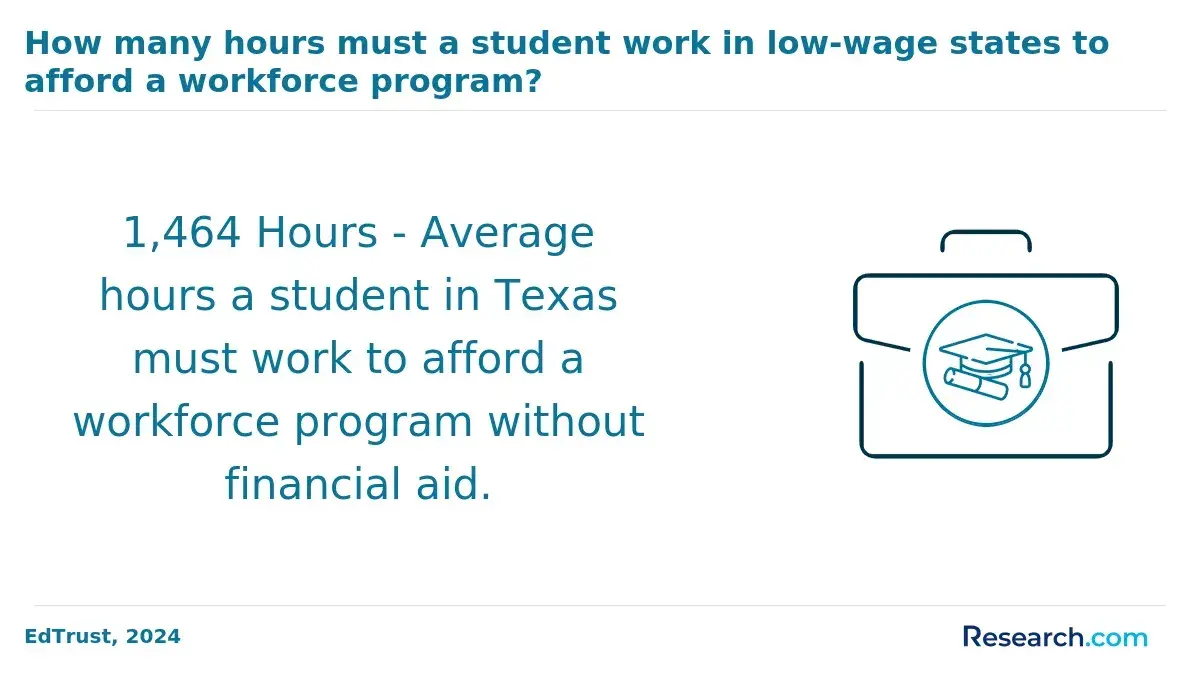
Both accelerated and traditional web development degree students in the U.S. may qualify for financial aid, but eligibility criteria and funding schedules vary due to differences in program length and enrollment status. Understanding how aid aligns with each program's structure is key for planning finances effectively.
Below is a comparison highlighting important aspects of financial aid for both formats:
- Federal Aid Eligibility: Both program types typically qualify for federal aid like Pell Grants and Direct Loans if accredited and enrolled at least half-time. Accelerated students might face more frequent reapplications due to condensed or overlapping terms, whereas traditional students benefit from standard semester cycles.
- Scholarship Timelines: Scholarships aimed at web development students are accessible by both groups, but accelerated programs' shorter terms may affect meeting minimum enrollment requirements that some scholarships or grants stipulate.
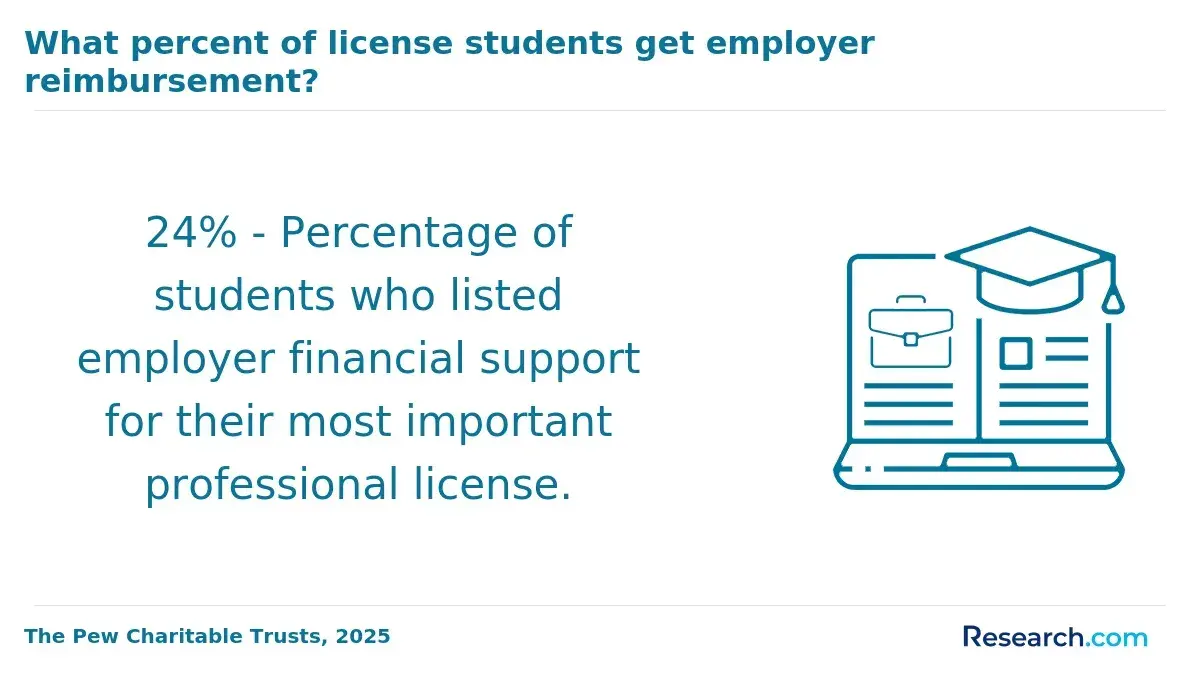
- Employer Tuition Assistance: Employer reimbursement can apply to both, although accelerated students should verify their program's credit load and accreditation satisfy employer policies.
- Aid Disbursement & Renewal: Traditional students often experience predictable disbursement aligned with semesters, while accelerated students might navigate tighter schedules requiring timely paperwork to maintain aid.
Student support is essential for academic achievement, with significant differences seen between accelerated and traditional web development programs. These differences typically involve the timing, delivery, and type of services provided to students.
Below is a comparison of common support systems in both formats.
- Academic Advising: Accelerated programs often integrate frequent advising sessions directly into the curriculum to help students manage the fast pace, while traditional programs usually offer regular but less urgent advising on a semester basis.
- Tutoring Services: Accelerated students benefit from on-demand or virtual tutoring tailored to tight schedules, whereas traditional students generally rely on scheduled, in-person tutoring for deeper, though less immediate, assistance.
- Career Services: Accelerated tracks focus on rapid workforce entry with targeted resume workshops and networking aligned with shorter graduation timelines, while traditional programs provide broader career support via campus centers, internships, and alumni connections over a longer period.
- Peer Interaction: Traditional formats often encourage more sustained peer collaboration through longer courses and group projects, whereas accelerated courses may limit these opportunities due to condensed timelines and quicker course turnover.
Employment outcomes are often a key consideration when choosing between accelerated and traditional web development programs. Both formats can open doors to strong career paths, but various factors influence how quickly graduates find jobs. The following points compare hiring trends and key influences on job placement speed for these graduates.
Understanding these factors can help prospective students make more informed decisions.
- Employer Perception: Some employers appreciate the focused, intense training of accelerated programs, while others favor the broader education and experience gained through traditional degrees. These views can impact hiring preferences and timing.
- Career Readiness: Accelerated program graduates may enter the workforce sooner due to shorter study periods; however, traditional students often have more opportunities for internships and portfolio building, boosting their job preparedness.
- Industry Demand: With a growing need for web developers, both graduate types remain in demand. Those with up-to-date, hands-on skills, frequently emphasized in accelerated courses, might secure roles faster.
- Hiring Data Insights: Annual U.S. openings for web developers exceed 14,500, and candidates with strong technical portfolios typically find jobs within three to six months post-graduation, regardless of program type.
Accreditation ensures academic quality and legitimacy for both accelerated and traditional web development degrees, regardless of the program's pacing or delivery format. This formal recognition confirms that these programs meet rigorous standards in curriculum quality, faculty expertise, and learning outcomes. Importantly, accreditation affects financial aid eligibility, credit transferability, and employer recognition, making it a crucial factor for prospective students.
Whether a program is accelerated or traditional, all accredited degrees carry equal standing in the job market and further education. Understanding the accreditation standards for accelerated web development degrees helps clarify this equivalency.
The process of accreditation typically applies equally to both accelerated and traditional web development programs, overseen by regional or programmatic accrediting bodies such as ABET or other recognized agencies. While the core standards remain consistent, institutions may adapt course design and delivery for accelerated programs, compressing content into shorter terms without compromising quality.
Students interested in these degrees should verify that the institution offering the accelerated program holds proper institutional accreditation to ensure wide recognition and eligibility for funding. Researching colleges online that accept FAFSA can assist with financial aid considerations.
Understanding whether accelerated web development programs are accredited identically to traditional ones is essential for making informed educational decisions.
Choosing between an accelerated and a traditional web development degree depends largely on a student's career goals, schedule flexibility, and preferred learning pace. Both options offer distinct advantages tailored to individual circumstances and timelines.
To decide on the best web development degree program for career goals, students should carefully weigh several key factors outlined below.
- Time commitment: Accelerated programs require a heavier course load and a faster pace, ideal for self-motivated learners seeking to enter the workforce quickly. Traditional degrees, lasting around four years, provide a more moderate schedule better suited for those balancing other responsibilities.
- Learning style: Students who excel in immersive, focused environments tend to thrive in accelerated formats that demand rapid absorption of material. In contrast, traditional programs allow more time for deep exploration, reflection, and developing connections.
- Flexibility: Many accelerated web development degrees offer online options that accommodate irregular schedules but require strong time management. Traditional programs may offer more in-person interaction and a structured timeline.
- Career goals: If immediate job-readiness and portfolio development are priorities, accelerated programs often deliver faster returns on investment, with graduates entering the workforce sooner and frequently earning higher initial salaries. For those seeking a gradual professional growth path, traditional degrees can be more suitable.
Ultimately, choosing accelerated or traditional web development degree programs should align with personal priorities, lifestyle, and long-term professional objectives. For students considering introverted or independent work styles, exploring career paths for introverts can also inform ideal educational choices alongside these factors.
What Students of Accelerated vs. Traditional Web Development Programs Say About Their Degree
- Esteban: "The traditional web development degree I pursued provided a solid foundation with a steady learning pace, which really helped me absorb complex concepts without feeling overwhelmed. It was a bit pricey, averaging around $30,000 in total, but the comprehensive curriculum and hands-on projects made it worthwhile. Looking back, this degree definitely opened doors for my career in web design and development."
- Alexis: "Opting for a traditional web development program had its perks, especially the in-depth exploration of various programming languages over several years. However, the longer timeframe and higher cumulative cost, which was about $28,000, made me reconsider if this path was right for everyone. Still, I appreciate how it built my confidence and technical skills steadily. "
- Eli: "Choosing the accelerated web development program was intense but incredibly rewarding. The fast pace meant I had to stay very disciplined, but completing it in under a year helped me enter the job market quickly and saved money compared to traditional routes. Though it felt a bit overwhelming at times, the focus on practical skills gave me the edge I needed. "
Other Things You Should Know About Traditional vs. Accelerated Web Development Degrees
In 2027, both accelerated and traditional web development degrees can be recognized by employers if they are from accredited institutions. The key for employers is the individual's skill set, portfolio, and experience rather than the program duration.
Accelerated programs focus on delivering core web development skills in a compressed timeframe, which can limit exposure to advanced topics or extensive project work. While they efficiently build foundational knowledge, some students may find it challenging to master complex concepts without the additional practice time found in traditional programs. Supplementing accelerated studies with self-directed learning or internships can help bridge this gap.
Yes, if the program is offered by a U.S. institution that is regionally or nationally accredited and approved for Title IV aid, it can qualify for federal grants, loans, and GI Bill funding. Students should confirm the school’s accreditation and veteran-benefit approval before enrolling.
- Reliability estimation from two types of accelerated testing considering individual difference and measurement error - ScienceDirect https://www.sciencedirect.com/science/article/abs/pii/S0266892024000067
- Data Science Bootcamp vs Degree | Find Your Path https://gradious.com/data-science-bootcamp-vs-degree/
- How Long Do Web Development Courses Take? https://www.nobledesktop.com/learn/web-development/how-long-do-web-development-courses-take
- BA(Hons) Web Design & Development Degree | SAE UK https://www.sae.edu/gbr/courses/ba-bsc-hons-web-development/
- Web Designer vs. Web Developer: How the Jobs Differ https://www.coursera.org/articles/web-designer-vs-web-developer
- How Hard Is It to Become a Web Developer? (2025 Guide) | BrainStation® https://brainstation.io/career-guides/how-hard-is-it-to-become-a-web-developer
- Web Development Bachelor's Degree https://www.fullsail.edu/degrees/web-development-bachelor
- Web Development Bootcamps vs. Traditional Degrees: Pros and Cons https://flamesintech.medium.com/web-development-bootcamps-vs-traditional-degrees-pros-and-cons-24d4ea8365ff
- Guide to Online Accelerated Degree Programs https://www.onlineu.com/resources/accelerated-degrees
- Innovative Accreditation: Accelerated Degrees and Competency-Based Education https://changinghighered.com/innovative-accreditation-accelerated-degrees-and-competency-based-education/