2027 How to Compare Web Development Degree Programs Effectively

Co-Founder and Chief Data Scientist
Choosing the right web development degree program can be overwhelming, as options differ widely in curriculum focus, delivery methods, and career support. For instance, some programs emphasize front-end design, while others prioritize full-stack development. This disparity impacts graduate readiness for specific tech roles.
According to recent data, 73% of web development graduates secure related employment within six months, but outcomes vary by program type. Evaluating these aspects carefully helps ensure alignment with individual career goals, experience levels, budgets, and scheduling needs. This article will explore key factors to compare web development programs effectively and guide prospective students in making informed decisions.
Key Benefits of Comparing Web Development Degree Programs Effectively
- Verify program accreditation to ensure credible certification recognized by employers and eligibility for financial aid; regional accreditation remains a key mark of quality for web development degrees.
- Assess curriculum alignment with current industry trends like JavaScript frameworks and responsive design to match your career goals and desired specialization.
- Compare total costs against potential salary gains; web developer roles have a median salary around $77,000 annually, highlighting the importance of return on investment in your education.
What Types of Accreditation Should a Web Development Degree Program Have?
Accreditation helps prospective students compare the quality, credibility, and long-term value of various web development degree programs. According to the U.S. Department of Education, students who attend accredited institutions have a higher likelihood of completing their degrees and securing employment in their field, with over 90% of employers preferring candidates from accredited programs.
Understanding the types of accreditation can clarify what to prioritize when evaluating programs.
- Regional Accreditation: This is the most widely recognized form of institutional accreditation in the U.S. It evaluates the entire college or university to ensure academic quality and institutional stability. Credits earned from a regionally accredited school typically transfer more easily, and students gain broader access to federal financial aid.
- Programmatic Accreditation: This specific accreditation examines the web development or computer science-related program itself, focusing on curriculum content, faculty expertise, and industry relevance. It signals alignment with recognized accreditation standards for web development degree programs, enhancing employer trust and technical preparedness.
For those seeking flexibility and affordability in their education, it's also wise to explore options among best MBA programs online, which often share similar accrediting bodies and standards. Attending an accredited program reduces risks for career changers and working professionals by assuring licensure readiness and recognition across the job market.
What Specializations Are Offered in Web Development Degree Programs?
Prospective students can better compare web development degree programs by examining the specializations offered, which align academic focus with specific career goals. The U.S. Bureau of Labor Statistics projects jobs in software development-a field encompassing many web-focused roles-to grow 25% from 2021 to 2031, reflecting strong workforce demand for specialized skills.
Below are common specializations to consider when evaluating programs:
- Front-End Development: Focuses on user interface design, HTML, CSS, and JavaScript. Graduates develop skills in creating visually appealing, responsive websites, positioning them well for careers in UI/UX design and client-facing web roles.
- Back-End Development: Emphasizes server-side programming, databases, and APIs. This specialization prepares students to manage website functionality, performance, and integration, which suits software engineering and systems management careers.
- Full-Stack Development: Combines front-end and back-end expertise to produce versatile developers capable of handling entire web applications, increasing flexibility for employment opportunities.
- Mobile Web Development: Specializes in crafting web experiences optimized for mobile devices, meeting the needs of the rapidly growing mobile internet user base.
When seeking to fast-track your education path, consider exploring a fast track psychology degree program as a model for flexible curriculum design that can also be applied to web development degree specializations and career paths.
How Can You Compare Courses Across Web Development Degree Programs?
Comparing courses across web development degree programs is crucial for prospective students seeking to evaluate program rigor, skill development, and how well the curriculum aligns with career goals. Research indicates that programs with in-depth curricula and clear learning outcomes can boost course completion rates by up to 20%, underscoring the importance of curriculum depth for student success.
The following strategies can help you compare courses effectively.
- Review Course Syllabi and Descriptions: Examine the specific technologies, programming languages, and frameworks covered in each course to assess how directly the skills taught align with current industry demands and your career objectives.
- Analyze Credit Hours and Workload: Understanding the time commitment required by each course and program helps you gauge the intensity and find options that fit your personal schedule and learning pace.
- Assess Hands-on Projects and Internships: Practical experience is essential for preparing for real-world challenges, so look for programs that incorporate meaningful projects or internship opportunities for skill application.
- Evaluate Curriculum Structure: Check how foundational and advanced topics are sequenced and integrated to ensure gradual, coherent skill development throughout the program.
- Check Alignment with Certifications: Courses that prepare students for recognized industry certifications or standards can significantly enhance employability and professional credibility.
When researching options, also consider resources like affordable online psychology masters programs, as comparing offerings across disciplines can provide insight into value and flexibility. Adopting the best criteria for evaluating web development degree programs will help you make well-informed decisions tailored to your career path and learning preferences.
Flexible scheduling is vital for students comparing web development degree programs because it enables balancing education with personal and professional commitments. Below are key scheduling options prospective students should consider when evaluating programs.
- Full-Time and Part-Time: Full-time offers an immersive experience for those who can dedicate substantial hours daily, while part-time suits students juggling work, family, or other responsibilities by allowing a slower pace.
- Online and Hybrid Formats: These options provide remote learning flexibility, with hybrid blending online study and occasional in-person or live virtual sessions, ideal for students who need to fit classes around unpredictable schedules or live far from campus.
- Evening and Weekend Classes: Designed for working professionals, these classes accommodate those who cannot attend daytime sessions, making it possible to pursue a degree without interrupting employment.
- Accelerated and Modular Courses: Such structures let students complete portions of the curriculum faster than traditional pacing, benefiting those eager to enter the workforce sooner or who prefer focused learning segments.
Selecting between online and campus-based web development degrees affects more than just convenience; it shapes learning methods, networking, and professional readiness. In 2020, over 40% of U.S. postsecondary students enrolled in at least one distance education course, reflecting a significant shift toward online formats.
Below is a detailed comparison of each delivery mode.
Online Web Development Degrees
- Flexibility: Students can tailor their study schedules around work or personal commitments, accessing materials anytime and progressing at their own pace.
- Resource Accessibility: Online programs often feature recorded lectures and digital libraries, making review and self-directed learning more convenient.
- Networking Limitations: Limited in-person contact might reduce spontaneous collaboration and immediate mentorship, affecting relationship-building opportunities.
- Career Application: While practical skills are emphasized, hands-on guidance may be less immediate, requiring more self-motivation to gain industry-relevant experience.
Campus-Based Web Development Degrees
- Direct Engagement: Face-to-face interaction fosters mentorship, teamwork, and real-time feedback, enhancing interpersonal and collaborative skills.
- Structured Scheduling: Fixed class times and physical attendance can support routine but may conflict with jobs or personal obligations.
- Networking Opportunities: On-campus events and clubs provide valuable chances to build professional connections within the industry.
- Learning Environment: Access to on-site labs and resources supports immersive, hands-on training, often increasing student satisfaction.
A graduate who completed an online web development degree shared his decision-making journey. He explained, "I compared various programs by balancing the flexibility I needed with the quality of instruction offered. It wasn't easy because I worried about missing the community feel of campus life."
He also recounted how he used virtual forums extensively to connect with peers and instructors, "I had to be proactive about seeking help and participating in group projects online." His experience highlighted how weighing personal circumstances against academic and professional goals was key to finding the right balance between the two formats.
GPA requirements are a key factor when comparing web development degree programs as they often indicate academic expectations and candidate competitiveness. Below are important aspects to consider regarding how different programs handle GPA criteria.
- Variability Across Programs: GPA standards can range widely, with some programs demanding a minimum around 3.0 to ensure consistent academic achievement, while others set lower benchmarks or none at all.
- Flexible Admissions: Many web development programs recognize that GPA alone doesn't capture a student's full ability, often allowing for flexibility based on other qualifications such as relevant experience or technical skills.
- Holistic Evaluation: A growing number of institutions use a comprehensive approach, assessing applicants on a combination of GPA, portfolios, recommendations, and personal statements to identify potential beyond grades.
- Diverse Academic Priorities: Programs differ based on their focus; competitive schools may prioritize GPA heavily, while others emphasize practical skills and accessibility, sometimes offering conditional acceptance or academic support.
Considering these variations helps applicants weigh not just the GPA cutoff but how each program's admissions philosophy aligns with their background and career objectives.
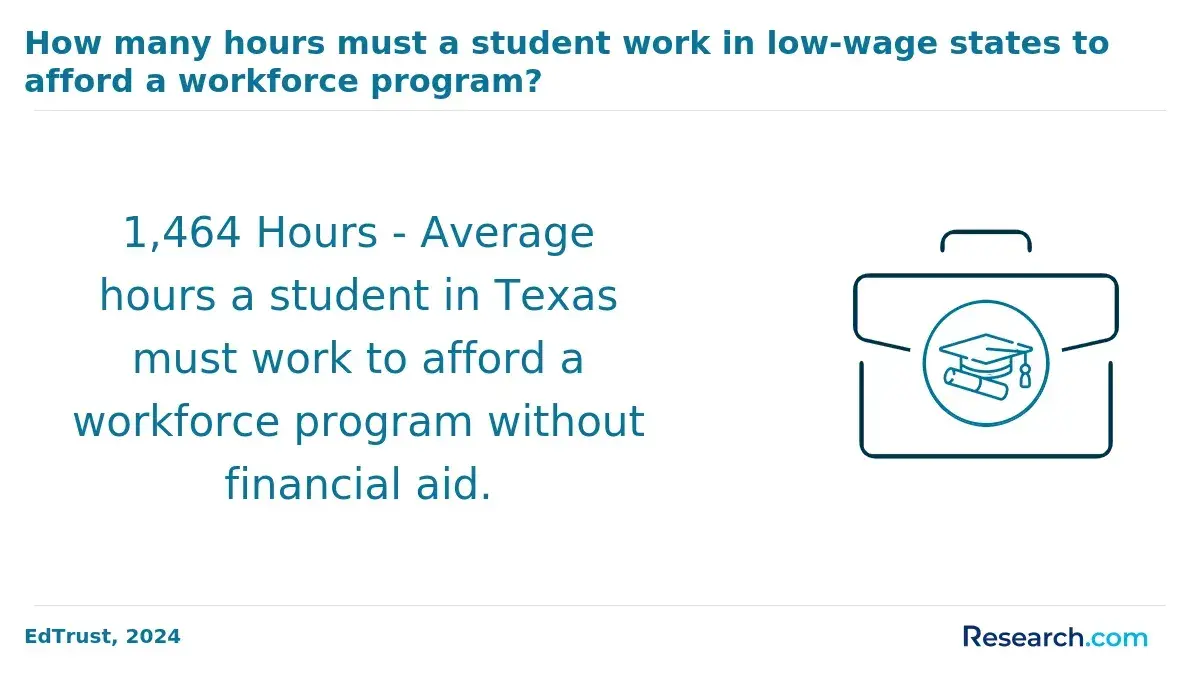
Comparing tuition is a vital step for students selecting web development degree programs, as education costs greatly influence overall affordability and debt. In the past decade, tuition and fees at public colleges have risen by 31%, significantly affecting student loan burdens.
Here are key aspects to consider when weighing tuition expenses across programs:
- Total Program Cost: Look beyond per-credit rates to assess the full financial commitment, including tuition, mandatory fees, and any additional expenses that impact your budget.
- Cost Per Credit: Analyzing the price per credit hour helps identify programs delivering more value relative to workload, especially since rates can differ sharply between institutions.
- Additional Fees: Consider required fees such as technology, lab, or activity fees, which may substantially increase the overall cost and vary widely across schools.
- Financial Aid Opportunities: Investigate scholarships, grants, and federal aid options that can reduce your out-of-pocket expenses, making some programs more affordable despite sticker price.
- Employer Tuition Reimbursement: If currently employed, evaluate whether your workplace offers tuition assistance, which can ease costs and shape your program choice.
- Long-Term Value: Compare graduation rates and job placement statistics to measure which programs offer better returns on your investment over time.
When I spoke with a graduate who completed a web development degree, she shared how daunting it was to navigate competing tuition figures at first. "It wasn't just about sticker price," she said. "I had to dig into hidden fees and understand what financial aid options I qualified for.
I also talked with my employer about tuition benefits, which made a big difference." She reflected that combining these factors helped her choose a program that matched her financial and career goals, emphasizing, "That clarity took the stress out of the decision and really paid off after graduation."
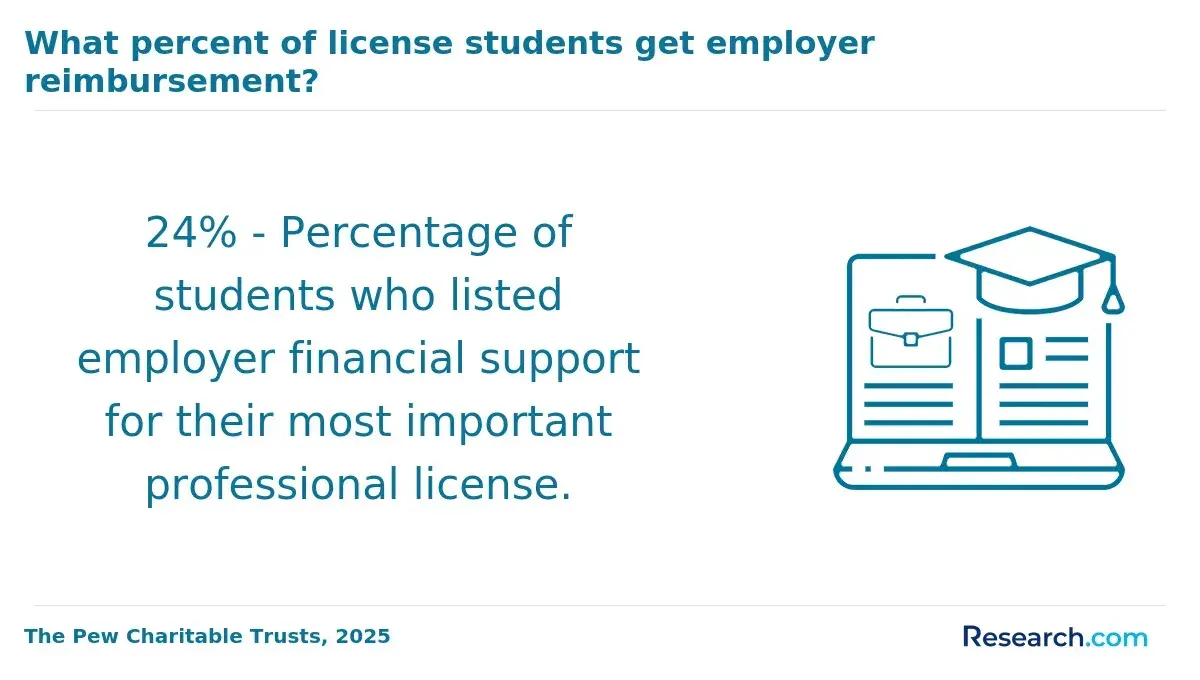
Ensuring that a web development degree aligns with licensure or certification requirements is essential for students aiming for regulated tech professions or career transitions. Approximately 20% of U.S. jobs mandate some form of licensure or certification, highlighting the need for careful program evaluation.
Consider these factors when comparing options:
- Curriculum Alignment: Review whether courses meet industry standards and prepare students for certifications relevant to specialized roles such as cybersecurity or software engineering.
- Accreditation Status: Confirm the program holds regional or national accreditation, which validates educational quality and can affect eligibility for licensure.
- State Licensure Requirements: Some advanced technical positions require state-specific credentials; understanding these is crucial for selecting an appropriate degree.
- Supervised Experience: Programs offering internships or practical training help fulfill hands-on requirements often necessary for professional credentialing.
- Exam Eligibility: Determine if graduates qualify to sit for recognized industry or government certification exams that enhance professional credibility.
By examining these elements, students can identify web development programs that not only teach foundational skills but also support their progression toward meeting licensure or certification demands, thereby boosting career opportunities.
Career placement rates strongly influence which web development degree programs are most effective for launching students into successful careers. Approximately 85% of graduates from leading programs find relevant employment within six months, underscoring the value of this metric.
The following points highlight how prospective students can evaluate programs with top job placement outcomes:
- Employer Partnerships: Look for programs that actively collaborate with a diverse range of local businesses and tech companies. These partnerships often translate into exclusive job opportunities and insight into industry needs.
- Internship Pipelines: Robust internship programs provide students with essential real-world experience, enhancing their resumes and increasing their chances of job placement after graduation.
- Alumni Outcomes: Investigate whether schools publish job placement reports or maintain active alumni networks that illustrate their graduates' career progression and success in the field.
- Program Support Services: Dedicated career services such as resume workshops, interview prep, and networking events are indicators of a program's commitment to student employment. Personalized guidance can significantly impact job search success.
For students considering advanced leadership roles or interdisciplinary career paths that integrate web development with organizational expertise, exploring options like a PhD organizational leadership may offer additional advantages. Choosing a program based on verified career placement data ensures alignment with personal goals and industry demands.
Post-graduation salary outcomes are a vital metric for comparing web development degree programs, as they reflect the potential return on investment for students. In 2022, the median annual wage for web developers was around $79,000, providing a benchmark that helps gauge average earnings of web development degree holders by region.
The following factors illustrate how salaries compare across graduates from various programs:
- Role Variations: Entry-level front-end developers often earn between $50,000 and $70,000 annually, while experienced full-stack developers can surpass $100,000. These differences highlight the impact of technical skills and job specialization on earning power.
- Industry Influence: Salary outcomes vary significantly by industry, with tech hubs and specialized sectors like finance and healthcare generally offering higher compensation than general IT roles, reflecting the demand and funding in these areas.
- Geographic Location: Graduates in metropolitan centers such as San Francisco or New York typically receive higher salaries due to the concentration of tech companies and the high cost of living, whereas smaller cities or rural regions tend to offer lower wages but may provide better work-life balance.
- Experience Level: Salaries tend to increase with years of experience, with those holding more substantial industry experience commanding higher pay and broader opportunities. This progression is essential for students considering long-term career growth.
Prospective students seeking a clear financial outlook on their education can also explore online degrees that pay well to complement their understanding of salary trends and program value.
What Graduates Say About Comparing Web Development Degree Programs Effectively
- Kavya: "Before enrolling, I was caught between expensive coding bootcamps and self-teaching. The Web development degree offered a more structured curriculum at a fraction of the cost compared to some private institutions, making it the pragmatic choice for me. Since graduating, I've secured a stable developer role with a clear path for growth-it's been a game changer. "
- Lucy: "I spent a lot of time reflecting on my options before choosing a web development degree, especially considering the average cost of attendance was much lower than what I initially feared. This affordability made it accessible without sacrificing quality. Completing the degree not only boosted my confidence but also opened doors to freelance opportunities I hadn't considered feasible before. "
- Joanna: "The professional maturity I gained through my web development degree far outweighs the financial investment, which was surprisingly reasonable given the comprehensive coursework. Comparing it to other options, the degree provided me with both theoretical knowledge and practical skills that employers value. Now, I work on complex projects with a strong foundation I'm proud of. "
Other Things You Should Know About Web Development Degrees
Internships and hands-on projects provide critical real-world experience that enhances learning and employability. Programs that offer strong partnerships with tech companies or include extensive project work allow students to build portfolios and apply classroom theory in practical settings. Evaluating these opportunities helps prospective students choose programs that better prepare them for post-graduation careers.
Technical resources and facilities are crucial when evaluating web development programs in 2027. State-of-the-art labs, modern software, and access to cutting-edge technology ensure students develop relevant skills. Ensure the program is equipped to handle current industry standards, fostering a practical learning environment.
- Web Development Associate Overview | ComputerScience.org https://www.computerscience.org/degrees/associate/web-development/
- Best Web Development Bachelor's Programs 2025 https://hakia.com/degrees/web-development/best-bachelors-programs/
- Comparison of Web Development Training Formats https://www.nobledesktop.com/learn/web-development/training-format-comparison
- Top 15 Most Affordable Online Bachelor’s in Web Development and Design https://www.graphicdesigndegreehub.com/best/top-affordable-online-web-development-degree-programs-bachelors/
- Most Affordable Web Development Schools https://careerkarma.com/blog/cheapest-web-development-schools/
- Explore the Best Web Development Degree Programs | Cyberdegrees.org https://www.cyberdegrees.org/listings/web-development/best-programs/
- Web Developer Degree Programs | Top 10 Programs in 2023 https://www.internetzonei.com/web-developer-degree/
- Which CS courses are a "must" for a web developer https://softwareengineering.stackexchange.com/questions/115826/which-cs-courses-are-a-must-for-a-web-developer
- Which Degree Is Best for Web Development? - Bliss Drive https://www.blissdrive.com/people-also-asked/which-degree-is-best-for-web-development/