
2027 Do Employers Pay for Web Development Degrees: Tuition Reimbursement and Sponsorship Options

Co-Founder and Chief Data Scientist
Many prospective web development students hesitate due to high tuition costs and mounting student debt. The average cost for a bachelor's degree in web development ranges from $40,000 to $70,000, with student loan debt reaching over $30,000 per graduate nationwide. This financial barrier can deter working professionals from advancing their skills.
Employer tuition reimbursement and sponsorship programs offer possible solutions, alleviating some or all educational expenses. This article explores how these programs work, their eligibility criteria, and tips for securing employer support, helping readers navigate options to reduce or eliminate debt while pursuing a web development degree.
Key Benefits of Employers Paying for Web Development Degrees
- Employer tuition reimbursement reduces the average $35,000 web development degree cost, easing student debt burdens and enabling employees to advance skills affordably.
- Sponsorship programs often include mentorship, combining financial support with professional guidance to enhance job performance and retention in tech roles.
- Investing in employee education through these options boosts workforce competency, leading to increased innovation and competitive advantage in the fast-evolving web development industry.
Do Employers Pay for Web Development Degrees?
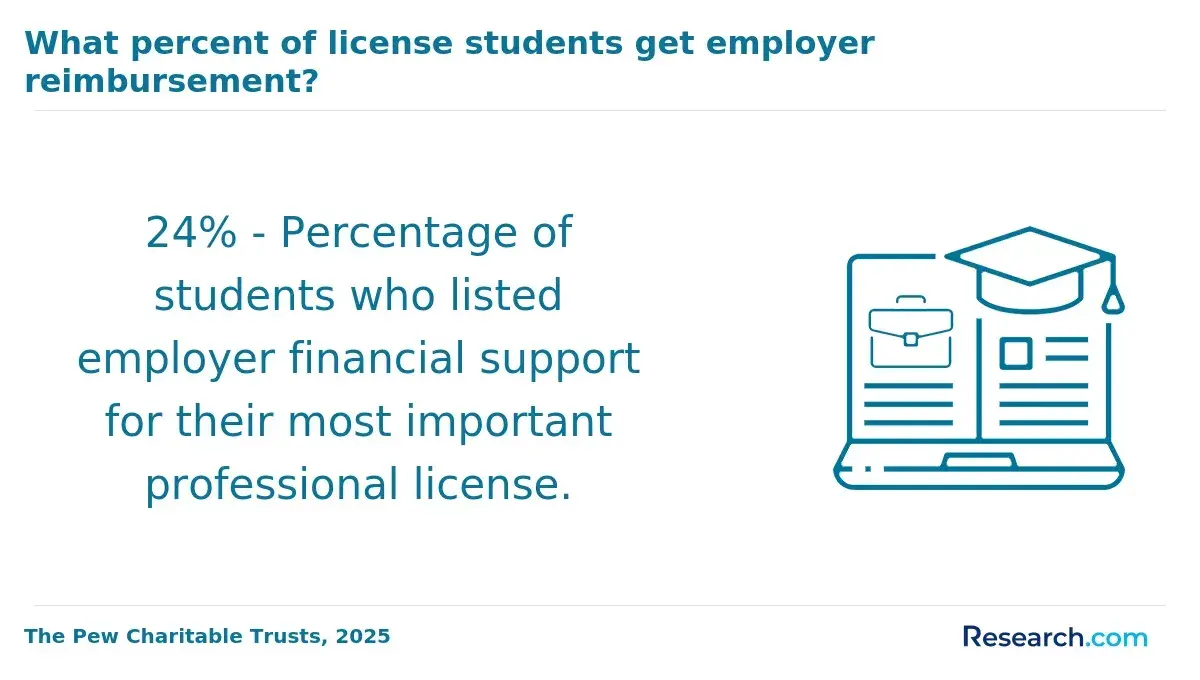
Employer-sponsored education support is a fairly common benefit, with about 56% of U.S. workplaces offering some form of tuition assistance, according to the Society for Human Resource Management (SHRM).
Many companies choose to invest in employees pursuing web development degrees because developers contribute significantly to maintaining competitive advantages through digital innovation and platform improvements. This support often appears in tuition reimbursement programs or degree sponsorships, though availability varies widely across industries and job roles.
Employees interested in web development degree sponsorship programs for employees should recognize that organizations prioritize funding education closely aligned with their strategic workforce needs.
Payment trends for web development education often depend on industry focus and job relevance. Companies in technology-driven fields are more likely to offer financial backing, especially when employees are already working in IT or web development roles where newly acquired skills can immediately enhance productivity and reduce turnover.
Prospective students should assess whether their current or target employers provide tuition assistance programs or sponsorships, as this can significantly lower the cost of obtaining a degree. Exploring options like EdD online programs may also offer fast-track alternatives complementing employer support strategies.
What Types of Tuition Assistance Do Employers Offer for Web Development Degrees?
Employer-provided tuition assistance can significantly reduce the financial burden for professionals pursuing a web development degree, making advanced education more attainable. Such support helps lower out-of-pocket costs and limits financial risk, encouraging career growth within the tech industry.
Considering employer tuition reimbursement for web development degrees is a key factor in maximizing the return on investment for students balancing work and studies.
- Tuition reimbursement: Employers repay some or all qualified education expenses after employees successfully complete courses, often covering tuition, registration, or lab fees. These reimbursements usually have annual or per-course caps and are common for web development programs that require continued learning.
- Upfront tuition sponsorship: This option involves employers paying the educational institution directly on behalf of the employee, easing cash flow issues for students. While less frequent than reimbursement, it can simplify payment processes for web development training providers and learners.
- Scholarship programs: Some companies offer partial scholarships or grants targeting employees developing technical skills, including web development. These awards reduce tuition costs without needing repayment, thus providing additional financial relief.
These company sponsorship options for web development education not only lower expenses but also improve access to valuable skill-building opportunities.
For those exploring accelerated or flexible study paths, resources like a fast track psychology degree online can offer useful insights into managing education and employment commitments effectively.
Who Is Eligible for Employer Tuition Reimbursement for Web Development Degrees?
Eligibility requirements for employer tuition reimbursement programs significantly impact planning for a web development degree, influencing when to apply, which programs to choose, and overall return on investment (ROI).
The qualifications often ensure that the educational pursuit aligns with company objectives and supports both employee growth and employer benefits.
- Employment Status: Most employers require employees to be full-time or work a minimum number of hours weekly to qualify. This ensures commitment and reduces risk for the employer.
- Tenure Requirement: A minimum tenure, such as completing a probationary period or working several months or years, is commonly mandated. It verifies that employees have established a stable position before funding education.
- Job Relevance: The web development degree must relate directly to the employee's current role or career growth within the company. This relevance is key for employers focused on strategic workforce development.
- Academic Performance: Employees often must meet academic standards, like maintaining a minimum GPA, to continue receiving reimbursement, promoting seriousness and success in their studies.
- Approval Process: A formal process usually requires submitting education plans or obtaining manager endorsement before coursework begins. This ensures alignment with company goals and budget planning.
- Ongoing Employment Commitment: Recipients may need to stay employed for a set time after completing the degree to prevent immediate turnover and secure the employer's investment.
Being informed about eligibility criteria for employer tuition reimbursement in web development helps employees strategically time enrollment and select programs.
For those wondering who qualifies for tuition reimbursement for web development degrees, keeping these factors in mind is essential. Additionally, exploring options like an MLIS degree can also be part of a broader educational funding strategy.
For students balancing work and education, knowing how employer tuition reimbursement programs operate can significantly impact your ability to afford a web development degree. These programs often reduce out-of-pocket expenses but come with specific rules and processes.
Here's a clear overview of how such benefits generally work.
- Approval process: Employees usually must apply and gain prior approval by submitting details about courses, costs, and their relevance to current or future job roles. This step ensures the coursework aligns with company objectives and budget constraints.
- Payment and reimbursement timing: Some employers pay tuition directly upfront, while others reimburse workers after course or semester completion. The timing can vary, so it's important to know when you'll receive financial support.
- Documentation requirements: To get reimbursed, employees must often provide official transcripts or grade reports verifying successful course completion. This confirms that educational milestones were met under the program's terms.
- Reimbursement limits: Companies may cap reimbursements with yearly maximums or limits tied to a percentage of tuition costs. Understanding these limits helps with budgeting and planning the extent of financial assistance.
- Academic performance expectations: Many programs demand a minimum grade, typically a "B" or higher, to qualify for reimbursement. This requirement ensures the education adds measurable value to both the employee and employer.
Employer support for online web development degrees has grown as perceptions of virtual learning have shifted. While online education once faced skepticism, many organizations now acknowledge its flexibility and value when aligned with workplace skills.
A notable indication of this trend is that approximately 56% of employers offer tuition reimbursement programs, though this does not guarantee universal sponsorship. Many companies view online degrees as legitimate when they equip employees with relevant, practical skills that directly enhance job performance and fit within broader business goals.
When evaluating requests for sponsorship, employers typically assess factors such as whether the institution is properly accredited and if the program's coursework is rigorous and applicable to the employee's role.
The degree's contribution to strategic priorities-like improving technical capabilities or supporting company innovation-is also crucial.
I spoke with a professional who completed an online web development degree through an employer-sponsored program, and he described the process as both challenging and rewarding. At first, securing approval required presenting a clear case about how the skills gained would impact his projects.
He shared, "It wasn't just about taking classes; I had to demonstrate how the learning would address specific technical gaps in my team." Throughout the program, balancing work duties and study demands was difficult, but having employer backing motivated him significantly.
He appreciated that the organization's willingness to invest in his education made the entire effort feel purposeful rather than transactional, affirming that such sponsorships can be a viable route for career growth in tech fields.
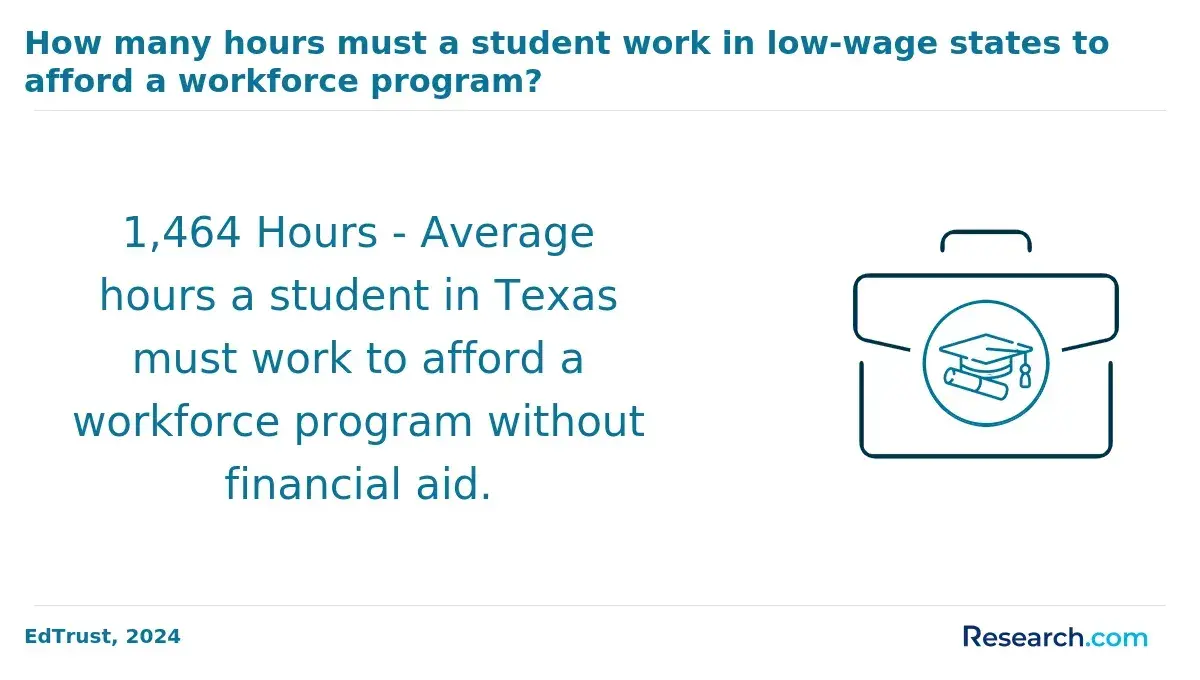
Employer tuition reimbursement limits are an important factor when evaluating the affordability and return on investment (ROI) of a web development degree. These caps determine the maximum financial support workers can receive, affecting overall education costs.
According to the National Center for Education Statistics, about 38% of full-time U.S. employees reported access to employer tuition assistance recently, highlighting its growing role in workforce development.
Understanding these limits helps prospective students gauge how much aid they might realistically obtain from their employer.
Typical annual reimbursement for web development degrees ranges between $3,000 and $10,000, with lifetime limits often set between $20,000 and $50,000.
These amounts can fluctuate based on industry sector, company size, and how closely the degree aligns with an employee's job duties. For instance, tech firms and roles directly related to web development tend to offer higher reimbursements.
Federal tax regulations allow up to $5,250 per year in employer-provided education benefits to be excluded from taxable income, which factors into how these limits are established.
Knowing the potential consequences of leaving an employer-sponsored web development degree program early is crucial for employees considering this educational path.
Common penalty scenarios include:
- Tuition repayment obligations: Employees often must reimburse the full or partial tuition amount already paid by the employer if they exit the program prematurely or fail to finish the courses.
- Prorated repayment schedules: Employers frequently calculate repayment based on how long an employee stays with the company after completing the degree, with longer tenure reducing the amount owed.
- Early termination clauses: These agreements typically mandate that employees remain with the company for a set duration, frequently one to three years, or face financial penalties if they leave earlier.
- Impact on future benefits: Leaving the program or company early may disqualify employees from accessing future tuition assistance or other educational perks sponsored by the employer.
When I spoke with a professional who earned her web development degree funded through her employer's tuition assistance, she reflected on how the program shaped her career choices. She described feeling both motivated and pressured to fulfill the commitment because the financial support was essential for her education.
"Leaving the company early wasn't really an option," she said, explaining that the repayment obligations would have been a significant setback. Instead, she embraced the opportunity to grow within the firm, appreciating how the program and the responsibility it entailed made her more invested in her role.
Her experience suggests that while penalties exist, they can encourage greater alignment between educational goals and career stability, ultimately benefiting both employee and employer.
Evaluating the impact of employer-sponsored education on career earnings is essential for working professionals considering a web development degree. Research highlights that graduates with computing and IT degrees often earn around 20% more than those without formal credentials.
Understanding these benefits can help clarify the long-term value of employer tuition assistance, revealing why such programs are increasingly attractive.
- Increased Promotion Opportunities: Employer-paid web development degree benefits include improved qualifications that make employees strong candidates for promotions. Higher education credentials often signal readiness for leadership roles, boosting chances for upward mobility.
- Faster Career Progression: Sponsorship programs reduce the financial strain of tuition, enabling employees to focus on advancing their skills and career without delay. This accelerates professional growth and expands job responsibilities sooner.
- Access to Higher-Paying Roles: Enhanced qualifications open doors to specialized positions within a company or the broader job market. For many workers, obtaining a web development degree through employer tuition assistance results in higher salary brackets and improved job stability.
- Enhanced Skills and Qualifications: Formal education provides up-to-date technical expertise and industry knowledge. Employees can adapt quickly to evolving technologies, ensuring their skills remain relevant and valuable over time.
- Return on Investment: Long term earning potential with employer tuition assistance is amplified by a wage premium attached to technical degrees. Considering that employer support covers tuition costs, the financial advantage often outweighs the effort and time invested.
For those deciding which bachelor degree is best to maximize career earnings and growth, these factors demonstrate how employer-paid education can be a strategic financial benefit linked directly to sustainable career advancement in web development.
Proactive communication and thorough preparation are essential when requesting your employer to pay for a web development degree. Clear planning increases the likelihood of support and helps align your educational goals with company policies.
Recent data shows that 58% of employers offer some form of tuition assistance, highlighting growing opportunities for financial sponsorship of employee education.
- Research company tuition policies: Check your employee handbook or HR portal to find any tuition reimbursement or education assistance programs. Understanding these policies ensures your web development degree qualifies and helps tailor your request effectively.
- Prepare a strong business case: Explain how the degree supports your current role or career growth. Highlight benefits such as improved efficiency or skill gaps you can fill, demonstrating the investment's value to your employer.
- Schedule a formal meeting: Arrange a dedicated time with your manager or HR representative to discuss your request professionally. Present clear details about program costs, duration, and expected outcomes to reinforce your commitment.
- Demonstrate program relevance: Emphasize how your education will directly impact your job performance or future responsibilities. Aligning the web development skills with your team's needs can make a compelling case for sponsorship.
- Follow up with documentation: Provide supporting materials such as the program syllabus or a cost breakdown. This helps maintain transparency and keeps the conversation organized for decision-makers.
For those exploring educational options, identifying the fastest degree to get online can be an additional strategic move to enhance your qualifications efficiently while seeking employer tuition reimbursement for web development.
Paying for a web development degree without employer assistance requires exploring other funding avenues to avoid excessive debt.
With the average cost of a bachelor's degree in the U.S. increasing by more than 25% over the past decade, students must consider multiple financial strategies to make their education affordable.
- Federal and state financial aid: Complete the Free Application for Federal Student Aid (FAFSA) to access grants, low-interest loans, and work-study programs that can substantially reduce tuition expenses for eligible students.
- Scholarships and grants: Focus on opportunities targeted at technology or web development fields. These awards are often merit- or need-based and do not require repayment, making them an excellent resource for lowering overall costs.
- Income-share agreements (ISAs): Consider ISAs as an alternative funding model where repayment depends on future earnings. While they relieve upfront payment pressure, it's important to evaluate the terms carefully before committing.
- Personal savings and loans: Using your own savings or private loans is another option, but weigh the financial risks and long-term obligations involved to avoid undue burden after graduation.
- Part-time and online programs: Enrolling in flexible formats can help reduce tuition and associated living expenses. These options allow you to balance work and study, making education more manageable financially and logistically.
What Graduates Say About Employers Paying for Their Web Development Degrees
- Erin: "When I first looked into the cost of a web development degree, I was honestly overwhelmed-it can easily run into tens of thousands of dollars. Thankfully, my employer's tuition assistance program covered a significant portion, making it financially manageable. This support not only eased my burden but also accelerated my career advancement by giving me the skills to take on more complex projects confidently."
- Elliot: "Completing a web development degree was a big financial commitment, but with my employer's sponsorship, I was able to focus fully on learning without the constant worry of the cost. The average expense for such programs is often daunting, but their investment showed me how much they valued my growth. It's been rewarding to apply that knowledge directly at work, making me a more effective professional."
- Mark: "Covering the cost for my web development degree-around the average tuition rates-would have been challenging on my own. Employer tuition assistance was a game changer, allowing me to gain advanced skills while maintaining my position. The degree, supported by my company, has substantially impacted my career trajectory, opening doors to leadership roles."
Other Things You Should Know About Web Development Degrees
Yes, some employer tuition reimbursement programs extend coverage beyond tuition to include related expenses such as required textbooks, software licenses, and lab fees for web development degrees. However, the extent of coverage varies significantly by employer.
It is important to review your company's specific policy to understand which educational expenses qualify for reimbursement.
Yes, many employer sponsorship programs require employees to maintain their current position or a related role as a condition for continued support. This ensures the company benefits from the enhanced skills employees gain through their sponsored education.
To maintain employer tuition support for web development degrees in 2027, employees often need to meet performance criteria like maintaining a minimum GPA, completing courses within a set timeframe, and remaining employed with the company for a specified period. These standards vary by employer.
Yes. Under IRS rules, employer educational assistance is tax-free only up to $5,250 per year if the plan qualifies under Internal Revenue Code Section 127. Amounts above that limit are usually taxable wages unless the study is required by the employer and meets separate business-expense rules.
- Artwork of a gum leaf symbolising ‘welcome’ and acknowledging diverse countries, environments, communities, cultures, beliefs, and history. https://www.seek.com.au/visa-sponsorship-web-developer-jobs
- How To Ask Your Boss To Pay For Your Further Education https://www.digitallearninginstitute.com/blog/employer-funded-education
- Most Affordable Web Development Programs 2025 https://hakia.com/degrees/web-development/most-affordable-programs/
- Achieve Successful Career Development with Employer Sponsorship! https://executiveacademy.at/en/knowledge/employer-sponsorship
- Filing a Lawsuit for Web Development Delay Damages https://www.justanswer.com/law/8b6sa-ok-considering-filing-lawsuit-against-web-development.html
- Must-know tuition reimbursement statistics for 2025 https://www.instride.com/insights/tuition-reimbursement-statistics/
- How to become a web developer | edX https://www.edx.org/become/how-to-become-a-web-developer
- How to Ask Your Employer to Pay for Your Degree - Coursera Blog https://blog.coursera.org/how-to-ask-your-employer-to-pay-for-your-degree/
- Using Employer Education Benefits at SANS.edu https://www.sans.edu/employer-education-benefits/
- UK Visa Sponsorship Jobs in Web Development | Fortray Global Services https://www.fortray.com/blog/smart-recruitment-articles/web-development-jobs-with-uk-visa-sponsorship/


