
2027 Return on Investment (ROI) of a Mobile App Development Degree Program

Co-Founder and Chief Data Scientist
Many prospective students face uncertainty when weighing the financial benefits of a mobile app development degree against rising tuition costs. Despite the booming tech industry, graduates worry about job competition and salary prospects. According to the U.S. Bureau of Labor Statistics, employment in software development, including mobile app experts, is projected to grow 25% through 2031, much faster than the average for all occupations.
This article examines the return on investment of mobile app development degree programs, helping readers understand career outcomes, salary expectations, and how to navigate education expenses for optimal long-term gains.
Key Things to Know About Mobile App Development Degree ROI
- Graduates with mobile app development degrees often earn 20-30% higher starting salaries compared to self-taught developers, reflecting strong market demand for specialized skills.
- This degree enhances career advancement opportunities by preparing students for roles in software engineering, project management, and product design across tech sectors.
- Long-term salary growth is robust due to ongoing industry expansion, with job stability supported by versatile skills applicable to gaming, healthcare, finance, and more.
How Is ROI Calculated for a Mobile App Development Degree Program?
Return on investment (ROI) in higher education measures the financial benefits a student gains from completing a degree compared to the total costs and time involved. This metric helps students evaluate the value of a mobile app development degree relative to its expenses and duration, supporting informed decision-making.
Calculating mobile app development degree ROI involves several critical factors, including:
- Tuition and fees: This covers the total cost of enrolling in the program, including tuition, textbooks, and additional fees, which forms the foundation of the initial investment.
- Opportunity cost: Time spent studying means lost income that could have been earned through work or other means. Factoring in this potential earnings loss provides a clearer picture of the degree's true cost.
- Time to completion: The program's length influences when students start earning in their field, with shorter programs generally enabling faster workforce entry and an improved ROI.
- Post-graduation salary outcomes: Expected starting salaries and salary growth trajectories in mobile app development careers are pivotal for estimating financial returns and long-term benefits.
- Career advancement: Degrees often open doors to higher-level jobs and specialized roles, boosting long-term earning potential and enhancing overall ROI.
Prospective students assessing the return on investment for mobile app degree programs should also consider alternative educational paths such as online MBA programs that may influence career trajectories and earnings.
How Much Does a Mobile App Development Degree Program Cost?
Total program costs significantly influence the financial return of a mobile app development degree, and with graduate tuition in the U.S. having increased by 25% over the last decade, prospective students must carefully consider all expenses involved. This broader view helps to evaluate whether the investment aligns with expected career benefits.
Key cost factors include:
- Tuition and fees: These often constitute the major portion of the budget and differ based on public or private institutions, the program's duration, and delivery method.
- Books and materials: Required software licenses, specialized textbooks, and necessary hardware can add considerable cost, especially in technology-intensive fields.
- Living or relocation expenses: Attending an on-campus program might involve spending on housing, transportation, and adjustments related to geographic cost variations.
- Opportunity cost: Time devoted to studying may limit income from full-time work, impacting short-term earnings and financial stability.
- Hidden costs: Additional fees such as exam charges, certification expenses, or workshops can increase overall financial commitments beyond listed tuition.
An individual who recently completed a mobile app development degree shared insights after being asked about his experience with program costs. He described juggling part-time jobs to cover living expenses while managing a demanding course load that left little time for paid work. "Balancing study and income was stressful; sometimes I worried about accumulating debt," he explained.
He also mentioned unexpected costs like software upgrades and certification exams that stretched his budget more than anticipated. Despite these challenges, he viewed the degree as an investment but emphasized the importance of thorough financial planning before enrolling.
What Financial Aid Is Available for Mobile App Development Degree Programs?
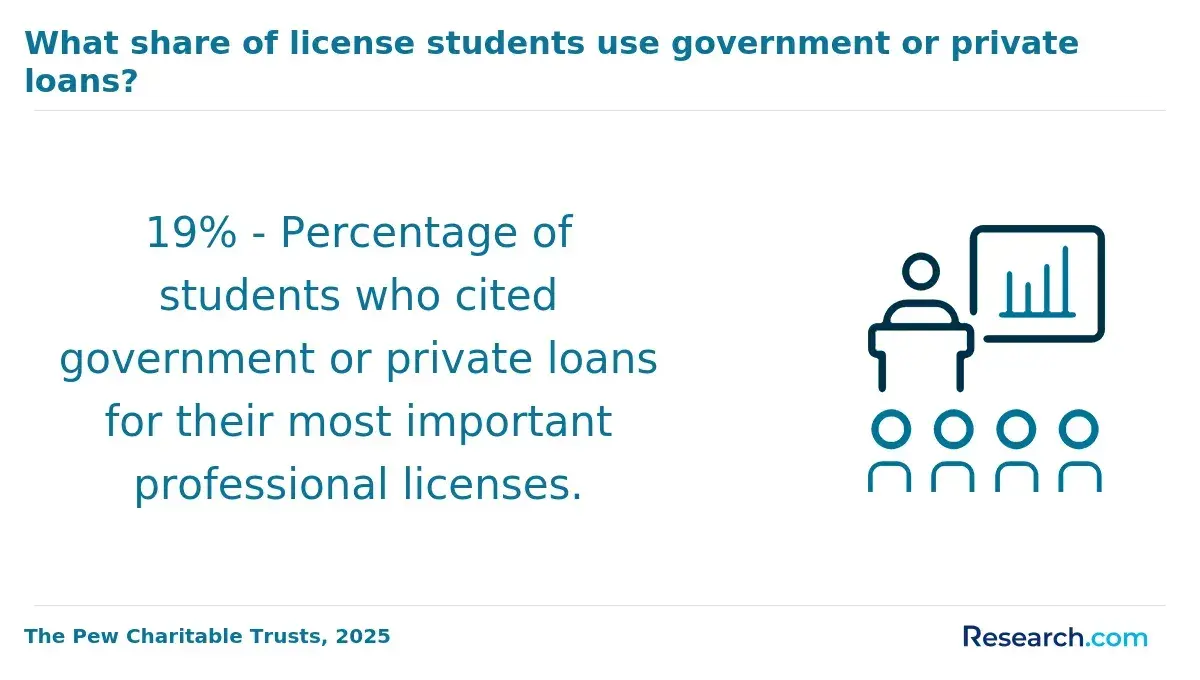
Reducing upfront costs through financial aid significantly enhances the long-term return on investment for mobile app development degrees by lowering student debt and overall expenses. Nearly 85% of U.S. graduate students utilize some form of financial support, highlighting how crucial aid options are in making education more affordable and financially beneficial.
Common financial aid opportunities that can improve ROI for mobile app development programs include:
- Scholarships: Awarded based on merit, scholarships reduce tuition without requiring repayment, directly decreasing the amount students need to invest and improving net financial outcomes.
- Grants: Usually need-based, grants reduce dependency on loans, helping students avoid accumulating debt and maximizing post-graduation financial flexibility.
- Federal student loans: These loans often come with lower interest rates and flexible repayment options, enabling manageable borrowing that supports maintaining positive ROI despite debt.
- Employer tuition assistance: For professionals who are already employed, employer-sponsored programs can substantially offset tuition fees, minimizing out-of-pocket costs and enhancing the career payoff of the degree.
- Fellowships: Competitive fellowships may offer stipends or tuition waivers that reduce financial pressures and allow students to focus on their studies without incurring debt.
Time to finish a mobile app development degree directly affects its return on investment due to opportunity cost, earlier earning potential, and total expenses like tuition and living costs. Completing the program sooner can lead to an earlier start in the workforce, which enhances the financial payoff over time. Several factors influence how long students spend finishing this degree, impacting both cost and career trajectory.
Key considerations affecting time to completion include:
- Enrollment status: Full-time students typically complete their studies faster than part-time learners, which accelerates entry into the job market and reduces overall education costs.
- Program format: Online and accelerated courses often allow students to finish sooner by providing more flexible schedules or condensed content, potentially lowering expenses tied to prolonged study.
- Transfer credits: Recognizing prior coursework or professional experience can shorten degree duration, trimming both time and tuition fees.
- Internship or thesis: These practical requirements may lengthen study periods but tend to improve employment prospects by offering hands-on experience.
- Scheduling flexibility: Evening or weekend classes let working professionals maintain income while studying, though this might extend how long the degree takes to finish.
When I spoke with a recent graduate of a mobile app development program, she recalled that balancing work and coursework was the biggest challenge. "I chose part-time evening classes so I could keep my job, which stretched my degree out longer than I expected," she shared.
Although the extended timeline was tough at times, the internship she completed during that period proved critical for landing her first role. She appreciated that despite taking nearly three years instead of two, the flexible pacing let her avoid debt and still build a strong portfolio. Her experience highlights how the duration can vary widely but still offer valuable outcomes for different student circumstances.
Delivery format plays a significant role in determining the return on investment for mobile app development programs by influencing cost, flexibility, and career outcomes. Recent data from the National Center for Education Statistics shows that over 40% of U.S. higher education students now take at least one online course, highlighting a shift toward more affordable and accessible education options.
Several key factors differentiate the ROI comparison online versus on-campus mobile app degrees, including:
- Tuition and fees: Online programs generally charge lower tuition, reducing upfront costs and making education more affordable compared to traditional on-campus fees.
- Opportunity cost: Students studying online often maintain full-time employment, thereby continuing to earn income and minimizing the financial sacrifice associated with returning to school.
- Time to completion: Flexible pacing in online formats allows students to accelerate their studies or balance coursework with other commitments, potentially shortening the time until degree attainment.
- Networking and career services: On-campus programs typically offer richer opportunities for in-person networking, internships, and access to campus career resources, which can impact early career growth.
- Employer perception and earning potential: Both modalities are increasingly respected by employers, though some may still favor traditional credentials linked with on-campus study for certain roles.
Prospective students interested in maximizing their ROI might also explore options like an accelerated psychology degree that emphasizes efficient learning paths. With evolving online program quality, understanding these elements is essential when evaluating the return on investment for mobile app development programs and how delivery mode affects long-term career success.
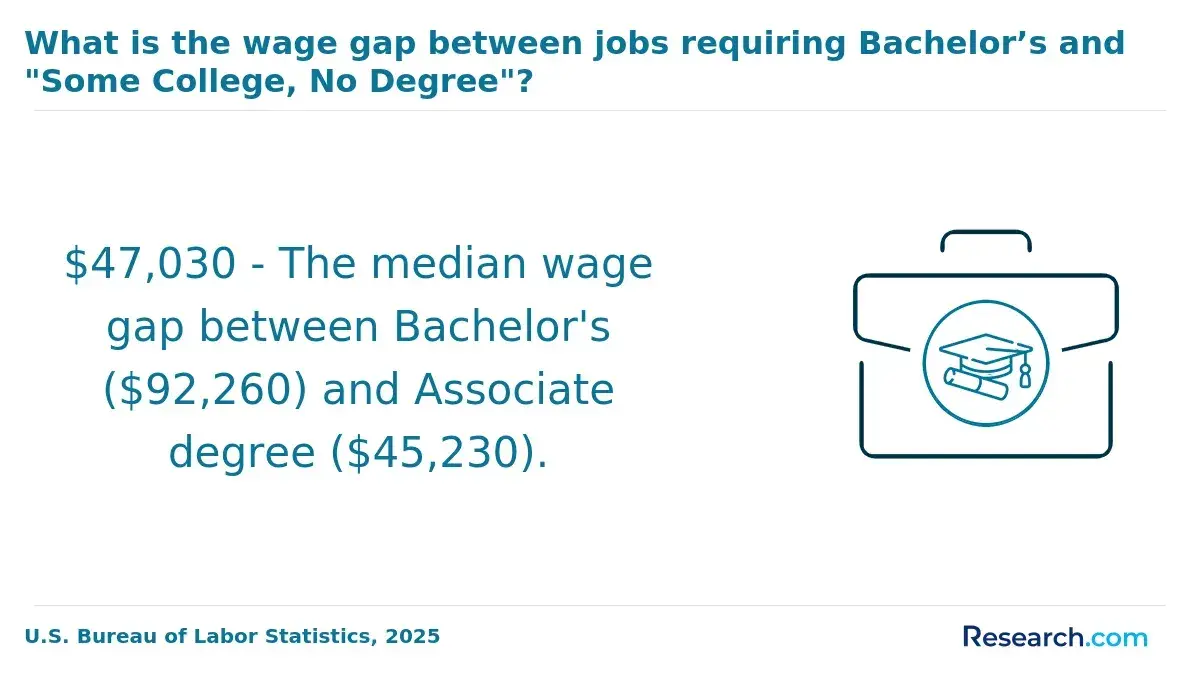
Post-graduation salary is a critical factor in calculating the return on investment (ROI) for a mobile app development degree. It influences how quickly graduates can recoup education costs and build long-term financial stability.
In the United States, graduates typically earn between $65,000 and $110,000 annually, with entry-level roles near the lower range and experienced developers reaching higher salaries. These salary outcomes affect the overall ROI by determining both short-term payback and lifetime earning potential.
Several key factors influence the average salary for mobile app developers and subsequently impact the ROI:
- Industry: Salaries vary widely by sector; finance and technology fields often offer higher wages compared to education or non-profit organizations, affecting overall returns.
- Geographic location: Metropolitan areas with strong tech hubs tend to provide better compensation than rural regions, influencing earning potential.
- Prior experience: Candidates with previous coding or software development backgrounds usually command higher salaries, which can improve ROI.
- Specialization: Expertise in emerging fields like blockchain or augmented reality typically yields premium pay, boosting financial returns.
- Career level: Advancement into senior or managerial roles drives significant salary growth, enhancing lifetime income and ROI.
Prospective students should weigh these variables carefully when considering mobile app development degree salary outcomes. For those comparing options, it's worth examining related fields such as a library degree to understand diverse educational investments and career prospects.
Promotions play a crucial role in the return on investment of a mobile app development degree by driving salary increases, expanding job responsibilities, and enhancing career mobility. These advancements not only improve financial outcomes but also strengthen long-term career prospects. A notable workforce trend is the growing focus on credential-based promotion, where companies increasingly require formal degrees or certifications for leadership roles.
Several factors illustrate how a mobile app development degree can influence promotional opportunities and boost ROI:
- Credential requirements: Many technical and managerial positions mandate degrees or certifications, making formal education essential for meeting promotion criteria.
- Leadership preparation: Degree programs often provide project experience and leadership skills that equip graduates to take on advanced roles with greater responsibility.
- Internal promotion policies: Organizations frequently favor degree holders when considering candidates for promotion, increasing eligibility for career advancement within the company.
- Tuition reimbursement: Employer-sponsored tuition assistance programs help reduce educational costs, encouraging professionals to continue advancing their skills and qualifications.
- Experience and education synergy: Combining formal education with practical experience positions candidates as top contenders for promotional opportunities, reinforcing career advancement with a mobile app development degree.
While hands-on experience remains vital, holding a degree in mobile app development serves as a formal validation of skills that employers often prioritize when making promotion decisions. This dynamic creates more promotional opportunities after app development certification, which can significantly improve long-term career trajectories.
Prospective students seeking affordable options may consider exploring affordable online bachelor degree programs to maximize their investment and boost their chances for career growth.
Return on investment for mobile app development graduates varies considerably by industry due to differences in salary levels, career progression opportunities, and demand for specialized skills. Some sectors provide higher ROI because they offer strong compensation growth, greater chances for promotion, and steady demand for expertise.
Industries with robust digital innovation needs often yield the highest returns for mobile app developers. The following list highlights sectors known for delivering some of the best career outcomes and financial rewards for graduates pursuing mobile app development.
- Financial technology (fintech): This sector often provides high salary potential and rapid career growth, driven by the critical need for secure mobile transaction systems and user engagement platforms.
- Healthcare technology: Growing demand for patient management and telemedicine apps creates expanding opportunities, making this an attractive field for mobile app developers seeking both stability and advancement.
- Entertainment and media: Strong utilization of app development skills supports continuous job opportunities, as mobile apps remain central to content delivery and user interaction.
- E-commerce: The ongoing need for mobile shopping platform improvements offers solid compensation and clear career progression paths for app developers.
- Software and information technology: This broad sector sustains consistent demand and promotion potential, providing long-term career stability for mobile app development graduates.
Prospective students and career changers should consider these highest ROI industries for mobile app development graduates when planning their next steps. For individuals looking to enhance their qualifications efficiently, exploring one year masters programs can offer a strategic advantage in entering or advancing in these sectors.
In the context of mobile app development degree programs, accreditation signifies that the curriculum meets the quality standards set by recognized educational agencies. This validation ensures that students gain skills and knowledge valued by employers, which enhances a program's credibility.
A growing number of tech employers prefer candidates who graduated from accredited programs, directly influencing job opportunities and starting salaries. Additionally, accreditation plays a role in qualifying graduates for industry certifications and licensure, further strengthening their professional standing.
Accreditation also impacts long-term return on investment by fostering employer confidence in graduates' capabilities, which supports career advancement. Accredited programs often qualify students for federal financial aid, reducing initial education expenses.
They enable easier transfer of credits between institutions, potentially shortening the time to degree completion. These factors, along with improved eligibility for certifications and expansion of career mobility options, contribute to better financial outcomes over the course of a mobile app development graduate's career.
The return on investment of a mobile app development degree depends on multiple financial and career variables. Program costs can vary greatly, including tuition, fees, and living expenses, with most courses lasting between one and four years.
Graduates often earn competitive salaries, frequently surpassing $70,000 annually, reflecting strong demand for skilled developers. Additionally, those with formal education may experience faster career progression into mid- and senior-level positions compared to self-taught peers.
The value of a mobile app development degree also hinges on industry trends, program type, and individual goals. Growing demand for mobile developers-expected to rise about 15% in the next decade-supports positive employment prospects.
Online, part-time, or accelerated programs may lower costs and reduce time invested, boosting ROI. However, for experienced professionals or those with robust portfolios, formal degrees might carry less weight, emphasizing that careful program selection and alignment with career objectives are crucial for maximizing returns.
What Graduates Say About The ROI of Their Mobile App Development Degree
- Heather: "Choosing to pursue a mobile app development degree as a traditional student was driven by my goal to build a solid foundation with excellent long-term ROI. While the tuition, averaging around $30,000, felt significant upfront, the comprehensive skill set I gained has already opened doors to high-paying roles in tech. For anyone serious about app development, I believe the investment is more than justified."
- Nikki: "As an online student, I weighed the cost of a mobile app development degree carefully, knowing it typically costs between $20,000 and $35,000. It was a meaningful financial commitment, but pursuing the program remotely allowed me to balance work and study efficiently. Today, I see the true value in the certification as it significantly boosted my career opportunities and salary potential in this competitive field."
- Ruthie: "Opting for a part-time mobile app development degree was a strategic choice to manage expenses and time while maintaining work responsibilities. Though the cost was manageable-about $25,000 total-the real payoff was the ability to immediately apply new skills professionally, enhancing my credibility and career trajectory steadily. The degree has proven to be a practical and worthwhile investment."
Other Things You Should Know About Mobile App Development Degrees
A portfolio with at least 3 to 5 published apps, source code on GitHub, and one app using iOS or Android APIs can improve hiring prospects. Employers often value evidence of version control, testing, and app-store deployment more than classroom grades.
Gaining relevant internships or part-time work during the degree program can significantly increase ROI by making graduates more competitive in the job market. Employers value practical experience alongside academic credentials, and hands-on projects or freelance app development can lead to higher starting salaries and faster career advancement.
In 2027, specializing in areas like AI or cybersecurity within mobile app development can significantly enhance ROI. These fields attract high demand and pay, optimizing graduates' earning potential and career opportunities compared to generalist tracks.
- Mobile App Development https://www.riosalado.edu/degrees-certificates/computer-and-information-technology/mobile-app-development-3099-aas
- Mobile App Development Scholarship Program | International Scholarships Search https://www.internationalscholarships.com/scholarships/3220/Mobile_App_Development_Scholarship_Program
- Is a Coding Bootcamp Worth It in 2026? https://www.nucamp.co/blog/is-a-coding-bootcamp-worth-it-in-2026-roi-analysis-success-rates
- Mobile App Development Course - Code with TLS https://www.codewithtls.com/courses/mobile-app-development
- Online MCA vs Regular MCA: Which One Offers Better ROI? https://www.riseupp.com/blog/online-mca-vs-regular-mca-better-roi
- Best Mobile Development Bachelor's Programs 2026 https://www.hakia.com/degrees/mobile-development/best-bachelors-programs/
- What Is an Android App Developer? Your 2026 Career Guide https://www.coursera.org/articles/android-app-developer
- Is App Development Worth It in 2025? | Career Scope & Opportunities https://stellarcode.io/blog/is-app-development-worth-it-in-2025
- How to Be a Mobile App Developer | triOS College https://www.trios.com/blog/how-to-be-a-mobile-app-developer/
- Education App Development: Market, ROI & Usage Statistics https://www.vrinsofts.com/education-app-development-market-and-usage-statistics/


