2027 Mobile App Development Degree Levels Explained: Bachelor's vs Master's vs Doctorate

Co-Founder and Chief Data Scientist
Choosing the right level of mobile app development degree can be challenging for those balancing career shifts, skill specialization, or research ambitions. For example, a professional seeking rapid entry into app design may find a bachelor's degree more practical, while those aiming to lead complex projects might consider advanced study.
Employment in app development is projected to grow by 22% through 2030, reflecting strong industry demand. This article explores the distinctions between bachelor's, master's, and doctorate degrees in mobile app development and helps readers align their educational choices with their career objectives and advancement opportunities.
Key Things to Know About Mobile App Development Degree Levels
- Bachelor's degrees offer foundational knowledge and broad skills, master's programs provide deeper specialization, while doctorates focus on research and innovation in mobile app development.
- Bachelor's graduates often enter entry-level roles, master's holders pursue senior or specialized positions, and doctorate holders qualify for leadership, academia, or advanced R&D roles.
- Typically, bachelor's degrees require 3-4 years, master's 1-2 years post-bachelor's, and doctorates 3-6 years, with increasing financial and time commitments at each level.
How Are Mobile App Development Degree Levels Structured Academically?
Comparing the academic structure of mobile app development degrees helps prospective students align their education with career goals and learning preferences. Differences in program design, workload, and research requirements shape the experience and outcomes at each degree level. Below are key distinctions to consider when exploring the academic structure of mobile app development degrees in the United States.
- Coursework Intensity: Bachelor's programs focus on foundational technical skills such as programming, UI/UX design, and software testing through structured coursework and guided projects. Master's degrees build on this foundation with advanced topics like software architecture and cloud integration, often including capstone projects or theses. Doctorate programs shift away from coursework to emphasize original research and theoretical innovation.
- Research and Capstone Requirements: Research involvement is minimal at the bachelor's level but grows substantially at the master's level, where students must demonstrate applied knowledge through capstone projects or theses. Doctoral candidates focus primarily on original research and producing scholarly contributions, typically culminating in a dissertation.
- Academic Rigor: The academic demands increase progressively across degree levels. Bachelor's degrees introduce core concepts, master's programs deepen expertise with complex problem-solving, and doctoral studies require significant independent inquiry and original contributions to the field.
- Independent Study Expectations: Independent learning grows substantially beyond the bachelor's level. Master's students engage in more self-directed research, while doctorate programs demand a high degree of autonomy in exploring new knowledge and advancing the discipline.
For students considering advanced paths, reviewing related EdD degrees may provide additional insight into fast-track and research-intensive options relevant to their educational journey.
What Do You Learn in a Bachelor's Degree in Mobile App Development?
A bachelor's degree in mobile app development builds foundational knowledge essential for entry-level careers or advanced study in this dynamic tech field. This curriculum integrates theoretical concepts with practical skills to prepare students for developing versatile applications. Below are key components commonly found within a bachelor's degree curriculum for mobile app development.
- Core Coursework: Students study programming languages such as Java, Swift, and Kotlin alongside database management, app architecture, and platform-specific tools. This technical foundation includes computer science fundamentals, mobile interface design, and application security to address evolving development challenges.
- General Education: Courses in communication, mathematics, and critical thinking enhance problem-solving and teamwork abilities. These broader skills support well-rounded development, essential for collaborative projects and professional growth.
- Practical Experience: Emphasis on projects, internships, or cooperative education offers hands-on learning. This experiential approach allows students to apply their knowledge to real-world scenarios and build robust professional portfolios.
- Skill Development: Alongside coding expertise, the program fosters adaptability and an understanding of user experience principles. Graduates develop a comprehensive skill set aligned with industry demands and innovation trends.
- Career Preparation: Graduates are equipped for roles in app design, testing, and development or may pursue graduate studies for deeper expertise. The degree balances theory and practice, enabling graduates to thrive in a rapidly evolving technology landscape.
Prospective students looking for further educational pathways might explore an accredited online business degree to complement their technical skills and advance managerial capabilities in technology environments.
What Specializations Are Available in a Mobile App Development Master's Degree?
Specialization options in a master's degree in mobile app development enable students to focus their studies toward particular career ambitions and industry demands. This targeted approach helps learners gain advanced skills tailored to niche roles and enhances their marketability in competitive fields.
- UX Design: Centers on creating intuitive user interfaces, usability testing, and human-centered design concepts. Coursework often includes interaction design and user research, preparing graduates for roles in product design and user experience strategy.
- Software Engineering: Emphasizes programming, algorithm development, and software architecture principles. This track suits students aiming to become mobile developers or software architects with strong coding expertise.
- Mobile Security: Focuses on safeguarding applications through encryption, secure coding practices, and vulnerability assessment. It is ideal for those pursuing careers in cybersecurity and protecting mobile platforms from threats.
- Cross-Platform Development: Teaches the use of frameworks and tools that enable app creation across multiple operating systems. Graduates often become versatile developers skilled in delivering software compatible with various devices.
By selecting a specialization, students can align their education with sectors like healthcare, finance, gaming, or education, positioning themselves for leadership or specialized technical roles within their chosen industries.
Choosing the right doctoral degree in mobile app development can shape your career trajectory significantly. About 30% of doctoral candidates in computing complete research-focused programs within seven years. Below are the primary types of doctoral degrees available in this field:
- Professional Doctorates: These degrees, such as the Doctor of Engineering or Doctor of Professional Studies, focus on practical application of advanced technical skills. The curriculum includes leadership, project management, and innovation, preparing graduates for executive roles or entrepreneurship in the tech industry.
- Research-Focused Doctorates: Mainly represented by the PhD, this degree centers on original research and developing new knowledge. Students delve into emerging technologies, coding practices, and user experience, ideal for those targeting academic, research, or consultancy careers.
- Interdisciplinary Tracks: These programs combine mobile app development with related fields like data science, cybersecurity, or human-computer interaction. This approach cultivates versatile expertise suited for complex and evolving technology sectors.
When asked about his experience, a graduate of a doctorate mobile app development degree shared that balancing rigorous research demands with practical development challenges was intense yet rewarding. "Navigating uncertainty and pushing the boundaries of what apps can do required resilience," he recalled. The process was often isolating, but engaging with peers and mentors provided crucial support.
He emphasized that this journey deepened not only his technical abilities but also his problem-solving mindset, which continues to influence his career approach today.
Knowing the admission requirements for bachelor's, master's, and doctoral mobile app development programs is vital for applicants to make informed decisions based on their academic background and career goals. Each degree level demands different qualifications and materials for a successful application.
Bachelor's
- Educational Background: Applicants generally need a high school diploma or an equivalent credential paired with a competitive GPA to qualify for entry-level programs.
- Standardized Tests: Some programs request SAT or ACT scores to evaluate academic readiness, though requirements can vary.
- Prerequisite Knowledge: Foundational courses in math or introductory computer science often strengthen the application and prepare students for technical coursework.
Master's
- Prior Degree: A completed bachelor's degree, preferably in a related field, is typically mandatory, along with a strong undergraduate GPA to demonstrate academic capability.
- Supplemental Materials: Applicants often submit letters of recommendation and a statement of purpose outlining their objectives and qualifications.
- Standardized Test Scores: GRE results may be required, depending on the program's selectivity and focus.
- Relevant Experience: Professional or practical experience in programming or software development can improve the chances of admission.
Doctorate
- Advanced Degree: Candidates must hold a master's degree with an excellent academic record, demonstrating preparedness for in-depth research.
- Research Proposal: Submission of a detailed research plan is usually essential, reflecting the candidate's ability to contribute original knowledge.
- Recommendations and Achievements: Multiple letters of recommendation and evidence of scholarly or professional accomplishments support the application.
Completion times for bachelor's, master's, and doctoral degrees in mobile app development vary, with factors such as study intensity and prior experience playing crucial roles. Awareness of these timelines is essential for students to plan their education and career trajectories effectively.
According to the National Center for Education Statistics, the average bachelor's degree completion time is approximately 5.1 years, reflecting real-world variables. The following points highlight key influences on program length:
- Enrollment Status: Full-time students typically finish faster, while part-time learners balance other commitments, extending study duration.
- Credit Transfer: Previously earned credits from other programs can shorten the time needed to graduate by fulfilling prerequisite requirements.
- Prior Experience: Relevant industry or academic background might allow students to test out of certain courses or access accelerated pathways.
- Program Format: Online programs offer flexibility that can either speed up or prolong completion based on individual pacing and time management.
- Personal Circumstances: Life events, work responsibilities, and access to resources can all influence how quickly a student completes the degree.
A graduate of an online master's mobile app development degree shared that balancing a full-time job alongside coursework required careful scheduling and discipline. She emphasized, "The flexibility of the online format was vital, but staying motivated through intense project deadlines was challenging." Her experience underscored the importance of personal commitment, noting that while the accelerated option was tempting, opting for a standard timeline allowed deeper mastery of complex topics like mobile security and user experience. Reflecting on her journey, she appreciated how having control over pacing helped her manage stress and retain knowledge effectively, confirming the varied nature of degree completion times contingent on individual choices and circumstances.
When comparing programs, grasping the total cost of a mobile app development degree at each educational level helps prospective students make informed decisions that fit their budgets and career plans. Various factors influence expenses, including tuition, fees, and enrollment status. Key cost considerations include:
- Bachelor's Degree Costs: Bachelor's programs typically have the lowest tuition per credit, but require the most credits-often between 120 and 130-to complete. Mandatory fees can include technology access, lab use, and student activities, while part-time enrollment may lengthen the program and increase overall costs.
- Master's Degree Expenses: Master's degrees in mobile app development generally charge higher tuition per credit but require fewer credits, usually 30 to 45. Additional expenses may arise from software licenses or specialized technology. Shorter program length helps control costs, but part-time students should weigh the effects of a prolonged timeline.
- Doctoral Program Pricing: Doctoral degrees carry the highest tuition per credit and may have fees related to research, dissertation work, and comprehensive exams. These programs vary in length but demand substantial investment due to advanced coursework and research activities. Full-time enrollment leads to faster completion with higher upfront payments, whereas part-time allows spreading out costs.
- Additional Cost Factors: Tuition per credit hour, total credit requirements, mandatory institutional fees, and potential technology or course materials fees all impact the final investment required. Enrollment status, such as full-time versus part-time, further affects the overall financial commitment.
- Comparative Research Resources: For those interested in comparable tuition fees and program structures, especially at the graduate level, consider exploring options like a library master's degree, which often share similar cost frameworks and funding considerations.
Financial aid plays a vital role in making mobile app development degrees more accessible by reducing the financial burden for students at bachelor's, master's, and doctoral levels. Approximately 85% of undergraduate students in the U.S. receive some form of financial aid, with the average award exceeding $14,000 annually. Various financial aid options cater to diverse needs and academic stages, including the following:
- Grants: Federal grants, such as the Pell Grant, offer need-based funding that does not require repayment, mainly benefiting undergraduate students pursuing mobile app development degree scholarships and grants.
- Scholarships: Merit-based scholarships and those targeted at specific groups are available for all degree levels. These funds can come from government sources, private organizations, or industry partners supportive of mobile app development programs.
- Federal Loans: Widely used due to low-interest rates and flexible repayment plans, federal student loans help bridge funding gaps for students enrolled in bachelor's and master's mobile app development programs.
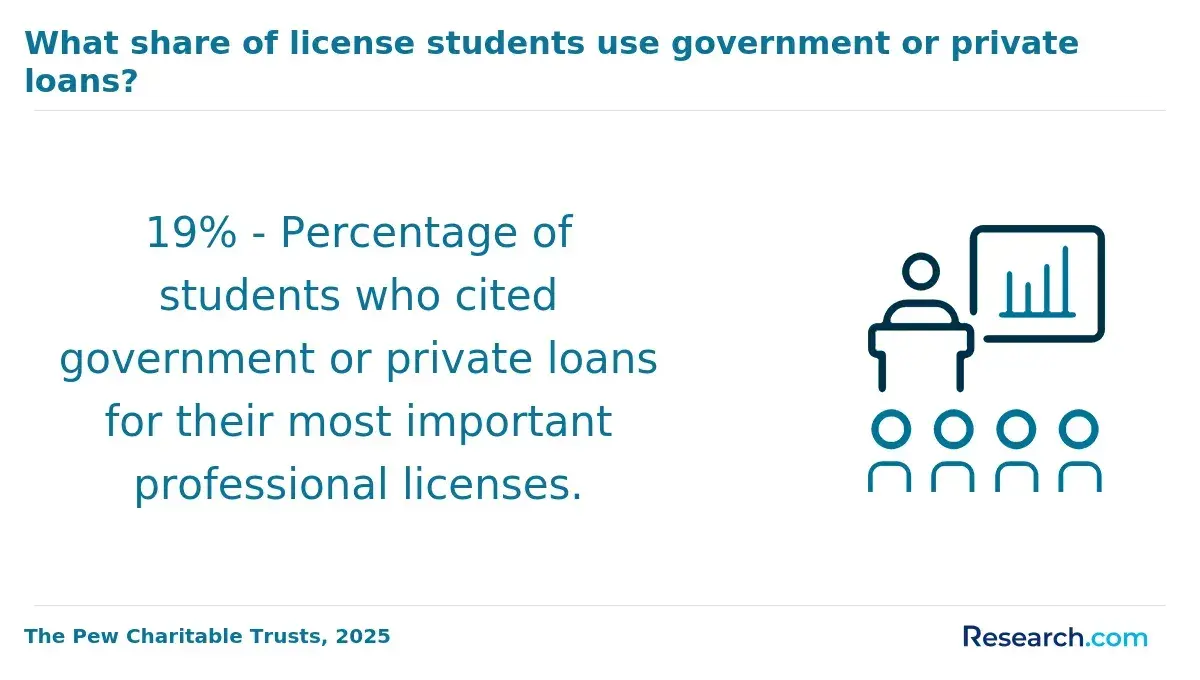
- Private Loans: When federal aid is insufficient, private loans provide an alternative, though typically with higher interest rates and more stringent terms, making careful consideration essential.
- Work-Study Programs: Part-time employment opportunities on or near campus allow students to earn income while gaining relevant experience, offsetting education costs effectively.
- Employer Tuition Assistance: For working professionals, many employers offer tuition reimbursement or assistance, particularly for advanced degrees, in exchange for continued employment and career advancement.
- Military Education Benefits: Veterans and active-duty service members can take advantage of programs like the GI Bill to support their mobile app development education, easing the pathway into technical careers.
Evaluating these financial aid options carefully is essential to plan a sustainable educational investment in mobile app development. For those considering career paths in technology, it's also helpful to explore related fields recognized among high paying degrees to align educational choices with long-term financial goals.
Career opportunities in mobile app development expand significantly with higher degree levels, offering diverse paths based on education and experience. Understanding professional opportunities in mobile app development by education helps students plan effectively for their future roles.
Bachelor's Degree
- Junior App Developer: Graduates start with foundational coding and development tasks, building practical skills in app creation and maintenance. These roles provide essential industry experience.
- UI/UX Designer: Focused on user interface and experience design, this role combines creativity with technical knowledge to enhance app usability and appeal.
- Quality Assurance Tester: Responsible for testing applications to identify bugs and ensure reliability, testers play a key role in product development cycles.
Master's Degree
- Senior Mobile App Developer: Professionals take on advanced technical roles, leading projects and developing complex applications that meet business needs and user requirements.
- Product Manager: Combining leadership and strategic planning, product managers oversee app development from conception to launch, coordinating teams and resources.
- User Experience Researcher: This role involves analyzing user behavior and feedback to optimize app functionality and satisfaction.
Doctorate Degree
- Principal Research Scientist: Engaged in cutting-edge innovation, doctorate holders lead research to develop new technologies and methodologies in mobile app development.
- Professor: Academia offers opportunities to teach, mentor, and contribute to the scholarly advancement of mobile app methodologies and practices.
- Chief Technology Officer: Executives at this level guide company technology strategy, driving innovation and overseeing large-scale technology initiatives.
Prospective students considering advanced degrees may also explore affordable options through online colleges that accept FAFSA, enabling access to quality education aligned with their career goals in mobile app development.
Salary comparisons are a key factor when choosing between bachelor's, master's, and doctorate degree levels in mobile app development, as they reveal potential financial returns on education. These figures assist students and professionals in aligning their career paths with expected earnings. Below is a summary of typical salary ranges based on degree attainment.
- Bachelor's Degree: Graduates usually start with annual salaries ranging from $65,000 to $85,000. These roles often focus on practical coding, testing, and design work, with increases possible as experience grows.
- Master's Degree: Those holding a master's typically earn between $85,000 and $110,000 at the outset. This boost reflects enhanced technical expertise, leadership skills, and readiness for more specialized or mid-level positions.
- Doctorate Degree: Salaries for doctorate holders vary widely, generally between $100,000 and beyond $130,000. These professionals are often engaged in research, engineering leadership, or academic roles, leveraging advanced knowledge for strategic development and innovation.
What Graduates Say About Their Mobile App Development Degree Level
- Karine: "Pursuing a bachelor's degree in mobile app development felt like a strategic investment despite the tuition costs averaging around $30,000. I was drawn by the hands-on skills and emerging tech trends the program offered. Now, as a full-time developer, I see how crucial that foundation was for landing my dream job at a tech startup."
- Timothy: "Deciding to study a master's in mobile app development was driven by my desire to deepen my expertise, even though I was mindful of the program's $20,000 price tag per year. Reflecting back, it was a challenging yet rewarding process that opened doors to leadership roles in software engineering. It's an investment that has truly paid off in my career growth. "
- Salma: "Opting for a doctorate in mobile app development was both a professional and personal milestone, especially considering the considerable financial commitment exceeding $40,000. The advanced research and development skills I gained transformed my approach to innovation and application design. Completing this program not only elevated my career as a tech consultant but also expanded my network immensely. "
Other Things You Should Know About Mobile App Development Degrees
While not universally required, work experience can be beneficial when transitioning from a bachelor's to a master's degree in mobile app development in 2027. Some programs may prefer or require relevant industry experience to enhance practical learning and deepen understanding of complex concepts.
Many bachelor’s programs require a final capstone or senior project worth 3 to 6 credits. Students usually build and test a complete app, document requirements, and present the project to faculty. Some programs also require a team project before graduation.
Generally, a doctorate is required for full-time, tenure-track faculty positions at universities teaching mobile app development or related computer science fields. However, some community colleges and technical schools may hire instructors with master's degrees or significant industry experience.
- is there a masters degree in Mobile development like android? - Stack Overflow https://stackoverflow.com/questions/2068557/is-there-a-masters-degree-in-mobile-development-like-android
- Master's degree in mobile application development: objectives and career opportunities https://www.ece.fr/en/faq-all-the-answers-to-your-questions/master-in-mobile-application-development-objectives-fees-job-opportunities/
- Mobile App Development Scholarship Program | International Scholarships Search https://www.internationalscholarships.com/scholarships/3220/Mobile_App_Development_Scholarship_Program
- Mobile App Development Degree: A Guide https://careerkarma.com/blog/mobile-app-development-degree/
- Top 5 Cheapest Mobile Development Degrees Online - Computer Science Degree Hub https://www.computersciencedegreehub.com/best/cheapest-online-mobile-development/
- 10 Most Affordable Master’s In Mobile Development Online - GradSchoolHub.com https://www.gradschoolhub.com/affordable/online/masters/mobile-development/
- Masters in Mobile App Development https://www.careerera.com/software-development/masters-in-mobile-app-development
- Exploring the value of a master's in mobile application development - TopZeno https://www.topzeno.com/en-us/article/internet-and-telecom/exploring-the-value-of-a-master-s-in-mobile-application-development-2332064459
- University App Development Cost in 2026 https://www.wildnetedge.com/blogs/university-app-development-cost
- PhD Projects in Mobile Applications (Doctoral Mobile Dissertation) https://phdservices.org/phd-projects-in-mobile-applications/