2027 How to Compare Mobile App Development Degree Programs Effectively

Co-Founder and Chief Data Scientist
Choosing the right mobile app development degree program can be overwhelming due to varying curriculum focus, program formats, and career support services. Many students struggle to identify which schools provide the most relevant technical skills or industry connections. According to the National Center for Education Statistics, enrollment in computer-related degrees, including mobile app development, has grown by 15% over the past five years, reflecting heightened demand for qualified graduates.
This article examines key factors such as course content, faculty expertise, and internship opportunities to help prospective students make informed comparisons aligned with their career objectives and personal circumstances.
Key Benefits of Comparing Mobile App Development Degree Programs Effectively
- Verify program accreditation to ensure credibility and industry recognition, as 87% of employers prioritize graduates from accredited institutions in hiring decisions.
- Assess curriculum alignment with your career goals, focusing on specialization options like iOS or Android development that reflect current market demands.
- Consider total costs against potential return on investment, noting that flexible scheduling options can reduce opportunity costs while improving graduation rates.
What types of accreditation should a mobile app development degree program have?
Accreditation is essential for comparing the quality, credibility, and long-term value of mobile app development degree programs. Graduates from accredited institutions are over 60% more likely to secure employment in their field, reflecting strong employer recognition and trust. Understanding the different types of accreditation can help students choose programs that best support their career goals and educational needs.
Key accreditation types to consider include:
- Regional Accreditation: This is the most common institutional accreditation in the U.S., ensuring overall educational quality. Degrees from regionally accredited schools are widely accepted by employers and other universities, aiding credit transfer and graduate education.
- Programmatic Accreditation: Focused on specific subject areas such as software engineering or computer science, this accreditation verifies that the curriculum meets specialized industry standards. While less common, it signals in-depth expertise and rigor in mobile app development studies.
- Accreditation by the Accrediting Commission of Career Schools and Colleges (ACCSC): This accreditation targets career-oriented programs, often benefiting working professionals seeking practical skills and faster credentialing. It also typically qualifies students for federal financial aid.
For those exploring the best accredited mobile app development degree programs, accreditation impacts not only academic quality but also financial aid and employment prospects. For students balancing work and study or planning career changes, exploring options such as online MBA programs can offer additional flexibility alongside accredited technical education.
What specializations are offered in mobile app development degree programs?
Specializations in mobile app development degree concentrations allow students to tailor their education to specific career goals and industry demands. With 62% of employers preferring candidates who demonstrate expertise in targeted areas of app development, choosing the right specialization can enhance job prospects and professional growth. Below are several common specializations offered within mobile app development programs.
- User Experience (UX) Design: Focuses on creating intuitive and engaging app interfaces by developing skills in user research, wireframing, and prototyping, helping graduates design apps that prioritize user satisfaction and usability.
- Cross-Platform Development: Emphasizes building apps that work seamlessly across multiple operating systems using frameworks like React Native and Flutter, enabling developers to reach a broader audience and adapt to varied devices.
- Mobile Security: Covers techniques to protect applications from vulnerabilities, teaching encryption, authentication, and secure coding practices critical for safeguarding sensitive data and complying with privacy regulations.
- Game Development: Centers on programming and designing mobile games, incorporating skills in graphics, animation, and interactive storytelling, which cater to a rapidly growing and competitive entertainment sector.
By exploring these mobile app development program specializations, students can better align their academic focus with desired job functions. Prospective learners may also consider combining their technical training with complementary fields or broader disciplines to maximize career flexibility and opportunities, as seen in many fields like a business degree online.
How can you compare courses across mobile app development degree programs?
Comparing courses across mobile app development degree programs allows prospective students to gauge program rigor, skill development, and how well courses align with their career goals. Research shows that programs with comprehensive curricula achieve a 15% higher course completion rate, emphasizing the value of curriculum depth and student engagement. Below are practical strategies to assist in effectively evaluating courses.
- Reviewing Course Descriptions: This clarifies the scope of topics covered and reveals whether they match your interests and future career plans, ensuring relevance to evolving industry demands.
- Assessing Course Prerequisites: Understanding these helps measure program difficulty and the logical progression from foundational to advanced skills.
- Theoretical vs. Practical Content: Balancing conceptual learning with hands-on experience is crucial for skill applicability in real-world app development scenarios.
- Project-Based Learning: Identifying courses that include real-world projects prepares students to meet professional challenges with practical expertise.
- Credit Hours and Duration: Comparing these elements helps estimate workload intensity and scheduling compatibility, supporting informed decisions about program fit.
- Industry-Aligned Skills: Focus on courses teaching in-demand programming languages and frameworks, which enhances employability once graduated.
For students balancing education with other commitments, exploring options like executive MBA programs online can offer valuable insights into flexible degree pathways. Applying the best criteria for comparing mobile app development courses ensures selecting a program aligned with both professional goals and personal circumstances.
Flexible scheduling plays a crucial role for students comparing mobile app development degree programs, as it helps balance academic commitments with personal and professional responsibilities. Below are common scheduling formats that cater to diverse student lifestyles and learning preferences:
- In-Person Classes: Traditional classroom settings where students attend scheduled sessions on campus, fostering direct interaction with instructors and peers. This format suits those who benefit from structured learning environments and face-to-face support.
- Fully Online Programs: Courses delivered entirely over the internet, allowing students to study independently at their own pace. This option is ideal for learners who require maximum flexibility due to work, family, or geographic constraints.
- Hybrid Models: A blend of online and in-person instruction, combining virtual lectures with occasional campus visits. This approach offers flexibility while maintaining some direct engagement, accommodating students who prefer a mix of both methods.
- Part-Time Enrollment: Allows students to extend their coursework over a longer timeframe by taking fewer classes each term. It benefits those balancing school with employment or other obligations by reducing academic intensity.
- Evening and Weekend Classes: Scheduling courses outside typical work hours to support adult learners with daytime jobs. These options enable students to pursue their degree without interrupting their careers or personal lives.
Choosing between online and campus-based mobile app development degrees significantly affects a student's flexibility, interaction level, and overall success. In 2022, nearly 45% of U.S. undergraduates enrolled in at least one online course, showing the growing preference for digital learning environments. Below is a comparison of the two delivery formats to help clarify their distinct advantages and challenges.
Online Degrees
- Flexible Scheduling: Students can complete coursework at their own pace from any location, ideal for those balancing jobs or family life.
- Limited Networking: Online formats often reduce spontaneous peer interaction and face-to-face mentoring, which can be essential for professional growth.
- Self-Discipline Required: Without structured class times, maintaining motivation and regular study habits can be challenging for some learners.
Campus-Based Degrees
- Structured Environment: Fixed schedules encourage consistent attendance and create a routine that supports focus and accountability.
- Enhanced Collaboration: Direct access to professors and peers fosters networking, hands-on projects, and immediate feedback.
- Resource Access: Physical labs and on-site technology provide practical experience that closely mimics real-world development settings.
A graduate who completed an online mobile app development degree shared his decision-making experience. "Balancing full-time work with studying made online the only viable option," he said. He described spending hours researching how program formats matched his learning style and career aims.
"I worried about missing out on networking, so I joined virtual coding groups and forums to connect with others." Despite initial doubts, he found the flexibility indispensable and appreciated the ability to revisit lectures multiple times during busy periods. "It wasn't easy adjusting to the self-driven pace, but ultimately it allowed me to learn deeply and stay on track with my job."
GPA requirements play a crucial role when evaluating mobile app development degree programs, as they often reflect the academic expectations and admissions competitiveness of each option. Considering how these requirements differ can help prospective students identify programs that suit their unique academic profiles and career aspirations. The following points highlight key variations in GPA policies across programs:
- Set Minimums: Many programs require a firm minimum GPA, commonly around 2.5 to 3.0 on a 4.0 scale, signaling their academic standards. Applicants below this threshold may find it harder to gain admission without exceptional credentials elsewhere.
- Holistic Review: Some institutions evaluate GPA as just one piece of a broader admissions puzzle. They weigh factors like professional experience, portfolios, recommendation letters, and personal statements alongside academic performance, allowing for a more comprehensive assessment.
- Flexibility in Admissions: In certain cases, schools may offer conditional acceptance or probationary enrollment for candidates with lower GPAs, focusing on skill development and practical learning rather than past grades alone.
- Accessibility Considerations: Strict GPA cutoffs might limit opportunities for students with varied educational backgrounds, whereas more adaptive policies encourage diverse applicants to showcase their potential beyond numerical scores.
By examining these differences, students can better navigate their options and choose mobile app development programs that align with both their academic strengths and professional goals.
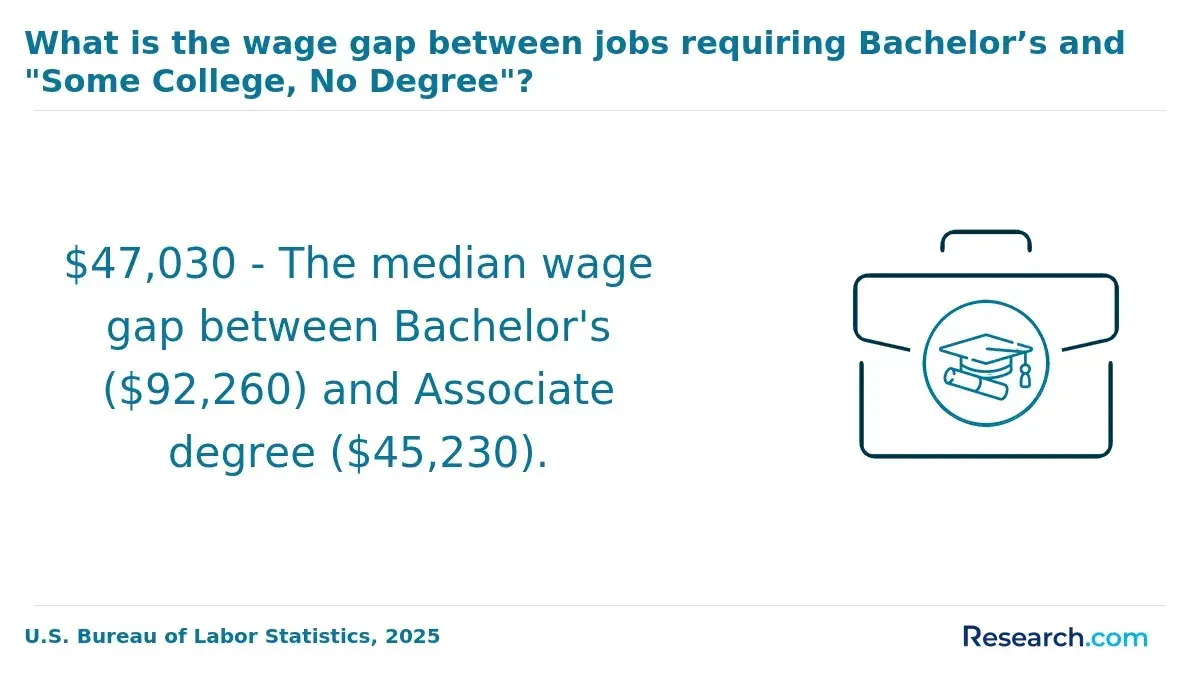
Comparing tuition is essential when selecting a mobile app development degree, as cost differences can significantly impact your education investment. In 2023, the average tuition and fees at public four-year institutions reached $10,940 annually, while the average student debt stands near $37,000, highlighting affordability concerns. Consider these aspects when evaluating programs:
- Total Program Cost: Look beyond tuition by including mandatory fees and additional expenses such as technology or lab charges. This comprehensive view prevents unexpected costs from affecting your budget.
- Cost Per Credit: Since programs vary in required credits, calculating the cost per credit hour helps standardize comparisons, allowing you to assess value more accurately.
- Mandatory Fees: Separate fees for labs, software, or materials can vary widely and should be factored into total expenses to avoid surprises.
- Financial Aid Options: Availability of scholarships, grants, and work-study programs can substantially reduce your net cost. Investigate what each institution offers to maximize aid.
- Employer Tuition Benefits: For those currently employed, employer-sponsored tuition reimbursement or benefits can lower out-of-pocket payments, making some programs more affordable.
- Long-Term Value: Consider factors like graduation rates, industry partnerships, and job placement services, which may justify higher upfront costs through better career outcomes.
When I asked a graduate who completed a mobile app development degree about her tuition comparison process, she recalled feeling overwhelmed by the many variables. "I initially focused on advertised tuition but quickly realized additional fees and credit differences changed the real cost," she explained.
She spent weeks researching financial aid packages and employer benefits, which ultimately made a more expensive program reasonable for her situation. Reflecting back, she said, "Balancing cost with long-term support and job prospects was key in choosing a program that truly fitted my needs." Her experience underscores that thorough research beyond sticker price is crucial for making an informed decision.
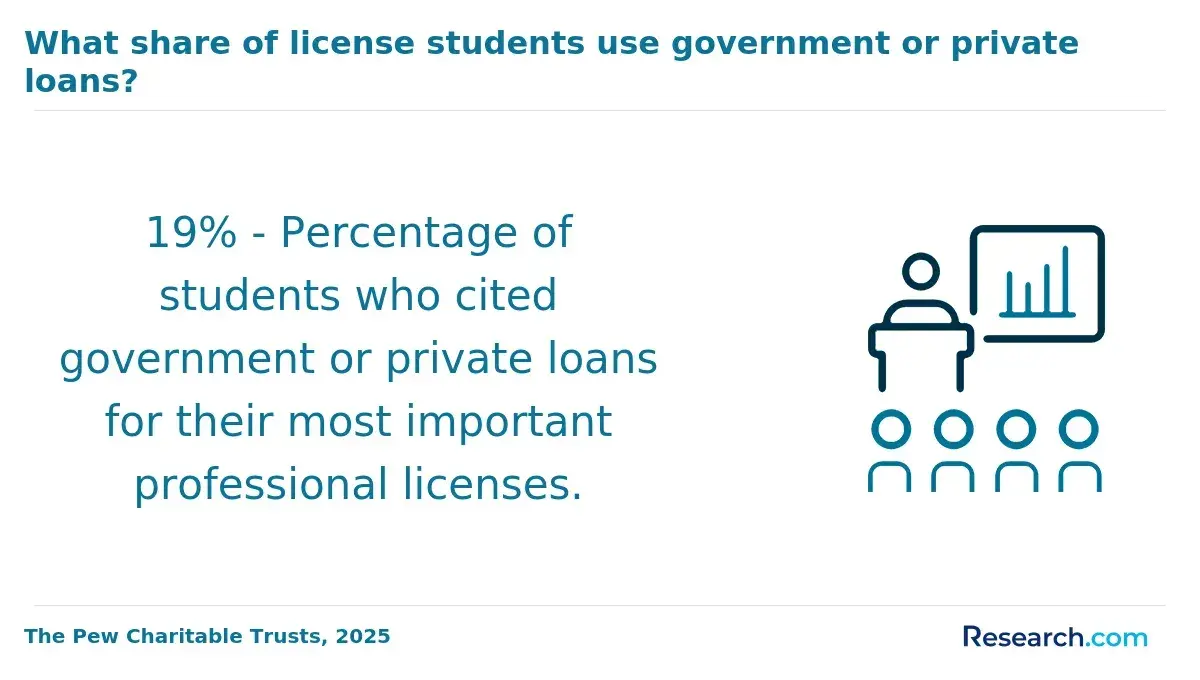
Aligning a mobile app development degree with licensure or certification requirements is crucial for students entering regulated fields or shifting careers, as it can directly impact employability and professional recognition. Roughly 21% of technology jobs demand some form of certification, highlighting the need to understand how a degree supports these credentials. Here are key factors to evaluate:
- Curriculum Alignment: Ensure the program covers the skills and knowledge that match current industry standards and certification criteria to stay relevant and competitive.
- Accreditation Status: Verify that the institution holds recognized accreditation, which assures quality education and may be required for eligibility in certification or advanced training.
- State-Specific Rules: Research any local licensure or certification conditions that might affect your qualifications, including exam prerequisites or professional recognition mandates.
- Supervised Experience: Look for programs offering internships, capstone projects, or guided practical work essential for skill development and meeting licensing requirements.
- Certification Pathways: Identify if the degree prepares you for relevant exams from professional organizations, which can provide a competitive edge in job markets.
Career placement rates are a vital indicator of how effectively mobile app development degree programs prepare students for successful employment. According to a report from the National Association of Colleges and Employers, programs with strong placement efforts can achieve graduate employment rates exceeding 85% within six months of graduation.
Considering these factors can help students identify programs that best support their career goals. Here are key areas to explore when evaluating career placement rates:
- Published Employment Data: Students should review a program's published statistics, focusing on the percentage of graduates employed in related fields or continuing their education. Transparent and up-to-date data help gauge the program's overall effectiveness in fostering job readiness.
- Employer Partnerships: Strong collaborations between schools and employers often lead to internship opportunities that provide practical experience and professional networking. These partnerships can be crucial pipelines to employment after graduation.
- Alumni Outcomes: Examining the career paths and success stories of alumni offers insight into the types of roles graduates secure and the program's reputation within the industry. Alumni engagement often reflects a program's long-term impact on career development.
- Support Services: Career counseling, job fairs, and resume workshops are important components that enhance placement success. Students should inquire about the availability and effectiveness of these services to ensure comprehensive job search support.
Prospective students looking for top-ranked mobile app development degree programs for employment outcomes should also consider affordability and scheduling flexibility, which are crucial for balancing education with other commitments. Exploring the most affordable online colleges can provide additional options that align with budgetary needs while maintaining strong career placement prospects.
Post-graduation salary outcomes are a vital comparison metric for prospective students evaluating mobile app development degree programs, as they indicate the practical value and market demand for acquired skills. Entry-level graduates in this field typically earn between $60,000 and $80,000 annually, guiding students in aligning their education with career aspirations. Below is a breakdown of key factors influencing salary differences among graduates.
- Role Variation: Salaries differ by specific job titles such as software engineer, UX/UI designer, and product manager within mobile technology sectors, with developers specializing in iOS or Android platforms generally commanding higher wages.
- Industry Impact: Graduates working in finance or healthcare technology commonly receive higher compensation compared to those in nonprofit or educational sectors, reflecting industry-specific demand and funding.
- Geographic Location: Major tech hubs like San Francisco, Seattle, and New York offer premium salaries to compensate for higher living costs and intense competition, making location a key determinant in earnings.
- Experience Level: Earnings growth correlates strongly with experience. Mid-level developers with three to five years of experience often see substantial salary increases compared to recent graduates.
Understanding average earnings for mobile app development degree holders helps assess the return on investment in different programs. Students interested in accelerated education might explore options such as 1 year graduate programs that can fast-track their entry into the workforce with competitive salary potential.
What Graduates Say About Comparing Mobile App Development Degree Programs Effectively
- Valerie: "Before enrolling in the Mobile app development degree program, I was torn between self-study and a formal education due to cost concerns. The average cost was surprisingly reasonable compared to other tech degrees, which made my decision easier. Completing the program boosted my confidence and opened doors to working on high-profile projects, drastically advancing my career."
- Maja: "I had spent years contemplating whether investing in a Mobile app development degree was worth it, especially given tight budgets. The program's cost, which was lower than many alternatives, was a key factor that ultimately convinced me. Reflecting now, that choice was pivotal; the skills I gained allowed me to transition smoothly into a full-time developer role. "
- Timothy: "My approach was highly professional from the start-balancing cost and career goals with precision. The Mobile app development degree program provided excellent value considering the average expense, and it equipped me with practical skills that employers highly value. Finishing the program gave me both credibility and a competitive edge in the job market."
Other Things You Should Know About Mobile App Development Degrees
In 2027, the availability of cutting-edge resources and technology access is crucial. Programs offering modern tools, software, and labs facilitate practical learning, ensuring students gain hands-on experience with the latest industry trends. This access enhances skill development and better prepares graduates for the evolving mobile app landscape.
Internships are essential for gaining hands-on experience in mobile app development. Programs that facilitate internships with tech companies allow students to apply classroom knowledge in real-world settings and build professional portfolios. When comparing programs, consider the strength of their industry partnerships and the variety of internship placements offered.
Compare whether the capstone is required, how many credits it carries, and whether it includes a solo app build, team project, or industry client brief. Strong programs specify a deliverable such as a published iOS or Android app and a final presentation or code review.
- Best Mobile Development Bachelor's Degree Programs, Jobs, and Salaries https://careerkarma.com/blog/mobile-development-bachelors-degrees/
- Mobile App Developer Education Requirements in 2025 - Do You Need a Degree? https://www.tealhq.com/education/mobile-app-developer
- Top 5 Cheapest Mobile Development Degrees Online - Computer Science Degree Hub https://www.computersciencedegreehub.com/best/cheapest-online-mobile-development/
- Web and Mobile Application Development | Community College of Philadelphia https://www.ccp.edu/college-catalog/degree-programs/associate-applied-science-aas/web-and-mobile-application
- Mobile Application Development https://www.ucsc-extension.edu/specializations/mobile-application-development
- Which country is best for mobile apps developer? https://rsmobile.net/which-country-is-best-for-mobile-apps-developer/
- Best Mobile Development Bachelor's Programs 2026 https://www.hakia.com/degrees/mobile-development/best-bachelors-programs/
- Mobile software developers:Requirements https://law-nd.vault.com/professions/mobile-software-developers/requirements
- Mobile App Development Bootcamps | ComputerScience.org https://www.computerscience.org/bootcamps/rankings/mobile-app-development/