2027 Return on Investment (ROI) of a Humanities Degree Program

Co-Founder and Chief Data Scientist
Many students pursuing a humanities degree wonder if the time and money invested will translate into viable career opportunities. For example, graduates in history often face a competitive job market, with only 54% employed in a field related to their major within five years. This uncertainty prompts questions about the tangible return on investment (ROI) of such degrees. Understanding the employment trends, average earnings, and career pathways can clarify these concerns. This article examines the ROI of humanities degree programs, providing data-driven insights to help prospective students and professionals make informed decisions about their education and career futures.
Key Things to Know About Humanities Degree ROI
- Graduates with a humanities degree often experience long-term salary growth, with median earnings increasing 15% after 10 years compared to initial entry-level wages.
- Humanities skills foster flexibility, enabling career shifts across industries like education, communications, and public policy, enhancing job security amid evolving markets.
- Despite modest starting salaries, humanities graduates report above-average advancement opportunities in management and specialized roles over time, supporting strong career progression.
How Is ROI Calculated for a Humanities Degree Program?
Return on investment (ROI) in higher education evaluates the financial benefits a student gains relative to the cost and time spent earning a degree. It serves as a valuable tool for prospective students to compare the value of a humanities degree against its expenses and duration. To better understand calculating ROI for humanities degree programs, consider these key factors:
- Tuition and fees: This includes all direct educational expenses such as tuition, books, and other costs required to complete the program, which contribute significantly to the initial financial investment.
- Opportunity cost: Represents the income a student sacrifices by attending school full-time instead of working, which varies based on the program length and can greatly impact overall ROI.
- Time to completion: The duration needed to earn the degree affects both ongoing costs and lost earnings. Longer programs generally result in higher opportunity costs, influencing the ROI calculation.
- Post-graduation salary outcomes: Average salaries for graduates after completing the program are critical for estimating the financial returns of a humanities degree versus its cost.
- Long-term earning potential: Considers future salary growth and career advancement opportunities related to a humanities degree, offering insight into the sustainable financial benefits over a working lifetime.
Evaluating humanities degree program cost versus earnings is essential for a thorough understanding of potential benefits. Some students may also compare their options with accredited online MBA programs which can offer different financial outcomes depending on individual career goals.
How Much Does a Humanities Degree Program Cost?
Grasping the total expenses involved in a humanities degree is vital for accurately weighing its return on investment (ROI). Graduate tuition and fees in the U.S. have risen steadily, with student debt averaging over $37,000 per borrower in 2023. Evaluating all cost factors clarifies the financial implications beyond sticker price.
Several key expenses shape the overall cost and impact ROI:
- Tuition and fees: These usually represent the largest financial commitment and differ significantly between institutions, influencing the initial investment.
- Books and materials: Required readings and specialized supplies often add considerable yearly costs, sometimes overlooked in budgeting.
- Living or relocation expenses: Costs for housing, transportation, and daily needs can escalate, especially when moving to pursue the program.
- Opportunity cost: Forgone wages from full-time work during study periods represent a substantial, intangible cost that affects overall value.
- Hidden or indirect costs: Application fees, technology purchases, and miscellaneous expenses accumulate throughout the program and should not be underestimated.
When discussing the question, "How much does a humanities degree program cost?" with a recent graduate, he reflected on the emotional and practical challenges faced. "I remember struggling to balance part-time jobs while managing coursework," he shared. The unpredictable expenses for books and relocating caught him off guard, requiring careful financial juggling. He also expressed that the opportunity cost felt more significant in hindsight, noting, "Missing out on a steady paycheck was tough but made me rethink the true investment." Despite the hurdles, he emphasized that understanding the full financial picture early on helped him plan better and manage expectations throughout his studies.
What Financial Aid Is Available for Humanities Degree Programs?
Financial aid significantly lowers upfront expenses for humanities students, directly enhancing the long-term return on investment by reducing reliance on loans. Recent statistics show that more than 85% of graduate students benefit from some form of financial support, underscoring its critical role in managing education costs and debt levels.
Common types of financial aid that improve affordability and ROI in humanities degree programs include:
- Scholarships: These awards, often based on academic achievement or special talents, require no repayment and reduce overall education costs, boosting ROI by limiting debt accumulation.
- Grants: Typically awarded based on financial need, grants provide free funding that minimizes borrowing, helping students keep graduate expenses manageable and improving financial outcomes.
- Fellowships: Particularly prevalent in graduate humanities education, fellowships offer stipends and tuition coverage, allowing recipients to focus on research and coursework without taking on loans.
- Employer Tuition Assistance: For working adults, employer-sponsored tuition benefits can cover full or partial costs, decreasing out-of-pocket spending and supporting continuous income, which enhances ROI.
- Federal Loans: Though loans must be repaid, federal options often feature lower interest rates and flexible repayment plans, reducing financial strain compared to private borrowing and making investment in education less risky.
The duration needed to finish a humanities degree plays a significant role in its return on investment by affecting both the total costs incurred and the timing of income generation. Spending more years in school increases expenses like tuition and living costs, while postponing entry into the job market leads to lost earnings-factors that together influence overall financial outcomes.
Several elements shape how long the degree takes to complete, which in turn impacts its financial value:
- Enrollment status: Students attending full-time usually finish within the standard four years, whereas part-time learners often take longer due to balancing jobs or personal commitments, increasing overall costs and delaying income.
- Program format: Online courses or accelerated tracks can compress the timeline, allowing for earlier graduation and income potential, often with reduced associated expenses.
- Transfer credits: Utilizing previously earned college credits can shorten the required coursework, speeding up completion and improving cost-effectiveness.
- Practical requirements: Internships, theses, or similar program components may extend study duration but enhance career prospects and long-term earnings.
- Scheduling flexibility: While flexible class schedules help accommodate working students, they might also slow progress toward degree completion, affecting ROI.
A graduate I spoke with shared that her humanities journey stretched over five years as she juggled part-time studies with a demanding job and family obligations. She reflected, "It was challenging to find the right balance, and sometimes I worried about the extra time and money spent." However, she also noted that completing a thesis project gave her valuable experience that opened doors professionally. Her story highlights how individual circumstances and program features interplay to shape both the timeline and ultimate rewards of earning a humanities degree.
The return on investment (ROI) for humanities degree programs can differ significantly between online and on-campus formats due to variations in cost, flexibility, and career outcomes. Nearly 40% of U.S. higher education students now take at least one online course, highlighting the shift toward digital learning options. This shift influences how students evaluate the return on investment of humanities programs by delivery format.
Key factors to consider include:
- Tuition and fees: Online programs typically offer lower tuition and fees than on-campus degrees, which reduces upfront financial burden and overall debt.
- Opportunity cost: Online students can often maintain full-time employment while studying, lowering the income lost during their education compared to those attending on-campus full time.
- Time to completion: While both formats vary, online humanities degrees may allow accelerated progress due to flexible scheduling and self-paced learning models.
- Networking and career services: Traditional on-campus programs usually provide stronger in-person networking and career support, which can impact job placement and long-term connections.
- Employer perception and earning potential: On-campus degrees may carry more prestige in some fields, influencing salary growth and career advancement.
For those interested in exploring pathways that combine flexibility with career-oriented training, programs such as a fast track social work degree online illustrate how online degrees can deliver valuable options for working professionals. Evaluating the ROI comparison for online versus on-campus humanities degrees requires balancing costs, time investment, and potential employer preferences to make an informed decision.
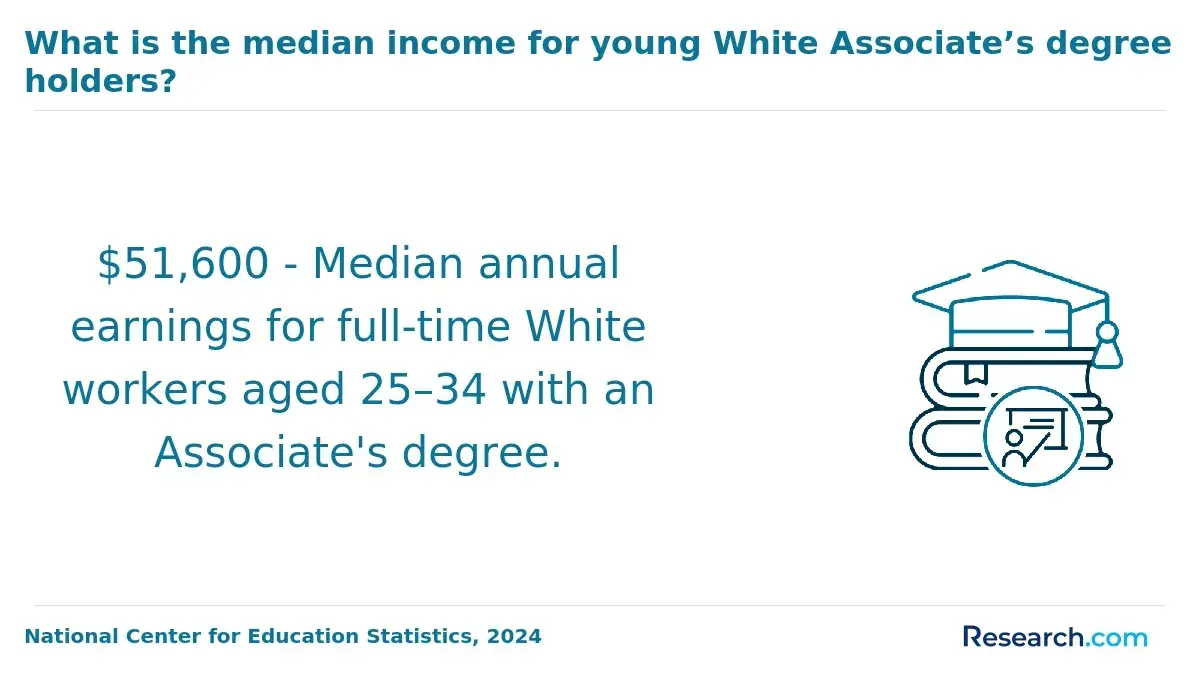
Post-graduation salary is a key driver of the return on investment (ROI) for a humanities degree because it directly impacts how quickly graduates can recover educational costs such as tuition and fees. Typically, the average salary for humanities degree graduates in the United States ranges between $40,000 and $65,000 annually, depending on various factors influencing earnings.
Several important variables affect typical earnings after humanities degree completion and ultimately shape the financial benefits of the degree. These include:
- Industry: Different sectors such as education, communications, nonprofits, and business offer varying salary levels, with some industries generally providing higher pay, thus improving ROI.
- Geographic location: Salaries differ by region due to local cost of living and demand for humanities skills; graduates in urban centers often experience higher earnings.
- Prior experience: Previous work, internships, and skills can lead to higher starting salaries and faster advancement, increasing overall earnings potential.
- Specialization: Focusing on niches like digital humanities, languages, or cultural studies can open doors to better-paying roles compared to more general humanities paths.
- Career level: Progressing into managerial or specialized positions significantly elevates salary levels over time, enhancing long-term ROI.
For those considering further advancement, exploring options such as an online masters in psychology can expand career possibilities. Prospective students should carefully weigh these factors in relation to typical earnings after humanities degree completion to evaluate the average salary for humanities degree graduates in the context of their own career goals.
Breakdown of All Fully Online Title IV Institutions

Promotions contribute significantly to the return on investment (ROI) of a humanities degree by increasing salary, expanding job responsibilities, and enhancing career mobility. These factors together boost the financial and professional benefits graduates can expect over time.
A notable workforce trend is the rising emphasis on credential-based promotions, where formal education, including humanities degrees, plays a crucial role in qualifying for advancement and leadership roles. This trend aligns with career advancement with a humanities degree as employers increasingly require degrees for merit increases and managerial positions.
Several key factors illustrate how a humanities degree may influence promotion opportunities and drive ROI:
- Credential requirements: Many organizations set minimum degree standards for leadership roles, making humanities degrees valuable for meeting such criteria and improving chances of advancement.
- Leadership preparation: Humanities programs cultivate critical thinking, communication, and ethical reasoning skills that are essential for effective management and leadership, enhancing promotion prospects.
- Tuition support: Employer tuition reimbursement or support policies often encourage further education, which can enhance an employee's qualifications and readiness for promotions.
- Internal promotion policies: Companies typically favor employees who combine relevant work experience with academic credentials, benefiting humanities graduates who accumulate on-the-job experience alongside their degrees.
- Career mobility: A humanities degree can open pathways to diverse roles across different industries, facilitating upward movement and broader opportunities for job promotions.
For those evaluating how a humanities degree impacts job promotions, researching affordable options can be a wise strategy. Considering affordable online bachelor degree programs may reduce educational costs while positioning graduates for career growth.
The return on investment (ROI) for humanities graduates varies across industries due to differences in salary levels, career progression, and demand for specialized skills. These factors influence compensation growth, promotion potential, and long-term job market sustainability. Evaluating the best industries for humanities graduates ROI helps identify where career prospects and financial rewards align.
Industries with strong ROI for humanities graduates typically leverage their critical thinking, communication, and cultural literacy skills. Common sectors offering competitive returns include:
- Technology and User Experience (UX) Design: This growing sector values user-centered design, communication, and analytical skills common among humanities graduates. Roles in UX research and content strategy provide competitive salaries and clear advancement pathways.
- Marketing and Communications: Humanities graduates excel in storytelling and persuasive writing, which positions them for steady salary increases and progression into managerial roles in this industry.
- Nonprofit and Public Policy: Although starting salaries often tend to be lower, these sectors offer meaningful work aligned with humanities training and potential growth into leadership and policy-making roles with job stability.
- Education and Academia: Particularly in higher education and administrative capacities, humanities graduates can attain tenure-track positions or executive roles, benefiting from analytical and research skills.
- Media and Publishing: As digital media expands, this industry offers increasing opportunities where cultural insight and strong writing translate into career growth and compensation gains.
For those considering educational paths, exploring an associates degree can be a practical step toward entering fields with promising ROI. When seeking top career fields with high ROI humanities degrees provide, these industries consistently show strong financial and professional outcomes.
Accreditation is a formal review process conducted by independent agencies that assess a college or university's humanities programs against established quality standards. It serves as a validation that the curriculum meets both academic and professional expectations, which is crucial for evaluating the return on investment (ROI) of a humanities degree. This recognition has become increasingly important as employers place greater emphasis on verified credentials and accredited programs when making hiring decisions or determining eligibility for professional licenses. Such trends enhance the value of degrees earned through accredited pathways.
Accreditation can significantly impact long-term ROI by fostering employer confidence in the degree's legitimacy and rigor. It also opens access to federal financial aid and scholarships, reducing upfront costs for students. Credits earned in accredited programs are generally transferable to other institutions, enabling continued education without unnecessary repetition or expense. Moreover, graduates from accredited humanities programs often have a stronger chance at obtaining professional licensure, improving career advancement opportunities and flexibility across sectors.
Evaluating the return on investment (ROI) for a humanities degree requires considering several financial and career factors. The cost of tuition and the time required to complete the program directly affect overall expenses and opportunity costs. Graduates with humanities degrees often start with salaries approximately 20% lower than those in STEM or business fields, which can influence initial financial returns. Career advancement opportunities also vary widely, depending largely on the applicability of skills gained and industry demand over time.
The value of a humanities degree depends on more than just salary figures. Programs that offer flexible formats, such as online or part-time options, can reduce both costs and time away from employment, improving ROI. Financial aid and scholarships play a crucial role in minimizing debt burdens. Furthermore, graduates who align their skills with sectors valuing creativity, communication, and critical thinking may find better long-term career growth, making the investment worthwhile when paired with clear personal career goals and awareness of market needs.
What Graduates Say About The ROI of Their Humanities Degree
- Tristan: "Choosing to pursue a humanities degree as a traditional student was a leap of faith, especially knowing that the average cost hovers around $35,000 per year. However, I viewed it as an investment in critical thinking and communication skills that no matter the job market shifts, will always provide long-term value. This degree opened doors in publishing and education sectors, proving the initial cost was absolutely worth it for me."
- Joshua: "As an online student, affordability was key in my decision to study humanities. With tuition typically lower than on-campus programs and the flexibility to work concurrently, I balanced costs without sacrificing quality. The career impact was subtle but meaningful: enhanced cultural awareness and writing skills helped me advance in nonprofit leadership, confirming the degree's ROI despite its moderate expense."
- Ivy: "Completing a humanities degree part-time while working full-time was challenging, but a strategic choice given the approximately $25,000 annual cost. Reflecting on this investment, I appreciate how it sharpened my analytical abilities and broadened my worldview-qualities that have been invaluable in my consulting career. In professional terms, the degree's worth has exceeded the financial outlay through increased opportunities and industry recognition."
Other Things You Should Know About Humanities Degrees
In 2027, humanities graduates gain critical thinking, communication, and cultural awareness, which are increasingly valued in diverse industries. These skills enhance employability and adaptability, positively influencing the degree's return on investment despite potentially lower starting salaries compared to technical degrees.
The job market for humanities graduates can be influenced by economic fluctuations and shifts in industry demand. Because humanities disciplines are broad and not tied to a specific technical skill set, graduates might experience varied employment opportunities depending on economic trends. This volatility can lead to less predictable short-term financial returns but may offer diverse career paths over time.
The payback period is the number of years needed for extra earnings to cover tuition and lost wages, often measured against the program’s total cost. For a humanities degree, analysts usually compare net present value over 10 to 20 years, using salary data from the U.S. Bureau of Labor Statistics.
Further education, such as master's or doctoral degrees, can significantly improve the ROI for humanities graduates by opening opportunities in academia, research, or specialized fields. However, postgraduate study also requires additional investment of time and money, which should be weighed against potential career gains. Many careers related to humanities do not require advanced degrees, so the decision depends on individual career goals.
- “Return on Investment” is a Red Herring https://pen.org/return-on-investment-is-a-red-herring/
- Oh, the humanities: What's the ROI? - MSU Denver RED https://red.msudenver.edu/2019/oh-the-humanities-whats-the-roi/
- Is getting a humanities degree a pointless endeavour? - Excalibur https://www.excal.on.ca/opinion/op-ed/2024/03/15/is-getting-a-humanities-degree-a-pointless-endeavour/
- Does College Pay Off? A Comprehensive Return On Investment Analysis - FREOPP https://freopp.org/whitepapers/does-college-pay-off-a-comprehensive-return-on-investment-analysis/
- Why ROI Matters https://agb.org/trusteeship-article/why-roi-matters/
- 4-Year Bachelor in Humanities and Social Sciences - Université de Montréal - Admissions https://admission.umontreal.ca/en/programs/4-year-bachelor-in-humanities-and-social-sciences/
- University of Humanities and Economics in Lodz https://study.gov.pl/university-humanities-and-economics-lodz-0
- OPINION: Ask not what can be done with a humanities degree - The Hechinger Report https://hechingerreport.org/opinion-ask-not-what-can-be-done-with-a-humanities-degree/
- Exploring Career Paths for Humanities Graduates: Beyond the Classroom - Oreate AI Blog http://oreateai.com/blog/exploring-career-paths-for-humanities-graduates-beyond-the-classroom/cf36cb3bd806ec5640f7de078b75d0df
- How Accreditation Impacts Student Success and Employability https://ukeducationbridge.co.uk/how-accreditation-impacts-student-success-and-employability/