2027 Are Online Humanities Degrees Respected by Employers?

Co-Founder and Chief Data Scientist
The demand for online Humanities degrees continues to rise as more students seek flexible and accessible education options. Recent studies show that over 40% of employers now view online degrees as comparable to traditional ones when accredited and completed through reputable institutions. This article aims to clarify how employers perceive online Humanities degrees today and highlights the key factors that affect their credibility in the job market. Understanding these elements can help prospective students make informed decisions and better navigate their career paths within a competitive employment landscape.
Key Benefits of Online Humanities Degrees Respected by Employers
- Graduates of respected online humanities programs are viewed positively by 68% of employers who recognize the rigor and credibility of accredited online education in this field.
- Online humanities degrees develop critical thinking, communication, and cultural literacy skills that 75% of hiring managers consider essential for diverse and creative workplaces.
- Individuals with online humanities degrees often experience improved career outcomes with a 12% higher job placement rate within six months compared to those without a degree in the same industries.
Which Accrediting Bodies Make an Online Humanities Degree Legitimate?
Accreditation is essential for ensuring the quality and employer recognition of online humanities degrees, as it verifies that the program meets established educational standards. This credibility affects whether employers accept the degree, whether credits transfer smoothly to other schools, and if graduates can pursue advanced education. Understanding the different types of accreditation helps students choose programs with the best outcomes.
The main types of accreditation relevant to online humanities degrees include the following:
- Regional accreditation: This is the most respected and widely recognized type of institutional accreditation in the United States. Regional accrediting bodies, such as the Higher Learning Commission (HLC) and the Southern Association of Colleges and Schools Commission on Colleges (SACSCOC), review the entire institution for academic quality. Degrees from regionally accredited institutions are more likely to be accepted by employers, qualify for federal financial aid, and transfer to other regionally accredited schools. Many reputable online humanities programs, including public universities, hold this accreditation. For those seeking a regionally accredited online humanities degree in the United States, this accreditation provides a strong assurance of academic rigor and professional acceptance.
- National accreditation: Agencies like the Accrediting Council for Independent Colleges and Schools (ACICS) and the Distance Education Accrediting Commission (DEAC) accredit primarily for-profit or vocational institutions. While these accreditations confirm a baseline quality, degrees from nationally accredited schools may face limitations in credit transfer and employer recognition. National accreditation is generally perceived as less rigorous than regional accreditation, which can affect career outcomes for graduates.
- Programmatic (specialized) accreditation: Though less common in humanities than in professional fields, some specialized or interdisciplinary humanities programs seek additional accreditation focused on liberal arts or specific disciplines. This type of accreditation offers assurance of field-specific quality, access to certain professional networks, and eligibility for certifications. However, institutional accreditation remains the primary marker of legitimacy for humanities students. It is important to verify any claimed programmatic accreditations against Council for Higher Education Accreditation approved humanities programs to ensure their validity.
For students exploring credible options, programs listed among 1 year masters degrees can be a useful resource to identify well-regarded pathways. Always check accreditation status through official databases before enrolling to maximize career and educational opportunities.
Does University Reputation Affect Employer Views of Online Humanities Degrees?
University reputation plays a crucial role in shaping employer perceptions of online humanities degrees by influencing how credible and trustworthy a candidate's educational background appears. Employers often associate institutional prestige with the rigor and quality of the program, which directly affects hiring decisions. This connection between university reputation and online humanities degree credibility is evident as reputable institutions like Arizona State University or the University of Illinois Chicago are viewed favorably, regardless of the online format.
Several factors reinforce this perception. Institutional prestige remains a key driver, with employers valuing degrees from well-known, accredited universities more highly. Alumni success also boosts confidence; graduates from respected universities tend to show positive employment outcomes and versatility in professions such as education and law. Additionally, accreditation status serves as an important signal of program quality, assuring employers about academic standards, especially in the online education space where skepticism can persist. Partnerships between universities and industries offering internships further increase program credibility by preparing students for real-world challenges.
At the same time, it is essential to recognize that employer perception of online humanities degrees from prestigious universities is balanced by the emphasis on skills and experience. Many hiring managers place more weight on a candidate's demonstrated abilities, portfolios, and relevant accomplishments than on the institution's name alone. Practical skills and tangible evidence of competence often outweigh institutional prestige in fields where hands-on expertise matters most.
For prospective students exploring options, considering online schools with open admission may offer additional opportunities to gain recognized credentials while building necessary skills for the workforce.
Do Employers Treat Online and On-campus Humanities Degrees Equally?
In recent years, employer perceptions of online humanities degrees have shifted notably, with many organizations increasingly viewing them as comparable to traditional on-campus credentials. This positive trend reflects broader acceptance of online education, driven by the growing rigor and relevance of modern online programs. However, this change is not uniform, especially within the United States, where some employers remain hesitant to fully equate online and in-person degrees. Despite these variations, there is a clear movement toward recognizing online humanities degrees as credible alternatives to traditional pathways.
When evaluating online versus traditional humanities degrees, hiring managers typically consider factors such as accreditation, the reputation of the institution, and the candidate's practical experience gained during their studies. For example, research indicates that while some employers prefer graduates with hybrid or on-campus experiences, they generally would not discount an online degree purely based on how it was delivered.
Equivalence in academic rigor and real-world learning opportunities plays a central role in shaping these perceptions. Graduates can enhance their credibility by highlighting the quality of their online programs, emphasizing relevant practical or internship experiences, and showcasing the standing of their university. Additionally, demonstrating strong soft skills-often cited as an area of weakness among new graduates-can further improve a candidate's appeal to employers.
AI technologies such as adaptive learning systems, virtual simulations, and AI tutors play a significant role in enhancing the quality and credibility of online humanities education. Adaptive learning platforms customize coursework and feedback to each student's progress, allowing for personalized instruction that targets individual knowledge gaps more effectively than traditional methods. Virtual simulations offer immersive experiences that develop critical thinking, cultural analysis, and collaborative problem-solving skills, which are essential in humanities fields.
Additionally, AI tutors provide instant, tailored support that helps students refine their writing, analyze texts, and engage in scholarly discussions beyond set classroom hours. Together, these AI-driven tools create a more interactive and rigorous online learning environment, bringing virtual programs closer to the academic standards typically associated with respected on-campus humanities courses.
These advancements in AI-powered virtual classrooms have started to positively influence how employers perceive online humanities degrees, though some skepticism still exists. Increasingly, hiring managers recognize accredited online degrees as comparable to traditional ones, especially when academic rigor is demonstrated through practical learning opportunities such as internships or publications in national literary journals. Employers appreciate programs that combine strong theoretical foundations with hands-on experience, which helps graduates enter fields like communications, writing, education, and cultural institutions with confidence.
That said, concerns remain regarding the lack of in-person interaction and networking opportunities typically found in on-campus settings. Despite these challenges, as more online humanities graduates successfully secure relevant professional roles, the gap in employer acceptance continues to narrow, reflecting growing trust in the value of AI-enhanced online education.
Online humanities graduates are distinguished by their exceptional professional and soft skills, which include advanced communication, analytical reasoning, and adaptability. These competencies, honed through rigorous online coursework and digital collaboration, make them highly competitive in today's diverse job market.
Below is a list highlighting the most in-demand skills employers look for in online humanities degree graduates, illustrating how these programs prepare students to succeed professionally.
- Oral and Written Communication: Communication and writing skills online humanities graduates develop are strengthened through frequent digital interaction, clear writing assignments, and virtual presentations. Employers consistently prioritize strong communication abilities, as effective information exchange is crucial in modern workplaces.
- Critical Thinking: Critical thinking and analytical skills employers seek are cultivated by evaluating diverse sources, constructing well-founded arguments, and analyzing complex societal issues during coursework and online discussions. This skillset enables graduates to make insightful decisions in professional settings.
- Adaptability: Managing independent schedules, navigating various technologies, and handling shifting priorities within online study environments foster adaptability. Recognized as a vital skill by the World Economic Forum, adaptability helps graduates thrive amid rapid digitalization and workplace change.
- Creative Problem-Solving: Exposure to open-ended problems and multicultural perspectives in virtual classrooms encourages innovative solutions. Employers value this creativity for its role in driving growth and addressing new challenges within numerous industries.
- Collaboration and Empathy: Participating in virtual group projects develops teamwork and empathy, essential for creating inclusive work environments. These interpersonal skills are particularly important as they complement automation and AI technologies rather than being replaced by them.
- Ethical Judgment: Ethical reasoning is sharpened by analyzing historical, cultural, and societal contexts, preparing graduates to navigate complex moral challenges in fast-evolving sectors. Employers recognize the importance of sound ethical decision-making for sustainable business practices.
For those considering further education, exploring cheap masters programs online can offer valuable options to enhance these sought-after skills and improve career prospects.
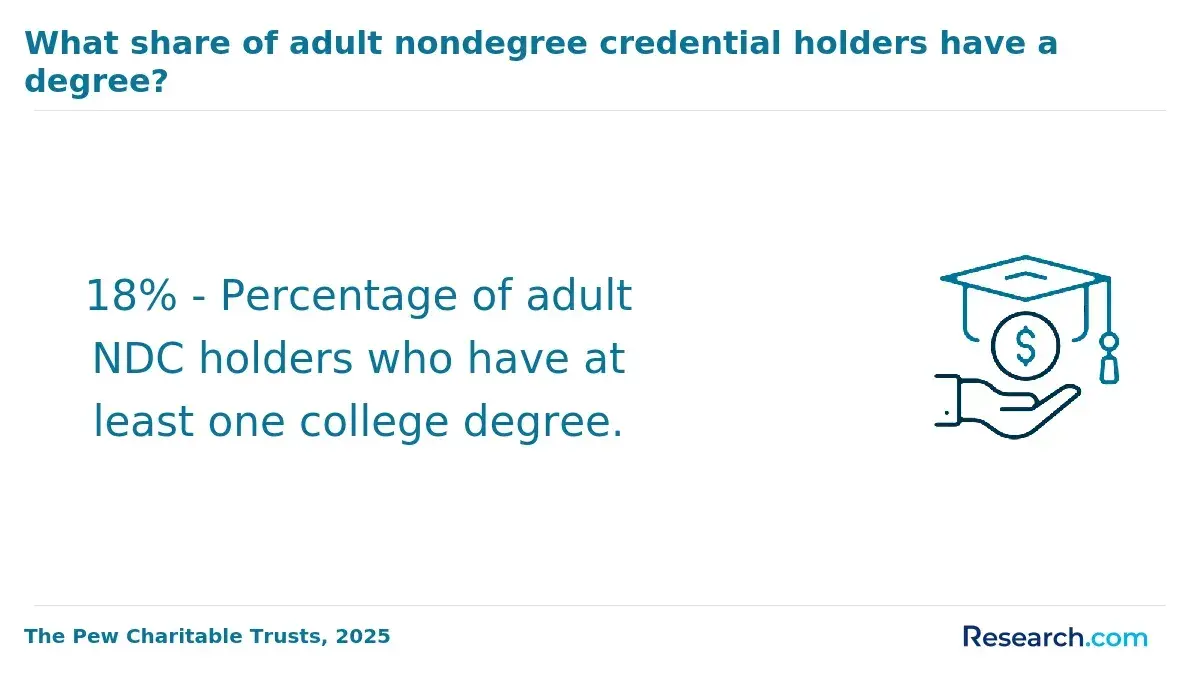
Earning professional certifications alongside an online humanities degree can significantly enhance the degree's credibility and demonstrate industry-specific competencies to employers. These certifications provide tangible evidence of specialized skills and a commitment to ongoing professional growth.
Professional certifications strengthen the value of online humanities degrees in the eyes of employers in several key ways:
- Digital Humanities Certification: Programs like the Digital Public Humanities Graduate Certificate equip students with technical skills in digital tools increasingly sought after in museums, archives, and public relations, signaling modern digital literacy that employers highly value.
- Industry-Aligned Credentials: Certificates offered by institutions such as edX and Southern New Hampshire University reflect standards developed with industry input, reassuring employers that graduates meet current professional expectations and enhancing the credibility of online degrees.
- Portfolio and Project Validation: Many certifications require completion of real-world projects or internships, providing concrete examples of applied skills that bridge the gap between academic theory and practical workplace readiness.
- Continuing Education and Digital Badges: Certifications awarding digital badges, like those from NYU's School of Professional Studies, offer easily verifiable credentials that graduates can share on professional networks to boost transparency and employer trust.
- Career and Salary Advancement: According to the U.S. Bureau of Labor Statistics, workers with certificates alongside some college education earn notably more than those without, and employers often recognize certificate holders for their initiative and ongoing professional development.
Currently, there is limited empirical data directly comparing the average salary for online humanities degree graduates with those who completed traditional, on-campus programs. National trends show humanities graduates earn competitive salaries over time, but studies rarely separate outcomes based on the mode of degree delivery.
Several key factors influence salary comparison online vs traditional humanities degrees, which help explain potential variations in earning potential between these groups:
- Institutional Reputation: Graduates from well-known or regionally accredited schools often have better job prospects and higher salaries. Online degrees from recognized institutions may achieve parity, while lesser-known online programs might face employer skepticism.
- Networking Opportunities: On-campus students typically have more access to in-person networking, internships, and career fairs, which can lead to better job offers. Online learners may need to proactively seek virtual networking to bridge this gap.
- Work Experience and Skill Development: Employers value relevant experience and demonstrated skills. Both online and traditional students who engage in internships or projects are likely to earn higher salaries regardless of degree format.
- Employer Perceptions: While acceptance of online degrees has grown, some employers still hold biases. Demonstrating program quality and practical competencies helps online graduates overcome such hurdles.
- Field of Specialization: Certain humanities concentrations may yield higher salaries due to market demand. Both online and on-campus students benefit equally by choosing high-demand specializations.
Prospective students interested in online humanities degrees can explore options at online colleges in Florida that accept FAFSA, often recognized for flexibility and support.
Earning an online humanities degree can significantly influence long-term career advancement by equipping graduates with adaptable, in-demand skills and opening doors to promotion opportunities across a variety of industries. This type of degree is increasingly recognized by employers as a valuable asset for professionals aiming to climb the career ladder.
Below are the main ways online humanities degrees support professional growth and career advancement:
- Transferable Skills for Leadership: Humanities programs develop essential abilities such as communication, critical thinking, empathy, and adaptability, which are highly sought after by employers. These competencies prepare graduates for leadership and management roles in diverse sectors including media, law, education, and corporate environments.
- Competitive Employment and Low Unemployment: Graduates with online humanities degrees experience low unemployment rates, similar to those of business and engineering majors. This stability fosters long-term career growth and increases readiness for promotions.
- Earnings Growth Over Time: While initial salaries may be modest, humanities graduates generally see steady increases in earnings as they gain experience. Advanced degrees further enhance income potential, underscoring the degree's value for upward financial mobility.
- Access to Diverse Career Paths: The versatility of humanities education enables graduates to work across multiple fields such as management, law, education, technology, and creative industries, offering flexibility to pursue various leadership positions as their careers evolve.
- High Job Satisfaction and Career Fulfillment: Many humanities graduates report finding meaningful and satisfying work, which motivates ongoing professional development and supports sustained career growth.
- Reputation and Employer Respect: The broad skill set gained from humanities studies is respected by employers, with influential leaders in business, media, and government attributing part of their success to their humanities background.
Employers across various industries are increasingly open to hiring candidates with online humanities degrees, recognizing the valuable skills these graduates bring. This shift reflects a growing appreciation for the critical thinking, communication, and adaptability that online humanities programs develop.
Several sectors actively seek graduates from online humanities programs due to their versatile skill sets. The following list highlights examples of companies or industry sectors known to employ online humanities program graduates:
- Advertising and Marketing Agencies: These organizations recruit humanities graduates for content creation, campaign development, and brand strategy roles. They value creativity, audience analysis, and storytelling skills cultivated through humanities coursework, which enhance effective marketing efforts.
- Legal Services and Law Firms: Humanities graduates often fill positions such as paralegals, legal researchers, or compliance analysts. Their strong research, writing, and critical analysis capabilities support legal teams in navigating complex regulatory environments.
- Publishing and Media Organizations: From traditional publishing houses to digital media outlets, these employers hire humanities graduates for editing, writing, and content management. The ability to craft compelling narratives and communicate clearly is highly prized in this sector.
- Education and EdTech Companies: Online humanities graduates work as instructors, curriculum designers, and academic advisors, particularly in remote learning environments. Their broad knowledge base and effective communication skills make them valuable educators and mentors.
- Nonprofits and Policy Organizations: Many nonprofits appreciate the cultural awareness, empathy, and advocacy skills humanities graduates offer. They often employ these graduates in program management, communications, and outreach roles.
Job boards currently feature numerous remote and flexible opportunities for humanities degree holders, underscoring the favorable employment outlook for these graduates. For those interested in exploring career options further, a useful resource is the careers you can pursue after trade school which provides insights applicable to many fields, including those hiring online humanities graduates.
Technology, accreditation standards, and employer attitudes continue to evolve, significantly influencing how online humanities degrees are perceived in the job market. As these factors shift, the credibility and value of such programs are increasingly shaped by educational innovations and workforce demands. Several key trends are expected to strengthen the legitimacy and recognition of online humanities programs in the near future:
- AI-Driven Learning Validation: Artificial intelligence will enhance assessment methods by offering personalized and transparent validation of student competencies. This approach focuses on core humanities skills like critical thinking and communication, which are highly sought after by employers adapting to generative AI advancements.
- Global Accreditation Collaboration: Cross-border cooperation among institutions aims to establish unified standards for online program quality and assessment, ensuring consistent rigor. These partnerships will help employers trust the credibility of online humanities degrees regardless of where they are earned.
- Increased Employer Partnerships: Universities are strengthening ties with employers to align curricula with real-world needs and highlight alumni career successes. For instance, Georgia Tech's liberal arts programs have experienced a significant enrollment increase by demonstrating clear job market relevance.
- Skill-Based Hiring and Microcredentials: A growing number of employers prioritize skills such as communication and problem-solving over degree titles alone. Online humanities programs are responding by offering digital badges and microcredentials, which provide tangible proof of graduates' abilities to recruiters.
Here's What Graduates of Respected Online Humanities Programs Have to Say About Their Degree
- Jamal: "Completing my online humanities degree opened doors I never expected. It allowed me to transition into a museum curation role where I combine my love for history and community education. The flexibility of the program meant I could work while studying, building practical skills alongside my coursework. Since graduating, I've seen steady career growth and feel empowered to advocate for cultural preservation every day."
- Marisol: "Finishing my humanities degree online gave me the confidence and credentials to pursue a career in nonprofit leadership focused on youth development. The coursework honed my critical thinking and communication skills, which are invaluable in grant writing and program management. This journey was deeply personal for me, as it connected my passion for social change with tangible professional opportunities. I'm proud to contribute positively to the well-being of underserved communities."
- Ethan: "My online humanities degree has been a transformative step in my career as an educational consultant. The program's diverse curriculum helped me develop a broad perspective that clients appreciate, enhancing my ability to design inclusive curricula. The professional development opportunities through the program allowed me to network extensively, opening up new consulting projects and collaborations. I now feel equipped to lead with both expertise and empathy."
Other Things You Should Know About Respectable Online Humanities Degree Programs
It should hold institutional accreditation from a U.S. Department of Education-recognized accreditor, such as regional accreditation through HLC, SACSCOC, MSCHE, NECHE, WSCUC, or NWCCU. For some majors, programmatic accreditation may also matter, but most humanities fields do not require it.
In 2027, employers generally see online humanities degrees on par with traditional ones, provided the degree is from a reputable institution. The university's reputation significantly influences this perception, highlighting the importance of choosing an accredited and well-regarded program.
The university's reputation plays a crucial role in the perception of an online humanities degree by employers. A reputable university assures employers of the program's quality and standards, influencing their evaluation of the degree holder's skills and knowledge.
- Superagency in the workplace: Empowering people to unlock AI’s full potential https://www.mckinsey.com/capabilities/mckinsey-digital/our-insights/superagency-in-the-workplace-empowering-people-to-unlock-ais-full-potential-at-work
- Insights from the Job Demands–Resources Model: AI's dual impact on employees’ work and life well-being - ScienceDirect https://www.sciencedirect.com/science/article/pii/S0268401225000192
- The Impact of AI and Machine Learning on Elearning Platforms for HR Training https://blogs.psico-smart.com/blog-the-impact-of-ai-and-machine-learning-on-elearning-platforms-for-hr-training-168501
- Best Online Humanities Degrees - Online Schools Report https://www.onlineschoolsreport.com/best-online-humanities-degrees/
- 10900+ Humanities Online Courses for 2025 | Explore Free Courses & Certifications | Class Central https://www.classcentral.com/subject/humanities
- Accredited Online Colleges of 2018 | OEDb.org https://www.oedb.org/accreditation/
- Full article: Work-integrated learning in the humanities, arts and social sciences: where to from here? https://www.tandfonline.com/doi/full/10.1080/03075079.2024.2409879
- List of Online Colleges by Accreditation https://www.onlineu.com/resources/accreditation
- Top 10 High-Paying Careers for Arts and Humanities Graduates https://www.strideu.org/blog/top-10-high-paying-careers-for-arts-and-humanities-graduates
- List of recognized higher education accreditation organizations - Wikipedia https://en.wikipedia.org/wiki/List_of_recognized_higher_education_accreditation_organizations