2027 Weekly Start Online Degrees vs Self-Paced Accelerated Humanities Degree Programs

Co-Founder and Chief Data Scientist
Choosing between weekly start online degrees and self-paced accelerated humanities degree programs poses a significant challenge for many prospective students. According to the National Center for Education Statistics, 45% of online learners prioritize flexibility to balance work and study. However, the lack of clarity on pacing and scheduling options often leads to enrollment hesitation.
This article examines the core differences between weekly start and self-paced accelerated humanities programs, highlighting their impact on time management, academic performance, and career outcomes. The analysis aims to empower students with clear insights to select the format best suited to their professional goals and lifestyle needs.
Key Benefits of Weekly Start Online Degrees vs Self-Paced Accelerated Humanities Degree Programs
- Weekly start online degrees offer flexible enrollment, allowing students to begin studies anytime, which improves accessibility for those balancing work or family commitments.
- Self-paced accelerated humanities programs reduce overall tuition costs by shortening completion time, making education more affordable and financially efficient for learners.
- Studies show that students in humanities programs with flexible pacing exhibit higher retention rates, as individualized schedules support diverse learning styles and academic success.
How Are Weekly Start Online Degrees and Self-Paced Accelerated Humanities Programs Structured?
Choosing between weekly start online degree programs and self-paced accelerated humanities degrees requires understanding how each format impacts course structure and pacing. This knowledge helps students align their learning style and personal schedule with the program demands.
Below is a comparison highlighting key organizational differences to consider.
Weekly Start Online Degrees
- Fixed Start Dates: Courses begin on scheduled dates each week, providing clear entry points for students.
- Accelerated Terms: Terms last four to eight weeks, shorter than traditional 15-week semesters, supporting quicker progression.
- Weekly Assignments: Students complete assignments and assessments following strict weekly deadlines to maintain consistent pacing.
- Time Commitment: Typically requires 10 to 15 hours of study per week depending on credit load, fostering focused yet intensive engagement.
Self-Paced Accelerated Degrees
- Flexible Scheduling: No fixed start dates or rigid weekly deadlines, allowing students to progress at their own pace.
- Variable Term Lengths: Term duration adapts based on student progress, often aiming for completion within one year.
- Deadline Flexibility: Assignments usually have broad submission windows or no deadlines, requiring strong self-discipline.
- Time Commitment: Weekly study time varies widely; many students allocate 15 to 20 hours weekly to accelerate completion.
Key structural differences also include participation requirements: weekly start programs mandate involvement in scheduled discussions and quizzes, whereas self-paced programs emphasize project submissions and portfolio assessments. While approximately 60% of online students prefer the structured accountability of weekly start courses, around 25% select self-paced formats to better accommodate work and personal responsibilities.
For students exploring flexible options in various disciplines, including online SLP programs, understanding these differences in flexibility and pacing in self-paced accelerated humanities degrees and weekly start online degree programs is crucial.
Are Weekly Start Online Humanities Programs Easier to Get Into vs Self-Paced Accelerated Programs?
Admissions ease is a key factor for students choosing between weekly start online humanities programs and self-paced accelerated humanities programs, as it affects when and how they can begin their studies. Programs with rolling admissions often provide more opportunities for applicants to start courses without delay.
According to an Online Learning Consortium report, weekly start programs tend to have acceptance rates approximately 10-15% higher due to their continuous enrollment model.
Below are several admissions factors that highlight the differences between these two program formats.
- Rolling Admissions: Weekly start online humanities admissions benefit from rolling admissions, allowing students to apply and begin courses throughout the year, unlike accelerated programs with fixed start dates.
- GPA and Prerequisites: Weekly start programs typically require lower minimum GPA and fewer prerequisite courses, making admission more accessible compared to self-paced accelerated humanities program acceptance that demands stronger academic records.
- Standardized Testing: Weekly start programs often waive SAT or ACT scores, focusing more on holistic admissions components such as essays and recommendation letters, while accelerated formats commonly require these test scores.
- Academic Flexibility: The streamlined admissions criteria for weekly start programs cater to a broader range of students, whereas self-paced accelerated programs expect readiness for a faster, more intensive study pace.
- Application Review: Weekly start admissions emphasize ongoing, holistic review processes, which may benefit applicants presenting nontraditional academic backgrounds or experience.
For those interested in a similar flexible approach in social work, considerations about admissions can be found in MSW accelerated programs online.
How Long Does a Weekly Start Online Degree Take to Complete vs Self-Paced Accelerated Humanities Degree?
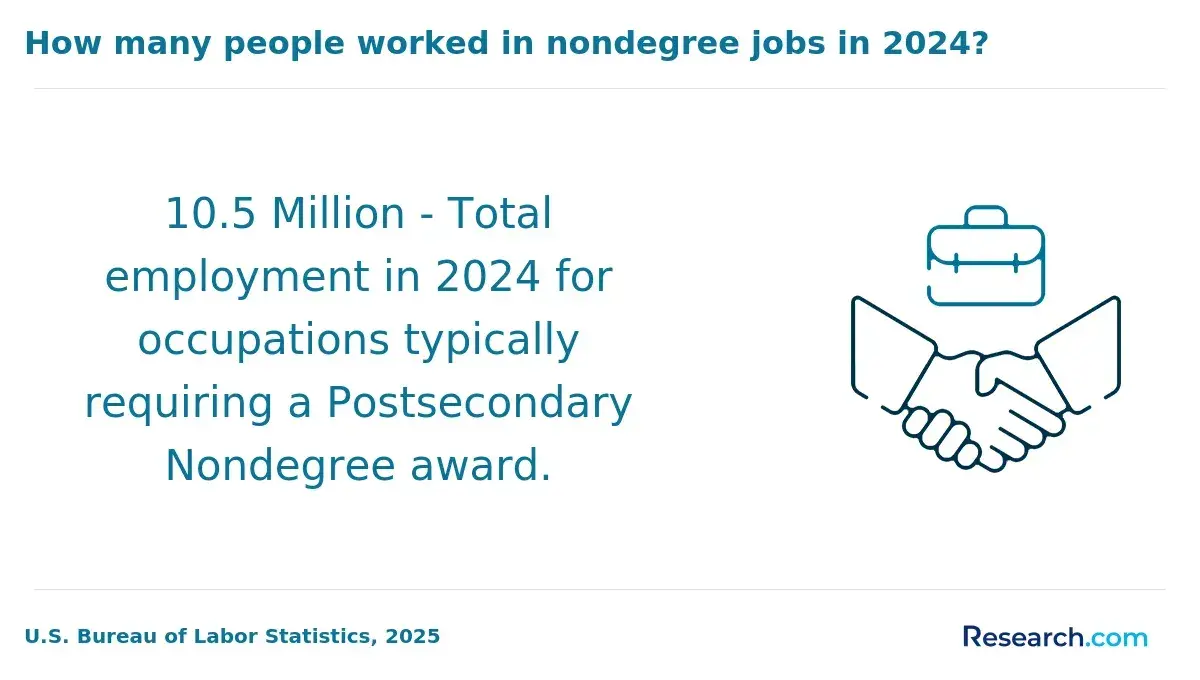
Completion time plays a vital role for students as it affects education planning, financial investment, and career scheduling. Nearly 60% of online learners express a preference for expedited degree paths, driven by cost savings and the desire to enter the workforce sooner.
Comparing how long weekly start online degrees take versus self-paced accelerated humanities degrees reveals distinct differences in program structure and flexibility.
- Term length: Weekly start online degrees adhere to set terms, typically spanning 12 to 16 weeks per course, which structures progress but limits acceleration. In contrast, self-paced programs remove fixed term constraints, allowing learners to advance at their own speed.
- Pacing control: Institutions dictate the schedule in weekly start formats, so students follow a predetermined timeline. Meanwhile, self-paced accelerated humanities students control their pacing entirely, enabling faster completion if they commit sufficient time.
- Credit load: Weekly start programs often restrict course loads per term due to regulatory limits, slowing overall duration. Self-paced options may permit heavier credit loads, depending on the program, which can shorten time to degree.
- Transfer credits: Both formats accept transfer credits, which can reduce the total number of courses needed, but the impact varies based on program policies and student background.
- Enrollment flexibility: Weekly start programs require enrollment during set start dates, causing potential delays between terms. Self-paced students can continuously enroll and advance without waiting for specific start times.
One professional who completed a self-paced accelerated humanities degree described the experience as both challenging and rewarding. He found juggling intensive coursework with a full-time job required strong discipline and careful planning.
"There were moments of overwhelm when deadlines pushed close together, but the ability to adjust my study pace helped me manage stress," he reflected. His journey highlighted that while flexibility offers speed, maintaining consistent motivation and managing workload remains crucial to finishing swiftly.
Flexibility is vital for students managing work, family, and other responsibilities, as it affects their ability to maintain consistent progress in their studies. Weekly start online degree programs allow regular course entry with structured timelines, while self-paced accelerated humanities programs offer greater autonomy over when and how fast students complete coursework.
The following comparison highlights key flexibility differences between these two program types.
- Scheduling control: Weekly start programs have predetermined weekly deadlines requiring steady progress, whereas self-paced programs give students full control to organize their study time without fixed due dates.
- Pacing speed: Scheduled weekly programs follow a consistent rhythm set by the institution; self-paced options enable students to speed up or slow down their coursework depending on their availability.
- Start dates: Weekly start programs provide frequent, scheduled entry points, typically weekly or monthly, while self-paced programs allow students to begin anytime without waiting for a cohort.
- Assignment deadlines: Regular deadlines in weekly start programs ensure ongoing engagement, contrasting with self-paced programs where deadlines are flexible or absent, requiring stronger self-discipline.
- Instructor interaction: Weekly start formats usually include planned instructor contact and feedback, while self-paced formats may limit or reduce scheduled interaction.
- Ability to pause: Self-paced programs often permit pausing coursework without penalty, offering added flexibility, whereas weekly start programs demand continuous participation to keep pace.
Perceived difficulty significantly influences students' choices between self-paced accelerated and weekly start online humanities degree programs, impacting motivation and completion rates. Understanding how workload, pacing, and support differ in each format helps learners select the option best suited to their needs.
Below is a comparison of key factors shaping these experiences.
- Workload intensity: Accelerated self-paced programs condense material into shorter periods, often requiring intense bursts of study that can feel overwhelming. Weekly start programs spread assignments more evenly over time, helping to balance workload and reduce stress.
- Pacing expectations: In self-paced formats, students create their own schedules, which demands strong time management to avoid falling behind. Weekly start programs follow a regular calendar with clear deadlines, promoting steady progress and better planning.
- Self-discipline required: The independence of accelerated self-paced study calls for high personal accountability to maintain momentum, often challenging learners juggling other responsibilities. Weekly start formats naturally encourage consistency through scheduled checkpoints and instructor oversight.
- Assessment structure: Accelerated programs typically cluster larger assignments or exams into fewer intervals, increasing pressure during those times. Weekly start courses use frequent, smaller tasks to measure progress, offering continual feedback and opportunities for adjustment.
- Instructor interaction: Students in accelerated self-paced programs generally experience limited real-time engagement, which can contribute to feelings of isolation. Weekly start formats foster more regular communication with instructors and peers, supporting comprehension and motivation.
When I spoke with a recent graduate of a weekly start online humanities program, she described the experience as both demanding and manageable. She mentioned that "the steady rhythm of weekly assignments kept me motivated and prevented falling behind, which was crucial while working full-time."
Despite occasional moments of stress around deadlines, she valued the regular instructor feedback that clarified expectations and deepened her understanding. Reflecting on her journey, she shared that "the structure gave me confidence and a sense of progress, making the challenges feel worthwhile."
This perspective highlights how weekly start formats can offer a balanced approach to rigorous study without overwhelming students.
Grading methods significantly influence students' experience with workload, academic stress, and expectations about their progress in humanities programs. These differences impact how students manage time and maintain motivation.
Comparing weekly start online programs with self-paced accelerated formats reveals clear contrasts in grading practices.
- Assessment frequency: Weekly start programs require frequent assignments, quizzes, and participation to be completed on a strict weekly schedule, ensuring continuous engagement. In contrast, self-paced accelerated programs have fewer but more comprehensive assessments, allowing students greater control over when to complete them.
- Mastery requirements: In weekly start courses, students must achieve minimum grades for each module before moving forward, which helps maintain structured progress but increases deadline pressure. Self-paced accelerated programs typically assess mastery at the end of a course or program, giving learners flexibility but demanding strong self-management.
- Feedback timing: Students in weekly start formats often receive feedback quickly, usually within a week, facilitating timely improvements. Self-paced programs may have longer grading cycles, delaying feedback as instructors handle evaluations over extended periods.
- Grading flexibility: Fixed deadlines in weekly start programs enforce a set pace for submissions and grading, creating a predictable routine. Self-paced accelerated programs offer schedule freedom, enabling students to arrange assessments around personal commitments but requiring discipline to avoid procrastination.
- Pacing of evaluations: Weekly start programs are time-driven, guiding students along a predetermined timeline to ensure steady progress. Self-paced accelerated formats are student-driven, allowing learners to determine their own pace, which can benefit those with variable schedules but challenges those needing external structure.
Tuition models significantly affect affordability and budgeting for students enrolling in online degree programs. Choosing a tuition structure that aligns with one's pace and financial situation helps optimize educational investment and completion goals.
- Pricing structure: Weekly start programs usually charge per credit or a flat rate tied to fixed terms, while self-paced accelerated options often use competency-based or subscription models, offering more flexibility in payment.
- Time-to-completion: Structured weekly start formats typically follow set schedules, which can extend the duration. Self-paced formats allow faster completion by advancing through content at the student's speed.
- Cost predictability: Fixed terms in weekly start programs provide clear cost expectations upfront. In contrast, self-paced models may vary in total cost depending on how quickly students progress.
- Course intensity: Weekly start degrees tend to maintain a consistent workload, whereas accelerated programs often require greater focus and effort within shorter periods.
- Additional fees: Both formats might include extra charges like technology or assessment fees, which vary and should be accounted for when estimating total expenses.
- Transfer credits and prior learning: Many programs accept transfer credits or prior learning assessments, which can significantly reduce the total tuition required by shortening degree requirements.
Instructor support and academic guidance play a pivotal role in the success of students enrolled in online humanities degree programs. These factors influence how well students absorb challenging material, stay motivated, and manage their learning schedules. Understanding the differences in support between program formats can help students choose the option that best fits their needs.
Below is a comparison highlighting key distinctions in instructor support for weekly start online humanities courses versus self-paced accelerated humanities programs.
- Instructor Availability: Weekly start formats generally provide more frequent and predictable access to instructors, who are available during scheduled sessions and office hours. In contrast, self-paced accelerated programs offer instructor contact mainly through email or discussion boards, with less immediacy.
- Response Times: Students in weekly start programs typically receive feedback and answers within 24 to 48 hours, supporting steady progress. Self-paced learners may wait several days for responses due to the asynchronous nature.
- Structured Interaction: Weekly start online humanities courses instructor support includes regular deadlines and live discussions that encourage consistent engagement. Self-paced programs emphasize independence with fewer mandatory interactions.
- Live Communication Opportunities: Scheduled formats often feature live sessions and real-time feedback, while self-paced options tend to limit or make live interaction optional.
- Academic Advising: Weekly start students usually experience more frequent advising check-ins guiding timely progress. Self-paced learners must proactively seek academic advice when needed.
- Student Independence Expectations: Self-paced accelerated humanities programs student engagement relies heavily on self-motivation and effective time management, as support structures are less intensive compared to weekly start programs.
Prospective students interested in exploring affordable and reputable options in varied online degree fields may also want to review the most affordable accredited online psychology degrees for comparison across disciplines.
Employer perception of online degree programs significantly influences career outcomes for graduates. How a program's format reflects skills such as discipline, collaboration, and time management can impact hiring decisions and advancement opportunities.
Understanding these perceptions helps students choose the right degree structure to align with workforce expectations.
- Perceived Rigor: Weekly start online humanities degrees often indicate structured engagement, with regular deadlines promoting consistent effort. In contrast, self-paced accelerated programs may be seen by some employers as less rigorous due to their flexibility and lack of fixed schedules, which can raise concerns about depth of collaborative experience and accountability.
- Completion Timelines: Self-paced accelerated humanities degrees appeal to students seeking faster graduation, showcasing initiative and efficient progression. Weekly start programs, while potentially longer, demonstrate commitment to sustained workload management and adherence to preset timelines valued by employers.
- Time Management Skills: Weekly start formats highlight a candidate's ability to manage ongoing commitments through scheduled coursework, which employers associate with effective workplace habits. Self-paced learners prove self-discipline but may face skepticism about consistent engagement without external pacing.
- Adaptability and Collaboration: Weekly start programs often foster peer interaction and teamwork through synchronous components, signaling strong interpersonal and collaborative skills. Self-paced programs emphasize individual adaptability but might be perceived as offering fewer opportunities for real-time collaboration.
- Alignment with Workforce Needs: According to a National Association of Colleges and Employers survey, 62% of employers prefer structured online programs with clear timelines, which reflect essential workplace skills like punctuality and routine. Nonetheless, both program types have merits and should be matched to student goals and job market demands.
Prospective students weighing employer preferences for weekly start online humanities degrees against the advantages of self-paced accelerated humanities degrees for jobs will benefit from considering how each option signals different strengths to employers.
For those interested in fields proven to offer strong postdegree earnings, exploring the most lucrative college majors can provide additional guidance on aligning academic choices with career prospects.
Salary outcomes are a critical consideration for students evaluating online humanities degree options. Research suggests that program structure can influence early career earnings, as data shows graduates who finish degrees promptly often access the workforce faster, potentially increasing their initial salary prospects.
This context makes salary comparison weekly start online humanities degrees versus self-paced accelerated humanities degree salary outcomes especially relevant.
- Employer Perception of Program Rigor: Weekly start online programs offer a structured schedule, which can signal to employers consistent discipline and engagement. This perception may positively impact how candidates' skills and commitment are evaluated compared to self-paced accelerated formats.
- Time-to-Completion and Career Advancement: Completing a degree more quickly through accelerated self-paced study allows some graduates to re-enter the job market or pursue promotions sooner. However, weekly start programs promote steady progress, which can also support timely career advancement.
- Skill and Competency Development: The regular deadlines in weekly start courses often enhance development of communication, critical thinking, and time management skills. Conversely, self-paced programs demand strong self-motivation, which can cultivate autonomy but varies more broadly in skill acquisition.
- Application of Real-Time Learning: Students in weekly start formats can apply knowledge and competencies to their current job roles more immediately due to structured pacing and interaction. This practical application can improve salary outcomes as skills translate quickly into workplace value.
- Return on Investment: Accelerated self-paced degrees may reduce time out of the workforce, benefiting those who can maintain rigorous study habits. For many students, this faster degree completion correlates to quicker financial returns, balancing potential employer concerns about program depth.
According to a report from the National Center for Education Statistics, humanities graduates with accelerated degrees experience salary growth after five years nearly matching peers from traditional and weekly start formats. This supports the idea that individual effort and program quality often hold greater weight than delivery model alone.
Prospective students interested in the easiest online degree pathways might consider these factors when choosing between program styles.
What Graduates Say About Their Weekly Start Online Degrees vs Self-Paced Accelerated Humanities Degrees
- Harriet: "Choosing the weekly start online humanities degree program was perfect for me because it offered flexibility with consistent pacing. Although the average cost was close to $20,000, I managed expenses by applying for scholarships and budgeting carefully. Completing this program has significantly enhanced my writing and analytical skills, opening doors to exciting roles in nonprofit organizations. "
- Anders: "I opted for the self-paced accelerated humanities degree to fit my unpredictable work schedule and save time. The program's cost-effectiveness, being lower than many traditional degrees, allowed me to use a combination of employer tuition assistance and personal savings. Reflecting on my journey, this degree gave me the confidence and credentials I needed to transition into a career in education administration. "
- Christopher: "The weekly start online humanities degree appealed to me due to its structured approach and steady deadlines, which helped me stay motivated. Even though the cost was a bit steep, about $1,200 per course, I utilized federal aid and careful financial planning to manage it. Professionally, this degree has been a game-changer, providing me with the skills and credibility to pursue advanced roles in cultural research. "
Other Things You Should Know About Humanities Degrees
Transfer policies vary by institution, but generally, weekly start online and self-paced accelerated humanities programs accept transfer credits from accredited colleges. However, self-paced programs may have stricter evaluation timelines because of their compressed format. Students should confirm credit transfer limits and articulation agreements before enrolling to avoid losing credits.
Most programs require a reliable broadband connection, a laptop or desktop computer, webcam, microphone, and current browser software. Many schools also require access to Zoom or a similar platform, plus file formats such as PDF and Word for submissions. Some proctored exams need identity verification software.
Admission requirements for 2027 weekly start online degrees typically include a high school diploma or equivalent and sometimes standardized test scores. Self-paced accelerated humanities programs usually require similar credentials but might prioritize candidates with prior college credits or relevant work experience to ensure a smooth, accelerated learning pace.
- Picture an Online Degree at Your Own Pace https://www.snhu.edu/about-us/newsroom/education/picture-an-online-degree-at-your-own-pace
- Alternative grading in a six-week asynchronous course https://gradingforgrowth.com/p/alternative-grading-in-a-six-week
- Online Accelerated Hub - Grad Programs - EWU - The Region's Polytechnic https://www.ewu.edu/grad/online-accelerated/
- Accelerated Online Programs for Busy Professionals: Success Stories https://www.indwes.edu/articles/2025/09/accelerated%20online%20programs%20for%20busy%20professionals%20success%20stories
- 3 Valuable Benefits of Online Study | eLearners https://www.elearners.com/education-resources/online-learning/added-value-in-e-learning-3-valuable-benefits-of-online/
- Southwestern College - Professional Studies https://ps.sckans.edu/news/view/110/
- 2025's Fastest Online Master’s Degrees & Accelerated Programs https://www.onlinemastersdegrees.org/features/fastest-online-masters-degrees/
- The Ultimate Guide to Flexible Online Degrees for Busy Working Adults - Grace Christian University https://gracechristian.edu/blog/the-ultimate-guide-to-flexible-online-degrees-for-busy-working-adults/
- Online Learning https://www.csuchico.edu/academics/online.shtml