2027 Return on Investment of an Online General Studies Bachelor's Degree: Salary vs Cost

Co-Founder and Chief Data Scientist
Imagine a working professional considering an online general studies bachelor's degree to enhance career flexibility but uncertain if the investment justifies the outcome. The average annual return on investment for these degrees stands at about 15% higher income growth compared to high school diplomas alone. As tuition costs rise and employment landscapes shift, understanding salary potential relative to education expenses becomes critical.
This article examines the true return on investment of an online general studies bachelor's degree-comparing costs, salary outcomes, and industry trends-to guide informed decisions about pursuing this educational path.
Key Things to Know About the Return on Investment of an Online General Studies Bachelor's Degree
- Tuition for online general studies bachelor's degrees averages between $15,000 and $30,000, significantly lower than traditional programs, reducing long-term debt burdens for budget-conscious students.
- Graduates report median salaries around $50,000 annually-20% higher than those with only a high school diploma-indicating valuable financial returns within five years post-graduation.
- Non-financial benefits include enhanced job security, diverse career advancement paths, and opportunities for continued professional development critical for adapting to evolving labor markets.
What Is the True Cost of Earning an Online General Studies Bachelor's Degree From Enrollment to Graduation?
Costs for an online general studies bachelor's degree include several direct and indirect expenses beyond tuition alone. Using data from IPEDS, the National Center for Education Statistics, and university net price calculators provides a clearer picture of what students actually face financially.
- Tuition and Fees: Tuition typically ranges from $15,000 to $40,000 for the entire program. Additional fees such as technology or distance learning fees can add between $500 and $2,000, depending on the institution's policies.
- Textbooks and Materials: Many courses now utilize open educational resources, but students generally spend an estimated $1,200 to $1,800 on required textbooks and materials over the course of study.
- Proctoring and Exam Fees: Some programs charge proctoring fees between $30 and $100 per exam. With about 40 courses required for completion, these fees can total approximately $1,200 to $4,000.
- Net Price After Aid: The published sticker price is often reduced substantially once grants and scholarships are applied. On average, students pay about 60% to 75% of tuition sticker prices, markedly lowering out-of-pocket expenses.
Indirect costs also factor in, such as reliable internet access, a suitable computer, and potential lost income if work hours are reduced.
Prospective students can expect a baseline total cost between $12,000 and $30,000 after aid when considering both direct and indirect expenses. This range captures typical fee structures and material costs seen across a variety of public and private online programs.
For those exploring accelerated options, an associate degree in 6 months online may offer a faster and potentially more affordable pathway toward career advancement.
Careful evaluation of the average total tuition cost for online general studies bachelor's degree programs alongside this cost breakdown can support informed decisions about educational investment and the return on investment.
How Does the Starting Salary for General Studies Bachelor's Degree Graduates Compare to the Total Cost of the Degree?
The starting salary after an online general studies degree varies by career path but typically falls between $40,000 and $50,000 a year for entry-level roles such as administrative assistants, sales representatives, and customer service managers, based on Bureau of Labor Statistics (BLS) data. Comparing this to the total cost for general studies graduates, tuition ranges widely-from about $15,000 in affordable programs with generous financial aid up to $60,000 at higher-priced institutions. This means graduates in best-case scenarios can recover their investment in roughly 4 to 5 months of starting salary, while worst-case payback may take 14 to 18 months.
Salary growth potential adds an important dimension to these figures. Earnings typically rise 3 to 5 percent annually with experience and further training, which improves the return on investment over a decade and shortens the effective payback period. Additionally, graduates should consider non-financial benefits like career advancement opportunities, job security, and professional growth, which enhance the overall value beyond just starting salary comparisons.
For those interested in continuing education, exploring programs such as a PhD organizational leadership can be an excellent path to boost career prospects and salary potential after earning a general studies degree.
- Median Starting Salary: Entry-level positions for graduates typically offer $40,000 to $50,000 annually, providing a realistic baseline for salary expectations backed by BLS data.
- Total Cost Versus Salary: Online degree costs range from $15,000 to $60,000, greatly affecting how quickly graduates can offset their investment based on varying tuition rates and financial aid.
- Payback Period: A best-case scenario allows cost recovery within less than half a year of earnings, while a worst-case scenario might require over a year and a half of salary to recoup expenses.
- Salary Growth Potential: Annual salary increases of 3 to 5 percent with experience significantly improve long-term financial returns beyond initial pay.
- Non-financial Benefits: The flexibility, job security, and career development enabled by a general studies degree add value beyond direct financial measures.
What Is the Average Return on Investment (ROI) for an Online General Studies Bachelor's Degree Over a 10-Year Career?
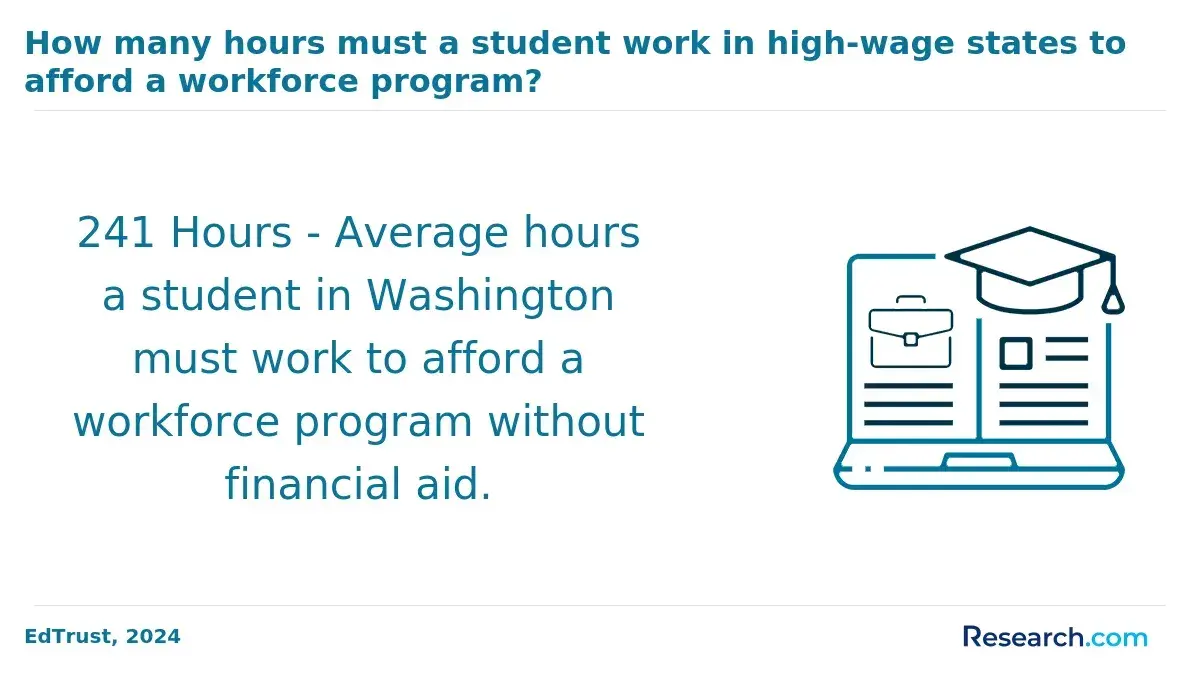
Return on investment (ROI) in higher education measures the net financial gain by subtracting the total cost of earning a degree from the extra income generated over time compared to holders of a high school diploma or associate degree in the same field. According to Georgetown University's Center on Education and the Workforce, graduates with bachelor's degrees earn roughly $1 million more over a 40-year span than high school graduates. PayScale's College ROI Report narrows this down to a 10-year perspective, factoring in both costs and median salaries by degree type.
For an online general studies bachelor's degree, median starting salaries based on Bureau of Labor Statistics figures are around $45,000. With an assumed 3% annual raise, cumulative earnings over 10 years total near $480,000. In contrast, high school graduates with similar raises may earn about $375,000 in that period. This creates an earnings gap of approximately $105,000. After deducting average tuition costs of $25,000 to $35,000 for online general studies programs, the net ROI over 10 years ranges from $70,000 to $80,000. This falls just below the national average ROI reported for all bachelor's degrees, which typically lies between $80,000 and $100,000 within the same timeframe.
- Clear ROI Definition: Net financial gain from education equals extra earnings over 10 years minus degree expenses, highlighting the true cost-benefit of completing a degree.
- Earnings Growth Factors: Starting salaries combined with steady annual raises compound to substantially increase total income over time.
- Cost Considerations: Tuition fees for online general studies vary by institution but heavily influence the net ROI, emphasizing affordability.
- National Comparison: The online general studies degree offers a solid return, slightly below the average for all bachelor's programs but still beneficial for budget-conscious learners.
A professional who enrolled in an online general studies bachelor's degree program shared that weighing the financial benefits against program costs was crucial before committing. He described the challenge of balancing work, studies, and personal life while tracking incremental salary gains after graduation. "Breaking down the numbers helped me stay motivated," he said. "Seeing how tuition and time invested translated into better job security and steady raises convinced me it was a worthwhile step." His experience underlines that carefully analyzing ROI can provide the confidence needed to pursue further education while managing financial risks.
How Do Online General Studies Program Tuition Rates Compare Across Public, Private, and For-Profit Institutions?
Public Institutions: These schools typically offer the most affordable tuition, especially for in-state students, with yearly costs often falling between $7,000 and $15,000. Many public universities have adopted flat-rate online tuition policies, making rates uniform regardless of residency. This approach eases access for out-of-state learners. Importantly, public institutions generally report higher graduation rates, which is a crucial factor influencing long-term return on investment in online general studies tuition comparison by institution type.
- Private Nonprofit Schools: Tuition is usually steeper here, ranging from $20,000 to $40,000 annually. Despite higher sticker prices, these institutions often provide substantial financial aid and maintain strong academic reputations. Graduates from private nonprofits tend to experience enhanced career advancement prospects, which can mitigate the initial expense.
- For-Profit Colleges: These schools frequently offer lower tuition than private nonprofits, often under $15,000 per year. However, their lower graduation rates and prevalent employer skepticism may impair career growth and salary potential. This dynamic underscores the importance of assessing cost differences of public private and for-profit general studies programs beyond tuition alone.
Choosing the lowest tuition option doesn't always yield the best financial outcome. Students should prioritize net costs alongside critical metrics like degree completion rates and employment success. A less expensive program with weak career results can ultimately reduce lifetime earnings, undermining educational investments. For those exploring flexible pathways, resources on LMFT programs may provide additional insight into efficient credential attainment.
What Long-Term Salary Growth Can General Studies Bachelor's Degree Holders Expect Over a 20- to 30-Year Career?
Salary progression for individuals with a general studies bachelor's degree tends to be gradual initially, then accelerates as experience grows, based on projections from the Bureau of Labor Statistics and other wage research.
- Early Career Growth: Entry-level salaries typically range from $35,000 to $45,000 annually during the first 5 years, with gradual increases tied to skill development, performance, and added certifications.
- Mid-Career Boost: Around the 10-year mark, salary growth often accelerates due to promotions into supervisory or specialist roles, with median earnings rising to approximately $55,000 to $65,000. Data from PayScale and the American Community Survey highlight this phase as a time of increased responsibility.
- Experienced Professional Peak: Between 15 and 20 years, many reach senior or managerial positions, pushing salaries above $75,000. Further education and leadership opportunities typically contribute to this advancement.
- Lifelong Earnings Premium: Over a 30-year career, general studies graduates can earn $500,000 to $750,000 more in total compensation than non-degree peers in similar jobs, underscoring the long-term financial benefit of the degree.
- Career Flexibility and Security: Beyond salary, graduates gain broader job options and improved employment stability, helping them navigate evolving labor market conditions over time.
One professional who completed her online general studies degree shared that balancing coursework with full-time work was challenging but rewarding. She recalls, "Juggling late-night assignments and family commitments was tough, but the flexibility of the program allowed me to keep advancing." After graduating, she found that her broadened skills opened doors to supervisory roles she hadn't anticipated. Reflecting on her journey, she noted that the degree provided both confidence and tangible career growth, affirming that the investment was worthwhile despite the initial hurdles.
How Does the ROI of an Online General Studies Bachelor's Degree Compare to an Associate Degree or a Professional Certificate?
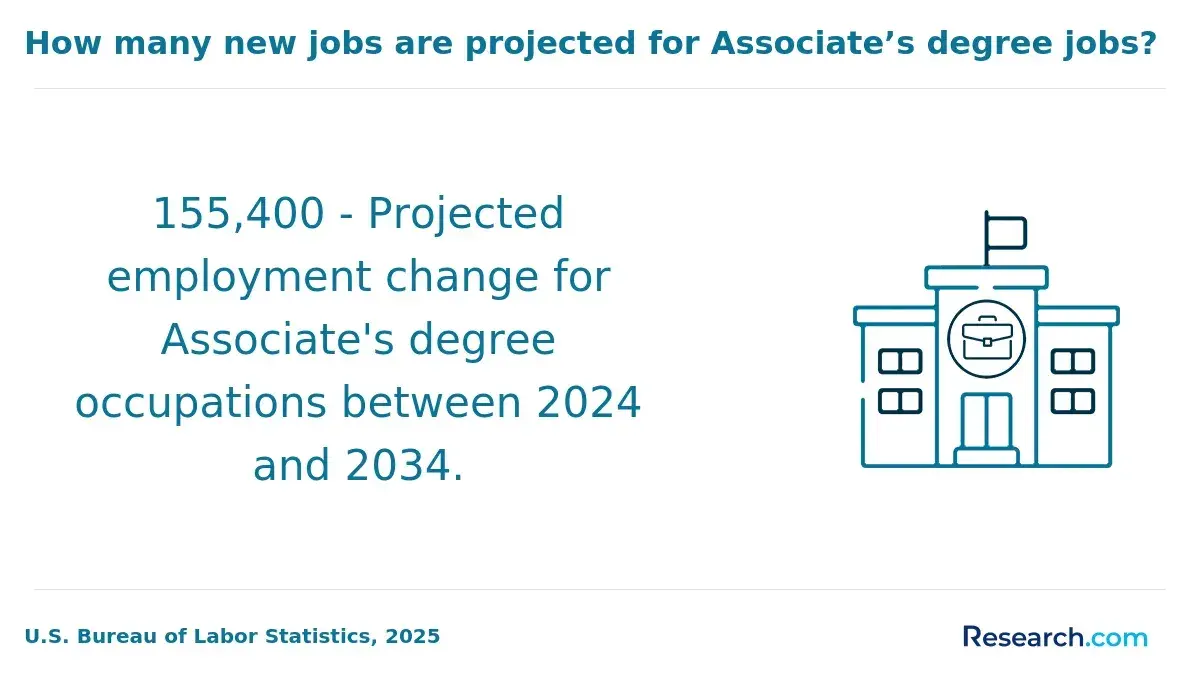
Cost Efficiency: Industry certificates and associate degrees generally require less time and lower financial commitment than a bachelor's degree. Data from the National Center for Education Statistics reveals that tuition for associate programs often runs at half or less of the expense associated with bachelor's degrees. Certificates usually cost even less, making them appealing for individuals seeking swift workforce entry or rapid skill enhancement.
- Median Salary Outcomes: According to the Bureau of Labor Statistics, median wages tend to rise alongside higher educational credentials.
- Certificates can boost earnings in specialized professions but might offer limited opportunities for upward career mobility.
- Those holding associate degrees typically earn higher wages than certificate holders, improving short-term financial prospects.
- Bachelor's degree recipients in general studies often access substantially greater median incomes over their careers, benefiting from versatility in various labor markets.
- Short-Term Investment Versus Long-Term Advantages: For individuals seeking quick credentialing or career transitions, certificates or associate degrees can be more practical and cost-effective-especially when immediate employment is a priority. Conversely, bachelor's degrees require more upfront resources but generally yield enhanced job security and higher lifetime earnings.
- Career Progression and Job Stability: The Lumina Foundation highlights that bachelor's degree holders face lower unemployment rates and greater promotion prospects. An online general studies bachelor's degree often paves the way to leadership roles and professional growth not as readily accessible to certificate or associate degree holders.
- Decision-Making Framework: Candidates should carefully weigh:
- Their current financial capacity and willingness to invest time and money in education.
- Urgency of immediate job market demands compared with long-term career objectives.
- The expected return compared with total credentialing costs, including opportunity costs of time spent studying.
- Non-financial benefits such as personal development, networking opportunities, and credential recognition in their desired fields.
This structured appraisal shows that certificates and associate degrees often serve those needing rapid workforce reintegration, while an online general studies bachelor's degree offers more significant financial gains and professional advantages over time for those who can commit to the longer educational path.
Which Online General Studies Specializations or Concentrations Yield the Highest Earning Potential After Graduation?
Specializing within an online general studies bachelor's degree can significantly enhance earning potential compared to entering the workforce as a generalist. Bureau of Labor Statistics (BLS) data highlights which tracks typically offer the highest median salaries, providing a useful guide for students balancing cost and career goals.
- Business and Management: Graduates in this field often secure roles such as operations managers or business analysts, with median salaries ranging from $65,000 to $100,000 per year. Advancements may require certifications like PMP or Lean Six Sigma, which add to upfront costs but improve long-term income potential.
- Information Technology: Focusing on IT fundamentals can lead to positions like network administrators or IT support specialists, earning between $60,000 and $90,000 annually. Industry certifications such as CompTIA or Cisco credentials frequently boost career trajectory but increase time and financial investment.
- Health Services Administration: This specialization prepares students for healthcare management roles with median salaries from $60,000 to $90,000. Licensure and certifications like Certified Healthcare Administrator can extend time-to-ROI and increase costs.
- Communication and Media Studies: Although median pay here is lower ($45,000 to $70,000), job security in public relations and corporate communications is strong. Professional development courses are beneficial but not always mandatory, reducing extra expenses.
- Criminal Justice and Public Safety: Roles in law enforcement or corrections offer median salaries between $50,000 and $75,000. Additional state-mandated certifications may require more time and money but enhance career options.
Generalist graduates typically see median entry salaries around $40,000 to $55,000 in administrative or support positions, which may limit advancement. Aligning your specialization with existing skills and career objectives maximizes both financial returns and time-to-ROI-a critical consideration for first-generation students, busy working adults, or career changers managing tight budgets and ambitious goals.
How Do Employer Tuition Reimbursement and Financial Aid Reduce the Net Cost of an Online General Studies Bachelor's Degree?
Employer tuition reimbursement programs offer a powerful way to reduce out-of-pocket costs for an online general studies bachelor's degree. Under IRS Section 127, employers can provide up to $5,250 annually in tuition benefits tax-free, a valuable limit that many companies use to support employee education. According to the Society for Human Resource Management (SHRM), around 40% of U.S. employers offer some form of tuition reimbursement, with the prevalence even higher among large organizations. This widespread availability makes employer tuition reimbursement benefits for online general studies degrees an essential consideration when planning education finances.
Federal and institutional aid further lower the net cost of online general studies bachelor's programs. Grants and scholarships-awarded based on need or merit-do not require repayment and directly reduce tuition expenses. Subsidized federal loans add relief by having the government pay interest while the student is enrolled. Combining these forms of financial aid with employer benefits dramatically shrinks the true cost of the program, making degrees considerably more attainable for working professionals and career changers alike.
For instance, a student facing $20,000 in yearly tuition could receive $5,250 from employer tuition reimbursement, $7,500 in federal grants and scholarships, and $3,000 in subsidized loans. This combination reduces their out-of-pocket expenses to roughly $4,250 per year. Leveraging these resources strategically improves the return on investment for an online general studies degree and alleviates financial strain. First-generation students and working adults should explore these options thoroughly to maximize affordability and long-term benefits.
Students interested in expanding their credentials or exploring other disciplines might also consider related fields, such as specialized social work tracks through LCSW online programs, which offer additional pathways for career advancement.
- Employer Tuition Reimbursement: Employers commonly offer tuition programs reimbursing up to $5,250 annually tax-free under IRS Section 127, substantially lowering direct education costs.
- Program Prevalence: About 40% of U.S. employers provide tuition benefits, especially in large organizations, making these perks accessible for many working students.
- Federal and Institutional Aid: Grants and scholarships reduce tuition without repayment duties, while subsidized loans limit interest costs, collectively reducing net program expenses.
- Combined Impact: Employer benefits paired with federal aid can lower a $20,000 annual tuition bill to under $5,000, significantly expanding access to online general studies degrees.
- Financial Planning: Effective use of these funding sources is critical for first-generation and working students to maximize affordability and improve return on investment.
What Hidden Costs Should Students Factor Into the Total Investment of an Online General Studies Bachelor's Degree?
When calculating the return on investment for an online general studies bachelor's degree, students must consider hidden costs beyond just tuition. These indirect costs impact the overall affordability and can extend the break-even timeline before the educational investment pays off. An informed budget accounts for these unforeseen expenses of an online general studies degree, which many institutions include in their cost-of-attendance but are easy to overlook without close review.
Technology fees, typically ranging from $100 to $500 annually, fund the learning platforms and technical support that keep coursework running smoothly. Proctoring services add another layer of expense, usually $20 to $50 per exam, which can add up depending on the number of required tests. Graduation fees, ranging from $100 to $200, cover diploma processing and ceremony costs. Additionally, course-specific software licenses or specialized materials may add $50 to $200 per year, depending on program demands. Optional professional memberships, while beneficial for networking and career growth, can cost between $50 and $150 annually.
These indirect costs impact the total investment and consequently, the timeline for recouping costs post-graduation. Students should always request a full cost-of-attendance statement-including tuition, fees, and ancillary expenses-before choosing a program to avoid unexpected financial burdens. For working professionals or career changers, assessing these fees alongside verified salary outcomes from trusted sources like the Bureau of Labor Statistics and IPEDS is essential for making a sound financial decision.
- Technology Fees: Annual charges supporting online platforms usually range from $100 to $500 and are required for the program's duration.
- Proctoring Costs: Fees per exam, often $20 to $50, can increase total expenses if multiple proctored tests are mandatory.
- Graduation Expenses: Administrative fees for diplomas and ceremonies typically add $100 to $200 near program completion.
- Course-Specific Fees: Specialized software or materials may add $50 to $200 annually, depending on course requirements.
- Professional Memberships: Optional memberships cost $50 to $150 yearly, offering career networking benefits that may enhance job opportunities.
For students prioritizing budget constraints, especially first-generation college attendees or those researching online schools that accept low GPA, understanding these full cost implications is vital. Approaching program selection with a complete view of all expenses ensures a sharper grasp of the true ROI, including hidden costs and non-financial returns like career advancement and job security.
How Does the Accreditation Status of an Online General Studies Program Affect Graduate Salary and Employability?
Regional accreditation evaluates an entire institution's quality and is widely respected by employers and graduate programs. Programmatic accreditation targets specific fields but does not carry the same overall institutional weight. Degrees from regionally accredited schools tend to offer better employer recognition, smoother credit transfers, and stronger career prospects. Conversely, nationally accredited or non-accredited programs may face employer skepticism, reducing graduates' opportunities and salary negotiation leverage.
Surveys from the National Association of Colleges and Employers (NACE) show hiring managers prioritize candidates from regionally accredited institutions. These hires often demonstrate stronger foundational skills and higher job readiness, translating into better starting salaries. Graduates from programs lacking appropriate accreditation frequently encounter difficulties accessing licensure exams, graduate education, and roles requiring verified credentials-especially in government and healthcare sectors.
Before enrolling, students should verify accreditation status using the U.S. Department of Education's accreditation database and the Council for Higher Education Accreditation (CHEA) to ensure their investment supports both immediate and long-term career goals.
- Regional Versus Programmatic Accreditation: Regional accreditation reviews an entire school's academic quality, making degrees more widely accepted by employers and academic institutions compared to program-specific accreditation.
- Employer Preferences and Salary Impact: NACE data highlights employers favor degrees from regionally accredited schools, linking them to greater job readiness and higher initial pay.
- Licensure and Further Study Access: Proper accreditation is often a prerequisite for professional licensure and graduate programs, necessary for many career paths.
- Career Advancement and Negotiation Leverage: Graduates with accredited degrees benefit from stronger credibility, improving their ability to negotiate salaries and promotions.
- Verification Resources: Consulting official accreditation databases helps avoid programs with limited recognition that could restrict job and earning potential.
What Entry-Level Job Titles and Salary Ranges Are Available to Graduates of Online General Studies Bachelor's Programs?
Graduates with an online general studies bachelor's degree often enter diverse entry-level roles across various sectors, reflecting the program's broad skill set. Common positions include:
- Administrative Assistant: Entry salaries range from $35,000 to $45,000 annually, with healthcare and government sectors typically offering higher pay.
- Human Resources Coordinator: Starting salaries usually fall between $40,000 and $50,000, with finance and technology industries providing the top tier.
- Marketing Assistant: Pay generally ranges from $38,000 to $48,000; technology and finance companies often lead in compensation.
- Customer Service Representative: Median salaries are about $30,000 to $40,000, with government and finance sectors offering more competitive wages.
- Project Coordinator: Salaries typically range from $45,000 to $55,000, higher in technology and healthcare fields.
- Sales Representative: Entry pay varies widely-from $30,000 to $50,000-depending on commissions and industry, with finance and technology paying most.
- Teaching Assistant: Median pay commonly lies between $28,000 and $38,000, mostly within education.
- Data Entry Specialist: Starting salaries range from $30,000 to $42,000, often higher in government and healthcare settings.
Internships, certifications, and focused concentrations can elevate starting salaries-such as a marketing assistant with digital marketing certification earning near $50,000 or project coordinators with CAPM credentials reaching the upper salary band. These variations affect how quickly graduates recoup tuition costs, with specialized skills accelerating return on investment. Considering both financial and non-financial benefits, such as career growth and job security, allows a fuller understanding of the value online general studies degrees bring.
What Graduates Say About the Return on Investment of Their Online General Studies Bachelor's Degree
- Eiden: "I chose the online general studies bachelor's degree because after comparing costs and potential earnings, it clearly provided the best return on investment for me. The flexibility allowed me to continue working while gaining valuable skills that employers actually appreciate. Beyond just the financial benefits, the program helped build my confidence and opened doors for promotions I hadn't anticipated."
- Yusuf: "Reflecting on my experience, the ROI of my online general studies degree extends far beyond dollars and cents-though that was a crucial factor in my decision to enroll. The non-financial returns, such as enhanced job security and new career paths, have been game changers. The program's comprehensive curriculum equipped me to adapt and thrive in a competitive workplace, making it a wise investment in my long-term professional growth."
- Vincent: "Pursuing an online general studies bachelor's degree was a strategic move for my career development. I carefully weighed the cost against the opportunities it could create and found the program to be cost-effective and aligned with my goals. Since graduating, I've experienced a noticeable boost in professional credibility and career advancement that validates every hour and dollar spent on the degree."
Other Things You Should Know About General Studies Degrees
On average, graduates of online general studies bachelor's degree programs can expect to recoup their educational investment within five to seven years. This timeline varies based on tuition costs, which tend to be lower for in-state public institutions and community colleges. Salary increases achieved through degree completion typically provide enough additional income to offset the cost of the degree during this period, especially when graduates secure roles in higher-paying sectors. However, part-time students or those balancing work and study may experience a longer recoupment timeline due to lower initial salary gains.
Geographic location significantly impacts salary outcomes for general studies graduates, with urban areas and regions that have a higher cost of living offering better-paying opportunities. Graduates working in education, administrative services, and government sectors tend to earn salaries that align well with the degree, while those in business and healthcare support roles may see varied earnings depending on local demand. Areas with strong economic growth and diversified job markets provide more opportunities for career advancement, enhancing long-term salary potential.
Employer surveys show mixed perceptions of the general studies bachelor's degree-some value its breadth of skills such as critical thinking, communication, and problem-solving. Labor market data indicate that while the degree may not lead directly to highly specialized jobs, it provides a solid foundation for entry-level positions and upward mobility in several sectors. Graduates benefit most when combining the degree with internships, certifications, or relevant work experience, which enhance their competitiveness in the job market.
References
- Is College Worth it? | Return on Investment Analysis of College Degree https://educationdata.org/college-degree-roi
- Planning for College? Don’t Forget These Hidden Costs - Crane Credit Union https://www.cranecu.org/resources/blog/planning-for-college-dont-forget-these-hidden-costs/
- Does College Pay Off? A Comprehensive Return On Investment Analysis - FREOPP https://freopp.org/whitepapers/does-college-pay-off-a-comprehensive-return-on-investment-analysis/
- 20 Highest Paying Bachelor’s Degrees of 2025 | National University https://www.nu.edu/blog/highest-paying-bachelors-degrees/
- Top 7 Programs That Lead to High-Paying Jobs After Graduation - Glinks https://www.glinksgroup.com/top-7-programs-that-lead-to-high-paying-jobs-after-graduation/
- Tuition Reimbursement: How Do Employers Benefit from It? | KBI Benefits https://www.kbibenefits.com/tuition-reimbursement-benefits
- Best Jobs for College Students With No Experience 2026 https://www.theforage.com/blog/careers/best-entry-level-jobs-college-graduatesutm_source_platformforageutm_mediumblogutm_campaignblog-post-6utm_contentblog-post-6utm_termurl
- The Hidden Costs of Higher Education http://perspectives.acct.org/stories/the-hidden-costs-of-higher-education-0