2027 Return on Investment of an Online Digital Media & Marketing Bachelor's Degree: Salary vs Cost

Co-Founder and Chief Data Scientist
Consider a working professional aiming to transition into digital media & marketing without interrupting their career. They face a crucial question-does the salary boost justify the time and tuition invested in an online digital media & marketing bachelor's degree? According to the Bureau of Labor Statistics, marketing management positions are projected to grow 10% through 2032, signaling strong employment prospects.
However, tuition costs vary widely, complicating the return on investment calculation. This article analyzes salary potential versus degree costs, offering clear insight into the financial viability of earning an online digital media & marketing bachelor's degree.
Key Things to Know About the Return on Investment of an Online Digital Media & Marketing Bachelor's Degree
- Online digital media & marketing bachelor's programs typically cost between $20,000 and $50,000-much lower than traditional on-campus options-boosting affordability for budget-conscious students.
- Graduates report median salaries ranging from $50,000 to $65,000 annually, offering a positive salary-to-cost ratio compared to non-degree holders in the field.
- Beyond salary, the degree enhances career advancement chances, increases job security in a growing industry, and provides access to ongoing professional development resources.
What is the true cost of earning an online digital media & marketing bachelor's degree from enrollment to graduation?
Costs associated with completing an online Digital Media & Marketing bachelor's degree extend beyond published tuition, encompassing several direct and indirect fees that students should consider before enrolling.
- Tuition Sticker Price: Published tuition rates vary widely, typically ranging from $15,000 to $50,000 for the full program. This reflects the total cost before any financial aid or scholarships are applied.
- Net Price After Aid: Using data from IPEDS, the National Center for Education Statistics, and individual net price calculators, many students pay between 40% and 60% of the sticker price due to grants, scholarships, and institutional aid, significantly lowering their actual cost.
- Technology and Fees: Online programs often add technology fees, ranging from $500 to $1,500 across the degree, along with registration and course-specific fees that vary by institution.
- Course Materials and Textbooks: Typical expenses for textbooks, software licenses, and necessary subscriptions range between $1,200 and $2,000, though some digital media & marketing programs may offer open educational resources to offset costs.
- Proctoring and Exam Costs: Fees for proctored exams or online assessments generally fall between $50 and $150 per exam, adding up as students complete multiple courses requiring monitored testing.
Taking into account all relevant expenses, the total tuition and fees for digital media & marketing degree programs usually fall between $20,000 and $45,000. This range provides a realistic financial baseline for evaluating the return on investment, especially when compared against verified salary outcomes from credible sources such as the Bureau of Labor Statistics.
For individuals balancing budget constraints while pursuing career advancement or exploring top degrees in demand for the future, understanding this cost breakdown of online digital media & marketing bachelor's degree programs is critical for assessing long-term professional and financial benefits.
How does the starting salary for digital media & marketing bachelor's degree graduates compare to the total cost of the degree?
Entry-level salaries for graduates holding a bachelor's degree in digital media & marketing typically hover around a median annual figure of $50,000, according to data sourced from the Bureau of Labor Statistics (BLS). Common initial roles include market research analysts, advertising sales agents, and social media specialists.
Comparing this starting salary to the average total cost of an online digital media and marketing bachelor degree salary vs tuition cost offers vital insight for prospective students. Tuition expenses vary widely-from roughly $20,000 in affordable online programs to upwards of $60,000 in more expensive options.
In a best-case scenario involving attendance at a low-cost program combined with significant financial aid, the total investment might near $20,000. With a starting salary of about $50,000 per year, graduates would recoup their tuition in about five months of gross income.
Conversely, under a worst-case scenario with costs approaching $60,000 and limited aid, it might take approximately 14 to 15 months of full salary to offset the degree investment. This comparison emphasizes the importance of considering both program expenses and financial aid availability when evaluating return on investment for online digital media and marketing degrees.
Starting salary represents just the initial financial return. Projected salary growth often improves earnings significantly as professionals gain experience and specialized skills throughout their careers. This growth enhances the overall financial benefits over time.
Beyond salary, non-monetary factors like job stability, opportunities for career advancement, and professional development also contribute substantially to the degree's long-term value. For those seeking further guidance on affordable options, exploring affordable master's degrees online can provide additional context.
- Median Starting Salary: Entry-level digital media & marketing roles generally offer a solid $50,000 annual income, providing a strong foundation for new graduates.
- Cost-Salary Offset: Low-cost degree holders may recover tuition within five months of starting salary, whereas higher-cost programs might require over a year to break even.
- Projected Salary Growth: Earnings typically increase steadily with experience, improving return on investment beyond initial earnings.
- Financial Aid Impact: Scholarships and grants can substantially reduce tuition burdens, making affordability a key factor in decision-making.
- Non-Financial Benefits: Job security, career advancement, and professional development opportunities contribute important value beyond raw salary.
What is the average return on investment (ROI) for an online digital media & marketing bachelor's degree over a 10-year career?
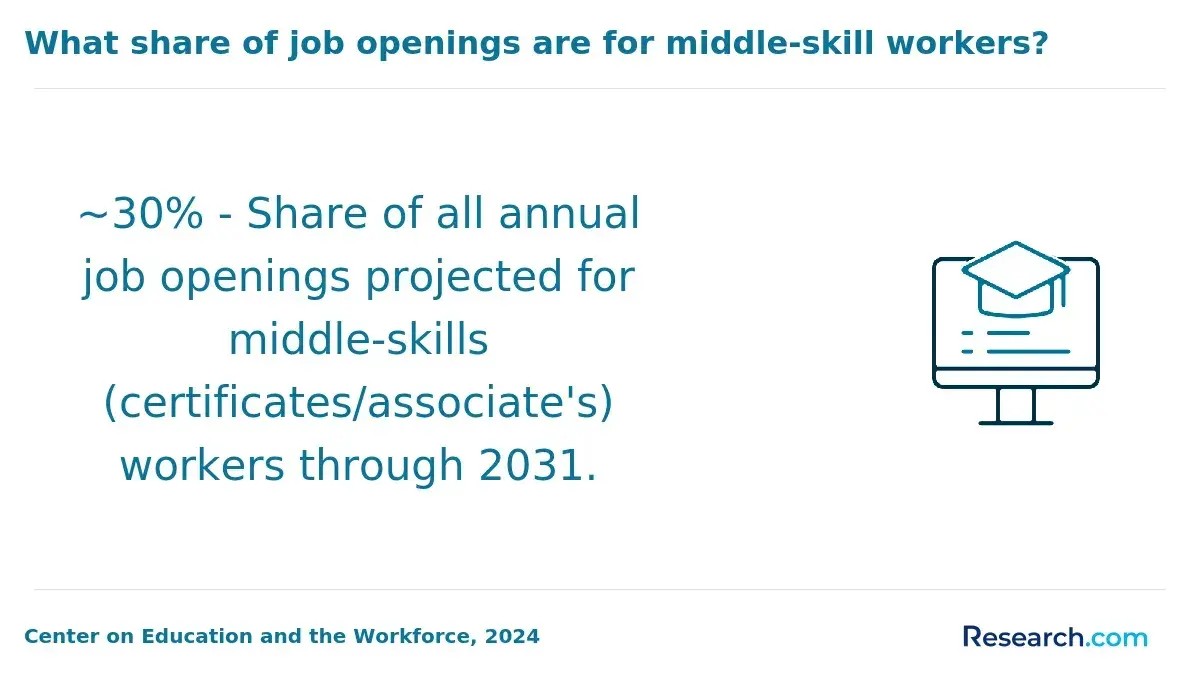
Return on investment (ROI) in higher education calculates the difference between the total cost of earning a degree and the additional income generated over 10 years compared to someone with a high school diploma or associate degree in the same field. Research from the Georgetown University Center on Education and the Workforce and PayScale's College ROI Report emphasizes this financial gain as a key metric in evaluating college programs.
For digital media & marketing careers, the Bureau of Labor Statistics reports a median annual wage near $65,000 for bachelor's degree holders, while those with only a high school diploma start around $50,000. Incorporating typical yearly raises of about 3%, the cumulative earnings gap over the decade can surpass $200,000. After subtracting average online degree costs ranging from $40,000 to $60,000, graduates realize a strong net financial benefit.
- Clear ROI Definition: ROI represents the net financial gain by subtracting total degree expenses from the extra earnings gained over 10 years compared to lower education levels.
- Salary Benchmarks: Typically, digital media & marketing bachelor's graduates earn approximately $15,000 more annually than high school diploma holders, compounding their advantage over a decade.
- Cost Considerations: Online programs usually cost between $40,000 and $60,000, which is manageable when balanced against expected lifetime income increases.
- National Comparison: The ROI for digital media & marketing degrees matches or slightly exceeds the national average for all bachelor's degrees, reflecting robust industry demand.
One professional who enrolled in an online digital media & marketing bachelor's program after closely weighing the cost versus ROI shared that "deciding to invest felt daunting at first." He explained how he extensively reviewed salary data and tuition fees, creating spreadsheets to project future earnings.
Despite balancing work and family, he valued the flexibility of online coursework, remarking, "The hardest part was staying motivated during late-night study sessions, but knowing the increased earning potential ahead kept me focused." This careful consideration helped him commit confidently, feeling that the long-term career benefits justified the initial challenges and expenses.
How do online digital media & marketing program tuition rates compare across public, private, and for-profit institutions?
Tuition fees for online digital media & marketing bachelor's programs vary considerably depending on the type of institution, impacting both immediate costs and long-term financial benefits. Public universities generally offer the lowest tuition for in-state students, with annual costs ranging from $5,000 to $10,000.
Many also provide flat-rate online tuition plans that standardize fees irrespective of residency, typically around $10,000 to $15,000 per year. These institutions benefit from state funding and usually report higher graduation rates compared to for-profit colleges.
- Private Nonprofit Colleges: Tuition at private nonprofit schools tends to be higher, often between $20,000 and $35,000 yearly. Despite the greater expense, these colleges often have stronger academic reputations, enhanced career support, and better employer recognition. Their graduates typically experience improved job placement and higher salary potential, contributing to a more favorable return on investment.
- For-Profit Colleges: These schools may advertise lower upfront tuition or more flexible payment options, usually charging $15,000 to $25,000 annually. However, graduation rates are commonly lower, and employer skepticism regarding their degrees can hinder career advancement and salary growth. Such challenges may diminish the overall ROI despite lower initial costs.
Careful comparison of online digital media & marketing tuition fees by institution type is essential, especially for students balancing budget constraints and career goals. While for-profit programs may appear cost-effective initially, outcomes data can shift the calculation toward public or nonprofit options. For those interested in related fields, exploring a cyber security online degree might offer additional pathways with competitive investment returns.
What long-term salary growth can digital media & marketing bachelor's degree holders expect over a 20- to 30-year career?
Here is the projected long-term salary trajectory over a 20- to 30-year career:
Early Career Growth: During the initial five years, professionals with a digital media & marketing bachelor's degree often receive incremental raises as they acquire essential skills in areas like content development, social media oversight, and data analysis. Starting salaries generally range from $45,000 to $55,000, common for positions such as marketing coordinators or social media specialists.
Mid-Career Acceleration: From five to ten years into the career, earnings tend to increase more rapidly as individuals step into leadership or specialized roles including digital strategy and brand management. According to PayScale and the American Community Survey, median salaries typically climb to about $70,000 to $85,000 during this period.
Established Expertise: Between ten and fifteen years, professionals often move into senior management or director roles, where salaries can reach from $90,000 up to $110,000 or higher. Management duties and overseeing projects contribute to this significant wage advancement.
Late Career Peak: Beyond fifteen years, salary growth generally steadies but stays above $100,000, particularly for those in executive or consulting capacities. Maintaining relevant skills and adapting to industry changes remain critical for sustaining these top levels.
Cumulative Earnings Premium: Across a full career span, degree holders tend to accumulate several hundred thousand dollars more than peers without a degree. This advantage springs from quicker promotions, access to higher-level roles, and skills that keep pace with the evolving digital marketing landscape.
A professional who built her career after completing an online digital media & marketing bachelor's degree shared that while the early years involved juggling coursework with work responsibilities, the continued learning process boosted her confidence and opened doors to managerial opportunities.
She reflected that persistence through initial challenges was essential and that the degree's comprehensive curriculum equipped her to navigate rapid industry shifts effectively, translating into steady salary increases and leadership roles over time.
How does the ROI of an online digital media & marketing bachelor's degree compare to an associate degree or a professional certificate?
Evaluating the return on investment (ROI) for online digital media & marketing credentials involves comparing education costs and salary outcomes at different levels.
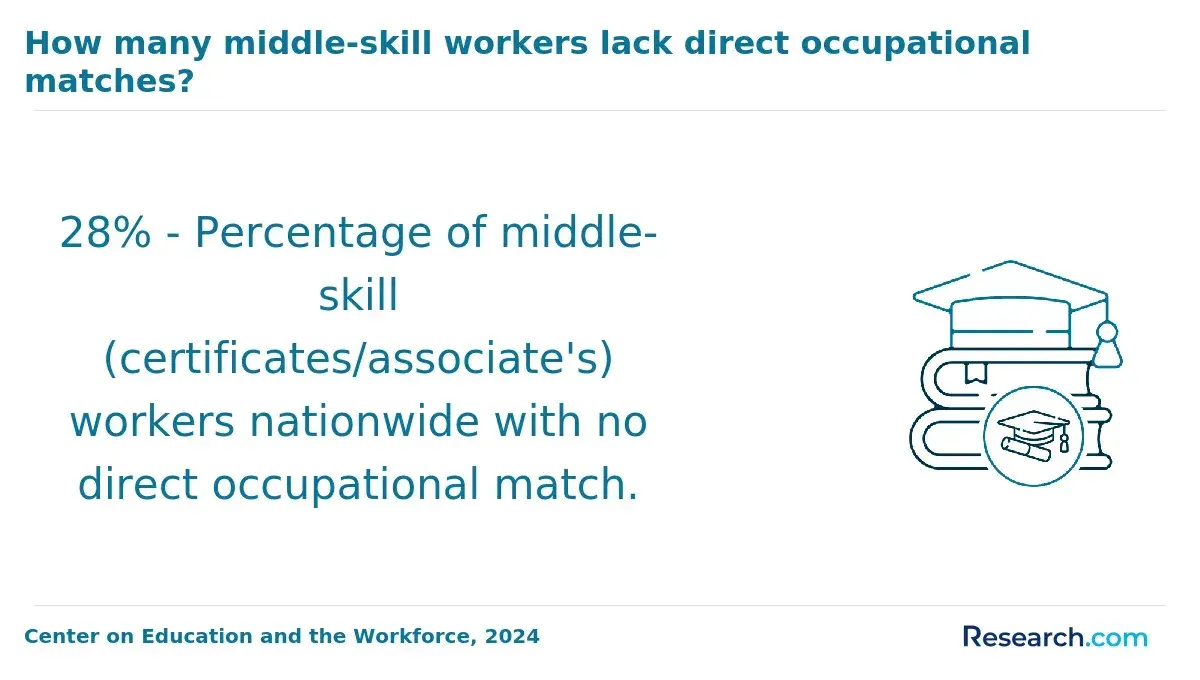
- Cost of Education: Bachelor's degrees generally require a four-year commitment with tuition totaling between $40,000 and $70,000. Associate degrees cost significantly less-typically $10,000 to $25,000-and take about two years to complete. Professional certificates are the most affordable, often costing just a few thousand dollars and completed within months.
- Median Salary Outcomes: According to the Bureau of Labor Statistics, earning potential rises with higher education. Those with bachelor's degrees make roughly 20% to 30% more than associate degree holders. Certificate earners usually start in entry-level roles with lower salaries but benefit from faster employment due to shorter program durations.
- Investment Horizon:
- Short-Term: Certificates and associate degrees offer quick access to the workforce with less financial burden, ideal for those needing immediate income or facing budget constraints. They provide enough skills for many entry-level jobs.
- Long-Term: Bachelor's degrees often translate into better career progression, higher job stability, and increased earning capacity over time. The initial higher expense tends to pay off within 5 to 10 years through greater wages and advancement, as noted by Lumina Foundation research.
- Non-Financial Gains: Beyond income, bachelor's degree holders typically enjoy enhanced professional development, leadership opportunities, and networking. Associate degrees and certificates, while valuable, may limit access to senior or competitive roles.
- Decision Framework: For first-generation students or those switching careers with limited funds, starting with certificates or associate degrees may provide viable entry points without incurring heavy debt. Individuals targeting senior or strategic positions will likely benefit more from investing in a bachelor's degree that offers superior mid- to long-term ROI.
Which online digital media & marketing specializations or concentrations yield the highest earning potential after graduation?
Graduates pursuing specialized tracks within online digital media & marketing bachelor's programs often experience notably higher median salaries compared to generalist roles, as confirmed by Bureau of Labor Statistics data.
These specializations align well with industry demands and the technical competencies employers seek, influencing both earning potential and career advancement.
- Data Analytics and Marketing Intelligence: Careers in this area include market research analysts and marketing managers skilled in analytics, with median salaries between $65,000 and $135,000 annually. This specialization requires strong technical expertise, offering a substantial salary premium over general marketing coordinators.
- Search Engine Optimization (SEO) and Digital Advertising: Professionals working on SEO and paid digital campaigns see median salaries from $55,000 to $110,000, benefiting from growing demand for online visibility. Certifications such as Google Ads enhance ROI and employability in this track.
- Social Media Strategy and Content Creation: With median earnings ranging from $45,000 to $85,000, this specialization suits those combining creative skills with project management, facilitating faster progression into leadership roles and longer-term salary growth.
- Brand Management and Product Marketing: Graduates focusing on brand and product marketing typically earn upwards of $90,000, especially when they invest in certifications like Certified Brand Manager. While these credentials increase initial costs, they provide notable career and salary acceleration.
- Specialized Certifications Requirement: Certain high-paying concentrations, particularly in analytics and product marketing, often recommend ongoing certification or continuing education. Although these add to total investment, they improve job security and salary trajectory, optimizing time-to-ROI for motivated students.
For working professionals or career changers balancing budgets and timelines, prioritizing specializations with clear salary premiums and accessible certification pathways helps maximize financial and professional returns.
The combination of verified BLS salary data with real tuition costs offers a critical framework for choosing the digital media & marketing specialization that best fits individual goals and circumstances.
How do employer tuition reimbursement and financial aid reduce the net cost of an online digital media & marketing bachelor's degree?
Employer tuition reimbursement programs can dramatically reduce the out-of-pocket cost of an online digital media & marketing bachelor's degree by covering a portion of tuition expenses. Under IRS Section 127, employees may receive up to $5,250 annually in tax-free education benefits from their employers, which lowers direct education costs.
Many companies incorporate these benefits as part of their employee incentives to foster professional development and talent retention. This creates a valuable financial resource for those seeking degree completion while maintaining full-time employment.
Data from the Society for Human Resource Management (SHRM) show that approximately 60% of U.S. employers provide tuition assistance to their workforce. These programs vary-some pay a fixed annual amount, while others cover a percentage of course tuition. Working students can leverage this employer tuition reimbursement benefit for online digital media & marketing degrees as an integral part of their budgeting strategy, significantly reducing overall expenses.
Alongside employer benefits, federal and institutional financial aid further reduces net tuition costs. Grants and scholarships-both need- and merit-based-do not require repayment and can cover sizable portions of tuition. Subsidized federal student loans also ease financial burdens by deferring interest while students remain enrolled. Combining these financial aid options can bring net costs down to a fraction of the published tuition rates, making education accessible to many on a tight budget.
For example, a student facing an annual tuition bill of $15,000 might allocate $5,250 from employer tuition reimbursement, secure a $3,000 federal Pell Grant, and finance the remainder through subsidized loans.
Their net annual expense could drop to roughly $6,750, demonstrating how strategic use of financial aid and employer programs enables degree completion affordably. Individuals pursuing career advancement will find this approach effective, especially when balancing work and study.
For those interested in accelerated options, consider exploring a 6 months masters degree online for continued upskilling after a bachelor's degree.
- Employer Tuition Reimbursement: Many employers offer tuition assistance aligned with IRS Section 127, providing up to $5,250 tax-free annually, directly decreasing education expenses for students.
- Prevalence of Programs: SHRM reports about 60% of U.S. employers support employee education, offering a key financial resource for those enrolled in online digital media & marketing degrees.
- Federal and Institutional Aid: Grants, scholarships, and subsidized loans help lower or delay tuition payments, often eliminating immediate financial strain.
- Combined Financial Impact: Utilizing employer benefits alongside federal aid can reduce sticker price tuition to a manageable net cost, easing the path to degree completion with less debt.
What hidden costs should students factor into the total investment of an online digital media & marketing bachelor's degree?
Students budgeting for online digital media & marketing bachelor's degrees often focus on tuition but underestimate several hidden costs that can extend the break-even timeline for return on investment. These expenses include technology fees, proctoring services, graduation fees, specialized software licenses, and professional organization memberships, which collectively can total over a thousand dollars annually.
Technology fees, essential for access to online platforms, typically range from $100 to $600 annually, though some institutions charge $50 to $300 per semester. Proctoring services to ensure exam integrity add $30 to $50 per test, accumulating across multiple courses.
Graduation fees-mandatory at many schools-usually cost between $100 and $200, payable in the final term. Specialized software licenses for design, analytics, or social media tools required for coursework can add $100 to $500 yearly if not provided by the institution.
Furthermore, professional membership dues, while sometimes optional, range from $50 to $150 per year and support career advancement and networking within the industry.
These unexpected expenses significantly impact career advancement costs in online digital media & marketing degree programs and contribute to a longer time horizon for recouping educational investments. Prospective students should always request a comprehensive cost-of-attendance statement-not just tuition-before enrolling to avoid surprises and better plan their finances.
For those exploring options, selecting a well-regarded non profit university can help balance quality and affordability, as detailed on non profit university rankings.
- Technology Fees: Online programs often charge mandatory fees ranging from $100 to $600 annually to maintain digital platforms, which are frequently overlooked but critical for course access.
- Exam Proctoring Costs: Proctoring services typically add $30-$50 per exam, increasing total expenses significantly in multi-course programs.
- Specialized Software Licenses: Coursework in digital media & marketing often requires software subscriptions costing $100-$500 yearly if not supplied by the institution.
- Graduation and Administrative Fees: One-time fees of $100 to $200 at program completion can surprise students if not budgeted in advance.
- Professional Memberships: Annual dues of $50 to $150 for industry groups support networking and career development, which are important for graduates' ongoing growth.
How does the accreditation status of an online digital media & marketing program affect graduate salary and employability?
Regional accreditation reflects a school's overall academic quality and institutional stability, recognized as the benchmark by employers and educational authorities. Programmatic accreditation focuses on specific fields such as digital media & marketing, ensuring the curriculum aligns with current industry standards and skill demands.
Employers surveyed by the National Association of Colleges and Employers (NACE) and the Society for Human Resource Management (SHRM) consistently prefer candidates with degrees from regionally or programmatically accredited programs, viewing them as more prepared and credible.
Graduates from appropriately accredited schools generally have stronger salary negotiation leverage and better job prospects. Conversely, degrees from non-accredited or only nationally accredited institutions can raise doubts about educational rigor, potentially lowering starting salaries and limiting employment opportunities.
Accreditation also plays a critical role in qualifying for licensure exams, graduate studies, and positions in government and healthcare sectors that require verified credentials.
Prospective students should confirm accreditation status using reliable resources such as the U.S. Department of Education's accreditation database and the Council for Higher Education Accreditation (CHEA) to avoid costly mistakes and ensure their investment delivers professional and financial returns.
- Employer Preferences: Hiring managers trust degrees from regionally or programmatically accredited programs, associating them with competence and updated skills.
- Salary Advantages: Accreditation often translates into higher starting pay and stronger negotiating power due to recognized program quality.
- Access to Credentials: Accreditation is essential for eligibility in licensure exams, graduate schools, and certain regulated jobs.
- Quality Assurance: Accreditation confirms that the curriculum stays current with dynamic digital media & marketing industry trends.
- Verification Resources: Use official repositories like the Department of Education and CHEA to validate programs before enrolling.
What entry-level job titles and salary ranges are available to graduates of online digital media & marketing bachelor's programs?
Graduates of online digital media & marketing bachelor's degrees step into various entry-level roles, each with distinct median starting salaries. Technology and finance fields frequently offer the highest pay, while sectors like healthcare, government, and education also present solid opportunities.
- Marketing Coordinator: Typically earning $45,000 to $55,000 at the start, with healthcare and technology companies offering pay at the higher end.
- Social Media Specialist: Entry salaries range from $42,000 to $52,000, especially competitive in tech firms and marketing agencies for those with platform certifications.
- Content Marketing Associate: Starting between $43,000 and $53,000, roles in education and publishing provide avenues to develop niche expertise.
- SEO Analyst: Median beginning salaries near $50,000, with premium pay in technology and finance sectors for candidates holding SEO certifications or relevant experience.
- Digital Advertising Assistant: Pays generally fall between $44,000 and $54,000, with internship experience boosting earning potential notably, especially in finance and tech.
- Marketing Analyst: Entry-level wages from $50,000 to $60,000, with government and healthcare sectors rewarding graduates who focus on data analysis.
- Brand Ambassador: Typically earns $38,000 to $48,000 initially, often in retail and consumer goods, with higher pay achievable through experience and certifications.
- Email Marketing Specialist: Starting salaries between $46,000 and $56,000, particularly in technology and finance; additional training in analytics and automation tools enhances compensation.
Internships, industry certifications, and specialization areas like analytics or content strategy can raise starting salaries and shorten the time to recoup educational expenses. Exploring these career pathways helps prospective students and career changers choose programs aligned with both financial outcomes and professional growth.
What Graduates Say About the Return on Investment of Their Online Digital Media & Marketing Bachelor's Degree
- Caiden: "Choosing the online Digital Media & Marketing bachelor's degree was a strategic decision for me because of its clear ROI in terms of cost versus long-term benefits. The program's affordability combined with the flexibility allowed me to continue working while studying, which meant I didn't have to sacrifice income during my education. Beyond the financials, this degree opened doors to leadership roles in my current field, giving me job security I hadn't experienced before."
- Remington: "Reflecting on my experience with the online Digital Media & Marketing bachelor's degree, I found immense value not only financially but professionally-this program was a gateway to career advancement opportunities I hadn't imagined possible. The knowledge and skills I gained translated directly into increased responsibilities and promotions, showcasing the degree's strong return on investment. It wasn't just about salary - the confidence and industry credibility I earned were priceless."
- Adrian: "From a professional standpoint, pursuing the online Digital Media & Marketing bachelor's degree significantly impacted my career trajectory by equipping me with marketable skills relevant to today's digital landscape. I weighed the costs carefully, and the ROI quickly showed itself through new job offers and higher compensation. Plus, the program's focus on real-world applications gave me the edge needed to thrive in a competitive industry, making the investment well worth it."
Other Things You Should Know About Digital Media & Marketing Degrees
The typical time to recoup the cost of an online digital media & marketing degree varies but often ranges from three to six years. This period depends on factors like tuition costs, scholarships, and post-graduation salary increases. Graduates who quickly enter high-demand sectors or markets with competitive salaries generally recover their investment faster.
Geographic location significantly influences salary outcomes due to regional cost-of-living differences and local demand for digital media & marketing skills. Graduates working in metropolitan areas or tech hubs tend to earn higher salaries. Likewise, industry sectors like technology, advertising, and media typically offer better compensation than nonprofit or smaller local businesses.
Employer surveys and labor market reports consistently highlight the growing demand for digital media & marketing skills, emphasizing proficiency in data analytics, content creation, and social media management. Many employers value candidates with a bachelor's degree for entry-level and mid-career roles, viewing the degree as evidence of foundational knowledge and applied skills. Labor market data also project steady employment growth in these fields.
References
- Top MBA and PGDM College in Hyderabad, Telangana, India - IPE https://www.ipeindia.org/digital-marketing-courses-after-graduation/
- Online College Tuition Comparison: Online vs. In-Person https://www.uagrantham.edu/blog/online-college-tuition-comparison-online-vs-in-person/
- Digital Media Careers: What Can You Do with a Digital Media Degree? https://www.nu.edu/blog/digital-media-careers/
- Tuition Reimbursement Programs [A Guide for HR and Employers] https://compt.io/blog/employee-tuition-reimbursement/
- ROI in digital marketing — what it looks like, how to calculate it, and how to maximize it https://business.adobe.com/blog/basics/understanding-roi-in-digital-marketing
- The Benefits of Earning a Degree or Professional Certification in Digital Marketing https://sopa.tulane.edu/blog/benefits-earning-degree-or-professional-certification-digital-marketing
- Digital Marketing: College Degree vs. Certificate Program https://www.nobledesktop.com/blog/digital-marketing-college-degree-vs-certificate-program
- The disruptive potential of online learning: Comparing the cost and quality of online and traditional education | CEPR https://cepr.org/voxeu/columns/disruptive-potential-online-learning-comparing-cost-and-quality-online-and
- Understanding ROI in Amity Online MBA Digital Marketing https://amityonline.com/blog/online-mba-in-digital-marketing-roi-explained
- The Benefits of a Digital Marketing Degree from an Online School | Bryan University Online© https://bryanuniversity.edu/faq/the-benefits-of-a-digital-marketing-degree-from-an-online-school/