2027 Online Digital Media & Marketing Bachelor's Degree Programs That Accept Transfer Credits

Co-Founder and Chief Data Scientist
Many students with previous college credits struggle to find online digital media & marketing bachelor's degree programs that recognize their prior learning. This challenge often leads to redundant coursework, increased costs, and extended time to graduation. According to the National Center for Education Statistics, nearly 40% of undergraduates transfer between institutions, underscoring the importance of credit transfer policies.
This article examines online digital media & marketing programs that accept transfer credits, helping students identify options that maximize credit acceptance. It aims to guide prospective transfer students in selecting the most efficient path to complete their degrees without unnecessary delays or expenses.
Key Benefits of Online Digital Media & Marketing Bachelor's Degree Programs That Accept Transfer Credits
- Accepting transfer credits allows students to complete their online digital media & marketing bachelor's degree faster by bypassing redundant coursework, often shortening time to graduation by up to one year.
- Transfer-friendly programs can significantly reduce tuition costs since students need fewer credits, easing financial burdens as 60% of online learners cite cost as a primary concern.
- Flexibility in accepting prior academic work helps working adults and career changers customize their education path, accommodating diverse schedules and professional commitments more effectively.
Who Should Consider an Online Digital Media & Marketing Bachelor's Degree With Transfer Credits?
Online digital media & marketing bachelor's degree programs that accept transfer credits are particularly beneficial for students with prior academic experience seeking to maximize their educational progress. According to the National Student Clearinghouse Research Center, nearly 38% of undergraduate students in the U.S. are transfer students, illustrating a strong trend toward credit mobility in higher education.
This growing acceptance allows students to save time and reduce costs when completing their degrees. Below are groups who particularly benefit from these programs.
- Students with Prior Credits: Those who have completed courses at community colleges or other accredited schools can avoid repeating coursework, accelerating their path to a bachelor's degree in digital media & marketing by leveraging transfer credit policies for digital media & marketing online degrees.
- Working Professionals: Individuals currently employed in marketing, advertising, or related fields can upgrade their qualifications and gain up-to-date industry knowledge without leaving their jobs, thanks to flexible online program structures.
- Adult Learners: People returning to higher education after a hiatus often seek programs that offer flexible pacing and the opportunity to apply existing credits toward graduation sooner.
- Military Veterans: Service members and veterans with academic or training credits earned through military programs find tailored pathways to apply those credits toward digital media & marketing degrees.
- Students Seeking Flexibility: Those balancing family, work, and studies benefit from online formats that accommodate diverse schedules and support accelerated degree completion.
For students evaluating degree options, exploring the best online master's in AI can provide insights into affordable and flexible online education models, which often align with the transfer credit advantages found in digital media & marketing programs.
How Many Credits Can I Transfer Into an Online Digital Media & Marketing Bachelor's Degree?
Most online digital media & marketing bachelor's degree programs typically accept between 60 and 90 transfer credits, allowing students to apply roughly half to nearly three-quarters of the total credits required for graduation. This means that if you have previous college coursework, you could significantly reduce the time and cost needed to complete your degree.
A commonly referenced figure is that up to 75% of total credits can be transferred, depending on the program's policies and course compatibility. Students exploring how many transfer credits are accepted for online digital media & marketing bachelor's degrees should consider that these limits vary but generally follow this broad range.
Several factors affect the maximum transferable credits in digital media & marketing degree programs. Course compatibility is crucial; credits must usually align with core curriculum requirements in digital media, marketing, communications, or related areas. Accreditation plays a key role as well, with credits from regionally accredited institutions being accepted more readily than those from nationally accredited or unaccredited schools.
Age of credits and the type of institution where they were earned also influence transferability, with some programs imposing limits on how old credits can be or how many hours from two-year colleges are accepted. For those also considering advanced study options, reviewing the best online executive MBA programs may provide additional pathways after completing a digital media & marketing degree.
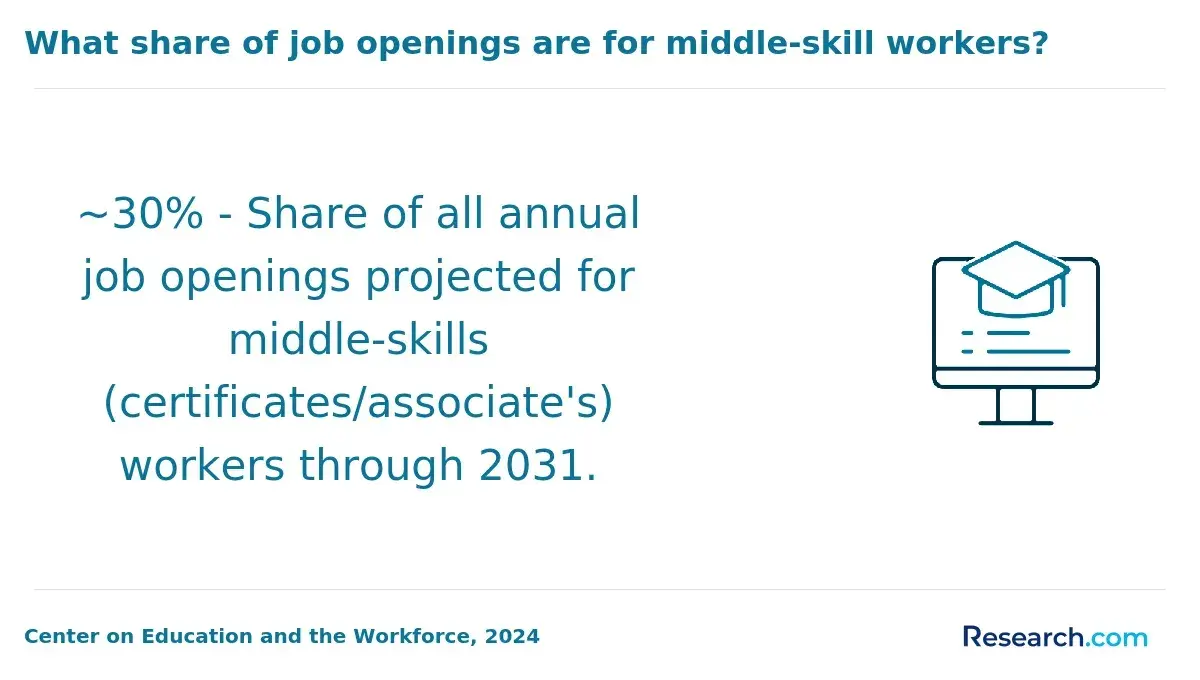
2026 Update: Checking Skill Gaps After Transfer Credit Acceptance
For 2026, this section adds a practical way to look beyond whether credits transfer and evaluate whether your remaining coursework still builds current digital media and marketing skills.
- Review whether older marketing or media credits still match today’s platform, analytics, and content strategy expectations.
- Check if transferred courses count toward the major, electives, or only general education requirements.
- Ask whether the program includes hands-on work with campaigns, audience research, branding, and performance reporting.
- Look for opportunities to build or update a portfolio before graduation.
- Confirm that remaining courses cover ethical advertising, privacy, accessibility, and inclusive digital communication.
- See whether internships, capstones, or client-based projects are available to fill experience gaps.
This helps transfer students choose a program that not only accepts prior credits, but also leaves them prepared for current digital marketing roles.
What Types of Credits Transfer to an Online Digital Media & Marketing Bachelor's Degree?
Students transferring into online digital media & marketing bachelor's programs often bring credits from various academic and professional experiences. Data shows that nearly 60% of online learners use transfer credits to shorten their degree timelines.
Below are some common sources of transferable credits to consider.
- Community College Coursework: Many students transfer general education courses completed at accredited community colleges. Subjects like English, mathematics, and social sciences usually align well with foundational requirements in digital media & marketing programs.
- Advanced Placement and IB Exams: High scores on AP or International Baccalaureate exams can convert into college credit. These credits validate college-level knowledge gained in high school, helping to reduce the overall course load.
- Professional Certifications: Certain industry-recognized credentials in marketing, digital media, or business may qualify for credit or waive specific requirements, depending on the relevance and rigor of the training.
- Military Education: Military coursework and training are often accepted to support service members and veterans. Many programs recognize the specialized skills and knowledge acquired through military experience.
A graduate of an online digital media & marketing bachelor's degree shared that navigating the transfer process can feel overwhelming at first. He mentioned, "I wasn't sure which credits would count or how to document my certifications."
Through consultations with advisors and careful review of transcripts, he gradually pieced together the most efficient academic path. He reflected, "It took persistence, but being able to apply previous learning saved me several months and eased the financial burden." This experience highlights the importance of being proactive and organized when seeking transfer credit recognition.
What Are the Rules for Transferring Credits to an Online Digital Media & Marketing Bachelor's Degree?
Transfer credit policies for online digital media & marketing programs follow established academic rules to ensure transferred coursework meets degree standards. Nearly 66% of students transfer credits during their college journey, highlighting the importance of clear eligibility criteria for transferring credits in digital media & marketing degrees.
Key rules determine how credits from prior institutions are evaluated and accepted.
- Accreditation Requirements: Credits must come from regionally accredited colleges or universities to be eligible. This ensures that coursework meets widely recognized academic quality standards essential for the online digital media & marketing field.
- Course Equivalency: Institutions assess whether previous courses align closely with program content and academic level. Only credits relevant to digital media & marketing subjects or general education will typically transfer.
- Minimum Grade Standards: Transfer credits generally require a satisfactory grade, often a "C" or above, which guarantees the academic competence needed for the program's curriculum.
- Credit Limits: Total transferable credits may be capped at about 60-70% of the bachelor's degree to ensure students complete a significant portion within the new program, gaining up-to-date knowledge and skills.
- Time Restrictions: Older credits, usually those earned more than 5 to 10 years ago, might not transfer, as current industry standards and technologies evolve rapidly in digital media & marketing.
Students looking to leverage prior coursework efficiently can also explore options through programs like a criminal justice degree online, which similarly emphasize transfer-friendly policies.
Which Colleges Are Transfer-Friendly for an Online Digital Media & Marketing Bachelor's Degree?
Some colleges are notably more accommodating to transfer students pursuing online digital media & marketing bachelor's degrees, helping them apply prior credits toward degree completion. Data from the National Student Clearinghouse Research Center shows that nearly 38% of undergraduates transfer schools at least once within six years, underscoring the demand for clear and flexible transfer policies.
Here are key types of institutions that commonly support transfer students effectively.
- Public Universities often provide structured pathways and formal agreements with community colleges, smoothing the credit evaluation process for transfer applicants. Their long-established systems tend to accept a broad range of credits from accredited institutions.
- Online-Focused Schools cater to adult learners with flexible transfer policies designed to streamline credit acceptance. These schools typically understand the needs of students balancing work, family, and education through distance learning.
- Adult-Friendly Programs emphasize accelerated learning and recognize prior work or military experience, offering alternative credit avenues. They aim to accommodate experienced students returning to higher education.
- Private Non-Profit Universities may offer dedicated advising for transfer students, simplifying the credit review process and supporting those entering digital media & marketing fields.
A graduate of an online digital media & marketing bachelor's degree shared her experience: "Transferring credits felt like navigating a maze at first. I faced uncertainty about which credits would count and had to gather detailed course descriptions to help advisors evaluate my transcripts."
She appreciated the personalized support she received once she connected with a dedicated transfer counselor, which improved the process significantly. "It wasn't just about the paperwork; they understood my background and goals, which made completing my degree feel more achievable."
Which Online Digital Media & Marketing Bachelor's Degree Programs Accept the Most Transfer Credits?
Many online digital media & marketing bachelor's degree programs are structured to accept a substantial number of transfer credits, helping students accelerate their academic progress. Data indicate that some programs allow students to apply up to 75% of their total degree credits from previous institutions.
The following features are common among programs that offer the highest transfer credit acceptance.
- Flexible Curricula: These programs often permit course substitutions and incorporate a broad range of electives, allowing prior coursework to align more easily with degree requirements.
- Competency-Based Models: Students advance by demonstrating mastery of skills rather than spending fixed hours in class, making prior knowledge directly applicable to earning credits.
- Adult Learner Focus: Programs designed for adult students typically recognize professional experience and previous learning for credit equivalency, supporting those returning to education.
- Articulation Agreements: Strong partnerships with community colleges and other universities simplify transferring, ensuring previously earned credits are accepted and applied efficiently.
- Dedicated Advising: Transfer students benefit from specialized support that helps them optimize credit evaluation and navigate degree pathways effectively.
How Do I Transfer Credits to an Online Digital Media & Marketing Bachelor's Degree?
Transferring credits to an online digital media & marketing bachelor's degree program involves a structured process that helps students apply prior college coursework toward a new educational goal. This method can significantly reduce time to graduation and overall costs.
Notably, data from the National Student Clearinghouse Research Center show that nearly 60% of college students transfer at least once during their academic careers, highlighting the growing importance of credit transfer policies. Key steps in the credit transfer process typically include the following:
- Research Transfer Policies: Begin by reviewing the transfer credit policies of your chosen online program to understand which credits are eligible and the documentation needed.
- Submit Transcripts: Provide official transcripts from all previously attended accredited colleges or universities for evaluation by the admissions or registrar's office.
- Course Evaluation: Academic advisors or transfer specialists compare your completed coursework against program requirements to identify equivalent courses and credits.
- Credit Approval: Receive formal confirmation detailing how many credits will apply toward your digital media & marketing degree, ensuring alignment with degree standards.
- Academic Advising: Collaborate with an advisor to customize your remaining coursework, creating a clear roadmap to degree completion.
This process ensures that students receive appropriate credit for past learning while maintaining academic rigor in the evolving field of digital media & marketing.
How Do Transfer Credits Speed Up an Online Digital Media & Marketing Bachelor's Degree?
Transfer credits can significantly reduce the number of courses required in an online digital media & marketing bachelor's degree, helping students save an average of six to twelve months on their path to graduation. By applying previously earned credits, students accelerate their academic progress and focus on advanced coursework that aligns with their career goals.
The following highlights key benefits of transferring credits in online digital media and marketing degrees.
- Reduced Coursework: Transfer credits allow students to bypass many foundational and introductory classes, cutting down the overall number of required courses. This efficiency enables learners to invest more time in specialized topics within digital media & marketing.
- Skipped Prerequisites: Relevant credits from prior studies often satisfy prerequisite requirements, meaning students avoid retaking courses such as marketing principles or communication fundamentals. This eliminates repetition and streamlines academic progress.
- Shortened Timelines: With transfer credits in place, many students can maintain a full course load without repeating material, accelerating degree completion. Early graduation becomes achievable compared to starting as a first-time freshman.
- Faster Progression: Students can move swiftly into major-specific classes and capstone projects, reducing delays between milestones. This is especially valuable for those aiming to enter the workforce sooner or pursue further education.
Prospective students should consider how strategic use of transfer credits might complement their broader career plans. For example, those exploring transitions like the education required to be a speech pathologist can similarly benefit from evaluating prior coursework when planning their digital media & marketing studies.
Can Transfer Credits Reduce the Cost of an Online Digital Media & Marketing Bachelor's Degree?
Using transfer credits can significantly lower tuition costs by reducing the number of courses a student must complete in an online digital media & marketing bachelor's degree program. According to the National Student Clearinghouse Research Center, transfer students can save an average of 15%-30% on overall degree expenses compared to those starting from scratch.
Savings come from various factors beyond just tuition expenses. Cost savings with transfer credits in digital media and marketing bachelor programs often result from the following:
- Fewer Tuition Fees: By substituting previously earned credits, students reduce the total number of courses they need to enroll in, which directly lowers semester tuition costs, especially in programs charging per credit or course.
- Lower Textbook Costs: With fewer classes required, students spend less on expensive textbooks and course materials, which can be a significant expense in digital media and marketing programs.
- Reduced Enrollment Time: Shorter time to degree completion means less spending on semester-based fees such as technology, campus services, and other academic-related charges.
- Earlier Workforce Entry: Completing the degree faster allows students to start their careers sooner, potentially leading to increased earnings and reduced opportunity costs.
- Fee Waivers: Some programs offer application or enrollment fee waivers to transfer students, providing additional financial relief throughout the transfer credit process.
Students interested in optimizing transfer credit policies for online digital media and marketing degrees should explore options carefully. For those with a GPA around 2.0, there are online graduate programs that accept 2.0 GPA, which may also facilitate smoother credit transfer and cost savings.
How Can I Maximize Transfer Credits for an Online Digital Media & Marketing Bachelor's Degree?
Students seeking to reduce the time and cost of earning an online digital media & marketing bachelor's degree can often transfer a substantial portion of prior college credits. Research shows that nearly 70% of transfer applicants successfully apply previous credits to their new programs, highlighting the advantage of a well-planned transfer strategy.
Here are key approaches to optimize credit transfer:
- Understand Transfer Policies: Examine each prospective school's credit acceptance rules carefully, focusing on distinctions between core digital media & marketing courses and general education requirements to identify eligible credits.
- Align Coursework Strategically: Plan upcoming classes by matching them with transferred credits to prevent redundant study and ensure a smooth progression toward degree completion.
- Secure Formal Evaluations: Request official assessments of your prior coursework early to gain clarity on which credits apply and to anticipate gaps in your academic plan.
- Document Prior Learning: Collect detailed records of relevant professional certifications or industry training that may count toward electives or supplement your academic credits.
What Graduates Say About Online Digital Media & Marketing Bachelor's Degree Programs That Accept Transfer Credits
- Jordan: "Transferring into an online Digital Media & Marketing bachelor's degree program felt like the perfect move for my busy lifestyle. The ability to transfer my previous credits saved me both time and money, making the entire process much more affordable. Since graduating, the flexibility and modern curriculum have truly helped me advance in my career, opening doors I hadn't anticipated."
- Carys: "After careful consideration, I transferred to an online Digital Media & Marketing bachelor's degree program to align my studies with evolving industry trends. The cost of transferring credits was surprisingly reasonable, which eased a lot of financial pressure. Reflecting on my experience, the program's acceptance of transfer credits accelerated my path to graduation and strengthened my professional portfolio considerably."
- Macy: "I chose to transfer to an online Digital Media & Marketing bachelor's degree program primarily to gain skills relevant to today's digital economy while maintaining my current job. The cost-efficiency of credit transfers made continuing my education more accessible than I initially expected. Professionally, this move has been invaluable, as it has enhanced my credentials and provided me with advanced tools that have boosted my confidence and performance in the workplace."
Other Things You Should Know About Digital Media & Marketing Degrees
Yes, many online digital media & marketing bachelor's degree programs hold regional or national accreditation, which ensures they meet quality education standards. Accreditation is important because it affects credit transferability, eligibility for federal financial aid, and employer recognition. Prospective students should verify a program's accreditation status before enrolling.
Online digital media & marketing programs typically teach skills such as content creation, social media management, SEO strategies, data analytics, and digital advertising techniques. Students also learn to use industry-standard software like Adobe Creative Suite and Google Analytics. These skills prepare graduates for the evolving landscape of digital marketing roles.
In 2027, most online digital media & marketing bachelor's degree programs accept transfer credits from accredited institutions. Policies vary, but generally, courses with a grade of "C" or higher are eligible. It's important to consult each program's transfer credit guidelines for specifics.
References
- The Fastest Online Digital Marketing Degrees: How to Get Your Digital Marketing Degree Fast https://careerkarma.com/blog/fastest-online-digital-marketing-degree/
- B.S. Digital Marketing Technology Online https://www.uwstout.edu/programs/bs-digital-marketing-technology-online
- The 10 Fastest Online Bachelor's in Marketing Degree Programs - Best Marketing Degrees https://www.bestmarketingdegrees.org/the-fastest-online-bachelors-in-marketing-degree-programs/
- The Benefits of Earning a Degree or Professional Certification in Digital Marketing https://sopa.tulane.edu/blog/benefits-earning-degree-or-professional-certification-digital-marketing
- Is a Digital Marketing Certification Worth It? Weighing the Pros and Cons https://regent.ac.za/blog/digital-marketing-certification-pros-and-cons
- Online Bachelor's Degree Marketing https://www.umgc.edu/online-degrees/bachelors/marketing
- Transferring Online College Credits: A How-To Guide for Students https://www.publicservicedegrees.org/online-degrees/transferring-online-college-credits/
- BS in Digital Marketing https://www.umassglobal.edu/academic-programs/bs-digital-marketing
- B.Sc Degrees Online 2025 - Best Course After 12th | Compare Top Programs https://b.sc/guides/transfer-credits