2027 Remote Jobs You Can Get With an Illustration Master's Degree

Co-Founder and Chief Data Scientist
Consider a professional with a master's degree in Illustration who must weigh the possibility of remote work against the practical demands of the market. Despite growing interest in flexible careers, a 2024 report from the Bureau of Labor Statistics highlights that only about 35% of advanced degree holders in creative fields secure fully remote roles, reflecting employer concerns over collaboration, technical proficiency, and portfolio needs. This disconnect emphasizes the importance of understanding which positions truly align with a master's in Illustration without requiring hybrid presence or niche software expertise. This article analyzes viable remote careers tied to an Illustration master's degree to clarify real-world opportunities and expectations.
Key Things to Know About Remote Jobs You Can Get With a Illustration Master's Degree
- A master's in illustration sharpens specialized digital and narrative skills, yet many remote roles require portfolio versatility beyond graduate-level depth; this tradeoff challenges candidates targeting niche artistic domains exclusively.
- Recent 2024 hiring data shows 48% of published illustration roles advertise remote flexibility, signaling employer openness but also emphasizing self-management and proactive client communication as non-negotiable competencies for graduate applicants.
- The two-year commitment and cost of a master's can delay freelance earnings onset; evaluating this timing against immediate remote job availability helps graduates assess opportunity costs effectively within the gig-oriented illustration economy.
What Remote Jobs Can You Get With a Illustration Master's Degree?
Remote roles suited for those with a master's degree in illustration often hinge on blending advanced art skills with digital fluency, yet the availability and nature of these jobs vary considerably by industry and employer expectations. For instance, freelance illustrator positions typically require not just artistic versatility but also a robust client management approach, since remote work demands proactive communication and adherence to tight project timelines. Many employers in marketing, children's publishing, and gaming expect demonstration of specialized competence in digital tools alongside a portfolio illustrating adaptability across styles-this can limit opportunities for early-career graduates without such experience. Understanding that some remote illustration jobs may include periodic in-person meetings or hybrid structures is crucial when targeting roles with publishers or educational content producers, as fully remote positions remain less common in more collaborative or deadline-driven environments.
Employment trends for best remote illustration careers for master's graduates reflect a competitive landscape where digital storytelling and multimedia skills boost remote candidacy, particularly in sectors emphasizing online content and e-learning development. According to data from the U.S. Bureau of Labor Statistics, growth in multimedia art roles benefits graduates with the ability to produce interactive and augmented reality visuals, aligning well with remote job growth clusters.
However, navigating this field necessitates awareness of license or certification expectations for some specialized digital media work and an ability to showcase a digitally robust portfolio to overcome the barriers posed by remote hiring practices still favoring demonstrated output over credentials alone. Individuals evaluating these roles should also consider their own capacity for self-directed project management, which remains a decisive factor in successfully securing and maintaining remote illustration positions.
Practical career decisions for potential candidates often involve weighing the tradeoffs between freelance flexibility and the relative stability of remote roles offered by more structured employers, particularly as remote hiring has grown-LinkedIn notes that 48% of creative positions now offer fully remote options, up from 30% in 2020. Those seeking such opportunities should incorporate strategic job search tactics, including researching what online college gives the most financial aid to support potential supplemental training or certification pathways. Graduate degree holders must factor in these shifting employer preferences and technological trends to effectively position themselves in this evolving remote job market, consciously tailoring their portfolios and continuing skill development to fit the fluid demands of remote illustration careers.
Which Industries Hire Remote Professionals With a Illustration Master's Degree?
Industries that hire remote professionals with a master's degree in Illustration typically demand a blend of advanced creative skills and technical adaptability, but these expectations vary significantly across sectors. For example, publishing and educational technology firms prioritize illustrators who can craft intricate visuals that enhance digital learning tools and enrich interactive content, often requiring proficiency in animation software alongside storytelling capabilities. Meanwhile, marketing agencies seek illustrators who excel at producing diverse, brand-aligned imagery through remote collaboration platforms, though these roles often come with higher expectations for self-direction and rapid turnaround to meet dynamic campaign needs. According to the U.S. Bureau of Labor Statistics, art and design occupations are set to grow by 8% through 2034, with many of these new roles adopting flexible or hybrid models to attract specialized talent unconstrained by location.
The video game and entertainment industries represent another growing area for remote illustrators, valuing graduate-level expertise in conceptual art and character design that can be outsourced to freelance or remote teams worldwide. However, the availability of remote roles often hinges on studios' capacity to integrate creative workflows virtually, which can limit advancement if on-site presence is preferred for higher-level positions. More niche sectors like medical and scientific illustration require specialized knowledge and frequently involve tighter regulatory standards, making fully remote work less common but increasingly viable as telehealth and digital science communication expand. Navigating these industry-specific demands directly influences career trajectories, with professionals needing to balance the flexibility of remote work against the potential tradeoffs in mentorship, networking, and role progression.
A remote illustrator with a master's degree shared that early in the job search, she encountered frustration applying broadly because many openings labeled as remote actually required partial on-site attendance or highly flexible schedules incompatible with her personal circumstances. She then adjusted her focus toward educational technology companies, where the emphasis on digital proficiency and independent project management aligned well with her skill set and availability. This shift improved her prospects and underscored how crucial it is to interpret varying employer definitions of remote work and degree relevance when targeting specific industries, rather than assuming uniform demand or flexibility across the board.
What Are the Highest-Paying Remote Jobs for Illustration Master's Degree Graduates?
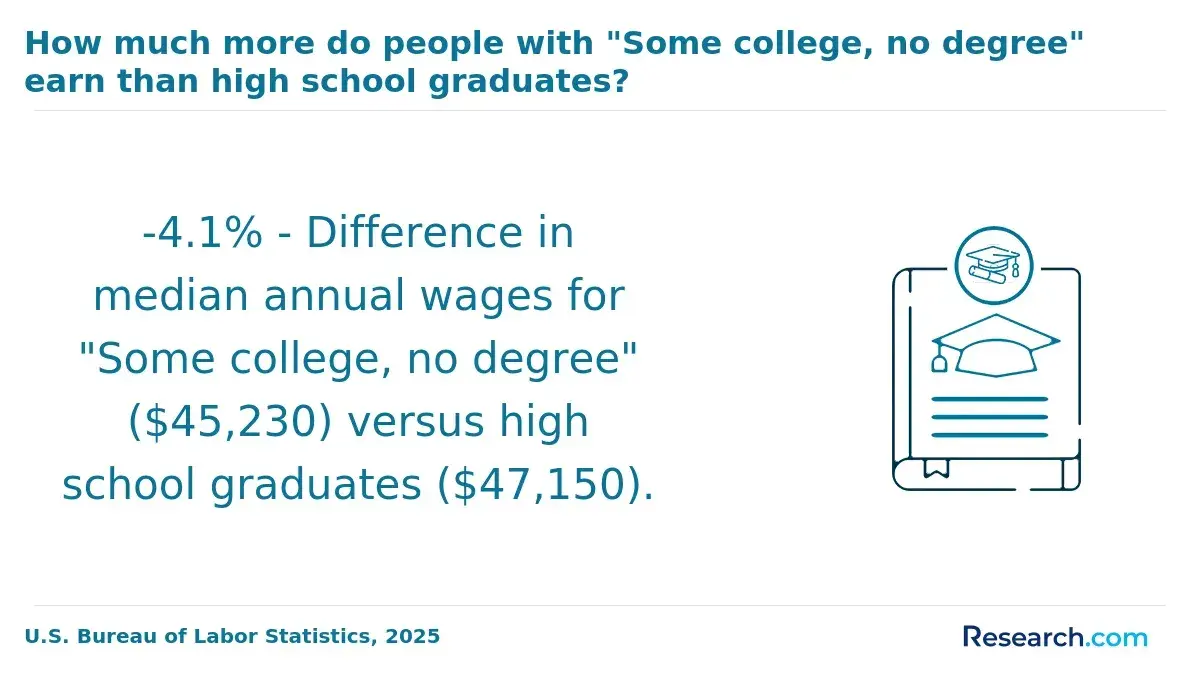
Remote roles yielding the highest compensation for graduates with a master's degree in Illustration tend to be those combining advanced specialization with leadership or technical expertise, particularly in sectors like video game development and digital content production. Positions such as senior concept artist or lead character illustrator frequently require not only a refined skill set but also the ability to manage creative processes, making candidates with a master's degree and relevant experience more competitive. According to 2024 data from the U.S. Bureau of Labor Statistics and industry salary surveys, these roles often involve project-based contracts or hybrid models, reflecting employers' expectations for some on-site collaboration despite nominal remote status.
Freelance editorial and commercial illustration is another avenue where experienced illustrators can command substantial incomes, although success depends heavily on consistent client acquisition and portfolio strength rather than solely on credentials. Similarly, remote positions in conceptual and instructional design for e-learning and publishing companies offer stable salaries but typically emphasize proficiency with digital tools and the ability to integrate creative work into broader content strategies. It's important to recognize that certain lucrative niches, such as medical or scientific illustration, demand licensure or institutional ties that limit full remote flexibility, and executive roles like animation director often include travel or hybrid requirements, which influence long-term career planning and work-life balance.
Geographic pay disparities remain significant, with remote roles tied to high-cost urban markets generally offering higher compensation but attracting more competition. Master's degree holders frequently gain access to leadership tracks with elevated pay, yet many employers look for demonstrated project management skills and client relations experience alongside education credentials. The 2024 Graphic Artists Guild Pricing Guide highlights that securing top-tier remote illustration work involves balancing technical mastery, networking capability, and willingness to engage in occasional in-person collaboration, shaping which opportunities are practically attainable over time.
Can You Get a Remote Job With a Illustration Master's Degree and Little or No Experience?
Securing remote illustration jobs for beginners holding a master's degree with minimal experience is notably difficult due to employer preferences for demonstrated capability over academic credentials alone. Hiring managers typically prioritize candidates with strong digital portfolios, internships, or freelance work, reflecting practical skills and client collaboration rather than just technical proficiency gained through graduate study. For instance, entry-level remote illustration careers with a master's degree often require familiarity with industry-standard tools like Adobe Creative Suite and the ability to showcase completed projects through platforms like Behance. This skills-based evaluation is reinforced by a 2024 survey from the Graphic Artists Guild, which found that nearly 60% of remote illustration job listings demand at least a year of professional experience or a comparable portfolio.
Job seekers who rely solely on their master's degree without cultivating a portfolio or engaging in internships may struggle to compete, especially given the nuanced skill sets expected in remote roles-such as effective communication and autonomous time management. The reliance on community engagement and networking within professional circles often distinguishes successful candidates from those with purely academic backgrounds. Those transitioning into new fields or recent graduates should also explore recognized online resources, with options like the cheapest online master's in mental health counseling illustrating how alternative or complementary credentials might support broader employability. Understanding these dynamics is critical for realistic entry points and progression in a competitive remote illustration job market.
What Skills Do Employers Look for in Remote Candidates With a Illustration Master's Degree?
Employers hiring remote candidates with a master's degree in Illustration place high value on a combination of advanced field-specific expertise and remote work proficiency. Beyond technical mastery in digital art tools and visual storytelling, they prioritize independent problem-solving, disciplined project ownership, and clear asynchronous communication to ensure productivity across distributed teams. Candidates must also demonstrate fluency with collaborative platforms and provide tangible evidence of these skills through comprehensive portfolios, capstone projects, or practical work outputs. The ability to manage client expectations and adjust creative priorities without direct supervision further distinguishes strong applicants. According to 2024 data from the U.S. Bureau of Labor Statistics, self-motivation and effective written communication increasingly predict successful outcomes in remote creative roles.
However, a master's degree in Illustration does not automatically confer readiness for remote employment. Many graduates may lack extended hands-on experience with remote collaboration software or struggle to maintain consistent communication rhythms without real-time feedback. Employers often find that mastery of artistic concepts alone falls short when candidates have limited exposure to industry workflows or virtual team dynamics. Ambiguities in role expectations or inadequate understanding of professional standards can hinder seamless integration into location-independent positions. Furthermore, candidates with direct remote experience or certifications in remote project management frequently possess an edge, underscoring the importance of complementing academic credentials with contextual practical skills.
One remote illustrator reflected on their interview process, noting the employer's emphasis on how projects were managed independently during their graduate program. Though initially uncertain about showcasing remote readiness, they highlighted a capstone project requiring coordination across time zones, which involved weekly written updates and use of shared cloud drives. The employer's interest peaked when this candidate described handling unexpected feedback on tight deadlines without escalating issues, demonstrating adaptability and professional judgment. This nuanced presentation of their remote collaboration experience ultimately strengthened their candidacy and eased early onboarding challenges.
How Can a Illustration Master's Degree Help You Qualify for Remote Leadership and Management Roles?
A master's degree in illustration can uniquely position candidates for remote leadership roles by integrating advanced creative skills with essential competencies in project ownership and strategic communication. Unlike onsite supervision, remote management requires a heightened focus on measurable outcomes, asynchronous collaboration, and trust-building across dispersed teams. For example, a remote creative director overseeing multiple freelance illustrators must leverage digital tools and clear client communication protocols, skills often honed in graduate illustration programs, to align artistic vision with project deadlines and stakeholder expectations.
The transition into remote management careers with an illustration graduate degree often involves balancing artistic insight with practical digital collaboration expertise. These programs equip candidates to handle the complexities of distributed workflows, conflict resolution, and multitiered decision-making in industries like advertising and digital media, where remote leadership is increasingly the norm. Employers seek professionals who can translate creative leadership into operational accountability while maintaining team cohesion without physical proximity.
Given the evolving demands on remote creative leaders, candidates may also consider supplementary education. Comparing options, some choose to broaden their management skill sets through online MBA programs coMPArison to strengthen cross-functional and compliance capabilities. Still, an illustration master's solidly supports advancement into project lead, director, consultant, or program leadership roles that require both artistic judgment and distributed team coordination in location-independent environments.
Can You Work as a Freelance Consultant With a Illustration Master's Degree?
Freelance consulting with a master's degree in illustration demands a strategic approach to client acquisition and service delivery, especially in a predominantly remote work environment. While advanced credentials signal technical proficiency and conceptual depth, many clients prioritize a strong, professionally crafted portfolio and demonstrable outcomes over formal degrees. For example, a freelance consultant pitching to a digital publishing firm must clearly define the scope of creative leadership offered, balancing artistic input with client communication to maintain trust without relying on licensing or standardized credentials. Navigating this dynamic requires disciplined self-management and responsiveness to shifting project demands, which can differ significantly from traditional employment roles.
Data from the U.S. Bureau of Labor Statistics shows that around 36% of illustrators are involved in freelance or contract work, reflecting the sector's growing embrace of flexible arrangements but also its income unpredictability. Freelancers with master's degrees may target niche projects needing complex visual storytelling or technical illustration expertise, yet must consistently invest in building online presence and networking to sustain visibility. Consulting in this field tends to involve balancing creative direction with administrative tasks such as contracts and invoicing, which can limit time for execution. Consequently, graduates must critically evaluate whether their advanced skills translate into sufficiently lucrative or regular contracts to justify the independent consultant model versus roles offering more predictable workflows or benefits.
Where Can You Find Legitimate Remote Jobs for Illustration Master's Degree Holders?
Locating legitimate remote jobs for Illustration master's degree holders demands strategic targeting of industry-specific employers and networks rather than relying solely on broad job boards. Although platforms like LinkedIn and Indeed provide a starting point with verified employer posts and remote filters, they often include hybrid roles or positions with geographic constraints, which require careful vetting of job descriptions and hiring terms. The U.S. Bureau of Labor Statistics (2024) reports a 15% growth in remote art and design roles over the last two years, signaling increased opportunities yet also attracting higher competition and heightened employer scrutiny on credentials and portfolio quality.
Graduates aiming for sustainable remote Illustration careers should prioritize specialized channels such as professional associations, alumni networks, and curated creative job boards that connect directly with organizations valuing advanced artistic expertise. Employers in academic institutions, nonprofit organizations, healthcare systems, or consulting firms often require candidates to demonstrate transparent, verifiable remote capabilities and a professional brand, reducing risks of scams or low-quality listings common on broad aggregators.
Similarly, graduates of BCBA programs can benefit from professional associations and referral networks when seeking legitimate remote opportunities in behavior analysis, education, or healthcare settings. Referrals remain a critical yet frequently underutilized pathway-trusted networks and connections provide not only access to vetted roles but also insights into employer expectations and remote-work culture, which are key differentiators when competing for flexible positions requiring a master's level skill set.
What is the Salary Potential for Remote Professionals with a Illustration Master's Degree?
Salary potential for remote professionals holding a master's degree in illustration is highly contingent on role type, specialization, and experience, not the degree alone. While the U.S. Bureau of Labor Statistics (2024) reports a median annual wage near $70,000 for illustrators in computer and digital design fields, remote positions can vary widely. For example, specialized roles in medical or technical illustration-areas experiencing increasing demand across healthcare systems and technical industries-often command higher pay due to niche expertise. However, many entry-level remote illustration jobs or freelance projects may offer fluctuating income between $30,000 and $50,000, reflecting client variability and project-based contracts rather than stable salaried roles.
Employers frequently value a master's degree for senior or creative director roles requiring advanced digital art and concept development skills, which can push salaries above $90,000. Yet, geographic pay practices and remote work competition heavily influence earnings. Companies in high-cost regions might offer larger salaries, but some cap pay to local standards, potentially limiting income growth for geographically dispersed workers. Professionals should weigh tradeoffs between flexibility and wage consistency, recognizing that experience, portfolio quality, and specialization critically enhance negotiation leverage. Those exploring flexible educational credentials might also consider options such as cheapest 1 year online MBA programs for roles intersecting project management or business leadership alongside creative skills, aligning broader competencies with market demands for remote illustration master's degree salary advancement.
Overall, average earnings for remote illustration professionals hinge not just on holding a master's degree but on continuously updating skills, cultivating diverse client networks, and adapting to evolving digital tools. The degree strengthens credentials but is only one factor among many that influence compensation, indicating the importance of strategic career decisions over reliance on credential status alone.
What is the Long-Term Career Outlook for Remote Jobs Requiring a Illustration Master's Degree?
The long-term outlook for remote jobs requiring a illustration master's degree is viable but demands adaptability amid evolving industry dynamics. Employment growth for illustrators is modest, with the U.S. Bureau of Labor Statistics projecting around a 3% increase through the next decade, indicating slower expansion relative to many sectors. This limited baseline reflects how traditional roles are being reshaped by emergent fields like digital media, gaming, and marketing, where remote opportunities depend heavily on mastery of advanced digital tools and diverse portfolios showcasing specialized skills such as 3D design and augmented reality. Graduates should weigh how ongoing technological change requires continuous upskilling to maintain relevance.
For those pursuing long-term success in remote illustration roles, geographic flexibility is a double-edged sword: it expands access to clients globally but intensifies competition across time zones and markets. Employers now expect candidates to combine artistic excellence with strong business acumen and collaborative proficiency for virtual projects. Career progression often relies less on formal regulation-given minimal licensure in the field-and more on reputation, networking, and credentials from recognized professional bodies. For working adults considering further education, it is worth exploring increasingly available pathways such as EDS to EDD programs online that offer flexibility in advanced study while navigating these workforce shifts.
What Do Graduates Say About Working Remotely With a Illustration Master's Degree?
- Damian: "After earning my master's in illustration, I quickly realized that employers were less concerned about degrees and more interested in a strong portfolio and practical experience. I focused on internships and freelance projects to build a diverse body of work, which opened doors to remote opportunities I wouldn't have accessed otherwise. Navigating the job market remotely demanded persistence, but prioritizing demonstrable skills over formal credentials proved essential."
- Cairo: "Graduating with a master's in illustration gave me flexibility to pursue remote contracts across different industries, which was invaluable early in my career. While the salary growth can be modest without traditional licensure or connections, the ability to pivot between art direction and digital illustration roles has kept my work engaging. I've found that adapting quickly and embracing new software tools often matters more than holding certifications."
- Deidre: "My master's program emphasized conceptual development, but entering the workforce remotely highlighted a gap: employers sought candidates with specific industry experience or certifications beyond the degree. I faced stiff competition for coveted roles and had to recalibrate my expectations, taking on smaller projects to build credibility. This experience sharpened my professional resilience and clarified how to strategically navigate career advancement in illustration."
Other Things You Should Know About Illustration Degrees
In 2027, individuals with an Illustration Master's Degree can pursue a variety of remote jobs, including freelance illustrator, concept artist for video games, storyboard artist for animation studios, and graphic designer for digital marketing agencies. These positions leverage digital skills and creative expertise developed during their studies.
Employers often anticipate that remote illustration professionals can self-manage deadlines and workflows while maintaining clear communication despite limited in-person interaction. Graduates unfamiliar with project management tools or digital client engagement risk delays or misunderstandings. Candidates should proactively develop skills in these areas to align with employer expectations, as remote roles demand more discipline and tech fluency than traditional studio-based positions.
While niche specializations like medical or technical illustration can command higher rates, the remote job market often favors versatility-especially for freelancers or contract roles that require adapting to varied styles and client needs. Candidates aiming for stable remote employment might benefit from building a broad portfolio demonstrating adaptability across media and subjects. Versatility also reduces reliance on specific industries that may have fluctuating remote needs, improving long-term career resilience.
Remote illustration work typically involves more asynchronous feedback loops and isolated creation periods, which can extend project timelines and reduce immediate creative exchange. This slower collaboration tempo may affect idea development but also allows for deeper individual focus. Artists should be prepared to manage potential isolation and find proactive ways to engage peers virtually, balancing productivity with the lack of spontaneous, face-to-face creative dialogue common in campus or agency environments.
References
- Essential Skills for Remote Work | How to Get Hired Anywhere https://www.oxfordhomestudy.com/OHSC-Blog/essential-skills-for-remote-work
- What careers can you do with an Illustration degree? | University for the Creative Arts https://www.uca.ac.uk/blogs/careers-with-an-illustration-degree/
- REMOTE WORK FOR ILLUSTRATORS: WHERE TO FIND OPPORTUNITIES AND HOW TO GROW https://fantasyroom.online/en/blog/tpost/8vmkoi7si1-remote-work-for-illustrators-where-to-fi
- How to Become a Freelance Illustrator and Build a Strong Personal Brand: The Experience of Malen Pazos, LABASAD Student • LABASAD https://www.labasad.com/en/how-to-become-a-freelance-illustrator-and-build-a-strong-personal-brand-the-experience-of-malen-pazos-labasad-student/
- Using your degree in illustration: Professional options https://www.cca.edu/newsroom/illustration-degree-career-pathways/
- Remote work: the top skills employers are looking for https://www.amba-bga.com/insights/remote-work-the-top-skills-employers-are-looking-for
- Remote Work Skills You Need to Master in 2026 for Job Success https://kuubiik.com/blog/remote-work-skills-to-master/
- Online Master in Design Leadership | Lead Innovative Teams https://www.emeris.ac.za/qualifications/online/master-of-design-leadership
- Telecommuting Illustrator Jobs https://www.virtualvocations.com/q-telecommuting-illustrator-jobs.html
- Should you do an (online, part time) MA in Illustration? – Ottilia Scribbles https://ottiliastephens.com/2019/11/28/should-you-do-an-online-part-time-ma-in-illustration/