2027 Best Value Online Illustration Master's Degrees: Affordable Accredited Programs with the Highest ROI

Co-Founder and Chief Data Scientist
Choosing an affordable, accredited online illustration master's program with strong career outcomes can be daunting, especially when upfront costs often overshadow long-term value. In 2024, over 40% of graduate students pursue online degrees to balance work and study, according to the National Center for Education Statistics.
This shift underscores the importance of programs that not only lower financial barriers but also enhance employability and career mobility. For prospective illustration students, many balancing jobs, families, or returning to education, understanding accreditation rigor and ROI metrics is crucial. This guide offers a focused assessment to help navigate those tradeoffs with clarity and confidence.
Key Things to Know About the Best Value Online Illustration Master's Degrees
- Programs balancing affordability with regional or national accreditation often require part-time pacing, limiting immediate specialization but improving accessibility for working professionals navigating complex schedules.
- Employers increasingly prioritize portfolios over pedigree; however, accredited programs signal foundational rigor, influencing long-term career mobility in the competitive creative workforce.
- With online graduate enrollments rising 7% in 2024 per the National Center for Education Statistics, timing your application aligns with growing institutional support for adult learners, affecting financial aid availability and start dates.
What Are the Best Value Online Illustration Master's Programs in the U.S.?
Best value in online illustration master's programs centers on optimizing the intersection of cost, accredited academic quality, student completion success, and measurable salary improvements post-graduation. Decision-makers face tradeoffs between affordability and program rigor: lower tuition programs may offer flexibility but sometimes with less direct industry engagement, while higher-cost options often incorporate synchronous interaction and professional networking that can accelerate salary gains.
For a working professional shifting into illustration, selecting a program that balances asynchronous coursework with proven graduation rates and solid salary lift data can mean the difference between a timely career pivot and extended financial strain.
- University of Florida: Estimated total tuition of $13,000, fully asynchronous delivery, known for its intensive digital media integration supporting graphic narrative exploration.
- California State University, Fullerton: Estimated total tuition around $18,500, primarily asynchronous with occasional live critiques, offers strong connections to the Southern California creative market.
- Savannah College of Art and Design (SCAD): Tuition approximately $32,000, synchronous format emphasizing master classes with industry professionals, ideal for network-building and advanced technical skills.
- Maryland Institute College of Art (MICA): Tuition near $35,000, hybrid synchronous/asynchronous courses, differentiates with a strong focus on conceptual development and portfolio diversification.
- Academy of Art University (AAU): Tuition about $40,000, fully asynchronous with extensive elective options, known for accommodating nontraditional students balancing work and study.
For prospective students exploring best affordable accredited online illustration master's programs in the U.S., assessing how each program's structure supports both learning outcomes and career transitions is critical. This practical approach helps ensure that graduate degrees invested in not only lead to credential recognition but also translate into tangible salary growth.
For those researching online associate degree programs at self paced colleges, this framework demonstrates the importance of integrating academic quality and market outcomes rather than pursuing cost savings alone.
What Accreditations Should an Online Illustration Master's Program Have?
Choosing an online illustration master's program without verifying its accreditation can jeopardize your investment, especially if credits won't transfer or employers don't recognize the credential. Employers and graduate programs often screen applicants based on the credibility afforded by recognized accreditation, so understanding the two-tier system is essential for maximizing career and financial outcomes.
The first tier is regional institutional accreditation, which serves as the foundational standard for legitimate academic institutions. Regional accreditors such as the Higher Learning Commission (HLC), Southern Association of Colleges and Schools Commission on Colleges (SACSCOC), and Middle States Commission on Higher Education (MSCHE) assess an institution's overall quality, including faculty expertise, student services, and financial health.
This accreditation is required for eligibility for federal financial aid and crucial if you plan to transfer credits or pursue employment where degree recognition matters. The second tier involves programmatic or specialized accreditation. While illustration programs lack a widespread equivalent to accreditations like AACSB for business or ABET for engineering, art-focused bodies such as the National Association of Schools of Art and Design (NASAD) provide program-level validation.
Such accreditation signals a curriculum aligned with industry standards, enhancing your career prospects by affirming skill rigor and portfolio relevance. Programs that hold only national accreditation or accreditation from unrecognized entities often have lower academic standards. These are usually vocational in nature, offering limited credit transferability and weaker employer credibility, resulting in poor return on investment.
Before committing, confirm these points with admissions representatives:
- Regional Accreditation: Which recognized regional accreditor accredits the institution?
- Specialized Accreditation: Does the illustration program hold NASAD or equivalent programmatic accreditation?
- Financial Aid Eligibility: Is the program eligible for federal student aid?
- Credit Transferability: How are credits handled if transferring to another accredited institution?
How Much Does an Online Illustration Master's Degree Cost on Average?
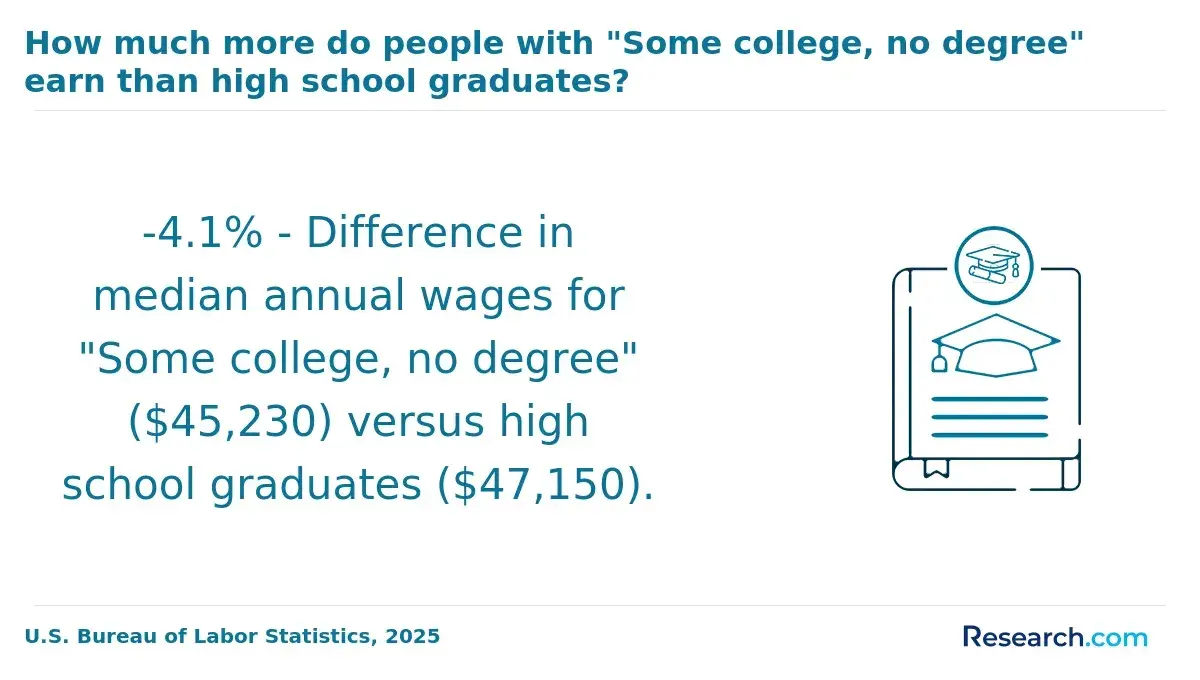
Total costs for an online illustration master's degree vary broadly, generally ranging from moderate to high depending on institution type and fee structures. Public universities often offer lower tuition per credit, especially for in-state students, though many online programs use flat-rate tuition regardless of residency, reducing out-of-state cost differences.
Private nonprofit schools typically charge higher per-credit rates, resulting in a greater overall program expense but may also provide more student support services bundled into the tuition.
- Public University Average: Moderate variation exists between in-state and out-of-state tuition, but flat-rate pricing for online illustration master's degrees increasingly narrows this gap; total costs remain generally more affordable than private alternatives based on IPEDS and institutional data.
- Private/Nonprofit Average: Higher per-credit tuition with less residency differentiation; total program expenses tend to surpass public institutions but may include enhanced academic resources or advising.
- Mandatory Fees: Students frequently underestimate the impact of technology fees, registration fees, and student activity fees, which cumulatively add significant expense beyond base tuition.
- Thesis or Capstone Fees: Additional charges for final projects, portfolio evaluations, or required workshops can represent notable unlisted costs.
- Proctoring Costs: Remote online exams often require paid proctoring services that are billed per test or as a package, sometimes causing unexpected extra charges.
- Residency Requirements: Though rare, some programs mandate short on-campus residencies, introducing travel and lodging expenses that increase total costs beyond tuition alone.
When evaluating the average tuition for accredited online illustration graduate programs, these nuanced cost components can significantly influence affordability and return on investment. Candidates balancing affordability with career outcomes should also compare offerings with related fields, such as a fully online engineering degree, to understand broader market expectations and employer acceptance.
This real-world cost analysis assists first-generation graduate students and career changers in making transparent, financially sound decisions based on complete program cost profiles rather than tuition alone.
What Is the Return on Investment (ROI) of an Online Illustration Master's Degree?
Evaluating the return on investment (ROI) of an online illustration master's degree requires more than comparing sticker price and salary figures-it demands close analysis of salary growth against total program expenses. ROI here can be expressed as the salary increase after graduation minus the full cost of tuition and fees, divided by those costs, typically shown as a percentage gain or the number of years needed to recoup the investment.
Professionals with master's degrees in illustration or related design fields can expect median salaries rising from roughly $45,000-$55,000 pre-degree to $65,000-$80,000 afterward, though this varies significantly by role and specialization. This jump often offsets program costs, which fall between $20,000 and $50,000 for credible online options, but the timeline to break even depends heavily on several factors:
- Work Experience: Candidates with industry tenure typically experience faster salary progression, making ROI more favorable than for those entering without background or portfolios.
- Institution Reputation: Degrees from accredited programs with strong employer links can influence hiring decisions and starting offers.
- Regional Demand: Urban centers or tech hubs with a healthy market for illustrators and digital artists offer stronger salary gains and opportunities.
- Specialization: Fields like medical illustration or UX/UI design command higher salaries, accelerating cost recovery.
- Non-Monetary ROI: Benefits like career shifts, managerial eligibility, professional networks, and job stability, while intangible, often matter as much as financial returns.
A graduate who completed an online illustration master's described waiting nervously through months of rolling admissions, juggling freelance work amid uncertainty. She delayed application submission to develop a stronger portfolio, fearing prematurely applying might cause a lost spot.
Once accepted, the tuition commitment felt heavier due to stretching personal finances, but post-graduation salary improvements and new job prospects validated the cautious timing she chose. Her experience illustrates how admission timing and readiness can significantly impact both financial strain and eventual ROI outcomes.
What Are the Admission Requirements for an Online Illustration Master's Program?
Admission criteria for accredited online illustration master's programs often reflect a strategic balance between academic metrics and demonstrated creative proficiency, influencing both acceptance prospects and employability. Candidates typically should present a bachelor's degree with an undergraduate GPA near 3.0 on a 4.0 scale, but this benchmark fluctuates by program selectivity.
Letters of recommendation are a critical qualitative factor, ideally from instructors or industry mentors who can verify one's creative aptitude and professional potential. Similarly, a statement of purpose or personal essay must clearly communicate the applicant's artistic objectives and how graduate study advances their career. This essay serves as a differentiator for admissions committees weighing comparable academic records.
Submission of a professional resume or CV detailing relevant projects, freelance experience, exhibitions, or internships signals practical industry exposure, an important consideration given employers prioritize real-world skills. Though some programs require foundational coursework in areas like drawing or art history, many prioritize portfolio quality, underscoring the tradeoff between strict academic prerequisites and demonstrated creative competency.
Regarding standardized tests, several online illustration programs have adopted test-optional or test-free policies, recognizing that GRE or GMAT scores seldom predict artistic or professional success. However, programs with a STEM focus may require evidence of quantitative skills through coursework or professional projects.
Because admission standards vary widely, applicants should target a range of reach, match, and safety schools to optimize acceptance chances while aligning program strengths with career goals.
What Is the Minimum GPA Requirement for an Illustration Master's Program?
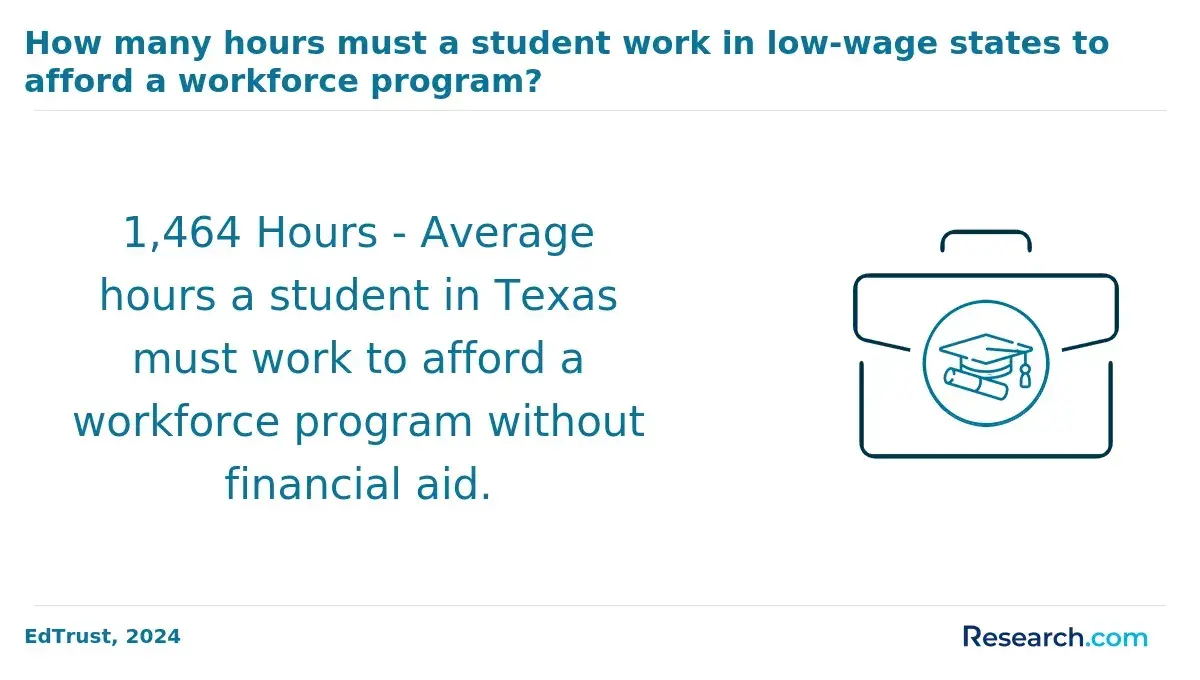
Minimum GPA requirements for online illustration master's programs act as preliminary gates rather than definitive predictors of admission success or career outcomes. Most accredited illustration master's degrees in the US expect a minimum undergraduate GPA typically between 2.75 and 3.0, but more competitive programs often seek 3.2 or higher to reflect stronger applicant pools.
Distinguishing between the minimum eligibility GPA and the competitive GPA profile is critical: meeting the eligibility GPA only grants application consideration, while the competitive GPA reveals the academic standards typically observed among admitted students. For many first-generation graduate students and career-changers, understanding this nuance helps in realistically assessing admission chances and deciding whether to invest significant resources pursuing certain programs.
- Typical Range: Most accredited online illustration master's programs commonly require a minimum undergraduate GPA between 2.75 and 3.0. However, programs with competitive applicant pools often look for 3.2 or higher to reflect stronger academic profiles.
- Eligibility vs. Competitiveness: The minimum GPA is often the floor for eligibility, meaning applicants at or above this cut-off qualify for admission review. In contrast, the competitive GPA reflects the average or median of actually admitted students, providing insight into how selective the program really is.
- Waiver Options: Several programs allow waivers or exceptions to the GPA requirement. This typically involves substituting relevant professional experience, a strong portfolio, or standardized test scores such as the GRE to demonstrate capability beyond undergraduate grades.
- Conditional Admission: Applicants with below-threshold GPA scores may still gain provisional admission based on holistic review factors. This can include commitments to additional coursework or mentorship to support academic success.
- Holistic Review: GPA is one element in a comprehensive evaluation process. Admissions committees weigh creative work, letters of recommendation, statements of purpose, and professional background heavily, recognizing that academic numbers alone don't capture a candidate's potential.
These criteria have practical implications for employability and career paths; employers value demonstrable skills and portfolios that reflect real-world application over GPA alone. Given the variation in program reputations and expectations, prospective students should also consider factors like affordability and long-term career ROI.
This approach applies equally across fields, observed similarly in other degree disciplines including construction management degrees, where admissions criteria and outcomes align with workforce needs.
What Financial Aid Options Are Available for Online Illustration Master's Students?
Financial aid for online illustration master's students involves a mix of federal lending, institutional support, employer contributions, and external funding, each carrying tradeoffs related to eligibility and debt. Unlike undergraduate programs, graduate students rarely qualify for federal grants such as Pell Grants, which often surprises those unfamiliar with graduate financial aid structures.
The FAFSA process remains critical, but graduate applicants receive a Student Aid Index assessing aid based on income and household data rather than traditional grant thresholds. Timing and strategy heavily influence access to limited scholarships and assistantships, especially given that some funding sources prioritize in-person cohorts.
- Federal Loans: Direct Unsubsidized Loans provide a base borrowing option without credit checks, while Graduate PLUS Loans require credit approval but allow for higher amounts. Interest rates are fixed; however, accumulating debt through loans must be weighed against future earning potential in the illustration field.
- Institutional Scholarships and Fellowships: Available in many programs but often competitive and less accessible to online students, these awards can significantly reduce costs if pursued early through financial aid offices' guidance.
- Employer Tuition Reimbursement: Professionals employed in creative or design-related fields should assess if their company offers tuition aid or educational leave, which can materially lower direct expenses and integrate graduate studies into work plans.
- Graduate Assistantships: Though rare in online illustration tracks, some institutions offer teaching or research roles that offset tuition and enhance experience, worth investigating even remotely to supplement income.
- External Scholarships: Associations focused on illustration and visual arts periodically sponsor grants for emerging artists, representing vital supplemental aid often linked to professional networking benefits.
Maximizing aid means applying promptly to respect limited application windows, targeting scholarships specific to illustration disciplines, engaging financial aid officers about negotiating aid packages, and checking state-level graduate aid programs where available. A deliberate, informed approach to the FAFSA and ongoing scholarship research can minimize debt and balance education costs with realistic career outcomes.
One graduate recalled applying to her online illustration master's program amid rolling admissions. Uncertain about scholarship deadlines and funding availability, she submitted her FAFSA and scholarship applications immediately after acceptance, but early submission didn't guarantee quick results. Several aid decisions took weeks, creating stress as she juggled job responsibilities and enrollment timing.
The lack of clear, upfront communication from the program about which aid applied to remote students complicated her budgeting. This experience underscored how proactive scholarship hunting and persistent follow-up with financial aid officers were essential to managing uncertainty and securing the necessary funds for completion.
How Long Does It Take to Complete an Online Illustration Master's Degree?
Completing an online illustration master's degree involves significant time commitments that vary widely based on student circumstances and program design. Full-time enrollment typically allows completion within 18 months to 2 years, whereas part-time students-who represent the majority of graduate learners balancing work or family-often require 2.5 to 4 years.
For many prospective students, especially first-generation and career-changing adults, understanding these timelines is essential for making informed decisions about education investment and career transition.
- Typical Duration: Accredited online illustration master's programs in America generally range from 18 months to 4 years, heavily influenced by enrollment status and program intensity.
- Credit Hours: Most programs demand between 30 and 45 credit hours; heavier semester course loads accelerate completion but may be unrealistic for working professionals.
- Course Load: Students balancing multiple obligations must pace themselves prudently, as sustaining heavy course loads over long periods increases burnout and attrition risk.
- Transfer Credits: Acceptance of transfer credits from prior graduate work can reduce time to degree by a semester or more, a critical consideration for those with relevant previous study.
- Program Format: Cohort-based scheduling often restricts flexibility, potentially lengthening time to completion, while self-paced programs offer adaptability, enabling quicker graduation for disciplined learners.
- Accelerated Options: Some programs claim completion in as little as 12 months; however, faster does not guarantee employer recognition, where accreditation and portfolio quality hold greater weight.
- Thesis or Capstone: Mandatory capstone or thesis projects can add one to two semesters, depending on faculty availability and student pace, often representing a significant hurdle to timely graduation.
Recent enrollment trends show that part-time program participation is steadily increasing, reflecting a workforce need for flexible graduate study formats. This dynamic underscores the importance of realistic expectations about program length for those considering online masters, particularly in fields related to creative industries where practical experience often weighs heavily in hiring.
Prospective students evaluating programs should carefully assess these temporal and structural factors alongside cost to optimize their academic and professional ROI. While exploring affordable options, it is helpful for students to compare programs alongside related fields such as mechanical engineering, which similarly balance rigorous technical demands and online delivery.
Those interested might find value in resources summarizing the mechanical engineer degree pathways to contextualize their own program choices within broader STEM and art-adjacent disciplines.
What Specializations or Concentrations Are Available in Online Illustration Master's Programs?
Choosing a specialization within online illustration master's programs is a critical decision that shapes both career trajectory and earning potential. Employers in creative industries often seek candidates with niche expertise that aligns closely with job demands, making concentrations more than academic preferences-they become strategic career levers.
For instance, a concept artist aiming for video game studios will find value in focused training on visual development tailored to entertainment sectors, distinct from the skills emphasized in advertising illustration aimed at brand imagery creation. The field offers several widely available concentrations, reflecting diverse market needs.
These include:
- Concept Art: emphasizing entertainment industry visuals;
- Children's Book Illustration: centered on storytelling for younger audiences;
- Medical and Scientific Illustration: merges art with healthcare communication;
- Graphic Novel and Sequential Art: focusing on narrative techniques for comics and storyboards;
- Advertising and Commercial Illustration: teaching persuasive marketing imagery;
- Environmental and Nature Illustration: specialized in ecological motifs;
- Digital Illustration and Animation: hones software proficiency and motion graphics; and
- Fine Art and Gallery Practices: exploring illustration as a personal artistic medium.
Some online programs adopt a flexible general track allowing elective choices, while others require early declaration of concentration, which increases the importance of informed selection. Prospective students benefit from analyzing job listings aligned with their target roles to discern which specializations hold currency in their intended labor market.
This is especially advisable for first-generation graduate students and career changers navigating complex employer expectations within top accredited illustration concentrations for online graduate programs in the USA. Consulting alumni and academic advisors enhances understanding of how specific concentrations translate into employment outcomes and salary differentiation. Given that not all concentrations carry equal market weight.
- Accrediting Bodies: National Association of Schools of Art and Design (NASAD), regional accreditors such as Middle States Commission on Higher Education or Western Association of Schools and Colleges.
- Program Structure: Combination of studio practice, theory, and professional development, often requiring a final portfolio or thesis project.
- Careers Impacted: Concentrations influence roles from editorial illustrator to concept artist, affecting earning trajectories and job stability.
For those exploring advanced illustration study options, it's useful to note unique program features such as pathways through online doctoral programs without dissertation, which reflect growing flexibility in graduate education models.
How Do Online Illustration Master's Programs Compare to On-Campus Programs in Quality and Recognition?
Hiring managers increasingly treat degrees from the same accredited institution as equal, whether earned online or on campus, provided the diploma does not explicitly state "online." This alignment is supported by survey data, including findings from SHRM and workforce research, indicating that the institution's regional accreditation serves as the primary marker of academic credibility.
However, choosing between online and on-campus formats involves real-world tradeoffs that affect student experiences and career pathways. Key considerations include:
- Accreditation: Regional accreditation ensures degrees hold the same professional weight regardless of delivery method, eliminating outdated modality biases. Verify diploma policies, as some institutions disclose the study format, which can influence employer perception in certain industries.
- Networking: On-campus programs often offer more immediate access to face-to-face networking, campus recruiting events, and organic peer collaboration, which remain difficult to fully replicate online. Online programs increasingly use virtual networking platforms and employer partnerships to bridge this gap but expect differing dynamics.
- Practicum Access: Applied illustration disciplines benefit from physical studios and direct faculty critiques. Online programs may provide hybrid residencies or local partnerships to offer hands-on experience, but scheduling and travel are additional considerations.
- Employer Perception: Most employers prioritize institutional reputation and graduate outcomes. Reviewing alumni career progress via LinkedIn can provide clearer insight than delivery mode alone.
- Program Evaluation: Focus on curriculum depth, faculty expertise, and employment metrics. Illustration master's graduates commonly report salary ranges varying widely by specialization, signaling the importance of fit over modality.
What Graduates Say About the Best Value Online Illustration Master's Degrees
- Damian: "Balancing a full-time job and family commitments made an affordable, part-time Illustration master's degree the only viable option for me. I chose this program specifically because it offered the flexibility to complete coursework remotely while building a professional portfolio that impressed my current employer. Although I faced steep competition for senior roles without further certification, the practical skills I gained helped me secure steady freelance work and a mid-level position in a boutique studio."
- Cairo: "Switching careers in my early 30s with limited savings pushed me to pursue an accredited yet cost-effective Illustration master's degree. The decision hinged on the program's strong internship connections, which were crucial to breaking into the industry despite my non-traditional background. After graduation, landing a remote internship rapidly expanded my network and portfolio, yet I've found that salary growth can be slow without acquiring additional credentials or industry-specific certifications."
- Deidre: "Juggling a demanding workload meant I had to prioritize programs that emphasized practical application over lengthy theory in Illustration. I chose this particular master's degree because it offered a condensed curriculum suited for working professionals and focus on digital mediums. While the experience boosted my technical proficiency and got me into a competitive agency role, I quickly learned that employers in this field often value demonstrated experience and portfolio diversity more than the degree alone."
Other Things You Should Know About Illustration Degrees
Graduates typically find opportunities in editorial, advertising, publishing, and digital media, though the job market is highly competitive and often favors candidates with strong portfolios and professional networks. The best online illustration programs that emphasize practical project work, client collaboration, and mentorship tend to yield higher job placement, as these elements align closely with employer expectations. Prospective students should prioritize programs offering real-world experience and connections over purely theoretical curricula, as this direct applicability strongly influences early career success and earnings potential.
Beyond tuition, students often underestimate expenses like software licenses for industry-standard design tools, high-quality hardware, or materials for physical artwork. Some programs require additional fees for portfolio reviews, proctored exams, or international shipping of art pieces, which can add significantly to overall costs. Candidates should factor these elements into their budget and ask programs for a detailed cost breakdown to avoid surprises, especially since affordable tuition alone does not guarantee a low total investment.
Aligning program specialization with your target industry niche is crucial, as illustration spans broad fields from medical to children's book illustration-each demanding distinct skill sets. Evaluate programs based on faculty expertise, alumni outcomes in your desired sector, and whether coursework includes emerging digital tools that employers currently prioritize. Where feasible, prioritize institutions with strong employer partnerships or internships to facilitate smoother transitions into employment; otherwise, you risk investing in credentials that may not translate into tangible career advancement.
References
- Is College Worth it? | Return on Investment Analysis of College Degree https://educationdata.org/college-degree-roi
- MFA in Illustration https://www.hartford.edu/academics/schools-colleges/art/academics/graduate/illustration.aspx
- 2025's Best Online Master’s in Graphic Design Programs https://www.onlinemastersdegrees.org/best-programs/graphic-design/
- Online Master in Editorial and Advertising Illustration • LABASAD https://www.labasad.com/en/master/online-master-in-editorial-and-advertising-illustration/
- Graduate Programs - AMI - Association of Medical Illustrators https://ami.org/medical-illustration/enter-the-profession/education/graduate-programs/
- Illustration MA (Online) https://www.falmouth.ac.uk/study/online/postgraduate/illustration
- How to Calculate the Return on Investment of a Design Education https://ixdf.org/literature/article/how-to-calculate-the-return-on-investment-of-a-design-education
- Types of Aid: MA in Graphic and Web Design https://www.mcad.edu/admissions-aid/financial-aid/graduate-types-aid/graphic-web-design
- Top MFA Scholarships for Your Graduate Education in Fine Arts https://careerkarma.com/blog/mfa-scholarships/