2027 Online Illustration Master's Curriculum Breakdown: Core Courses & Specializations

Co-Founder and Chief Data Scientist
The shift toward versatile, project-driven roles in creative industries places curriculum structure and specialization pathways in online illustration master's programs at the core of career adaptability and professional relevance. Employers increasingly seek candidates who balance deep technical skill with agility across media and genres, making course selection a strategic decision that affects employability and access to emerging fields like AR/VR and interactive design.
However, intense focus on niche specializations may limit flexibility in volatile markets, while rigid sequencing can delay skill integration critical to real-world assignments. This analysis evaluates how these academic designs shape workforce readiness, certification alignment, and long-term positioning.
Key Things to Know About Online Illustration Master's Curriculum
- Core courses often balance traditional techniques with digital media, but this tradeoff forces students to prioritize depth over breadth, impacting portfolio coherence and market differentiation.
- Employers increasingly value specialization in niche areas like character design or UX illustration, reflecting a workforce trend favoring targeted expertise over generalist skills.
- Extended program duration and credit requirements substantially affect working professionals' accessibility, with many delaying graduation due to balancing costs against potential career pivot timing.
What Core Courses Are Included in an Online Illustration Master's Program?
A program's core curriculum in an online illustration master's degree serves as a structural benchmark for how it equips students to meet rigorous professional standards beyond foundational artistry. The curricular design often reflects a deliberate balance between technical skill acquisition and conceptual fluency, where sequencing challenges and workload intensity mirror real-world project demands.
This balance is crucial since employers increasingly expect graduates not only to demonstrate creative proficiency but also to apply illustration within diverse commercial, editorial, and technological contexts.
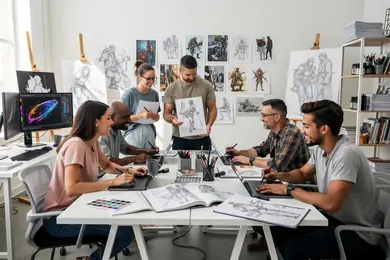
- Advanced Drawing and Anatomy: This course refines essential observational and rendering skills with a focus on accurate figure drawing and anatomical understanding. Such proficiency underpins detailed representational work and prepares students for specialization areas like medical or character illustration by ensuring rigorous visual accuracy.
- Digital Illustration Techniques: Covering industry-standard tools-often Adobe Creative Suite-this course addresses technical competency in digital workflows. Given that a recent Graphic Artists Guild survey highlights 78% of employers value digital media skills as critical, this foundational course directly enhances employability and cross-sector adaptability.
- Color Theory and Visual Narrative: Exploring episodic and thematic approaches to storytelling, this class teaches students to manipulate color and composition to build cohesive narratives. Its inclusion supports graduates aiming to work in editorial or advertising fields where visual communication must be compelling and conceptually driven.
- Professional Practices and Portfolio Development: Focused on client relations, licensing issues, and self-promotion strategies, this component bridges studio work with marketplace realities. Mastery here is vital for freelancers or illustrators entering competitive environments, as it cultivates business acumen alongside creative output.
- Critical Visual Culture Studies: This course situates illustration within broader art history and contemporary visual dialogues, encouraging analytical thinking about trends and cultural impact. Understanding these frameworks helps students develop distinct styles informed by current discourse, supporting long-term career differentiation.
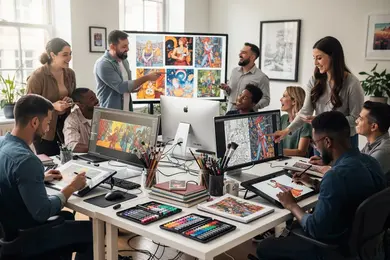
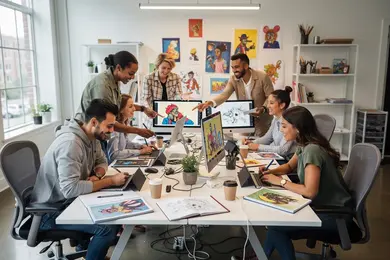
- Collaborative and Interdisciplinary Projects: Many programs incorporate group work or seminars that mimic studio settings, fostering teamwork, communication, and project management skills. These experiences reflect professional environments where illustrators often interface with designers, writers, and marketers.
Such a core is essential not only to build a versatile foundational skill set but also to enable students to pursue targeted electives for deepening specialization. As students balance these core demands, those interested in accelerated pathways should assess how curriculum intensity aligns with their professional and personal capacities, especially when considering rigorous one-year programs like those highlighted among the best one year online masters programs.
The design of the online master's illustration core curriculum signals how well a program prepares candidates to meet employer expectations through a synthesis of creativity, technology, and professionalism.
What Specializations Are Available in Online Illustration Master's Programs?
Choosing a specialization in an online illustration master's program is a strategic decision that significantly impacts employability and career trajectory. Given the competitive nature of creative industries, selecting a focus with clear industry demand and aligned skill requirements can reduce job market uncertainty but may also narrow professional flexibility or increase the technical rigor of coursework.
- Editorial Illustration prioritizes visual storytelling tailored for journalism and publishing contexts. It cultivates skills in rapid conceptual development and adapting artwork for magazines, newspapers, and digital outlets. Employers in this sector expect portfolios demonstrating strong narrative clarity and dependable turnaround under deadlines.
- Character Design and Animation specializations integrate artistry with software proficiency, supporting transitions into game development or film production. These paths often incorporate interdisciplinary practicums replicating industry workflows but demand familiarity with complex animation tools, representing a technical barrier for some career changers.
- Medical Illustration blends art with scientific precision, requiring foundational knowledge in anatomy or biology. Programs emphasize clinical practicums and may prepare graduates for roles in healthcare communication, research visualization, or education. The specialization carries added certification requirements, reflecting the stricter regulatory environment in medical fields.
- Children's Book Illustration focuses on narrative coherence and emotional resonance for young readers. It combines traditional and digital techniques with publishing internships to develop market-ready portfolios and industry insights, responding to evolving digital media landscapes.
A 2024 Creative Arts Council workforce study found that 47% of art-related master's graduates choose specializations primarily based on employability rather than personal interest. This pragmatic trend underscores the necessity for students to evaluate specialization options not just by creative appeal but by their alignment with labor market realities, skill applicability, and potential professional pathways.
Can Students Choose Electives Outside Their Specialization?
Elective selection within online Illustration master's programs is often tightly governed by curriculum design and institutional policies that prioritize foundational skill development and specialization depth. Students typically face limits on how many credits can be allocated to courses outside their declared area, with prerequisite sequences and advisor approvals further shaping available options.
Seat availability and cohort pacing can restrict the ability to enroll in electives beyond core tracks, as programs seek to maintain a coherent academic progression and prevent undue delays in graduation. According to data from the National Association of Graduate Illustration Programs (2024), about 67% of accredited programs permit some elective choices beyond the primary concentration, yet often within carefully controlled boundaries that balance breadth and rigor.
Choosing electives outside a specialization presents tangible tradeoffs regarding both skill acquisition and labor market preparation. While branching into complementary topics can enrich a portfolio and appeal to employers valuing multidisciplinary versatility-such as studios blending animation, editorial work, and interactive media-too broad a course load risks diluting expertise critical for roles demanding technical mastery.
Additionally, crossing specialization lines may extend program length or increase workload, potentially conflicting with professional obligations for working students. Employers in focused illustration niches generally prioritize candidates demonstrating advanced proficiency rather than generalized backgrounds, which means thoughtful alignment between elective decisions and career goals is essential to avoid weakening employability advantages.
One student navigating an online Illustration program described the elective dilemma during a rolling admissions cycle: initially hesitant about committing without clear elective options, they delayed application until after advisor consultations clarified which outside courses fit their schedule.
This cautious approach compressed the time available for application preparation but ultimately allowed more confident course selection aligned with their emerging interest in digital media, illustrating how timing and program policies intricately influence both admissions strategy and curricular flexibility.
How Are Online Illustration Master's Courses Delivered?
Online illustration master's degree delivery methods primarily combine asynchronous elements like recorded lectures and independent projects with scheduled synchronous video critiques and collaborative workshops. These program formats balance self-paced work-allowing students to engage deeply with artistic practice on their own schedules-with live interaction essential for real-time feedback and skill refinement. According to a 2024 report by the National Center for Education Statistics, 68% of graduate students in creative fields opt for hybrid delivery models that interlace recorded content with live sessions to maximize both flexibility and engagement.
This design reflects industry expectations, where demonstrating iterative studio work alongside responsive critique is critical for artistic growth.
The virtual illustration master's program formats impose significant demands on learners' time management and motivation, particularly for working professionals and career changers navigating busy lives. Consistency in participation affects the development of portfolio-ready outputs and collaborative competencies, as interaction with faculty and peers cannot be fully replicated through asynchronous work alone.
Students who rely solely on recorded materials often encounter slower progress or diminished skill application, underscoring the importance of synchronous components despite their scheduling challenges.
These delivery structures necessitate a tradeoff between flexibility and immersive engagement, influencing how students pace their learning and sustain momentum through complex projects. Programs integrating digital portfolios, real-time virtual critiques, and specialized technology training better align with employer expectations around remote collaboration and digital presentation skills.
Prospective students should weigh these factors carefully, especially when comparing more self-directed pathways to programs emphasizing live interaction, as the chosen format materially impacts practical readiness and successful completion outcomes. For those exploring foundational options before committing fully, consulting resources like quickest associates degree programs may offer relevant context on balancing educational commitments.
Which Core Classes Are Considered the Most Challenging?
Core courses in online illustration master's programs that present the greatest challenges tend to demand both advanced technical skill and nuanced conceptual understanding. Classes such as advanced figure drawing require intense spatial reasoning and deep anatomical knowledge, combining precision with rapid skill acquisition.
Visual storytelling poses high cognitive load by requiring seamless integration of narrative techniques with artistic execution under tight deadlines. According to a 2024 survey by the National Association of Graduate Illustrators, nearly two-thirds of students rank these foundational courses as the toughest, reflecting their alignment with professional expectations for mastery in anatomy and communication.
The difficulty of these courses has direct consequences for students' academic progression and career orientation. For working professionals juggling employment, the volume of practice and critique cycles in such courses can create real scheduling and focus conflicts, potentially delaying specialization or graduation milestones. Employers in key sectors like gaming and publishing often view mastery in these areas as essential, so students unable to meet these rigors may find their practical readiness and credential value diminished.
For example, a student balancing a full-time job might struggle to keep pace with visual storytelling assignments, impacting portfolio development and subsequent internship or job opportunities.
One online illustration master's student described feeling caught in a race against the rolling admissions timeline. They hesitated to submit their application until completing prerequisite sketchwork portfolios, but delays caused uncertainty about acceptance timing.
This student faced added pressure to begin core courses like advanced figure drawing promptly, knowing the intense demands ahead, and worried missing early deadlines could hinder progression. The interplay of preparation, application strategy, and course difficulty highlighted the practical challenge of aligning personal readiness with program expectations in a nontraditional learning context.
Do Online Illustration Master's Programs Require Internships or Practicums?
Internships and practicums in online illustration master's programs are not uniformly required, reflecting significant variability tied to program design and intended professional outcomes. Programs targeting students aiming for commercial illustration or publishing careers often mandate practical engagements to ensure applied experience aligns with employer expectations.
Alternatively, many curricula integrate internships as optional or recommended components, focusing instead on studio practice, portfolio development, and theoretical coursework. Virtual mentorships and simulated projects are common substitutes for physical placements, acknowledging the logistical challenges of remote experiential learning.
According to a 2024 survey by the National Center for Education Statistics, about 42% of illustration master's programs require a formal experiential component, substantially lower than more general creative arts fields. Evaluating illustration master's degree internship requirements within this context reveals an intentional balance between skill mastery and practical exposure tailored to diverse student goals.
The presence or absence of mandatory internships directly affects factors crucial to working professionals and career changers, including scheduling flexibility, time-to-degree, and access to industry networks. Required practicums can extend program duration and demand geographic or time commitments that conflict with employment, whereas optional experiential elements allow for accelerated or more adaptable study paths. However, programs lacking compulsory internships might limit direct industry immersion, potentially affecting workplace readiness and early-career networking opportunities.
For many students, weighing these tradeoffs hinges on how much practical exposure they need versus how much flexibility their circumstances allow. Prospective learners can also explore related fields via resources on online masters in communication to complement their illustration studies and broaden career options.
Which Courses Are Required for Professional Certification Exams?
Universities offering online master's programs in illustration increasingly tailor their required courses to align directly with professional certification exam competencies, ensuring graduates meet core eligibility standards. This alignment involves mapping specific coursework-such as advanced drawing, color theory, narrative techniques, and proficiency with industry-standard digital tools-against the domains emphasized by certification bodies.
Accreditation frameworks and industry expectations guide curriculum design to prioritize essential skills, including anatomy and figure drawing, while integrating portfolio development and intellectual property fundamentals that reflect real-world professional criteria. According to a 2024 report by the National Association of Schools of Art and Design, nearly 80% of accredited programs have adapted their curricula to better mirror these certification requirements, resulting in improved exam outcomes for students.
Choices regarding which courses to complete can significantly affect a student's timeline and success in attaining certification, as missing key subjects often delays eligibility or necessitates supplementary study outside the program. For example, a student branching into medical illustration must include biology and precise technical courses alongside typical foundation classes to qualify for specialized certification, illustrating how curricular gaps may restrict career mobility in niche fields.
Additionally, the limited availability of explicit test preparation modules within less than 40% of programs means learners must balance self-directed exam readiness with curricular demands. These structural tradeoffs illustrate that careful course selection-integrating both foundational and specialized components-is vital to maintain alignment with professional standards and ensure readiness for roles that require formal certification validation.
Do Specialization Requirements Extend Graduation Timelines?
Specialization requirements within online Illustration master's programs often depend on how the curriculum integrates core and advanced courses. Some programs embed specialization courses into the standard credit load, enabling students to graduate within typical timelines if pacing is carefully managed.
However, many curricula extend program length by adding prerequisite chains and mandatory credit thresholds unique to each specialization, such as editorial illustration or animation. These sequence rules require students to complete foundational classes before progressing, which constrains flexibility and may delay completion if courses are offered infrequently or in specific terms.
Real-world implications of specialization choices include scheduling bottlenecks and limited elective substitutions that can prolong degree completion. For example, a student pursuing a graphic novel development track may face a semester without available required courses, forcing a delay that also impacts internship or capstone project timing.
According to a 2024 study by the National Center for Education Statistics, specialization tracks in creative master's programs can increase time-to-degree by 15-20%, reflecting additional coursework and project demands. For working professionals balancing employment and study, these delays affect financial planning and labor market re-entry, making early, detailed review of specialization sequencing critical to avoid unintended extensions in time to graduation and to align academic progression with career goals.
How Do Illustration Specializations Affect Career Opportunities?
Specialization within an online illustration master's program functions as a key market signal that employers interpret when assessing job candidates. Recruiters closely examine coursework focus, applied projects, and demonstrated technical competencies to gauge how well an applicant aligns with niche demands in fields like medical or editorial illustration.
These specialized skills communicate not only proficiency but also an understanding of industry-specific tools and client expectations, which many employers prioritize. According to a 2024 report from the National Association of Schools of Art and Design, candidates with focused illustration specialization are 40% more likely to secure relevant roles within six months after graduation, underscoring the market value of targeted expertise for job targeting and interview success.
The practical effects of specializing often introduce tradeoffs in career flexibility versus depth. Narrow specializations may limit entry-level role eligibility to specific sectors, restricting geographic mobility or ability to pivot between industries. For instance, a graduate focused on children's book illustration develops narrative-driven visual storytelling skills that may not translate directly to advertising or technical illustration roles, affecting cross-industry transition prospects.
Conversely, broader illustration concentrations tend to offer wider eligibility but might dilute technical mastery, potentially impacting growth into senior roles or competitive salaries. Working professionals and career changers must therefore weigh how a particular specialization aligns with their existing skills and long-term career strategy, similar to decisions faced in fields such as computer science, where selecting the right focus within a computer science degree online program affects employability and industry fit.
How Should Students Compare Online Illustration Master's Curriculum?
Comparing online illustration master's curricula requires evaluating structural tradeoffs rather than simple preferences. Curriculum design influences job readiness, workload balance, and time-to-completion, directly shaping how effectively a program serves students' career goals.
Students must focus on curricular elements that impact both skill acquisition and practical applicability within the creative workforce.
- Core Course Composition and Sequence: Examine which foundational skills are prioritized and how courses build on each other. A carefully sequenced curriculum accelerates competency development crucial for meeting industry standards efficiently.
- Specialization Depth: Assess whether programs offer targeted tracks like concept art or animation, allowing students to develop niche expertise aligned with evolving market demands. Graduates of specialized art programs had a 15% higher job placement rate in relevant fields, according to recent education statistics.
- Elective Flexibility: Consider the availability of interdisciplinary or cross-media electives that broaden creative approaches and enhance adaptability, a valued trait among employers.
- Delivery Format Structure: The balance between synchronous and asynchronous content affects pacing and feasibility, especially for working professionals balancing multiple commitments.
- Internship and Portfolio Integration: Programs embedding practical experiences through internships, client projects, or portfolio development provide critical real-world application valued in hiring decisions.
- Certification Alignment: Some curriculums integrate certification preparation that can enhance professional credentials, streamlining academic progression and readiness.
- Progression and Pacing: Analyze how course sequencing and credit requirements affect program length, enabling students to plan based on personal and professional time constraints.
Students evaluating key factors in choosing online illustration master's programs for academic progression and certification readiness should recognize these elements distinctly inform employability and long-term career alignment. For learners exploring comparable pathways, understanding how these curricular variables shape outcomes ensures investment in education that matches their professional ambitions.
Those interested in comprehensive degree options may also explore related fields such as a bachelor of project management online to supplement complementary skills, broadening occupational flexibility.
What Graduates Say About Online Illustration Master's Curriculum
- Damian: "After completing the core courses in illustration, I realized that employers in the creative industry value diverse portfolios and real-world projects more than any formal credential. The flexibility of the online specialization allowed me to intern remotely with a design studio, which eventually led to my first full-time role. Navigating the job market, I found that practical experience trumped licensure, but the challenge was always in showcasing work that stood out."
- Cairo: "Opting for the online illustration master's specialization was a career pivot for me, and I have no regrets. While the coursework was demanding, it gave me an edge in understanding digital workflows, which many employers now prefer. However, I learned quickly that salary growth can be limited without traditional licensure, so I'm strategically targeting freelance gigs and remote roles to expand my opportunities."
- Deidre: "The program gave me essential skills, but I approached the hiring realities cautiously. Many companies emphasize internships and real client projects over formal degrees, so I made sure to supplement my studies with freelance assignments. The part-time online format also helped me balance work and study, enabling a faster transition into the workforce than a conventional route would allow."
Other Things You Should Know About Illustration Degrees
Online illustration master's programs typically allocate a significant portion of credit hours to core courses, building foundational skills before moving into specialized tracks. This structure can create a workload peak midway through the program when students must juggle intensive core assignments alongside emerging specialization projects. Prioritizing specializations early might accelerate expertise in niche areas but risks underdeveloped fundamentals, which employers often expect. Prospective students should assess whether their background supports handling strong core demands or if a program offering more flexibility between core and specialization would better match their learning style and career timeline.
Many online illustration programs emphasize remote critique, peer reviews, and virtual studio collaborations, but these often lack the immediacy and dynamic interaction found in face-to-face settings. This can affect developing soft skills such as spontaneous feedback reception and teamwork under pressure-qualities highly valued by employers. Students aiming for roles in fast-paced studios should evaluate how well a program replicates collaborative intensity or consider supplementing their learning with in-person workshops or industry networking to strengthen these competencies.
Students focused on immediate employability might lean toward high-demand specializations like digital or concept illustration, aligning coursework with clear job market signals. However, selecting a specialization strictly by trends can risk obsolescence as creative fields evolve. For lasting career satisfaction and resilience, a blended approach is recommended: build robust core skills that enable adaptation while pursuing specialization paths that genuinely reflect individual creative passion and projected personal growth within the industry.
References
- Using your degree in illustration: Professional options https://www.cca.edu/newsroom/illustration-degree-career-pathways/
- Illustrator Certification Online with Software & Adobe Exam https://www.graduateschool.edu/certificates/illustrator-certification-program
- Top Online Illustration Master’s Degree Programs - 2019 | Animation Career Review https://www.animationcareerreview.com/articles/top-online-illustration-masters-degree-programs-2019
- Should you do an (online, part time) MA in Illustration? https://ottiliastephens.com/2019/11/28/should-you-do-an-online-part-time-ma-in-illustration/amp/
- Online Master in Editorial and Advertising Illustration • LABASAD https://www.labasad.com/en/master/online-master-in-editorial-and-advertising-illustration/
- Education - AMI - Association of Medical Illustrators https://ami.org/medical-illustration/enter-the-profession/education/
- Illustrator Certification Courses and Classes https://www.agitraining.com/adobe/illustrator/classes/illustrator-certification-training-courses
- MA Illustration (Online) https://aub.ac.uk/graduate-courses/ma-illustration-online
- Illustration Master's degrees https://universitycompare.com/courses/degrees/masters/illustration
- Online specialization course - Specialization in Mixed Media Illustration Techniques (Domestika) https://www.domestika.org/en/courses/5822-specialization-in-mixed-media-illustration-techniques