2027 Best Online MSN Programs for Non-Bedside Nursing Careers

Co-Founder and Chief Data Scientist
Balancing a demanding healthcare role with advancing one's education challenges many nurses aiming to move beyond bedside positions. The shift toward remote and administrative nursing careers requires flexible yet rigorous programs, as rigid schedules and in-person requirements often exclude working professionals. Recent data from the National Center for Education Statistics reveals a 35% enrollment rise in fully online graduate nursing programs since 2022, signaling growing demand for adaptable study formats that accommodate career and family obligations. This trend underscores the necessity for prospective MSN students to carefully vet programs based on accessibility, support, and specialization relevance. This article evaluates the best online msn programs tailored for non-bedside careers, guiding readers to informed choices that balance flexibility with career advancement potential.
Key Things You Should Know
- MSN non-bedside tracks average 20% longer completion times than clinical-focused pathways due to specialized practicum placements, demanding extended employer leave or part-time enrollment, impacting earnings continuity, per 2024 NCES data.
- Employers increasingly prioritize MSN graduates with informatics or leadership concentrations, driving a 15% wage premium on roles involving healthcare data integration or management, as reported by the Bureau of Labor Statistics in 2024.
- Programs with asynchronous curricula reduce geographical barriers but often limit synchronous clinical simulations, forcing candidates to negotiate local clinical site access independently, reducing program scalability and increasing upfront logistical costs.
What are the best online MSN programs for nurses pursuing non-bedside careers?
Non-bedside nursing pathways demand online MSN programs tailored for roles where clinical insight meets systems leadership without direct patient care. The best online msn programs for non-bedside nursing careers emphasize tracks in nursing administration, informatics, education, and policy, reflecting the 38% attrition in bedside roles reported by the American Nurses Foundation's National Nursing Workforce Survey 2024.
Top accredited online msn programs for nursing professionals prioritize flexibility and employer-relevant credentials. Administrators must navigate healthcare team management and budget oversight in strained systems, while informatics tracks demand proficiency in electronic health records and data analytics to reduce clinical burden. Educator pathways focus on curriculum design critical for replenishing the nursing workforce through effective training.
Choosing a program involves key tradeoffs: clinical hour requirements versus fully online content, internship access for management roles, and linkage to health IT employers for informatics careers. Educator tracks with academic practicum placements improve employment readiness.
Imagine a nurse moving to public health quality improvement. An informatics-focused program combining project management and data analytics can accelerate job impact and career resilience. Decision factors like program cost, accreditation status, and duration directly affect hiring prospects in non-bedside fields, where credentials plus practical experience matter most.
For nurses exploring specialized options, including mental health advancement, online Psych NP programs offer important clinical and leadership integration complementary to MSN pathways.
Which non-bedside roles can an MSN qualify nurses for, and what do they involve?
Non-bedside nursing roles for msn graduates extend well beyond clinical care, demanding distinct competencies linked to organizational influence and policy impact. For instance, medical and health services management requires practitioners to oversee budgets and staff workflows with strong business acumen, reflected in a median salary of $117,960-well above registered nurse figures. This gap illustrates the operational responsibility and strategic decision-making involved.
Career options with an online msn degree often include clinical informatics, where nursing expertise merges with data analytics to optimize electronic health records and patient outcomes. These roles presuppose proficiency in healthcare IT and change management in complex environments such as hospitals or insurers. Nurse educators also factor heavily into this landscape, requiring a balance of pedagogical skill and clinical knowledge to support both classroom and clinical instruction, usually within academia or healthcare organizations.
Health policy analysts working with nursing practice and population health policies illustrate a different vector, emphasizing policy literacy, analytical rigor, and collaboration with government or advocacy bodies. These non-bedside tracks demand additional targeted skills, such as financial management for health services managers, often missing from bedside clinical training. Candidates must therefore navigate certification and leadership prerequisites alongside their education.
Evaluating these pathways pragmatically, prospective students should weigh the required competencies and workforce expectations. For a comprehensive assessment of educational options, see a curated list of online nursing degree programs suited for navigating these demands.
How do online MSN programs prepare nurses specifically for non-clinical, non-bedside work?
Online MSN programs tailored for non-clinical nursing roles equip nurses with expertise that extends beyond bedside care, focusing on healthcare administration, informatics, policy, and education. These pathways prepare candidates to assume leadership roles where strategic decision-making and data analysis replace traditional clinical tasks. For example, a nurse targeting healthcare informatics might concentrate on electronic health record optimization and interoperability, essential for overseeing hospital IT projects devoid of direct patient contact. This shift to non-bedside roles demands a solid grasp of communication, project management, and regulatory compliance, which employers consistently prioritize.
Distinct from purely clinical tracks, these programs reduce or eliminate clinical residency requirements, enabling working professionals to pursue education alongside employment more feasibly. However, the lack of in-person mentorship often requires a high level of self-motivation and disciplined time management to develop nuanced soft skills necessary for effective healthcare leadership. Career pivots in this area also call for understanding reimbursement models, legal frameworks, and evidence-based guidelines that underpin quality assurance and staff training initiatives.
The 40.1% projected job growth for nurse practitioners through 2034 reflects robust demand for MSN graduates with combined clinical foundations and advanced administrative capabilities. Candidates weighing such programs might also explore quick degree completions like the RN to BSN in 3 months option to expedite early career moves.
Employers view online MSN programs for non-clinical nursing roles as increasingly valuable, recognizing graduates' ability to navigate complex healthcare systems, policy reform, and data-driven operational improvements without direct bedside involvement.
What accreditation and nursing standards should online MSN programs for non-bedside roles meet?
Employers hiring for advanced non-bedside nursing roles prioritize graduates from online msn programs accredited by the Commission on Collegiate Nursing Education (CCNE) or the Accreditation Commission for Education in Nursing (ACEN). These accreditations confirm that programs meet rigorous national quality standards essential for roles in nursing administration, informatics, or education. Graduates from unaccredited programs often face diminished employability and struggle to demonstrate leadership or clinical judgment outside direct patient care.
Aligned nursing standards for non-bedside msn careers demand curricula conform to the American Nurses Association (ANA) Nursing Scope and Standards of Practice. This ensures graduates possess skills for systems-based improvements, policy advocacy, and interdisciplinary collaboration. For example, employers value measurable outcomes such as leadership in quality improvement projects, often cultivated through practicums or capstone experiences emphasizing non-clinical competencies.
Admission criteria typically require existing RN licensure combined with foundational clinical experience, reinforcing the need for a clinical grounding despite the non-bedside focus. Notably, median earnings for RN-to-msn graduates, such as those from the University of San Francisco, reach $158,515 four years post-graduation. Such data highlight economic benefits tied to accredited and standards-compliant programs targeting specialized nursing sectors.
Prospective students should carefully verify program accreditation and alignment to avoid investing in credentials that fail employer recognition, thereby impeding career pivots or advancement. For those comparing pathways, exploring the shortest PMHNP program may also provide strategic alternatives with focused market demand.
How does an online MSN compare to campus-based MSN for non-bedside nursing careers?
Online msn programs deliver comparable workforce outcomes to campus-based options for non-bedside roles, as evidenced by a 2026 OnlineU analysis showing a median graduate salary of $125,796 and graduation rates up to 94%. These programs cater well to nurses targeting leadership, informatics, or education roles, where demonstrated experience can offset traditional preferences for in-person credentials. Flexibility is a defining advantage, particularly for professionals balancing work and study without pausing their careers.
However, the lack of in-person networking and hands-on clinical simulation in online msns can impede preparation for specialties needing direct patient care skills, such as nurse anesthesia or midwifery. For administrative or informatics tracks, this limitation is less relevant. Employers in executive hospital roles may still favor campus degrees, so supplementing an online msn with certifications and leadership experience can be strategic.
Key considerations for prospective students include:
- Verifying program accreditation and state licensure approval to ensure credential validity.
- Assessing personal discipline for self-directed study amid work demands.
- Anticipating that some employers may weigh campus experience more heavily.
Choosing between online and campus msns hinges on balancing career goals, flexibility, and networking needs rather than inherent quality differences between delivery modes.
What are typical admission requirements for online MSN programs focused on non-bedside paths?
Pursuing an online msn program focused on non-bedside careers requires balancing academic prerequisites with clear professional goals in leadership, education, or informatics. Most programs demand a bachelor's degree-often in nursing but sometimes in related fields with prerequisite coursework-and current, unencumbered RN licensure. This licensure is frequently a gating factor, especially for candidates transitioning from non-nursing backgrounds, as it underpins clinical credibility even in administrative or policy roles.
Admission standards include a minimum GPA around 3.0, supported by letters of recommendation that validate a candidate's capacity for advanced nursing responsibilities. While some schools require GRE scores, this is increasingly waived when applicants demonstrate substantial professional experience. Additionally, clear career objectives aligned with non-bedside roles help differentiate candidates in competitive cohorts.
Practical considerations include programs that integrate bridge coursework to minimize the need for extensive prerequisites-critical for working professionals managing education alongside job demands. Background checks and relevant certifications might be required for clinical simulations or practicums embedded in certain curricula, reflecting real-world compliance standards.
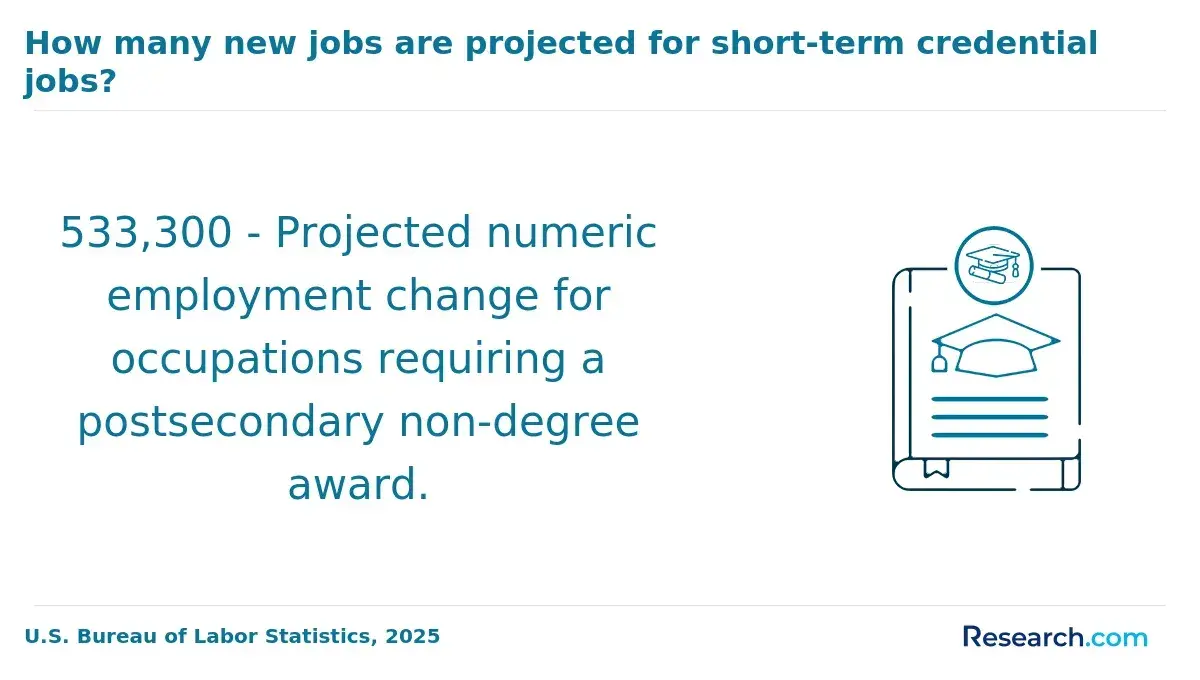
From a workforce perspective, graduates of these programs typically face manageable debt, around $12,975 median, against a median 10-year earning potential exceeding $100,000, per NursePractitionerOnline's 2026 data. This tradeoff highlights the economic value of targeted msn tracks, though students should carefully weigh the upfront time and credentialing investment against anticipated roles that emphasize leadership, informatics, or policy impact rather than bedside care.
How long do online MSN programs for non-bedside careers take, and what do they cost?
Non-bedside MSN programs designed for leadership, informatics, education, or administration typically bypass traditional clinical hours but extend the academic demands through intensive coursework and practicums focused on non-clinical competencies. Full-time completion usually ranges from 18 to 24 months; however, part-time study can extend to three or more years, complicating time and financial planning.
Tuition expenses for these programs often reach premium levels, with rates near $2,075 per credit hour and semester costs around $14,525 for full-time enrollment. Overall, a 36 to 45 credit-hour program can cost from $70,000 to over $90,000. This pricing reflects the market's valuation of specialized skills crucial for executive or tech-oriented nursing roles but demands careful consideration against potential salary gains and career trajectories.
Students balancing work and study must scrutinize tuition billing structures. Semester-based charges mean part-time students may pay amounts comparable to full-time students completing faster, limiting financial flexibility when spreading out credits over additional semesters.
Employers increasingly seek MSN graduates who meld clinical understanding with business or technological acumen. For example, a nurse informaticist transitioning from bedside care must factor in the opportunity cost of extended study against the likely salary premium and career pivot. In such cases, prioritizing programs emphasizing practical informatics skills without clinical requirements can accelerate entry into emerging roles, though at a higher upfront cost.
What core courses and specializations do online MSN programs offer for non-bedside careers?
Non-bedside MSN programs concentrate on leadership, policy, informatics, and education skills rather than direct patient care, producing professionals equipped to manage complex health organizations and influence system-level decisions. Core coursework typically spans health care ethics, advanced pharmacology, nursing leadership, quality improvement, and epidemiology, emphasizing operational competence over clinical practice.
Specializations guide distinct career paths with practical demands: nurse educators develop and manage clinical training programs utilizing adult learning theory to meet accreditation standards and improve retention; nursing informatics specialists enhance electronic health record systems to reduce documentation time, increasing hospital efficiency; nurse administrators oversee budgeting, staffing, and compliance, balancing financial and regulatory pressures.
These tracks carry different market realities. For example, nurse practitioners with an msn can earn median salaries around $129,210, substantially higher than nursing instructors at $79,940 or registered nurses at $93,600, reflecting the field's hierarchy and specialized skill premiums. Decision-making on specialization should weigh duties, institutional expectations, and long-term employability rather than presumed status.
Students often underestimate the adjustment from bedside care to these roles, which require strong administrative, instructional, or technical skills rather than clinical acumen. Graduates must be prepared for fluctuating workforce demands and evolving health care regulations that shift role definitions and competencies.
What salaries and long-term career prospects can MSN-trained non-bedside nurses expect?
Non-bedside nursing careers with an MSN offer a wage spectrum primarily shaped by specialization and location. Salaries range roughly from $85,000 to over $140,000, with nurse educators, healthcare administrators, informatics nurses, and clinical researchers often positioned near the higher end. These roles depend less on direct patient care and more on leadership, data fluency, or academic rigor, which alters both daily responsibilities and skill requirements.
For example, nurse informaticists embedded in large hospital systems or tech-focused care coordination entities usually earn between $90,000 and $125,000, reflecting their hybrid clinical-technical scope. Health policy analysts or nurse administrators, frequently employed by government agencies or private firms, see median salaries around $110,000, often supplemented by bonuses tied to leadership outcomes. Meanwhile, academic-affiliated clinical research nurses or educators start near $85,000 but face income volatility due to grant dependency.
Demand factors include a projected shortage exceeding 45,000 physicians by 2034, increasing reliance on MSN-prepared nurses in strategic, administrative, and research capacities. This trend supports steady salary growth but requires candidates to maintain evolving certifications and blend clinical insight with analytics or regulatory skills. Geographic mobility introduces a 10-20% salary variation, though it involves balancing higher earnings against urban living costs.
Key tradeoffs for MSN applicants involve reduced hands-on care complemented by expanded influence in decision-making arenas, alongside greater expectations in communication and project management. Practical career advancement hinges on continuous education and interdisciplinary networking amid increasing competition.
How can nurses evaluate and choose a reputable online MSN for non-bedside careers?
Selecting an online MSN program demands prioritizing concrete career outcomes over institutional prestige alone. Nurses targeting specialized non-bedside roles-such as nurse informatics, administration, or education-must evaluate programs based on alignment with their intended career path and employer demand. For instance, a nurse pursuing health informatics should confirm the program offers certified informatics coursework and meaningful healthcare IT partnerships, as these factors directly impact job readiness and hiring potential.
The scale of a program's graduates can influence networking opportunities and employer reputation. OnlineU's 2026 ranking reveals a top online MSN program graduating 993 students recently, indicating substantial market demand and industry acceptance for flexible advanced practice education tailored to non-clinical roles. More graduates often translate to larger alumni networks and stronger employer connections, which are critical in competitive job markets.
Key evaluation criteria include accreditation from recognized bodies and specialty-specific licensure or certification success rates. Transparent graduate employment data is especially valuable for assessing return on investment. Working nurses should also weigh program flexibility and student support services, as these significantly affect completion rates and career momentum.
A practical strategy is to create a comparison matrix featuring program duration, clinical or project requirements, technology platforms, and alumni placement statistics. Favor programs whose graduates report career progression within a year, and be wary of outdated curricula or weak employer ties that diminish relevance to current non-bedside nursing demands.
Other Things You Should Know About MSN
Yes, many online MSN programs for non-bedside nursing careers are designed with flexible schedules to accommodate full-time work commitments. These programs often offer asynchronous classes, allowing students to access course materials and lectures at their convenience, making it feasible to balance work and study.
Even non-bedside MSN specializations often require some form of clinical or practical hours, such as leadership practicums or informatics projects, to meet accreditation standards. These are usually arranged locally, but they add complexity for students working remotely or out of state. Confirming the flexibility and location of these practical requirements is critical to prevent unplanned travel or scheduling conflicts. Programs with virtual simulations or alternative experiences tend to be more manageable.
Employers increasingly accept online MSN degrees if the program has proper regional accreditation and is recognized in nursing circles. However, some leading institutions and higher-level administration roles may still prefer candidates with traditional campus experience. For nurses targeting policy, education, or informatics roles, program reputation and demonstrable skills outweigh the delivery method. Prioritize programs with strong alumni networks and employer partnerships to offset any online program skepticism.
An online MSN can prepare graduates for certifications such as Nurse Executive, Nurse Educator, and Informatics Nursing through bodies like the American Nurses Credentialing Center. Some tracks also align with specialty credentials in public health, leadership, or care coordination, depending on the curriculum and practicum requirements.
References
- How Do Online BSN Degree Programs Work? https://www.allnursingschools.com/msn/online-or-on-campus/
- 9 Non-Bedside Nursing Careers for BSN Graduates | West Coast University https://westcoastuniversity.edu/blog/9-non-bedside-nursing-careers-you-can-pursue-with-a-bsn
- Top Non-Bedside Nursing Jobs: 20 to Consider - UMSV ABSN https://absn.mountsaintvincent.edu/blog/alternative-nursing-careers/
- 14 Great Non-Bedside Nursing Jobs https://credenzahealth.com/career-advice/13-great-non-bedside-nursing-jobs
- Sign Up for the Journal of Nursing. https://www.asrn.org/journal-nursing/3379-online-msn-programs-without-clinicals.html
- Direct Entry MSN Programs Guide | Betternurse.org https://betternurse.org/direct-entry-msn-programs-guide/
- Online MSN Program https://www.chamberlain.edu/academics/nursing-school/master-of-science-in-nursing
- Direct-Entry Master’s in Nursing (MSN) Programs https://nursinglicensemap.com/nursing-degrees/masters-in-nursing/direct-entry-programs/
- MSN Program Requirements Explained: Your Guide to Choosing the Right Path – FRESHRN https://www.freshrn.com/msn-program-requirements/
- The Complete Guide to MSN Programs: Online, Campus, and Hybrid https://www.onlinefnpprograms.com/guides/guide-to-msn-programs/