2027 RN to BSN Care Coordination Courses You'll Likely Take

Co-Founder and Chief Data Scientist
Registered nurses advancing their careers through RN to BSN programs often face the challenge of selecting care coordination courses that align with both evolving workplace demands and tight schedules. With the National Center for Education Statistics reporting a 14% growth in online nursing enrollments since 2023, the flexibility of course formats now influences decisions as much as content rigor. Adults juggling shifts and family responsibilities prioritize programs offering integrated, practice-focused courses that translate immediately to clinical settings. Understanding which care coordination classes genuinely enhance interprofessional collaboration skills and patient outcome management can sharpen career mobility and fulfillment.
This article outlines the core care coordination courses typically required in RN to BSN programs, helping prospective students choose pathways that best address workload realities and employer expectations.
Key Things You Should Know
- Care coordination courses in 2026 RN to BSN programs increasingly emphasize interdisciplinary communication, yet this adds 15-20% more clinical workload, impacting time-to-completion and employer readiness for leadership roles.
- Employers in hospital systems report 68% preference for nurses with care coordination training due to demonstrated improvements in patient outcomes and reduced readmission rates, influencing hiring competitiveness.
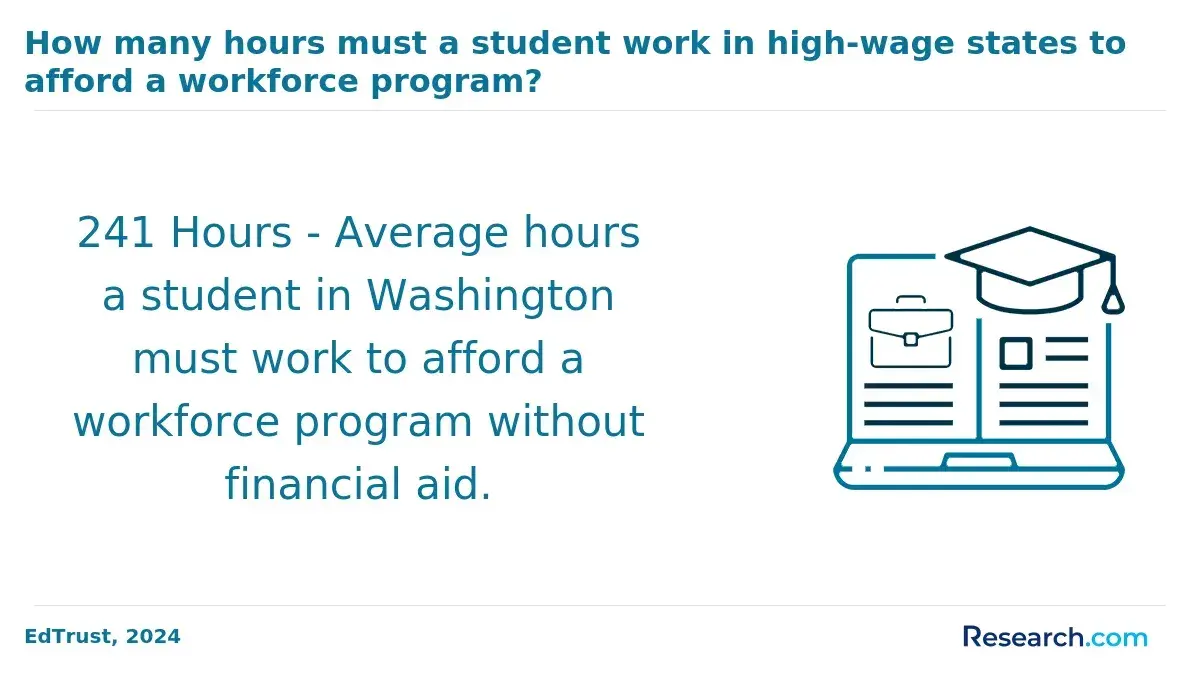
- Rising tuition, averaging $17,000 nationally for RN to BSN programs with required care coordination courses, creates access barriers that delay degree completion and credential-based wage growth, particularly for working RNs.
What is care coordination in RN to BSN programs, and why is it important for nurses?
Care coordination skills in RN to BSN programs are foundational for nurses to effectively manage multi-disciplinary patient care without fragmentation. Employers increasingly expect BSN-prepared nurses to orchestrate complex care plans involving physicians, social workers, and insurance providers. For example, a nurse in a hospital discharge unit must ensure seamless transitions to community resources and follow-up care, a practical step that reduces costly readmissions.
RN to BSN courses integrate care coordination with evidence-based protocols, data analysis, and quality improvement initiatives. Students learn to navigate electronic health records and address patients' social determinants of health, aligning with healthcare's shift toward value-based models emphasizing outcomes and cost efficiency. Lack of such training can limit nurses' role utilization and hinder advancement in leadership or clinical specialties.
The importance of care coordination for nurses in RN to BSN programs extends beyond clinical skills; it influences professional trajectory and workplace impact. Graduates who master these competencies position themselves for roles that require interdisciplinary collaboration and strategic resource management.
Prospective students weighing options should also consider program formats carefully. Some RN to BSN no clinicals tracks, for instance, focus heavily on theoretical aspects but may offer less hands-on coordination experience, affecting preparedness for certain roles. Evaluating real-world applicability alongside academic credentials is critical for informed decision-making.
Additional insights on program design and delivery can be found at RN to BSN no clinicals.
Which core care coordination courses are typically included in RN to BSN curricula?
Core care coordination courses in RN to BSN curricula demand balancing clinical rigor with complex system navigation to meet employer expectations and patient safety goals. These essential care coordination classes for RN to BSN students focus on managing transitions of care-critical for reducing fragmentation across settings like hospitals and skilled nursing facilities. For example, case management training equips nurses to develop personalized care plans and communicate effectively with multidisciplinary teams, a necessity for smooth hospital-to-home handoffs.
The curriculum often emphasizes chronic disease management for conditions such as diabetes and heart failure, teaching evidence-based interventions that demonstrably lower readmissions. Health policy and systems coursework enables nurses to interpret regulatory frameworks affecting reimbursement and advocate for patients, especially when navigating insurance constraints in outpatient or post-acute care environments.
Quality improvement learning fosters competency in measuring and enhancing clinical processes, aligning closely with workforce demands for BSN-prepared nurses to lead safety and satisfaction initiatives. Data from the 2022 National Nursing Workforce Survey reveals hospitals with over 75% BSN-prepared staff see significantly fewer 30-day readmissions for heart failure and pneumonia, affirming these courses' impact.
Prospective students should consider the workload and clinical integration challenges versus these tangible employability benefits. Those seeking flexible formats might examine online ABSN programs that incorporate core care coordination courses in RN to BSN curricula while accommodating working nurses' schedules.
How do RN to BSN care coordination courses prepare registered nurses for expanded clinical roles?
RN to BSN care coordination courses for enhanced clinical practice sharpen nurses' ability to manage complex patient transitions that involve multiple healthcare providers. These programs prepare registered nurses to assume advanced care coordination roles requiring systems thinking to identify care gaps, reduce redundancies, and ensure quality outcomes. For example, a BSN-prepared nurse overseeing a hospital discharge is responsible for synchronizing follow-up visits, medication supervision, and home healthcare-actions that tangibly reduce readmissions and improve continuity of care.
Curricula incorporate evidence-based frameworks such as population health management and data analytics applied through electronic health records to track long-term patient outcomes. Employers now expect measurable improvements in patient safety and interdisciplinary collaboration, pushing the demand for BSN-prepared nurses who can bridge communication differences among healthcare specialists. Registered nurse preparation for advanced care coordination roles also addresses practical challenges like balancing clinical tasks with extensive coordination responsibilities without disrupting workflow.
Students should recognize that these expanded roles come with heightened accountability, requiring skills in conflict resolution, resource allocation, and culturally competent care within fast-paced, multidisciplinary teams. Many nurses will benefit from pursuing further qualifications such as a PhD in nursing education to deepen clinical leadership capacities and advance evidence-informed practice.
What specific patient-centered care and population health topics are covered in these courses?
RN to BSN care coordination courses in 2026 directly address employer demand for nurses capable of managing long-term care across diverse settings like home health, outpatient clinics, and community organizations. These courses cover patient-centered care coordination topics such as comprehensive care planning, interdisciplinary communication, cultural competence, and ethical decision-making, reflecting a shift toward nuanced chronic disease management and reducing hospital readmissions.
Population health management strategies in RN to BSN programs incorporate epidemiology, health promotion, and preventive approaches that reduce systemic disparities. Nurses use data analytics to monitor outcomes and allocate resources efficiently, a critical skill in managing high-risk populations and public health crises. For example, a nurse coordinating post-discharge care for a diabetic patient must identify social risk factors and connect the patient with community resources to prevent emergency admissions.
Health informatics integration allows students to complete specialized informatics courses without extra time or cost, equipping them with skills in electronic health records, telehealth, and decision support tools. However, balancing detailed documentation with patient engagement presents workflow challenges in real-world practice. Programs embedding these competencies benefit working RNs by avoiding extended time commitments and financial strain, aligning with employer preferences for clinicians proficient in both direct care and data literacy.
For RNs seeking accelerated advancement, exploring accelerated DNP programs may offer a strategic option beyond traditional BSN pathways.
How do online RN to BSN programs teach care coordination differently than campus-based programs?
Online RN to BSN programs cultivate skills in virtual care coordination that align closely with emerging healthcare demands, especially in decentralized or telemedicine-heavy environments. Unlike campus-based programs that emphasize in-person clinical simulations and team interactions, online formats immerse students in digital workflows using case management software and electronic health records similar to those used in dispersed healthcare settings.
This real-world orientation benefits nurses expected to manage care transitions across locations, requiring adaptability with remote interdisciplinary teams. Employers increasingly favor BSN-prepared nurses capable of integrating technology to reduce avoidable hospital readmissions by as much as 30%, according to American Association of Colleges of Nursing data. This workforce trend reflects the rising priority of continuity and data-driven care coordination.
Students pursuing online pathways must supplement virtual learning with proactive clinical placements to gain hands-on collaboration experience, offsetting the limitations of remote-only interaction. Conversely, campus-based students receive direct mentorship and peer feedback but face logistical challenges, including travel and rigid scheduling.
Key factors influencing the choice between formats include current work settings, career objectives with remote care responsibilities, and the ability to balance flexible study with practical exposure. For working nurses, online RN to BSN programs offer the advantage of integrating digital coordination skills while accommodating shift work, though the need for real-world interdisciplinary engagement remains paramount.
What accreditation and nursing standards should care coordination coursework in RN to BSN programs meet?
Accreditation in RN to BSN programs is a decisive factor shaping curriculum relevance and graduate readiness for complex care coordination roles. Programs accredited by the Commission on Collegiate Nursing Education (CCNE) or the Accreditation Commission for Education in Nursing (ACEN) ensure alignment with national nursing standards, including the American Nurses Association (ANA) and Quality and Safety Education for Nurses (QSEN) competencies. These requirements embed evidence-based practice, patient safety, and interdisciplinary collaboration as foundational skills.
For example, managing hospital discharge plans for elderly patients with multiple chronic conditions demands mastery of data-driven care coordination and resource navigation, skills emphasized through adherence to these accreditors. The Essentials of Baccalaureate Education further require curriculum content addressing social determinants of health and ethical decision-making, reflecting actual workforce demands where nurses regularly incorporate equity and population health into care planning.
Employers increasingly expect nurses who can operate under regulatory frameworks such as CMS protocols and value-based care models. Graduates from programs lacking proper accreditation may face barriers in securing advanced certifications or leadership positions, a tradeoff significant for those targeting roles beyond bedside care.
Balancing rigorous standards with adaptability to diverse clinical settings is critical. A rigid curriculum risks producing nurses ill-equipped for the fluid ethical and communication challenges common in community health or underserved population care. Effective RN to BSN programs calibrate training to real-world practice rather than theoretical ideals.
How do care coordination classes integrate interprofessional collaboration and communication training?
Care coordination training embedded in RN to BSN programs addresses a critical workforce gap: managing patients with multiple chronic conditions through effective interprofessional collaboration. With data showing that over 60% of U.S. registered nurses regularly handle patients with multimorbidity, these courses emphasize navigating complex healthcare roles-physicians, pharmacists, social workers, and therapists-within team-based care models. The practical impact is evident in scenarios such as coordinating hospital-to-home transitions, where students must reconcile conflicting treatment plans and ensure medication adherence under real-world pressures.
These programs prioritize structured communication tools like SBAR (Situation, Background, Assessment, Recommendation) to reduce errors during handoffs and improve patient safety. Instruction extends to documentation practices and electronic health record interoperability-factors often overlooked but essential for seamless team coordination. Nurses prepared through this training are better equipped to anticipate and mitigate risks associated with communication failures that commonly lead to hospital readmissions and adverse events.
From an employability perspective, the ability to lead or actively participate in interdisciplinary teams is increasingly valued by healthcare employers focused on outcomes. However, RN to BSN students must balance acquiring these collaboration skills with other program demands, acknowledging that real-world effectiveness requires more than theoretical knowledge-it demands proficiency in applying escalation protocols and patient engagement tailored for complex chronic care environments.
In what ways do care coordination courses address health informatics, care planning, and care transitions?
Success in care coordination hinges on integrating health informatics, care planning, and transitions management with real-time data proficiency and practical communication skills. Mastering electronic health records (EHRs) and analytics tools is not simply technical - it directly impacts patient safety and efficiency in settings such as hospitals and community clinics, where accurate data enables timely clinical decisions.
Effective care planning requires balancing clinical objectives with social determinants like housing or access to resources, which strongly influence outcomes in chronic illness or rehabilitation contexts. This dynamic approach reduces readmissions by adapting plans as patient conditions evolve.
Coordinating care transitions-from hospital discharge to home health services-involves more than protocol adherence; it demands navigating system barriers and ensuring continuity through clear communication and medication reconciliation. Failure in these handoffs often leads to costly readmissions and emergency visits.
The median salaries reported by North Carolina Central University-$78,980 for Nurse Coordinators and $99,314 for Nursing Managers-indicate market valuation for these interdisciplinary competencies tied to leadership and case management responsibilities. Graduates equipped with such skills align with healthcare employers' focus on efficiency and regulatory compliance, but acquiring them requires commitment beyond basic coursework, including adapting to technology and interprofessional collaboration challenges.
How can RN to BSN care coordination coursework impact career advancement, roles, and salary potential?
Baccalaureate-level care coordination coursework redefines nursing roles by embedding skills essential for managing patient flow, chronic conditions, and care transitions. Employers increasingly expect BSN-prepared nurses to lead interdisciplinary collaboration and track quality improvement metrics-responsibilities that typically surpass ADN-trained scope.
Consider a staff RN transitioning to a care coordination specialist role in a major urban hospital. Their duties expand to systematic cross-department communication and data-driven performance evaluation, making BSN coursework in project management and evidence-based protocols indispensable for meeting employer expectations.
Practical tradeoffs include balancing clinical workload with academic requirements, especially when coursework involves quality assurance modules. Nonetheless, nurses with these qualifications generally command 10-20% higher wages due to broader scope and increased leadership potential.
More than 69% of RNs hold baccalaureate or graduate credentials, signaling a widespread shift toward advanced competencies that improve patient outcomes and institutional benchmarks like reduced readmissions. Care coordination education also opens pathways into population health and case management roles, diversifying work settings beyond acute care and enhancing career sustainability.
Key operational impacts of completing these programs include:
- Enhanced capability to implement and monitor evidence-based clinical protocols
- Readiness to assume roles involving interdisciplinary communication and patient outcomes measurement
- Access to leadership and outpatient community settings with higher salary potential
What should nurses look for when comparing care coordination curricula across different RN to BSN schools?
Effective care coordination training in RN to BSN programs hinges on how well curricula merge applied skills with evidence-based frameworks that reflect employer demands. For nurses aiming to shift into hospital-based coordinator roles, programs offering case management simulations involving multidisciplinary teams and electronic health records are more relevant than those focused solely on theoretical content.
Addressing cultural competence and social determinants of health within coursework is a vital differentiator. Graduates prepared to navigate health equity issues are better positioned to work in diverse clinical settings such as urban community health centers or rural hospitals, where patient complexity is high.
Practical considerations-including flexible course scheduling, clinical placement assistance, and partnerships with accredited healthcare facilities-directly impact a student's ability to balance work and study. Programs aligned with nationally recognized standards and regularly updated using workforce survey data support stronger market readiness. Notably, the 2022 National Nursing Workforce Survey found that 51.5% of nurses begin practice with a BSN or higher, signaling shifting employer preferences toward BSN-prepared nurses capable of leading care coordination.
Key evaluation criteria include whether curricula cover leadership in care transitions, patient advocacy, and current regulatory and reimbursement frameworks. Prospectively, graduates need evidence of tangible career advancement in care coordination beyond academic credentials, which may require verifying employer feedback and graduate outcomes before enrollment.
Other Things You Should Know About RN to BSN Programs
In 2027, RN to BSN programs typically include care coordination courses focused on interprofessional collaboration, patient-centered care, and systems-level intervention. Students may study case management, advanced community health nursing, health policy, and informatics, which all contribute to enhancing their care coordination skills.
The depth of leadership and care coordination content varies significantly across RN to BSN programs. Some programs emphasize theory and administrative concepts, while others focus extensively on practical skill development and electronic health record (EHR) systems. If your goal is a role in care coordination, choose a program that integrates hands-on care planning, case management, and interprofessional collaboration training, as these are priorities for most employers.
Rushing through an RN to BSN program is not always beneficial. Extended timelines allow for deeper absorption of material and better application in clinical settings, especially for working nurses. However, longer completion times may delay career advancement and salary increases. Prospective students should weigh their immediate career goals and personal situation-those seeking rapid role changes should opt for accelerated options, while others may benefit from pacing that reduces stress and improves learning retention.
Employers typically prioritize accredited program completion and clinical competence over the format of RN to BSN education. However, some healthcare settings expect graduates from programs offering robust clinical practicum or simulation experiences. Online programs that incorporate comprehensive experiential learning tend to hold the same value as traditional classroom programs. Prospective students should verify employer preferences in their target job markets and select programs accordingly, as perceived program quality can influence hiring and promotion decisions.
References
- Getting Your BSN: Between Online, On-Campus and Hybrid Programs, What Is the Right Option For You? https://nightingale.edu/blog/online-or-on-campus-bsn.html
- Care coordination between acute and community-based services https://www.health.vic.gov.au/patient-care/care-coordination
- View of Preparing Nurses for Community Health Care: A Comparative Study of the ADN and BSN Programs https://archive.conscientiabeam.com/index.php/9/article/view/2289/5824
- How Long Is an RN to BSN Program Option? https://www.chamberlain.edu/blog/how-long-is-an-rn-to-bsn-program-option
- How an Online BSN Degree Program Works https://www.allnursingschools.com/bsn/online-or-on-campus/
- What Is the Difference Between BSN and a RN? Davis & Elkins Breaks it Down https://www.dewv.edu/what-is-the-difference-between-bsn-and-a-rn-davis-elkins-breaks-it-down/
- Improve Care Coordination https://healthit.gov/health-it-basics/improve-care-coordination/
- RN to BSN Guide | Take the Next Big Step in Your Career https://www.sumnercollege.edu/blog/rn-bsn-guide-career/
- The Road to Professional Advancement with RN to BSN Programs https://www.ucumberlands.edu/blog/road-to-professional-advancement-with-rn-to-bsn-program
- Using Health Information Technology in Transitions of Care https://www.socialworktoday.com/archive/JF19p14.shtml