2027 Regional vs National Accreditation for Online Industrial Organizational Psychology Bachelor's Degrees

Co-Founder and Chief Data Scientist
Imagine a working professional pursuing an online industrial organizational psychology bachelor's degree who must decide between a nationally accredited school known for flexibility and a regionally accredited university often favored by employers and graduate programs. Concerned about credit transferability and whether future employers will recognize the credential, the student weighs the potential trade-offs.
According to recent data, only 56% of hiring managers consider national accreditation equivalent to regional accreditation in evaluating online degrees. This divergence in recognition influences career and academic paths significantly.
This article examines the differences between regional and national accreditation, guiding prospective students through the implications for credit transfer, academic standards, and career prospects.
Key Benefits of Regional vs National Accreditation for Online Industrial Organizational Psychology Bachelor's Degrees
- Regional accreditation is widely recognized by employers and graduate programs, enhancing credibility and acceptance of online industrial organizational psychology bachelor's degrees compared to national accreditation.
- Credits from regionally accredited schools are more easily transferable, supporting students who may pursue graduate studies or switch institutions, unlike many nationally accredited programs.
- Regional accreditation often aligns with traditional career paths and academic goals, while national accreditation may better serve vocational training or nontraditional student needs in industrial organizational psychology.
What Is the Difference Between Regional and National Accreditation for an Online Industrial Organizational Psychology Bachelor's Degree?
Regional and national accreditation represent different approaches to institutional recognition for an online industrial organizational psychology bachelor's degree, each with unique authorities and standards.
Regional accreditation is granted by agencies overseeing specific geographic areas in the U.S., applying strict academic quality measures and broadly evaluating faculty, student services, and institutional stability.
In contrast, national accreditation covers a wider variety of institutions, often focusing on career-oriented or distance education programs, with standards that may vary by specialization. Approximately 92% of traditional nonprofit colleges hold regional accreditation, illustrating its prevalent acceptance and influence within higher education.
The practical impact of accreditation type affects credit transfer, recognition, and acceptance by employers or graduate schools. Degrees from regionally accredited schools typically enjoy more seamless credit transfer and stronger acknowledgment for professional or academic advancement.
Conversely, nationally accredited programs may sometimes face questions about academic rigor and transferability, although this varies by employer and institution.
For prospective students, understanding these differences is crucial when evaluating programs like online industrial organizational psychology bachelor's degrees or accelerated BCBA program online options, and their potential long-term benefits.
Which Agencies Provide Regional Accreditation for Online Industrial Organizational Psychology Bachelor's Degrees?
Regional accreditation in the United States is granted by a select number of agencies recognized by the U.S. Department of Education and the Council for Higher Education Accreditation (CHEA). These regional accrediting bodies evaluate colleges and universities on academic quality and institutional standards to ensure rigorous educational benchmarks.
Nearly 70% of U.S. higher education institutions have regional accreditation. The main regional accrediting bodies for online industrial-organizational psychology bachelor's programs include the following:
- The Middle States Commission on Higher Education (MSCHE): This agency accredits institutions primarily located in New York, New Jersey, Pennsylvania, Delaware, Maryland, and Washington, D.C., focusing on comprehensive institutional performance and student learning outcomes.
- The New England Commission of Higher Education (NECHE): Serving colleges and universities in Connecticut, Maine, Massachusetts, New Hampshire, Rhode Island, and Vermont, NECHE emphasizes continuous improvement and accountability in educational quality.
- The Higher Learning Commission (HLC): Covering a broad central region including states such as Arkansas, Colorado, Illinois, Michigan, Minnesota, Ohio, and Wisconsin, HLC accredits a diverse range of institutions ensuring regional educational standards are met.
- The Southern Association of Colleges and Schools Commission on Colleges (SACSCOC): This body accredits schools in Alabama, Florida, Georgia, Kentucky, Louisiana, Mississippi, North Carolina, South Carolina, Tennessee, Texas, and Virginia, maintaining high evaluation criteria across academic programs.
- The Western Association of Schools and Colleges Senior College and University Commission (WSCUC): WSCUC accredits institutions located in California, Hawaii, and Pacific territories, focusing on student achievement and institutional integrity.
- The Northwest Commission on Colleges and Universities (NWCCU): Serving states such as Alaska, Idaho, Montana, Nevada, Oregon, Utah, and Washington, NWCCU ensures that institutions meet quality standards through rigorous evaluation processes.
Each of these regional accreditation agencies plays a vital role in confirming the educational quality of online industrial organizational psychology programs. Attending a regionally accredited institution also facilitates credit transferability among colleges.
For learners interested in affordable, verified training opportunities, exploring the cheapest CACREP-accredited programs online can provide additional options related to counseling and psychology education.
What Are the Main National Accrediting Bodies for Online Industrial Organizational Psychology Bachelor's Degree Programs?
National accreditation is generally awarded by agencies that oversee career-focused, technical, or specialized institutions throughout the United States. These accrediting bodies concentrate on schools designed to prepare students for specific professions rather than broad academic programs.
Roughly 14% of all accredited U.S. institutions hold national accreditation. The primary national accrediting organizations connected to online industrial-organizational psychology bachelor's degree programs include the following:
- Distance Education Accrediting Commission (DEAC): DEAC focuses on accrediting institutions that offer distance education, including fully online degrees, ensuring they meet standards for educational quality and student support in remote learning environments.
- Accrediting Council for Independent Colleges and Schools (ACICS): ACICS accredits private postsecondary schools offering a range of technical and professional programs, emphasizing practical skills that prepare students directly for the workforce.
- Council on Occupational Education (COE): COE accredits postsecondary occupational education providers, primarily those offering specialized training and associate degrees, with relevance in some industrial organizational psychology workforce applications.
- Accrediting Bureau of Health Education Schools (ABHES): Although mainly concerned with health-related programs, ABHES also accredits institutions awarding applied science degrees, occasionally covering interdisciplinary industrial organizational psychology topics related to occupational health and ergonomics.
National accreditation confirms that institutions meet quality standards tailored for professional and technical education, but may influence credit transfer and recognition compared to regionally accredited schools.
Admission standards for regionally accredited online industrial organizational psychology bachelor's programs tend to be more rigorous, reflecting their emphasis on academic tradition and credibility.
Applicants are generally required to meet minimum GPA thresholds, commonly between 2.5 and 3.0, and provide official transcripts, standardized test scores (though many have shifted to test-optional policies), recommendation letters, and personal statements.
These programs are often selective, aiming to build classes with strong academic backgrounds. This is underscored by enrollment patterns showing that around 60% of first-year college students attend regionally accredited schools, which are typically favored for their recognized credentials and transfer stability.
Admission committees in these institutions prioritize comprehensive application reviews to maintain academic standards.
In contrast, nationally accredited industrial organizational psychology programs typically offer more accessible admission criteria, designed to accommodate nontraditional learners such as working adults or those re-entering education. These programs often accept lower GPAs, may waive standardized test requirements, and offer rolling admissions to ease entry.
The focus is on flexibility, allowing candidates with diverse backgrounds, including relevant work experience or alternative qualifications, to enroll. This results in broader eligibility and a less selective process, aiming to serve a wider student population who seek career advancement without traditional academic barriers.
When asked about her experience navigating the admission process, a graduate from an online industrial organizational psychology program shared that the flexibility of her school's criteria was a crucial factor.
She recalled feeling relieved that her previous academic record, which was not perfect, did not limit her options and that the school's emphasis on work experience helped her highlight strengths beyond grades. The less formal application procedure reduced pressure and allowed her to focus on preparing for the coursework ahead.
Reflecting on the journey, she described the process as "inviting rather than daunting," which motivated her to pursue the degree confidently despite some initial doubts.
Tuition costs for online industrial-organizational psychology bachelor's degree programs can differ significantly depending on accreditation type, institutional framework, and program structure.
Generally, regionally accredited schools tend to have higher tuition rates but include more comprehensive fees, while nationally accredited programs might offer lower upfront costs with additional expenses. The factors that influence cost include the following:
- Pricing Models: Regionally accredited colleges usually charge by semester credit hours using a traditional tuition framework, whereas nationally accredited schools may apply term-based or competency-driven pricing, offering varied flexibility but less transparency.
- Cost Range: Tuition for regionally accredited programs typically falls in a moderate to high range, while nationally accredited programs often list prices between $10,000 and $30,000, though the actual total may fluctuate with extra fees.
- Included Fees: Regional programs generally bundle technology, materials, and student service fees into tuition, promoting predictable expenses; nationally accredited programs might separate these costs, resulting in additional charges post-admission.
- Value Considerations: While nationally accredited degrees may appear more affordable initially, regionally accredited programs usually provide clearer, more stable pricing ideals important for budgeting and long-term academic planning.
- Tuition Comparison: Prospective students comparing online industrial organizational psychology bachelor's degree tuition comparison by accreditation should also consider these pricing differences alongside accreditation impact on credit transfer and graduate opportunities, similar to insights found in edd programs online.
Studies show that online bachelor's degrees from regionally accredited institutions often range between $15,000 and $40,000 in total tuition.
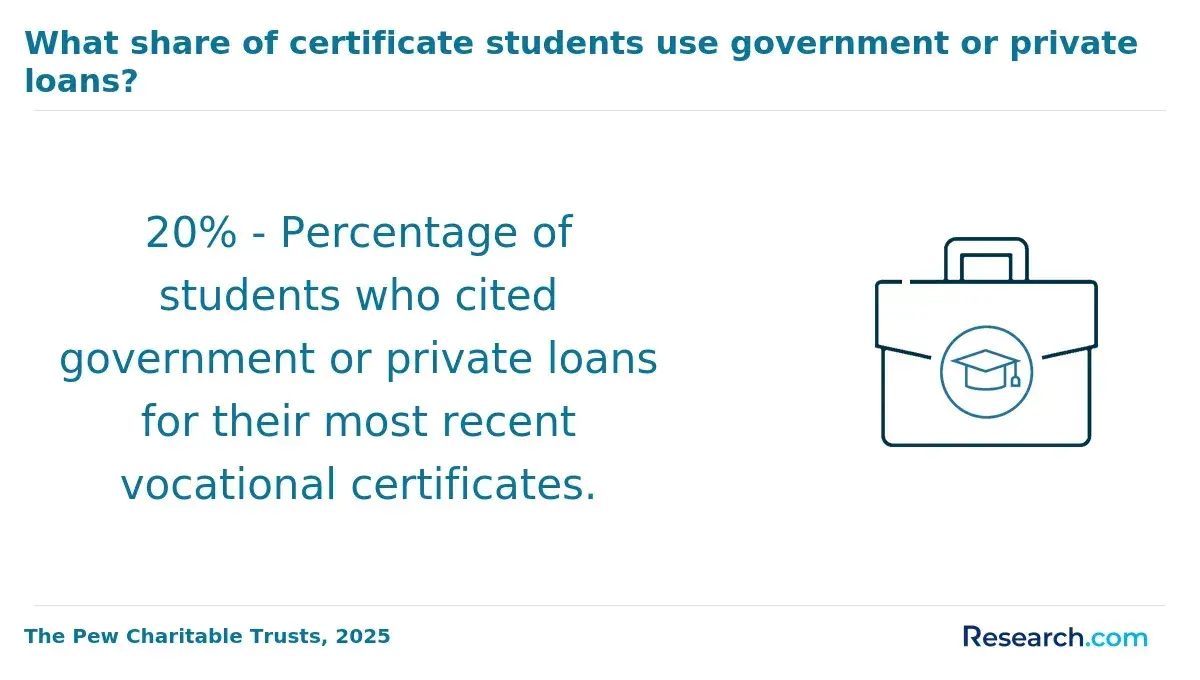
Financial aid options for online industrial organizational psychology bachelor's degrees vary significantly based on whether the institution holds regional or national accreditation and its participation in federal and state assistance programs. The types of aid students can obtain include:
- Federal Aid: Regionally accredited programs generally qualify for federal financial aid like Pell Grants, federal loans, and work-study opportunities due to their eligibility under Title IV funding. Conversely, many nationally accredited institutions do not meet these federal requirements, limiting access to such federal assistance.
- State Assistance: State-sponsored grants and scholarships often prioritize students enrolled in regionally accredited schools. Though some nationally accredited programs may qualify for state aid depending on the state, these opportunities are usually fewer and less consistent.
- Institutional Scholarships: Both accreditation types may provide their own internal scholarships and grants. However, the amount and availability can differ greatly, often favoring regionally accredited institutions with broader funding sources.
- Private Loans and Scholarships: Students at either type of institution may pursue private financial options, which typically have more flexible eligibility criteria but may carry higher interest rates or require competitive applications.
Nationwide, around 85% of college attendees benefit from some form of financial aid, highlighting its crucial role in making higher education accessible. These differences affect the types and extent of aid students can obtain.
Transferring credits from a nationally accredited to a regionally accredited online industrial organizational psychology bachelor's degree program is often challenging but not impossible.
Transferability depends heavily on institutional policies, with regionally accredited schools generally requiring close alignment in course content, credit hours, and academic level. Detailed evaluations of course syllabi and grades are typical, ensuring courses meet their academic rigor.
A common trend in higher education is that regionally accredited institutions are less likely to accept credits from nationally accredited programs due to differing accreditation standards and perceived rigor. Prospective students should prepare for the possibility of retaking courses or fulfilling additional requirements when making this transition.
One student enrolled in an online industrial organizational psychology program described the process as "frustrating but manageable," noting that "each course I hoped to transfer required lengthy documentation and several rounds of review." He explained that "even after submitting detailed syllabi, some credits didn't meet the equivalency standards, so I had to plan for extra semesters."
Despite these hurdles, he felt that engaging early with advisors and transfer evaluators helped him "feel more in control" and eventually secure approvals where possible, emphasizing the importance of patience and persistence throughout the transfer journey.
Accreditation type can influence how employers view online industrial organizational psychology bachelor's degrees, varying by industry standards and hiring practices. Research shows that approximately 85% of employers prefer candidates with degrees from properly accredited institutions, recognizing accreditation as a marker of academic quality.
Below are major considerations when seeking employment:
- Employer Perception: Regional accreditation is often seen as the gold standard, associated with well-established universities and rigorous academic standards. Employers in traditional sectors may favor degrees from regionally accredited schools, viewing them as more trustworthy credentials.
- Industry Expectations: National accreditation typically applies to career-focused or vocational programs. While some employers consider it less rigorous, degrees from nationally accredited institutions can still be valued when programs emphasize applied skills relevant to industrial organizational psychology.
- Hiring Filters: Applicant tracking systems may prioritize candidates with regionally accredited degrees due to automated settings, potentially limiting initial visibility for those with nationally accredited degrees despite equivalent competencies.
- Role-Specific Requirements: Positions that require graduate education or professional certifications might lean toward candidates with regionally accredited degrees, as these often ease admission to advanced programs and credentialing processes.
- Career Relevance: Ultimately, the impact of accreditation on career opportunities for online industrial organizational psychology graduates depends on employer preferences and industry context. Prospective students should weigh accreditation alongside program quality and relevance, including strong industry connections often found in specialized degrees like ui ux degree programs.
Accreditation type significantly influences eligibility and admissions for advanced degree programs after earning an online industrial-organizational psychology bachelor's degree. Approximately 90% of U.S. academic institutions hold regional accreditation, which is often seen as a reliable marker of academic quality.
This affects how graduate schools evaluate applicants and their undergraduate coursework, shaping admissions outcomes. These factors shape advanced degree eligibility:
- Regional Accreditation Preference: Most graduate programs favor applicants from regionally accredited institutions due to consistent educational standards. This preference often smooths credit transfer and eases the admissions process, enhancing eligibility for master's or doctoral degrees.
- National Accreditation Limitations: National accreditation typically emphasizes specialized or vocational programs and may not carry broad recognition. Students from nationally accredited schools might encounter additional requirements or restrictions when applying to graduate programs that prioritize regional accreditation.
- Institutional Policy Variability: Graduate schools vary widely in how they handle accreditation. Some are flexible and may accept credits or applicants from nationally accredited programs, while others strictly require regional accreditation, impacting an applicant's options.
- Credit Transfer and Evaluation: Admissions committees often assess transcript equivalency and curriculum rigor alongside accreditation status. Those from nationally accredited programs might need supplemental documentation or prerequisite coursework to prove readiness for advanced psychology degrees.
- Early Research Advantage: Understanding the impact of regional versus national accreditation on graduate school admission early in the process can guide students' decisions effectively. For students seeking alternative degree paths, exploring the cheapest online physics degree programs can offer additional insights into accreditation influence on advanced psychology degree eligibility.
When choosing between regional and national accreditation for an online industrial organizational psychology bachelor's degree, students should weigh institutional reputation, academic standards, and program adaptability.
Regional accreditation is often seen as more prestigious and widely accepted by employers and graduate programs, with stronger credit transferability. Meanwhile, national accreditation may offer more flexible schedules or expedited courses, suiting those balancing work or personal commitments.
However, credits from nationally accredited schools may not transfer easily to regionally accredited institutions, potentially limiting future study options.
Notably, a 2022 survey found that around 65% of students consider accreditation a crucial factor in their online degree decisions, reflecting growing awareness of its significance.
To make a well-informed choice, students should verify a school's accreditation through reliable sources like official higher education databases. Assessing the institution's credit transfer policies is essential, especially for those planning advanced degrees. Clarifying long-term educational and career objectives can help determine which accreditation type better aligns with individual goals.
It is also important to balance desired program flexibility with the recognition and quality standards associated with the accreditation. This ensures the selection of a program that supports both academic progress and professional development.
What Graduates Say About Regional vs National Accreditation for Online Industrial Organizational Psychology Bachelor's Degrees
- Derrick: "Choosing a regionally accredited online industrial organizational psychology bachelor's program was crucial for me because I wanted a degree that employers would recognize nationwide. The flexibility of learning remotely allowed me to balance work and study without compromising the quality of the education. Now, with my degree in hand, I feel confident that my accreditation opens doors to meaningful career opportunities. "
- Arjun: "Reflecting on my journey, the national accreditation of my online industrial organizational psychology bachelor's program was a big factor in keeping me motivated. While I initially worried about the perception of an online degree, the program's recognized standards reassured me throughout. This choice has positively impacted my career advancement, showing that commitment and credible education can coexist with flexible learning."
- Elias: "My decision to pursue an online bachelor's in industrial organizational psychology with regional accreditation was deeply rooted in the program's rigorous curriculum and well-established reputation. Managing coursework remotely required discipline, but knowing the degree holds significant professional value made it worthwhile. Today, I leverage the skills I gained daily, confident the accreditation sets me apart in a competitive job market."
Other Things You Should Know About Industrial Organizational Psychology Degrees
Credits earned from nationally accredited online industrial organizational psychology bachelor's programs are often less transferable to regionally accredited institutions. Many regionally accredited schools have stricter transfer policies and may require additional evaluations or assessments before accepting those credits.
Yes, regionally accredited bachelor’s degrees are the standard requirement for master’s admission, and many universities require a minimum 2.75 to 3.0 GPA plus prerequisite coursework in statistics, research methods, or psychology. Nationally accredited degrees are reviewed case by case and often do not transfer as smoothly.
Internship coordinators and organizations often prefer students from regionally accredited programs, as these are associated with higher quality education and better preparation. National accreditation might limit access to certain practicum opportunities essential for gaining hands-on experience in industrial organizational psychology.
- Top 5 Online Industrial/Organizational Psychology Degree Programs https://mastersinpsychologyguide.com/articles/top-5-online-industrial-organizational-psychology-degree-programs/
- Inside Online Master’s Programs in Organizational Psychology https://www.onlinemastersdegrees.org/best-programs/psychology/organizational-psychology/
- Industrial Organizational Psychology | Bachelor of Science | University of Phoenix https://www.phoenix.edu/online-psychology-degrees/industrial-organizational-psychology-bachelors-degree.html
- What Is an Accredited University? | National University https://www.nu.edu/blog/what-is-an-accredited-university/
- How should I earn an Online Master of Industrial Organizational Psychology degree? https://www.onlineschoolscenter.com/earn-master-i-o-psychology-degree/
- Why Psychology School Accreditation Matters | All Psychology Schools https://www.allpsychologyschools.com/psychology-grad-school-admissions/accreditation/
- Online Psychology Degrees | Accredited Programs 2026 https://www.bestpsychologydegrees.com/online-degrees/
- Regional vs. National Accreditation (Employer POV) https://talk.collegeconfidential.com/t/regional-vs-national-accreditation-employer-pov/1651086
- University of Phoenix https://www.admissionsdirect.com/coursedetails/usa/university-of-phoenix/bachelor-of-science-in-industrial-organizational-psychology%E2%80%8B-degree/MzUwNzQ=/MTE1OA==
- Regional vs. National Accreditation: What Is the Difference? https://www.onlineu.com/resources/college-planning/regional-vs-national-accreditation