2027 Regional vs National Accreditation for Online Biochemistry Bachelor's Degrees

Co-Founder and Chief Data Scientist
Imagine a student with a prior associate degree aiming to pursue an online biochemistry bachelor's degree while balancing a full-time job. The student faces a dilemma: whether to enroll in a nationally accredited program offering flexible scheduling but limited recognition, or a regionally accredited school with stricter admission standards and broader credit transfer acceptance.
Concern about future employer recognition and eligibility for graduate programs creates tension in this choice. According to recent studies, 68% of employers prefer candidates from regionally accredited institutions in STEM fields. This article explores the differences between regional and national accreditation for online biochemistry bachelor's degrees to guide prospective students through these critical considerations.
Key Benefits of Regional vs National Accreditation for Online Biochemistry Bachelor's Degrees
- Regional accreditation generally offers greater recognition and credibility among employers and graduate programs than national accreditation, impacting career advancement in biochemistry fields.
- Credits from regionally accredited online biochemistry programs transfer more easily between institutions, enhancing academic flexibility and graduate school eligibility.
- National accreditation may better serve students seeking vocational careers or specialized technical roles, while regional accreditation supports broader academic goals and research-focused careers.
What Is the Difference Between Regional and National Accreditation for an Online Biochemistry Bachelor's Degree?
Regional and national accreditation serve different roles in the oversight of online biochemistry bachelor's degrees, reflecting variations in scope and institutional focus. Regional accreditation is granted by organizations responsible for colleges and universities within specific U.S. geographic areas and typically maintains rigorous academic and administrative standards. In contrast, national accreditation often targets institutions emphasizing career-oriented or vocational programs with a practical training emphasis rather than broad academic rigor.
Approximately 70% of institutions offering exclusively online bachelor's degrees carry regional accreditation, underscoring its significance in the landscape of online education. This general trend highlights how the difference between regional and national accreditation for online biochemistry bachelor's degrees influences students' educational quality perceptions.
The practical distinctions in accreditation impact key considerations such as credit transfer, degree recognition, and post-graduation acceptance. Degrees from regionally accredited schools are widely recognized by most employers and graduate programs, facilitating smoother credit transfers to other traditional universities.
Meanwhile, national accreditation is accepted primarily by institutions with programs focused on specific career outcomes and may encounter limited recognition in academic or professional contexts. Understanding the regional accreditation versus national accreditation impact on biochemistry bachelor's programs enables students to make informed decisions about their educational paths.
For students exploring their options, especially those researching easy nursing colleges to get into, these accreditation differences can be critical in long-term academic and career planning.
Which Agencies Provide Regional Accreditation for Online Biochemistry Bachelor's Degrees?
Regional accreditation in the United States is granted by a select group of recognized agencies that rigorously evaluate colleges and universities based on academic quality and institutional standards. Nearly 6,000 institutions hold regional accreditation, underlining its significance for educational credibility. This form of accreditation is often preferred by students and employers for online Biochemistry bachelor's degree programs due to its strict criteria and broad recognition.
Several regional accrediting bodies oversee the quality of online Biochemistry bachelor's degree programs across different U.S. areas. These agencies ensure that schools meet high standards regardless of their geographic location, providing reassurance about academic quality and institutional credibility.
- Middle States Commission on Higher Education (MSCHE): Accredits institutions in Delaware, the District of Columbia, Maryland, New Jersey, New York, Pennsylvania, and Puerto Rico. MSCHE is noted for its thorough evaluation processes emphasizing continuous institutional improvement.
- New England Commission of Higher Education (NECHE): Covers Connecticut, Maine, Massachusetts, New Hampshire, Rhode Island, and Vermont. NECHE focuses on academic quality and the integrity of research and instructional programs.
- Southern Association of Colleges and Schools Commission on Colleges (SACSCOC): Serves southern states including Alabama, Florida, Georgia, Kentucky, Louisiana, Mississippi, North Carolina, South Carolina, Tennessee, Texas, and Virginia. It is among the largest regional accreditors with a diverse institutional portfolio.
- Higher Learning Commission (HLC): Oversees 19 central states such as Illinois, Indiana, Iowa, Michigan, Minnesota, Missouri, Nebraska, Ohio, and Wisconsin. HLC accredits many large research universities and community colleges.
- Western Association of Schools and Colleges Senior College and University Commission (WSCUC): Responsible for institutions mainly in California, Hawaii, and Pacific territories, focusing on academic rigor and sustainability in higher education.
- Northwest Commission on Colleges and Universities (NWCCU): Accredits schools throughout Alaska, Idaho, Montana, Nevada, Oregon, Utah, and Washington. NWCCU emphasizes outcomes assessment and institutional effectiveness.
Choosing an online Biochemistry bachelor's degree from a regionally accredited institution also aids in smoother credit transfer and greater acceptance by graduate schools and employers. Prospective students exploring options may consider how regional accreditation compares to other forms of accreditation, including national agencies. For those wondering how much is online nursing school costs, similar considerations about accreditation quality and recognition apply across online science and biochemistry programs.
Regional accrediting bodies for online Biochemistry bachelor's degrees in the United States play a crucial role in verifying academic quality. This helps safeguard students investing time and resources in their education, ensuring programs meet rigorous standards specific to the science and biochemistry fields.
What Are the Main National Accrediting Bodies for Online Biochemistry Bachelor's Degree Programs?
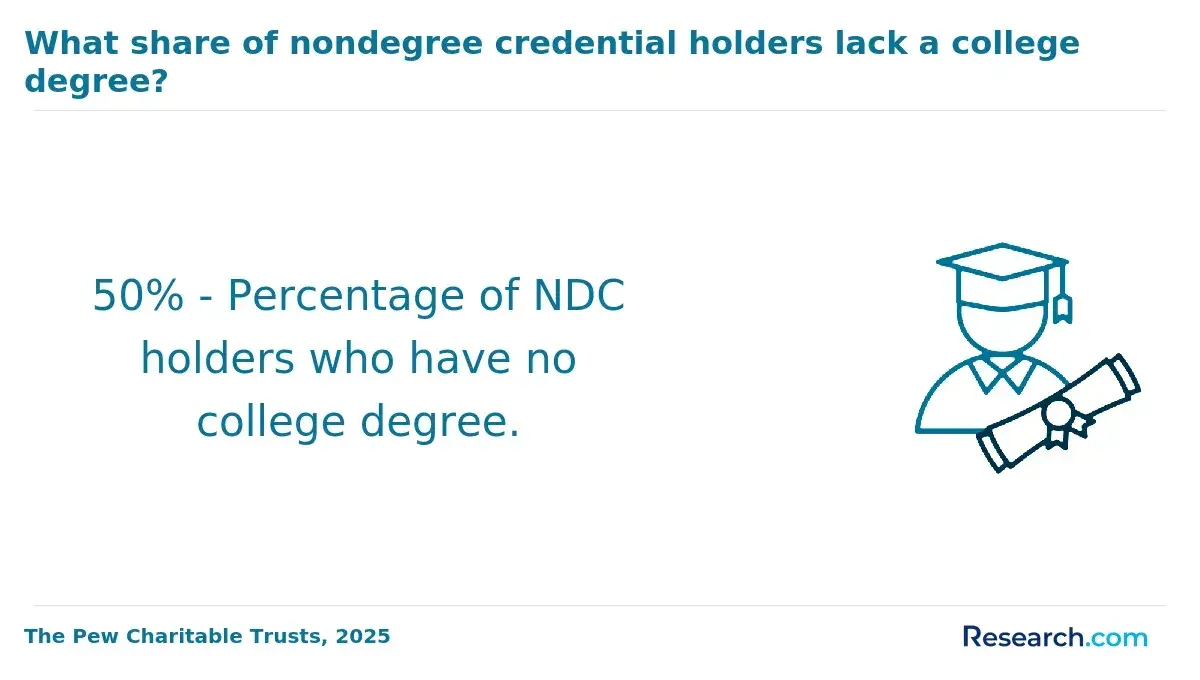
National accreditation is granted by organizations that primarily oversee career-focused, technical, or specialized institutions across the United States. Roughly 10% of higher education institutions have this type of accreditation, which caters mainly to schools offering specific vocational or professional training.
Below are some of the leading national accrediting agencies relevant to online biochemistry bachelor's programs.
- Distance Education Accrediting Commission (DEAC): Specializes in accrediting distance education providers, focusing on the quality and delivery of online and correspondence programs critical for online biochemistry students.
- Accrediting Council for Independent Colleges and Schools (ACICS): Accredits primarily career-oriented private colleges, including those with health sciences and laboratory training, despite some past controversies regarding its recognition status.
- Council on Occupational Education (COE): Concentrates on institutions delivering occupational and technical education with an emphasis on workforce readiness, which often includes programs related to applied sciences connected to biochemistry.
- National Accrediting Commission of Career Arts & Sciences (NACCAS): Although mostly dedicated to career training in health and cosmetology, NACCAS institutions occasionally provide specialized applied science programs, ensuring hands-on vocational education.
These accreditors maintain standards tailored to career-oriented education in online biochemistry programs. Prospective students should be aware that national accreditation may influence credit transfer options and graduate school acceptance differently than regional accreditation.
How Do Admission Requirements Vary by Accreditation Type for an Online Biochemistry Bachelor's Degree?
Regionally accredited online biochemistry bachelor's programs generally impose strict admission standards to ensure academic readiness. Applicants are often required to submit detailed academic records, including high school transcripts with strong performance in science and mathematics, as well as standardized test scores when applicable.
In addition, these programs frequently request letters of recommendation and personal statements to evaluate candidates comprehensively. The selection process tends to be competitive, reflecting the traditional academic expectations of these institutions. For instance, data from the National Center for Education Statistics indicates that about 68% of admitted students in regionally accredited science programs completed advanced high school coursework.
Conversely, nationally accredited online biochemistry programs prioritize accessibility and tend to have broader admission criteria, which makes higher education more attainable for a diverse range of students. These programs often require only a high school diploma or its equivalent, with fewer demands for standardized testing or extensive application materials.
Some may even accept life experience credits or waive traditional entrance exams to accommodate non-traditional learners, such as working adults returning to education. This more flexible approach generally leads to a less selective admissions process, facilitating enrollment for students with varied academic backgrounds and schedules.
When speaking with a graduate of an online biochemistry bachelor's degree program, she described her application journey as initially daunting due to the paperwork and testing requirements. However, she appreciated that her program's regional accreditation meant the admissions team carefully reviewed her academic history and recommendations, which gave her confidence in the program's rigor.
She noted, "It felt like they really wanted to see if I was prepared for the challenges ahead." Reflecting on her experience, she highlighted how this thorough process motivated her to maintain high standards and ultimately helped her succeed in her coursework.
How Does Online Biochemistry Bachelor's Degree Tuition Differ by Accreditation Type?
Tuition costs for online biochemistry bachelor's degree programs vary significantly based on accreditation type, institutional setup, and how each program is structured. A notable trend shows public, regionally accredited institutions charging between $300 and $600 per credit hour, compared to nationally accredited programs that often range from $200 to $400.
Understanding these differences is essential when evaluating tuition expenses and academic value.
- Pricing Models: Regionally accredited programs typically feature higher tuition fees, reflecting comprehensive academic services and a more inclusive fee structure. Nationally accredited schools may offer lower upfront costs but often add extra fees, such as technology or lab charges, affecting the total cost.
- Cost Ranges: Tuition for regionally accredited biochemistry degrees often exceeds that of nationally accredited options, which cater more to career-focused or technical education sectors, thus generally presenting a more affordable profile.
- Included Fees: Regionally accredited institutions commonly bundle various fees into tuition, streamlining expenses for students. In contrast, nationally accredited programs might separate these costs, leading to additional financial considerations beyond base tuition.
- Value and Transferability: Degrees from regionally accredited schools tend to offer better credit transfer prospects and are more widely accepted for graduate studies. This aspect impacts the overall affordability and long-term academic investment for students.
- Program Selection: Prospective students interested in accelerated learning should explore fast-track degree programs, which sometimes affect tuition structure and timeline.
Can I Get Financial Aid for Both Types of Accredited Online Biochemistry Bachelor's Degrees?
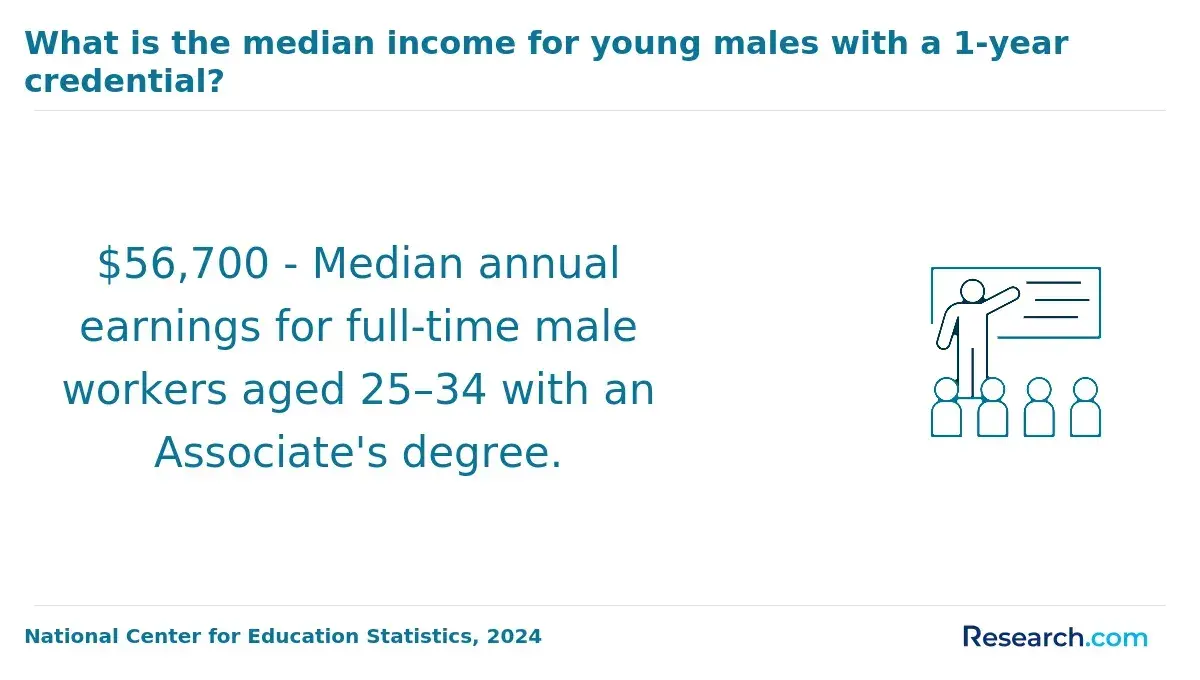
Financial aid options for online biochemistry bachelor's degrees differ based on the type of accreditation an institution holds and its participation in various aid programs. Most students in the United States-around 85%-use some form of financial assistance to support their education.
These distinctions influence the kind of funding students can access depending on whether their program is regionally or nationally accredited.
- Federal Aid: Programs at regionally accredited institutions typically qualify for federal funding, including Pell Grants, Direct Loans, and work-study opportunities. Conversely, students at many nationally accredited schools may find federal aid unavailable, restricting their access to these common supports.
- State Grants: State-sponsored financial aid is generally limited to regionally accredited online programs within a particular state. National accreditation often does not meet state requirements, resulting in fewer or no state aid options for those students.
- Scholarships: Both accreditation types can offer scholarships, but regional accreditation often draws wider recognition from private donors and external organizations, increasing scholarship availability and diversity.
- Private Loans: Students at both regionally and nationally accredited schools can obtain private loans, although lenders may evaluate accreditation status when setting terms or approving applications, sometimes giving preference to regionally accredited programs.
- Institutional Aid: Financial assistance provided directly by schools exists across both accreditation types, but nationally accredited institutions may have more limited resources, potentially resulting in smaller or fewer aid packages.
Can I Transfer Credits From a Nationally Accredited to a Regionally Accredited Online Biochemistry Bachelor's Degree?
Transferring credits from a nationally accredited to a regionally accredited online biochemistry bachelor's degree program can be difficult but is not impossible. The transferability often depends on institutional policies, as some regionally accredited colleges may restrict or refuse credits from nationally accredited schools. Course equivalency also plays a crucial role; credits are more likely accepted when previous coursework closely matches the content, credit hours, and learning outcomes of the receiving program.
Additionally, regional accreditation is considered the gold standard by many academic institutions, leading to more stringent evaluations of credits from nationally accredited programs. A common practice in higher education is that regionally accredited schools generally prefer accepting transfer credits from other regionally accredited institutions to maintain consistent academic standards.
When asked about his experience, a student enrolled in an online biochemistry bachelor's degree shared that navigating credit transfer was "more complicated than expected." He explained how he had to gather detailed course descriptions and syllabi, then wait for several weeks while the registrar's office reviewed his documents.
The process involved frequent follow-ups, and at times, he felt uncertain if his credits would be accepted. Ultimately, his institution approved some but not all credits, which required him to retake several courses. He emphasized the importance of early communication with academic advisors to reduce stress and improve the chances of a successful transfer.
Does Accreditation Type Affect Job Opportunities After an Online Biochemistry Bachelor's Degree?
Accreditation type can influence how employers perceive online biochemistry bachelor's degrees, depending largely on industry standards and hiring practices. Studies show that around 85% of employers prefer candidates with degrees from accredited institutions, highlighting the value placed on recognized educational quality.
Employment prospects after online biochemistry degrees with different accreditation types reflect these varying perceptions.
- Employer Perception: Regional accreditation is often viewed as the gold standard, especially in scientific fields. Employers tend to trust regionally accredited programs more due to their comprehensive curricula and rigorous academic standards, which can positively affect job placement for online biochemistry bachelor's graduates.
- Industry Expectations: While regional accreditation is favored in research-driven roles, national accreditation is more common for specialized or career-focused institutions. Some employers may regard national accreditation as less conventional, potentially leading to additional scrutiny in highly competitive biochemistry jobs.
- Hiring Filters: Many companies use automated resume screening that prioritizes degrees from regionally accredited schools. This practice can narrow opportunities for graduates from nationally accredited programs, although exceptions exist depending on the employer's recognition of the degree's reputation and the candidate's skill set.
- Role-Specific Requirements: Certifications, advanced degrees, or licensure in biochemical sciences often require a foundation from a regionally accredited program. Graduates from these programs may find it easier to meet prerequisites that improve their employability and access to specialized careers.
For students considering biochemistry studies, exploring program options and how accreditation impacts future job opportunities is crucial. Those seeking practical healthcare roles might also review related medical assistant programs online Michigan as part of a broader career strategy.
Will Accreditation Affect Eligibility for Advanced Degrees After an Online Biochemistry Bachelor's Degree?
Accreditation plays a significant role in determining eligibility for advanced degrees after completing an online biochemistry bachelor's degree. Approximately 90% of graduate programs prefer applicants from regionally accredited institutions due to their recognized academic standards.
This preference directly influences admissions decisions and how graduate schools evaluate previous credits and qualifications.
- Admissions Recognition: Regional accreditation is more widely accepted by graduate programs as a mark of academic quality. Graduates from regionally accredited schools often face fewer barriers in the admissions process, while those with nationally accredited degrees might encounter additional scrutiny.
- Credit Evaluation: Transferring credits or fulfilling prerequisite course requirements may be more challenging for students holding nationally accredited degrees. Graduate schools frequently question the rigor or equivalency of coursework from nationally accredited institutions, impacting eligibility for master's or doctoral studies.
- Institutional Policies: Acceptance of degrees from nationally accredited institutions varies among graduate programs. Prospective students should research policies carefully, as some schools may require extra verification or may not accept certain credits, affecting progression in advanced biochemistry degree programs.
- Variability Across Programs: Different graduate schools have unique standards regarding accreditation. Some programs in biochemistry may be more flexible, while others strictly require regional accreditation, influencing future academic opportunities and career paths.
Because of these differences, students pursuing advanced degrees in biochemistry should consider accreditation carefully when selecting a bachelor's program. Prospective enrollees might find it helpful to compare options, including programs like those offered in kinesiology, for example, by reviewing details provided for the online kinesiology bachelor's degree. Proper alignment with accreditation expectations enhances eligibility for graduate study in their chosen field.
How Do I Choose Between Regional vs National Accreditation for an Online Biochemistry Bachelor's Degree?
When comparing regional and national accreditation for an online Biochemistry bachelor's degree, students should weigh factors like the institution's reputation, the degree's acceptance by employers, and how well credits transfer between schools. Regional accreditation is generally viewed as more prestigious and is often preferred by traditional universities and graduate programs, which can impact your future academic and career path.
National accreditation tends to focus on career-specific or vocational training and may offer greater flexibility, accommodating those balancing work and study. However, credits from nationally accredited programs might not be widely accepted elsewhere, potentially limiting transferability. Notably, nearly 70% of students in a recent National Center for Education Statistics survey reported that accreditation status significantly shapes their choice of degree program.
To make an informed decision, start by confirming the school's accreditation through trusted sources such as the U.S. Department of Education or the Council for Higher Education Accreditation. Review the institution's policies on credit transfer, especially if you anticipate transferring or pursuing graduate studies.
Reflect on your long-term goals: determine whether you need a degree with broad recognition for employment or professional licensing. Additionally, balance program flexibility with the importance of attending a well-recognized institution. Taking these steps can help ensure your degree supports your academic advancement and career ambitions without unexpected obstacles.
What Graduates Say About Regional vs National Accreditation for Online Biochemistry Bachelor's Degrees
- Shane: "Choosing a regionally accredited online biochemistry program was essential for me because I wanted my degree to be widely recognized by employers and graduate schools. The flexibility allowed me to balance work and study, though it required strong self-discipline to stay on track. Graduating with a respected accreditation boosted my confidence and opened doors in the pharmaceutical industry."
- Emiliano: "Pursuing a nationally accredited biochemistry bachelor's degree online gave me access to quality education without relocating, which was crucial for my family situation. While some questioned the program's prestige, I found the hands-on virtual labs and expert faculty invaluable. Reflecting back, this path helped me develop both technical skills and time management, which have been key in my research career."
- Samuel: "When I decided on an accredited online biochemistry bachelor's program, my main concern was whether it would hold the same weight as traditional degrees. The regional accreditation assured me of rigorous standards, and the online format offered unparalleled convenience. This combination has noticeably enhanced my professional credibility and provided a strong foundation for continued education."
Other Things You Should Know About Biochemistry Degrees
Credits from nationally accredited online biochemistry programs are often less likely to be accepted by regionally accredited institutions due to differing academic standards. Students planning to transfer should verify credit transfer policies with the target school beforehand. This is particularly important for core science courses frequently required in biochemistry curricula.
Graduate programs, particularly in biochemistry and related fields, typically prefer applicants with regionally accredited bachelor's degrees because these programs ensure a consistent academic foundation. National accreditation may limit access to certain competitive graduate schools or professional certifications within the sciences. Prospective students should check graduate school requirements before enrolling.
Certain professional licensures or certifications related to biochemistry and laboratory science may require a degree from a regionally accredited institution. This is because licensure boards often rely on recognized accreditation to validate educational quality. Students should confirm specific licensure board requirements linked to their career goals before choosing a program.
References
- Regional Accreditation vs National: Understanding Key Differences and Benefits - The Scholarship System https://thescholarshipsystem.com/blog-for-students-families/regional-accreditation-vs-national-understanding-key-differences-and-benefits/
- HOW TO CHOOSE AN ONLINE COLLEGE? - Brussels Capital University https://bcuni.eu/how-to-choose-an-online-college/
- Types of Financial Aid for Online Colleges https://www.umassglobal.edu/blog-news/types-financial-aid-online-colleges
- Understanding the Difference Between Regional and National Accreditation https://www.qahe.org/article/understanding-the-difference-between-regional-and-national-accreditation/
- Why it Matters https://ps.sckans.edu/news/view/109/
- Find accredited courses https://www.rsc.org/standards-and-recognition/accreditation/degree-accreditation/find-accredited-courses
- Online Biochemistry Degree Programs (Biochem) https://www.medicaltechnologyschools.com/biological-sciences/online-degree-in-biochemistry
- Regionally Accredited Online Colleges: What You Need to Know | Tiffin University https://go.tiffin.edu/blog/regionally-accredited-online-colleges-what-you-need-to-know/