2027 Return on Investment of an Online Biochemistry Bachelor's Degree: Salary vs Cost

Co-Founder and Chief Data Scientist
Professionals seeking to transition into the biochemistry field often face a common dilemma—balancing the cost of an online bachelor's degree against potential salary gains. With the average annual salary for biochemists in the U. S. exceeding $94,000, up from below $60,000 for many entry-level roles, understanding this return on investment is critical.
The challenge intensifies when factoring in tuition expenses, time commitment, and job market fluctuations. This article examines the financial trade-offs of earning an online biochemistry bachelor's degree and provides data-driven insights to help prospective students make informed decisions about their education and career trajectory.
Key Things to Know About the Return on Investment of an Online Biochemistry Bachelor's Degree
- Average tuition for online biochemistry bachelor's degrees ranges from $15,000 to $40,000, significantly lower than traditional programs, making cost management feasible for tight budgets.
- Graduates report median salaries near $65,000 annually, with potential growth exceeding 10% over five years according to BLS data, supporting strong financial returns.
- Non-financial benefits include enhanced career advancement, improved job security in STEM fields, and expanded professional development opportunities that support long-term career growth.
What Is the True Cost of Earning an Online Biochemistry Bachelor's Degree From Enrollment to Graduation?
Cost considerations for earning an online Biochemistry bachelor's degree in the US extend beyond published tuition rates to include all direct and indirect expenses from enrollment through graduation.
Using data from IPEDS, university net price calculators, and the National Center for Education Statistics, it is clear that net price after financial aid frequently lowers the actual expense significantly.
- Tuition Fees: Tuition forms the largest expense and varies widely by institution and residency. Public online programs typically range from $15,000 to $40,000 total, while private universities may exceed $60,000 before financial aid.
- Technology Fees: Mandatory fees for platform access, technical support, and software licenses usually run between $100 and $500 per semester, essential for online learning environments.
- Textbooks and Course Materials: Specialized textbooks, lab kits, and digital resources for biochemistry classes average $1,200 to $2,500 annually, though some materials are reusable across semesters.
- Proctoring and Exam Fees: Online proctoring to ensure academic integrity can add $30 to $75 per exam, with multiple proctored tests per semester increasing costs substantially.
Indirect costs such as reliable internet access, a quiet study environment, and the personal time commitment required are also part of the financial equation but harder to quantify.
Prospective students comparing online biochemistry degree tuition and graduation expenses should note these additional factors. Based on aggregated figures, the projected total net cost ranges from $20,000 to $55,000.
For those seeking flexible nursing-related advancement, programs like RN to BSN with no clinicals demonstrate alternative online pathways emphasizing cost-efficiency and accessibility.
How Does the Starting Salary for Biochemistry Bachelor's Degree Graduates Compare to the Total Cost of the Degree?
Graduates with a biochemistry bachelor's degree often find employment as biological technicians, quality control analysts, or research assistants, as described by the Bureau of Labor Statistics (BLS) Occupational Outlook Handbook.
The median annual starting salary for these entry-level roles generally falls between $40,000 and $50,000. Comparing this median salary against the total tuition cost versus salary for biochemistry bachelor's degree programs helps clarify the return on investment from these programs.
Costs for online biochemistry degrees vary significantly based on tuition and financial aid availability. In the best-case scenario, with lower tuition and substantial aid, the total cost might be near $20,000, making the payback period roughly 5 to 6 months of starting salary.
Conversely, a worst-case scenario sees costs around $50,000, requiring approximately 12 to 15 months of salary earnings to recoup the investment. This starting salary for online biochemistry degree graduates is only the initial financial benchmark.
Over time, biochemistry professionals can expect annual salary growth of 3% to 5%, increasing the overall return on investment as they advance into specialized or managerial positions. These projections stress the potential for greater long-term earnings beyond the initial payback timeline.
For those exploring educational pathways, it's also worth considering programs like healthcare administration degree programs that can complement career advancement goals.
What Is the Average Return on Investment (ROI) for an Online Biochemistry Bachelor's Degree Over a 10-Year Career?
Return on investment (ROI) in higher education measures the financial gain from a degree by comparing total educational expenses against the extra income earned over a decade, typically 10 years, relative to individuals with only a high school diploma or associate degree in the same field.
Research from the Georgetown University Center on Education and the Workforce highlights that bachelor's degree holders earn substantially more throughout their careers. PayScale's College ROI Report estimates the median ROI for bachelor's degrees across disciplines to be about $380,000 after 10 years, accounting for tuition and related costs.
Considering an online biochemistry bachelor's degree, the U.S. Bureau of Labor Statistics reports a median annual salary near $94,000 for biochemists. With a consistent 3% yearly wage growth, total earnings over 10 years can approach $1,015,000.
Subtracting the roughly $40,000 cost of an online biochemistry degree and comparing this to the typical earnings of an associate degree graduate making approximately $50,000 annually with slower raises reveals a positive net financial benefit.
A professional who pursued an online biochemistry bachelor's degree shared that the decision wasn't easy. He carefully analyzed the tuition fees against projected earnings and career goals. "Balancing work and study was challenging, but planning ahead helped," he explained.
He noted that the program's flexibility allowed him to maintain employment while advancing his education. "Knowing the potential salary growth kept me motivated through tough periods." His experience confirms that, despite hurdles, investing in this degree can lead to meaningful career gains over time.
How Do Online Biochemistry Program Tuition Rates Compare Across Public, Private, and For-Profit Institutions?
- Public Institutions: These universities offer competitive tuition rates, especially for in-state students, with many providing flat-rate online tuition that benefits both in-state and out-of-state learners. Annual costs typically range from $7,000 to $15,000. They often report higher graduation rates and enjoy strong employer recognition, factors that enhance long-term return on investment for students pursuing an online biochemistry bachelor's degree tuition comparison.
- Private Nonprofit Institutions: Tuition fees here are notably higher, usually falling between $20,000 and $40,000 annually. Despite the steep cost, these colleges often provide enhanced student support, smaller class sizes, and robust alumni networks that contribute to better career opportunities. Financial aid can offset expenses but total costs remain significantly elevated compared to public options.
- For-Profit Colleges: Frequently advertising tuition below $10,000 per year, these schools attract cost-conscious students. However, their programs often face scrutiny from employers due to lower graduation rates and concerns about academic rigor. This skepticism may limit salary growth and job stability, factors that diminish the true ROI despite lower upfront costs.
When comparing cost differences for public, private, and for-profit biochemistry programs, it is clear that cheaper tuition does not always translate into better lifetime earnings or career advancement.
Evaluating graduation success, employer perceptions, and professional development opportunities is critical. Students seeking an affordable yet credible degree might explore a self paced online degree option that balances cost with outcomes.
What Long-Term Salary Growth Can Biochemistry Bachelor's Degree Holders Expect Over a 20- to 30-Year Career?
- Early Career: In the first five years, professionals with a biochemistry bachelor's degree typically earn between $45,000 and $55,000 annually. These roles often involve foundational tasks such as lab work or assisting research projects, with modest salary growth tied to skill development.
- Mid Career: Between five and ten years, salaries usually increase to a range of $65,000 to $80,000. This stage often marks advancement into specialized positions or team leadership, with increased responsibilities like managing research efforts or contributing to publications boosting pay.
- Established Career: From about 10-15 years of experience, earnings rise further to roughly $85,000 to $100,000, reflecting roles in senior research, quality assurance leadership, or middle management. Compensation varies by industry and location but generally reflects significant career milestones and accumulated expertise.
- Later Career: After fifteen years and up to thirty, those with biochemistry degrees frequently surpass the $100,000 mark, especially in competitive sectors like pharmaceuticals or biotechnology. Senior scientists and department heads command top salaries based on leadership and deep specialization.
- Lifelong Earnings Premium: Over a full career, holders of a biochemistry bachelor's often amass $750,000 to more than $1 million in additional lifetime earnings compared to peers without degrees, thanks to higher starting wages, quicker raises, and access to advanced roles.
A professional who built her career through an online biochemistry bachelor's program shared that balancing coursework with family and work commitments initially felt overwhelming, but the flexible format made it possible. She recalls, "It was challenging to stay disciplined and motivated without the traditional classroom environment, yet each course helped strengthen my confidence and marketable skills."
Reflecting on her salary growth, she explained how gaining hands-on laboratory knowledge and networking through online classmates opened doors to promotions she hadn't anticipated. Her experience highlights how sustained effort in such programs translates into meaningful long-term rewards despite early hurdles.
How Does the ROI of an Online Biochemistry Bachelor's Degree Compare to an Associate Degree or a Professional Certificate?
Cost comparisons reveal that pursuing an online biochemistry bachelor's degree usually requires a four-year investment totaling between $15,000 and $40,000 in tuition. By contrast, associate degrees generally cost $6,000 to $15,000, and industry certificates often fall below $5,000, reflecting shorter completion times.
This affordability difference makes certificates and associate degrees appealing for those seeking lower upfront expenses.
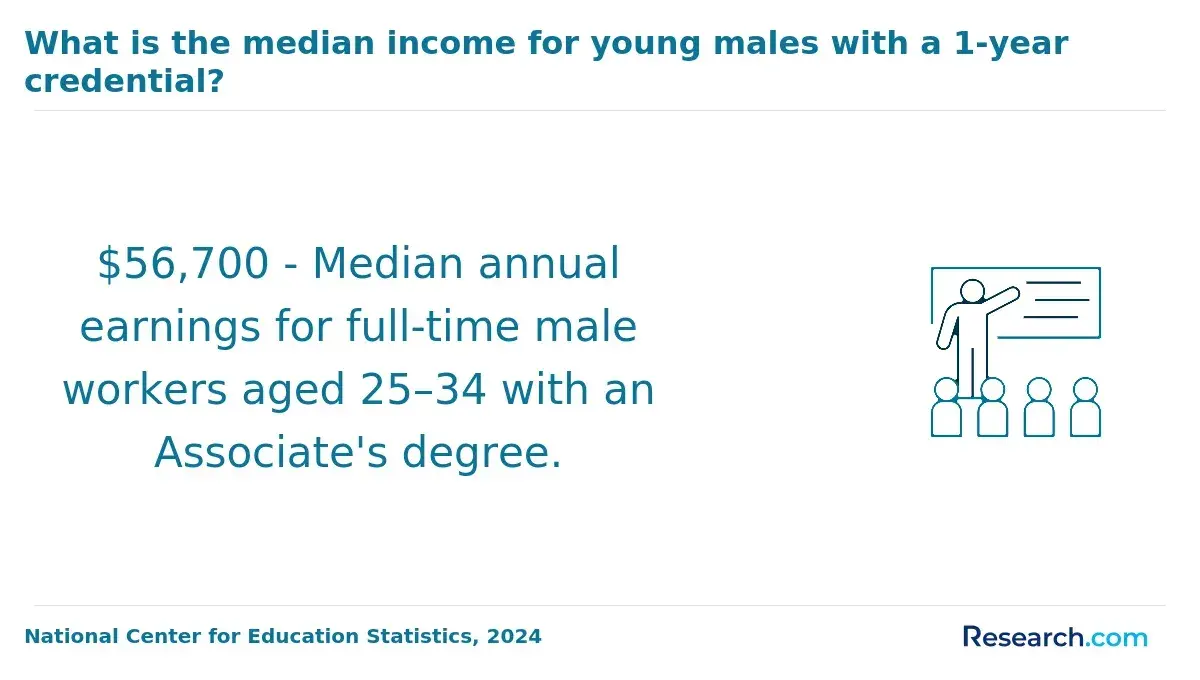
- Median Salary: Data from the Bureau of Labor Statistics indicates that bachelor's degree holders in related science fields typically earn median salaries 20% to 40% higher than those with only associate degrees. Certificate holders frequently access entry-level positions with comparatively lower wages.
- Short-Term ROI: For individuals aiming to enter the workforce quickly, associate degrees or certificates provide cost-effective pathways with reasonable starting salaries. These credentials suit learners balancing financial constraints and work obligations well. They enable faster qualification and earlier income generation.
- Long-Term ROI: Over time, a bachelor's degree in biochemistry tends to deliver significant earnings growth and enhanced job stability. This credential opens opportunities for specialized research roles, managerial positions, and advanced scientific careers. Graduates report more frequent promotions and better protection against economic fluctuations.
- Non-Financial Benefits: Bachelor's degree holders benefit from expanded professional development resources, extensive networking, and employer-valued credentials, advantages less accessible to those with certificates or associate degrees.
- Decision Framework: Assess your current financial situation, career urgency, and long-term objectives before choosing. Those needing immediate employment with moderate salaries may find associate degrees or certificates best. Individuals targeting career growth in biochemistry or research should consider investing in a bachelor's degree for superior lifelong returns.
Which Online Biochemistry Specializations or Concentrations Yield the Highest Earning Potential After Graduation?
Specializations within online biochemistry bachelor's programs show notable differences in earning potential and investment requirements, according to Bureau of Labor Statistics (BLS) data and industry insights.
These variations help students maximize their return on investment by aligning specialization choices with career goals and prior experience.
- Pharmaceutical Biochemistry: Graduates typically secure roles in drug development or regulatory affairs, where median salaries often exceed $90,000 annually-15-20% higher than general biochemistry positions. This specialization usually demands additional certification such as Good Clinical Practice (GCP) training, increasing upfront costs but accelerating salary growth.
- Clinical Biochemistry: Focused on clinical labs and diagnostic companies, this track leads to median pay near $65,000, rising with advanced credentials like medical laboratory scientist licensing. Certification and continuing education add to the initial investment, yet this path offers strong job security and steady advancement.
- Biotechnology and Molecular Biology: Careers in biotech firms or academia average around $80,000, reflecting a 10% salary premium over general biochemistry roles. Specialized lab techniques are required, but costly licensure is generally not, creating a moderate time-to-ROI.
- Environmental Biochemistry: Entry-level median salaries hover near $60,000. While lower, the field benefits from steady demand and advancement opportunities without significant certification costs, reducing financial barriers.
Choosing which specialization to pursue should consider tuition expenses alongside these earning potentials. Those with limited budgets might lean toward environmental biochemistry for lower cost and consistent demand.
Working professionals balancing time and finances may find biotechnology offers balanced returns. Career changers willing to invest in certifications could benefit most from pharmaceutical or clinical tracks.
How Do Employer Tuition Reimbursement and Financial Aid Reduce the Net Cost of an Online Biochemistry Bachelor's Degree?
Employer tuition reimbursement programs offer a valuable opportunity to dramatically reduce the out-of-pocket cost of an online Biochemistry bachelor's degree. Under IRS Section 127, employees can receive up to $5,250 annually in tax-free tuition assistance, which lowers education expenses without increasing tax liability.
About 60% of U.S. employers provide some form of tuition assistance, according to the Society for Human Resource Management (SHRM), making it a common employee benefit aimed at workforce development and skill advancement.
Combining employer tuition reimbursement programs for online Biochemistry degrees with federal and institutional financial aid further lessens net costs. Grants, scholarships, both need- and merit-based, and federal subsidized loans that defer interest while students remain enrolled reduce the sticker price and limit debt accumulation.
This layered financial support can make a Biochemistry degree significantly more affordable for students managing tight budgets or working professionals seeking career progression. For example, a student facing $15,000 in annual tuition might use $5,250 from employer reimbursement, a $3,000 Pell Grant, and a $4,000 institutional scholarship to reduce their balance to just $2,750 before loans or additional payments.
Such cost reductions not only improve affordability but also enhance return on investment by preserving future earnings potential. It is essential for prospective students to consider these options within the broader context of career advancement, job security, and professional development opportunities offered by completing an online Biochemistry degree.
For those exploring career options, understanding whether is medical coding a good career can also inform interdisciplinary pathways related to health sciences.
What Hidden Costs Should Students Factor Into the Total Investment of an Online Biochemistry Bachelor's Degree?
When budgeting for an online biochemistry degree, students frequently overlook hidden costs that raise the total cost significantly beyond advertised tuition. Technology fees are a common example, typically ranging from $100 to $500 annually, which supports digital platforms and specialized resources required for coursework.
Additionally, virtual proctoring services for exams usually add $50 to $150 per test, which can accumulate rapidly over multiple courses each semester. Other essential expenses include software licenses tailored to biochemical studies.
These licenses can cost between $50 and $300 per course to access necessary lab tools or data analysis programs. Graduation fees, often between $100 and $300, are required upon degree completion and should be planned in advance.
Furthermore, membership in professional scientific organizations, while optional, costs about $100 yearly and can provide valuable networking and career development benefits after graduation.
According to College Board data and institutional disclosures, these additional expenses can increase the overall cost of an online biochemistry degree by 10% to 20% on top of tuition, affecting the return on investment timeline. This means graduates may take longer to break even on their education costs as these fees delay recouping expenses through increased earnings.
For students with tight budgets, understanding these extra charges is crucial to avoid accumulating debt that offsets salary gains. Prospective students should always request a full cost-of-attendance breakdown, not just the tuition figures, to fully understand the financial commitment. This transparency aids in effective financial planning and helps ensure the chosen program aligns with both academic and budgetary needs.
To better understand how an online biochemistry degree compares financially, students may also consider parallel programs such as online pharmacy programs to evaluate different investment and career outcomes.
How Does the Accreditation Status of an Online Biochemistry Program Affect Graduate Salary and Employability?
Regional accreditation evaluates entire colleges or universities, guaranteeing broad academic quality and institutional integrity. Programmatic accreditation focuses on specific fields like biochemistry, ensuring the program meets industry standards and rigorous academic requirements. Both types of accreditation enhance how employers view a graduate's qualification, directly affecting employability and starting salary potential.
According to the National Association of Colleges and Employers (NACE), hiring managers strongly prefer candidates holding degrees from regionally accredited institutions. These credentials suggest a well-rounded education delivered by qualified faculty, giving graduates more leverage in salary negotiations. Degrees from institutions lacking accreditation or only nationally accredited are often viewed skeptically, which can hinder job prospects and salary offers.
Students should be cautious about enrolling in programs without proper accreditation, as this may restrict eligibility for professional licensure exams vital in science fields. Additionally, non-accredited degrees can limit admission to reputable graduate schools and block access to careers in government agencies or healthcare, where strict accreditation standards are enforced.
Prospective students should consult the U.S. Department of Education's accreditation database and the Council for Higher Education Accreditation (CHEA) to confirm any program's status before committing.
What Entry-Level Job Titles and Salary Ranges Are Available to Graduates of Online Biochemistry Bachelor's Programs?
Graduates with online biochemistry bachelor's degrees find entry-level roles across various sectors, each offering distinct salary expectations and career trajectories. These positions provide a foundation for recouping educational investments at different rates.
- Research Assistant: Commonly employed in healthcare, pharmaceuticals, and academia, starting salaries typically fall between $40,000 and $55,000. Research hospitals and private laboratories often provide the higher end of this range.
- Quality Control Analyst: Primarily working in pharmaceutical manufacturing and food science, entry pay ranges from $45,000 to $60,000, with occasional premiums in technology-related industries.
- Laboratory Technician: Found in hospitals and government labs, salaries generally range between $38,000 and $52,000. Certifications such as medical laboratory technician credentials can enhance initial earnings.
- Regulatory Affairs Associate: Healthcare and pharmaceutical firms hire for these roles, offering $50,000 to $65,000, often improved through specialized certifications.
- Environmental Scientist: Typically employed by government or private environmental companies, entry salaries lie between $45,000 and $60,000.
- Sales Representative (Technical/Scientific Products): Representing biotech and lab equipment firms, these roles start around $50,000 to $70,000 and often include commission, boosting overall income.
- Process Development Associate: Employed in biotechnology and chemical production, starting salaries range from $55,000 to $70,000, supporting faster financial returns.
- Teaching Assistant: Often in educational settings, initial salaries are from $30,000 to $45,000, with higher pay possible in specialized STEM institutions.
Internships and credentials like CLIA or Six Sigma can elevate entry salaries. Concentrations within biochemistry, such as molecular biology or pharmacology, further increase earning potential and accelerate return on investment. Considering these variables helps clarify how career choices post-degree influence financial and professional growth.
What Graduates Say About the Return on Investment of Their Online Biochemistry Bachelor's Degree
- Shane: "Choosing the online Biochemistry bachelor's degree was a strategic decision based on a careful analysis of my financial investment versus future earning potential. I found that the flexibility of online learning allowed me to continue working while studying, minimizing lost income. Ultimately, the degree opened doors to higher-paying jobs and provided valuable career security that I hadn't anticipated initially."
- Emiliano: "Reflecting on my experience, the return on investment from the online Biochemistry degree goes beyond salary increases-it significantly enhanced my professional network and gave me access to industry insights. The program's structure helped me develop rigorous analytical skills and resilience, which are invaluable assets in my career progression. I highly recommend weighing these non-financial rewards alongside the cost when considering such a degree."
- Niamh: "Professionally, earning my online Biochemistry bachelor's degree has been transformative. It positioned me for leadership roles that require advanced scientific knowledge and critical thinking, which were hard to access without this credential. For me, the ROI was measured not only in salary but in the expanded opportunities and respect the degree commands in the scientific community."
Other Things You Should Know About Biochemistry Degrees
Graduates of online biochemistry bachelor's programs typically recoup their educational investment within five to seven years after entering the workforce. This timeline depends on their starting salary and the total cost of the program. Higher-paying roles in pharmaceuticals or biotechnology can shorten this payback period, while entry-level positions in academia or government labs may extend it.
Location significantly impacts salary, with urban areas and regions with a strong biotech or pharmaceutical presence offering higher wages. Graduates employed in private industry generally earn more than those in public sector or academic research roles. States like California, Massachusetts, and New York are known for better compensation due to their concentration of life science companies.
Employer surveys consistently report that a biochemistry bachelor's degree provides a solid foundation for various scientific and technical positions. Labor market data from the Bureau of Labor Statistics shows steady demand for biochemistry graduates, especially in areas related to drug development, environmental science, and quality control. The degree remains a respected credential that opens doors to entry-level and mid-level jobs.
References
- Bachelor's Degree Biochemistry https://www.bircham.edu/bachelor-s-degree-biochemistry.html
- Does an Online Degree Provide a Better Return on Investment Than One From a Brick and Mortar School? https://www.collegevaluesonline.com/faq/does-an-online-degree-provide-a-better-return-on-investment-than-one-from-a-brick-and-mortar-school/
- Calculate the True Cost of an Online Degree https://www.yahoo.com/news/calculate-true-cost-online-degree-130000178.html
- Certificate vs. Associate Degree: Which One Is Right For Me? https://icohs.edu/certificate-vs-associate-degree/
- Surprise, Surprise! Hidden Expenses in Online College - Bachelors Degree Center https://www.bachelorsdegreecenter.org/hidden-expenses-online-college/
- Do Employers Care About College Accreditation? https://www.accreditedschoolsonline.org/accreditation/do-employers-care/
- Does College Pay Off? A Comprehensive Return On Investment Analysis - FREOPP https://freopp.org/whitepapers/does-college-pay-off-a-comprehensive-return-on-investment-analysis/
- Online College Tuition Comparison: Online vs. In-Person https://www.uagrantham.edu/blog/online-college-tuition-comparison-online-vs-in-person/