2027 Post-Master's Nursing Education Certificates for Nurses in Georgia: Teaching Preparation and Practicum
Audited and Verified:
Our Editorial and Data Verification Process
Research.com uses government datasets, official education statistics and primary institutional information to support its career and degree guides. Our review process checks factual accuracy, occupational definitions, source dates and the requirements associated with the credentials discussed.
How This Article Was Fact-Checked
Our editorial team verifies salary estimates, employment projections, education requirements and program information against original data providers and official organizations. Salary figures are checked against the relevant occupational definitions and reporting periods. Information about licensure, accreditation and required in-person training is reviewed separately.
Fact-checked and verified on:

Co-Founder and Chief Data Scientist
If you already hold a nursing master's degree and want to teach, another full degree may be unnecessary. A post-master's nursing education certificate can add structured preparation in course design, teaching, and learner assessment - but its value depends on the teaching setting you want and the practicum you can complete.
This guide explains how to evaluate Georgia programs, including their admission rules, online requirements, supervised teaching, costs, and career implications. You'll be able to judge whether a certificate fills a genuine skills gap or whether experience and targeted professional development would serve you better.
Key Things You Should Know
- A post-master's nursing education certificate builds teaching skills for nurses who already have a graduate degree; it does not award another master's degree or create an RN or APRN license.
- Compare programs on three essentials: what you will learn to teach, how supervised teaching is arranged, and whether the resulting credential meets your target employer's faculty requirements.
- Online coursework does not eliminate the teaching practicum. Confirm its required hours, approved setting, supervisor, and scheduling before enrolling.
What Is a Post-Master's Nursing Education Certificate in Georgia?
A post-master's nursing education certificate is a graduate-level, nondegree award for nurses who already hold a master's degree and want formal preparation to teach. Its focus is usually nursing curriculum, instruction, assessment, and supervised teaching - not initial nursing practice or a new advanced practice specialty. Schools may call the award a post-master's, post-graduate, or graduate certificate; verify the actual credential on the transcript.
The certificate is most useful when an experienced RN or APRN has strong subject expertise but limited preparation to design courses, evaluate learners, or facilitate clinical learning. Someone seeking initial RN preparation needs a different route, such as prelicensure nursing education - not flexible BSN completion routes for licensed RNs, which also assume an existing RN license.
It is not the only route into teaching. An employer may accept a relevant graduate degree plus teaching experience for a particular role, while a full nursing education degree may be more appropriate if the employer specifies one. Compare the certificate's coursework with your existing transcript and the qualifications in actual Georgia job postings before paying to repeat material.
What Are the Admission Requirements for Georgia Nursing Education Certificates?
Expect a school to review your graduate nursing preparation, academic record, and RN license. Some programs may accept a graduate degree in a related field or have additional experience requirements; others may require an MSN specifically. Admission rules can also differ from requirements for entering the practicum, where a site may request a background check, health documentation, or employment approval.
Send admissions staff your graduate transcript and a description of your intended teaching setting. Ask whether prior education courses can apply, whether your license must be active in Georgia for your proposed placement, and which requirements must be met before practicum registration. If you hold an associate degree in nursing but no master's degree, first establish graduate-degree eligibility; an ADN-to-MSN bridge length and requirements comparison addresses a different entry point.
How Do Georgia Nursing Education Certificates Prepare Nurses to Teach?
Clinical expertise supplies the subject matter; educator preparation teaches you how to make that expertise learnable and assessable. A strong certificate gives students opportunities to write measurable objectives, plan instruction, facilitate learning, give feedback, and revise teaching based on evidence - not simply observe a faculty member.
The intended job should determine which teaching experiences matter most. This comparison shows why a practicum that fits one educator role may be a poor match for another.
| Target role | Preparation to look for | Potential mismatch |
| Academic classroom faculty | Course planning, assessment, and student feedback | A practicum limited to staff in-service sessions |
| Clinical nursing instructor | Supervised learner coaching, evaluation, and safety oversight | Teaching only in an online classroom |
| Hospital staff educator | Competency assessment, onboarding, and practice-change education | No opportunity to teach practicing nurses |
| Simulation educator | Scenario objectives, facilitation, debriefing, and evaluation | Simulation equipment exposure without supervised facilitation |
A certificate develops educator skills; it does not establish readiness for every faculty appointment. If your goal is broader organizational leadership or practice improvement rather than teaching, compare the required work with post-master's DNP programs for non-bedside goals instead of assuming an education certificate serves both purposes.
Course titles vary, but the curriculum commonly covers teaching and learning theory, nursing curriculum design, instructional methods, assessment and evaluation, and an educator practicum. Some programs also address online teaching, simulation, or the academic faculty role. Review assignments as closely as course names: designing an examination blueprint or revising a lesson after learner feedback gives more direct evidence of teaching preparation than a course title alone.
Ask for a degree plan showing required courses, prerequisites, sequencing, and any permitted substitutions. Nurses whose real goal is a new APRN population focus should not mistake educator coursework for clinical specialty preparation. For example, shorter psychiatric-mental health nursing master's pathways address a different objective and have different supervised practice and certification considerations.
The practicum is supervised teaching practice. Depending on the program, a student might develop lessons, teach nursing students or employed nurses, facilitate simulation, assess learning, and receive feedback from an approved educator. It should not be confused with direct patient-care clinical hours required for an APRN specialty.
Placement arrangements are often the deciding factor for a working nurse. Before enrolling, establish the following responsibilities in writing so that an otherwise convenient program does not become difficult to finish.
- Ask who finds and approves the site and educator preceptor, and whether your current workplace is eligible.
- Confirm required hours, acceptable activities, faculty oversight, evaluation methods, and whether any teaching must occur in person.
- Check when teaching opportunities are available; a course tied to a school term or daytime clinical group may conflict with your work schedule.
- Clarify permissions for using student work, employee information, or patient-related examples, and follow site privacy rules.
Do not assume that your regular job duties will count as practicum hours. Programs that help arrange placements should explain exactly what that help includes. The placement challenges discussed in family NP programs with clinical placement assistance concern supervised patient-care training; an educator practicum needs a suitable teaching setting and supervisor instead.
Online coursework may be an option, but "online" describes course delivery, not necessarily every program obligation. Live class meetings, group assignments, campus visits, simulation activities, or supervised teaching at an approved site can still require fixed times or travel. A nurse working shifts should request a sample course schedule and practicum calendar rather than relying on a general flexibility claim.
Ask whether the school can enroll you from your state of residence and approve a practicum at your proposed location. If you are comparing online certificates for different goals, note that short PMHNP certificate pathways for nurses prepare eligible nurses for a distinct advanced practice specialty; their patient-care placements do not substitute for educator teaching practice.
There is no reliable single Georgia-wide length or price: schools set different credit loads, course sequences, tuition rates, and practicum rules. A part-time plan may also take longer if a required course is offered infrequently or the teaching placement must align with an academic term. Request an individualized plan showing your entry term and expected completion term.
For a meaningful cost comparison, calculate tuition from the required credits and your applicable rate, then add mandatory fees, books or technology, placement-related expenses, travel, and any income lost to scheduled teaching time. Ask whether employer tuition assistance covers a nondegree certificate and whether prior coursework can reduce requirements; neither saving should be assumed before written approval.
Compare total cost against the role you actually want, not simply the shortest advertised program. For instance, shorter routes to family NP preparation address patient-care advancement rather than faculty preparation, even if their timelines appear attractive.
Check three separate questions: whether the institution holds recognized institutional accreditation, whether its nursing program holds applicable nursing accreditation such as ACEN or CCNE, and how the specific certificate fits within the accreditor's published scope. Do not assume that a school's accredited MSN automatically makes every separately advertised certificate an independently accredited program.
Georgia Board of Nursing oversight, school approval, and employer faculty qualifications are different matters. Ask the certificate administrator to identify the award's accreditation status and explain how graduates document qualifications for the teaching role you seek. If you plan to teach in a prelicensure program, ask that prospective employer which faculty standards apply; a certificate alone does not settle its hiring decision.
Accreditation checks are more relevant here than entry-exam filters. Lists of nursing program options without HESI scores generally address a different admissions question and cannot establish the standing of a post-master's educator certificate.
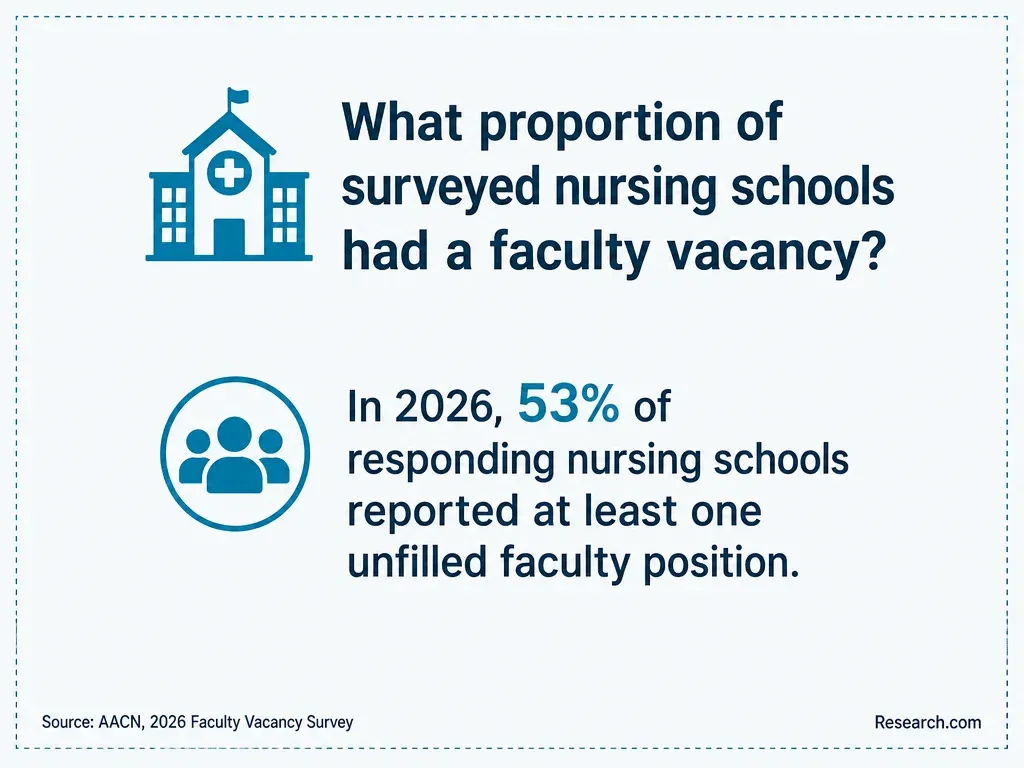
Possible roles include nursing school adjunct or faculty member, clinical instructor, simulation educator, and hospital nursing professional development or staff educator. Duties differ: academic faculty may design courses and grade students, clinical instructors supervise learners in practice settings, and staff educators support employee learning and competency assessment. Hiring standards depend on the employer, program level, subject taught, and your graduate preparation and practice experience.
Match your practicum and teaching portfolio to job descriptions before choosing a certificate. If postings emphasize bedside specialty expertise or preceptor experience more than formal educator coursework, targeted teaching assignments or employer-supported development may be a more direct first step. Conversely, if they require graduate educator preparation, confirm that the certificate satisfies the wording of that requirement.
This is a transition for an already-qualified nurse, not an entry route into nursing. An applicant who needs initial RN preparation should evaluate a prelicensure pathway; a guide to six-month LPN-to-RN claims and alternatives addresses that separate decision for practical nurses.
What Are Nurse Educator Certification and Salary Expectations in Georgia?
A school-issued certificate and professional certification are different credentials. The National League for Nursing's Certified Nurse Educator (CNE) credential, for example, has its own eligibility and examination requirements. Confirm the current rules directly with the certifying organization before assuming your certificate qualifies you to apply. Hospital professional development roles may value different credentials; neither certification changes RN or APRN practice authority.
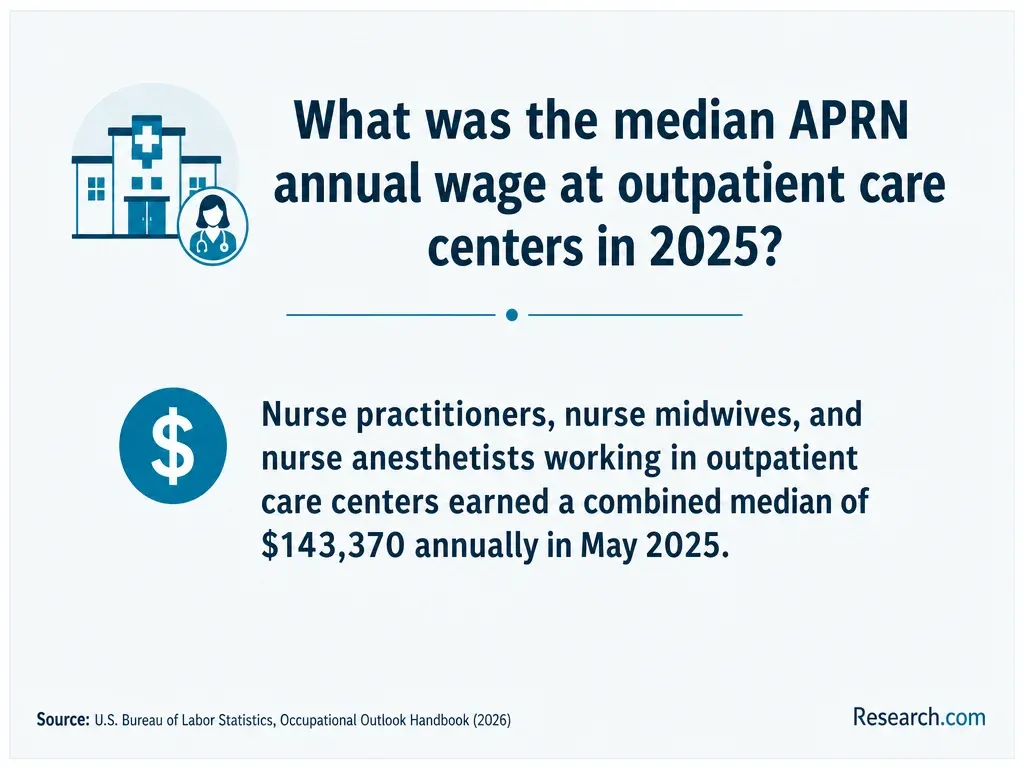
For pay research, use occupation and setting rather than degree title. U.S. Bureau of Labor Statistics nursing-instructor wage data describes an occupation, not the earnings of Georgia certificate graduates, and may not describe a hospital staff educator's job. Georgia offers should be compared by appointment type, workload, benefits, required teaching experience, and whether the position is adjunct, full-time academic, or employer-based. A certificate does not guarantee a raise or faculty appointment.
Likewise, an educator credential is not a substitute for specialty practice certification. FNP certificate routes for changing advanced practice focus serve nurses pursuing a different clinical role, with separate education and certification requirements.
Other Things You Should Know About Nursing
Only if the receiving school approves a substitution under its policies. Submit transcripts, syllabi, and documented teaching work for review; experience alone does not guarantee credit.
Possibly. An employer decides whether your existing degree, license, experience, and any faculty rules qualify you for a particular assignment before graduation.
It may, but only with advance program approval of the site, supervisor, learning activities, and evaluation. Paid employment is not automatically accepted as academic practicum work.
The academic award can be presented to employers elsewhere, but hiring standards and any applicable nursing-program faculty rules vary. Check the requirements for the specific position and jurisdiction.
- Guidance on Clinical Practice and Supervision | ca.gov https://docs.ctc.ca.gov/Document/Download/30526
- Nursing Education | Georgia Secretary of State https://sos.ga.gov/page/nursing-education
- Types of Financial Aid: Grants, Work-Study, and Loans | studentaid.gov https://studentaid.gov/understand-aid/types
- Educating Nurses for the Future - NCBI - NIH https://www.ncbi.nlm.nih.gov/books/NBK573912/
- GA R&R - GAC - Chapter 410-8 REGISTERED NURSING EDUCATION PROGRAMS https://rules.sos.ga.gov/gac/410-8
- Frequently asked questions about educational assistance programs | Internal Revenue Service https://www.irs.gov/newsroom/frequently-asked-questions-about-educational-assistance-programs
- Increasing the Number of Faculty With CNE® Certification - PMC https://pmc.ncbi.nlm.nih.gov/articles/PMC8719504/
- Post-Master's Certificate in Nursing Education | University of North Georgia https://ung.edu/degrees/graduate/nursing-education-post-masters-certificate.php
- Post-Master's Nurse Educator Certificate | Francis Marion University https://www.fmarion.edu/healthsciences/nursing/postmastersnurseeducatorcertificate/
- Post-Master's Certificate in Nursing Education | westga.edu https://www.westga.edu/academics/program_page.php