2027 Online vs On-Campus Library Media Degree Programs: Pros & Cons

Co-Founder and Chief Data Scientist
As online education continues to grow, online library media degree programs have become increasingly popular among students seeking flexible and accessible options. According to the National Center for Education Statistics, over 40% of U.S. higher education students enrolled in at least one online course in 2023. This rise prompts careful consideration of how online formats compare with traditional on-campus programs.
This article examines the pros and cons of online versus on-campus library media degrees, focusing on key areas such as flexibility, cost, learning experience, and career outcomes to help prospective students make informed decisions.
Key Benefits of Online vs On-Campus Library Media Degrees
- Online library media degree programs offer flexibility, allowing 70% of students to balance work and study more efficiently, which is ideal for adults seeking career advancement without relocating.
- These programs often feature lower tuition costs with average savings of 20-40% compared to on-campus options, making them more accessible for a diverse range of students.
- On-campus library media degrees provide direct access to physical library resources and face-to-face networking opportunities, which 65% of graduates report as beneficial for hands-on learning and professional connections.
Are Online vs. On-Campus Library Media Programs Structured the Same Way?
Online and on-campus library media degree programs differ significantly in their structural design, affecting how courses are delivered and how students interact with material and peers. These differences influence the flexibility, engagement, and daily routines for learners in each format. The following bullet points compare key structural elements between online and on-campus library media programs.
- Course Delivery: Online programs primarily use digital platforms with a combination of asynchronous content like recorded lectures and interactive modules, alongside synchronous live sessions for real-time interaction. On-campus programs rely on in-person lectures, workshops, and hands-on activities, providing immediate feedback and direct engagement with instructors and classmates.
- Class Schedules: Online formats offer substantial flexibility, often allowing students to study and complete assignments at their own pace, benefiting those with work or family commitments. Conversely, on-campus programs follow fixed schedules, requiring attendance at specific times, which can foster discipline but may limit flexibility.
- Interaction and Collaboration: Students in online programs connect through forums, video calls, and collaborative projects, which support group work but generally offer fewer spontaneous networking opportunities. On-campus students enjoy face-to-face relationships, immersive workshops, and campus activities, enhancing collaborative learning and professional networking.
- Hands-On Experience: On-campus learners access library facilities, archival materials, and specialized labs for practical learning and easier access to internships. Online students often rely on virtual simulations or must independently arrange local field experiences, which can vary in quality.
- Learning Environment and Structure: The on-campus setting provides a structured environment that helps students maintain focus with clear boundaries between academic and personal life. Online programs require greater self-direction and autonomy, appealing to students who prefer independent study or need to integrate coursework into a busy schedule.
Are Admission Requirements the Same for Online vs On-Campus Library Media Degree Programs?
Colleges and universities generally uphold consistent academic standards for both online and on-campus library media degree programs to ensure graduates meet similar professional and licensure expectations.
However, they may differ in how they assess an applicant's readiness for the unique demands of online learning, such as self-motivation and technological proficiency. To clarify the admission requirements for online library media degree programs compared to on-campus options, the following highlights key similarities and differences.
- Academic Qualifications: Both online and on-campus library media programs generally require a bachelor's degree from an accredited institution, often with a minimum undergraduate GPA around 3.0 on a 4.0 scale. While admissions standards are consistent, online programs sometimes offer more flexibility by considering relevant professional experience in lieu of GPA.
- Work Experience: Most graduate programs, regardless of delivery format, prefer or require prior teaching certification or experience in educational settings. Online programs may place greater emphasis on professional experience, especially for applicants without traditional academic backgrounds, whereas on-campus programs may admit students directly from undergraduate studies.
- Application Materials: Both formats require official transcripts, a professional resume, and letters of recommendation. Essays or personal statements are commonly requested, with online applicants occasionally asked to address their preparedness for independent, technology-driven study.
- Testing Requirements: Standardized tests like the GRE are increasingly not required for either online or on-campus library media programs at the graduate level. Undergraduate applicants may still submit SAT or ACT scores depending on the institution.
- Fieldwork and Practicum: All reputable programs mandate fieldwork or practicum experience in school library media settings. Online students typically arrange placements locally, while on-campus students complete these near their institution.
- Admissions Timelines and Flexibility: Online programs often offer multiple start dates and rolling admissions, which cater well to working professionals seeking flexible scheduling. In contrast, on-campus admissions usually adhere to traditional academic calendars with fixed deadlines.
- Technology Readiness: Applicants to online programs may need to demonstrate basic computer literacy or access to necessary technology to ensure success in virtual coursework. This requirement tends to be less emphasized in on-campus admissions.
Students curious about future career paths related to these programs may also find valuable insights in top college majors for the future, which highlights educational trends and in-demand fields.
Do Online Library Media Students Receive the Same Academic Support as On-Campus Students?
Universities have significantly expanded their academic support systems to ensure that online library media students receive resources and assistance comparable to those available to their on-campus peers. This development reflects a commitment to student success regardless of learning format or location, providing equitable opportunities for all learners.
To better understand how academic support compares between online and on-campus formats, below is a list outlining key services offered to library media students in both settings.
- Tutoring Services: Both online and on-campus students have access to tutoring, with on-campus sessions typically held in person and online learners supported via virtual platforms. Online tutoring often operates 24/7, offering flexible schedules that benefit working or non-traditional students.
- Career Counseling: Career support services such as resume reviews, job placement assistance, and interview coaching are available to all students. Online students usually access these resources through video conferencing or career portals, ensuring similar guidance for library media career preparation.
- Library Access: All library media students use comprehensive online databases, e-journals, and research tools. On-campus students also utilize physical collections and face-to-face librarian help, whereas online students benefit from chat support, virtual consultations, and digital borrowing options.
- Faculty Interaction: Both groups have access to faculty office hours and mentoring. Online students commonly connect via email, video calls, or discussion forums, facilitating regular feedback though in-person students may experience more immediate and spontaneous engagement.
- Technical Support: Dedicated IT help desks assist both online and on-campus students with technical issues. Online learners often rely heavily on virtual troubleshooting services, while on-campus students may additionally use walk-in support.
The time required to complete a library media degree varies significantly depending on whether students enroll in online or on-campus programs, as well as their personal pace and scheduling needs. Each delivery format offers distinct advantages in terms of flexibility and structure, affecting how quickly a degree can be earned. Below is a comparison highlighting the average completion times and key differences between online and on-campus library media degree programs.
Online library media degree programs are typically designed for flexibility, catering to a broad range of students balancing work, family, and other commitments. On-campus programs, meanwhile, tend to follow more traditional scheduling structures with fixed class times. Here are the key distinctions:
- Online library media degree: Most online master's in library media or library and information science programs require approximately 36 credit hours and allow students to study at their own pace. Full-time online students often complete the degree in about 18-24 months, but part-time learners may take up to four years. The asynchronous nature of many courses provides significant flexibility for working professionals or those with family responsibilities.
- On-campus library media degree: Traditional on-campus degrees also require around 36 credit hours, with full-time students typically finishing just over two years. On-campus schedules tend to be more rigid, with set class times and fewer options for acceleration or delays. Part-time students might spend up to five years completing their degree due to institutional policies and less flexible scheduling.
Both formats generally offer the same curriculum, accreditation standards, and career prospects; the choice often depends on individual lifestyle and learning preferences. A professional who pursued an online library media degree shared that while managing coursework alongside a full-time job was challenging, the program's flexibility was crucial. He noted, "It took me about three years to finish because I had to slow down during particularly busy periods at work." He appreciated being able to access materials and complete assignments on his own time, describing the experience as a "balance of discipline and adaptability." Although progressing more slowly than some classmates, he valued the ability to integrate his studies with personal and professional demands, emphasizing that the extended timeline felt manageable and ultimately rewarding.
Tuition, fees, and other expenses vary between online and on-campus library media programs, making affordable choices dependent on multiple factors. While online options often reduce some costs like housing, tuition rates and fees can be comparable across both formats.
Here are the main cost factors that influence whether online or on-campus library media programs present better value for prospective students, especially those interested in most affordable online MLIS programs for 2025:
- Tuition and Fees: Tuition for online library media programs typically ranges from $250 to $600 per credit, with total program costs between $10,000 and $20,000 at many affordable institutions. However, some universities, like the University of Washington, charge identical rates for both formats, sometimes exceeding $60,000 for the entire degree. On-campus students may also face additional campus fees not usually applied to online learners.
- Living Expenses: One of the most significant savings for online students is avoiding costs related to housing, commuting, and meals. On-campus students can incur $10,000 or more annually in living expenses depending on their location, making online programs especially attractive for working professionals and those juggling family responsibilities.
- Technology Costs: Online learners must have reliable internet and capable devices, sometimes incurring initial technology investments. These costs, however, generally remain lower than expenses tied to campus living. Required software or subscriptions are typically minor in relation to total program costs.
- Financial Aid Availability: Accredited online library media programs usually offer federal financial aid options comparable to on-campus formats. Still, some online programs restrict aid to tuition, excluding living expenses, which may impact affordability for students relying heavily on financial support.
- Employer Perception and Career Opportunities: Employers recognize accredited online degrees similarly to on-campus ones, with comparable career outcomes and salaries. Ensuring the program's proper accreditation is key to maintaining these equal opportunities.
- Academic Support and Flexibility: While online programs provide flexibility and remote resource access, on-campus students might benefit from more direct support and networking. This factor can influence the overall value and return on investment of each delivery format.
For prospective students comparing costs, understanding online vs on-campus library science tuition costs alongside these other factors helps clarify true affordability. Exploring options such as easy aa degrees can also provide insight into accessible educational pathways.
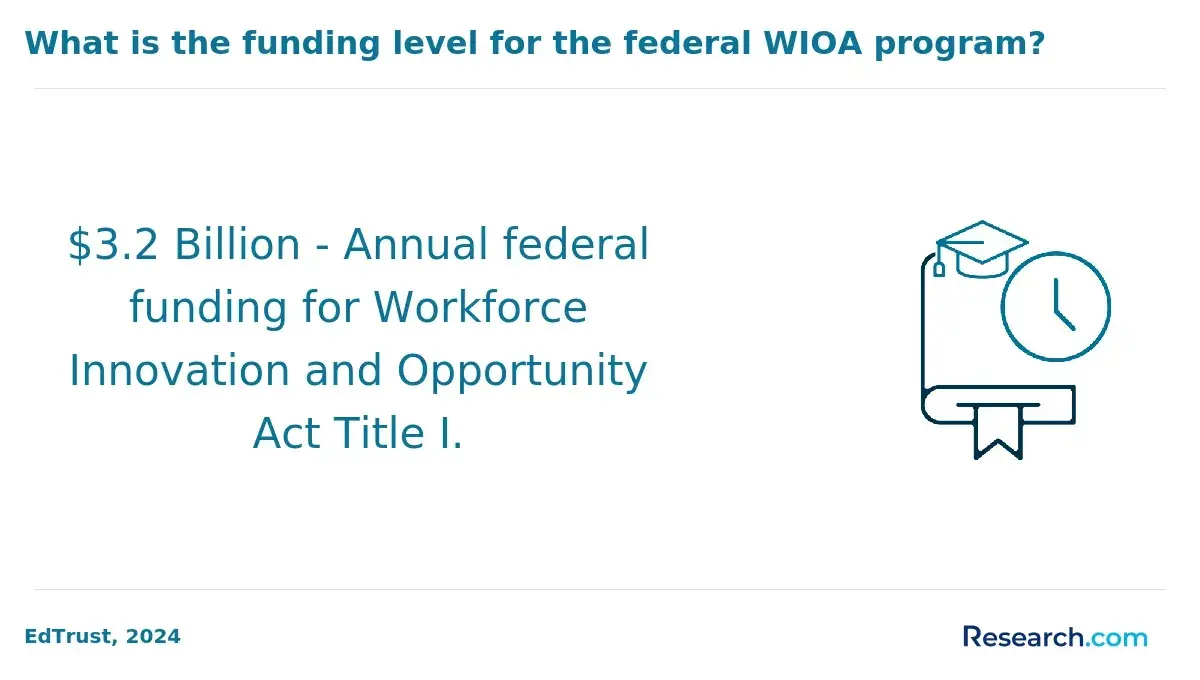
Both online and on-campus library media students in the U.S. typically qualify for financial aid, though eligibility and accessibility can vary depending on the program format and whether the institution is public or private. Understanding these differences is essential for students exploring financial aid for online and on-campus library media programs.
The main types of financial aid available to library media students across both formats include the following options, which vary in eligibility and access:
- Federal Aid: Federal financial aid, including Direct Unsubsidized Loans and Grad PLUS Loans, is accessible to eligible students enrolled in accredited programs, whether online or on-campus. Students must complete the FAFSA, and enrollment is generally required at half-time or more. Some schools also offer Federal Work-Study, with on-campus students sometimes having greater chances for library-related jobs.
- State Aid: State grants and scholarships often depend on residency and may favor enrollment in in-state institutions. Both online and on-campus students can qualify if the school is a state institution, but some aid is limited to those attending in person. Certain states also provide grants for graduates who commit to working in underserved or rural libraries.
- Scholarships and Grants: Numerous scholarships from associations like the American Library Association or local foundations support both online and on-campus students. Some awards, such as scholarships for students in California, specify program format or professional goals. For example, the Alaska Library Association Scholarship supports distance learners willing to work in that region.
- Employer Tuition Reimbursement: Many public and academic libraries offer tuition reimbursement programs regardless of whether the degree is earned online or on-campus. The flexibility of online programs is often preferred by working professionals, and some employers provide paid internships or flexible schedules to help employees continue their education.
- Private Student Loans: Private loans are an option for both student types but often require credit approval and may have less favorable terms than federal aid. Online students should confirm that their institution qualifies for private loans, as some lenders restrict eligibility based on program format.
Students interested in efficient paths to advance their education might explore the shortest masters degree online options, which can also impact financial aid considerations and accessibility.
The credibility of both online and on-campus library media programs rests primarily on accreditation, faculty qualifications, and curriculum standards. Both formats are typically accredited by recognized agencies such as the Council for the Accreditation of Educator Preparation (CAEP) or the American Library Association (ALA), ensuring they meet rigorous quality benchmarks. Faculty members in these programs generally hold advanced degrees and have extensive professional experience, whether teaching in person or online. Curricula are carefully aligned with state licensure requirements, preparing graduates for K-12 and other library media positions.
While online programs often combine virtual coursework and digital collaboration, many still require on-site practicums or internships to provide essential hands-on experience, mirroring traditional program components.
Employer and institutional perceptions of online versus on-campus library media degrees are increasingly converging. According to a 2022 survey by Inside Higher Ed, 61% of academic leaders agree that online education can achieve outcomes equivalent to face-to-face instruction in professional fields if the program is accredited and includes robust experiential learning.
Many school districts, academic libraries, and licensing bodies now recognize online degrees from accredited institutions for employment and certification. Innovations such as interactive virtual classrooms, adaptive learning technologies, and structured partnerships with industry stakeholders are enhancing the reputation of online programs. These advancements help graduates demonstrate skills on par with their on-campus peers, contributing to the growing acceptance and credibility of online library media education.
Employers today generally view online and on-campus library media degrees from accredited and reputable universities as comparable in value, though certain factors heavily influence hiring preferences. University reputation and program accreditation, especially from recognized entities like the American Library Association (ALA), remain critical benchmarks for employers assessing candidates from either format.
Survey data from 2023 reveals that 61% of human resource leaders rate online learning as equal or superior to traditional education, with over 70% of organizations having hired employees holding online degrees within the past year. Businesses tend to favor degrees from well-known brick-and-mortar institutions-whether earned online or on-campus-with 83% of leaders valuing an online degree from a reputable school as equally credible.
Ultimately, employers prioritize the candidate's demonstrated competencies and the credibility of their training program over the delivery mode of the degree.
In the specialized field of library media, accreditation and practical skills carry particular weight, with many employers requiring degrees from ALA-accredited programs regardless of whether the education was in-person or virtual. While on-campus programs offer direct faculty interaction and hands-on learning, online programs provide indispensable flexibility, which benefits working professionals and those balancing multiple responsibilities.
Research indicates a 96% positive return on investment for online graduates in terms of employment outcomes, with some online students outperforming their on-campus peers academically. The normalization of remote and hybrid work environments has shifted hiring managers' focus toward candidates' real-world skills, digital literacy, and program reputation rather than the format through which their degree was earned.
In a conversation with a professional who completed her library media education online, she reflected on the hiring process from her perspective. She noted that employers she encountered were less concerned with the online format and more interested in the quality of her portfolio and practical experiences gained during the program. "What really resonated was how my online studies allowed me to develop strong self-discipline and digital competencies that aligned well with the demands of remote work," she said.
Her ability to balance coursework with professional commitments also demonstrated valuable time management skills. This firsthand experience underscores how an online degree, backed by solid accreditation and tangible skills, can be equally effective in securing meaningful employment in the library media sector.
Salary comparisons between graduates of online and on-campus library media programs are increasingly influenced by factors such as accreditation, employer perceptions, and individual qualifications rather than just the mode of learning. As online programs have gained respect and prevalence, the differences in earnings between these two groups have largely decreased. The following list explains current salary trends and the primary factors affecting library media degree salary comparison for graduates from both pathways.
Key factors shaping online vs on-campus librarian salary in the US include:
- Accreditation and Program Reputation: Graduates from either format who complete programs accredited by the American Library Association (ALA) or comparable organizations generally see similar salary ranges. Employers tend to prioritize the quality and accreditation of the program over whether the degree was earned online or on campus, minimizing pay disparities.
- Employer Perception: Although skepticism toward online degrees has lessened, some traditional institutions may still prefer on-campus credentials for leadership roles. However, most public and academic libraries now regard reputable online library media degrees as equivalent for hiring and salary decisions.
- Geographic Location: Salary differences are more strongly tied to regional demand and cost of living than to degree delivery format. For example, library media specialists in states like California and New York earn higher wages compared to those in rural or lower-cost areas, reflecting local factors more than program type.
- Role and Experience: Entry-level salaries usually range from $31,000 to $55,000 annually for graduates from both online and on-campus programs. Experienced professionals, including digital librarians, can earn between $65,000 and $77,000 or more, with salary growth linked more to experience and education than learning format.
- Cost and Flexibility Advantages: Online programs provide scheduling flexibility and often allow students to work while studying, helping reduce debt and enabling earlier career advancement. While this does not directly raise starting salaries, it contributes to better overall financial outcomes for online graduates.
For students considering their options, understanding these factors alongside the specific benefits of online study, such as what online schools accept fafsa, can help inform decisions about pursuing a library media degree.
Choosing between an online and on-campus library media program depends on your personal learning preferences, lifestyle, and professional goals. This choice significantly impacts your educational experience and career trajectory. Here are key factors to consider when deciding which program format suits you best, especially as you compare online and on-campus library media degrees.
- Learning Style: Online programs typically offer asynchronous courses, ideal for self-motivated learners who prefer studying at their own pace and in their chosen environment. On-campus programs provide structured schedules with in-person interaction and hands-on activities, which benefit those who thrive in collaborative or supervised settings.
- Flexibility Needs: Those balancing work, family, or caregiving duties often find online degrees more accommodating due to their ability to study anytime and anywhere. Conversely, on-campus formats require regular attendance that might conflict with non-traditional students' responsibilities.
- Budget Considerations: Online programs can reduce expenses related to commuting, parking, and campus fees. Some universities also waive out-of-state tuition for online students. However, on-campus students might access campus-based assistantships or jobs that help offset costs, making budgeting a personal decision depending on available resources.
- Networking Opportunities: In-person programs foster natural connections with faculty and peers, valuable for mentorship and career placement. Although online offerings are improving networking via virtual projects and discussion boards, some students might find these less engaging or spontaneous.
- Access to Campus Resources: On-campus students gain direct use of physical libraries, labs, archives, and specialized equipment, essential for certain library media specialties. Online learners typically depend on digital resources, which may not fully replicate tactile or hands-on experiences.
For those researching the best online library media degree programs, it helps to evaluate these points carefully against your goals and circumstances. Additionally, exploring what certifications pay the most can complement your educational choices and long-term career plans.
Here's What Graduates of Online vs On-Campus Library Media Programs Have to Say About Their Degree
- Thalia: "Completing my library media degree entirely online was a game changer. The flexibility allowed me to balance work and family commitments while gaining valuable skills that directly translated to my role as a school librarian. I appreciated the rich digital resources and interactive sessions that made learning engaging despite the distance. Thanks to the program's strong emphasis on technology integration, I felt prepared to support students in a modern, tech-driven environment. This degree truly opened doors to career advancement in a competitive field."
- David: "Attending the on-campus library media program gave me an incredible sense of community and direct access to professors and peers. Those face-to-face interactions helped me build a support network that still benefits me professionally today. I cherish how hands-on experiences in the campus library exposed me to real-world challenges and inspired my passion for promoting literacy and equitable access to information. Graduating from the program gave me confidence and credentials that led to a fulfilling career enriching young minds."
- Maria: "The hybrid format of my library media degree combined the best of both worlds: the convenience of online learning and the invaluable personal connection of on-campus sessions. This structure allowed me to adapt my studies around my job while engaging in meaningful, on-site practicums. It fostered my growth as a reflective practitioner and helped me develop skills that address diverse student needs. The program's flexibility and comprehensive curriculum made me a stronger candidate when I began my career, and I feel proud to contribute to my community's educational success."
Other Things You Should Know About Online & On-Campus Library Media Degree Programs
Most library media degree programs require a supervised practicum or internship, often 30 to 120 clock hours, before graduation. Some states also require student-teaching-style field experience in a school library, completed in approved K–12 settings under a licensed media specialist or school librarian.
On-campus programs in 2027 may involve higher expenses due to housing and commuting. They also impose strict schedules, which can limit flexibility. On-campus settings may not have the same scope of digital resources available to online students, potentially affecting learning resource access.
Most employers view online and on-campus library media degrees equally when the program is accredited and reputable. The quality of coursework and practical experience matters more than delivery format. However, perceptions vary among employers, so highlighting relevant skills and certifications gained during the degree is important regardless of the mode of study.
- The role of the academic librarian in online courses: A case study - ScienceDirect https://www.sciencedirect.com/science/article/abs/pii/S0099133321000756
- Library Media Program https://www.murraystate.edu/academics/CollegesDepartments/CollegeOfEducationandHumanServices/coehsacademicunits/EducationalStudiesLeadershipandCounseling/LibraryMediaProgram.aspx
- Learn Why You Should Pursue a M.Ed. in Library Media With EWU https://online.ewu.edu/degrees/education/med/library-media/value/
- Online Master's in Library Media (MEd) Degree Program | UWA https://online.uwa.edu/online-degrees/med-masters-library-media/
- Program Requirements https://www.dom.edu/academics/grad-phd/library-and-information-science/school-library-media-program/program
- How to Choose Between Studying an Online vs On-Campus Degree https://online.federation.edu.au/how-to-choose-between-studying-an-online-vs-on-campus-degree/
- Are online degrees respected by employers? https://onlineprograms.uic.edu/news-stories/are-online-degrees-respected-by-employers/
- Stats and Graphs: Biases Against Online Library School https://hiringlibrarians.com/2013/09/28/stats-and-graphs-biases-against-online-library-school/