2027 Is a Library Media Online Degree Worth It?

Co-Founder and Chief Data Scientist
Online education continues to expand rapidly, with enrollment in distance learning programs increasing by over 10% annually. Many students are drawn to the flexibility and access offered by online degrees, including those in library media. With the information science field evolving, prospective students want to know if an online library media degree can open doors to relevant career opportunities.
This article explores whether pursuing an online library media degree is worth it by examining key factors such as cost, program accreditation, flexibility, job-market trends, and employer perceptions. Understanding these elements can help students make informed decisions about their educational investment and future in the library media profession.
Key Benefits of Online Library Media Degree
- Online library media programs offer flexible schedules and asynchronous coursework, accommodating working professionals and nontraditional students effectively.
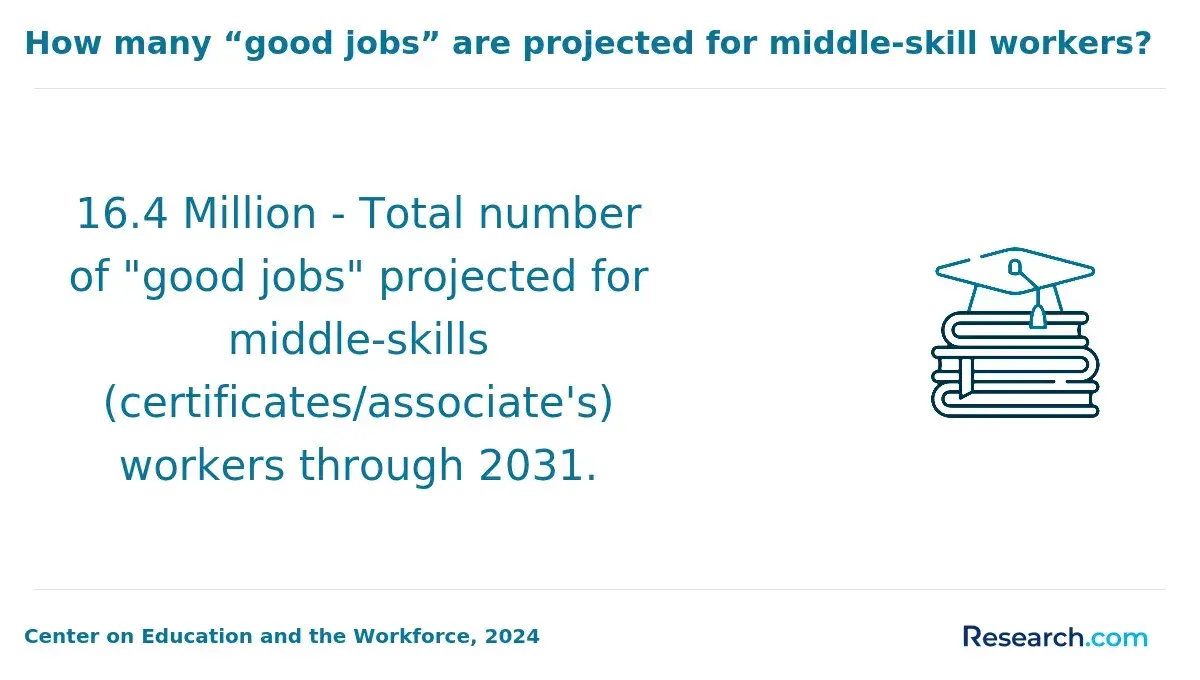
- Graduates gain skills for diverse roles in education and information management, with a projected 9% job growth in librarian fields through 2031.
- Programs often align with state certification requirements, enhancing employability and supporting long-term career advancement in schools and public libraries.
Who Should Choose an Online Library Media Degree Program?
Online learning has become a convenient choice for many students, offering the ability to earn degrees without relocating or interrupting work. Its adaptable structure supports individuals with diverse personal and professional demands. The following groups are especially well-suited for pursuing an online library media degree program.
These learners benefit most from the flexibility and accessibility of online education:
- Working professionals: Current educators often enroll in online programs to shift into school library media positions or enhance skills related to digital literacy and resource management, fitting studies around busy schedules.
- Career changers: Those moving from other fields into education or library services can maintain their jobs while advancing credentials necessary for a smooth transition, thanks to remote access and flexible pacing.
- Rural and remote learners: Students living far from campuses gain equal access to accredited library media programs without the hardship of relocation, removing geographic limits to earning advanced qualifications.
- Lifelong learners and caregivers: Individuals balancing family or caregiving responsibilities can customize their coursework timing, helping them continue professional growth alongside personal commitments.
What Are the Pros and Cons of an Online Library Media Degree?
Online library media programs have grown popular as they offer flexible scheduling and allow students to balance careers, family, and education. These programs provide valuable career advancement opportunities without requiring relocation or full-time commitment.
Pros of an Online Library Media Degree
- Flexible Scheduling: Online degrees provide the ability to study at one's own pace, making it suitable for working adults or parents. For example, asynchronous classes enable students to complete assignments outside traditional hours, enhancing online library science degree flexibility benefits.
- Accessibility and Location Independence: Students can enroll from anywhere across the U.S., avoiding relocation and gaining access to specialized programs otherwise unavailable locally. This expands choices in faculty expertise and curriculum diversity.
- Career Advancement Potential: Many school districts and libraries require a Master's in library media or an ALA-accredited degree for promotion. Online programs allow earning these credentials without interrupting employment, supporting workforce growth.
- Interactive Learning Tools: Modern online courses integrate discussion boards, live chats, and virtual internships to foster engagement and networking comparable to on-campus experiences.
Cons of an Online Library Media Degree
- Self-Discipline Required: Success demands strong time management and self-motivation, challenges for some students who may struggle with the autonomy of online learning.
- Limited Hands-On Experience: Some programs lack sufficient in-person internships or fieldwork critical for practical library skills; prospective students should verify if placements are included in the curriculum.
- Accreditation and Reputation Risks: Not all online library media degrees are ALA-accredited, which can restrict job opportunities in public and academic libraries and affect professional credibility.
- Variable Support and Networking: Online programs may offer less alumni engagement and instructor interaction than traditional formats, potentially reducing mentorship and job placement options common to on-campus study.
For those balancing full schedules, discovering the quickest online programs for working adults can be an efficient step toward career goals in library media. Weighing the advantages and disadvantages of online library programs carefully helps ensure the right fit and maximizes the benefits of this evolving educational path.
How Do AI-Enhanced Virtual Classrooms Work in Online Library Media Programs?
AI technologies have become central to modern online education by making learning more engaging, collaborative, and personalized. These advancements significantly improve the experience for library media students by adapting to their individual needs and fostering active participation in virtual environments. Below are key features of AI-powered virtual learning environments used in online library media programs.
- Adaptive Learning Tools: AI platforms like Diffit generate customized reading materials and assignments tailored to each student's proficiency, ensuring accessible yet challenging content that supports diverse learning levels.
- AI-Powered Personalized Learning in Online Library Media Programs: Tools such as School AI automate curriculum planning and routine tasks, while providing analytics on student engagement and progress, enabling instructors to identify learners who need extra support effectively.
- Real-Time Feedback Tools for Virtual Library Media Classrooms: Automated feedback systems like Class Companion offer immediate, constructive responses on assignments, helping students improve faster and deepen their understanding.
- Collaborative Learning Enhancements: AI-driven platforms facilitate interactive group projects, trivia, and peer feedback activities that make virtual classrooms dynamic, socially connected spaces.
- AI Academic Assistants: Assistants such as ChatGPT and NotebookLM answer questions, summarize research, and suggest resources, helping students focus on critical thinking and media literacy skills.
For those exploring options, programs offering easy online associate degrees often incorporate these AI features to support student success in virtual settings.
Having the right technology setup is essential for success in modern online library media programs. These programs rely heavily on digital tools and resources, requiring students to have reliable hardware and software for smooth participation and learning. Below is a list outlining the specific technology requirements for online library media programs to help you prepare before enrollment.
- Reliable Computer: A personal computer with an updated operating system such as Microsoft Windows or Mac OS X is fundamental. This device serves as the primary tool for accessing digital course materials, completing assignments, and running specialized software used in modern library media coursework.
- High-Speed Internet: Consistent broadband connectivity is non-negotiable to support synchronous classes, video discussions, and downloading large files. Reliable internet access ensures uninterrupted participation in virtual instruction and seamless interaction with information systems integral to the program.
- Headset with Microphone: A quality headset enables clear communication during live online discussions and group projects. This device helps students engage effectively in collaborative environments and virtual classrooms, which are common in library media degree programs.
- Software Tools: Familiarity with content management systems, metadata software, and web browsers is crucial. Many programs also require basic knowledge of programming environments and cloud-based collaboration platforms, reflecting the hardware and software needed for library media degree success.
- Dedicated Study Space: Setting up a quiet, organized area free from distractions supports focus and productivity. A proper study environment complements the technical requirements by fostering effective learning during technology-intensive coursework.
These technology requirements enable students to develop core competencies in digital preservation, information architecture, and database management. For those interested in accelerated paths, consider exploring the accelerated associate degree online options that balance fast-track scheduling with the technology infrastructure crucial for library media studies.
Program length is a key consideration for prospective students balancing work, family, or other responsibilities. Completion times for online library media degrees can vary widely depending on degree type and pacing options. Below is an overview of typical timelines for online library media programs.
- Full-Time Master's Program: Usually requires 36 to 45 credit hours and takes about 18 to 24 months to complete. Many programs offer asynchronous classes and multiple start dates, providing flexibility to full-time learners.
- Part-Time Master's Enrollment: Suitable for those needing a lighter course load, with options to extend the program up to six years. Self-paced formats allow students to progress based on their personal schedules.
- Accelerated Master's Tracks: Some universities permit finishing in as little as one year by compressing coursework and leveraging intensive schedules.
- Bachelor's Degree: Typically requires four years full-time study, though accelerated routes and transfer credits can reduce completion to approximately two years.
Many prospective students worry about balancing full-time work with online study, especially when pursuing a library media degree. Managing both commitments demands careful planning and understanding key factors that impact this balance. Below are essential considerations for working full-time while enrolled in an online library media program.
- Flexible Scheduling: Part-time options and asynchronous courses allow students to complete assignments on their own time, making it easier to fit studies around work hours. Fewer synchronous classes reduce conflicts with a work schedule.
- Workload Management: Coursework involves consistent reading, writing, and research, requiring discipline to stay on track. Spreading practicum hours over multiple terms can lighten the intensity.
- Employer Support: Flexibility from employers, such as adjusted work hours or time off for internships, greatly aids juggling responsibilities.
- Time Management Skills: Creating realistic schedules, setting priorities, and limiting distractions help maintain steady progress without burnout.
When asked about her experience working full-time while completing an online library media degree, a graduate described it as challenging but rewarding. She recalled nights spent finishing readings after long workdays and negotiating with her employer for weekend practicum hours. "It was tough balancing both," she said, "but staying organized and being upfront with my workplace made it possible." Her journey reflects how determination combined with strategic planning can make earning a degree while working full-time attainable.
Internships are essential for gaining practical experience and preparing for careers in library media. They enable students to apply theoretical knowledge in real library settings, building skills that employers highly value. Online library media programs use various methods to help students secure and complete these crucial internships.
- Structured Internship Courses: Programs often include mandatory internship components supervised by experienced mentors who help students set goals and track progress through portfolios, ensuring alignment with professional standards.
- Flexible Local Placements: Students can arrange internships near their homes, providing convenience and allowing them to find roles that match their interests and schedules across diverse geographic locations.
- Virtual Internship Opportunities: With the growth of digital libraries, many programs offer remote internships that remove geographic barriers and provide access to specialized virtual library work.
- Faculty and Career Support: Advisors assist students in identifying appropriate sites, connecting with professional mentors, and monitoring internship quality to guarantee meaningful and relevant experiences.
Knowing the tuition costs of an online library media degree is crucial for students planning their education budgets and assessing the value of their investment. Understanding these expenses helps avoid surprises and aligns expectations before enrolling. Below is an overview of important tuition-related considerations for prospective students.
- Average Tuition Per Year: Recent data indicates the median annual cost for a master's in online library media ranges near $7,300, with total program prices generally falling between $10,000 and $28,000, depending on the institution and student status.
- Average Tuition Per Credit: Tuition is often charged by credit hour, varying from approximately $283 to $645 per credit. For typical 36-credit programs, this results in a tuition expense between $10,000 and $25,000.
- Public vs. Private Institutions: Public universities tend to offer more affordable rates, especially for residents, sometimes below $300 per credit. Private schools frequently come with higher fees, pushing total costs beyond $25,000.
- In-State vs. Out-of-State Rates: Residency can greatly influence price; in-state students pay the lowest rates while out-of-state or international enrollees may incur costs up to three times higher, occasionally reaching $35,000 or more.
- Additional Fees: Beyond tuition, expect expenses such as technology charges, textbooks, and online course fees adding between $500 and $1,000 annually; some programs also require fees for practicum or certification exams.
When asked about the average cost, a current online library media student shared that managing expenses required careful planning. He noted that gathering detailed tuition estimates early helped him secure financial aid and budget effectively. "It wasn't just about the sticker price," he explained, "but also those smaller fees that add up over time."
Despite the financial concerns, he found the flexibility and quality of the program worthwhile, stating, "Investing in this degree feels like a step toward long-term career growth, even if the costs are higher than I initially expected." His experience reflects that while tuition varies, informed budgeting and persistence can make pursuing an online library media degree achievable and rewarding.
Understanding potential earnings is crucial when considering an online library media degree to determine if it meets your financial goals. Below is a detailed overview of key salary insights to help evaluate this career path.
- Average Entry-Level Salary: Entry-level positions typically start around $48,480 annually in states like California, reflecting the 10th percentile of earnings. These roles often provide a solid foundation for building experience and advancing in the field.
- Median Salary for Librarians and Media Specialists: The national median salary currently stands at about $64,320 per year or roughly $30.92 per hour, representing the midpoint where half of professionals earn more and half earn less. This median offers a realistic benchmark for individuals holding an online library media degree.
- Salary by Region: Geographic location greatly impacts earnings. In California, for example, the average librarian salary is $90,960, significantly higher than the national median. Metropolitan areas show variation as well, with San Jose-Sunnyvale-Santa Clara topping the list at $100,610, while smaller areas like Bakersfield-Delano average $79,700.
- Salary by Industry and Experience: According to the American Library Association, public librarians earn on average $65,339, with those working in larger systems earning more than those in smaller institutions. Experienced professionals at the 90th percentile can earn up to $130,760, illustrating the importance of career stage on earnings.
- Return on Investment Considerations: Program costs vary widely, from roughly $10,750 for in-state tuition at North Carolina Central University to over $35,000 for out-of-state students. Prospective students should compare these costs with expected salaries, factoring in location, employer type, and career trajectory to evaluate value.
For more information on programs, consider exploring colleges that accept FAFSA to help with financing your online library media degree.
An online library media degree is highly versatile, equipping graduates with skills in information management, digital literacy, and research applicable across numerous professional fields. These competencies prepare graduates for a broad range of career paths. The following industries actively hire graduates from online library media programs:
- Education: Graduates often become school librarians or library media specialists in elementary, middle, and high schools, where they support curriculum development and encourage student research skills. Colleges and universities hire academic librarians, digital collections specialists, and instructional technology coordinators, valuing expertise in managing diverse information resources.
- Public Libraries: Positions range from community engagement coordinators to digital resource managers. Public libraries seek professionals who can curate digital archives, assist patrons, and implement literacy programs, emphasizing information accessibility.
- Museums and Archives: Museum and archive roles focus on preserving, organizing, and providing access to historical collections and digital artifacts. These fields appreciate graduates' proficiency in digital asset management and information retrieval.
- Government Agencies and Nonprofits: These sectors value graduates for their ability to manage records, conduct research, and facilitate public access to information. Library media professionals often take on roles in competitive intelligence analysis and public information services, highlighting strong relevance in information science jobs in tech and government agencies.
- Corporate Sector: Companies in technology, media, law, and health industries hire graduates as information brokers, knowledge management specialists, or digital asset managers. This area exemplifies library science careers in corporate and nonprofit sectors, where organizing and retrieving complex data is critical.
Recent data from Syracuse University shows 96% employment among online library science graduates, reflecting the degree's adaptability in today's job market. Those exploring career options should also review top paying trade school jobs for additional opportunities aligned with information management skills.
What Graduates of Online Library Media Programs Say About Their Degree
- Walker: "As a professional, I appreciated the structured learning experience that the online library media degree offered, without the pressure of rigid deadlines. This approach allowed me to absorb complex concepts deeply, which greatly impacted my work in organizing and managing digital collections. The lower costs compared to in-person programs made this a smart and efficient choice. "
- Casen: "The cost of attending an online library media program was surprisingly reasonable, which encouraged me to finally make the leap. Reflecting back, the depth of knowledge and convenience of an online format gave me the confidence to advance my career in educational resources management. It was an experience that truly balanced quality and affordability. "
- Mordechai: "Pursuing my online library media degree allowed me to learn at my own pace, which was crucial given my full-time job. The flexibility combined with a curriculum that truly prepared me for real-world challenges made the investment, especially considering the comparatively affordable tuition, absolutely worthwhile. I feel empowered in my career now, thanks to this program. "
Other Things You Should Know About Library Media Degrees
In 2027, online library media programs often collaborate with local libraries to provide students with internships or fieldwork opportunities. Virtual simulations and projects are also integrated to build practical skills, ensuring students emerge well-prepared for real-world challenges.
Most online library media degree programs are designed to meet state certification requirements for school library media specialists or librarians. However, certification requirements vary by state, so students should confirm that the program aligns with the licensing standards where they intend to work. Completing an accredited program often makes graduates eligible to apply for certification exams.
Most states require a state-approved educator preparation program, a passing score on the Praxis School Librarian test where used, and a library media specialist endorsement or certificate from the state education agency. Some states also require a background check and a supervised practicum or internship.
- Librarians and Library Media Specialists https://www.bls.gov/ooh/education-training-and-library/librarians.htm
- Library Media Specialist Degree - Library Science Degrees Online https://librarysciencedegreesonline.org/library-media-specialist-degree/
- Alternative Career Paths Utilizing Library Science Skills https://www.librariancertification.com/alternative-career-paths-utilizing-library-science-skills/
- MLIS Master of Library and Information Studies, concentration in School Library Media - Online and Distance Degrees - UA Online | The University of Alabama https://online.ua.edu/degrees/mlis-master-of-library-and-information-studies-concentration-in-school-library-media/
- Library Media and Information Specialist Masters Online | Southern Arkansas University https://web.saumag.edu/lmis/
- MLIS Track: School Library Media https://web.uri.edu/online/programs/graduate/master-of-library-and-information-studies/curriculum/mlis-track-school-library-media/
- Library Media P-12 (Master of Science in Education) https://www.jsu.edu/degrees/graduate/education/counseling-instructional-support/library-media-p12-mse.html
- Learn Why You Should Pursue a M.Ed. in Library Media With EWU https://online.ewu.edu/degrees/education/med/library-media/value/
- A Paradigm Shift in 21st Century Education: How Effective Are On-Line Facilitated Graduate Internship Programs? http://itdl.org/Journal/Jul_10/article04.htm