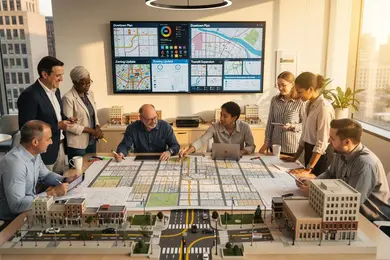
2027 Online Urban Planning Bachelor's Degree Programs for Adult Learners Returning to School

Co-Founder and Chief Data Scientist
Balancing work, family, and education poses a significant challenge for many adult learners seeking a bachelor's degree in urban planning. Traditional on-campus programs often lack the flexibility needed to accommodate those returning after a break or changing careers.
According to the National Center for Education Statistics, 36% of undergraduates aged 25 and older enroll exclusively in online courses, highlighting the demand for accessible education formats. This article examines various accredited online urban planning bachelor's programs designed for adults, focusing on flexibility, curriculum relevance, and career outcomes to help readers make informed decisions about advancing their education and employment prospects.
Key Benefits of Online Urban Planning Bachelor's Degree Programs for Adult Learners Returning to School
- Flexible scheduling allows working adults to balance coursework with professional and personal obligations, making degree completion more feasible and reducing dropout rates among nontraditional students.
- Programs emphasize practical skills such as GIS mapping and policy analysis, directly enhancing career advancement opportunities in urban development and planning sectors.
- Online platforms facilitate networking with peers and professionals nationwide, expanding connections crucial for mentorship, internships, and job placement after graduation.
Who Qualifies as an Adult Learner in an Online Urban Planning Bachelor's Degree?
Adult learners in online urban planning bachelor degree programs typically include those returning to education after a break or pursuing higher education later in life. According to the National Center for Education Statistics, nearly 40% of undergraduate students enrolled exclusively in distance education are considered nontraditional or adult learners.
These students often manage education alongside work, family, and other commitments. Understanding common profiles helps clarify criteria for nontraditional students in online urban planning programs.
- Working Professionals: These adult learners often balance existing careers while seeking to enhance or specialize their urban planning knowledge. They require flexible online formats that accommodate demanding work schedules and professional growth goals.
- Career Changers: Individuals entering urban planning from different fields pursue foundational skills to shift their career focus. Online programs provide an accessible path to gain expertise without restarting college entirely.
- Military Veterans: Veterans transitioning to civilian life frequently use online urban planning programs tailored for flexibility and their unique experiences. These programs support a smooth career pivot with consideration for service-related obligations.
- Returning Students: Many adult learners resume education after long breaks due to family or personal reasons. They often seek programs that respect prior life experience and allow self-paced study.
These diverse adult learners share traits such as motivation, time management, and a preference for flexible learning. Many also explore advanced credentials through PhD programs after completing bachelor's degrees. These options reflect growing educational pathways designed to meet the needs of adult learners eligible for online urban planning bachelor's degrees.
What Are the Admission Requirements for an Online Urban Planning Bachelor's Degree for Adult Learners?
Admission requirements for online urban planning bachelor's degree programs created for adult learners are tailored to recognize nontraditional educational paths while maintaining academic standards. These criteria help ensure students are ready to engage with the rigors of college coursework as well as the unique challenges of online learning.
Below are some common admission elements adult learners can expect.
- Proof of Prior Education: Applicants generally need to provide a high school diploma or equivalent credential such as a GED. This requirement establishes a foundational level of academic preparation necessary for success in an undergraduate program.
- Application Submission: Students must complete an application form supplied by the school. This form gathers essential personal details, educational background, and often asks for statements outlining the applicant's motivation for pursuing an online urban planning bachelor's degree admission requirements for adult learners.
- Academic Transcripts: Transcripts from previous institutions are typically required, especially if transfer credits are involved. These documents allow admissions staff to assess academic performance and confirm readiness for upper-level coursework in urban planning.
- Online Learning Readiness: Some programs assess technological skills and time management capabilities, either through self-assessment or formal evaluations. Proving competency in these areas can be key to thriving in an online environment.
- Additional Documentation: Occasionally, schools may request explanations for gaps in education history or statements reaffirming the applicant's intent to complete the program. This supports accessibility for adult learners returning to education after a hiatus.
Adult learners evaluating their options may also consider programs that align with transfer credits and test policies for adult urban planning students. For those interested in related fields, there are resources available for programs like the LMFT degree, which may offer insights into flexible degree completion pathways.
2026 Update: Technology and Fieldwork Readiness
This 2026 update adds a practical lens for adult learners: whether an online urban planning bachelor’s program helps students build the digital and place-based skills needed for planning coursework and early career roles.
- Whether courses include common planning tools such as GIS, mapping platforms, data visualization, or basic design software.
- How online students complete field observations, neighborhood assessments, or community research from their own location.
- Whether the program requires a portfolio, capstone, studio project, or applied planning report.
- What technical equipment or software access is needed before enrolling.
- How group planning projects are handled for students in different time zones or work schedules.
- Whether assignments connect to real zoning, transportation, housing, land use, or sustainability issues.
Checking these details helps returning students choose a program that is not only convenient, but also strong enough to build practical planning skills they can show in future job applications.
Do Adult Learners Need SAT or ACT for an Online Urban Planning Bachelor's Degree?
Most online bachelor's degree programs in urban planning designed for adult learners do not require SAT or ACT scores, focusing instead on applicants' previous academic records and their preparedness for college-level work. By 2024, over 90% of accredited U.S. colleges and universities will have adopted test-optional or test-blind admissions policies, reflecting a continued shift toward more inclusive evaluation methods.
Such policies recognize that standardized tests often don't represent adult students' true potential, especially as many have relevant professional experience or prior postsecondary education. Waiving these requirements helps reduce barriers related to test anxiety, scheduling conflicts, and limited access, challenges frequently faced by nontraditional students balancing work and family.
An adult learner currently enrolled in an online urban planning bachelor's program shared that submitting SAT or ACT scores was never a concern during the application process, which eased much of the stress often associated with returning to school. "I was worried about having to take standardized tests again after so many years," he explained, "but my previous college credits and work history really mattered more."
He described feeling relief knowing that the admissions focus was on tangible achievements rather than a single exam score, which made the path to enrollment feel more accessible and fair, given his life commitments. This approach, he noted, provided reassurance and motivation as he embarked on his educational journey amid a busy schedule.
How Flexible Are Online Urban Planning Bachelor's Degree Programs for Adult Learners?
Flexibility remains a critical advantage of online learning, especially for adult learners balancing education with work and family duties. A recent study by the National Center for Education Statistics found that 74% of students opting for online programs do so to accommodate their busy schedules.
Adaptability fosters a healthier work-life balance while enabling adults to pursue a degree without sacrificing other priorities. Below are several ways flexible online urban planning bachelor's degree programs support adult learners returning to school.
- Asynchronous Learning: Most courses allow students to engage with lectures and assignments at times that fit their schedules, eliminating the need for real-time attendance and offering freedom to study whenever convenient.
- Part-Time Enrollment: Programs commonly permit enrolling in fewer classes per term, making it easier for working adults to manage education alongside professional and personal responsibilities.
- Accelerated Pacing Options: For motivated learners eager to finish sooner, some offerings include faster course sequences similar to those in the fastest online construction management degree programs, allowing quicker degree completion.
- Self-Paced Coursework: Learners can progress through materials according to their own rhythm, accommodating varying speeds and unpredictable life events without penalty.
- 24/7 Access to Materials: Online resources remain accessible at all hours, supporting adult students who need to study during late nights or unconventional times.
Can I Transfer Previous College Credits to an Online Urban Planning Bachelor's Degree?
Many online bachelor's degree programs in urban planning accept transfer credits, allowing students to shorten their time to degree completion and avoid repeating material. Nearly 37% of college students in the U.S. transfer at least some credits during their academic journey, reflecting a common practice in higher education.
Below are important considerations for credit transfer in online urban planning programs.
- Evaluation of Prior Coursework: Colleges review transcripts carefully to ensure previously earned credits align with their urban planning curriculum's standards and learning outcomes.
- Credit Limits: Institutions usually impose caps on the number of transferable credits, meaning not all completed courses may apply to the degree.
- Relevance to Studies: Transfer credits must correspond directly to required or elective courses within the urban planning program to be accepted.
- Accreditation and Source: Credits from regionally accredited institutions are more likely to transfer successfully compared to those from less recognized schools.
- Benefits for Adult Learners: Credit transfers can reduce overall tuition costs and accelerate graduation, offering flexibility for students balancing education with work or family obligations.
An adult learner who returned to school and completed an online urban planning bachelor's degree shared her experience: "Navigating credit transfer was initially overwhelming since I had coursework from multiple institutions. Each university's evaluation was unique, so I had to stay organized and patient."
She noted feeling relief when many of her classes were accepted, yet the process also highlighted gaps requiring new study. Reflecting on her journey, she emphasized that understanding transfer policies early helped her plan effectively and stay motivated despite challenges. Her story demonstrates how thoughtful credit transfer can make resuming education more manageable and rewarding.
Does Work Experience Count Toward an Online Urban Planning Bachelor's Degree?
Many online bachelor's degree programs for adult learners acknowledge the value of professional experience by allowing it to count toward degree requirements. Nearly 70% of higher education institutions offer some form of prior learning assessment (PLA), highlighting the increasing importance of work experience in academic credit evaluations.
Various methods assess such experience to ensure it meets educational standards. Common ways programs evaluate professional experience include:
- Prior Learning Assessments: These assessments allow students to demonstrate knowledge gained outside traditional classrooms, using standardized tests or competency exams to qualify for course credits.
- Portfolio Reviews: Learners present a collection of work samples, projects, and achievements that illustrate their skills relevant to urban planning, which faculty committees review to verify alignment with course objectives.
- Competency-Based Evaluations: Some programs measure mastery of fundamental urban planning concepts and skills gained through professional experience or training rather than classroom instruction.
- Credit by Examination: Exams like CLEP or DSST provide options for students to earn credit by proving existing knowledge in specific subject areas.
These assessment options offer flexible pathways for adult learners to reduce time to degree completion by recognizing their prior expertise while supporting continued growth in the field.
How Much Does an Online Urban Planning Bachelor's Degree Cost for Adult Learners?
The total cost of earning an online urban planning bachelor's degree for adult learners can vary widely based on factors such as program structure, pacing options, and residency requirements. On average, tuition rates for online bachelor's degrees in the U.S. range between $300 and $600 per credit hour, though exact costs depend on the institution and program design.
These variables influence the overall affordability and timeline for completing the degree. Several key components contribute to the full expense of an online urban planning degree, including but not limited to:
- Tuition Per Credit: Most online urban planning bachelor's programs charge tuition based on credit hours, usually requiring between 120 and 130 credits to graduate. This makes understanding the per-credit price crucial for budgeting the entire program cost.
- Technology Fees: To support remote learning, many programs charge technology fees each semester or per credit. These fees cover access to e-learning platforms, software tools, and technical support services.
- Course Materials: Costs for textbooks, specialized software, and digital resources necessary for urban planning courses can add significantly to expenses over time. These materials are often updated regularly to reflect current industry standards.
- Administrative Fees: Additional charges may apply for enrollment processing, course registration, or graduation services. These are generally small, but should be included in the overall financial planning.
- Optional Expenses: Some students may choose to invest in professional memberships, elective workshops, or certification prep courses related to urban planning, which can enhance career prospects but increase costs.
Budgeting for these expenses alongside potential savings in commuting and housing can give adult learners a clearer picture of the investment required to complete an online urban planning bachelor's degree.
Are There Financial Aid Options for Adult Learners in Online Urban Planning Bachelor's Degrees?
Adult learners pursuing an online urban planning bachelor's degree often have access to a range of financial aid options to help manage education costs. According to the National Center for Education Statistics, about 60% of undergraduates receive some form of financial aid, highlighting the availability of support for many students, including those returning to school.
The available resources can ease the path for working professionals balancing education with other commitments. Common financial aid options for adult learners in online urban planning bachelor's programs include:
- Grants: These funds are typically awarded based on financial need or eligibility criteria and do not require repayment. They may come from federal, state, or institutional sources and are especially valuable for those seeking scholarships and grants for returning students in urban planning degrees.
- Loans: Federal loans often offer lower interest rates and flexible repayment compared to private loans, making them a preferred choice for adult learners looking to finance their education responsibly.
- Employer Tuition Assistance: Many employers support continuous employee development through tuition assistance programs that can fully or partially cover the costs of pursuing an urban planning degree, reducing out-of-pocket expenses.
- Payment Plans: These structured options allow students to spread tuition payments over several months, easing upfront financial pressure while maintaining educational progress.
Exploring diverse financial aid resources can make online urban planning bachelor's degrees more attainable. Adult learners interested in flexible options may also benefit from researching online degrees for moms and other adult-focused programs tailored to fit busy lifestyles.
Do Employers Value Online Urban Planning Bachelor's Degrees for Adult Learners?
Employer perceptions of online urban planning bachelor's degrees for adult learners have changed significantly over the past decade. What was once viewed with skepticism is now increasingly accepted, especially as online education quality has improved and expanded.
A recent survey by the National Association of Colleges and Employers found that 67% of employers emphasize practical skills and competencies more than the delivery method of education. This shift toward skills-based hiring highlights the importance of the specific knowledge and abilities developed through these programs.
Several key factors influence how employers value online urban planning degrees. Accreditation remains a top priority, ensuring that programs meet rigorous academic standards equivalent to their on-campus counterparts. Employers also closely consider how relevant the skills gained, such as GIS proficiency, data analysis, and project management, are to real-world challenges.
Furthermore, adult learners who combine their education with prior professional experience often enhance their leadership and problem-solving skills, which strengthen their prospects in a competitive job market that increasingly values adaptability. For those exploring degree options, resources like the most useful master's degrees provide valuable insights into in-demand programs that align with labor market needs.
How Do I Choose the Best Online Urban Planning Bachelor's Degree Program for Adult Learners?
Choosing the right online urban planning bachelor's degree is a significant decision for adult learners juggling professional and personal commitments. Studies show that 61% of online students value program flexibility highly when selecting a degree.
The following factors can guide you toward the best fit for your goals and lifestyle.
- Accreditation: Ensure the program holds reputable regional accreditation and, if available, specialized accreditation in urban planning. This guarantees academic quality and recognition by employers and professional bodies.
- Program Flexibility: Look for asynchronous courses, part-time schedules, and extended deadlines to accommodate your busy life. Flexibility helps balance education with work and family demands.
- Curriculum Relevance: Choose programs offering up-to-date coursework in areas like sustainable development, GIS technology, and community engagement. Such skills are highly valued in today's urban planning job market.
- Student Support Services: Strong academic advising, career counseling, and technical assistance can improve your learning experience and help maintain progress toward your degree.
- Tuition and Affordability: Review total costs including fees and explore financial aid or employer tuition reimbursement options. Affordability is crucial for managing your investment over time.
- Career Outcomes: Programs with industry partnerships, internship opportunities, and strong graduate employment rates can ease your transition into an urban planning career.
What Graduates Say About Online Urban Planning Bachelor's Degree Programs for Adult Learners Returning to School
- Ronin: "Returning to school as an adult was a significant decision for me, driven by my desire to make a tangible impact in my community's development. Pursuing an online urban planning bachelor's degree allowed me the flexibility to balance work and study while gaining the specific skills needed for sustainable city design. This program has truly opened doors in my career, enabling me to contribute to projects that shape healthier, more inclusive neighborhoods."
- Peter: "After years away from academics, I chose to go back to school because I wanted a career that aligned with my passion for creating better urban environments. The online urban planning degree was perfect since it fit around my family commitments and provided a curriculum focused on smart growth strategies and policy analysis. Professionally, earning this degree has positioned me as a confident planner who can lead innovative projects and influence local government initiatives."
- Jordan: "I decided to return to education to pivot into a field where I could combine creativity with technical expertise, and urban planning offered just that. The convenience of an online bachelor's program meant I could continue working full-time while acquiring knowledge in GIS mapping and community engagement. This has been transformative, allowing me to pursue a role that not only fulfills me but also helps revitalize urban spaces through thoughtful planning."
Other Things You Should Know About Urban Planning Degrees
Online urban planning bachelor's degree programs for adult learners focus on critical thinking, spatial analysis, and effective communication skills. These programs also emphasize proficiency in geographic information systems (GIS) and data interpretation to support evidence-based planning decisions. Practical skills like project management and community engagement are central to helping students succeed in real-world planning roles.
In 2027, online urban planning bachelor's degree programs offer specializations such as sustainable urban design, transportation planning, and geographic information systems (GIS). These specializations aim to equip adult learners with targeted skills that can enhance their expertise in specific areas of urban planning.
Students typically learn to use software like ArcGIS for spatial mapping, AutoCAD for design drafting, and statistical tools for data analysis. Online programs include training in these technologies through interactive assignments and virtual labs. Mastery of such software equips adult learners with essential technical skills needed in contemporary urban planning careers.
References
- Other Student Types Requirements https://www.kennesaw.edu/admissions/undergraduate/admission-requirements/other-students.php
- Great Degrees for Urban Design and Urban Planning | LIS https://www.lis.ac.uk/stories/great-degree-for-urban-designer
- Finish the degree you started (without starting over) https://news.newmanu.edu/finish-the-degree-you-started-without-starting-over/
- How to Go Back to School as an Adult https://www.callutheran.edu/programs/articles/how-to-go-back-to-school-as-an-adult/
- What Are the Benefits of Online Education for Adult Learners? https://straighterline.com/blog/self-paced-what-are-the-benefits-of-online-education-for-adult-learners
- Studying urban planning abroad https://studylink.com/study/degrees/urban-planning
- How to Finish Your Degree Without Starting Over: A Guide to Credit Transfer and Prior Learning Assessment https://abound.college/finishcollege/advice/finish-degree-credit-transfer-pla/
- Leveraging Online Learning https://www.bachelorsdegreecenter.org/online-learning/working-adult-flexibility/
- Scholarships and financial aid https://clas.wayne.edu/usp/students/scholarships
- Online Bachelor of Science in Urban Planning https://urbanplanningdegree.com/online-bachelor-of-science-in-urban-planning/