2027 Return on Investment of an Online Urban Planning Bachelor's Degree: Salary vs Cost

Co-Founder and Chief Data Scientist
Imagine a working professional weighing the decision to enroll in an online urban planning bachelor's degree while managing financial constraints. The challenge lies in understanding whether the salary boost post-graduation justifies the upfront and ongoing tuition costs. Recent data shows that graduates with online urban planning degrees see a 15% higher median salary within five years compared to those with unrelated degrees.
This article examines the salary prospects against program expenses, guiding readers through a detailed analysis of return on investment. It aims to help prospective students make informed choices about pursuing an online urban planning degree under economic pressures.
Key Things to Know About the Return on Investment of an Online Urban Planning Bachelor's Degree
- Average tuition for online urban planning bachelor's programs ranges from $15,000 to $40,000, significantly lower than many traditional on-campus options, improving affordability for budget-conscious students.
- Graduates report median salaries between $55,000 and $75,000 annually, with a 10% projected job growth rate through 2032, indicating positive financial returns post-graduation.
- Non-financial benefits include enhanced job security, access to leadership roles, and ongoing professional development critical for long-term career advancement in urban planning fields.
What is the true cost of earning an online urban planning bachelor's degree from enrollment to graduation?
Determining the real cost of an online urban planning bachelor's degree involves more than just published tuition rates. Official tuition fees vary widely-from $15,000 up to $50,000 for the full program-but many students pay less due to financial aid, dropping the net price to between $10,000 and $30,000.
This difference highlights the importance of consulting net price calculators and data from IPEDS to understand actual expenses. Prospective students should also factor in indirect costs that contribute to the total investment.
- Tuition Fees: Published tuition for accredited urban planning bachelor's programs online provides a baseline, yet most students benefit from aid that significantly lowers the total tuition expense, impacting the return on investment for online urban planning degrees in the United States.
- Technology and Online Fees: These mandatory fees, generally between $200 and $1,000 per year, cover online platforms, digital libraries, and software access necessary for online learning. They apply even with financial aid and are essential to the remote study experience.
- Books and Course Materials: Over four years, textbooks, proprietary software, and access to specialized urban planning databases can add $1,000 to $2,500 to total costs. These materials are required for completing course requirements and mastering subject matter.
- Proctoring and Testing Fees: Many online programs require remote proctoring services to ensure academic integrity. With fees averaging $50 to $150 per exam, these can accumulate to several hundred dollars over the degree's duration.
Adding all these components together creates a realistic cost range-from approximately $12,000 to more than $35,000 depending on school, aid, and course load. This range serves as a conservative baseline to evaluate the value gained relative to salary outcomes reported by the Bureau of Labor Statistics and other education research entities.
For those exploring advanced degrees, a comparison with the best online master's in artificial intelligence can provide additional perspective on return and investment. Understanding these costs alongside career advancement opportunities enables students to make informed financial and professional decisions.
How does the starting salary for urban planning bachelor's degree graduates compare to the total cost of the degree?
The median annual salary for graduates with a bachelor's degree in urban planning starts around $56,000, based on data from the U.S. Bureau of Labor Statistics (BLS) Occupational Outlook Handbook. This figure applies to entry-level roles such as urban planners, city planners, and community development specialists.
Geographic location and local job market conditions cause salary variation, with metropolitan areas often offering higher wages than rural or smaller markets. When comparing this starting salary against the total cost of an online urban planning degree, the average expense ranges between $20,000 and $40,000. The cost depends heavily on tuition rates and financial aid availability, with the best-case scenario involving significant aid reducing expenses closer to $20,000.
Considering the starting salary for urban planning bachelor graduates, it typically takes between four and nine months of gross income to cover the full degree cost. This relatively short payoff period is favorable when compared to many other programs. It's important to remember that starting salary reflects just the initial stage of a career.
Employment growth for urban planners is projected at about 7 percent through 2032, with many professionals increasing their annual income to $70,000 or more within five years. This salary growth substantially improves the overall return on investment.
Beyond initial finances, urban planning careers offer job stability and advancement opportunities. For those seeking further education, exploring an online PhD leadership can provide additional pathways to career development and salary increases.
- Entry-Level Salary: The median annual salary for urban planning bachelor's graduates starts around $56,000 but varies by region and job market conditions, providing a baseline for initial earnings expectations.
- Degree Costs Range: The total expense for an online urban planning degree typically falls between $20,000 and $40,000, depending on tuition and available financial aid.
- Payoff Period: Covering the full cost of the degree requires about four to nine months of an average starting salary, highlighting a relatively quick recuperation period compared to many other degrees.
- Salary Growth Potential: Earnings tend to increase over time with experience and credentials, often reaching $70,000 or more within five years, enhancing the overall investment value.
- Beyond Finances: Urban planning offers career stability and advancement opportunities, which add important non-financial value that complements the salary and cost comparison.
What is the average return on investment (ROI) for an online urban planning bachelor's degree over a 10-year career?
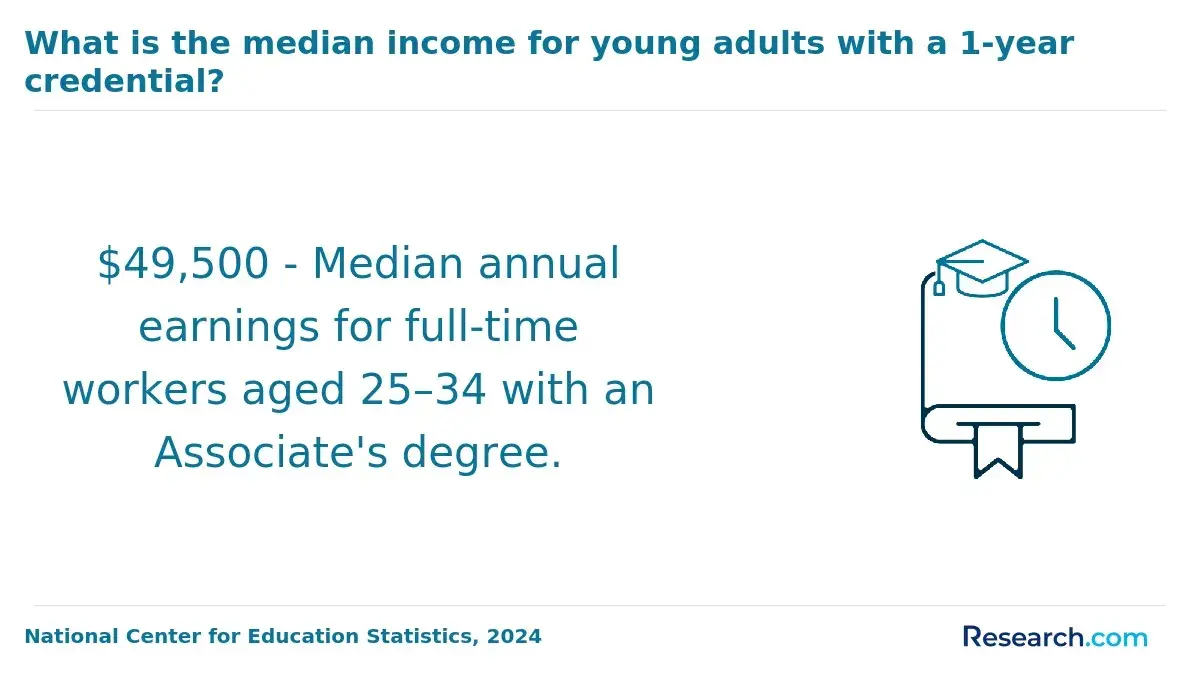
Return on investment (ROI) in higher education calculates the financial benefit a graduate gains by comparing the total cost of their degree to the extra income earned over 10 years versus someone with only a high school diploma or associate degree in the same area.
Using data from the Georgetown University Center on Education and the Workforce, bachelor's degree holders earn about 84% more over their lifetime than high school graduates. For urban planning careers, the U.S. Bureau of Labor Statistics (BLS) reports a median annual wage near $77,000, with salary increases averaging 3% yearly. Over a decade, this amounts to roughly $850,000 in earnings.
In comparison, an individual with only a high school diploma in the same field might make around $40,000 annually, totaling about $440,000 in 10 years. The extra $410,000 earned by the bachelor's degree holder, minus degree costs-which generally range from $30,000 to $60,000 for online programs-results in a net 10-year ROI between $350,000 and $380,000.
This outpaces the national average for all bachelor's degrees, which PayScale's College ROI Report places at about $318,000 over 10 years. Aside from salary, the urban planning degree provides specialized skills and steady market demand, adding value beyond earnings.
- Clear ROI Definition: ROI measures the cost of a degree against increased earnings compared to similar workers without the degree over a 10-year period.
- 10-Year Earnings Growth: Urban planners' wages start near $77,000 with an average 3% salary increase annually, accumulating to around $850,000 in a decade.
- Cost vs. Earnings: Deducting online degree expenses ($30,000 to $60,000) from the additional $410,000 earned yields a net ROI between $350,000 and $380,000.
- Above Average Return: This ROI exceeds the national 10-year average for bachelor's degrees, indicating strong financial and career growth potential.
A professional who enrolled in the online urban planning bachelor's degree program shared that he spent months weighing program costs against expected returns before committing. "Budgeting was tight, and I had to factor in working full-time while studying, which meant careful planning and sometimes late nights," he explained.
Despite these challenges, he found the flexible schedule and relevant coursework essential in advancing his career. Reflecting on his decision, he noted, "Knowing the degree's strong ROI kept me motivated during difficult stretches. It felt like an investment not just in money, but in my future stability and growth."
How do online urban planning program tuition rates compare across public, private, and for-profit institutions?
Public universities typically offer the most cost-effective online urban planning tuition costs by institution type, with many providing flat-rate tuition regardless of residency status. In-state students benefit from the lowest rates, but tuition varies by state and eligibility. This pricing model helps maintain predictability for students budgeting their education expenses.
Private nonprofit institutions often come with higher tuition fees compared to public schools, reflecting a premium on brand recognition and resources. Despite steeper sticker prices, substantial financial aid is available, potentially lowering actual costs. Graduates usually enjoy stronger professional networks, better employer recognition, and improved salary prospects.
For-profit colleges advertise the lowest tuition rates, attracting those prioritizing affordability. However, data from IPEDS highlights notably lower graduation rates and greater student debt burdens. Employer skepticism towards for-profit credentials can also hinder job opportunities and salary growth, affecting long-term return on investment. Students should weigh these factors when considering cheaper options.
Weighing public vs private urban planning program tuition comparison reveals that upfront savings at for-profit schools often come at the expense of career advancement and job security. Programs with higher tuition may yield better non-financial returns and salary gains, enhancing overall ROI.
For a comprehensive view of affordable options with promising outcomes, consider resources like the masters in game design online analysis to understand comparable tuition structures and program quality debates.
What long-term salary growth can urban planning bachelor's degree holders expect over a 20- to 30-year career?
Urban planning professionals with a bachelor's degree typically experience steady salary growth over a 20- to 30-year period. Early in their career, within five years, they generally see wage increases of 10% to 20% as they gain certifications like AICP and move from junior roles to more autonomous positions.
Between five and 15 years, salary growth often accelerates by 30% or more, coinciding with promotions to senior planner or project manager roles and enhanced expertise or advanced education.
- Early Career Growth: Moderate raises as skills develop and certifications are earned, supporting a shift to more independent responsibilities.
- Mid-Career Acceleration: Significant salary jumps aligned with leadership roles and specialized knowledge gained between 5 and 15 years.
- Late Career and Leadership Milestones: After 15 years, many move into management or director positions with salaries commonly exceeding $90,000, although increases taper off gradually.
- Mid-Career Pay Benchmarks: Reports from the American Community Survey and PayScale indicate median earnings between $70,000 and $85,000 for planners with 10 to 20 years of experience.
- Cumulative Earnings Premium: Across their careers, degree holders earn approximately 30% to 40% more than peers in related non-degree roles, translating into substantial lifetime financial gains.
One professional who completed an online urban planning bachelor's program shared that balancing coursework with work and family demands was initially daunting. She described the challenge of mastering technical skills while managing deadlines but found the flexible online format crucial for staying on track.
Reflecting on her progress, she emphasized how the degree opened doors for promotions and expanded her strategic role in urban development. This steady upward trajectory brought a sense of accomplishment and reinforced her belief that the time and effort invested paid off well beyond financial rewards.
How does the ROI of an online urban planning bachelor's degree compare to an associate degree or a professional certificate?
When comparing the return on investment of an online urban planning bachelor's degree with an associate degree or professional certificate, it is critical to consider both the initial costs and future earning potential. Data from the Bureau of Labor Statistics, the National Center for Education Statistics, and the Lumina Foundation offer valuable insights.
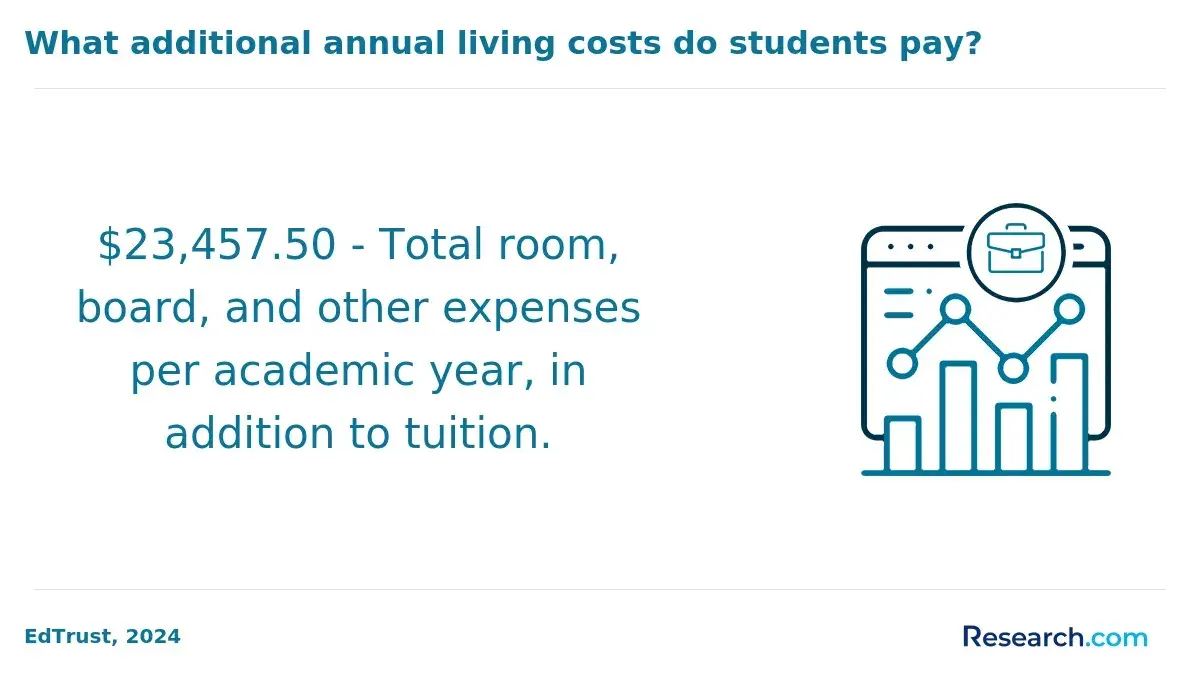
- Cost Comparison: Certificates in urban planning generally cost under $5,000, while associate degrees range between $10,000 and $20,000 depending on the institution. Bachelor's programs typically require a larger upfront expense, averaging between $40,000 and $60,000 for tuition and associated fees.
- Salary Potential: Median earnings vary by credential level, with bachelor's degree holders earning around $75,000 annually, associates earning about $45,000, and certificate holders starting closer to $35,000. Salary outcomes for certificates may fluctuate based on specific job roles and experience.
- Short-Term Investment: For those seeking quick workforce entry or managing limited finances, certificates or associate degrees offer accessible pathways. These credentials can lead to jobs such as planning assistants or GIS technicians that provide immediate income and relevant experience.
- Long-Term Returns: Investing in a bachelor's degree often yields greater financial rewards over a decade or more, thanks to higher salary ceilings, career advancement opportunities, and enhanced job security. Additionally, bachelor's graduates are eligible for professional certifications, improving their earning prospects.
- Non-Financial Advantages: Bachelor's programs develop advanced analytical and leadership skills, preparing graduates for influential roles in policy-making and large project management that are typically unavailable to those with lower-level credentials.
- Decision Framework: Individuals should evaluate their current finances, career goals, and timeline.
- If rapid employment and minimizing debt are priorities, certificates or associate degrees may be ideal.
- Those targeting mid- to upper-level urban planning roles or sustained career growth benefit more from pursuing a bachelor's degree.
Which online urban planning specializations or concentrations yield the highest earning potential after graduation?
Several online urban planning specializations show notably higher earning potential based on Bureau of Labor Statistics (BLS) wage data and median salary comparisons. Graduates who select the right concentration can significantly improve both salary outcomes and return on investment (ROI) timelines.
- Transportation Planning: Experts in transportation systems enjoy median annual wages about 20% higher than general urban planners, reflecting strong demand in infrastructure and traffic management.
- Environmental Planning: Focused on sustainability and conservation, these planners often receive salary premiums but may face extra costs due to certification requirements in environmental management.
- GIS (Geographic Information Systems) Specialization: GIS proficiency offers a 15%-25% wage premium, with specialized analytical skills highly sought after in both government and private sectors.
- Economic Development: Economic development planners targeting metropolitan growth sectors can command competitive wages; certifications like Certified Economic Developer (CEcD) can increase upfront costs yet boost long-term earning potential.
- Land Use and Zoning: This track yields stable employment with moderate salary increases; however, licensure and continuing education requirements vary by state and may add to time and financial investment.
For students or working professionals with prior experience, choosing a specialization linked to recognized certifications can extend time-to-ROI but ultimately enhance salary and job security. In contrast, general urban planning graduates may encounter slower salary growth. Aligning specialization choices with career goals and financial constraints ensures a balanced approach to investment value.
How do employer tuition reimbursement and financial aid reduce the net cost of an online urban planning bachelor's degree?
Employer tuition reimbursement programs can substantially reduce the out-of-pocket costs for students pursuing an online urban planning bachelor's degree. According to the Society for Human Resource Management (SHRM), about 60% of U.S. employers offer some form of tuition assistance.
Under IRS Section 127, employees may receive up to $5,250 annually in tax-free benefits, which employers often use to help cover tuition, fees, and course materials without increasing taxable income. Most programs require maintaining satisfactory academic progress or continued employment for a specified period after course completion, encouraging degree completion while easing immediate financial pressures.
Layering employer tuition reimbursement with federal financial aid programs, such as Pell Grants and subsidized student loans, further lowers net tuition costs. These grants and loans typically do not require repayment or come with favorable terms, reducing financial strain.
Additionally, many online urban planning programs provide institutional scholarships targeting working and non-traditional students, helping to decrease total expenses and support degree completion.
For example, a student facing $20,000 in annual tuition could combine $5,250 through employer tuition reimbursement, $4,000 in Pell Grants, and $3,000 in institutional scholarships, reducing their yearly cost to $7,750 before loans or personal payment. Over four years, this financial aid package makes earning an online urban planning bachelor's degree affordable while maintaining employment and minimizing debt.
Considering the financial benefits alongside career advancement opportunities and job security creates a more complete picture of the return on investment. For those seeking flexible learning options, exploring programs such as a hospitality management degree online can offer comparative insights into efficient degree completion pathways.
- Employer Tuition Reimbursement: Most U.S. employers offer tuition assistance programs benefiting employees with up to $5,250 annually in tax-free educational support under IRS Section 127.
- Federal Financial Aid: Need-based Pell Grants and subsidized loans lower net costs by providing funds that do not require repayment or have low interest.
- Institutional Scholarships: Many programs award scholarships to part-time and working students, reducing overall expenses to support completion of the urban planning bachelor's degree.
- Combined Benefits: Layering employer reimbursement with federal and institutional aid can cut costs to less than half the sticker price, making the degree attainable for many.
- Worked Example: A student paying $20,000 in tuition might pay under $8,000 per year after receiving employer reimbursement, Pell Grants, and scholarships, demonstrating a realistic funding strategy to reduce debt.
What hidden costs should students factor into the total investment of an online urban planning bachelor's degree?
When budgeting for an online urban planning bachelor's degree, many students focus on tuition but overlook the hidden expenses that significantly increase the total cost. These additional costs-such as technology fees and specialized software licenses-can extend the break-even timeline for the degree's return on investment (ROI).
For first-generation college students, working professionals, or career changers, understanding these expenses is crucial to avoid unexpected financial strain and to better assess the true value of their education.
Online urban planning students often face additional costs beyond tuition for urban planning students that include mandatory fees and services essential to course completion. Institutions typically charge technology or distance learning fees of $100 to $500 per semester to maintain online platforms.
Proctoring services for exams add roughly $50 to $100 per course, ensuring academic integrity. Graduation fees, usually between $100 and $200, are often overlooked until the final term.
Urban planning coursework frequently requires access to specialized software like GIS tools, with annual licensing fees of $200 or more. Furthermore, joining professional organizations for networking and career development involves membership dues averaging around $100 per year.
These hidden expenses cumulatively increase total investment and affect the timeline for recouping costs through salary gains.
- Technology Fees: Online programs charge fees from $100 to $500 per semester to sustain digital learning infrastructure, adding notably to overall costs.
- Proctoring Services: Many programs require paid exam proctoring costing approximately $50 to $100 per course to maintain exam integrity, a fee often excluded from tuition estimates.
- Specialized Software Licensing: Essential urban planning software licenses such as GIS tools can cost $200 or more annually and are mandatory for course completion.
- Graduation Fees: Final degree processing fees between $100 and $200 often catch students unprepared late in the program timeline.
- Professional Memberships: Dues averaging $100 per year support career growth and networking but represent an additional yearly cost.
Students should request a full cost-of-attendance breakdown-including these often hidden expenses-before enrolling to accurately evaluate the financial commitment and ROI timeline. Evaluating these factors alongside verified salary data from sources such as the Bureau of Labor Statistics helps shape informed decisions. For those comparing degrees, exploring an online math degree pathway may provide additional context on cost structures and career outcomes.
How does the accreditation status of an online urban planning program affect graduate salary and employability?
Accreditation significantly influences an urban planning graduate's job prospects and earning potential. Regional accreditation applies institution-wide and is the gold standard in U.S. higher education, signaling rigorous academic quality.
Programmatic accreditation focuses on specific fields, adding important validation but not replacing the broader institutional review. Employers and licensing boards often prioritize regional accreditation when assessing candidates.
Surveys by the National Association of Colleges and Employers (NACE) reveal that over 70% of hiring managers prefer degrees from regionally accredited institutions. They associate this accreditation with better-prepared graduates and hold such credentials in higher regard during hiring and salary negotiations. Graduates from regionally accredited programs tend to earn 10-20% more than those from nationally accredited or non-accredited schools.
Enrolling in a program without proper accreditation can restrict access to professional licensure exams, graduate study opportunities, and public sector employment, especially in government or healthcare roles.
To safeguard your investment, verify accreditation status through the U.S. Department of Education's accreditation database or the Council for Higher Education Accreditation (CHEA) before committing to any program.
- Regional vs Programmatic Accreditation: Regional accreditation covers the entire institution ensuring comprehensive academic standards, while programmatic accreditation offers extra validation specific to urban planning.
- Employer Preferences: Hiring managers favor degrees from regionally accredited institutions, viewing them as indicators of higher educational quality and readiness for the workforce.
- Salary Impact: Graduates from regionally accredited programs tend to negotiate higher salaries, often earning 10-20% more than peers from less accredited schools.
- Licensure and Career Restrictions: Lack of regional accreditation can limit eligibility for licensure exams, advanced degrees, and certain government and healthcare jobs.
- Verification Tools: Use official resources like the U.S. Department of Education and CHEA to confirm a program's accreditation before enrollment.
What entry-level job titles and salary ranges are available to graduates of online urban planning bachelor's programs?
Graduates with online urban planning bachelor's degrees enter a range of entry-level roles reflecting the field's interdisciplinary scope. The following positions highlight common job titles reported by labor statistics and employment surveys, each offering distinct starting salaries and employer types that influence return on investment.
- Urban Planner: Median starting pay ranges from $50,000 to $60,000, with top entry salaries typically at government agencies focused on city or regional planning.
- GIS Technician: Starting salaries fall between $45,000 and $55,000, with technology firms and environmental consultants offering the higher end.
- Environmental Planner: Initial compensation generally runs from $48,000 to $58,000, especially in health care and nonprofit organizations prioritizing sustainability.
- Transportation Planner: Often earns $52,000 to $62,000 at entry level, frequently within government transportation departments or large engineering companies.
- Community Development Specialist: Salaries typically range from $44,000 to $54,000, with nonprofits and local governments as primary employers.
- Land Use Analyst: Starts around $47,000 to $57,000, seeing better pay largely in finance and real estate sectors.
- Urban Designer: Entry offers between $50,000 and $60,000, favoring architectural firms and private urban design companies.
- Planning Assistant: The lowest tier, about $40,000 to $50,000, common in local government and educational settings.
Internships can boost initial earnings by building practical expertise and connections. Certifications like AICP or GIS specialties often unlock higher salary brackets early on. Concentrations in niches such as sustainability or transportation also tend to open doors to better-compensated opportunities. These factors affect how quickly graduates recover their educational investment and advance professionally.
What Graduates Say About the Return on Investment of Their Online Urban Planning Bachelor's Degree
- Ronin: "Choosing the online urban planning bachelor's degree was a strategic decision for me-balancing affordability with strong career prospects. Beyond just monetary gains, I found the flexibility allowed me to apply real-world experiences directly to coursework, enriching my understanding. This degree significantly improved my job security, opening doors to roles I hadn't previously considered possible."
- Peter: "Reflecting on my journey, the ROI of the online urban planning program showed up in unexpected ways. While the financial return was steady, the career advancement opportunities have been invaluable, pushing me into leadership positions. This program also gave me peace of mind with its adaptable schedule, which has been key for maintaining work-life balance."
- Jordan: "From a professional standpoint, pursuing an online urban planning bachelor's degree enhanced my credentials and marketability in a competitive field. I carefully weighed costs against potential earnings, and the degree's strong alumni network accelerated my career growth much faster than I anticipated. The non-financial benefits-like heightened confidence and industry connections-proved just as rewarding as the paycheck."
Other Things You Should Know About Urban Planning Degrees
Salary outcomes for urban planning graduates differ significantly by geographic location and industry sector. Graduates working in metropolitan areas or regions with high demand for urban planners typically earn more than those in rural locations. Additionally, public sector jobs may offer lower entry salaries compared to private firms specializing in real estate development or environmental consulting, but often provide greater job stability and benefits.
Employer surveys consistently highlight a strong preference for candidates holding a bachelor's degree in urban planning or a related field. Labor market data from sources like the Bureau of Labor Statistics shows steady job growth of around 7% in urban planning roles over the next decade. This demand reflects ongoing urban development challenges and sustainability initiatives, confirming the degree's relevance and value for career advancement.
Non-financial returns include enhanced job security, professional development opportunities, and greater career flexibility. Graduates often report increased satisfaction from contributing to community development and environmental sustainability projects. These benefits factor into overall value by improving quality of life and long-term career prospects that extend beyond immediate salary gains.
References
- The Hidden Costs of College: What Students Don’t Plan For – The Coach Space https://thecoachspace.com/blog/hidden-costs-of-college/
- Hidden College Expenses You Should Plan For - Crane Credit Union https://www.cranecu.org/resources/blog/hidden-college-expenses-you-should-plan-for/
- Is An Urban Planning Degree Worth It? https://urbanplanningdegree.com/is-an-urban-planning-degree-worth-it/
- How much does it generally cost to get a bachelor's degree online? - Online Bachelor Degrees https://www.online-bachelor-degrees.com/faq/bachelors-degree-online-cost/
- The ROI of an Online Degree: 4 Reasons why PAIU is a Smarter Investment - Paris American International University https://parisamerican.org/the-roi-of-an-online-degree-4-reasons-why-paiu-is-a-smarter-investment/
- EdAssist | How Employers Can Maximize the ROI of Education Benefits with Degree and Non-Degree Programs https://www.brighthorizons.com/article/employers/how-employers-can-maximize-the-roi-of-education-benefits-with-degree-and-non-degree-programs
- Tuition Reimbursement Programs [A Guide for HR and Employers] https://compt.io/blog/employee-tuition-reimbursement/
- Is College Worth it? | Return on Investment Analysis of College Degree https://educationdata.org/college-degree-roi
- Cost of Online College vs. Traditional | Champlain College Online https://online.champlain.edu/blog/cost-of-online-education-vs-traditional-education
- Cheapest Online Degrees in Urban Planning https://usdegrees.com/cheapest-online-degrees-in-urban-planning/