2027 Online Urban Planning Bachelor's Degrees for Veterans and Military Students

Co-Founder and Chief Data Scientist
Transitioning from military service to civilian careers poses unique challenges, especially when balancing relocation and ongoing commitments. With over 44% of military-affiliated learners enrolling in online programs for flexibility, the opportunity to leverage prior experience and education benefits is vital. Careers in urban planning offer a promising path for those seeking to shape communities while applying strategic thinking honed in service. Online urban planning bachelor's degrees provide adaptable schedules and tailored curricula designed to meet veterans' and active-duty students' needs. This article explores how these programs help military learners overcome barriers and successfully pursue academic and professional goals in urban planning.
Key Benefits of Online Urban Planning Bachelor's Degrees for Veterans and Military Students
- Online urban planning programs offer flexibility for veterans balancing education with active duty, family, or civilian jobs, accommodating irregular schedules inherent to military life.
- Accessibility from any location, including deployment zones or frequent relocations, ensures uninterrupted progress toward degrees without geographic constraints.
- Such programs facilitate career transition with practical skills aligned to public and private sectors, supporting long-term growth in a field projected to grow 5% through 2032 per BLS data.
How Do Online Urban Planning Degrees Work for Service Members?
Online urban planning bachelor's degree programs for service members typically deliver all coursework through dedicated learning management systems, making lectures, readings, assignments, and discussion forums accessible entirely online. Course content is often organized into weekly modules, featuring recorded video lectures, reading materials, and interactive activities, allowing students to engage asynchronously while still adhering to deadlines. Assignments and projects are submitted electronically, and many programs include live virtual sessions or office hours scheduled with time zone differences and military commitments in mind.
This structure supports service members by providing consistent access to educational resources regardless of location or schedule. Such programs also facilitate flexibility and credit transfer options for service members in urban planning degrees to help balance academic progress with military duties.
Recognizing the unpredictable nature of military life, these programs are designed to accommodate scheduling demands and changing environments by allowing 24/7 access to course content for study during off-duty hours. They use user-friendly platforms compatible with various devices that service members commonly use, including laptops, tablets, and smartphones. Clear, consistent communication through email, announcements, and virtual meetings keeps students well informed despite shifting circumstances.
Flexible deadlines or alternative assignment submissions are often offered to address duty-related interruptions. Combining asynchronous learning with occasional synchronous interactions, these online urban planning degrees enable remote coursework management while respecting the unique schedules of military-affiliated students pursuing an ai degree online.
Are Online Urban Planning Degrees for Military Students Accredited?
Accreditation is an essential hallmark of quality for online accredited urban planning bachelor's degrees for military students, ensuring that the program adheres to rigorous academic standards. These online programs are evaluated by regional accrediting bodies recognized by the U.S. Department of Education and the Council for Higher Education Accreditation (CHEA). Additionally, specialized accreditation by the Planning Accreditation Board (PAB) focuses specifically on urban and regional planning education to maintain curriculum relevance, faculty expertise, and student support.
This formal approval guarantees that military-friendly urban planning degree programs with accreditation provide educational quality comparable to traditional on-campus programs. Such credentials help maintain academic integrity and ensure that students receive training consistent with professional expectations in the field.
For military students, accreditation translates to enhanced credibility and recognition in both academic and career contexts. Employers overwhelmingly prefer candidates with degrees from accredited institutions; in fact, nearly 70% of employers report this preference, highlighting its importance for job market competitiveness. Accreditation also assures military-affiliated students that their educational investment meets established standards, fostering trust that their degrees will be respected by employers and graduate programs alike.
Online urban planning programs designed for veterans and service members must meet these benchmarks to support career advancement effectively. For related fields, military students might also consider exploring affordable, reputable options such as a master in library science to complement their urban planning expertise.
Does the GI Bill Cover Online Urban Planning Bachelor's Degrees?
Many online urban planning bachelor's degree programs qualify for GI Bill benefits if they meet specific standards set by the Department of Veterans Affairs. Veterans and active-duty service members can often use these benefits to support their education at VA-approved institutions offering eligible online courses.
In 2022, more than 600,000 veterans used the Post-9/11 GI Bill for online studies, highlighting the growing availability of distance learning opportunities. Below are several critical points regarding GI Bill coverage for online urban planning degree programs.
- Tuition and Fee Assistance: The Post-9/11 GI Bill typically covers in-state tuition and mandatory fees for approved online programs, lowering the financial burden for students enrolled at participating schools.
- Monthly Housing Stipend: While the housing allowance for online learners is generally less than for on-campus students, eligible veterans receive a monthly allowance based on the national rental average, helping cover living expenses.
- Enrollment Criteria: Benefits depend on enrollment in an approved institution and a curriculum that counts toward the degree, with courses needing to align with degree requirements to maintain benefit eligibility.
- Program Approval: Eligibility requires the online urban planning program to be recognized by the VA, with the school actively participating in the GI Bill program and offering qualifying urban planning coursework.
- Flexibility for Service Members: Part-time enrollment options are often available, accommodating active service members' schedules while still allowing appropriate use of GI Bill benefits, though payments may adjust accordingly.
A veteran currently pursuing an online urban planning bachelor's degree shared her experience with navigating the GI Bill process. She noted that verifying program approval and understanding benefit calculations took some initial effort but was well worth it. "At first, I worried about whether my online courses would count and how the housing allowance would be affected, but the VA counselor provided clear guidance," she said. Balancing coursework with family life and occasional military duties was challenging, but using GI Bill support made accomplishing her educational goals more manageable. She emphasized that persistence and asking questions early helped her fully leverage the benefits available for her chosen field.
How Much Does an Online Urban Planning Bachelor's Degree Cost for Veterans?
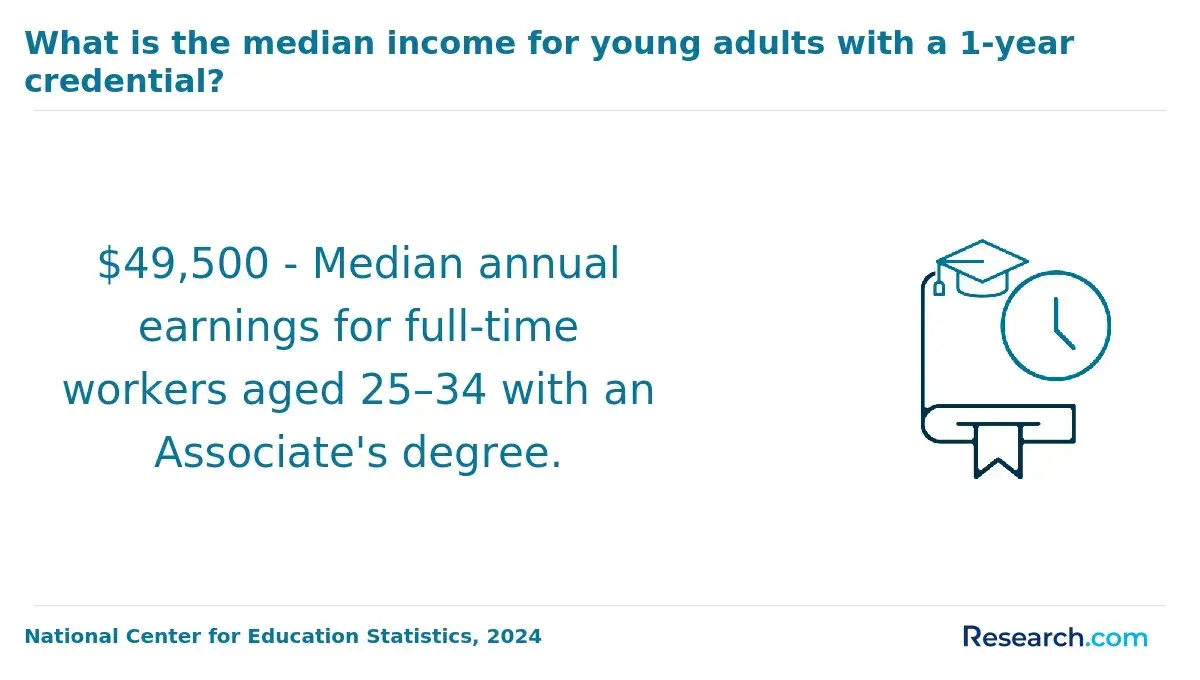
Online urban planning bachelor's degree programs for veterans typically cost between $10,000 and $40,000 for the full course of study. On average, public institutions charge around $9,000 annually for in-state online bachelor's students, offering a helpful point of comparison. Various factors influence the final tuition cost for military-affiliated students.
- School Type: Public universities generally have lower tuition rates than private schools, which may charge two to three times more. This difference significantly impacts total program costs for veterans and active-duty students.
- Residency Status: Veterans qualifying for in-state tuition benefit from reduced fees compared to higher out-of-state rates, making residency status a key cost determinant.
- Program Length and Credit Requirements: Shorter or accelerated programs requiring fewer credits can decrease the overall fees charged, enabling quicker degree completion and cost savings.
- Military Discounts and Tuition Benefits: Many colleges offer special tuition rates or discounts for military personnel, lowering expenses through targeted financial support.
- Transfer Credits and Prior Learning Assessments: Recognition of military training and previous coursework can reduce the number of required credits, shortening program duration and reducing tuition.
Can Military Experience Count Toward an Online Urban Planning Bachelor's Degree?
Many institutions recognize military experience as valuable when awarding academic credit for an online urban planning bachelor's degree. Veterans and active-duty students often benefit from credit transfer policies for military students in online urban planning programs, which help reduce the time and cost required to complete their degree.
- Transfer Credit Evaluation: Schools review military transcripts, such as Joint Services Transcripts (JST), to determine if completed training corresponds with urban planning courses. This process ensures that relevant skills like project management and logistics can count toward degree requirements.
- Prior Learning Assessment: Some programs allow students to submit portfolios or take competency exams, demonstrating proficiency in urban planning-related areas. This assessment helps recognize skills gained outside traditional academic settings.
- Coursework Alignment: Military occupational specialties (MOS) often align with core program components, enabling institutions to map experience directly to degree credits. This alignment supports smoother integration of military training into academic pathways.
- Documentation Review: Comprehensive evaluation of certifications, training records, and standardized test scores like CLEP guides credit allocation. Such documentation helps schools verify the relevance of military experience toward urban planning curricula.
Students are encouraged to contact admissions counselors or veterans affairs advisors to understand how their military training will be recognized. For those exploring options beyond urban planning, information on the cheapest online criminal justice degrees may also be valuable for military learners seeking flexible, cost-effective education.
How Do Military Students Apply to Online Bachelor's Programs?
Military students pursuing an online urban planning bachelor's degree typically navigate a well-organized yet adaptable application process tailored to their specific needs. Online programs acknowledge the diverse commitments of veterans and active-duty members, offering streamlined enrollment paths. In 2018, over 570,000 veterans were enrolled in colleges, many opting for flexible online options to balance education with other responsibilities.
Key components of the application process include the following steps:
- Submitting Academic Records: Applicants must provide official transcripts from high school and any prior college coursework to verify eligibility and confirm they meet program requirements.
- Providing Military Documentation: Verification of military status is essential, often requiring forms like the DD-214 or current military ID. This helps access veteran-specific resources and support services.
- Completing the Online Application: Candidates fill out personal details, educational history, and program-related questions through the university's admissions portal. Applications are designed for usability, considering the busy schedules of military students.
- Meeting Program Prerequisites: Many urban planning programs mandate foundational classes in subjects such as geography, environmental science, or statistics. Prospective students should review and fulfill these requirements before applying.
- Submitting Additional Materials When Requested: Some programs ask for letters of recommendation or personal statements, providing applicants a chance to showcase their motivation and readiness for the program.
Are Online Urban Planning Degrees Self-Paced for Military Students?
The flexibility of online urban planning bachelor's degree programs for military students varies widely depending on each institution's design and policies. While some programs offer fully self-paced options, most strike a balance between asynchronous and structured formats to suit military lifestyles. Over 60% of military-affiliated students prefer asynchronous coursework, which allows them to manage education amid unpredictable schedules and frequent relocations.
Common delivery methods in these programs include:
- Fully Self-Paced Learning: Students progress through coursework entirely at their own speed without fixed deadlines. This model benefits those with irregular military commitments who need maximum control over when they study and submit assignments.
- Asynchronous Classes: Recorded lectures and materials are accessible anytime, letting students study around duty hours while following a general timeline. This format ensures flexibility without sacrificing structured learning.
- Structured Term-Based Courses with Flexible Deadlines: Programs often extend due dates or provide multiple submission windows within a semester to accommodate deployments and duty changes.
- Hybrid Pacing Models: These combine live synchronous sessions with recorded content, allowing students to choose between attending real-time discussions or reviewing materials independently.
One military student enrolled in an online urban planning bachelor's degree shared that balancing coursework with service obligations can be challenging. He explained, "Sometimes I have to pause studies unexpectedly due to deployment changes, so having flexible deadlines makes all the difference." Although not fully self-paced, the program's asynchronous elements allowed him to catch up without feeling overwhelmed. "It's reassuring to know I can watch lectures whenever I have free time, even if that's late at night or during break periods." This adaptability is crucial for students managing both military duties and academic goals.
Can Military Students Study While Deployed?
Many online urban planning bachelor's programs are specifically designed with flexibility to support deployed military students, enabling active-duty service members and veterans to continue their education despite the challenges of deployment. These programs understand the unique barriers faced by military learners and structure their courses to accommodate irregular schedules and limited connectivity. Below are practical ways these flexible online urban planning programs for veterans on active duty facilitate continued study during deployment.
- Asynchronous Learning Access: Courses are often delivered asynchronously, allowing students to access lectures, readings, and assignments on their own time. This flexibility is vital for deployed students who may experience unpredictable hours and cannot participate in real-time classes.
- Mobile-Friendly Platforms: Many programs provide mobile-optimized learning environments so students can study using smartphones or tablets. These portable options are essential when computer access is limited or unavailable in deployment settings.
- Extended Deadlines: Programs frequently offer deadline extensions or flexible submission dates to accommodate mission-related interruptions. This ensures service members are not penalized for duty demands or deployment-related delays.
- Offline Coursework Options: Downloadable materials and assignments enable students to continue working without an active internet connection, submitting work once connectivity is restored. This is particularly helpful for those stationed in remote locations with intermittent access.
- Dedicated Academic Support Services: Advisors familiar with military life provide tailored guidance and support, helping students balance education with service responsibilities.
These accommodations make many online urban planning degrees for deployed military students accessible and realistic options. For those exploring affordable options while balancing active service, programs offering quality education similar to the mba under 25k track can be a valuable resource to consider.
What Are the Best Military-Friendly Online Colleges for Urban Planning Degrees?
The best military-friendly online colleges for urban planning bachelor's degrees are identified more by their services and flexibility than by specific institution names. These programs prioritize accessibility and support tailored to veterans, active-duty members, and military-affiliated students. Approximately 32% of military learners choose online education to balance service and schooling effectively. The following institutional features are common among the most accommodating programs.
- Institutions with Dedicated Military Support Offices: These offices provide specialized advising, help with navigating veteran benefits, and facilitate credit evaluations related to military training, ensuring military students face fewer obstacles during enrollment and progression.
- Public Universities with Strong Online Divisions: Such universities often offer affordable tuition rates specifically for veterans and in-state military students. They also maintain streamlined processes for applying GI Bill benefits and other military education resources.
- Flexible Asynchronous Learning Models: Programs designed around asynchronous coursework enable military students to access classes anytime, which is essential for those managing deployments, training, or irregular schedules.
- Competency-Based Education Providers: By allowing students to demonstrate mastery of specific skills at their own pace, these providers benefit veterans whose prior military experience aligns closely with program competencies, potentially accelerating degree completion.
For veterans seeking affordable and adaptable options, many choose affordable online courses designed with military needs in mind, ensuring their urban planning education fits both service commitments and career goals.
Do Online Urban Planning Bachelor's Degrees Help Military Transition to Civilian Careers?
Online urban planning bachelor's degrees offer flexible education that helps veterans and military-affiliated students transition smoothly into civilian careers. This mode of learning accommodates their unique schedules while fostering essential skills that boost workforce readiness. Veterans with bachelor's degrees enjoy a nearly 25% higher employment rate than those without, highlighting the value of degree attainment during career changes.
- Transferable Technical Skills: Programs focus on geographic information systems (GIS), spatial analysis, and data interpretation, providing practical expertise applicable to many civilian roles beyond planning. Military students can leverage these skills to build on their existing technical backgrounds.
- Enhanced Communication and Teamwork: Collaborative projects and presentations strengthen veterans' abilities to work effectively within multidisciplinary teams, paralleling leadership and coordination skills gained during military service.
- Increased Digital Literacy: Exposure to advanced planning software and digital tools enhances technological adaptability, complementing the technical familiarity many military students have developed.
- Improved Problem-Solving and Critical Thinking: Coursework challenges students to evaluate complex social and environmental issues, sharpening analytical skills necessary for decision-making in diverse civilian settings.
What Graduates Say About Online Urban Planning Bachelor's Degrees for Veterans and Military Students
- Ronin: "The flexibility of the online urban planning program was a game-changer for me as an active duty military student. Being able to balance deployments with coursework allowed me to stay committed without compromising my service. This degree also gave me a new way to contribute to my community, applying planning principles directly to military base development."
- Peter: "Transitioning from military life to civilian work can be challenging, but the career support offered by the urban planning program made all the difference. The advisors understood the unique skills veterans bring and helped me translate my military experience into valuable civilian qualifications. Today, I'm proud to work as a city planner, shaping public spaces and infrastructure that positively impact people's lives."
- Jordan: "Completing my urban planning bachelor's degree online was a professionally enriching experience. The comprehensive curriculum expanded my understanding of sustainable design and land use, which I now apply in my role supporting military installations. The program's respect for my military background paired with its rigorous academic standards prepared me well for this next chapter."
Other Things You Should Know About Urban Planning Degrees
Many online urban planning programs offer internship opportunities that accommodate veterans' schedules and geographic constraints. These internships provide hands-on experience with local governments, private firms, or nonprofit organizations involved in urban development. Veterans can gain practical knowledge and build professional networks while fulfilling degree requirements.
Online urban planning programs often provide flexible course schedules and asynchronous classes to support military families facing relocations or deployment. Some institutions have dedicated military student advisors and offer resources such as childcare referrals or counseling services. This support system helps military family members balance education with personal responsibilities.
Yes, many online urban planning bachelor's programs prepare students to pursue certifications such as the American Institute of Certified Planners (AICP) credential. Coursework frequently aligns with certification requirements, and some schools offer exam preparation resources. Earning a certification enhances a veteran's credentials and competitiveness in the urban planning job market.
References
- Trident Serves Those Who Serve Our Country https://www.trident.edu/military-and-veteran/veterans/
- Planning Accreditation Board | Council for Higher Education Accreditation https://www.chea.org/planning-accreditation-board
- Online Degrees for Veterans: Why Flexible Learning is a Great Fit https://www.ucumberlands.edu/blog/benefits-of-online-degrees-for-veterans
- Tips for Veterans Transitioning to the Civilian Workforce https://www.aerotek.com/en/insights/tips-for-veterans-transitioning-to-the-civilian-workforce
- Veterans Transitioning to Civilian Careers: Job Search and Networking Strategies | Northrop Grumman https://www.northropgrumman.com/careers/veterans-transitioning-to-civilian-careers-job-search-and-networking-strategies-old
- Online Degrees for Veterans | Online, In-person, or On-base | NU https://www.nu.edu/military-and-veterans/veterans/
- Top 25 Most Affordable Urban Planning Schools https://urbanplanningdegree.com/top-25-most-affordable-urban-planning-schools/
- Best Online Urban Planning Courses and Programs | edX https://www.edx.org/learn/urban-planning
- Top Online Degree Programs: Veterans U.S. Veterans Magazine https://usveteransmagazine.com/usvm/top-online-degree-programs-for-veterans/
- 2025 Best Military-Friendly Online Colleges https://www.onlineu.com/online-schools/military-friendly