2027 Online Nurse Executive Leadership Doctorate Programs with Strong Student Support: Advising, Writing Help, and Career Services
Audited and Verified:
Our Editorial and Data Verification Process
Research.com uses government datasets, official education statistics and primary institutional information to support its career and degree guides. Our review process checks factual accuracy, occupational definitions, source dates and the requirements associated with the credentials discussed.
How This Article Was Fact-Checked
Our editorial team verifies salary estimates, employment projections, education requirements and program information against original data providers and official organizations. Salary figures are checked against the relevant occupational definitions and reporting periods. Information about licensure, accreditation and required in-person training is reviewed separately.
Fact-checked and verified on:

Co-Founder and Chief Data Scientist
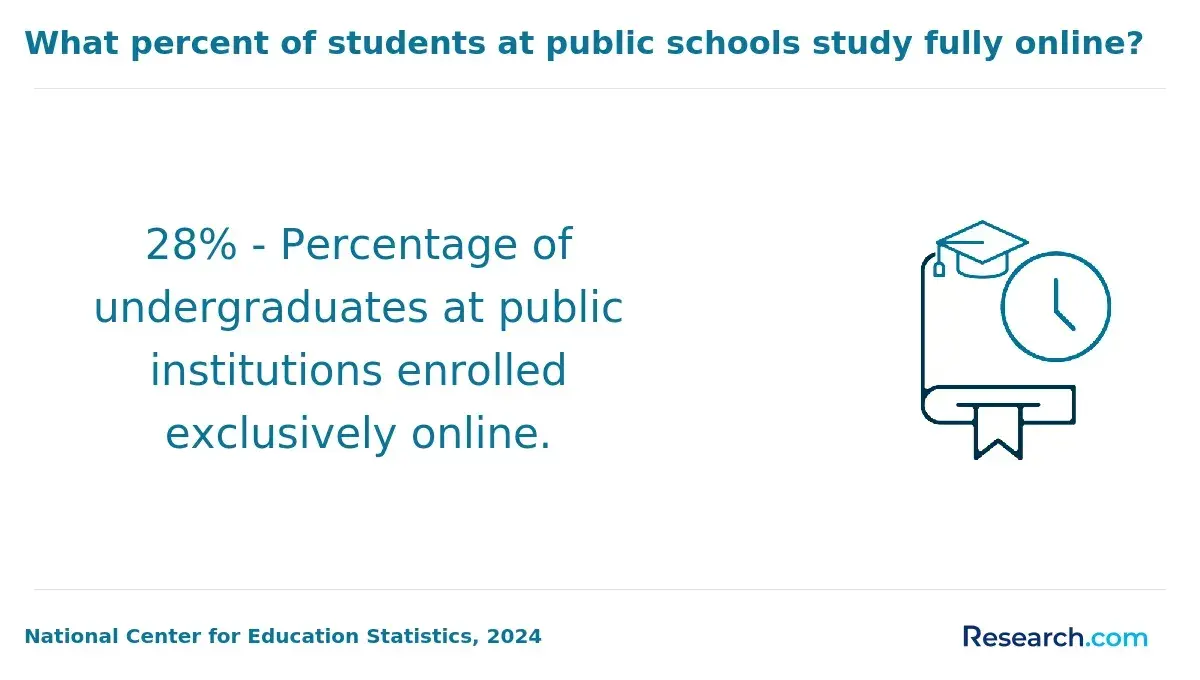
Choosing an online nurse executive leadership doctorate is not just about tuition or curriculum; it is about whether the program can support you through advanced coursework, doctoral writing, leadership practice, and career growth. NCES reported in 2024 that more than half of U. S. postbaccalaureate students took at least one distance education course, making online support quality a real completion factor. This guide is for nurses comparing DNP, PhD, or leadership-focused doctorates and explains how advising, writing support, faculty access, and career services can help you choose a program that fits your schedule, goals, and support needs.
Key Things You Should Know
- Strong online nurse executive leadership doctorate programs usually combine proactive academic advising, clear degree maps, doctoral writing support, library and statistics help, accessible faculty, and career coaching designed for experienced nurses rather than only general undergraduate services.
- Support quality varies widely: compare dedicated doctoral advisors, dissertation chair matching, virtual writing appointments, response-time expectations, evening or weekend access, and whether fully online students receive the same services as campus students.
- BLS May 2024 data lists the median annual wage for medical and health services managers at $117,960, so career services should help doctoral nursing students translate executive coursework into leadership roles, salary conversations, board service, consulting, and advancement planning.
What Student Support Services Should Strong Online Nurse Executive Leadership Doctorate Programs Provide?
A strong online nurse executive leadership doctorate should provide more than a learning management system and occasional email access. Student support means the coordinated academic, research, technical, professional, and wellness services that help a working nurse move from admission through doctoral completion.
For nurse leaders comparing options, the most useful programs make support visible before enrollment. If a school cannot clearly explain who your advisor is, how dissertation mentoring works, how quickly faculty respond, or whether online students can use career services, treat that as a signal to investigate further. Nurses who are still comparing advanced nursing paths may also want to review online nurse practitioner programs to understand how practice-focused support differs from executive doctoral support.
The table below summarizes the major student support categories and what "strong" access typically looks like for fully online doctoral students.
| Support area | What strong support looks like | What to verify before enrolling |
| Academic advising | A dedicated doctoral advisor, term-by-term plan, milestone tracking, and proactive outreach when registration or progress issues appear | Ask whether advising is assigned, centralized, or faculty-led, and whether appointments are available outside standard business hours |
| Dissertation or scholarly project support | Clear chair selection process, committee expectations, proposal guidance, IRB preparation, and milestone timelines | Ask how long chair assignment takes and what happens if a chair leaves or the student changes topic |
| Writing help | Doctoral-level writing center support, APA guidance, literature review help, revision coaching, and feedback on organization and argument quality | Confirm whether writing help is live, asynchronous, unlimited, capped, or limited to general grammar review |
| Research and library services | Remote librarian consultations, database access, citation management help, evidence appraisal support, and literature search coaching | Ask whether doctoral nursing students can book one-on-one research consultations |
| Career services | Executive resume review, interview preparation, LinkedIn strategy, leadership portfolio development, and networking support | Confirm whether services are built for doctoral-level nurses or only entry-level job seekers |
| Technology and accessibility | Reliable help desk access, orientation to online tools, captioning, accommodations, and mobile-friendly learning platforms | Ask about help desk hours, accessibility processes, and support during live online sessions |
The strongest support models are integrated rather than fragmented. A doctoral student should not have to separately discover advising, writing, library, career, and technology resources after falling behind.
How Does Academic Advising Work in Online Nurse Executive Leadership Doctorate Programs?
Academic advising in online nurse executive leadership doctorate programs should help students plan coursework, understand progression rules, meet doctoral milestones, and avoid preventable delays. Good advising is especially important for working nurses because course sequencing, practicum requirements, leadership projects, and dissertation timelines can be difficult to manage alongside executive or clinical responsibilities.
When comparing programs, pay attention to whether advising is proactive or reactive. A proactive advisor contacts students before registration deadlines, checks progress after difficult courses, and explains what must happen before the dissertation, scholarly project, or capstone stage. A reactive model may work for highly independent students, but it can be risky for nurses who need structured timelines.
Use these questions to compare advising models in a practical way:
- Will I have a dedicated doctoral advisor, a rotating advising center, or a faculty mentor who also handles academic planning?
- How often are advising appointments expected, and can they be scheduled by video or phone in the evening?
- Does the advisor create a personalized degree plan that includes coursework, practicum, residency, comprehensive exam, proposal, IRB, and final defense milestones?
- What is the expected response time for advising emails during registration, dissertation, or practicum placement periods?
- Does the advising team monitor progress and reach out when a student misses a milestone, or must the student request help first?
A common mistake is assuming that "student success coaching" and doctoral academic advising are the same service. Success coaches may help with motivation and basic navigation, while doctoral advisors should understand program policy, progression requirements, dissertation checkpoints, and executive nursing pathways.
What Dissertation Mentoring and Committee Support Should Online Nurse Executive Leadership Doctoral Students Expect?
Dissertation mentoring and committee support can be the difference between steady progress and long stalls. In nurse executive leadership doctorates, the final requirement may be a PhD dissertation, a DNP scholarly project, an applied doctoral project, or another evidence-based leadership deliverable. The title matters less than the quality of mentoring, feedback, and milestone management.
Students should expect a transparent process for moving from topic idea to final defense. Strong programs explain when students choose a chair, how committees are formed, what faculty expertise is available, and how feedback is delivered. They also prepare students for institutional review board expectations when projects involve human subjects, quality improvement data, staff surveys, or organizational outcomes.
Dissertation and project mentoring should include several specific forms of support:
- Topic development that connects nursing leadership interests to feasible research, evidence-based practice, workforce, quality, finance, operations, or policy questions
- Chair and committee matching based on methodology, leadership specialization, and availability, not only faculty preference
- Written expectations for feedback cycles, revision standards, meeting frequency, and escalation steps if communication breaks down
- Proposal preparation support, including problem statement, literature synthesis, framework, method, data source, and ethical review guidance
- Final defense preparation that includes presentation coaching, committee logistics, formatting checks, and publication or dissemination planning
The main red flag is vague language such as "faculty will mentor you throughout the process" without timelines or accountability. Ask for the dissertation handbook, project rubric, milestone chart, and average time-to-completion information if the school publishes it. If the program will not share those materials before enrollment, ask current students or alumni how mentoring works in practice.
Doctoral writing is different from graduate coursework writing. Nurse executive leadership students often need to synthesize evidence, defend organizational decisions, write in a scholarly voice, and translate leadership practice into rigorous academic argument. Strong online programs recognize that even experienced nurses may need structured writing support.
Writing help should go beyond proofreading. The best services help students improve clarity, evidence use, APA style, synthesis, argument flow, chapter organization, and revision strategy. They also teach students how to write more independently rather than simply editing a document once.
When evaluating writing and dissertation help, compare the depth of the service rather than the name of the office:
- Live doctoral writing consultations: useful for students who need discussion, feedback, and coaching on complex chapters or project sections
- Asynchronous paper review: helpful for working nurses who need feedback without scheduling a meeting, but quality depends on reviewer expertise
- Dissertation boot camps or writing groups: valuable for accountability, milestone planning, and steady progress during proposal or final manuscript stages
- APA and citation support: important for avoiding formatting errors, citation problems, and inconsistent scholarly presentation
- Literature review coaching: especially important because leadership topics often cross nursing, health administration, policy, finance, and organizational behavior literature
AI tools have also changed doctoral writing expectations. Programs should explain their policies on generative AI, plagiarism detection, citation integrity, and acceptable editing assistance. A good policy does not simply ban tools; it teaches students how to use technology ethically while preserving original analysis and proper attribution.
Yes, strong online nurse executive leadership doctorate programs should provide research, statistics, and library support for distance learners. This support is especially important because doctoral nursing students often analyze quality outcomes, workforce data, patient safety indicators, leadership interventions, staffing models, or organizational performance measures.
Research support should be accessible remotely and designed for doctoral-level work. Students comparing affordability and research expectations may find it useful to review cheapest online nursing PhD programs, but cost should be weighed against the availability of dissertation, methodology, and library assistance.
The following table shows how research-related services differ in usefulness for online doctoral students.
| Service | Basic version | Stronger doctoral-level version |
| Library access | Database login and general tutorials | Remote consultations with health sciences librarians who help refine searches and identify evidence sources |
| Statistics help | Short tutoring sessions for common software questions | Methodology consultation for study design, data analysis planning, interpretation, and reporting limits |
| Evidence appraisal | Links to appraisal worksheets | Guided support for evaluating research quality, clinical relevance, leadership evidence, and organizational applicability |
| IRB support | Forms and policy pages | Step-by-step guidance on human subjects review, quality improvement distinctions, consent, data privacy, and site approval |
| Citation tools | Generic citation software links | Training on citation managers, database exports, duplicate removal, and reference accuracy for large literature reviews |
One practical test is to ask whether the program offers one-on-one appointments with a librarian or methodologist before the dissertation proposal stage. If support begins only after a proposal is rejected, students may lose time correcting avoidable design or literature review problems.
Career services for online nurse executive leadership doctorate students should be designed for experienced professionals, not just new graduates. Many students already hold leadership roles, so career support should focus on advancement, executive communication, compensation strategy, consulting, board readiness, academic roles, and influence within complex health systems.
Labor market context matters. BLS May 2024 data places the median annual wage for medical and health services managers at $117,960, but pay varies by role, employer, region, education, responsibility level, and prior experience. Students comparing nursing leadership paths with clinical advanced practice roles can also review psychiatric nurse practitioner salary data to understand how executive and practice-focused trajectories may differ.
Strong doctoral career services often include the following:
- Executive resume and CV review that highlights leadership scope, budget responsibility, quality outcomes, publications, presentations, and system-level impact
- Interview preparation for chief nursing officer, director, dean, consultant, policy, quality, or executive leadership roles
- Leadership portfolio development that documents measurable projects, strategic initiatives, board work, teaching, and evidence-based change
- Networking support through alumni groups, faculty connections, professional associations, virtual events, and employer-facing webinars
- Career planning for nontraditional paths, including consulting, adjunct or full-time teaching, health policy, accreditation, informatics leadership, and quality improvement leadership
A common mistake is assuming a university job board equals doctoral career support. Job postings can be useful, but nurse executive doctoral students usually need targeted coaching on how to present strategic value, negotiate leadership scope, and translate scholarly work into organizational impact.
Faculty and staff accessibility is one of the clearest indicators of whether an online doctorate is built for working adults. Nurse executive leadership students may be managing shifts, administrative duties, accreditation work, staffing challenges, and family responsibilities, so support must be reachable in realistic time windows.
Programs should publish expectations for office hours, email response times, synchronous meeting options, and escalation processes. A faculty member does not need to be available instantly, but the program should set predictable communication norms. Students should also know whether major services operate only during campus business hours or offer evening, weekend, or asynchronous options.
Before enrolling, ask admissions or the program director these access-focused questions:
- What are the expected response times for faculty, advisors, dissertation chairs, technology support, and financial aid staff?
- Are faculty office hours available by video, phone, or chat for students in different time zones?
- How are urgent issues handled during dissertation deadlines, practicum approvals, or technology outages?
- Can online students meet with financial aid, writing center, library, accessibility, and career staff without coming to campus?
- Is there a clear process for changing advisors, requesting additional faculty support, or resolving communication problems?
Be cautious when a program describes itself as "flexible" but cannot define access. Flexibility should mean more than asynchronous coursework; it should include practical ways to reach the people who help students keep moving.
Peer, cohort, and mentoring support can reduce the isolation that some online doctoral students experience. In nurse executive leadership programs, peer learning is also professionally valuable because classmates may bring experience from hospitals, public health agencies, academic settings, ambulatory care, long-term care, military health, or health technology organizations.
Programs commonly use cohort models, virtual residencies, discussion groups, peer review, student associations, alumni mentoring, and leadership seminars. The best models create structured interaction rather than leaving students to network on their own. For example, a cohort-based writing group tied to dissertation milestones is usually more useful than an optional social forum with little faculty presence.
Compare peer and mentoring support by looking at structure, frequency, and relevance:
- Cohort sequencing: helps students progress with the same group and build accountability across courses
- Virtual residencies: can provide intensive faculty access, project planning, leadership simulations, and dissertation preparation without full campus relocation
- Peer writing groups: support consistent progress and normalize revision during dissertation or scholarly project work
- Alumni mentoring: connects students with graduates who have moved into executive, academic, consulting, or policy roles
- Faculty-led communities: strengthen support when discussions are guided by people with nurse executive, research, or organizational leadership expertise
The trade-off is that highly structured cohorts may reduce scheduling flexibility. Students with unpredictable work demands should ask whether they can slow down, pause, or rejoin a later cohort without losing access to faculty or dissertation support.
Technology, accessibility, and wellness support are essential in online doctoral education because they affect whether students can consistently participate. A program may have excellent faculty, but weak technical systems or inaccessible course materials can create unnecessary barriers.
At minimum, online doctoral students should receive orientation to the learning platform, video conferencing tools, library systems, writing submission processes, plagiarism review tools, and any required statistical or project management software. Strong programs also provide help desk support during evenings or weekends, especially if courses include live sessions or assignment deadlines outside standard office hours.
Accessibility and wellness services should be easy to find and confidential. Students should not have to disclose personal details to multiple offices just to request captioning, testing accommodations, assistive technology, or mental health support. For working nurses, wellness support may also include stress management, burnout resources, crisis referral information, and coaching around workload planning.
The most important areas to verify are:
- Technology support hours, including whether help is available during live classes, exam windows, and major submission deadlines
- Accessibility services for captioning, screen-reader compatibility, extended time, assistive technology, and accessible document formats
- Online orientation that teaches students how to use academic, library, advising, and writing resources before the first course begins
- Wellness and counseling access for distance learners, including telehealth options or referral services where available
- Clear policies for technical disruptions, missed synchronous sessions, exam problems, and platform outages
A current trend to watch is the use of digital student success platforms that flag missed logins, low participation, or overdue assignments. These systems can be helpful when used for supportive outreach, but students should ask how data is used and whether interventions are personalized rather than automated reminders only.
How Can You Compare Online Nurse Executive Leadership Doctorate Programs Based on Student Support Quality?
To compare online nurse executive leadership doctorate programs well, look beyond whether services exist and evaluate whether they are accessible, doctoral-level, proactive, and aligned with your goals. A lower-tuition program may be a good fit for a highly independent student, while a higher-support program may be worth considering for someone who wants structured dissertation guidance, frequent advising, and executive career coaching.
Cost is still important. Federal Student Aid data for the 2024-25 award year lists the Direct Unsubsidized Loan interest rate for graduate and professional students at 8.08%, which means delaying completion or borrowing more than planned can add meaningful long-term cost. Students comparing support levels with different program types may also want to review what makes an easiest NP program feel manageable, since flexibility and support are not the same as low academic expectations.
Use this step-by-step process to compare support quality before you apply:
- Request the doctoral handbook, advising model, dissertation or project timeline, and student support directory from each program.
- Ask whether online students receive the same writing center, library, accessibility, career, and counseling access as campus students.
- Schedule an admissions call and ask specific response-time questions for advisors, faculty, dissertation chairs, and help desk staff.
- Ask to speak with a current student or recent graduate about advising, committee feedback, writing support, and career services.
- Compare how each program supports the highest-risk points: first-term adjustment, statistics or research courses, proposal development, IRB approval, final defense, and career transition.
- Review accreditation, state authorization, practicum or residency requirements, and employer tuition reimbursement rules before making a final decision.
The table below can help you identify support red flags and stronger alternatives during your program search.
| Red flag | Why it matters | Stronger alternative |
| "Advising is available as needed" with no assigned contact | Students may not know whom to contact when registration or progression issues arise | Dedicated doctoral advisor with scheduled check-ins and milestone tracking |
| Writing help limited to grammar review | Doctoral students often need help with synthesis, structure, argument, and dissertation organization | Doctoral writing consultations, dissertation boot camps, and literature review support |
| No clear dissertation chair assignment timeline | Late or unclear chair matching can delay proposal development | Published chair selection process with faculty expertise listed in advance |
| Career services focused only on job postings | Experienced nurses need executive positioning, leadership branding, and advancement strategy | Doctoral-level career coaching, portfolio review, networking, and interview preparation |
| Support offices open only during weekday campus hours | Working nurses may be unable to access help when they actually study | Video appointments, asynchronous feedback, evening hours, and defined response times |
The best program is not always the one with the most services listed on its website. It is the one whose support model matches your learning style, work schedule, writing needs, research confidence, leadership goals, and tolerance for independent problem-solving.
Other Things You Should Know About Nurse Executive Leadership
No. A DNP is generally practice-focused and often centers on evidence-based improvement, systems leadership, and organizational outcomes. A PhD is generally research-focused and prepares students for original research, scholarship, and academic or scientific leadership. Requirements vary by university.
Some do, and some do not. Programs may require short residencies, intensives, project presentations, orientation sessions, or final defenses. Ask whether visits are mandatory, how often they occur, and whether travel costs are included in published tuition estimates.
Many programs expect an active RN license, a BSN or MSN, graduate-level preparation for post-master's options, leadership experience, transcripts, references, a resume, and a goals statement. Some programs may require statistics, a minimum GPA, an interview, or proof of clinical or administrative experience.
It can support teaching goals, especially when the program includes scholarship, curriculum, leadership, or education-related experiences. However, faculty requirements vary by institution and role. If teaching is a major goal, ask whether the program offers teaching practicums, faculty mentoring, publication support, or academic career coaching.
- Student Support Services Best Practices Guide https://www.amerigoeducation.com/news/student-support-services-best-practices-guide
- How Student Support Services Create a Stronger Workforce https://skillpointe.com/news-and-advice/how-student-support-services-create-stronger-workforce
- CCNE Accreditation https://www.aacnnursing.org/ccne-accreditation
- Online Master’s in Nursing Administration & Nurse Executive Leadership Programs https://www.onlineeducation.com/nursing/nursing-administration-executive-leadership-programs
- Five ways a doctoral degree in nursing can transform your career https://onlinedegrees.bradley.edu/blog/five-ways-a-doctoral-degree-in-nursing-can-transform-your-career
- Supporting students to and through college: What does the evidence say? | Brookings https://www.brookings.edu/articles/supporting-students-to-and-through-college-what-does-the-evidence-say/
- How Student Information Systems Improve Student Success and Retention https://moderncampus.com/blog/how-student-information-systems-improve-student-success-and-retention.html
- How a Nursing Doctorate Can Transform Your Career and Open Doors to Leadership Roles https://skillmeter.com/blog/how-a-nursing-doctorate-can-transform-your-career-and-open-doors-to-leadership-roles
- The evolving landscape of nursing leadership https://www.myamericannurse.com/the-evolving-landscape-of-nursing-leadership/
- Your Guide to Online PhD Nursing Programs: What They Are, What to Expect, and How to Choose the Right One – FRESHRN https://www.freshrn.com/online-phd-nursing-programs/