2027 Online vs On-Campus Nurse Executive Leadership Doctorate Programs: Cost, Flexibility, and Employer Perception

Co-Founder and Chief Data Scientist
The hard part is not deciding whether leadership preparation matters; it is choosing the doctorate format that will not derail your work, finances, or promotion plans. The U. S. Bureau of Labor Statistics projects medical and health services manager employment to grow 29% from 2023 to 2033, making advanced leadership credentials timely for nurses moving into executive roles.
This guide is for working RNs, nurse managers, directors, and advanced practice nurses comparing online and on-campus Nurse Executive Leadership doctorates by cost, flexibility, academic rigor, fieldwork, dissertation expectations, and employer perception.
Key Things to Know About Online vs On-Campus Nurse Executive Leadership Doctorate Programs
- Online Nurse Executive Leadership doctorates usually offer the strongest schedule flexibility, but many still require synchronous sessions, local fieldwork, executive practica, or short campus residencies that must be confirmed before enrollment.
- Employer perception depends less on delivery format and more on regional accreditation, nursing accreditation, faculty expertise, leadership practicum quality, dissertation or scholarly project relevance, and whether the university's transcript distinguishes online study.
- Total cost can differ more because of fees, travel, lost work time, relocation, and assistantship access than tuition alone; national datasets do not consistently separate online and on-campus nursing doctorate costs, so applicants should compare school-published per-credit tuition and full cost-of-attendance estimates side by side.
What are the key differences between online vs on-campus Nurse Executive Leadership doctorate programs?
An online or on-campus Nurse Executive Leadership doctorate is usually a DNP, PhD in Nursing, or nursing leadership-focused doctoral pathway designed for nurses preparing for executive practice, health system leadership, policy influence, academic leadership, or evidence-based organizational change. The main difference is not the credential name; it is how learning, mentoring, fieldwork, networking, and research support are delivered.
The table below summarizes the differences that most often affect a student's decision. Use it as a first-pass filter before comparing individual curricula, faculty, and accreditation status.
| Comparison factor | Online Nurse Executive Leadership doctorate | On-campus Nurse Executive Leadership doctorate | Why it matters |
| Course delivery | Mostly asynchronous, synchronous online, or hybrid | Scheduled in-person classes, seminars, labs, or intensives | Determines whether you can remain employed while enrolled |
| Networking | Virtual cohorts, online faculty meetings, remote executive mentors | Frequent face-to-face interaction with faculty, peers, and campus partners | Important for students seeking leadership visibility or academic connections |
| Fieldwork | Often completed near the student's workplace or community | Often tied to university-affiliated health systems or regional partners | Affects commuting, preceptor access, and project feasibility |
| Dissertation or scholarly project support | Remote advising, virtual defenses, online research groups | In-person advising, campus research seminars, local committee access | Can influence momentum, accountability, and completion planning |
| Cost structure | May reduce relocation and commuting costs but may include technology, distance learning, or residency fees | May offer campus assistantships but can add relocation, parking, commuting, and lost-work costs | Total cost is often different from advertised tuition |
The best format depends on the role you want after graduation. Online study often fits experienced nurse leaders who need to keep a full-time position, while on-campus study may fit students who want intensive research mentoring, a teaching pipeline, or stronger access to university health system networks.
Are online Nurse Executive Leadership doctorate programs as rigorous as on-campus programs?
Online Nurse Executive Leadership doctorate programs can be as rigorous as on-campus programs when they use the same admissions standards, faculty expectations, accreditation oversight, doctoral-level outcomes, and culminating project requirements. Format alone does not determine academic quality; program design does.
For nursing doctorates, quality signals are especially important because the degree may support executive hiring, faculty roles, policy work, or system-level practice leadership. Students comparing programs should look for evidence that the online track is not a simplified version of the campus track.
- Confirm institutional accreditation through a recognized U.S. accreditor and, for nursing practice doctorates, look for nursing programmatic accreditation such as CCNE or ACEN when applicable.
- Ask whether online and campus students complete the same core leadership, finance, quality improvement, policy, ethics, informatics, and evidence translation coursework.
- Compare faculty credentials, not just faculty names; executive leadership programs should include faculty with health system leadership, nursing administration, policy, finance, quality, or outcomes research expertise.
- Review dissertation, DNP project, or capstone examples to see whether students are producing work relevant to executive nursing leadership rather than only completing generic assignments.
- Ask how doctoral advising is structured, including how often students meet with chairs, how committees are formed, and what happens if a faculty adviser leaves.
A useful test is whether the university describes the online program as a different delivery mode or as a different academic standard. A credible online doctorate should require doctoral-level writing, evidence appraisal, leadership analysis, applied research, and organizational change work comparable to campus-based study.
How does scheduling flexibility differ between online and on-campus Nurse Executive Leadership doctorate programs?
Scheduling flexibility is usually the strongest reason nurse leaders choose an online doctorate. Many applicants are already nurse managers, directors, chief nursing officers, clinical executives, educators, or APRNs whose workweeks include meetings, staffing issues, accreditation preparation, and after-hours responsibilities.
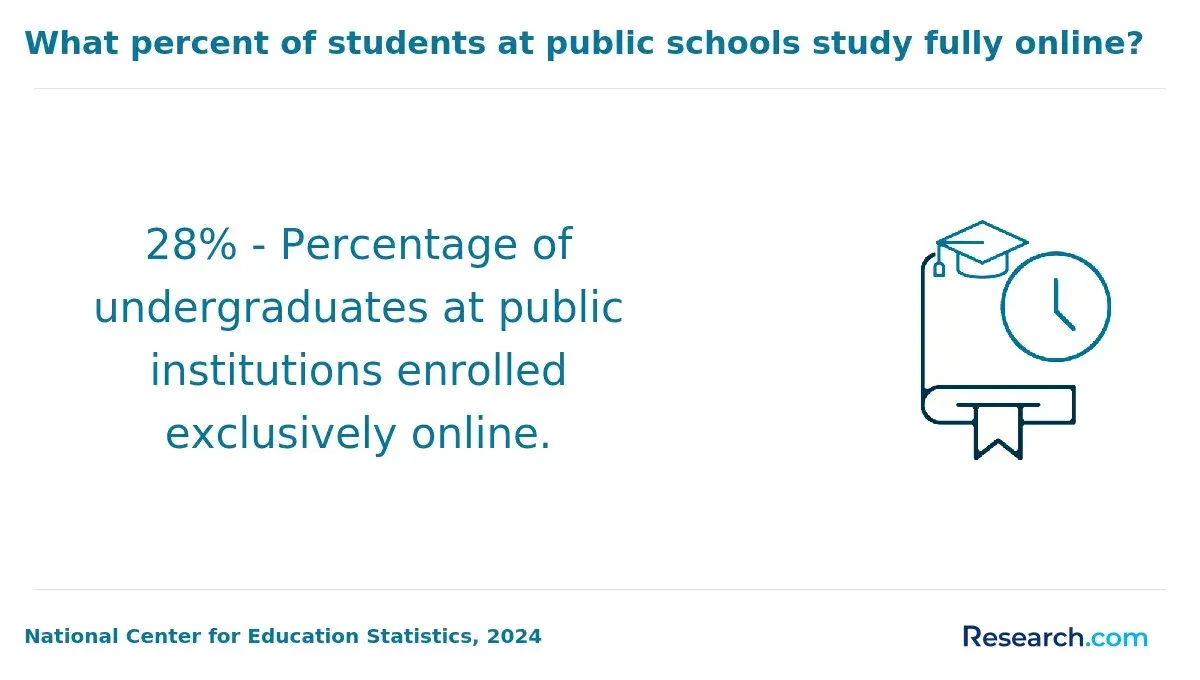
Federal education data released by the National Center for Education Statistics in 2024 shows that distance education remains a mainstream part of U.S. higher education, not a fringe option. For doctoral nursing students, that shift matters because universities have become more willing to build online cohorts around working professionals rather than assuming students can relocate or attend weekday seminars.
The table below compares the practical scheduling realities you are likely to encounter. It is especially useful if you are deciding whether online flexibility is enough to offset the structure and accountability of campus study.
| Schedule feature | Online format | On-campus format | Decision impact |
| Class meetings | Asynchronous modules, evening live sessions, weekend intensives, or mixed delivery | Fixed weekly class times, campus seminars, cohort meetings, or daytime sessions | Online formats are usually easier to combine with full-time leadership roles |
| Pacing | May offer part-time, full-time, or lockstep cohort pacing | Often cohort-based with less room to pause or reorder courses | Part-time online pacing can protect employment income but may extend time to completion |
| Accountability | Requires strong self-management and proactive communication | Built-in routines through in-person attendance and campus contact | Students who need structure may prefer campus or hybrid formats |
| Peer interaction | Discussion boards, group projects, virtual meetings, online residencies | In-person seminars, informal conversations, campus events | Campus may support faster relationship building, while online may broaden geographic peer networks |
| Work compatibility | Often designed for employed nurses | May be harder for students with rotating leadership or clinical schedules | Employment demands should be mapped against class meeting times before applying |
The biggest mistake is assuming "online" means "self-paced." Many online Nurse Executive Leadership doctorates are flexible but not casual; weekly deadlines, group projects, practicum documentation, writing milestones, and synchronous sessions can still create a demanding schedule.
Fieldwork, practicum, residency, or executive immersion requirements depend on whether the degree is practice-focused or research-focused. A DNP in Nurse Executive Leadership typically requires applied practice hours and a systems-level scholarly project, while a PhD usually emphasizes research training and dissertation development, though some programs also include teaching, leadership, or research practica.
Online students often complete fieldwork near where they live or work, but that does not mean the requirement is easier. The student may need to secure an approved preceptor, document leadership hours, obtain organizational permissions, and align the project with both employer priorities and faculty expectations.
The table below shows how in-person requirements commonly differ by format. Because schools use terms such as residency, immersion, practicum, intensive, and executive seminar differently, applicants should verify exact attendance expectations in writing.
| Requirement type | Online format | On-campus format | What to verify |
| Executive practicum | Often arranged in the student's local health system or workplace | May use university health system partners or approved regional sites | Who finds the site, who approves it, and whether workplace projects are allowed |
| Campus residency | May require short visits for orientation, project defense, leadership intensives, or immersion | Usually built into regular attendance rather than treated as separate travel | Number of visits, length of each visit, travel timing, and added fees |
| Preceptor or mentor requirement | May require a local executive mentor approved by the program | May provide easier access to campus-affiliated mentors | Required credentials, role level, and backup plan if a mentor changes jobs |
| Project site approvals | May involve remote coordination with an employer, IRB, or quality office | May use established university processes and nearby partners | Timeline for approval and whether delays can affect graduation |
Before choosing an online program, ask admissions and faculty whether they help students locate executive practicum sites or expect students to handle placement independently. Before choosing a campus program, ask whether the university's partner sites match your leadership interests, such as ambulatory care, academic medical centers, rural health, behavioral health, population health, or long-term care.
The dissertation or culminating project process differs less by format than by degree type. A PhD in Nursing generally requires an original dissertation that contributes to nursing science, leadership research, workforce studies, policy, outcomes, or health systems knowledge. A DNP generally requires a scholarly project focused on evidence-based practice, quality improvement, organizational change, or measurable leadership impact.
Online students can complete strong dissertations or DNP projects, but they must be more intentional about building advising routines. Campus students may benefit from easier access to seminars and informal faculty contact, but proximity does not automatically solve slow feedback, unclear milestones, or weak committee support.
Use the following steps before enrolling to judge whether a program's dissertation or scholarly project structure is strong enough for your goals.
- Ask for the program handbook section that explains doctoral milestones, including proposal approval, IRB or quality review, data collection, writing deadlines, defense procedures, and maximum time limits.
- Request examples of recent dissertation titles or DNP executive leadership projects so you can see whether student work aligns with your intended leadership niche.
- Ask how students are matched with faculty chairs and whether students can change advisers if their topic or faculty availability changes.
- Confirm whether online students defend virtually, travel to campus, or complete hybrid defenses, and include any travel costs in your budget.
- Ask about writing support, statistics or methods consultation, library access, qualitative or quantitative software support, and project management tools.
A warning sign is a program that promotes convenience but gives vague answers about dissertation or project support. Doctoral completion often depends on structure, feedback, and momentum, so support systems should be evaluated as carefully as tuition.
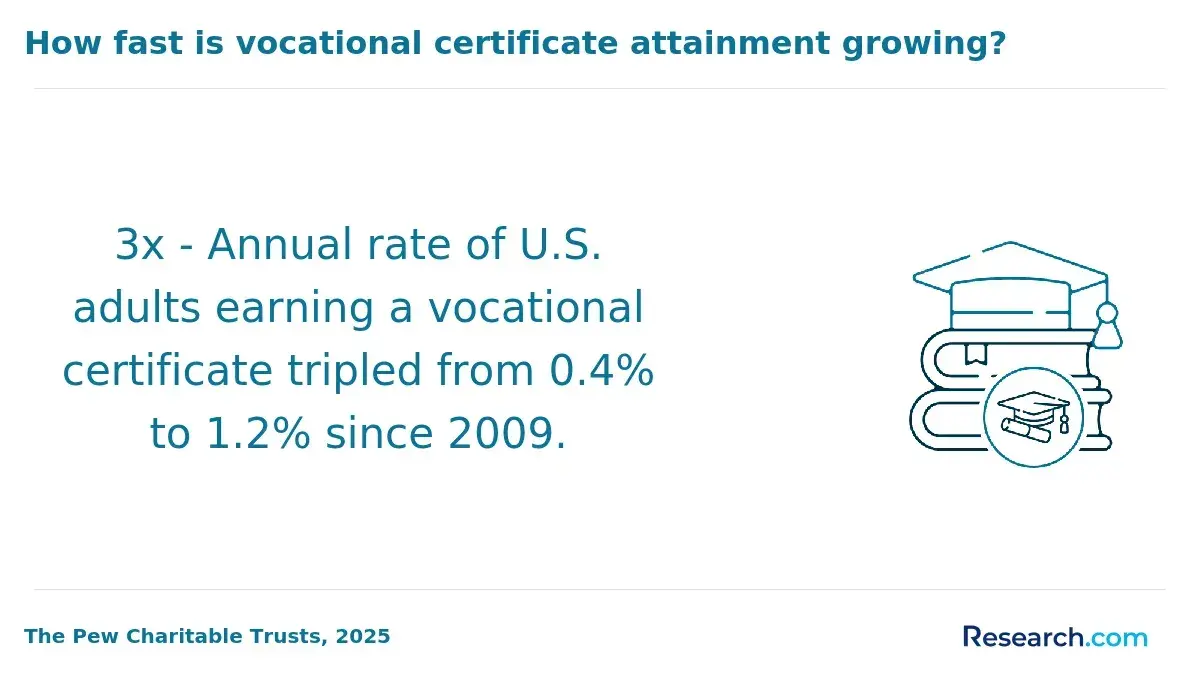
Tuition comparisons are tricky because there is no single national database that cleanly separates online Nurse Executive Leadership doctorate tuition from on-campus tuition across all U.S. institutions. Some universities charge the same per-credit rate for both formats, some charge a separate online rate, and some public universities apply in-state and out-of-state tuition differently for campus students.
For students comparing research-focused options, lists of the cheapest online nursing PhD programs can be useful starting points, but affordability still depends on total credits, fees, assistantships, and whether the curriculum fits executive leadership goals.
The table below explains the tuition patterns applicants commonly encounter. It is not a substitute for a school's official cost sheet, but it shows what to look for when comparing formats.
| Tuition factor | Online format | On-campus format | How to compare fairly |
| Per-credit tuition | May use a flat online rate regardless of state residency | May vary by in-state, out-of-state, public, private nonprofit, or private for-profit status | Multiply the per-credit rate by the total required credits, not by one semester only |
| Program fees | May include distance learning, technology, platform, clinical tracking, or residency fees | May include campus, health, activity, lab, parking, or facility fees | Ask for all required fees for the entire program |
| Residency charges | Short campus visits can add travel, hotel, meals, and time-off costs | Regular campus attendance may add commuting or relocation costs | Estimate travel for each required in-person event |
| Assistantships and tuition remission | May be more limited for fully online students at some universities | May be more available for campus-based PhD students, especially research or teaching roles | Ask whether funding is available to your specific format and degree type |
| Employer tuition benefits | Often easier to use while remaining employed | May be harder to use if attendance reduces work hours | Confirm annual reimbursement caps and grade requirements with your employer |
The practical comparison is simple: calculate total credits, required fees, travel, books, technology, and lost income for each program. A lower tuition rate can become less affordable if the format requires unpaid leave, frequent travel, or delayed completion.
Cost of attendance is broader than tuition. It includes direct university charges and indirect costs such as travel, housing, childcare, reduced work hours, certification or background checks, clinical tracking systems, graduation fees, and technology needs. For working nurses, opportunity cost can be the largest hidden variable.
Federal student aid and College Scorecard data can help applicants understand borrowing patterns, but debt data is often reported at the institution or program level and may suppress small doctoral cohorts. That limitation is important: a national average may not reflect what a nurse executive student will borrow after employer reimbursement, part-time enrollment, assistantships, or personal savings.
The table below shows the cost categories most likely to differ between online and on-campus doctoral study. Use it to build a personalized estimate instead of relying only on advertised tuition.
| Cost category | Online students should budget for | On-campus students should budget for | Common mistake |
| Travel | Residencies, campus intensives, project defense, conferences | Daily commuting, parking, transit, relocation, campus events | Assuming online means no in-person expense |
| Work impact | Evening or weekend study time, possible time off for intensives | Reduced hours if classes meet during workdays | Ignoring lost wages or missed shift differentials |
| Technology | Reliable computer, webcam, high-speed internet, software, online proctoring | Laptop, software, campus technology fees | Counting technology as optional when it is required |
| Fieldwork | Clinical tracking, background checks, site onboarding, immunization documentation | Similar requirements, sometimes tied to campus partners | Not asking who pays for site compliance costs |
| Support services | Remote library, writing support, statistics help, virtual tutoring | Campus writing centers, libraries, research seminars, faculty meetings | Choosing the cheapest option without confirming support access |
A financially responsible choice is not always the cheapest program. It is the program that you can complete without excessive debt, avoidable delays, or career disruption. If a doctorate would require major borrowing, ask whether the leadership role you are targeting typically requires a doctorate or whether a lower-cost credential could meet the same goal.
Most Nurse Executive Leadership employers focus on whether the doctorate is credible, relevant, and aligned with the role. Hiring committees and executive leaders commonly care about accreditation, the university's reputation, the candidate's leadership record, measurable project outcomes, and whether the doctorate strengthened skills in finance, quality, strategy, workforce management, policy, and evidence-based decision-making.
There is not a reliable national employer dataset that shows U.S. health systems prefer online or on-campus Nurse Executive Leadership doctoral graduates as separate categories. That absence matters because applicants should avoid programs that make sweeping promises about employer acceptance. In practice, a strong online doctorate from an accredited university is often evaluated similarly to a campus doctorate when the curriculum, faculty, and outcomes are comparable.
Employer perception is strongest when the program helps you produce evidence of executive-level capability. The following items can make either format more persuasive in hiring, promotion, or chief nursing officer succession discussions.
- A dissertation or DNP project tied to measurable organizational outcomes such as quality improvement, retention, patient safety, care coordination, throughput, equity, or financial stewardship.
- Executive practicum experiences with senior leaders who can speak to your strategic thinking, change management, and communication skills.
- Coursework in health finance, policy, systems leadership, informatics, quality, population health, and organizational behavior.
- Faculty or mentor references who understand nurse executive responsibilities rather than only general academic performance.
- A transcript and university description showing the same doctoral standards across online and campus delivery.
If you are already employed by a hospital, health system, university, payer, or public agency, ask HR or a senior nursing leader how they evaluate online doctorates for promotion. Their answer is more useful than general assumptions about employer attitudes.
If your main priority is finding the simplest route into advanced nursing education, an easiest NP program search may not match the purpose of a Nurse Executive Leadership doctorate, which should be judged by rigor, relevance, and long-term leadership value.
Program format can affect job prospects indirectly, but it usually does not determine them by itself. A campus program may offer stronger local networking, research assistantships, and faculty visibility. An online program may let you keep a leadership role while applying coursework immediately to your organization, which can strengthen your portfolio before graduation.
The clearest labor-market signal comes from the broader leadership occupation, not from online-versus-campus degree labels. The U.S. Bureau of Labor Statistics lists the median annual wage for medical and health services managers at $110,680 in its 2024 Occupational Outlook Handbook, with much faster-than-average projected growth through 2033. That figure is not a promise for doctoral graduates, but it shows why advanced leadership preparation may be relevant for nurses moving toward executive management.
Salary and demand also vary by nursing specialty, region, employer type, and leadership scope. For example, nurses comparing executive pathways with advanced practice roles may also review data on psychiatric nurse practitioner salary to understand how clinical specialization and leadership tracks differ financially.
Format is most likely to influence job prospects through access to experiences. On-campus students may build relationships through faculty research teams, university health systems, and in-person conferences. Online students may build credibility by leading projects in their current organizations, maintaining continuous employment, and documenting real-time leadership outcomes.
Regardless of format, avoid programs that lack clear career relevance. Red flags include vague leadership coursework, no executive practicum structure, limited faculty expertise in nursing administration, weak project examples, unclear accreditation status, and little support for translating doctoral work into a promotion portfolio.
How do you choose between online and on-campus Nurse Executive Leadership doctorate programs?
Choosing between online and on-campus Nurse Executive Leadership doctorate programs should start with your goal, not the delivery mode. A future chief nursing officer, health system executive, nursing faculty member, policy leader, quality executive, or research scholar may need different faculty support, project opportunities, and networking access.
If you are still comparing nursing pathways broadly, resources on online nurse practitioner programs can help distinguish clinical advanced practice preparation from doctoral executive leadership preparation. The right choice depends on whether you want to diagnose and treat patients, lead systems, teach, conduct research, or influence policy.
Use the steps below to make a defensible decision instead of relying on convenience, prestige, or price alone.
- Define the role you want within three to five years after graduation, such as director, CNO, dean, policy leader, quality executive, consultant, researcher, or faculty member.
- Decide whether a DNP, PhD, or other nursing doctorate best fits that goal; DNP programs usually emphasize applied leadership, while PhD programs usually emphasize research and knowledge generation.
- Build a side-by-side spreadsheet with tuition, total credits, fees, residencies, fieldwork requirements, dissertation or project milestones, accreditation, faculty expertise, and available funding.
- Ask each program whether online and campus students receive the same faculty access, library access, research support, writing support, and career services.
- Confirm whether the transcript or diploma states the delivery format, especially if your employer has specific credential review policies.
- Talk with current students or recent graduates about workload, advising responsiveness, practicum placement, and dissertation or project support.
- Check whether your employer offers tuition reimbursement, leadership project sponsorship, data access, or executive mentorship before you commit.
Online is usually the better fit if you need to stay employed, cannot relocate, have a strong local project site, and are disciplined enough to manage doctoral deadlines independently. On-campus is often better if you want daily academic immersion, research assistantship access, stronger in-person networking, or a more structured environment.
Other Things You Should Know About Nurse Executive Leadership
They can, but credible programs usually require similar academic preparation across formats. Common requirements include an active RN license, graduate nursing preparation for post-master's pathways, transcripts, references, a resume, a goals statement, and sometimes leadership experience or an interview.
Many universities do not list delivery format on the diploma, but policies vary. Ask the registrar or admissions office whether the transcript, diploma, or enrollment verification identifies online delivery before you apply.
Many students do, especially in programs designed for working nurses, but it requires disciplined scheduling. You should confirm weekly workload, synchronous meeting times, practicum hours, residency dates, and writing milestones before assuming full-time work will be manageable.
A hybrid format can be a strong option if you want online flexibility plus periodic in-person networking, faculty access, and cohort connection. It is less ideal if travel costs, employer leave policies, or residency timing would create major barriers.
- Your Guide to Online PhD Nursing Programs: What They Are, What to Expect, and How to Choose the Right One – FRESHRN https://www.freshrn.com/online-phd-nursing-programs/
- Why More Nurses Are Choosing Online Doctor of Nursing Programs to Advance Their Careers https://collegelife.co/magazine/online-doctor-of-nursing-programs
- Can You Earn a DNP Online? | All Nursing Schools https://www.allnursingschools.com/dnp/online-or-on-campus/
- The Best Value DNP Degree Programs for 2025 https://www.doctorofnursingpracticednp.org/the-best-value-dnp-degree-programs/
- Top 50 Clinical Nurse Leadership Degree Programs - Healthcare Management Degree Guide https://www.healthcare-management-degree.net/best/top-clinical-nurse-leadership-degree-programs/
- 25 Best Online EdD Programs of 2025 https://www.eddprograms.org/schools/best-online-doctor-of-education-programs/
- EdD in Healthcare Education & Leadership | Health Doctorate | NMC https://www.methodistcollege.edu/health-professions/doctoral-healthcare-education
- Top 50 Most Affordable Online Nursing Administration Degrees (MSN) - Healthcare Administration Degree Programs https://www.healthcare-administration-degree.net/best/affordable-online-nursing-administration-degrees-msn/
- Employers' Perceptions of Online University Degrees and ... https://old.journals.um.si/index.php/oe/article/download/2425/2054
- Top 10 Best Online Doctoral Programs In Leadership [2026] https://kapable.club/blog/leadership/best-online-doctoral-programs-in-leadership/