2027 Best Online Nurse Executive Leadership Doctorate Programs for Government and Public Sector Careers

Co-Founder and Chief Data Scientist
Choosing an online Nurse Executive Leadership doctorate is a high-stakes decision when your goal is public service leadership, not just a higher credential. The U.S. Bureau of Labor Statistics projects medical and health services manager employment to grow 29% from 2023 to 2033, far faster than average, which makes advanced leadership preparation increasingly relevant.
This guide is for working nurses, nurse administrators, military health professionals, and public health leaders comparing accredited online options. You will learn how quality, cost, flexibility, accreditation, curriculum, and government career fit should shape your shortlist.
Key Things You Should Know
- The strongest online Nurse Executive Leadership doctorates for public sector careers are usually accredited DNP or PhD programs with executive leadership, health policy, population health, finance, informatics, and systems-improvement coursework.
- Public sector relevance matters as much as format: look for faculty with government, Veterans Health Administration, military, public health, correctional health, or nonprofit health system experience.
- Use salary and cost data carefully: BLS reported a May 2024 median salary of $117,960 for medical and health services managers, while federal graduate unsubsidized loans are capped at $20,500 per academic year before Grad PLUS or employer support.
What Are the Best Online Nurse Executive Leadership Doctorate Programs for Government and Public Sector Careers?
The best online Nurse Executive Leadership doctorate is the one that matches your target public sector role. For most working nurse leaders, that means an accredited Doctor of Nursing Practice with an executive leadership or systems leadership track.
For nurses aiming at research, health policy analysis, academia, or federal research agencies, an online or hybrid PhD in Nursing may be a better fit.
Because schools use different naming conventions, applicants should compare program purpose before comparing marketing labels. "Nurse Executive Leadership," "Executive Leadership," "Health Systems Leadership," "Organizational Leadership," and "Nursing Leadership and Health Policy" can all point toward similar career outcomes, but the required projects, research expectations, and faculty expertise may differ substantially.
The table below summarizes the main doctorate options and how they tend to align with government and public sector goals:
| Program type | Best public sector fit | Typical final requirement | Best for students who want to |
| Online DNP in Executive or Nurse Executive Leadership | Health system administration, public hospital leadership, Veterans Health Administration roles, state health agency leadership | Practice-focused DNP project or capstone | Lead organizational change, improve outcomes, manage teams, and apply evidence in complex systems |
| Online PhD in Nursing with leadership, policy, or systems focus | Federal research, policy analysis, academic leadership, workforce research, public health research | Dissertation | Produce original research and compete for research, faculty, or policy-focused roles |
| Hybrid DNP with policy or population health emphasis | State and local public health departments, Medicaid-related initiatives, community health agencies | Capstone plus on-campus or immersion experiences | Combine online study with structured networking and applied public sector projects |
| Interprofessional doctorate with nursing leadership concentration | Public health administration, nonprofit health leadership, emergency preparedness, cross-agency collaboration | Applied doctoral project | Work across nursing, public administration, data, finance, and health policy teams |
Demand for leadership roles is one reason this distinction matters. BLS projects about 61,400 openings per year for medical and health services managers from 2023 to 2033, but those openings span hospitals, agencies, clinics, long-term care, insurers, and government entities.
A doctorate can strengthen your leadership profile, but it should be paired with relevant experience, measurable accomplishments, and a curriculum tied to the setting where you want to work.
If affordability is your first screening factor and you are open to research-focused doctoral study, it can also be useful to compare Nurse Executive Leadership options with cheapest online nursing PhD programs. A lower-cost PhD may fit policy or academic goals better than a higher-priced practice doctorate, but it is not automatically the best choice for operational leadership.
In practical terms, the "best" programs for government and public sector careers usually share several traits: recognized nursing accreditation, transparent tuition, experienced faculty, flexible pacing, a capstone or dissertation that can be completed in a public sector setting, and evidence that graduates move into leadership, policy, education, or systems-improvement roles.
How Should You Compare Online Nurse Executive Leadership Doctorate Programs for Your Public Sector Career Goals?
Start with your career destination, then evaluate the degree. A nurse administrator in a county hospital, a chief nursing officer in a public system, a military nurse officer, and a public health policy nurse may all need different doctoral experiences. The right comparison process should connect each program feature to your likely job duties.
Use the following steps to move beyond rankings and compare programs in a way that reflects public sector career realities:
- Define your target setting; federal agency, state health department, local public health office, Veterans Health Administration facility, military health system, public hospital, correctional health system, public university, or nonprofit safety-net organization.
- Choose the doctorate type that fits the work; select a DNP for applied executive leadership, a PhD for research and policy scholarship, or a hybrid/interprofessional model for cross-sector administration.
- Check whether the curriculum includes public finance, health policy, quality improvement, population health, informatics, workforce strategy, ethics, and regulatory leadership.
- Ask whether the capstone, practicum, residency, or dissertation can be completed through your current government or public sector employer.
- Compare total cost, not just tuition per credit, including fees, travel, clinical placement expenses, technology charges, books, and lost overtime or reduced work hours.
- Review faculty biographies for public sector, policy, health system, military, public health, or government-funded research experience.
- Ask admissions and program directors for examples of recent student projects relevant to public hospitals, government agencies, health equity, rural access, emergency preparedness, or workforce retention.
One useful decision point is whether you need doctoral preparation at all. If your goal is advanced clinical practice rather than executive administration, comparing leadership doctorates with online nurse practitioner programs may clarify whether you want to manage systems or provide direct advanced clinical care.
Common mistakes include choosing the fastest program without checking workload, selecting a school because it is well known but not aligned with public sector projects, ignoring residency travel, and assuming a doctorate alone will lead to a senior title.
A better approach is to look for a program that turns your current experience into evidence of executive readiness: budget work, quality metrics, workforce planning, policy implementation, and cross-agency collaboration.
Are Online Nurse Executive Leadership Doctorate Programs Accredited and Respected by Government Employers?
Online doctorate programs can be respected by government employers when the school and nursing program are properly accredited.
Public sector employers usually care less about whether coursework was online and more about institutional accreditation, nursing accreditation when applicable, licensure status, leadership experience, and whether the degree is relevant to the role.
Prospective students should separate three types of quality review. Institutional accreditation applies to the college or university.
Nursing program accreditation, usually through CCNE or ACEN for many nursing programs, signals that the nursing curriculum has undergone specialized review. State authorization affects whether the school can enroll online students in your state and, when applicable, support required practice experiences.
The table below explains how accreditation and recognition factors affect a government-focused applicant's risk level:
| Quality factor | Why it matters for public sector careers | What to verify before enrolling |
| Institutional accreditation | Government employers, federal financial aid systems, and other universities generally expect degrees from institutionally accredited schools | Confirm the university is accredited by a recognized institutional accreditor |
| Nursing program accreditation | Important for nursing credibility, employer confidence, and alignment with professional standards | Check whether the DNP, PhD, or nursing leadership program is accredited or housed in an accredited nursing school |
| State authorization | Online students may be restricted by state rules, especially when practice hours or placements are required | Ask whether the program is authorized to enroll students in your state |
| Licensure compatibility | Some roles require an active RN or APRN license, even when the doctorate is leadership-focused | Confirm whether your state license and employment setting satisfy program requirements |
| Employer recognition | Government hiring systems may screen for degree level, field relevance, and accredited institution status | Review job postings and ask HR how online doctorates are evaluated |
For federal roles, applicants should also understand that degree recognition is only one part of qualification. Many federal job series evaluate specialized experience, supervisory background, program management, policy implementation, and scope of responsibility.
A doctorate may help demonstrate advanced preparation, but it does not replace years of relevant leadership experience when a posting requires it.
A strong safeguard is to contact the school, your state board of nursing, and your current or target employer before enrolling. Ask whether the degree meets internal promotion, tuition assistance, or hiring requirements. This is especially important for nurses in military, Veterans Health Administration, correctional health, tribal health, or state civil service systems, where job classifications can be specific.
Admissions requirements vary, but most online Nurse Executive Leadership doctorates are built for licensed nurses with graduate-level preparation and leadership experience. Some programs accept BSN-prepared nurses into BSN-to-DNP pathways, while others require an MSN, MBA, MHA, MPH, or related graduate degree.
Applicants should expect schools to evaluate both academic readiness and leadership fit. The following requirements are common, although each school sets its own standards:
- Active, unencumbered RN license, and APRN licensure when the pathway requires advanced practice preparation.
- BSN or MSN from an accredited nursing program, depending on whether the program is post-baccalaureate or post-master's.
- Graduate GPA that meets the school's minimum threshold.
- Professional resume showing nursing leadership, administration, education, quality improvement, public health, military health, or policy experience.
- Statement of purpose connecting doctoral study to leadership, systems improvement, health equity, public policy, or public sector service.
- Letters of recommendation from supervisors, faculty, executives, or policy leaders who can speak to leadership capacity.
- Interview, writing sample, scholarly project proposal, or evidence-based practice project concept.
- Documentation of prior graduate clinical or practice hours when applying to a post-master's DNP.
Students coming from advanced practice backgrounds should look carefully at whether they want leadership preparation or another clinical credential. If your main concern is finding an accessible route into advanced practice, resources on the easiest NP program may be more relevant than a nurse executive doctorate.
A strong application for government-focused programs usually explains a real systems problem. Examples include reducing nurse turnover in a public hospital, improving access in rural clinics, strengthening emergency preparedness, implementing evidence-based protocols across public facilities, or improving outcomes for veterans, incarcerated populations, Medicaid patients, or underserved communities.
The most useful curriculum for public sector careers combines nursing leadership with policy, finance, data, and population-level decision-making.
A program that focuses only on general management may be less valuable than one that teaches students how to lead under regulation, budget constraints, public accountability, workforce shortages, and equity mandates.
The table below connects common curriculum areas with the government and public sector problems they help graduates address:
| Curriculum area | Public sector value | Best-fit career direction |
| Health policy and advocacy | Helps nurses understand legislation, regulation, reimbursement, and public program implementation | State health agencies, federal policy roles, professional associations, public health leadership |
| Executive finance and budgeting | Prepares students to manage constrained budgets, grants, staffing models, and service-line decisions | Public hospital administration, health department management, nonprofit executive roles |
| Quality improvement and patient safety | Supports measurable systems improvement across complex public and safety-net settings | Veterans Health Administration, public hospitals, correctional health, quality leadership |
| Population health and health equity | Connects nursing leadership to community outcomes, access gaps, prevention, and social determinants of health | Local public health, Medicaid programs, rural health, community health organizations |
| Informatics and analytics | Builds capacity to use dashboards, EHR data, workforce metrics, and AI-enabled tools responsibly | Government digital health initiatives, quality analytics, public health surveillance support |
| Organizational leadership and ethics | Develops decision-making skills for politically visible, resource-limited, and mission-driven environments | Senior nursing administration, agency leadership, military and public service roles |
Current public sector leadership increasingly requires comfort with data systems, AI-supported workflows, cybersecurity-aware health operations, and digital transformation. A strong doctorate does not need to turn nurse leaders into programmers, but it should teach them how to evaluate technology, protect patient information, reduce bias, and lead implementation across diverse teams.
Students should also compare the final scholarly project. A DNP project focused on reducing emergency department boarding in a public hospital, improving vaccination outreach through a county agency, or implementing staffing dashboards in a Veterans Health Administration unit may provide stronger career evidence than a generic leadership topic.
PhD students should look for dissertation support in workforce policy, health services research, outcomes measurement, implementation science, or public health nursing systems.
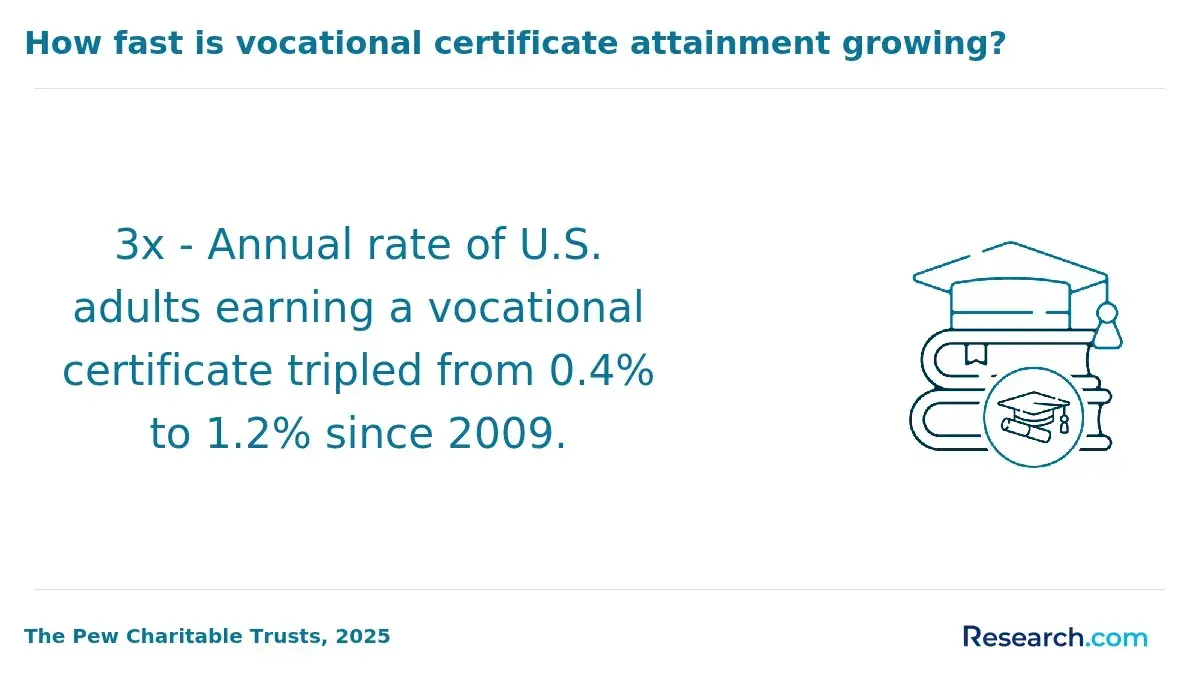
Online does not always mean fully remote. Many Nurse Executive Leadership doctorates deliver courses online but still require virtual synchronous sessions, short campus residencies, practicum hours, executive immersions, doctoral intensives, or in-person project presentations.
Before enrolling, students should understand how each academic requirement will fit with work, family, licensure, and employer policies. These are the main format questions to ask:
- Are courses asynchronous, live online, or a mix of both?
- How many campus visits, intensives, or residencies are required, and how much travel should students budget for each one?
- Can practicum, immersion, or leadership hours be completed at the student's current workplace?
- Does the school help secure project sites, or is the student responsible for arranging approvals?
- What approvals are needed for projects involving government agencies, protected health information, quality data, or human subjects review?
- Is the final requirement a dissertation, DNP project, capstone, portfolio, or publishable manuscript?
- How often must students meet with faculty advisors, project mentors, committees, or preceptors?
- What technology platforms, simulation tools, data systems, or collaboration software are required?
The dissertation-versus-capstone choice is one of the most important academic trade-offs. A dissertation is designed to create original research and is usually better for academic, research, or policy analysis roles. A DNP capstone or project is designed to apply evidence to a practice problem and is usually better for executive leadership, quality improvement, and operational change.
Government and public sector students should ask early about data access. Projects in public hospitals, public health departments, military settings, correctional systems, or federal agencies may require additional approvals. A program with experienced faculty and clear project governance can help students avoid delays.
Most working nurses should plan for a multi-year commitment, even in flexible online programs. Post-master's DNP leadership programs are often shorter than BSN-to-DNP pathways, while PhD programs can take longer because of research design, data collection, dissertation writing, and committee review.
The table below provides a practical comparison of common pacing options. Exact timelines vary by transfer credits, prior graduate hours, project scope, residency requirements, and whether the student takes breaks:
| Enrollment pattern | Typical fit | Main advantage | Main trade-off |
| Full-time post-master's DNP | Nurse leaders with strong employer support or flexible schedules | Faster completion and sustained project momentum | Higher weekly workload and less room for overtime or major job changes |
| Part-time post-master's DNP | Working managers, directors, military nurses, public health leaders, and caregivers | Better fit for full-time employment and family responsibilities | Longer time to completion and possible tuition increases over time |
| BSN-to-DNP leadership pathway | Experienced BSN-prepared nurses seeking graduate and doctoral preparation in one route | Integrated path without completing a separate MSN first | More credits, more practice-hour requirements, and longer commitment |
| Online or hybrid PhD | Nurses pursuing research, academic, policy, or evidence-generation roles | Deep research training and stronger fit for scholarly careers | Dissertation timelines can be less predictable |
A realistic workload plan matters because doctoral study competes with leadership duties, emergencies, budget cycles, accreditation visits, public health crises, and staffing shortages. Students in government or public sector jobs should consider whether their busiest seasons align with major doctoral milestones such as proposal defense, project implementation, residency travel, or final presentation.
A practical strategy is to ask the program for a term-by-term plan before applying. Then compare that plan with your work calendar, likely promotion opportunities, deployment or relocation risk, and family responsibilities. The best timeline is not always the shortest; it is the one you can complete without sacrificing performance in the leadership role that supports your career goal.
Total cost should be calculated from the first application fee through the final project term. Online doctorate pricing can vary widely by public versus private institution, in-state versus out-of-state tuition, credit load, fees, required travel, and whether the school charges per credit or per term.
Federal Student Aid lists the annual Direct Unsubsidized Loan limit for graduate or professional students at $20,500. That figure is important because doctoral tuition can exceed the unsubsidized loan limit, meaning some students may need Grad PLUS loans, employer tuition assistance, scholarships, payment plans, military education benefits, or personal funds.
When comparing costs, review all of the following rather than relying on tuition alone:
- Tuition per credit or per term.
- Total required credits after transfer review.
- Online learning, technology, program, graduation, and clinical placement fees.
- Residency travel, lodging, meals, parking, and time away from work.
- Books, software, statistical tools, transcription, poster printing, or publication expenses.
- Cost of extending enrollment if the dissertation or capstone takes longer than planned.
- Employer tuition reimbursement rules, service commitments, grade requirements, and annual caps.
- Eligibility for federal loans, Grad PLUS loans, scholarships, assistantships, veterans benefits, or public service-related funding.
The table below shows how major funding options differ for working public sector nurses:
| Funding source | Best fit | Key limitation to check |
| Employer tuition assistance | Public hospital, government agency, university health system, or military-affiliated employees | Annual caps, required grades, approved-school lists, and service obligations |
| Federal Direct Unsubsidized Loans | Graduate students needing predictable federal loan access | Annual borrowing cap may not cover full program cost |
| Grad PLUS Loans | Students whose cost of attendance exceeds other aid | Credit check, interest cost, and repayment burden |
| Scholarships and nursing foundations | Students with leadership, public health, diversity, rural health, veteran, or service-focused goals | Competitive awards and limited renewal availability |
| Military or veterans education benefits | Eligible service members, veterans, and military spouses | Benefit transfer, school participation, and remaining entitlement rules |
ROI should be evaluated conservatively. A doctorate may help with promotion readiness, executive credibility, teaching eligibility, consulting opportunities, or policy work, but it should not be treated as a guaranteed salary increase. Compare your likely career path, pension or public benefits, loan repayment timeline, and the value of staying employed while studying.
An online Nurse Executive Leadership doctorate can support several government and public sector pathways, but the degree is most powerful when paired with relevant leadership experience.
Graduates may pursue roles in health system administration, public health leadership, quality improvement, workforce strategy, nursing education, policy implementation, and executive consulting.
BLS reported a May 2024 median salary of $117,960 for medical and health services managers. This national median includes many industries and does not isolate doctorate holders or government employees, so students should use it as a broad benchmark rather than a personal earnings prediction.
The table below outlines public sector career directions and the doctorate features that tend to support them:
| Career direction | Typical responsibilities | Helpful doctoral preparation |
| Public hospital nurse executive | Oversee nursing operations, staffing, quality, budgets, patient safety, and regulatory performance | DNP executive leadership, finance, quality improvement, workforce strategy |
| Veterans Health Administration or military health leader | Lead clinical programs, readiness initiatives, interprofessional teams, and system-wide improvement projects | Systems leadership, implementation science, informatics, population health |
| State or local public health nursing leader | Direct community health programs, emergency preparedness, prevention initiatives, and health equity work | Population health, policy, epidemiology foundations, program evaluation |
| Federal or state policy nurse | Analyze policy, advise leaders, support regulation, manage grants, or evaluate health programs | Health policy, research methods, economics, ethics, public administration |
| Correctional or public safety health administrator | Manage care delivery, compliance, staffing, and quality in secured or public safety environments | Risk management, systems improvement, ethics, behavioral health leadership |
| Public university nursing faculty or administrator | Teach, lead programs, mentor nurses, manage accreditation, and support workforce development | PhD research preparation or DNP education-leadership preparation |
Some nurses compare executive leadership with advanced clinical practice because both can lead to influence and higher responsibility. If clinical specialization is more appealing than administration, reviewing psychiatric nurse practitioner salary data can help you compare a direct-care NP pathway with a leadership doctorate.
Public sector advancement often depends on civil service rules, leadership vacancies, budget cycles, union environments, veteran preference rules, geographic mobility, and specialized experience.
A doctorate can strengthen the education portion of your profile, but your resume should also show measurable outcomes such as cost savings, improved quality scores, reduced turnover, successful accreditation, grant management, or program expansion.
Which Online Nurse Executive Leadership Doctorate Programs Offer the Best Public Sector Career Support and Professional Networks?
The best public sector career support goes beyond a general university career center. Government-focused nursing doctorate students benefit from faculty mentors, executive networks, project partners, alumni in public service, and guidance on translating doctoral work into promotion evidence.
When evaluating career support, ask schools for concrete examples rather than broad promises. The following features are especially valuable for students aiming at government and public sector leadership:
- Faculty with experience in public health agencies, public hospitals, Veterans Health Administration facilities, military health systems, health policy organizations, or federally funded research.
- Capstone or dissertation mentorship tied to public sector problems such as access, workforce shortages, emergency preparedness, health equity, quality improvement, or rural care delivery.
- Alumni networks that include nurse executives, public health leaders, policy nurses, faculty, military leaders, and nonprofit administrators.
- Support for publishing, presenting, or translating doctoral projects into executive briefings, policy memos, grant proposals, or quality reports.
- Professional connections to organizations such as nursing leadership associations, public health associations, government nursing groups, and regional health collaboratives.
- Career coaching that helps students map doctoral evidence to federal resumes, state applications, promotion packets, executive interviews, or academic portfolios.
Strong programs should also help students think about credentials beyond the degree. Depending on the role, certifications in nurse executive leadership, healthcare quality, project management, informatics, public health, or emergency management may complement doctoral preparation.
Certifications are not substitutes for the doctorate, but they can make specific competencies easier for employers to recognize.
A useful final test is to ask, "Will this program help me produce work that matters in my target public sector setting?" If the answer is yes, the program should offer more than convenient online courses. It should help you build a portfolio of leadership evidence, relationships, and applied expertise that public employers can understand.
Other Things You Should Know About Nurse Executive Leadership
Yes, many programs fit nurses in public health, education, government agencies, military health, correctional health, consulting, and nonprofit organizations. The key is whether your role gives you access to leadership problems suitable for a doctoral project.
Usually no. Certifications such as nurse executive or healthcare quality credentials may strengthen an application, but most schools do not require them. Check each program's admissions page because requirements vary.
It depends on your goal. An MBA or MHA may be sufficient for broad administration, while a nursing doctorate is stronger when you want advanced nursing credibility, systems improvement expertise, faculty eligibility, or a scholarly leadership project.
Often yes, but you need employer approval, faculty approval, and sometimes ethics or institutional review. Ask early about data access, privacy rules, project sponsorship, and whether your workplace can provide an appropriate mentor.
- Highest Paid Public Health Careers https://www.publichealthdegrees.org/careers/highest-paid-public-health-jobs/
- 35 Best Online Masters in Nursing Administration - Healthcare Administration Degree Programs https://www.healthcare-administration-degree.net/best/online-masters-in-nursing-administration/
- EdAssist | Scholarships and grants for nursing students https://www.brighthorizons.com/resources/blog/edassist/scholarships-and-grants-for-nursing-students
- The evolving landscape of nursing leadership https://www.myamericannurse.com/the-evolving-landscape-of-nursing-leadership/
- MSN Nursing Leadership and Administration https://online.king.edu/online-degree-programs/nurse-leadership-and-administration/
- Nursing Financial Aid https://nursinglicensemap.com/resources/nursing-financial-aid/
- 5 Doctor of Nursing Practice in Healthcare Leadership Careers https://www.pointloma.edu/resources/nursing/5-doctor-nursing-practice-healthcare-leadership-careers
- School of Nursing https://www.ohsu.edu/school-of-nursing/dnp-executive-leadership
- Scholarships & Financial Aid https://www.aacnnursing.org/students/scholarships-financial-aid
- Nursing Loan Repayment, Scholarship, and Grant Programs https://bhw.hrsa.gov/nursing-programs