Online MBA in Sustainability: admissions guide for career changers

Co-Founder and Chief Data Scientist
Changing careers into sustainability takes more than adding a new credential to your résumé. Employers may need evidence that you can manage budgets, suppliers, operations, or organizational change in a new context. An online MBA can help build those skills while you keep working, but its admissions requirements and career support vary by school.
This guide helps career changers assess their readiness, prepare a stronger application, and decide whether a sustainability-focused MBA - or a more direct alternative - fits the role they want.
Key Things You Should Know
- A career changer's strongest MBA application connects existing accomplishments to a specific sustainability role and identifies the skills still missing.
- Schools set their own experience, testing, prerequisite, and concentration rules; an online MBA with one sustainability elective is not necessarily a formal sustainability concentration.
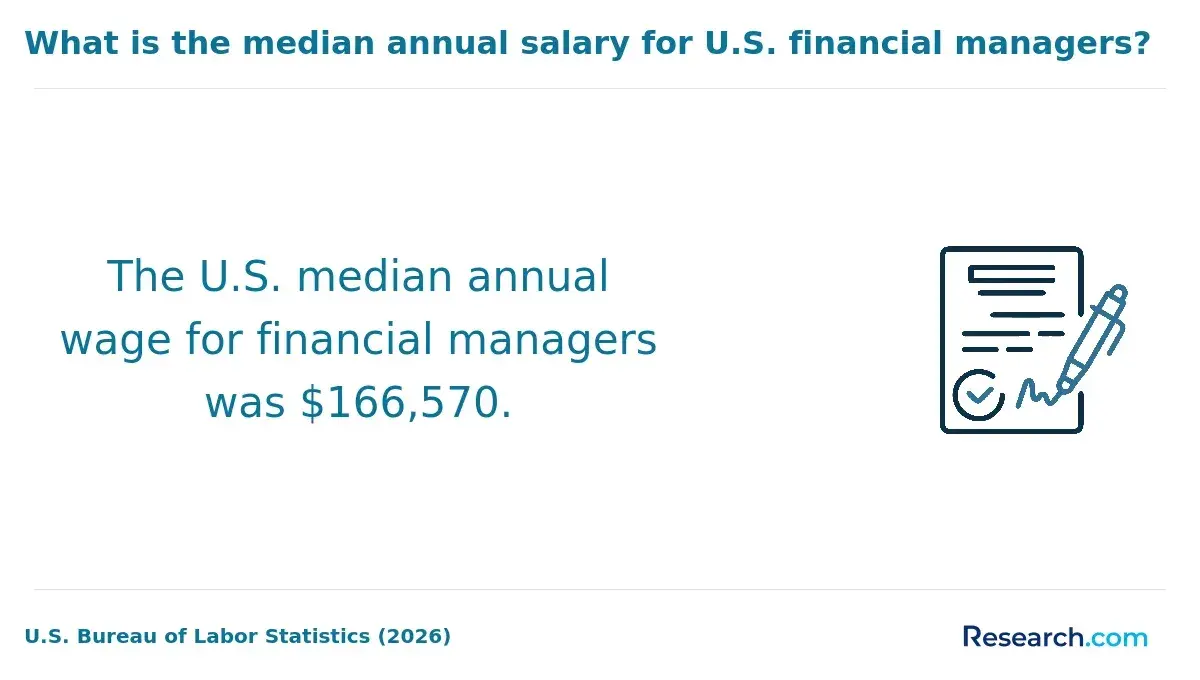
- The U.S. Bureau of Labor Statistics projects about 1.1 million management-occupation openings annually from 2025 to 2035, but that broad figure does not measure demand for sustainability MBA graduates.
What is an online MBA in sustainability?
An online MBA in sustainability combines a broad business-management degree with coursework on environmental and social challenges in business. The MBA core typically develops skills in accounting, finance, strategy, operations, and leadership. Sustainability study may address resource use, supply chains, climate-related business risk, reporting, or responsible product decisions.
Check what the school actually offers. "Sustainability MBA" may describe a formally named concentration, a collection of electives, or a general MBA with one relevant course. Those options offer different depth. Ask whether the sustainability courses are available online, how often they run, and whether the credential will appear on your transcript.
Is an online sustainability MBA worth it for career changers?
It can be worthwhile when your target job combines sustainability decisions with management responsibilities - and when you can use your existing experience to make a credible transition. A procurement professional moving into sustainable sourcing, for example, can build on supplier and cost-management experience. A shift from an unrelated function into technical emissions accounting may require more specialized preparation than an MBA provides.
Compare the full cost with the likely value of the next attainable job, not an eventual executive title. Include tuition, fees, financing, required travel, study time, and any income you would give up.
Employer funding and a project you can complete at work can improve the case for enrolling; limited recruiting support and substantial borrowing can weaken it. If cost is the main constraint, use cost-effective MBA choices as a starting point, then verify each program's current total charges and sustainability curriculum.
If you need technical environmental training rather than general-management skills, compare a specialized master's degree, focused coursework, or relevant work experience first. The MBA is most useful when its business core solves a real gap in your planned transition.
What careers can an online MBA in sustainability lead to?
Your current function is often the most practical bridge into sustainability work. The table distinguishes adjacent moves from transitions that usually need more evidence than MBA coursework alone.
| Starting point | Potential direction | Evidence employers may look for |
| Procurement or operations | Sustainable sourcing or supply-chain management | Supplier evaluation, process improvement, and cost control |
| Finance or risk | Climate-related business risk or sustainability reporting management | Financial analysis, controls, and familiarity with relevant reporting practices |
| Marketing or product management | Lower-impact product strategy | Customer research, product decisions, and substantiated claims |
| Unrelated field with little business experience | Entry-level sustainability coordination or analyst work | Applied projects, subject-specific skills, and an employer network |
An MBA can support management decisions; it does not qualify someone to perform environmental engineering or other work requiring technical expertise or licensure. Career changers targeting healthcare sustainability should examine whether facilities, procurement, or healthcare operations experience matters more than a general sustainability label.
An online MBA programs with manageable tuition comparison may help with that sector-specific choice, but verify the sustainability coursework separately.
First, confirm that the university holds recognized institutional accreditation. Then check whether its business school or MBA holds specialized accreditation, such as AACSB, ACBSP, or IACBE. Institutional and business-school accreditation assess different things; neither confirms that a particular sustainability concentration exists or meets your career needs.
Check the accreditor's directory and the school's current program information rather than relying on an old advertisement. An online MBA accreditation comparison can help identify programs to investigate, but you should still verify accreditation status and online course availability before applying.
Requirements belong to the individual MBA program, not to sustainability as a field. Schools commonly request a bachelor's degree, transcripts, a résumé, and a statement of purpose; some also request recommendations, an interview, or GMAT or GRE scores. Experience expectations, test waivers, deadlines, and foundation courses vary. A nonbusiness major does not automatically disqualify you, and a sustainability credential is not a universal prerequisite.
Before applying, turn your career change into a documented plan. This checklist separates facts to confirm with admissions from work you can do to strengthen your candidacy:
- Confirm the program's current degree, experience, test, prerequisite, and concentration requirements.
- Identify a target role and match its duties against your existing management, analytical, or industry experience.
- Use your résumé and statement to show measurable work you have done, explain the knowledge gap, and name relevant courses or projects.
- If needed, refresh accounting, finance, or quantitative skills and seek a small sustainability-related project before applying.
- Ask whether online students can access career coaching, employer projects, and recruiting support appropriate for career changers.
A school described as accessible may still be the wrong fit if it lacks the courses or career support you need. Treat business-school options for online MBA programs with accessible admissions acceptance rates as possible research leads, not evidence that you meet a particular school's requirements.
Expect the management core to cover how organizations allocate money, manage operations, assess markets, and lead change. Sustainability electives may then apply those tools to topics such as supplier standards, resource efficiency, climate risk, or stakeholder accountability. Course names and depth differ substantially by school.
For a career changer, an applied project can be especially valuable if it lets you demonstrate a business decision rather than simply discuss a sustainability concept. Ask whether you can evaluate a sourcing change, build a defensible business case, or work with a real organization. Also check what the curriculum does not teach: managerial coverage of emissions or reporting is not necessarily advanced technical training in measurement or environmental science.
There is no single duration or price. Completion depends on the program's required credits, course schedule, transfer-credit policy, and your pace; a concentration can also be constrained by when its electives run. Published tuition may be quoted per credit, course, term, or entire degree, so compare programs on a consistent total-cost basis.
Request an individualized cost estimate that includes mandatory fees, materials, any residency travel, and the charges associated with your intended pace. Ask what happens to tuition assistance or scholarships if you reduce your course load. The affordable online MBA programs list can help you find programs to price out, but an advertised tuition figure is not the complete cost of attendance.
An online MBA may let you keep earning and test new skills with your current employer. A campus program may be more practical if your career switch depends on intensive in-person recruiting, internships, or local employer connections. Neither format guarantees those opportunities: access depends on the specific school and program.
Compare actual schedules and services, not format labels. Ask about live classes, group meetings, required visits, career-adviser availability, alumni introductions, and whether career changers can participate in the same recruiting activities as other MBA students. If leaving work for full-time study would create a large financial risk, a strong online program plus a deliberate project and networking plan may be the better route.
There is no reliable single salary for "sustainability MBA graduates": roles, locations, seniority, industries, and prior experience differ. For context, the U.S. Bureau of Labor Statistics reports a $126,520 median annual wage for management occupations in May 2025. That figure covers management jobs broadly; it is not a sustainability-job salary, an entry-level offer, or evidence that earning an MBA causes a pay increase.
For a useful personal estimate, compare compensation posted for your target role and location with your current pay. Separate jobs you could plausibly obtain soon after graduation from jobs requiring years of sustainability or management experience. Use the attainable range - not a broad management median - when deciding how much you can responsibly spend.
Which certifications complement an online sustainability MBA?
Choose a certification only after identifying the tasks in your target job. An MBA develops broad management judgment; a certification can signal narrower knowledge, but neither replaces demonstrated work.
For example, LEED-related credentials may suit a move toward buildings, while a recognized project-management credential may support implementation work. Reporting, carbon-accounting, or supply-chain training may be more relevant to other roles. Check each credential's eligibility rules, exam content, renewal obligations, and recognition in actual job postings before paying for it. If a short credential plus a work project closes your gap, you may not need the MBA.
Other Things You Should Know About MBA
Often, if your employer permits it. Define a business problem, document your method and proposed decision, and obtain permission before sharing company data or results publicly.
No. Sustainability management concerns an organization's operations and decisions; ESG investing evaluates environmental, social, and governance factors in financial decisions. Their skill and employer requirements differ.
Look for an approved project within your existing function, such as reducing process waste or improving supplier information. A bounded result can demonstrate initiative without requiring a formal sustainability job title.
No. Describe the problem, your contribution, and the direction of the result using information you are authorized to share. Ask your employer for approval if you are unsure.
- Application Checklist for International Applicants | University of San Diego (USD) https://www.sandiego.edu/admission-and-aid/graduate/apply/graduate-application/international-applicants/application-checklist.php
- How Much Job Experience Do You Need for an MBA? Tips for Building a Strong Application - Texas McCombs MBA Insider https://blogs.mccombs.utexas.edu/mba-insider/showcasing-work-experience-in-your-mba-application/
- Online MBA in Corporate Sustainability - SOU https://online.sou.edu/degrees/business/mba/corporate-sustainability/
- Application Requirements | Graduate School | Chicago State University https://www.csu.edu/graduateschool/requirements.htm
- MBA FAQs | Labovitz School of Business and Economics https://lsbe.d.umn.edu/faq
- Work Experience Requirements for the Wharton MBA | MBA Program https://mba.wharton.upenn.edu/work-experience/
- GMAT and GRE Waiver Policies | JHU Carey Business School https://carey.jhu.edu/admissions/gmat-gre-waiver-policies
- MBA Requirements: What You Need to Apply in 2026 | SCU https://www.scu.edu/business/blog/admissions/mba-requirements/
- Online MBA in Environmental Social Governance | WP | WPUNJ https://online.wpunj.edu/degrees/business/mba/esg/
- Application Requirements - Washington, DC | American University https://www.american.edu/cas/admissions/requirements.cfm