Careers After an Online MBA in Supply Chain Management for Working Parents

Co-Founder and Chief Data Scientist
An online MBA in supply chain management can help a working parent move from coordinating operations toward decisions about suppliers, inventory, budgets, and teams. But career advancement depends on prior experience, and an online program still has to fit around work and caregiving.
This guide compares realistic career paths, pay and job-market evidence, the skills employers may value, and the program commitments worth checking before you enroll. It will help you decide whether an MBA supports your next move or whether a narrower credential would get you there more directly.
Key Things You Should Know
- The most direct paths build on experience in procurement, logistics, operations, planning, or analytics. An MBA alone rarely qualifies someone for a senior supply chain role.
- The U.S. Bureau of Labor Statistics reports a $126,520 median annual wage for management occupations in May 2025, but that broad figure is not a salary estimate for supply chain MBA graduates.
- For working parents, a program's live classes, group projects, travel requirements, and ability to pause enrollment may matter as much as its advertised online format.
What careers can you pursue after an online MBA in supply chain management?
The strongest career path usually starts with the work you already do. Supply chain management covers the movement of goods and information from suppliers through production and delivery. An MBA adds broad business and leadership training to that function; it does not replace experience negotiating contracts, managing inventory, or running operations.
The table distinguishes roles that may be a next step from those that generally require a longer record of responsibility.
| Career direction | Typical responsibilities | Experience that strengthens the move |
| Procurement or sourcing manager | Oversee supplier selection, contracts, spending, and supplier risk. | Purchasing, vendor management, contract work, or category analysis. |
| Logistics or distribution manager | Direct transportation, warehousing, service levels, and operating costs. | Freight, warehouse, fulfillment, or distribution experience. |
| Supply chain planning manager | Coordinate demand forecasts, inventory, capacity, and cross-functional plans. | Planning, analytics, inventory control, or production scheduling. |
| Operations manager | Manage processes, people, budgets, and performance across a facility or business unit. | Supervisory experience and accountability for operational results. |
| Director-level supply chain leader | Set strategy across teams, suppliers, and business units. | Substantial leadership experience and a record of delivering results; the MBA is not an entry ticket. |
For a parent already working in supply chain operations, a project that reduces stockouts or improves supplier performance can be more persuasive than the degree alone. A parent changing functions may need an intermediate analyst, buyer, or planning role first.
If you are assessing a later-career transition, consider whether an online MBA is the right move after 50 in light of the experience you can already demonstrate and the time available to benefit from the investment.
How much can you earn with an online MBA in supply chain management?
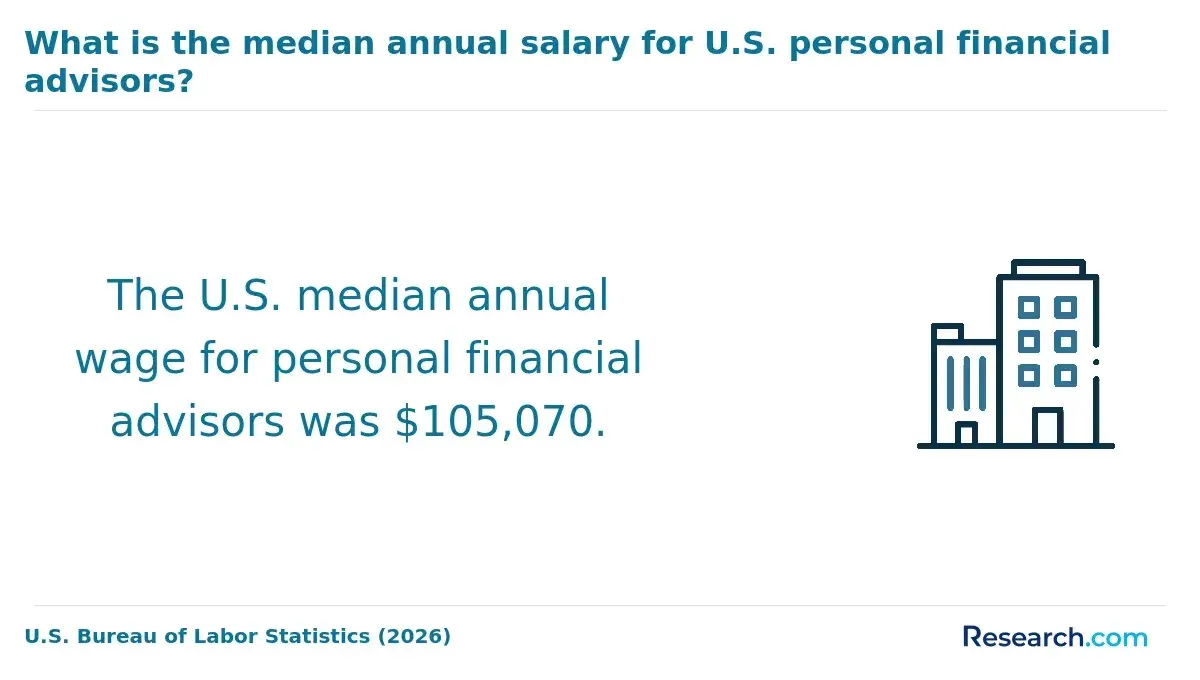
There is no reliable single salary for online supply chain MBA graduates: the degree spans different jobs, industries, regions, and levels of experience. As broad context, the U.S. Bureau of Labor Statistics (BLS) reports that management occupations had a $126,520 median annual wage in May 2025.
That figure covers management jobs well beyond supply chain and includes workers without MBAs. It is not a starting salary, an expected raise, or an estimate of the degree's effect on pay.
A useful personal comparison is more specific: look at posted pay ranges for your target role and location, then compare them with your current compensation and the experience those employers request.
Factor in benefits, travel, shift expectations, and whether a promotion would increase evening or weekend work. For a working parent, higher pay may not offset a schedule that no longer fits the household.
What is the job outlook for supply chain MBA graduates?
Supply chain MBA graduates do not have a separate BLS job-outlook category. For context, BLS projects about 1.1 million openings annually across management occupations from 2025 to 2035, reflecting growth and the need to replace workers who leave those occupations permanently. This is evidence of broad management demand, not a forecast of openings reserved for supply chain specialists or MBA holders.
Demand for a particular applicant depends on the industry and function. A manufacturer may prioritize production planning, while a retailer may emphasize inventory and fulfillment. Read local job descriptions before selecting a concentration: if most target openings require hands-on systems experience or a record managing suppliers, plan how to gain that experience alongside the MBA.
A supply chain MBA typically combines management-level decisions with functional operations knowledge. The most career-relevant skills are evaluating trade-offs among cost, service, speed, and risk; using forecasts and performance measures; making financially defensible recommendations; and leading work across purchasing, finance, sales, and operations.
These are different from mastering every technical tool used in a warehouse or planning department. An MBA project might ask you to justify an inventory strategy to executives; an employer may still expect practical experience with its planning software. Parents who cannot take an internship can look for coursework that lets them solve an approved problem at work, creating evidence of both business judgment and applied skill.
The MBA core generally develops broad business judgment through subjects such as accounting, finance, strategy, leadership, and operations. Supply chain coursework may then address sourcing, logistics, inventory, forecasting, process improvement, or supply chain analytics.
Schools vary. Some award a formal concentration, while others offer only relevant electives. A course with "supply chain" in its title does not, by itself, establish a designated concentration.
Compare course descriptions and project requirements against the job you want. For example, a procurement goal calls for meaningful sourcing and supplier-management content, not just a general operations survey.
If you come from a nonbusiness field, introductory business coursework may be helpful. Online MBA programs for nonbusiness majors offer another way to examine that transition. Ask whether quantitative foundations are taught within the program or expected before classes begin.
Some are, but accreditation must be checked for the specific institution and business school. Institutional accreditation applies to the university and is particularly important when evaluating degree recognition and federal financial aid eligibility.
Business-school accreditation is a separate distinction; recognized specialized accreditors include AACSB, ACBSP, and IACBE. These designations are not interchangeable, and an online delivery format does not establish either one.
Check the institution's current accreditation status through the accreditor's directory, then confirm whether the business school and online MBA fall within any claimed specialized accreditation. Accreditation helps establish an educational baseline; it does not verify a supply chain concentration, flexible scheduling, or strong career outcomes.
Requirements vary by school. Applicants commonly need a bachelor's degree and may be asked for a résumé, academic transcripts, recommendations, and a statement of goals. Schools differ on professional-experience expectations, GMAT or GRE policies, interviews, and foundation coursework. A supply chain background is not universally required, although relevant work can make both coursework and a later career move more useful.
Before applying, check the school's current requirements rather than assuming a test waiver or GPA threshold. If your academic record is a concern, an online MBA admissions comparison can help you frame questions about eligibility; only the individual school can confirm its policy. A working parent should also ask when admission decisions and deposits occur so the start date aligns with childcare and employer-support plans.
Completion time depends on required credits, term length, course sequencing, and how many courses you take at once. Published accelerated timelines may assume a course load that is difficult to sustain while working and caregiving. If speed matters, compare accelerated online MBA programs against the weekly commitments, not just the advertised finish date.
Without a named school, there is no defensible single tuition figure. Compare total required tuition and mandatory fees, then add books, software, any campus travel, childcare needed for scheduled activities, and financing costs. Ask how a slower pace affects fees and eligibility for employer reimbursement. A lower advertised tuition rate can be less affordable if the program requires travel or forces a parent to reduce paid work.
Most supply chain management careers do not require a professional certification simply because the applicant holds an MBA. Certifications can nevertheless signal focused knowledge in areas such as planning, logistics, or procurement. Employers may value a particular credential, but preferences vary by role.
Choose the qualification that addresses your actual gap. If you already manage teams and need broader financial and strategic responsibility, an MBA may fit. If job postings chiefly ask for knowledge of a specific supply chain function, a relevant certification, targeted course, or work assignment may be faster and less costly. Check each credential provider's eligibility and renewal rules before committing.
How can working parents choose the best online supply chain MBA?
The best fit is a program you can complete without relying on an ideal week that rarely happens. "Online" may still mean fixed-time classes, team meetings, proctored exams, or campus visits. Compare those obligations with your work schedule and caregiving backup, then weigh the program's supply chain depth and total cost against the role you intend to pursue.
Before paying a deposit, get specific answers from each program:
- Which classes, exams, and team meetings require attendance at fixed times, and in which time zone?
- How much collaborative work is typical, and can teams arrange meetings around employment and caregiving?
- Are campus visits required, and what happens if I need to pause or reduce my course load?
- Is supply chain management a formal concentration, and which applied projects or employer-facing career services are available to online students?
- What is the total expected charge at my planned pace, after confirmed employer support?
If coordinating team assignments is the main obstacle, examine how online MBA programs with limited group work handle collaboration rather than assuming group work can be avoided entirely.
Choose the MBA when it builds on relevant experience and supports a credible next role at a manageable cost. If you primarily need one technical skill, or cannot protect the time the program requires, targeted training may be the better next step.
Other Things You Should Know About MBA Programs
Possibly, particularly in some planning, analytics, or procurement roles, but the degree does not determine work location. Distribution and facility-management jobs often require an on-site presence. Check the location requirements of the roles you want.
That depends on the university's records and diploma policy. Ask for the exact degree title and whether the delivery format appears on the diploma or transcript.
Yes, if you can explain the problem, your contribution, the analysis, and the recommendation. Protect confidential employer information and distinguish a classroom proposal from a change that was actually implemented.
Often, especially when you can show transferable experience in supplier management, planning, or operations. You may still need to learn the new industry's products, regulations, and customer expectations before moving into a comparable role.
- What Can You Do With an MBA With a Specialization in Supply Chain Management? - Purdue Business https://business.purdue.edu/graduate-programs/blog/posts/what-can-you-do-mba-supply-chain-management.php
- Online MBA Options for Working Managers | CTU https://www.coloradotech.edu/degrees/studies/business-and-management/articles/online-mba-options-working-professionals
- Navigating MBA Programs While Juggling Work | Northeastern Online https://online.northeastern.edu/resources/how-long-does-it-take-to-do-an-mba-while-working/
- Jobs and Career Paths in Supply Chain Management and Logistics - Global Supply Chain Institute https://haslam.utk.edu/gsci/news/supply-chain-management-career-path/
- How to Pay for an MBA: Smart Funding Strategies Explained | Jenkins MBA https://mba.ncsu.edu/2026/05/07/paying-for-your-mba-scholarships-employer-benefits-and-loans/
- How Much Does an Online MBA Cost? | Howard University Online MBA https://onlinemba.howard.edu/blog/online-mba-cost-guide/
- Flexible Work Arrangements & Policies - Cardinal at Work https://cardinalatwork.stanford.edu/workplace-essentials/flexible-work/flexible-work-arrangements-policies
- Choosing the Right Online MBA Program | Gies College of Business https://giesbusiness.illinois.edu/news/2025/10/03/choosing-the-right-online-mba-program--a-comprehensive-guide-to-asynchronous--synchronous--and-hybrid-programs
- MBA Tuition Cost: A True Value Assessment | American College of Education https://ace.edu/blog/mba-tuition-cost-a-true-value-assessment/