Careers After an Online MBA in Marketing for Nonbusiness Bachelor’s Graduates

Co-Founder and Chief Data Scientist
A nonbusiness bachelor's degree can be an asset in marketing, but it may not provide the finance, analytics, and management preparation needed for the roles you want. An online MBA in marketing can help bridge those gaps while you work - provided its career support and cost fit your goal.
This guide maps realistic career paths from different starting points, explains what employers may still expect, and helps you decide whether an MBA or a more targeted option is the better next step.
Key Things You Should Know
- Your strongest post-MBA path usually builds on your existing subject expertise or work experience; the degree alone rarely qualifies you for a senior marketing role.
- An online MBA can add business and marketing decision-making skills, but you should verify its concentration, hands-on projects, recruiting access, and total cost.
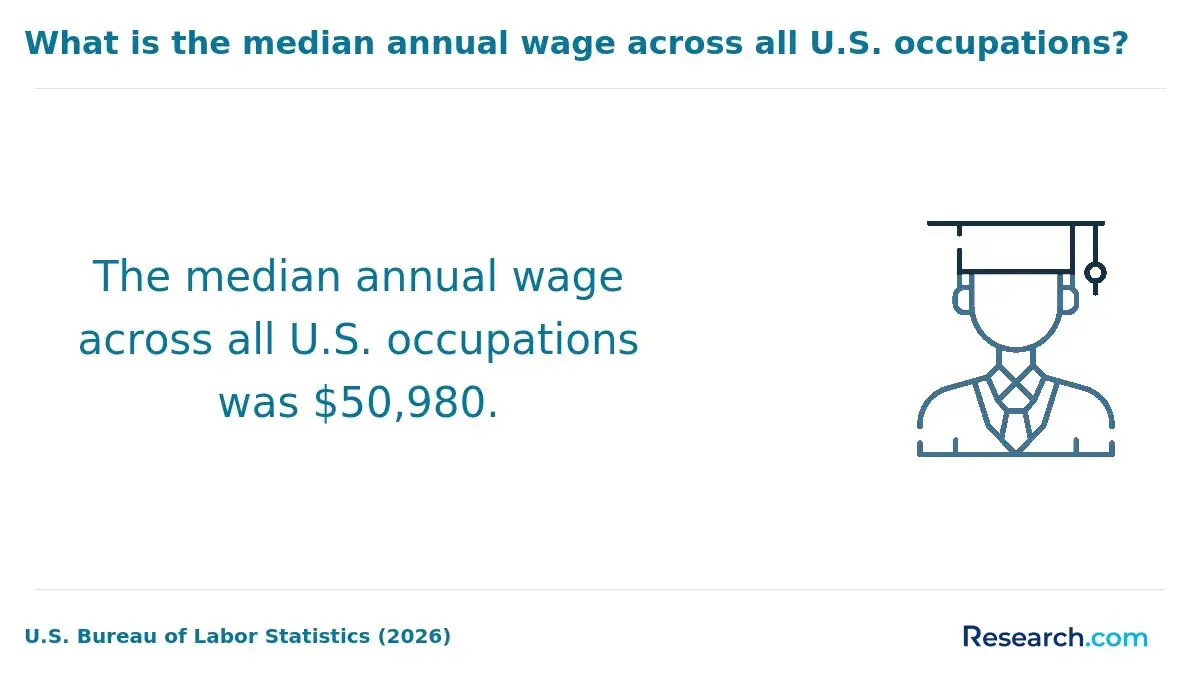
- The US median annual wage for management occupations was $126,520 in May 2025; that broad figure is not a starting salary or an earnings forecast for marketing MBA graduates.
What careers can you pursue after an online MBA in marketing with a nonbusiness degree?
The most realistic career depends less on the title of your bachelor's degree than on what you have done since graduating. A teacher who has led outreach campaigns, for example, brings different evidence to a marketing employer than a scientist who has worked with product teams. An MBA can help either person explain customer needs, budgets, and business results, but neither should assume it replaces marketing experience.
The paths below distinguish accessible transitions from roles that generally require a track record of managing campaigns, products, or people.
| Career path | Relevant nonbusiness background | Likely next step or experience gap |
| Marketing specialist or campaign coordinator | Writing, research, community outreach, or event planning | Build evidence of campaign execution, measurement, and channel skills. |
| Market research or consumer insights analyst | Psychology, sociology, statistics, or scientific research | Show survey, data-analysis, and business-recommendation skills. |
| Product marketing specialist | Technical, clinical, or other subject-matter expertise | Learn positioning, customer interviews, launches, and competitor analysis. |
| Brand, product marketing, or marketing manager | Relevant marketing or cross-functional project experience | Demonstrate ownership of strategy, budgets, results, and often team leadership. |
For a major career change, a specialist or analyst role may be a more credible first move than a manager title. An adjacent move - such as a healthcare professional joining a health-services marketing team - may let you use industry knowledge immediately. If your goal is broader healthcare operations rather than marketing, compare online MBA programs for healthcare professionals healthcare administration before choosing a marketing concentration.
Is an online MBA in marketing worth it for nonbusiness bachelor's graduates?
It may be worth it if you already have experience to build on and need both marketing judgment and broader management skills. The MBA core can help you evaluate a campaign's financial case, work across functions, and make budget decisions. A marketing concentration adds focus, but its value depends on the actual courses and opportunities to apply them.
The case is weaker if your immediate goal is an entry-level digital marketing job and you lack campaign experience. A targeted course, portfolio project, employer-sponsored assignment, or specialized marketing master's degree may address that gap more directly. If you are a nurse considering leadership across clinical and business functions, compare that goal with online study options for online MSN and MBA dual-degree programs; a marketing MBA serves a different purpose.
Before enrolling, compare the full amount you would pay after employer assistance with a realistic next job - not an executive salary. Include fees, financing costs, study time, and any work opportunities you would give up. The return is uncertain when your target employers hire primarily on campaign results and the program offers little access to projects or recruiting.
Can you get an online MBA in marketing without a business degree?
Yes. A nonbusiness bachelor's degree does not automatically rule out an online MBA. Schools set their own academic and professional requirements, and some offer introductory modules or foundation courses in subjects such as accounting, finance, or quantitative analysis. Check whether those courses are mandatory, carry extra cost, or must be completed before graduate coursework.
Your preparation needs will vary. An engineering graduate may be comfortable with quantitative work but new to accounting; a communications graduate may bring audience insight but need practice with spreadsheets and financial statements. When comparing online study options for online MBA programs for nonbusiness majors, ask how each school supports students entering with different academic backgrounds rather than assuming all need the same bridge courses.
An MBA in marketing combines a broad management core with marketing-focused study. Core courses commonly address accounting, finance, operations, leadership, and business strategy. Marketing courses may examine customer research, segmentation, brand or product strategy, pricing, and campaign measurement. Course names and depth vary: a single marketing elective does not necessarily constitute a formal concentration.
For a nonbusiness graduate, the connection between the two parts matters. A marketing proposal is stronger when you can estimate its cost, define a customer segment, select meaningful measures, and explain the decision to finance or product colleagues. Look for projects using real or realistic business problems, particularly if you need portfolio evidence for a career change. An MBA typically teaches managerial application; it is not a substitute for extensive hands-on training in every advertising platform or advanced analytics tool.
Requirements vary by school. Applicants commonly encounter a bachelor's degree requirement, academic transcripts, a résumé, and written statements about their goals. Schools differ on work-experience expectations, recommendations, interviews, and GMAT or GRE policies; a marketing concentration does not create a universal undergraduate-major prerequisite.
Present your nonbusiness background as relevant evidence: identify the audiences you have served, decisions you have supported, data you have used, and teams you have worked with. If your academic record needs explanation, review business-school entry requirements for MBA students, then confirm each school's current policy directly. Before applying, ask whether foundation work is required, how professional experience is evaluated, and whether the concentration is available to online students.
Completion time depends on required credits, course sequencing, enrollment pace, and any foundation work. An accelerated schedule can shorten the calendar but increase weekly demands; part-time study may fit employment better while extending the period over which tuition and fees are paid. Compare published online MBA duration and schedule choices against your actual availability, not the fastest advertised completion time.
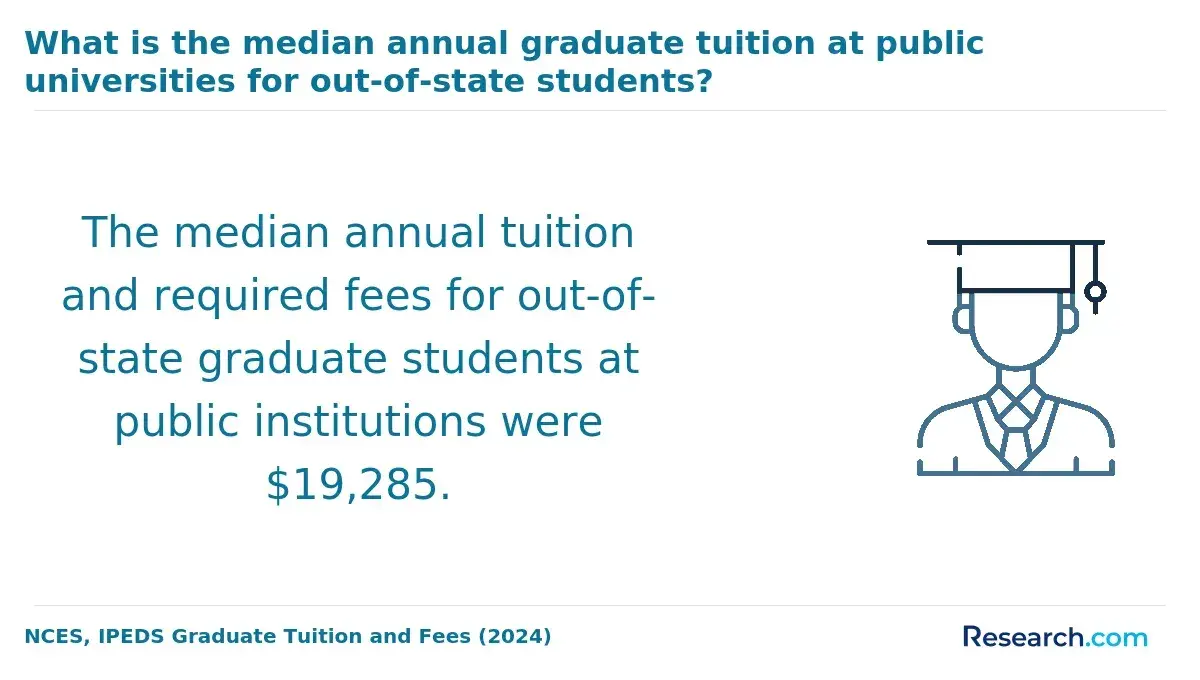
There is no single reliable price for an online MBA in marketing. Request a school-specific estimate that separates tuition from mandatory fees, books or software, foundation courses, and any required travel. Confirm whether tuition is charged by credit, course, or term and whether the quoted rate applies to your enrollment status. Employer tuition assistance can change the decision substantially, but check reimbursement limits and any obligation to remain with your employer.
Neither format is automatically better for a career change. Online study may let you keep working and apply lessons immediately; a campus-based program may offer easier access to in-person recruiting and extracurricular projects. Those are possibilities, not guarantees - services can differ even between formats at the same school.
For nonbusiness graduates seeking their first marketing role, compare access to internships, employer projects, alumni, career coaching, and marketing recruiters. Also ask whether online classes require live sessions, group meetings, or campus visits. If you need a substantial career reset and can afford time away from work, the campus program's recruiting structure may be worth examining. If you can gain marketing responsibilities with your current employer, an online program may be easier to turn into relevant experience.
Earnings depend on the occupation you enter, your location, industry, and prior experience - not simply on having an MBA. The US Bureau of Labor Statistics reports a median annual wage of $126,520 for all management occupations in May 2025. That figure includes many occupations outside marketing and workers at different career stages; it should not be treated as an online marketing MBA graduate's salary.
For a personal estimate, compare pay for the specific roles and locations you could realistically pursue immediately after graduation. If you are moving into marketing for the first time, use specialist-level opportunities as a comparison point rather than assuming immediate manager-level compensation. An internal promotion may have a different pay trajectory from an industry and function change.
The US Bureau of Labor Statistics projects that overall employment in management occupations will grow faster than average from 2025 to 2035, with about 1.1 million openings annually on average from growth and replacement needs. That is a broad management outlook, not a forecast of openings for marketing MBA graduates or evidence that entry-level marketing jobs will be easy to obtain.
For your target role, look beyond broad growth figures. Review local postings for required campaign experience, analytics tools, industry knowledge, and responsibility for budgets or teams. If the jobs you want consistently require experience you do not have, use the MBA period to pursue relevant projects or an adjacent role rather than waiting until graduation to make the transition.
How do you choose an accredited online MBA in marketing program?
Start by checking the institution's recognized institutional accreditation and then whether the business school holds a specialized accreditation, such as AACSB, ACBSP, or IACBE. These are different checks; neither confirms that a particular marketing concentration is offered online. Verify accreditation and program details through the institution and the relevant accreditor rather than relying on a program-listing label.
Then compare the features most likely to affect your career transition. Ask for the online curriculum and confirm whether "marketing" is a formal concentration, an elective group, or a single course. Ask career services what support online students can actually use, whether employer projects are available, and how students with nonbusiness backgrounds gain marketing experience. Finally, put each school's complete cost and scheduling requirements beside those benefits. The best fit is the program that helps you close a specific skills-and-experience gap at a cost you can justify.
Other Things You Should Know About MBA
Yes, if you can show a relevant skill such as audience research, data interpretation, persuasive communication, or project planning. Explain the business application without presenting an academic exercise as a paid campaign.
Yes, if the school officially awarded or records that concentration. If you took marketing electives without a formal designation, list the courses instead.
It can. Seek permission to contribute to customer research, a launch, or campaign measurement, and document your role and results without disclosing confidential information.
Marketing roles generally do not require a professional license. Employers may still expect role-specific experience, technical skills, or familiarity with regulated-industry advertising rules.
- 15 Transferable Skills That Work Across Industries | CityU of Seattle https://cityu.edu/transferable-skills/
- What Are Transferable Skills? 10 Examples for your Resume | University of Pennsylvania https://careerservices.upenn.edu/blog/2024/05/23/what-are-transferable-skills-10-examples-for-your-resume/
- Online MBA vs Full-Time MBA: ROI, Cost and Career Outcomes | Jenkins MBA https://mba.ncsu.edu/2026/04/27/choosing-between-an-online-mba-and-full-time-mba/
- 18 Careers You Can Pursue with an MBA (Aside from Business) | umn.edu https://online.umn.edu/story/18-careers-you-can-pursue-mba-aside-business
- Are online MBA programs respected by employers in 2026? | KU Business https://onlinemba.ku.edu/experience-ku/mba-blog/are-online-mba-programs-respected
- 8 Entry Level Marketing Jobs For Business Master's Grads | gmac https://www.gmac.com/resources/learners/business-careers/employers-salaries/entry-level-marketing-jobs
- Internship Experience the Most Influential Factor in Tough Hiring Decisions | naceweb.org https://www.naceweb.org/talent-acquisition/candidate-selection/internship-experience-the-most-influential-factor-in-tough-hiring-decisions/
- What Can You Do With No Experience and an MBA? | indeed.com https://www.indeed.com/career-advice/career-development/no-experience-mba
- Can You Get an MBA Without a Bachelor's in Business? | onlinemba.com https://www.onlinemba.com/resources/is-mba-right-for-someone-without-business-degree/