Best Online MBA in Operations Management Programs for First-Time Managers

Co-Founder and Chief Data Scientist
Moving from doing the work to managing the people, budgets, and processes behind it calls for new skills. An online MBA with operations coursework can help, but programs differ in specialization depth, scheduling, and cost - and a degree alone will not secure a management role.
This guide compares a focused shortlist for first-time managers and explains what to check before applying. You will also see when a shorter credential or more experience may be the better next step.
Key Things You Should Know
- Start with Penn State World Campus, the University of North Texas, and Southern New Hampshire University as an unranked shortlist; compare their operations or supply chain coursework against the work you expect to manage.
- For a first-time manager, leadership practice, budgeting, and a workable class schedule matter as much as the concentration name.
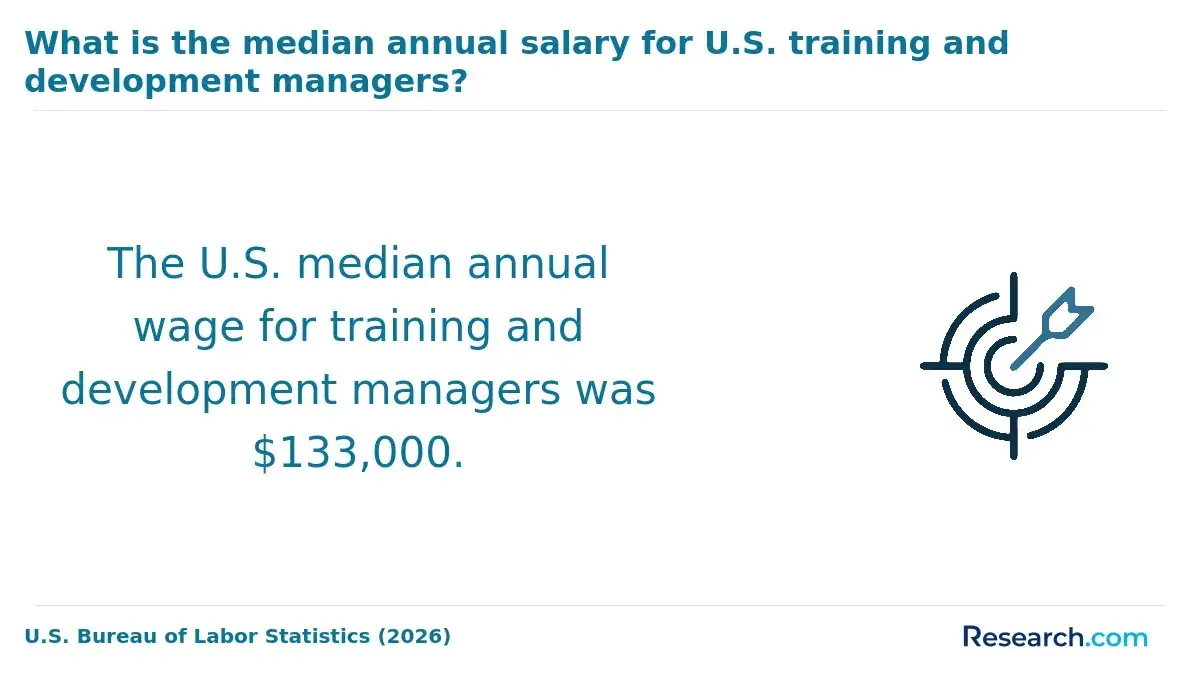
- The $126,520 median annual wage for US management occupations in May 2025 is not an MBA graduate salary or a realistic starting-pay estimate for a new manager.
What is an online MBA in operations management?
An online MBA in operations management combines a broad business-management core with study of how organizations deliver products or services. The core typically addresses accounting, finance, strategy, and leadership; operations-focused courses may examine process improvement, capacity, quality, procurement, and supply chains.
Program labels matter. An operations management concentration is a formal set of requirements, while a supply chain concentration may emphasize suppliers, logistics, and inventory. An MBA with one relevant elective offers less specialized study than either. For a first-time manager, the best choice depends on whether the job involves improving an internal workflow, coordinating suppliers, or both.
It is also different from a profession-specific combined degree. A nurse seeking both clinical-career advancement and business education, for example, might compare affordable graduate business education degree programs structured as MSN/MBA dual degrees; that route is not a substitute for an operations-focused MBA for most applicants.
Why choose an online MBA for first-time management roles?
Operations employees are often promoted because they solve problems well, then discover that managing requires different decisions: setting priorities for a team, explaining trade-offs to other departments, handling conflict, and staying within a budget. An MBA can provide a framework for those decisions while letting an employed student apply coursework to current processes.
That advantage depends on access to real responsibility. A student who can lead a small improvement project, discuss staffing needs with a supervisor, or present a budget proposal may get more immediate value than one waiting for the degree to trigger a promotion. If an employer can offer a supervised management assignment and targeted training now, those options may be more direct - and less costly - than an MBA.
What are the best accredited online MBA programs in operations management?
The schools below form an unranked, fit-based shortlist, not a claim that three programs are objectively best nationwide. Each has an identifiable online MBA and an operations-related study option. The comparison prioritizes a first-time manager's ability to connect coursework to actual responsibilities; it does not treat differently named concentrations as equivalent or assume that business-school accreditation eliminates the need to check program fit.
This table identifies the academic distinction most worth investigating at each school. Concentration names, course availability, tuition, delivery rules, and admissions policies can change, so confirm the current online catalog and obtain a written cost estimate before committing.
| Online MBA | Operations-related option | Potential fit for a first-time manager | Key question to verify |
| Penn State World Campus | Supply chain management concentration | Relevant if a new role coordinates purchasing, inventory, logistics, or suppliers. | How much of the concentration addresses the specific operations work you will supervise? |
| University of North Texas | Supply chain management concentration in its online MBA offerings | Worth comparing for managers whose teams work across procurement, distribution, and related functions. | Which required courses and scheduling options apply to the current online track? |
| Southern New Hampshire University | Operations and supply chain management online MBA option | Potentially attractive when both internal processes and supply-chain decisions are relevant. | Which courses cover people leadership and process improvement, beyond supply-chain topics? |
These are shortlist candidates, not price-ranked recommendations: comparable current totals for tuition and mandatory fees, along with live-session requirements, are needed before declaring one the best value. Check institutional accreditation and the business program's applicable specialized accreditation separately. Then request a course map, sample weekly schedule, complete fee list, and details of online students' career-service access. Choose the program whose required work matches your next management assignment, not simply the school with the most familiar name.
The MBA core should help a new manager read financial results, allocate resources, communicate decisions, and understand organizational behavior. Operations study applies those abilities to questions such as where a process stalls, how much capacity a team needs, and what happens when a supplier misses a deadline. A supply chain track may spend more time on sourcing and distribution than on supervising an internal service team.
Look beyond course titles for assignments that resemble your work: analyzing a process, defending a staffing or inventory decision, or leading a group project. Ask whether a capstone permits a workplace problem and how team contributions are assessed. MBA coursework develops management judgment; it does not necessarily provide advanced industrial engineering training or substitute for hands-on experience with the systems an employer uses.
Delivery format changes how easily a first-time manager can keep working and build relationships. This comparison highlights trade-offs to test with each school rather than assuming all online - or all campus - programs work alike.
| Consideration | Online MBA | Campus-based MBA |
| Work continuity | May make it easier to remain employed and test lessons at work. | Part-time options may permit continued work; full-time study can require time away. |
| Scheduling | Can include recorded work, live meetings, group deadlines, or visits. | Usually involves scheduled in-person attendance and commuting. |
| Professional connections | May rely on virtual teams, alumni outreach, and planned events. | Can offer more routine face-to-face contact; recruiting access varies by program. |
If unpredictable shifts or team emergencies are common, ask for the actual live-meeting calendar and group-project expectations. Online business programs with flexible coursework can provide additional comparison points, but "online" and "self-paced" are not interchangeable. Confirm any required travel and whether career services support working online students in your region.
Schools commonly request a bachelor's degree, transcripts, a résumé, and application materials describing professional goals. Work-experience expectations, recommendations, interviews, test policies, and foundation coursework vary by program. A business bachelor's degree is not universally required, and supervising staff is not necessarily an admission prerequisite.
For a first-time manager, an application can show readiness without claiming years of formal leadership: describe a process you improved, a cross-functional disagreement you helped resolve, or a decision you supported with data. If undergraduate performance is a concern, check each school's current policy rather than assuming a universal cutoff; guidance on online MBA admission requirements may help frame questions for admissions staff. Ask separately whether your background calls for accounting or quantitative preparation.
Completion time depends on required credits, course sequencing, and whether you study part time or take an accelerated load. Do not choose a pace solely by its advertised finish date: a first-time manager also needs time to practice new responsibilities at work.
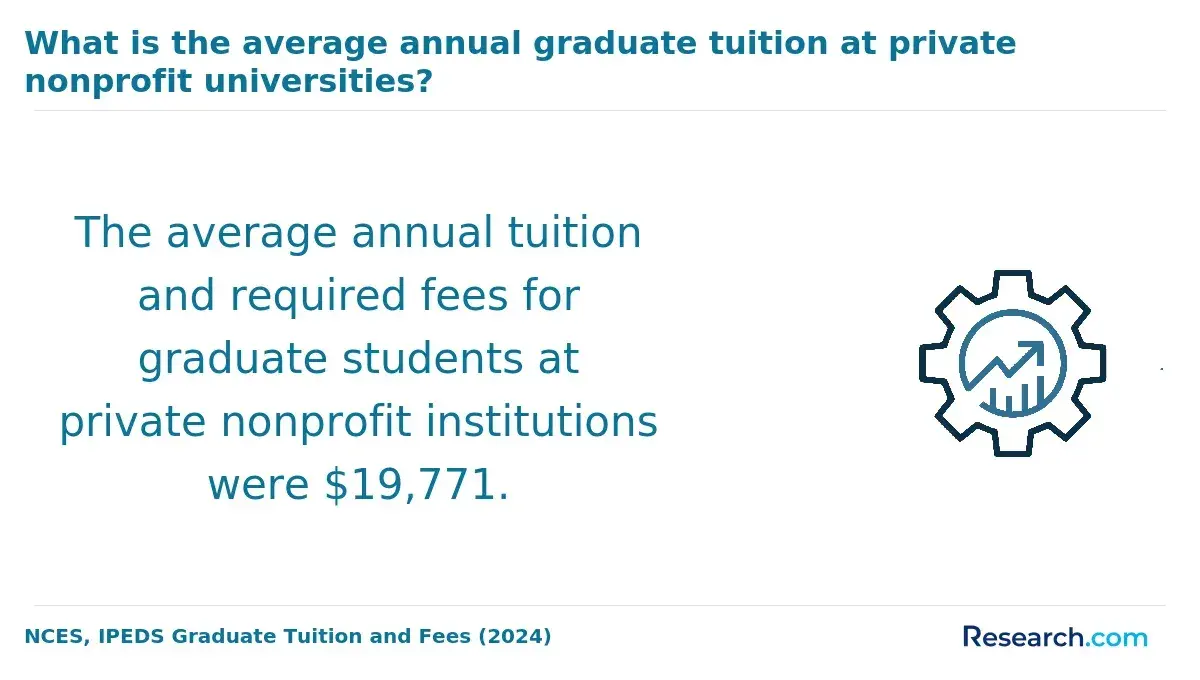
Compare total expected cost, not just a per-credit tuition quote. Request the number of required credits, mandatory fees, books or software costs, and any travel expenses. Then ask how employer reimbursement, scholarships, and a slower course load change what you would pay and when. Published prices may use different definitions, so an apparently cheaper headline price is not enough to establish affordability.
Location-specific comparisons can be useful if they match your options: budget-conscious MBA program choices MBA NC offer a starting point for readers comparing North Carolina schools. Regardless of location, obtain current quotes directly from finalists before borrowing or enrolling.
For someone already working in operations, plausible next steps include team supervisor, operations manager, logistics manager, or supply chain manager. The right target depends on what the person has actually managed: staff and service levels, a production process, vendor relationships, or inventory. Employers hiring for these roles may value a relevant track record more than the MBA title alone.
A useful career plan starts with the role immediately above your current one. Review its requirements, seek an assignment that closes a specific gap, and use MBA projects to document decisions and results you can discuss in an interview. Moving from an individual-contributor role into management is usually a more direct transition than jumping immediately into a senior operations position.
If the work you most want involves customer acquisition rather than process delivery, graduate marketing and business programs may be a closer academic fit. Choose the concentration for the decisions you want to make, not for the broadest-sounding job title.
There is no single reliable salary for graduates of online operations MBA programs. The US Bureau of Labor Statistics reports a $126,520 median annual wage for management occupations in May 2025. That figure covers managers across occupations and experience levels; it does not measure MBA graduates, establish an operations-specific starting salary, or show that an MBA caused higher pay.
For a more useful personal comparison, look at pay ranges for the specific role and location you could realistically pursue, then weigh any likely change against your total education cost. A new supervisor and an experienced operations director should not use the same salary expectation.
Which certifications complement an operations management MBA?
A certification can target a narrower skill gap than an MBA. ASCM supply chain credentials may suit someone moving into planning or procurement; a Lean Six Sigma credential may fit process-improvement work; and a project-management credential may help when coordinating defined projects. These are different from a degree, and their eligibility rules, examinations, and employer recognition vary.
Start with the responsibilities in job postings you would actually apply for. If they repeatedly call for a specific method or credential, targeted training may be the better first investment. If the gap is broader - budgeting, leading people, and making cross-functional decisions - the MBA may offer more relevant breadth. Neither path automatically confers managerial authority.
Other Things You Should Know About MBA
Not necessarily. Schools may record a concentration on a transcript rather than the diploma. Ask the registrar how the completed option is documented.
Possibly, with employer permission and the school's approval. Ask whether you can anonymize data or use a comparable public-data problem instead.
Policies vary. Before enrolling, check leave rules, course availability when you return, and any effect on financial aid or employer reimbursement.
That depends on the school's transfer-credit policy and whether the course meets its MBA requirements. Request a formal evaluation before counting on a shorter path to graduation.
- Types of Financial Aid: Grants, Work-Study, and Loans | studentaid.gov https://studentaid.gov/understand-aid/types
- General Schedule Qualification Policies | U.S. Office of Personnel Management https://www.opm.gov/policy-data-oversight/classification-qualifications/general-schedule-qualification-policies/
- Coaching-Based Leadership Intervention Program - PMC - NIH https://pmc.ncbi.nlm.nih.gov/articles/PMC7011779/
- Cost of Attendance (Budget) | 2025-2026 Federal Student Aid Handbook https://fsapartners.ed.gov/knowledge-center/fsa-handbook/2025-2026/vol3/ch2-cost-attendance-budget
- Supply Chain Management - Lehigh Catalog https://catalog.lehigh.edu/coursesprogramsandcurricula/businessandeconomics/supplychainmanagement/
- Teaching AI Skills Through Capstone Simulations | AACSB https://www.aacsb.edu/insights/articles/2024/06/teaching-ai-skills-through-capstone-simulations
- Elmhurst Management Program (Business Administration) https://www.elmhurst.edu/academics/departments/business/programs/elmhurst-management-program/
- AACSB-Accredited Online MBA Program for Professionals | The University of Scranton https://gradadmissions.scranton.edu/programs/masters-business-administration/index.shtml
- Operations and Performance Management | Bellevue University https://www.bellevue.edu/programs/certificates/operations-and-performance-management/online/
- Operations & Supply Chain Management Major | Eller College of Management https://eller.arizona.edu/programs/undergraduate/academics/business-majors/operations-and-supply-chain-management