Online MBA in Human Resources: Admissions Guide for Military Veterans

Co-Founder and Chief Data Scientist
Military leadership can strengthen an MBA application, but it does not answer every admissions question - or automatically translate into a civilian HR job. Veterans considering an online MBA in human resources need to assess their academic readiness, explain their experience to admissions committees, and check how education benefits apply to a particular program.
This guide covers those steps alongside program format, cost, and career fit, so you can decide whether to apply and what to verify before committing your benefits.
Key Things You Should Know
- Most applicants should prepare a bachelor's transcript, civilian-readable résumé, and a clear explanation of their HR goals; tests, work-experience thresholds, and recommendations depend on the school.
- GI Bill coverage depends on the veteran's eligibility and the program's VA approval; an entirely online schedule can affect the housing allowance.
- An HR concentration adds people-management coursework to a broad MBA. Compare its actual courses, career support, and remaining out-of-pocket cost before applying.
What is an online MBA in human resources for military veterans?
An online MBA in human resources is a graduate business degree with an MBA management core and, where formally offered, an HR concentration or specialization. Students generally study business decisions across functions, then examine topics such as workforce planning, employee relations, talent development, and organizational change. A program with one HR elective is not necessarily a formally designated HR MBA.
Veterans do not usually enroll in a separate academic degree reserved for former service members. Their background instead shapes the application, choice of coursework, financing, and transition into civilian work. Compare the published concentration requirements with the broader range of online MBA programs if scheduling flexibility is central to your decision; "online" does not by itself mean self-paced.
Why should military veterans pursue an online MBA in human resources?
An HR MBA may fit a veteran who has supervised personnel, managed training, handled staffing needs, or led organizational change and now wants to work on those problems in a civilian business. The MBA core can add budgeting and strategy to existing leadership experience, while HR coursework introduces the employment practices and language used by civilian employers.
The fit depends on the intended move. A veteran seeking broad people-management responsibility may benefit from the MBA's business scope. Someone targeting an initial HR specialist role may get more direct preparation from HR-specific coursework, a specialized master's degree, or relevant work experience. Military leadership is valuable evidence of responsibility, but it does not replace knowledge of civilian employment law, HR systems, or an employer's required experience.
What are the admission requirements for an online MBA in human resources?
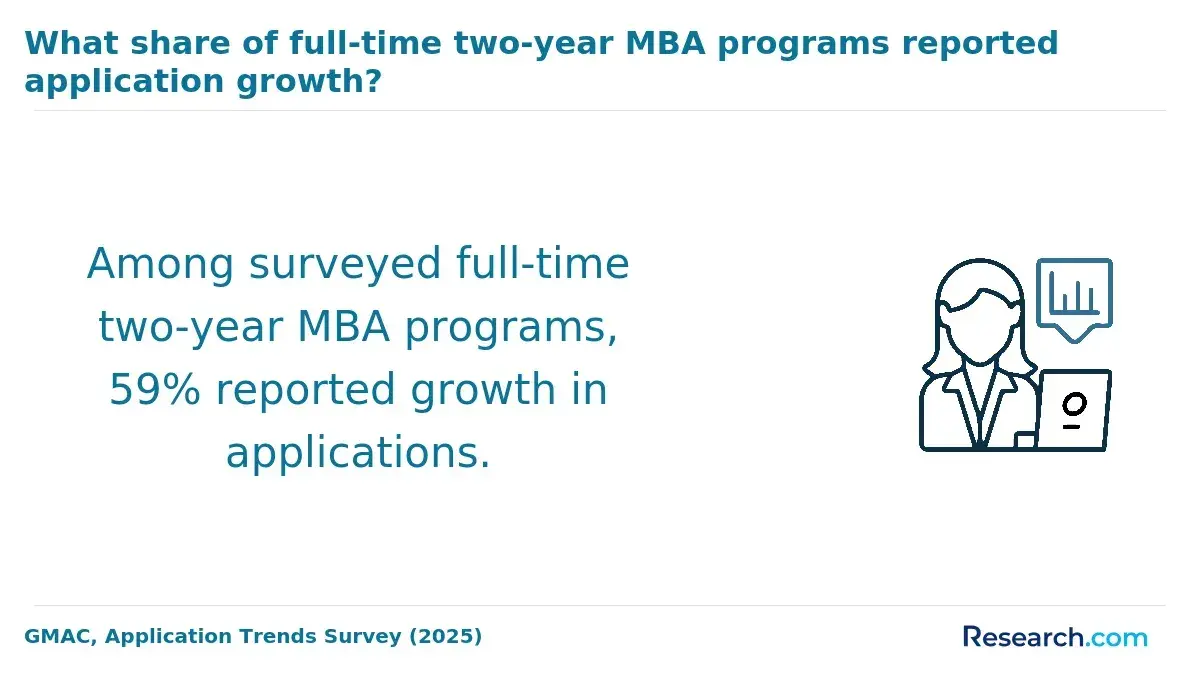
Requirements belong to the individual MBA program, not to the HR concentration as a category. Schools commonly review undergraduate education, transcripts, professional history, and evidence that an applicant can succeed in graduate business courses. GMAT or GRE policies, minimum experience, essays, recommendations, and interviews vary; do not assume that military service creates an automatic waiver.
For veterans, the strongest preparation is to translate service experience into evidence the admissions committee can evaluate. Before submitting applications, complete these steps:
- Check each school's published degree, GPA, testing, deadline, and prerequisite policies; ask whether accounting or quantitative foundation courses are required.
- Rewrite military duties in civilian terms, identifying team size, decisions, resources managed, and outcomes without disclosing sensitive information.
- Explain why HR is the goal and why a broad MBA, rather than an HR-only credential, supports that goal.
- Request transcripts and recommendations early, and ask whether any prior graduate coursework can count toward the MBA.
Graduate transfer-credit policies are separate from admission. If you have previous graduate study, compare MBA degree plans with accepted credits and obtain a school-specific evaluation before assuming credits will reduce your time or cost. Military training may inform an application without qualifying for graduate MBA credit.
A veteran may be able to use remaining Post-9/11 GI Bill benefits at an approved institution and program, subject to individual eligibility and VA rules. Before applying, check your eligibility and remaining entitlement, confirm the specific MBA's VA approval with the school's certifying official, and ask for an estimate based on your enrollment plan. Admission to a university alone does not establish that every program or expense is covered.
Tuition and fee payments, any books-and-supplies payment, and any monthly housing allowance are distinct benefits with separate conditions. An entirely online course load can receive a different housing allowance from eligible in-person enrollment; enrollment intensity also matters. Do not add a campus course solely on the assumption that it will increase your payment - ask the certifying official how the proposed schedule will be reported and verify the applicable VA rules.
Yellow Ribbon funding may help eligible students with tuition and fees not otherwise covered, but the school and relevant program must participate and the veteran must qualify. Ask about the school's current agreement, any participation limits, and how other aid is applied. Treat a written, program-specific benefits estimate - not the advertised tuition - as the basis for your budget.
Online study can let a veteran remain employed or avoid relocating during a civilian career transition. Campus study may offer easier access to in-person recruiting, classmates, and employer events. Neither format guarantees those opportunities: online MBAs differ in live meetings, team projects, residencies, and career-service access, while campus programs differ in scheduling and recruiting focus.
Ask each program for a sample term schedule and its policies on live attendance, group work, required travel, and leave or interruption. Veterans who need predictable independent study can investigate online MBA programs with limited group work in the US, but should confirm the requirements of the actual courses they would take. Compare networking and employer access separately from delivery format, particularly if the MBA is intended to support a substantial career change.
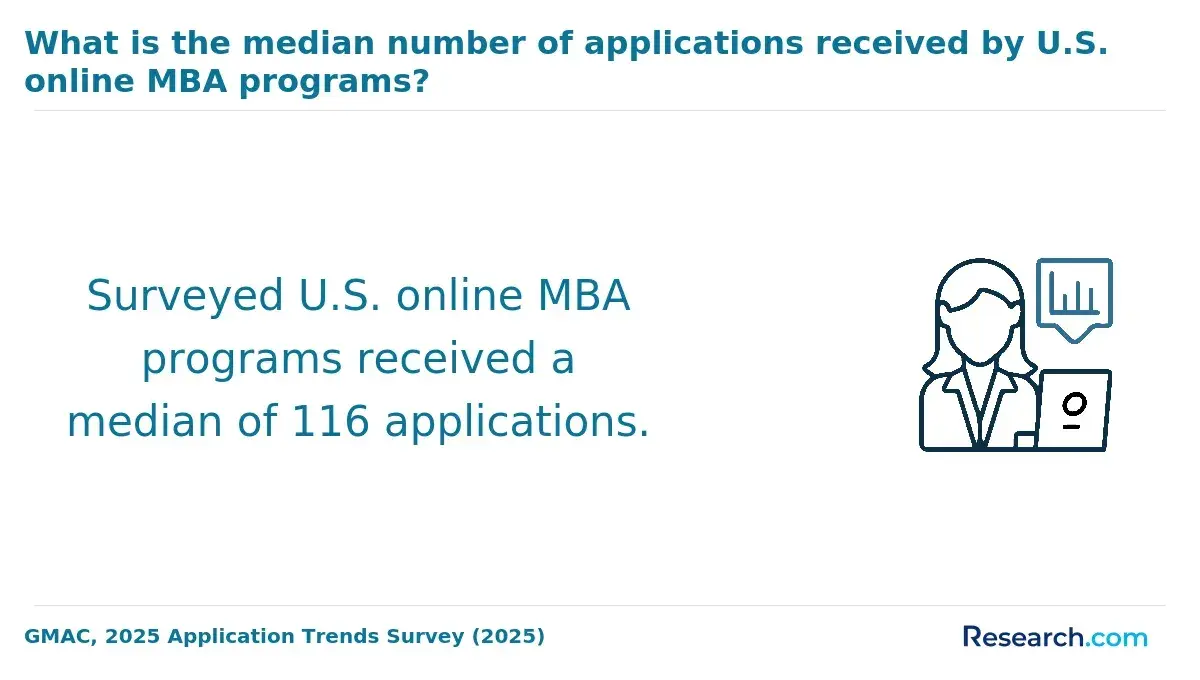
There is no universal HR MBA curriculum. The MBA core commonly addresses accounting, finance, operations, strategy, and organizational behavior; a formal HR concentration may add talent acquisition, compensation, employee relations, workforce analytics, or employment-law-related management topics. Schools set their own course titles, elective choices, and capstone requirements.
Read the degree map closely: determine which HR courses are required, which are electives, whether they are offered online on a workable schedule, and whether a project lets you address a civilian workforce problem. For a veteran with substantial leadership experience, applied work in compensation, HR data, or civilian employee relations may fill a more important gap than another general leadership course. MBA-level HR study develops management judgment; it is not automatically equivalent to an HR certification or specialized legal training.
Completion time depends on required credits, accepted graduate transfer credits, course availability, and whether you study full time or part time. An accelerated calendar may shorten elapsed time but concentrate weekly work; a slower pace may fit employment or family responsibilities while extending the period over which you pay fees. Ask for a course-by-course completion plan rather than relying on an advertised fastest finish.
For cost, request the program's required credits, tuition rate, mandatory fees, materials costs, and any travel expense. Then ask the certifying official to identify which charges your benefits are expected to cover and when payments are made. Compare the resulting out-of-pocket estimate with lower-cost graduate business programs 10 000 only after checking that the alternatives offer suitable HR study and the support you need. A low tuition figure alone is not a complete cost or value comparison.
Potential paths include HR generalist, talent development, recruiting, compensation, and HR management work. The appropriate entry point depends more on prior functional experience than on the degree title. A veteran who managed training programs may have a stronger case for learning and development roles; one who oversaw staffing and performance may be able to show relevant experience for a people-operations position.
For a move into HR management, employers may expect demonstrated civilian HR practice, not only command or supervisory experience. Review target job postings before enrolling, identify recurring requirements, and seek coursework or projects that address the gaps. If those postings primarily call for hands-on HR administration, gaining that experience alongside targeted study may be a more direct route than an MBA alone.
There is no single salary or employment outlook for graduates of an HR MBA: job title, location, employer, and prior experience matter. As broad context, the U.S. Bureau of Labor Statistics reported a median annual wage of $126,520 for management occupations in May 2025. That figure covers management jobs across functions; it is not an HR MBA graduate salary or a reasonable starting-pay assumption for someone entering HR.
BLS projects overall management employment to grow faster than the average for all occupations from 2025 to 2035. Use occupational information for the specific HR role you want, then compare local job requirements with your experience. A broad management outlook cannot establish that a particular MBA will lead to an HR offer or promotion.
How can veterans choose an accredited online MBA in human resources?
First verify that the institution holds recognized institutional accreditation and that its MBA and advertised HR concentration are actually available online. Business-school accreditation, such as AACSB accreditation, is a separate consideration - not a substitute for checking the institution and program. AACSB MBA rankings and program options can help build a shortlist, but accreditation and rankings cannot tell you whether a school fits your transition.
For each finalist, compare the required HR courses, total net cost after confirmed benefits, attendance and travel demands, veteran support, and access to career advisers and employers recruiting for your target roles. Ask the admissions office to connect you with the veteran-services and career-services teams, and request answers about benefit certification and online-student access in writing. Apply where the curriculum addresses a specific skills gap and the schedule and financing remain workable - not simply where military experience is featured in marketing.
Other Things You Should Know About MBA
Yes, if a program accepts your application while you are serving. Check whether its start date and attendance requirements fit your separation plans, and confirm benefit eligibility separately.
Schools set their own admission policies. Discharge status may affect eligibility for certain VA benefits, which is a separate determination; ask the school and VA about the rules relevant to your circumstances.
Possibly, but payment order and treatment of covered charges depend on the benefit and school policies. Have the school's certifying official review your specific employer award before planning around both sources.
It may strengthen relevant skills, but it does not confer a right to remote work. Check whether employers hiring for your target remote roles require previous civilian HR experience or particular systems expertise.
- Military Training Evaluation Program (MTEP) | dantes.mil https://www.dantes.mil/credit4training/
- Yellow Ribbon Program | Veterans Affairs https://www.va.gov/education/about-gi-bill-benefits/post-9-11/yellow-ribbon-program/
- About GI Bill Education Benefits | militaryonesource.mil https://www.militaryonesource.mil/benefits/gi-bill-education-benefits/
- Benefits and Financial Aid for Veterans | erau.edu https://erau.edu/admissions/financial-aid/types-of-aid/military-and-va-benefits/veterans
- Guidelines to Waive Standardized Test Requirements | UTD https://graduate.utdallas.edu/staff-advisors/test-waiver/
- Online MBA, Human Resource Management Concentration | North Carolina Agricultural and Technical State University https://onlineprograms.ncat.edu/programs/graduate-degrees/mba/
- Accredited Online MBA in Human Resource Management at USCA https://online.usca.edu/degrees/business/mba/human-resource-management/
- Accredited Online MBA in Human Resource Management at UIS https://onlinecbm.uis.edu/degrees/business/mba/human-resources/
- MBA in Human Resources Online | wsc.edu https://www.wsc.edu/hr-management-mba-online
- Online MBA in Human Resources Degree | LSU Online https://online.lsu.edu/online-degree-programs/graduate/mba-human-resources/