2027 Online IT Management Doctorate Programs for First-Time Doctoral Students

Co-Founder and Chief Data Scientist
Choosing an online IT management doctorate is a high-stakes decision because the degree can reshape your leadership, research, and career path. The U.S. Bureau of Labor Statistics reports a 2024 median salary of $171,200 for computer and information systems managers and projects 15% job growth from 2024 to 2034, making advanced technology leadership especially relevant.
This guide is for first-time doctoral students comparing PhD, DIT, DBA, and applied doctoral options. You will learn how to evaluate fit, support, cost, flexibility, and career value before enrolling.
Key Things You Should Know
- The best online IT management doctorate for a first-time doctoral student is usually a structured, regionally accredited program with clear research milestones, assigned faculty mentoring, and transparent dissertation or capstone expectations.
- Most programs take about 3 to 7 years, depending on whether you study full time or part time, how quickly you complete research requirements, and whether prior graduate credits transfer.
- Cost should be evaluated beyond tuition because federal graduate Direct Unsubsidized Loans carry a 7.94% interest rate for 2025-26 and Grad PLUS Loans carry an 8.94% rate, which can significantly affect total repayment.
Which Online IT Management Doctorate Programs Are Best for First-Time Doctoral Students?
The best program is not always the most famous one. For a first-time doctoral student, the strongest fit is usually the program that matches your career goal, research readiness, schedule, and need for structure.
Online IT management doctorates generally fall into several categories. The table below compares the most common pathways and explains which students are likely to benefit from each:
| Doctoral pathway | Typical focus | Best fit for first-time doctoral students | Common final requirement |
| PhD in Information Technology, Information Systems, or Technology Management | Original research, theory, academic inquiry, and advanced methodology | Students considering research, university teaching, policy analysis, or research-intensive consulting | Dissertation |
| Doctor of Information Technology or Doctor of IT Management | Applied technology leadership, enterprise systems, cybersecurity governance, analytics, and IT strategy | Working IT professionals who want a practice-focused doctorate with structured research support | Applied dissertation or doctoral project |
| DBA with IT management, information systems, or technology leadership concentration | Business strategy, executive decision-making, organizational performance, and technology transformation | Managers, directors, consultants, and entrepreneurs who want to solve business problems through technology | Applied research project, dissertation, or consulting-style capstone |
| Doctor of Management with technology concentration | Leadership, organizational change, innovation, and digital transformation | Students whose goal is senior management rather than deep technical research | Dissertation or applied project |
A first-time doctoral student should usually prioritize a program with a defined sequence of research courses, early topic development, and regular faculty feedback.
Highly independent programs can work well for experienced researchers, but they may be difficult if you have never designed a doctoral study, completed institutional review board steps, or written at dissertation length.
Students who are still building technical foundations may be better served by a master's program or an advanced computing degree before committing to doctoral study.
If your background is broad but not deeply technical, comparing a cheapest online computer science degree can help you decide whether you need more programming, systems, or data coursework before applying to a doctorate.
What Should First-Time Students Expect From an Online IT Management Doctorate?
An online IT management doctorate is an advanced degree focused on leading technology organizations, improving information systems, managing digital risk, and conducting research or applied inquiry. It is different from a master's degree because it asks you to create or apply advanced knowledge, not just consume it.
Most programs combine leadership coursework with research design, statistics or qualitative methods, technology strategy, and a major doctoral project. First-time students should expect a shift from structured assignments to independent inquiry:
| Program element | What it usually means | Why it matters for first-time doctoral students |
| Core IT management courses | Topics may include enterprise architecture, IT governance, digital transformation, analytics, cybersecurity management, and technology strategy. | These courses connect doctoral study to real leadership problems. |
| Research methods | Students learn how to design studies, evaluate evidence, collect data, and defend methodological choices. | This is often the biggest adjustment for students who have only completed professional or course-based graduate programs. |
| Residency or intensive sessions | Some online programs require virtual or campus-based seminars, research workshops, or proposal development sessions. | Residencies can add value, but they also affect travel, time off work, and total cost. |
| Dissertation, capstone, or applied project | The final requirement may involve original research or a practice-based technology leadership problem. | The format should match your career goal and your tolerance for independent research. |
Current trends make the field more demanding. AI adoption, cloud migration, cybersecurity threats, data privacy expectations, and automation are changing what IT leaders need to understand. A strong doctoral program should help you analyze these issues strategically instead of treating them as isolated technical tools.
Before enrolling, ask whether you want to become a technology executive, applied researcher, consultant, policy leader, or academic. If your goal is promotion into IT leadership, a professional doctorate may fit better than a PhD. If your goal is university-level research or tenure-track teaching, a research-focused PhD is usually the more appropriate pathway.
What Admissions Requirements Should First-Time Applicants Expect for an Online IT Management Doctorate?
Admissions requirements vary by university and degree type, but most online IT management doctorates expect evidence that you can handle advanced writing, independent research, and complex technology leadership topics. A master's degree is common, though some PhD pathways admit students after a bachelor's degree and require more credits.
The table below summarizes common requirements and how first-time doctoral applicants should interpret them:
| Requirement | What schools commonly ask for | How to evaluate your readiness |
| Prior degree | Master's degree in IT, information systems, computer science, business, cybersecurity, analytics, management, or a related field | If your degree is unrelated, you may need bridge coursework or stronger professional evidence. |
| GPA | Many programs expect strong graduate performance, often around a B average or higher. | A lower GPA may be offset by experience, writing quality, certifications, or additional graduate coursework, depending on the school. |
| Professional experience | Several professional doctorates prefer applicants with IT, management, consulting, security, analytics, or systems leadership experience. | Experience helps you identify a practical research problem and connect coursework to real decisions. |
| Statement of purpose | Applicants usually explain goals, research interests, and fit with the program. | A vague goal is a red flag; doctoral study works best when tied to a clear professional or research purpose. |
| Writing sample | Some programs request academic papers, professional reports, or research-based writing. | This helps schools assess whether you can write analytically at the doctoral level. |
| GRE or GMAT | Many online professional doctorates waive standardized tests, but policies vary. | Do not assume a test waiver means the program is academically easy. |
First-time applicants often underestimate how much doctoral admissions committees value fit. A strong application does not simply say that you want a doctorate; it shows why this degree, this format, and this faculty expertise align with your next step.
If you are missing foundational computing coursework, consider whether an additional technical credential is a better bridge. Students comparing options may find that a shorter accelerated computer science degree online offers a faster way to strengthen technical preparation before moving into doctoral-level IT management research.
Doctoral research support is one of the biggest differences between a program that is merely online and one that is genuinely suitable for first-time doctoral students. You should look for support that begins early, not only after coursework is finished.
Strong programs usually provide several layers of research development. These supports help students move from broad interests, such as AI governance or IT project failure, toward a feasible doctoral study:
- Research-methods sequencing that introduces literature reviews, theory, qualitative methods, quantitative methods, and applied research design in a logical order.
- Library and database training that teaches students how to find peer-reviewed research rather than relying on trade articles or vendor reports.
- Writing support focused on doctoral argumentation, synthesis, citation practices, and revision rather than basic grammar alone.
- Early topic-development checkpoints that require students to narrow a research problem before the dissertation or capstone phase.
- Faculty or committee matching based on research area, methodology, and professional focus.
- Institutional review board guidance for studies involving human participants, workplace data, interviews, surveys, or organizational records.
First-time students should ask whether support is embedded into courses or offered only as optional workshops. Embedded support is usually easier to use because it is tied to required milestones.
IT management research can also overlap with specialized industries. For example, a student interested in hospital systems, privacy, and analytics may need a program that understands healthcare data environments; in that case, comparing a health information management degree online may clarify whether a health informatics path is more aligned than a general IT management doctorate.
The dissertation or capstone is where many first-time doctoral students feel the greatest pressure. Coursework may be familiar from previous degrees, but a doctoral project requires sustained independent work, methodological discipline, and repeated revision.
The table below explains the major project formats and how each affects program fit:
| Final project type | Primary purpose | Best fit | Potential challenge |
| Traditional dissertation | Produce original research that contributes to scholarly knowledge. | Students interested in academic research, theory development, publishing, or teaching. | Requires strong tolerance for independent research and extensive literature synthesis. |
| Applied dissertation | Use research methods to investigate a practical IT management problem. | Working professionals who want evidence-based solutions for organizational problems. | Still requires rigorous design, data collection, and defense, even if the topic is practical. |
| Doctoral capstone | Create a practice-focused solution, framework, implementation plan, or evaluation. | Students focused on executive leadership, consulting, or technology transformation. | May be less suitable for academic careers if it does not produce traditional research. |
| Portfolio or project sequence | Build doctoral work through multiple applied artifacts across the program. | Students who benefit from incremental milestones instead of one large final project. | Quality depends heavily on faculty feedback and clear assessment standards. |
A common mistake is choosing the shortest-sounding option without understanding the level of rigor. An applied project can be more practical than a dissertation, but it is not automatically easier. You still need to define a problem, justify methods, evaluate evidence, and defend your conclusions.
Before enrolling, ask schools how students are supported after coursework ends. Important questions include who chairs the committee, how often feedback is provided, whether students can change topics, and what happens if a faculty advisor leaves.
Online doctoral programs can be flexible, but "online" does not always mean self-paced. First-time doctoral students should understand course pacing, live attendance rules, residency requirements, and research deadlines before committing.
The table below compares common online formats and the trade-offs each creates for working professionals:
| Format | How it works | Benefits | Risks for first-time doctoral students |
| Asynchronous online | Students complete weekly work without required live class meetings. | Strong fit for students balancing work, travel, caregiving, or different time zones. | Requires high self-discipline and proactive communication. |
| Synchronous online | Students attend scheduled live virtual sessions. | Offers real-time discussion, faculty access, and cohort connection. | Can conflict with work shifts, executive travel, or family responsibilities. |
| Hybrid or low-residency | Most coursework is online, with occasional campus or intensive sessions. | Can strengthen research planning and peer relationships. | Travel, lodging, time off work, and missed income can increase total cost. |
| Self-paced or competency-based elements | Students move through certain requirements at variable speed. | May help experienced professionals progress faster through familiar material. | Less structure can be difficult during research and writing phases. |
The best format depends on your life, not just your learning preference. A fully asynchronous program may look convenient, but it can feel isolating if you need regular discussion. A synchronous cohort may offer more accountability, but it can become unrealistic if your job requires unpredictable hours.
To test fit, map a typical week before applying. Include reading, writing, discussion posts, research tasks, meetings, commuting, work deadlines, family responsibilities, and recovery time. If the schedule only works under ideal conditions, the program may not be sustainable.
Employer Confidence in Online vs. In-Person Degree Skills, Global 2024

First-time doctoral students often succeed not because the program is easy, but because the structure helps them keep moving when the work becomes ambiguous. Cohorts, mentoring, advising, and peer networks can reduce isolation and clarify expectations.
Support quality is especially important in IT management because students often enter with different backgrounds: some are engineers, some are project managers, some are cybersecurity leaders, and some come from business or analytics roles. A good program helps students translate experience into researchable questions.
When comparing programs, look beyond marketing language and ask for evidence of how support actually works:
- Ask whether each student is assigned an academic advisor, faculty mentor, dissertation chair, or all three.
- Find out when the dissertation or capstone chair is assigned and whether students can request faculty based on topic fit.
- Ask how often students meet with faculty during proposal and final project stages.
- Review whether cohorts move through courses together or whether students enroll independently each term.
- Ask whether online students have the same library, writing center, career services, and research software access as campus students.
- Request information on typical time-to-completion and where students commonly slow down.
Red flags include vague answers about mentoring, no clear process for committee formation, limited faculty profiles, and pressure to enroll before you understand the final project. A supportive program should be willing to explain the doctoral journey in concrete terms.
Most online IT management doctorates take about 3 to 7 years. The shorter end is more realistic for students with a relevant master's degree, transferable graduate credits, a defined research interest, and consistent part-time or full-time enrollment.
The longer end is more common when students change topics, pause enrollment, struggle with methodology, or balance demanding jobs.
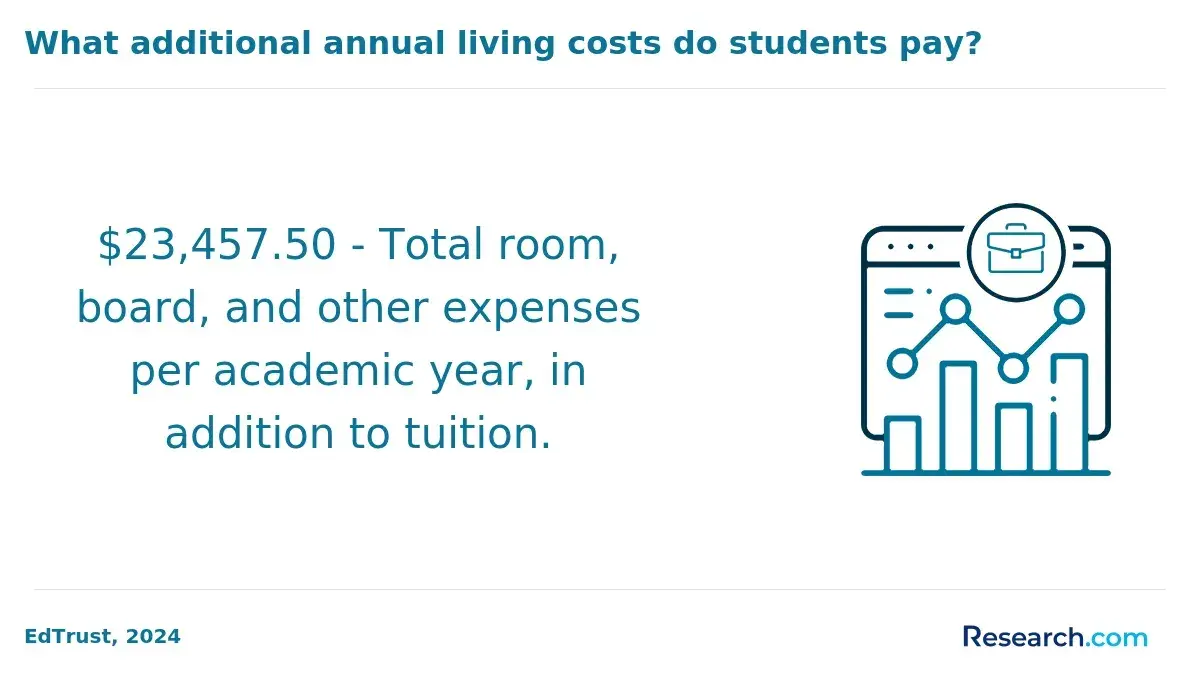
Cost is more than tuition. First-time doctoral students should estimate total cost of completion, not just price per credit. This matters because graduate students can borrow up to $20,500 per academic year in federal Direct Unsubsidized Loans, and additional borrowing may involve Grad PLUS Loans with higher interest rates:
| Cost or time factor | What to check | Why it matters |
| Credits required | Total doctoral credits and whether the program accepts prior graduate transfer credits | More credits usually mean higher tuition and longer completion time. |
| Tuition model | Per-credit tuition, per-term tuition, dissertation continuation fees, and technology fees | A low advertised tuition rate may not include all required charges. |
| Residency costs | Travel, lodging, meals, parking, and time away from work | Hybrid requirements can materially change affordability. |
| Research phase length | Expected timeline for proposal, data collection, analysis, defense, and revisions | The dissertation or capstone phase is where delays often occur. |
| Enrollment pace | Full-time, part-time, continuous enrollment, and leave-of-absence policies | Flexibility can help working adults, but stopping out can delay completion. |
To estimate cost realistically, create a completion budget before applying. Include tuition for every required credit, mandatory fees, books, software, research tools, travel, loan interest while enrolled, and possible continuation terms if the dissertation takes longer than planned.
Employer tuition assistance can improve ROI, but read the policy carefully. Some employers cap annual benefits, require minimum grades, limit eligible institutions, or require repayment if you leave the company soon after receiving assistance.
An online IT management doctorate can support career movement into executive leadership, consulting, applied research, higher education, or specialized governance roles.
However, it should not be treated as a guaranteed promotion or salary increase. Many senior IT roles value experience, leadership results, communication skill, and industry expertise as much as credentials.
The BLS reports that computer and information systems managers had a 2024 median annual wage of $171,200. This figure is useful because many IT management doctoral students are targeting leadership roles, but it is not specific to doctorate holders and should be interpreted as a labor-market benchmark rather than a promise:
| Career direction | Roles the degree may support | Best doctoral pathway | Important limitation |
| Executive IT leadership | CIO, CTO, chief digital officer, IT director, enterprise systems leader | DIT, DBA, Doctor of Management, or applied IT management doctorate | Executive roles usually require substantial leadership experience beyond the degree. |
| Cybersecurity and risk leadership | Security governance leader, cyber risk director, compliance technology strategist | DIT, DBA with cybersecurity or risk focus, PhD in information systems | Employers may also expect certifications and direct security experience. |
| Consulting and transformation | Technology strategy consultant, digital transformation advisor, enterprise architecture consultant | DBA, DIT, or applied doctorate | Client-facing credibility often depends on measurable project outcomes. |
| Academic and research roles | Professor, researcher, doctoral faculty, policy analyst | PhD or research-intensive doctorate | Tenure-track jobs can be competitive and may prefer traditional research output. |
| Specialized industry leadership | Health IT leader, fintech systems strategist, government IT modernization manager | Applied doctorate aligned with industry context | Industry regulations and employer expectations vary widely. |
Cybersecurity is one of the strongest related areas for IT management students because governance, risk, identity systems, incident response, and resilience are now board-level concerns.
If your goal is security leadership but you lack technical security preparation, reviewing a cybersecurity degree online may help you decide whether a specialized degree should come before or instead of a doctorate.
The degree is most likely to be worth considering when it supports a specific goal: qualifying for doctoral-level teaching, strengthening credibility for executive consulting, leading large-scale technology transformation, or conducting applied research in a field you already know well.
How Should First-Time Students Choose an Online IT Management Doctorate Program?
First-time doctoral students should choose through a decision process, not a ranking alone. A program that works for a senior IT director may be a poor fit for someone moving from a technical role into leadership, and a research-heavy PhD may not serve a student whose goal is executive practice.
Use the following steps to evaluate whether a program is academically realistic, financially responsible, and aligned with your goals:
- Define the career outcome first; executive leadership, consulting, academic research, teaching, policy, cybersecurity governance, analytics leadership, or digital transformation.
- Choose the degree type that matches that outcome; PhD for research-heavy goals, DIT for applied technology leadership, DBA for business and executive strategy, or Doctor of Management for organizational leadership.
- Verify institutional accreditation through a recognized accreditor and confirm whether any specialized accreditation matters for your employer or career path.
- Compare the final project format and ask for examples of recent dissertation, capstone, or applied-project topics.
- Ask how research support begins, how faculty mentors are assigned, and how often students receive feedback during the proposal and final project stages.
- Calculate total cost through expected completion, including tuition, fees, residencies, software, books, loan interest, and continuation terms.
- Check schedule requirements carefully, including synchronous sessions, residencies, summer terms, continuous enrollment, and leave policies.
- Ask for time-to-completion patterns, not just the minimum advertised timeline.
- Speak with admissions advisors, current students, alumni, and faculty before committing.
- Compare the doctorate against alternatives such as certifications, a second master's degree, employer leadership programs, or targeted technical coursework.
Several red flags should make you slow down. Be cautious if a program promises unrealistic completion speed, cannot explain dissertation support, gives vague cost information, pressures you to enroll quickly, lacks accessible faculty profiles, or treats online flexibility as a substitute for academic mentoring.
A doctorate may not be the right next step if you are unsure about your career goal, dislike long-form research writing, need an immediate salary boost, or cannot protect weekly study time. In those cases, a certificate, master's degree, or employer-funded leadership pathway may offer a better near-term return.
Other Things You Should Know About IT Management
They overlap, but they are not always identical. IT management often emphasizes leading technology infrastructure, teams, budgets, vendors, and strategy, while information systems management may focus more on how organizations design, use, and govern systems that support business processes.
Not always. Many IT management roles require enough technical fluency to evaluate systems, risks, architectures, and teams, but daily coding is usually handled by developers or engineers. The higher the leadership role, the more important strategy, communication, budgeting, and governance become.
Useful certifications depend on your target role. Common options include project management, cloud, cybersecurity, governance, audit, enterprise architecture, and service management credentials. Certifications can complement a doctorate, but they do not replace doctoral research or leadership preparation.
Yes, but it usually requires building technical literacy, project experience, and credibility with technical teams. A nontechnical professional may start with business analysis, product ownership, operations, data governance, or systems implementation before moving into broader IT leadership.
- Doctoral Program in Information Management https://novaims.unl.pt/en/education/programs/doctoral-program-in-information-management/doctoral-program-in-information-management/
- Doctoral Training: Perspectives from the YERUN Network - Yerun https://yerun.eu/2026/05/why-doctoral-training-matters-perspectives-from-yerun-universities/
- Exploring PhD Completion Rates: How Many Finish on Time? https://wallyboston.com/phd-completion-rates/
- How to Find Fully Funded Graduate Programs in Any Discipline | ProFellow https://www.profellow.com/tips/how-to-find-fully-funded-graduate-programs-in-any-discipline/
- How Long Does It Take to Get a PhD After a Master's Degree? https://streamlinedai.app/blog/how-long-phd-after-masters
- How long is a PhD program: Duration and key factors https://vinuni.edu.vn/how-long-is-a-phd-program/
- Student Support Networks in Online Doctoral Programs: Exploring Nested Communities https://www.informingscience.org/publications/3676
- Educational Funding https://phdproject.org/educational-funding/
- How Long Does a PhD Really Take? A Guide for 2026 https://www.applykite.com/blog/phd-guide-how-long-phd-take
- How long should a PhD take today - Swiss School of Business Research https://ssbr-edu.ch/how-long-should-a-phd-take-today/