2027 Online Health Information Management Bachelor's Degree Programs With Monthly Start Dates

Co-Founder and Chief Data Scientist
Many adult learners face the challenge of balancing education with work and family-waiting months for a traditional semester start can delay career goals. Online health information management bachelor's degree programs with monthly start dates offer flexible entry points for students who need to begin quickly.
According to recent industry reports, the demand for qualified health information management professionals is growing by 11% annually, highlighting the need for accessible, accelerated education options.
This article explores the essential factors prospective students must consider-from program accreditation to career outcomes-to make informed decisions and succeed in online health information management programs with monthly start dates.
Key Things to Know About Online Health Information Management Bachelor's Degree Programs With Monthly Start Dates
- Programs require regional accreditation and often prioritize applicants with prior college credits or healthcare experience to ensure academic quality and readiness.
- Curricula balance foundational knowledge and specialized courses aligned with AHIMA standards; typical tuition ranges from $300 to $600 per credit.
- Graduates qualify for roles in health data analysis and compliance, benefiting from a 15% projected employment growth in health information sectors through 2030.
What Are Online Health Information Management Bachelor's Degree Programs With Monthly Start Dates, and How Do They Work?
Online health information management bachelor's degree programs with flexible monthly start dates allow students to enroll any month, unlike traditional semester systems with fixed fall or spring terms.
These programs often use asynchronous or competency-based delivery models, letting students complete lectures, assignments, and exams on their own schedules and progress by demonstrating mastery rather than attending set class times. This makes them ideal for working adults, military personnel, and career changers balancing other responsibilities.
A typical online health information management degree requires about 120 to 130 credit hours. Students move through a sequence of courses covering medical coding, health data analytics, healthcare law, and information technology in healthcare.
Many programs offer self-paced modules supported by faculty guidance and regular assessments to ensure understanding of complex health information systems. This structure helps learners maintain steady progress while accommodating diverse schedules.
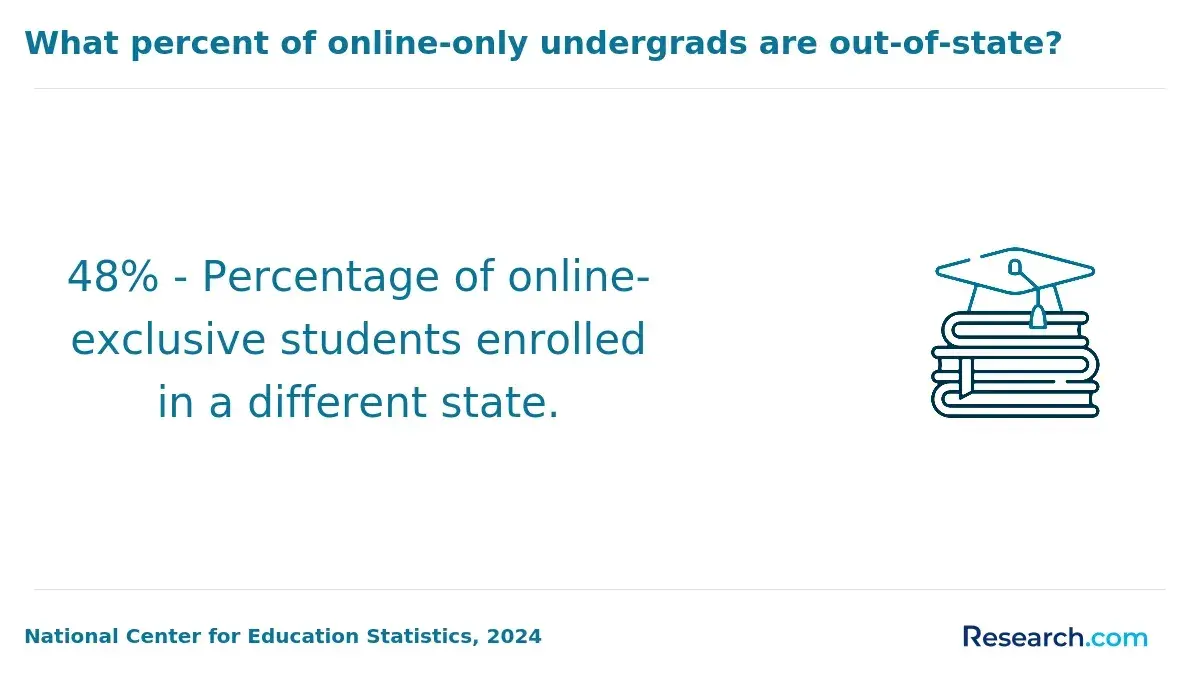
Data from the National Center for Education Statistics shows consistent growth in enrollment for online programs with rolling start dates. The Online Learning Consortium confirms these models have become mainstream, addressing modern learners' needs by removing traditional academic calendar barriers.
This reflects increasing acceptance of flexible start dates rather than experimental formats.
- Flexibility: Monthly start dates let students begin their studies any time of year, avoiding delays and enabling immediate engagement with coursework.
- Delivery Model: These programs often provide asynchronous or competency-based formats, empowering learners to manage their progress and complete courses efficiently.
- Curriculum Structure: Degrees usually require around 120 credit hours with courses arranged sequentially to build technical and managerial health data expertise.
- Student Progression: Learners can advance at their own pace through modules or courses, supported by faculty and consistent assessments.
- Enrollment Growth: National data highlights rising demand for online degrees with flexible monthly enrollment, validating their relevance and practicality.
- Audience Suitability: These programs are well suited to working adults, military members, and career changers seeking rigorous education adaptable to busy lifestyles.
Prospective students can explore accreditation standards, admission criteria, curriculum details, cost factors, and career outcomes in the sections ahead. For those interested in related healthcare degrees, resources on DNP programs may provide useful insights.
Which Regional Accreditation Bodies Approve Online Health Information Management Bachelor's Programs With Monthly Start Dates?
Accreditation plays a key role in validating the quality of online health information management bachelor's programs with monthly start dates. Regional accreditation agencies for health information management programs are the gold standard in the United States because most employers, graduate schools, and licensure boards recognize degrees from regionally accredited institutions.
These accreditation bodies maintain rigorous academic standards and cover specific geographic areas.
Major regional accreditation bodies overseeing online health information management degrees in the United States include:
- Higher Learning Commission (HLC): responsible for institutions in central states like Illinois, Ohio, and Texas
- Southern Association of Colleges and Schools Commission on Colleges (SACSCOC): accrediting schools in southern states such as Florida, Georgia, and Texas
- New England Commission of Higher Education (NECHE): covering the New England region
- WASC Senior College and University Commission (WSCUC): for California, Hawaii, and Pacific territories
- Middle States Commission on Higher Education (MSCHE): accrediting New York, New Jersey, and Pennsylvania
- Northwest Commission on Colleges and Universities (NWCCU): overseeing institutions in Washington and Oregon.
In addition to regional accreditation, programmatic accreditation specific to health information management is important. The Commission on Accreditation for Health Informatics and Information Management Education (CAHIIM) ensures programs meet standards tailored to this field, enhancing a degree's professional credibility.
To confirm a program's accreditation status, prospective students should consult official sources such as the U.S. Department of Education's Database of Accredited Postsecondary Institutions and Programs (DAPIP) or the Council for Higher Education Accreditation (CHEA) database.
Checking these databases helps avoid diploma mills or non-accredited institutions, which often promote monthly start dates but offer unrecognized degrees that do not qualify for federal financial aid.
For those exploring flexible options, exploring online healthcare degrees can also help identify reputable offerings tailored to career changers and busy adults.
How Do Monthly Start Dates in Online Health Information Management Programs Differ From Traditional Semester or Quarter Systems?
Monthly-start health information management programs offer a flexible alternative to traditional academic calendars, allowing students to begin their studies without waiting for fixed term start dates. While this rolling enrollment model increases accessibility and accelerates entry, it also reshapes course pacing, peer interaction, and financial aid processes.
The following sections outline the key features and considerations of this format:
- Start Flexibility: Monthly start programs allow learners to enroll each month rather than waiting for fixed semester or quarter start dates, providing greater intake regularity and minimizing downtime before beginning coursework.
- Course Sequencing: These programs often blend structured progression with some self-paced elements. Students typically follow a required sequence of courses delivered in shorter modules—often about four weeks long—enabling steady advancement while affording scheduling adaptability.
- Learning Community and Interaction: Because cohorts begin monthly, peer groups shift more often than in semester systems, which may reduce opportunities for lasting relationships but encourages frequent engagement with diverse classmates. Faculty usually maintain support through digital channels and dedicated office hours adapted for these rolling starts.
- Financial Aid Considerations: Federal Title IV aid is commonly tied to enrollment and payment periods synchronized with traditional academic calendars. Monthly start schedules can complicate eligibility and timing for disbursements, so students must verify that payment periods align properly with federal requirements.
- Verifying Aid Compatibility: Students should contact their program's financial aid office or consult the U.S. Department of Education's Federal Student Aid resources to confirm that monthly start formats comply with federal funding guidelines. This proactive step helps ensure uninterrupted access to grants, loans, and work-study opportunities.
A professional who completed a Health Information Management bachelor's program with monthly start dates shared that juggling accelerated four-week courses within a rolling enrollment system demanded self-discipline and clear communication with instructors.
He noted, "It was challenging to keep up the pace while adapting to peers who joined and left every month, but the ability to start quickly without waiting months made a huge difference in advancing my career goals."
His experience highlighted the need to stay organized amid frequently changing cohorts and to confirm financial aid eligibility early on to avoid surprises during the payment cycles.
Applicants seeking admission to online health information management bachelor's programs with monthly enrollment usually need a high school diploma or GED. Official transcripts from all prior schools, including high school and any college coursework, are required to verify your academic background.
Many programs specify a minimum GPA—often between 2.5 and 3.0—to ensure readiness, though some maintain flexible standards to broaden access.
Standardized tests such as the SAT or ACT are increasingly waived in rolling-enrollment programs focused on accommodating working adults or career changers. Most reputable programs tend to be moderately selective rather than fully open-admission, balancing accessibility with academic rigor. This distinction affects the credential's perceived quality and career value.
Transfer students should anticipate submitting unofficial transcripts for an initial review, followed by official versions after acceptance. Programs typically evaluate transfer credit by course equivalencies and accreditation; providing detailed syllabi or course descriptions can facilitate this process.
This approach is common among those researching online health information management bachelor's degree eligibility criteria for monthly enrollment.
Meanwhile, career changers can explore programs like the LPN fast track program as a pathway before enrolling.
Most online health information management bachelor's programs with monthly start dates require a minimum admission GPA between 2.0 and 2.5 on a 4.0 scale. Open-admission schools typically accept GPAs at the lower end of this range, while more selective or competitive programs often expect a GPA closer to 3.0.
Once enrolled, maintaining satisfactory academic progress usually means keeping a minimum GPA of 2.0 to stay eligible for financial aid and remain enrolled. Graduation requirements can be higher, with some institutions requiring a cumulative GPA of 2.5 or 3.0 to earn the degree.
Applicants who fall below these thresholds may qualify for provisional admission, which often includes conditions like completing prerequisite courses or demonstrating improved grades during an initial trial period.
Academic probation is commonly used to give students struggling to meet GPA standards a chance to improve before possible dismissal. Many schools also offer appeal processes, allowing students to present mitigating circumstances for reconsideration.
Academic expectations vary by program tier—open-admission colleges offer broader access with lower GPA requirements, moderately selective programs balance rigor with flexibility, and competitive universities demand stronger academic records.
Prospective students should diligently review the current GPA policies in each program's academic catalog online, as requirements can shift from year to year and influence admission chances.
- Minimum Admission GPA: Most programs require between 2.0 and 2.5, with competitive ones expecting higher.
- Satisfactory Academic Progress: Students must usually maintain a 2.0 GPA to keep financial aid and enrollment.
- Provisional Admission: Applicants below minimum GPA standards may enroll conditionally to prove readiness.
- Academic Probation: Falling short of GPA requirements typically triggers probation before dismissal.
- Policy Verification: Always check each school's academic catalog online for updated GPA guidelines.
A professional who completed an online health information management bachelor's degree with monthly starts shared her experience.
"Starting the program with a GPA just below the minimum felt intimidating, but provisional admission gave me a clear path forward. The initial pressure was real, knowing that I had to maintain certain grades to continue, but it motivated me to stay focused," she said.
She continued, "The academic probation phase was challenging—I had to balance work, family, and school—but it taught me discipline and time management. I appreciated having an appeal option when personal circumstances affected my performance; that support made all the difference. Looking back, those hurdles prepared me well for the demands of my career."
A bachelor's degree in health information management online usually requires about 120 semester credit hours, with completion times varying based on course load, transfer credits, and program scheduling. Monthly enrollment options help reduce waiting periods between terms, letting students start new classes soon after finishing others, which can speed up their progress.
- Full-Time Study: Typically, full-time students take 12 to 15 credits per term and finish their degree in approximately four years. The availability of monthly start dates enhances this timeline by enabling continuous enrollment and minimizing gaps.
- Part-Time Study: Students balancing work or other responsibilities often choose 6 to 9 credits per term, extending completion to around six years. Monthly enrollment lets them adjust their course load regularly to fit changing schedules.
- Transfer Credits and Prior Learning: Learners with accepted transfer or prior learning credits can significantly shorten their studies, potentially graduating in two to three years full time. Monthly start dates allow these students to enter the program seamlessly without waiting for traditional semester cycles.
- Course Scheduling and Prerequisites: Time to degree can increase if transfer credits are not fully applied or if prerequisite courses delay progress into advanced health information management classes. While monthly start options provide more enrollment chances, sequencing requirements still impact the overall duration.
- Enrollment Flexibility: Many programs offer options to pause, take leaves of absence, and resume coursework without losing credits or progress, which is especially crucial for working adults and military personnel facing unpredictable life events.
The cost of an online health information management bachelor's program with monthly start dates varies significantly based on tuition rates, institutional type, and additional fees.
Per-credit-hour tuition typically ranges from $200 to over $600. Beyond tuition, students should budget for technology fees—usually between $50 and $150 per term—and course materials that can total several hundred dollars each semester.
Although primarily online, many programs require practicum or residency components at local healthcare facilities, which may incur travel or placement fees depending on location and site policies.
- Federal Financial Aid: Students in monthly start programs can access Pell Grants that provide need-based funding without repayment. Both subsidized and unsubsidized direct loans are available; subsidized loans depend on financial need, while unsubsidized loans accrue interest immediately. Federal work-study offers part-time employment opportunities to help offset costs. Applicants must complete the FAFSA annually, ideally several months before enrollment. Rolling admissions make early submission, often by October preceding the start, essential to secure aid.
- Scholarships: Specific scholarships for health information management students come from professional organizations like the American Health Information Management Association (AHIMA), institutional awards, and state grants. Tools such as the College Board Scholarship Search and Fastweb assist in finding targeted scholarships. These awards may emphasize academic merit, financial need, or support for underrepresented populations in healthcare.
- Sample Cost Comparison: A public university charging $300 per credit plus $100 fees per semester may total about $15,000 for 120 credits without aid. With a $5,000 Pell Grant and $3,500 in scholarships, net costs can drop to approximately $6,500. In contrast, a private nonprofit school charging $600 per credit plus $200 in fees might cost $36,000 before aid; after scholarships and loans, realistic costs often fall between $15,000 and $20,000. For-profit programs can have similar sticker prices but often offer fewer scholarships, increasing the debt burden risk.
Several institutions stand out for offering top accredited online health information management programs with monthly enrollment, combining flexibility with strong academic and professional standards. These schools are selected based on regional accreditation, tuition affordability, transfer credit policies, and program quality.
- WGU: Regionally accredited with a competency-based curriculum that lets students advance at their own pace. Tuition is flat-rate per term, making it cost-effective for motivated learners. WGU accepts numerous transfer credits, with typical completion in about three years. The program emphasizes practical health information management skills and provides dedicated mentors throughout the course.
- Chamberlain University: Accredited by the Higher Learning Commission, Chamberlain offers monthly starts and competitive tuition with military discounts. Transfer credits are evaluated individually, supporting earlier progression. The curriculum includes RHIA certification prep, career services, and faculty with professional experience. Completion usually takes four years, with accelerated options available.
- Southern New Hampshire University: Accredited by the New England Commission on Higher Education, SNHU provides flexible monthly enrollment and moderate tuition. Transfer credits reduce time-to-completion, and courses focus on current health information management technology. The low student-to-instructor ratio enhances personalized learning and career counseling.
- California State University, East Bay: This accredited program offers affordable tuition and extensive transfer credit acceptance. Most students finish in about three years. Faculty expertise emphasizes data analytics and regulatory compliance. Strong employer connections and alumni networks provide valuable career pathways.
- DeVry University: Accredited by the Higher Learning Commission, DeVry targets working adults with monthly start dates. Tuition is higher but financial aid is widely available. Transfer policies encourage leveraging prior learning. Curriculum highlights healthcare delivery systems and informatics along with robust student support services such as tutoring and career placement assistance.
Beyond rankings, assessing a program's reputation requires examining employer partnerships that offer internships and job placements, alumni employment rates and salaries, faculty credentials, and student-to-instructor ratios.
A program's standing within the health information management sector and recognition by target employers often weigh as heavily as overall university brand prestige.
Prospective students seeking credible, flexible options might also explore related fields—such as a nutritionist degree online—to broaden career pathways while considering the best online health information management bachelor's degrees with rolling start dates.
Students pursuing an online health information management bachelor's degree follow a robust curriculum designed to build essential skills and knowledge.
Typically, general education requirements form the base courses in English, mathematics, social sciences, and biology that foster critical thinking, communication, and scientific literacy. These foundational courses support success in more advanced subjects.
Core lower-division courses introduce health information systems, medical terminology, healthcare ethics, and basic principles of healthcare delivery. This foundational content provides a solid grasp of healthcare environments and data management prerequisites, essential in the typical curriculum for an online health information management degree with flexible start dates.
Upper-division courses emphasize advanced study in health data analytics, electronic health records (EHR) management, health information privacy and security laws such as HIPAA, coding/classification systems, and healthcare reimbursement methods. Students explore quality improvement, health informatics, and healthcare project management to develop a specialized skill set.
Many programs offer specializations or elective tracks tailored to career goals—common options include clinical coding, health informatics, healthcare data analytics, and managerial roles in hospitals or insurance sectors. These options allow students to align coursework with their professional aspirations.
Applied learning distinguishes quality online health information management programs. Students engage in capstone projects, practicums, or employer-integrated internships, gaining hands-on experience with healthcare providers, insurers, or technology platforms. This practical exposure enhances job readiness.
Technological proficiency is integrated throughout coursework. Students train on EHR software, coding and billing platforms, data management tools, and health information exchanges. Programs often provide access to professional resources like industry databases and memberships in organizations such as AHIMA, which support continued learning and networking.
Those interested in health-related studies may also explore the best online pharmacy school options, complementing a career in health information management.
Online health information management programs with monthly start dates are designed to accommodate working adults and those managing family and other commitments.
These programs commonly offer asynchronous course formats, giving students the ability to access lectures and materials whenever convenient. Flexible deadlines and mobile-friendly platforms further support learners who need to balance education with busy schedules.
Strong student support services are essential for success in these programs. Many institutions provide dedicated academic advisors to help map degree plans and navigate registration, often extending availability beyond traditional hours.
Career counseling, veteran support, disability accommodations, and peer tutoring are also tailored to meet diverse needs, ensuring non-traditional students receive comprehensive assistance.
Addressing challenges faced by adult learners—such as imposter syndrome, technology anxiety, and refreshing academic skills after time away—is increasingly recognized. Programs often offer specialized resources and tutoring to help students build confidence and skillsets necessary for academic progress.
Credit for prior learning is a critical feature in many online health information management programs. Through CLEP exams, portfolio reviews, or military training credits, returning learners can shorten their path to a degree, saving both time and money.
According to recent National Center for Education Statistics data, over 40% of postsecondary students are adult learners, reflecting the demand for flexible, supportive programming.
- Flexible Learning: Asynchronous courses, mobile access, and adjustable deadlines enable students to manage coursework around work and family commitments.
- Comprehensive Support: Academic advising, career services, veteran offices, and tutoring available beyond regular hours help students succeed.
- Overcoming Barriers: Resources combat imposter syndrome and technology anxiety, aiding adult learners in regaining academic confidence.
- Recognition of Experience: Credit for prior learning reduces degree time and tuition costs for returning students.
- Growing Demand: With more than 40% of postsecondary students being adult learners, flexible scheduling and targeted support are increasingly vital.
Health information management is a steadily growing field that plays a critical role in organizing, analyzing, and securing healthcare data across modern medical systems. As healthcare becomes increasingly digital, demand for skilled professionals continues to rise, creating stable job prospects and clear advancement pathways for bachelor’s degree holders.
The following sections explore employment trends, salary expectations, and emerging roles shaping this evolving industry:
- Employment Growth: Jobs for health information management professionals are expected to rise by about 11% from 2022 to 2032, outpacing average occupational growth. This reflects strong ongoing demand for managing healthcare data across hospitals, insurance firms, and clinics, providing good employment stability for those with a bachelor's degree.
- Salary Expectations: The median salary for health information managers in 2023 was near $74,000 annually, with entry-level positions paying roughly between $50,000 and $60,000. Experienced professionals moving into specialist or leadership roles often earn upwards of $90,000 yearly, with regional differences affecting wage levels.
- Career Pathways: A bachelor's degree typically qualifies graduates for roles such as health information technician, medical records analyst, and coding specialist. Advancement into managerial or director-level positions generally requires substantial experience or a master's degree, especially for roles involving compliance and policy leadership.
- Regional Market Variation: Data from Lightcast and the Economic Policy Institute reveal significant regional disparities in job openings and salaries. Urban areas with large healthcare systems tend to offer higher pay and more positions, while rural regions may have fewer opportunities but sometimes provide remote work options for data professionals.
- Emerging Roles: The expanding integration of data analytics and electronic health records has created new careers like clinical data analyst and health informatics coordinator. Bachelor's graduates are positioned to enter these growing segments focused on enhancing healthcare delivery and patient outcomes through technology and data-driven insights.
What Graduates Say About Their Online Health Information Management Bachelor's Degree Programs With Monthly Start Dates
- Jason: "The program's accreditation gave me confidence that I was investing my time wisely, and the admission requirements were straightforward enough to get started quickly. The curriculum was comprehensive and balanced theory with hands-on projects, while the monthly start dates made it convenient to begin without waiting for a specific semester. I also appreciated how affordable the tuition was compared to similar programs I researched - it made pursuing my career goals much more accessible."
- Camilo: "Reflecting on my experience, the curriculum provided a solid foundation in health information management principles along with the latest industry technology, which I found essential for my career growth. I was pleasantly surprised by how the program's admission process focused on skills and potential rather than just prior grades. Most importantly, completing the degree opened doors to professional roles in healthcare organizations I hadn't considered before, which has been incredibly rewarding."
- Alexander: "From a professional standpoint, this online program offered the perfect blend of flexibility and rigor, especially with the monthly start dates that fit my busy schedule. The program is fully accredited, which was critical for my employer and for gaining credibility in the field. The cost was reasonable compared to in-person degrees, and the curriculum's focus on real-world applications prepared me well for a career in health information management, enhancing both my skills and my confidence."
Other Things You Should Know About Health Information Management Degrees
Many online health information management bachelor's programs with monthly start dates are designed to meet accreditation standards required for certification eligibility. However, licensure and certification requirements differ by state, so students should verify if the program aligns with their specific state's regulations. Programs accredited by recognized bodies like CAHIIM typically satisfy the educational requirements for RHIA certification.
Most online health information management programs with monthly start options accept transfer credits from regionally accredited institutions, especially for general education or relevant healthcare courses. Prior learning assessments may be offered to evaluate professional experience or military training for credit. Students should consult each program's transfer policy to understand credit limits and necessary documentation.
It should hold institutional accreditation from a U.S. Department of Education-recognized agency, and the health information management program may also be reviewed by CAHIIM. CAHIIM accreditation is especially important for students who want a curriculum aligned with RHIA exam eligibility and employer expectations.
Employers generally evaluate degrees based on accreditation and the reputation of the issuing institution rather than start dates. A program with monthly start dates that maintains CAHIIM accreditation and rigorous curriculum is seen favorably. Demonstrated technical skills and certification eligibility tend to matter more than whether the degree was completed through traditional or flexible monthly start formats.
- Accredited Health Information Management at Beal University https://beal.edu/programs/health-information-management/
- Health Science Informatics Online Part-Time Cost of Attendance | Office of Financial Aid https://schoolsupport4afghanistan.org/som/offices/finaid/cost/hsi-online.html
- Top Most Affordable Online Bachelor’s Degrees in Health Information Management 2020 - Healthcare Administration Degree Programs https://www.healthcare-administration-degree.net/best/affordable-online-bachelors-degrees-health-information-management/
- Online Health Information Management Degrees: Top Schools https://www.edumed.org/online-schools/health-information-management-degrees/
- Top 25 Health Information Management Degree Programs - Healthcare Management Degree Guide https://www.healthcare-management-degree.net/best/health-information-management/
- 15 Best Online Bachelor's in Health Information Management - Top Management Degrees https://www.topmanagementdegrees.com/rankings/best-online-bachelors-health-information-management/
- 10 Best Career Paths for Health Information Management https://potomac.edu/best-careers-health-information-management/
- Health Information Management Degree | HIM Jobs and Salary https://www.healthadministrationdegrees.com/specialty/health-information-management-degree/
- Online Health Information Management Bachelor’s Degree Program Curriculum https://www.cambridgehealth.edu/health-information-management/curriculum/
- What Can I Do With a Health Information Management Degree? https://an.edu/what-can-i-do-with-a-health-information-management-degree/