2027 What Jobs Can You Get With a Health Information Management Bachelor's Degree?

Co-Founder and Chief Data Scientist
Graduates with a Health information management bachelor's degree often face uncertainty about which career paths best align with their skills in managing medical records, ensuring data accuracy, and navigating healthcare regulations.
The demand for professionals in this field is growing rapidly, with the U. S. Bureau of Labor Statistics projecting a 9% employment increase for medical and health services managers through 2032.
Understanding the range of job opportunities-from data analysis to compliance roles-is essential for making informed decisions about specialization and career advancement. This article explores the diverse careers available to Health information management graduates and offers guidance on choosing the right path.
Key Benefits of the Jobs You Can Get With a Health Information Management Bachelor's Degree
- Graduates with a health information management bachelor's degree can work in various sectors, including hospitals, insurance, government agencies, and health IT, highlighting strong career versatility.
- Positions in this field often offer competitive salaries, with the median annual wage around $56,000 and significant advancement potential in management and informatics roles.
- The degree fosters long-term professional growth by providing skills applicable to evolving health technologies and compliance trends, supporting diverse career pathways over time.
What Entry-Level Jobs Can I Get With a Health Information Management Bachelor's Degree?
A bachelor's degree in Health Information Management opens up several entry-level job opportunities where graduates can apply their foundational knowledge and skills in real-world settings.
Approximately 65% of bachelor's degree holders in this field secure jobs in their area of study within six months of graduation, highlighting strong demand for expertise in healthcare information systems and data compliance.
Common career options with a Health Information Management bachelor's degree include:
- Medical Records Technician: This role involves organizing and maintaining patient health information in both electronic and paper formats. Responsibilities include coding medical diagnoses, ensuring records meet legal and quality standards, and assisting healthcare providers in accessing essential patient data.
- Health Information Technician: Health information technicians manage the storage, retrieval, and quality control of healthcare data. They often support the implementation of electronic health record (EHR) systems and perform auditing to maintain data accuracy.
- Data Quality Analyst: Professionals in this position focus on verifying the accuracy and completeness of health data, ensuring regulatory compliance and improving data integrity. The education in health data standards and information governance equips graduates to perform detailed data analysis and reporting.
- Clinical Coding Specialist: This job entails assigning standardized codes to medical procedures and diagnoses to facilitate billing, insurance claims, and health records management. The curriculum provides a deep understanding of clinical coding systems such as ICD and CPT vital for this role.
- Compliance Coordinator: Entry-level compliance coordinators monitor healthcare records and organizational policies to ensure adherence to healthcare laws and regulations. Training in data privacy laws and ethical standards within the degree program supports graduates in fulfilling these duties competently.
Those interested in advancing their healthcare career further might explore accelerated DNP programs as a future option within the healthcare education landscape.
What Industries Hire Health Information Management Bachelor's Degree Graduates?
A bachelor's degree in health information management offers diverse opportunities across multiple industries, with demand influenced by graduates' specific skills and areas of specialization. Employers increasingly seek professionals who can ensure the accuracy, security, and accessibility of healthcare data.
According to the U.S. Bureau of Labor Statistics, the employment of health information professionals is projected to grow faster than average, reflecting widespread need across sectors for skilled data managers with a healthcare focus.
Several industries actively recruit health information management graduates, each valuing different aspects of their expertise. The variety of roles corresponds to the degree's core competencies and the evolving healthcare landscape.
- Healthcare Providers: Hospitals, clinics, and physician practices rely on health information management professionals to manage patient records, ensure compliance with privacy regulations, and maintain data integrity.
- Health Insurance: Insurance companies employ graduates to oversee claims data, verify medical necessity, and refine record-keeping workflows. These positions demand strong data management skills, regulatory awareness, and collaboration with clinical and billing teams.
- Government Agencies: Public health departments and regulatory bodies use health information management experts to analyze population health data, ensure policy compliance, and assist in health program evaluation through large-scale data reporting and auditing.
- Healthcare Technology Firms: Companies developing electronic health records (EHR) and healthcare software seek graduates who understand both clinical workflows and informatics, focusing on system implementation, user training, and quality assurance.
- Consulting and Research Organizations: These entities require experts to analyze healthcare data trends, support clinical research, and optimize data processes, contributing to evidence-based improvements in care delivery.
Students interested in advancing within these industries can benefit from exploring specialized options such as online MSN FNP programs to broaden their healthcare expertise.
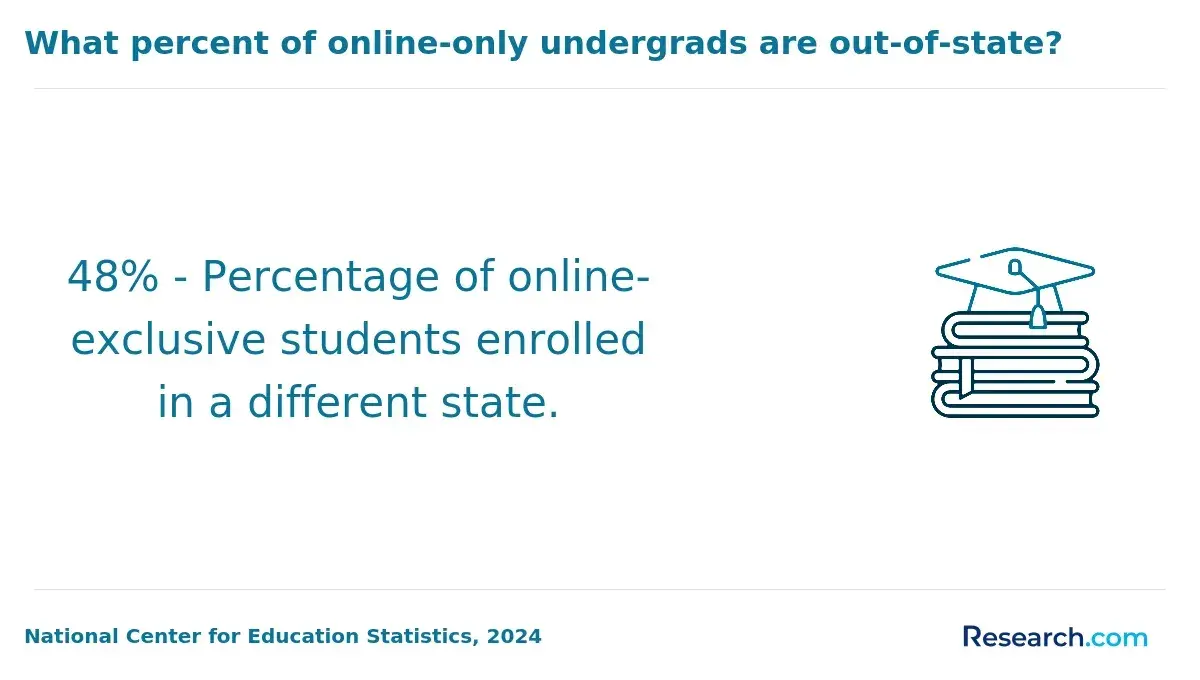
Can You Get Jobs Outside Your Major With a Health Information Management Bachelor's Degree?
Many graduates with a health information management bachelor's degree find themselves working in fields beyond their specific major, thanks to the versatile skills they develop and the changing demands of employers.
Research indicates that 30% to 40% of college graduates take jobs outside their original field, highlighting a growing trend toward career adaptability.
- Transferable Skills: The program builds expertise in critical thinking, data management, compliance, and healthcare regulations. These skills are valuable in various positions that require precision, regulatory knowledge, and analytical thinking beyond traditional health information roles.
- Employer Preferences: Organizations increasingly favor candidates with strong communication, technical, and organizational abilities-qualities cultivated in health information management studies. Such skills equip graduates to succeed in diverse, cross-functional roles across industries.
- Experience and Training: Internships, volunteer opportunities, and additional certifications in areas like business or IT enable graduates to pivot into related or new career paths. Combining degree knowledge with practical experience or specialized training enhances job prospects outside the core field.
Remote work continues to expand rapidly, with a 2023 survey revealing that more than 58% of U.S. employers now provide options for remote or hybrid work. For graduates holding a health information management bachelor's degree, this shift offers a variety of flexible, location-independent career paths that leverage their expertise in healthcare data.
- Health Information Technician: These specialists remotely manage electronic health records, ensuring data accuracy and security. They collaborate virtually with providers and administrators to maintain compliant systems and support telehealth services.
- Medical Coding Specialist: Working from any location, remote coders assign correct billing and insurance codes. Their deep knowledge of coding standards guarantees proper reimbursement and regulatory compliance.
- Compliance Analyst: These professionals monitor healthcare organizations to ensure legal and ethical standards are met. Remote compliance analysts conduct policy reviews, audits, and report findings through digital communication platforms.
- Clinical Data Coordinator: Responsible for managing clinical trial or patient data, this role involves remote collaboration with research teams, using digital tools to analyze and maintain data quality.
- Health Information Manager: Although typically onsite, some managers now work remotely, overseeing data integrity, leading digital transformation, and training staff via online platforms.
One graduate described her early days working remotely as "both challenging and rewarding." She noted that adapting to virtual communication and managing time independently took effort but emphasized that her degree prepared her well for these demands.
"Being comfortable with technology and understanding healthcare data systems made the transition smoother," she reflected, adding that staying proactive and organized was key to succeeding in her remote role.
Many professionals leverage a health information management bachelor's degree as a springboard for changing career paths, thanks to the degree's focus on versatile skills that apply across various sectors.
As workforce demands continue to evolve, approximately 40% of graduates in health-related fields transition into different professions within five years of completing their studies. This trend reflects the degree's role in providing a solid foundation for job flexibility after a health information management bachelor's degree, enabling individuals to adapt to new roles with confidence and ease.
A health information management degree cultivates essential skills such as communication, problem-solving, adaptability, and analytical thinking, all critical for navigating career changes successfully.
Additional factors influencing effective transitions include gaining practical experience through internships or part-time jobs, pursuing self-directed learning like online courses, and utilizing on-the-job training to meet industry-specific demands.
For those interested in expanding their expertise further, exploring medical billing and coding schools online can also provide valuable knowledge to complement their education and support a smoother career shift.
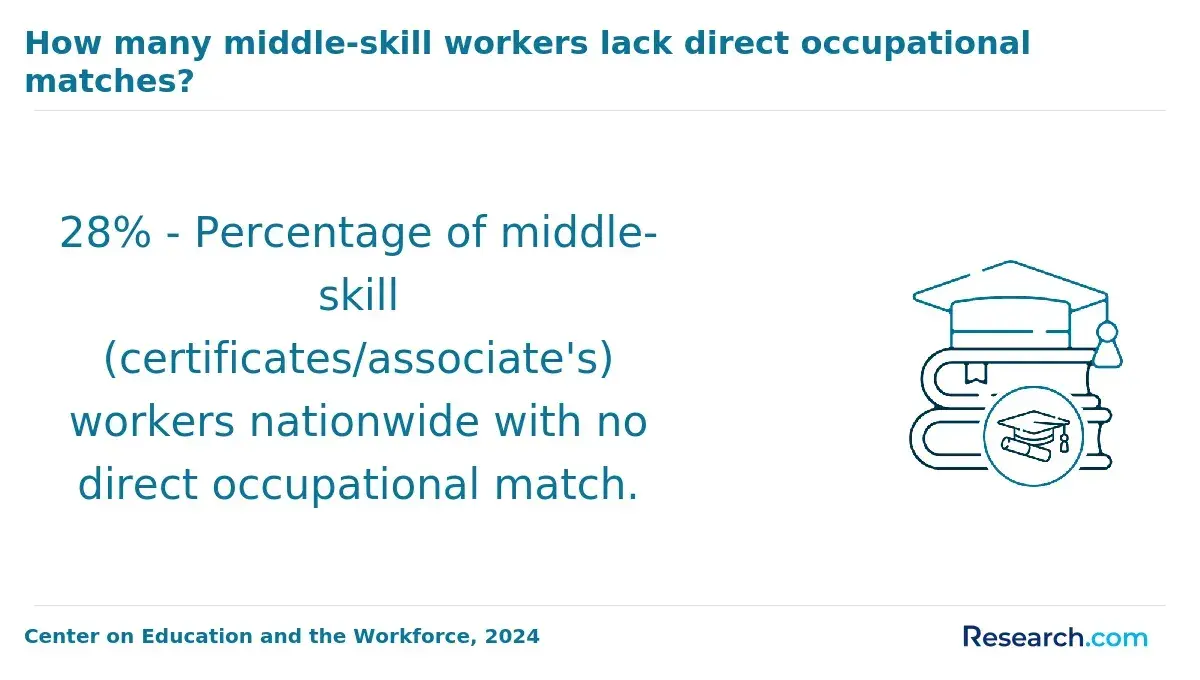
Earning potential for those with a health information management bachelor's degree can vary widely depending on factors like industry, experience, and area of expertise.
Typically, professionals with a bachelor's degree in this field earn substantially more than those with only a high school diploma, especially as they gain specialized skills and take on leadership responsibilities.
- Health Information Manager: This position involves managing an organization's health data systems to ensure accuracy, security, and regulatory compliance. A health information management degree provides essential knowledge for this role, with salaries generally increasing as responsibility grows, often ranging between $70,000 and $100,000 annually.
- Clinical Data Analyst: Professionals in this role analyze healthcare data to support better patient care and operational decisions. The degree equips graduates with the clinical and technical understanding needed here, with typical salaries from $60,000 to $90,000 depending on complexity and employer.
- Healthcare Compliance Manager: This role focuses on ensuring healthcare organizations meet legal and ethical standards regarding patient information privacy and data handling. Salaries are usually between $75,000 and $110,000, reflecting the critical nature of maintaining compliance.
- Health Informatics Specialist: Specialists in this area leverage technology to enhance patient care and optimize health data systems. The degree prepares professionals to handle these technical demands, with salaries often starting around $65,000 and advancing beyond $95,000 with growing experience.
A bachelor's degree in health information management lays a solid foundation for long-term career development, enabling graduates to advance into diverse roles across healthcare and information sectors.
With experience, individuals often move into positions with greater responsibility, such as managerial or director roles, while honing specialized skills in areas like data analytics, compliance, or healthcare technology implementation.
Career growth may also involve leadership opportunities overseeing teams and strategic initiatives or expanding into cross-functional roles that integrate clinical, business, and IT expertise. Such advancement depends heavily on continuous skill development and adapting to evolving healthcare data management needs.
When asked about career growth opportunities, a professional with a health information management bachelor's degree reflected on the realities of progressing beyond entry-level roles.
He described how moving into leadership was initially challenging, requiring him to "navigate complex team dynamics and balance technical responsibilities with people management."
He noted that gaining trust and demonstrating decision-making skills were critical steps, stating, "It wasn't just about what I knew, but how I applied that knowledge to improve workflow and patient outcomes." His experience emphasized how practical challenges shape growth and the importance of ongoing learning in this dynamic field.
Many health information management bachelor's degree graduates find that obtaining additional certifications is beneficial or required for certain jobs.
These certifications validate specialized skills and improve eligibility for roles that demand precise knowledge of healthcare data, quality control, and coding standards. Industry expectations and job responsibilities often dictate which certifications are most relevant.
- Registered Health Information Administrator (RHIA): This certification from the American Health Information Management Association (AHIMA) is essential for managing patient records, ensuring regulatory compliance, and overseeing health information systems.
- Certified Coding Specialist (CCS): Professionals involved in medical coding pursue this AHIMA certification to demonstrate expertise in accurate coding for billing and regulation. Graduates with a health information management degree are well prepared for this credential. For insights on career differences and earning potential, see CCS vs CPC salary.
- Certified Health Data Analyst (CHDA): This credential targets professionals who analyze and manage healthcare data to inform clinical and business decisions. A health information management bachelor's degree provides the foundational analytical skills necessary for this certification.
- Certified Professional in Healthcare Quality (CPHQ): For those focused on quality management, this certification emphasizes patient safety, risk management, and quality improvement. It complements the skills developed in health information management programs seeking certified health information management careers.
While a health information management bachelor's degree offers a strong foundation, certifications play a key role in securing specialized positions and demonstrating commitment to maintaining evolving industry standards.
While a bachelor's degree in health information management opens many career opportunities, certain specialized positions require a master's degree to gain advanced knowledge, specialization, or meet professional licensure requirements.
Research indicates that about 35% of leadership or specialized roles in this field prefer or require candidates to possess graduate education to remain competitive and effective. These positions generally call for deeper expertise not covered by undergraduate programs.
Several health information management careers requiring a master's degree include:
- Health Informatics Specialist: Focused on integrating healthcare data and technology to improve patient outcomes, this role demands technical proficiency and analytical skills often developed through graduate study in health informatics.
- Clinical Data Manager: Tasked with ensuring the accuracy and compliance of clinical trial data, this position typically requires in-depth knowledge of data governance and regulatory standards best acquired in a master's program.
- Healthcare Quality Manager: This role leads quality improvement projects within healthcare organizations, leveraging advanced strategies for measuring outcomes and directing systemic changes, which a master's degree prepares candidates to handle.
- Health Services Manager: Overseeing health services departments involves managing finances, policy, and organizational behavior, making a master's degree important for developing these advanced management competencies.
- Health Information Director: As an executive role, it demands broad expertise in leadership, healthcare law, ethics, and technology, areas strengthened significantly by graduate education.
Completing graduate education supports the development of critical thinking, leadership, and specialized knowledge that extend beyond the scope of an undergraduate degree in health information management.
Prospective students interested in advancing their career prospects may consider programs such as the cheapest online MBA healthcare management which combine affordability with advanced training.
Jobs after a master's degree in health information management often entail greater responsibilities and the ability to lead complex healthcare initiatives effectively.
Employment prospects for health information management professionals are expected to rise steadily, with the U.S. Bureau of Labor Statistics projecting a growth rate close to 9% from 2022 to 2032, surpassing the average for all occupations.
Opportunities differ across sectors such as hospitals, outpatient clinics, and insurance firms, but growing fields like telehealth and health technology startups also offer increasing positions.
Variations in hiring can be influenced by regional demand and economic factors, including shifts in healthcare policies and investments in new technologies.
Professionals equipped with skills in managing electronic health records and understanding privacy standards remain in steady demand. Overall workforce needs reflect the evolving landscape of healthcare data management and regulatory compliance.
Long-term career outlooks in health information management are shaped by several critical factors. Rapid advancements in technology require professionals to stay current with electronic systems and data analytics tools.
The expanding healthcare sector, driven by an aging population and heightened focus on quality outcomes, further boosts demand. Additionally, changes in privacy regulations underscore the importance of expertise in compliance and data security.
Adaptability and technological proficiency are likely to enhance future employment chances as organizations strive to integrate efficient, secure health information systems.
What Graduates Say About the Jobs You Can Get With a Health Information Management Bachelor's Degree
- Jason: "Choosing health information management as my major was driven by my interest in blending healthcare with technology. Graduating with this degree opened doors to roles in medical coding and data analysis, areas where demand is constantly growing. It's rewarding to know my work helps improve patient outcomes through accurate data management."
- Camilo: "Reflecting on my journey, earning a bachelor's in health information management was pivotal in understanding the complexities of healthcare regulations and compliance. Navigating the job market was smoother than expected because employers highly value the analytical and organizational skills this degree cultivates. It's gratifying to contribute to healthcare quality assurance in my current role."
- Alexander: "As a professional in health information management, the bachelor's degree laid the foundation for my career advancement into leadership positions. The program's focus on electronic health records and IT infrastructure gave me a competitive edge in this tech-driven field. Pursuing this degree was a strategic decision that continues to impact my career growth positively."
Other Things You Should Know About Health Information Management Degrees
Jobs in health information management require strong analytical skills to manage and interpret health data accurately. Communication skills are essential for coordinating between medical staff, administrators, and IT professionals. Familiarity with health information systems, data privacy laws, and coding systems like ICD and CPT is also crucial for success in this field.
The RHIA credential from AHIMA can expand access to coding, privacy, and data management roles. Employers may also value CCS or CCA coding certifications from AHIMA and the CHPS privacy certification. RHIA eligibility usually requires graduation from an HIM program accredited by CAHIIM.
Continuing education is important to keep up with evolving healthcare regulations, technology, and coding updates. Many employers encourage or require ongoing certification maintenance and training programs.
Staying current enhances job performance and can open opportunities for advancement within the health information management field.
- Health Information Management Careers https://www.ultimatemedical.edu/blog/explore-careers-health-information-management/
- How Much Can You Make in Health Information Management https://www.herzing.edu/salary/health-information-management
- Professionals changing careers https://cchim.ca/join-the-profession/chim-pathways/changing-careers/
- How is the Job Outlook for Health Informatics? - Healthcare Management Degree Guide https://www.healthcare-management-degree.net/faq/how-is-the-job-outlook-for-health-informatics/
- Is Health Information Management in Demand https://www.cambridgehealth.edu/health-information/health-information-management-career/is-health-information-management-in-demand/
- Remote Health Information Management Jobs https://www.virtualvocations.com/q-remote-health-information-management-jobs.html
- 10 Best Career Paths for Health Information Management https://potomac.edu/best-careers-health-information-management/
- Division of Pre-Health https://lasierra.edu/pre-health/career/health-information-management/
- Careers with a Health Information Management (HIM) Degree https://www.medicaltechnologyschools.com/health-information-management/careers-with-him-degree
- 7 Jobs You Can Get With a Health Information Management Degree https://www.rasmussen.edu/degrees/health-sciences/blog/jobs-with-health-information-management-degree/