2027 How Hard Is an Online Health Information Management Bachelor's Degree?

Co-Founder and Chief Data Scientist
Many working professionals wonder how demanding an online health information management bachelor's degree truly is, especially when balancing full-time jobs and personal commitments. This field requires mastering both medical terminology and data analysis, along with a firm grasp of coding systems and regulatory standards, which can challenge time management and technical skills.
According to the American Health Information Management Association, employment in this sector is projected to grow 13% through 2032, reflecting increasing industry demand. This article examines the academic rigor and practical demands of earning this degree remotely and offers insights on factors that affect its difficulty to help prospective students make informed decisions.
Key Things to Know About the Difficulty of an Online Health Information Management Bachelor's Degree
- Online health information management degrees demand strong time management, as students often balance 12-15 credit hours weekly alongside practical assignments and exams.
- Programs vary significantly in rigor; some prioritize data analytics and coding skills, increasing academic intensity compared to others focusing more on administrative knowledge.
- Self-discipline is crucial, with success rates rising when students actively engage with virtual lectures and maintain consistent study schedules without in-person supervision.
How Hard Is an Online Health Information Management Bachelor's Degree?
The academic difficulty of an online health information management bachelor's degree is often defined by program expectations, learning structure, and overall academic standards. These programs typically blend healthcare knowledge with technology and data management, requiring a strong grasp of complex content and critical thinking skills.
The learning environment usually combines synchronous and asynchronous formats that test students' self-discipline and adaptability.
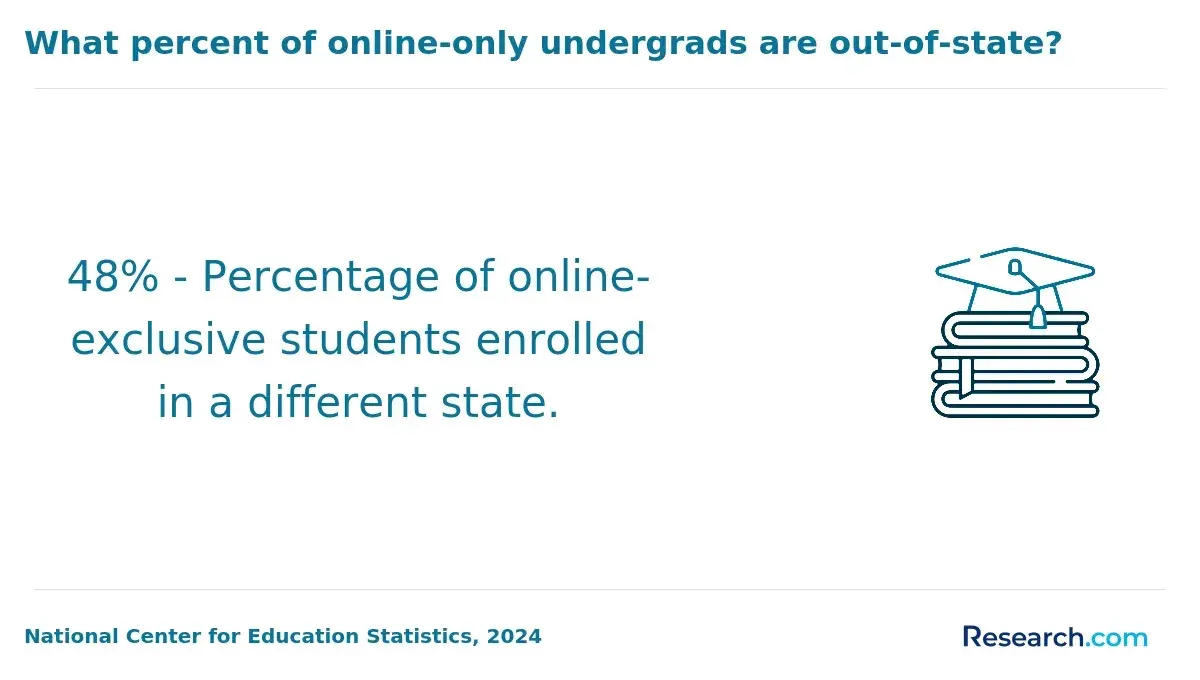
According to data from the National Center for Education Statistics, the six-year graduation rate for online undergraduate students hovers around 50%, highlighting the challenges many face with this form of study and the persistence needed to succeed.
Perceived challenges of completing a health information management degree online vary widely due to differences in curriculum design, institutional priorities, and faculty expertise. Some programs lean heavily on practical applications and integrated projects, while others emphasize theory and policy, impacting the overall rigor experienced by students.
Additionally, individual factors like prior educational background, technological comfort, and motivation can significantly shape how students navigate program demands. Prospective students interested in understanding how much does it cost to become a medical coder may also find that financial investment correlates with access to diverse learning resources, influencing academic experience as well.
What Is the Workload and Time Commitment for an Online Health Information Management Bachelor's Degree?
Students considering an online Health Information Management bachelor's degree should be aware of the academic workload and time commitment involved to plan their schedules effectively. According to the National Survey of Student Engagement, undergraduates devoting more than 15 hours weekly to academic work tend to experience higher engagement and learning outcomes.
With these expectations in mind, here are key aspects of workload and pacing in this field.
- Credit Hour Load: Full-time students typically enroll in 12 to 15 credit hours per semester, amounting to approximately 36 to 45 hours of weekly study. This time includes lectures, readings, assignments, and exam preparation.
- Academic Pacing: Programs vary between traditional semester calendars and accelerated courses lasting six to eight weeks. Accelerated schedules often require a more intensive weekly commitment, even though total credit requirements remain the same.
- Course Scheduling: Many online courses utilize asynchronous formats, allowing students to complete work on their own time within set deadlines. This flexibility demands disciplined time management to avoid falling behind.
- Program Variation: Institutions differ in how they structure their Health Information Management degrees, with some allowing students to customize course loads. Such options may reduce weekly hours but extend the total time to degree completion.
- Workload Composition: Study time often involves a blend of recorded lectures, discussion participation, quizzes, papers, and group projects, reflecting diverse learning activities across programs.
Balancing these demands is critical, and for many, exploring options like the cheapest way to become a nurse can offer insights into related healthcare education pathways with varying time requirements.
How Difficult Are the Courses in a Health Information Management Bachelor's Degree?
Assessing course difficulty is essential for students considering online health information management bachelor's degrees, as it influences workload and academic planning. According to a National Survey of Student Engagement, about 45% of undergraduates find their courses highly challenging.
Below are key aspects that shape the academic rigor of these programs.
- Curriculum Rigor: The coursework merges healthcare knowledge with IT and administration, demanding a comprehensive understanding across disciplines. This multidisciplinary approach raises the intellectual demands on students compared to more focused programs.
- Subject Complexity: Students tackle intricate topics like medical coding, healthcare regulations, data security, and information systems. These areas require analytical skills and attention to detail, especially where legal and privacy concerns are involved.
- Assessment Variety: Programs use diverse evaluation methods such as exams, case studies, research papers, and hands-on projects. This blend ensures students must both grasp theoretical concepts and apply them in practical scenarios.
- Institutional Differences: The level of challenge may differ between schools due to varying curricula, faculty experience, and accreditation standards. Such variations affect how demanding the program feels to students.
- Progressive Difficulty: Coursework typically starts with basics like healthcare terminology and system introductions, advancing to complex subjects such as data analytics and health informatics in later stages. This gradual increase requires sustained effort over time.
A graduate of an online health information management bachelor's degree shared that while the early courses were manageable, the upper-level classes really pushed their limits. They recalled spending late nights decoding legal case studies and repeatedly revising coding assignments to meet precise requirements.
"It wasn't just reading and memorizing," they said, "but applying concepts to realistic, sometimes ambiguous, problems that made the learning intense but rewarding."
Perceptions of difficulty between online and in-person health information management degree programs vary depending on the format and delivery of course materials. Both avenues cover identical core content, but student experience differs with instructional methods and academic expectations.
A report by the National Center for Education Statistics showed that around 70% of students in healthcare fields achieved similar grades regardless of whether they studied online or face-to-face, highlighting that the challenge level depends more on program structure than delivery mode.
This reflects how the difficulty of an online health information management degree comparison must consider more than just the setting.
Differences in course design, assessments, and learning environment contribute to how manageable a program feels. Online health information management programs typically emphasize digital interactions such as quizzes, discussion forums, and timed exams, which may intensify academic demands for some students.
In contrast, in-person courses often provide immediate instructor feedback and hands-on opportunities, shaping a different learning dynamic. Given these factors, a student's experience with challenges of online versus in-person health information management programs largely reflects institutional choices rather than inherent difficulty.
For those seeking colleges with free application fees, visiting colleges with free application fees can simplify the enrollment process.
Balancing work, family, and school commitments makes flexibility a key factor for students pursuing an online health information management bachelor's degree. Many working adults need programs that accommodate their complex and changing schedules. Recent data show that over one-third of college students now study exclusively online, with a large portion being full-time professionals.
This growing demand underscores the importance of flexible degree options, which often take several forms:
- Adaptable Learning Formats: Asynchronous classes let students engage with coursework when it fits their daily routines, providing control over study times.
- Flexible Scheduling: Programs may offer accelerated or extended timeline options, allowing learners to either speed up or slow down their progress based on their capacity.
- Institutional Differences: Some schools prioritize self-paced courses, while others stick to structured semesters with set deadlines; choosing the right fit depends on individual needs.
- Accessibility: Course materials and tests accessible on multiple devices make it easier for students who juggle travel or irregular work hours to stay on track.
A student enrolled in an online health information management bachelor's degree shared that adapting to the program's flexibility was initially challenging but essential. She found that being able to complete assignments late at night after work helped her maintain steady progress without compromising job responsibilities.
Although managing deadlines with varying workloads occasionally caused stress, the freedom to decide when to study was invaluable in sustaining motivation and balancing life's demands.
Success in an online health information management bachelor's program depends on mastering certain critical skills that influence academic achievement and program completion.
Studies show that students who excel in self-regulation are 30% more likely to graduate from online programs than those who struggle with this skill. Recognizing these competencies helps students prepare for the challenges posed by remote learning environments.
Below are the key abilities that contribute to thriving in such programs:
- Time Management: Flexibility in online study demands that students independently plan and prioritize their tasks, balancing coursework with other responsibilities. Without strong organizational skills, it's easy to fall behind in courses that often progress at a self-driven pace.
- Self-Directed Learning: Online programs require learners to proactively seek out materials, conduct research, and solve problems with minimal supervision. This autonomy fosters a deeper understanding of complex health information management concepts and sustains ongoing engagement.
- Digital Literacy: Competency in navigating learning platforms, specialized software, and communication tools is essential. Proficiency with technology supports effective participation in virtual labs, assignments, and instructor interactions.
- Communication Skills: Clear writing and verbal expression are vital as coursework relies heavily on discussion boards, emails, and presentations. Strong communication promotes collaboration and comprehension of nuanced subject matter.
- Academic Discipline: Staying focused amidst the distractions common in remote settings requires consistent dedication and well-developed study habits. This discipline undergirds success throughout the entire program.
Students often compare the difficulty of a health information management bachelor's degree with other academic programs to gauge the unique challenges they may encounter. Perceptions of academic rigor differ widely across disciplines, shaped by factors such as curriculum demands, teaching methods, and evaluation criteria.
According to data from the National Center for Education Statistics, health-related degrees have a completion rate of approximately 65%, which positions them above many STEM fields but below some humanities majors. This suggests that degree difficulty encompasses not just content depth but also student readiness and institutional support.
Difficulty among majors varies due to differences in curriculum design, subject complexity, assessment styles, and academic standards. Health information management integrates science, technology, and healthcare regulations, requiring mastery of anatomy, medical coding, data systems, and legal compliance.
Assessment methods combine exams, projects, and real-world case studies, reflecting the program's interdisciplinary nature. By comparison, engineering programs tend to emphasize advanced mathematics and physics, while liberal arts focus more on critical thinking and writing skills, illustrating that perceived difficulty depends heavily on both individual aptitude and program structure.
Prospective students considering an online health information management bachelor's program benefit from understanding the common difficulties they may face. This insight helps set realistic expectations and prepares students for the academic rigor involved. Recognizing key challenges also clarifies what skills and commitments are necessary to succeed.
Key issues frequently encountered in online health information management programs include the following:
- Autonomous Learning Demands: Online education requires students to independently manage their learning without the immediate presence of instructors or peers. This level of autonomy demands strong self-discipline and initiative, which can be challenging for those new to remote education environments.
- Time Management Complexity: Balancing coursework with personal and professional obligations is difficult without fixed class schedules. The flexibility offered by online formats can complicate maintaining consistent study routines, highlighting common time management challenges for online health information management students.
- Digital Platform Navigation: Programs rely heavily on diverse software tools and learning management systems. Students must quickly adapt to these technologies to access lectures, submit assignments, and engage in online discussions effectively.
- Academic Workload Expectations: The curriculum is rigorous, requiring mastery of health information management principles along with regulatory standards and technical skills. Assignments, exams, and projects reflect the profession's complexity and demands thorough preparation.
- Institutional Support Variability: Support services such as tutoring, advising, and technical help vary widely across programs. Some students receive extensive support, while others must seek assistance externally, adding to the overall challenge.
Students who navigate these challenges acquire competencies that lead to not only academic achievement but also potential high paying jobs with a biology degree and related fields.
Support systems play a critical role for students considering an online health information management bachelor's degree, helping to bridge the gap created by limited face-to-face interaction. These resources are essential for maintaining engagement and managing the unique challenges of online coursework.
According to the National Center for Education Statistics, students who actively engage with academic advising and support services experience retention rates approximately 20% higher than those who do not.
Key resources for online health information management bachelor's students include:
- Academic Advising: Dedicated advisors assist with course selection, degree planning, and career guidance. They help students develop personalized strategies to balance academic and professional responsibilities effectively.
- Digital Learning Tools: Programs use interactive learning management systems that host lectures, readings, assessments, and discussion forums. Additional resources, such as virtual libraries and simulation software, support mastery of managing health data and medical records.
- Peer Collaboration: Online discussion boards, study groups, and group projects foster a collaborative community. This peer interaction promotes knowledge sharing and problem-solving crucial for navigating healthcare data management.
- Institutional Support Services: Tutoring centers, writing assistance, and technical help desks address a wide range of academic needs, while mental health counseling and time management workshops focus on student well-being and motivation.
For further insights on advanced education in healthcare, students may explore the best doctorate of healthcare administration programs, which complement knowledge gained through bachelor's degree studies.
Many students question whether pursuing an online health information management bachelor's degree justifies the academic effort and time commitment it demands. Balancing coursework with other responsibilities can be challenging, making it essential to consider if the investment leads to meaningful outcomes.
Data shows that graduates with bachelor's degrees in health-related fields often experience a higher employment rate and increased earning potential compared to those with only an associate degree. This statistic highlights the potential long-term financial benefits that influence students' decisions to enroll.
The value of the degree depends largely on institutional quality and program rigor. Accredited programs maintain curriculum standards that ensure graduates acquire relevant skills aligned with industry requirements in health information management.
Additionally, reputable programs update coursework to reflect evolving workforce needs, enhancing graduates' preparedness for certification and employment. While the time and effort required vary by institution, the degree's alignment with professional standards can support career advancement in a growing sector.
What Graduates Say About How Hard Is an Online Health Information Management Bachelor's Degree
- Jason: "Choosing an online health information management degree was all about flexibility for me, since I was working full-time while studying. The coursework was definitely challenging, especially balancing assignments with real-world data compliance issues, but staying organized helped me push through. Now, I see how the degree has opened doors in healthcare administration that wouldn't have been accessible otherwise."
- Camilo: "I initially underestimated how demanding an online health information management program would be, particularly when it came to mastering complex coding systems and legal regulations remotely. It required a lot of self-discipline and active participation in virtual discussions to stay engaged. Reflecting back, that rigor truly prepared me for the fast-paced nature of my current role in health data analytics."
- Alexander: "What stood out most during my online health information management studies was the ability to learn at my own pace while still being challenged by technical coursework and ethical considerations in healthcare records. The hardest part was managing time effectively without on-campus structure, but it sharpened my project management skills. Earning this degree made a significant difference in advancing my career as a certified health information professional."
Other Things You Should Know About Health Information Management Degrees
Students need basic college-level math for statistics, data analysis, and quality reporting. Most programs require one or two quantitative courses, often including introductory statistics, and expect comfort with percentages, ratios, and spreadsheet calculations used in coding, compliance, and patient data management.
While a background in biology or healthcare can ease the learning curve for certain subjects like medical terminology or anatomy, it is not strictly required. The program is designed to build foundational knowledge, so students without prior experience can succeed with consistent study and engagement.
In 2027, online health information management bachelor's programs commonly include assessments such as quizzes, exams, research papers, and projects. These evaluations test students' understanding of healthcare data systems, coding, and regulatory compliance, ensuring that they gain comprehensive skills needed for the field.
- Health Information Management Degree https://www.uagc.edu/online-degrees/bachelors/health-information-management
- Health Information Management Bachelor’s Program https://www.cambridgehealth.edu/health-information-management/
- Five Tips for Health Informatics Students - Healthcare Management Degree Guide https://www.healthcare-management-degree.net/list-articles/five-tips-for-health-informatics-students/
- Health Informatics vs. Health Information Management: Differences and Similarities https://www.nec.edu/news/health-informatics-vs-health-information-management
- Health Information Management (BS) https://www.uagrantham.edu/online-degrees/health-information-management-bachelor-science/
- 5 Key Skills You Need For a Career in Health Information Management https://www.herzing.edu/skills/health-information-management
- 15 Best Online Bachelor's in Health Information Management - Top Management Degrees https://www.topmanagementdegrees.com/rankings/best-online-bachelors-health-information-management/
- What is the difference in a Health Informatics degree program and a Health Information Management degree program? https://www.onlineschoolscenter.com/difference-health-informatics-health-information-management/
- Online Health Information Management Degree https://www.snhu.edu/online-degrees/bachelors/bs-in-health-information-management
- Top Most Affordable Online Bachelor’s Degrees in Health Information Management 2020 - Healthcare Administration Degree Programs https://www.healthcare-administration-degree.net/best/affordable-online-bachelors-degrees-health-information-management/