2027 Online Health Administration Doctorate Programs with Specializations: Concentrations, Tracks, and Career Paths

Co-Founder and Chief Data Scientist
Choosing an online Health Administration doctorate is really choosing a direction for your leadership, research, and career. The U.S. Bureau of Labor Statistics projects 29% growth for medical and health services managers from 2023 to 2033, much faster than average, which makes advanced specialization more important for competitive roles.
This guide is for healthcare professionals comparing concentrations, tracks, and doctoral formats. You will learn how each option can shape coursework, dissertation topics, faculty fit, and career paths so you can choose a program with a clearer return on your time and tuition.
Key Things You Should Know
- Specializations usually signal a defined subject area, concentrations often bundle elective coursework around that area, and tracks may indicate a broader program pathway such as research, executive leadership, policy, or education.
- Most online Health Administration doctorates take about 3 to 5 years after a master's degree and commonly include 45 to 70 credits, but dissertation, capstone, and residency requirements can change the timeline.
- The strongest salary alignment is typically with executive leadership, strategy, informatics, quality, policy, and finance-focused tracks; BLS reported a $117,960 median annual wage for medical and health services managers in May 2024.
What Are the Best Specializations and Concentrations for an Online Health Administration Doctorate?
The best specialization is the one that matches your current experience, the problems you want to solve, and the role you want after graduation. In online Health Administration doctoral programs, a specialization is usually a named area of expertise, a concentration is often a set of related courses within the degree, and a track may describe a broader pathway, such as research, executive practice, or teaching.
Because schools use these terms differently, you should compare actual curricula rather than relying on the label alone. The table below summarizes common options and how each one tends to affect coursework, research focus, and career direction:
| Specialization or concentration | Best fit for | Common coursework focus | Typical research or project focus | Career paths it may support |
| Healthcare leadership and executive management | Experienced managers seeking senior leadership roles | Strategy, governance, organizational change, executive decision-making | Leadership models, workforce transformation, system performance | Chief operating officer, hospital executive, system administrator |
| Health policy and advocacy | Professionals interested in regulation, public programs, and reform | Policy analysis, healthcare law, reimbursement, public administration | Access, equity, Medicaid or Medicare policy, regulatory impact | Policy director, government health administrator, advocacy executive |
| Healthcare quality and patient safety | Clinicians and administrators focused on measurable care improvement | Quality improvement, risk management, patient safety science, outcomes measurement | Error reduction, safety culture, care transitions, quality metrics | Quality director, patient safety officer, performance improvement executive |
| Health informatics and data analytics | Administrators who want to lead digital health, analytics, or information strategy | Health data systems, analytics, interoperability, privacy, decision support | EHR adoption, analytics-driven operations, data governance | Chief information officer, analytics director, informatics executive |
| Healthcare finance and economics | Professionals pursuing revenue, budgeting, managed care, or payer-side roles | Financial management, health economics, reimbursement, value-based payment | Cost containment, payment models, service-line profitability | Finance executive, revenue cycle leader, managed care administrator |
| Population health and public health administration | Leaders working across communities, systems, nonprofits, or public agencies | Epidemiology for administrators, population health strategy, community assessment | Chronic disease programs, health disparities, community interventions | Population health director, public health administrator, nonprofit executive |
| Healthcare education or academic leadership | Professionals who want to teach, design curricula, or lead training programs | Adult learning, curriculum design, assessment, academic administration | Workforce education, leadership development, doctoral pedagogy | Faculty member, program director, clinical education administrator |
Leadership and executive management is often the most flexible concentration because nearly every healthcare setting needs leaders who understand operations, finance, people, and regulation. It is a strong choice if you want broad advancement rather than a narrow technical niche.
Health informatics and analytics may be a better fit if you want to lead digital transformation, AI adoption, data governance, or technology-enabled quality improvement. This track can be especially useful for administrators who already work with electronic health records, revenue cycle data, population health dashboards, or operational analytics.
Quality and patient safety is a strong option for professionals who want measurable, practice-based outcomes. It is often chosen by nurses, clinical managers, risk leaders, and administrators who want to improve care delivery rather than move fully into finance or policy.
Policy, population health, and public health administration concentrations make sense if you want to work beyond a single hospital or clinic. These tracks often fit professionals interested in government agencies, associations, community health organizations, payer systems, and equity-focused leadership.
Healthcare finance is usually more quantitative and business-oriented. It may be a good fit if you want to lead budgets, payer negotiations, revenue cycle strategy, or value-based care initiatives, but it may feel too narrow if your long-term goal is teaching, research, or community health leadership.
How Do I Choose the Right Track in My Health Administration Doctoral Degree?
Start with your target role, not the most impressive-sounding concentration name. A doctoral track should connect your past experience, planned research, faculty mentorship, and future job market in a way that makes sense to employers or academic search committees.
If you are still building your graduate foundation, comparing a masters in healthcare administration can also help you see which subjects you enjoy before committing to a doctoral specialization. At the doctoral level, the cost of switching direction is higher because your dissertation, committee, and professional network may all be tied to your chosen focus.
Use the following steps to evaluate a track before you enroll. These steps are especially important in online programs because the specialization may depend heavily on faculty availability, virtual research support, and limited elective rotation schedules:
- Write a one-sentence career goal, such as "I want to become a health system quality executive" or "I want to teach healthcare administration at the graduate level."
- Map that goal to a specialization by checking whether the required courses directly support the role's core responsibilities.
- Review faculty profiles to confirm that at least two faculty members publish, consult, or lead projects in your area of interest.
- Ask whether your dissertation, applied doctoral project, or capstone can be completed using data from your workplace or professional setting.
- Compare elective availability across multiple terms so you do not choose a concentration that is advertised but rarely offered online.
- Check whether the track supports credentials, certifications, or professional memberships valued in your target field.
Common mistakes usually happen when students choose a track for prestige rather than fit. These red flags can help you avoid a mismatch before you commit.
- Choosing informatics without enough interest in data governance, technology implementation, or privacy issues.
- Choosing finance mainly for salary potential even though you prefer people leadership, operations, or public health work.
- Choosing a research-heavy Ph.D. track when your goal is an applied executive role and you do not want an academic research career.
- Choosing a highly specialized concentration without checking whether employers in your region or sector use that title.
- Ignoring residency, synchronous course, or practicum requirements that may conflict with full-time work.
A broad leadership track is often better if you are aiming for general executive advancement. A niche track is usually better if you already know the field you want to enter, have relevant work experience, and can produce a dissertation or applied project that demonstrates credible expertise.
What Career Paths Can I Pursue With a Doctorate in Health Administration?
A doctorate in Health Administration can support executive, academic, consulting, policy, quality, and data-focused careers. It is not a license to practice medicine or nursing, and it does not automatically place graduates into senior roles, but it can strengthen qualifications for positions that require strategic leadership, research literacy, and complex organizational decision-making.
The BLS reported a May 2024 median annual wage of $117,960 for medical and health services managers. That figure covers a broad occupation, so it should be used as labor-market context rather than a promise of earnings; pay varies by sector, geography, organization size, experience, and whether the role is executive, technical, academic, or operational.
The table below connects common doctoral concentrations with career paths. Use it to identify which options align with your preferred responsibilities, not just a job title:
| Career path | Aligned doctoral focus | Typical responsibilities | Best fit for |
| Hospital or health system executive | Leadership, finance, operations | Oversee departments, budgets, strategy, compliance, and performance goals | Experienced managers seeking C-suite or senior administrator roles |
| Quality and patient safety leader | Quality improvement, patient safety, analytics | Lead safety initiatives, reduce adverse events, track outcomes, manage accreditation readiness | Clinicians or administrators who prefer measurable improvement work |
| Health informatics executive | Informatics, data analytics, digital health | Guide EHR strategy, data governance, reporting systems, technology adoption, AI oversight | Professionals bridging administration, operations, and information systems |
| Policy or public agency administrator | Health policy, public health administration, population health | Analyze regulations, manage programs, evaluate access and equity initiatives, advise leadership | Professionals interested in system-level change outside direct facility management |
| Healthcare consultant | Strategy, finance, quality, operations, analytics | Advise organizations on performance, change management, compliance, cost, and process redesign | Experienced leaders who can translate doctoral research into practical recommendations |
| Faculty member or academic program leader | Research, education, academic leadership | Teach, publish, mentor students, design curricula, assess programs, participate in governance | Professionals who want academic or training-focused careers |
Some paths require credentials beyond the doctorate. For example, health information management leadership may value RHIA, informatics, privacy, or analytics-related credentials depending on the role. If you are exploring data-heavy administrative careers, reviewing health information management salary context can help you compare informatics-adjacent pathways before choosing a doctoral concentration.
The strongest career fit usually comes from combining the doctorate with prior experience. A finance concentration is more convincing when paired with budget, payer, or revenue cycle experience. A quality concentration is stronger when paired with clinical operations, safety, or performance improvement work. A faculty path is stronger when the program includes research design, teaching experience, and scholarly writing support.
Which Health Administration Doctoral Concentrations Lead to the Highest-Paying Jobs?
No concentration guarantees a higher salary, but some align more closely with roles that often have greater compensation potential. Executive leadership, finance, informatics, analytics, strategy, and operations tracks tend to connect with senior roles in large systems, consulting firms, payers, technology-enabled healthcare organizations, and corporate healthcare settings.
BLS May 2024 wage data for medical and health services managers reported that the highest-paying industry among major employer categories was pharmaceutical and medicine manufacturing, with a median annual wage of $212,150.
This does not mean most Health Administration doctorate graduates work in that sector, but it shows how compensation can rise when administrative expertise is applied in complex, high-revenue healthcare industries.
The table below shows how concentrations may relate to higher-paying leadership markets. Treat this as a planning tool, not a ranking of guaranteed outcomes:
| Concentration | Why it may support higher-paying roles | Roles commonly associated with the concentration | Main trade-off |
| Executive leadership and strategy | Applies broadly to senior roles responsible for organizational performance | Chief operating officer, service line executive, system administrator | Highly competitive; experience often matters as much as the degree |
| Healthcare finance | Connects to revenue, cost control, payer strategy, and value-based payment | Chief financial officer, revenue cycle executive, managed care administrator | Requires comfort with financial analysis and reimbursement complexity |
| Informatics and analytics | Supports digital transformation, data governance, reporting, and AI-related oversight | Chief information officer, analytics executive, informatics director | May require technical fluency beyond traditional administration coursework |
| Quality and performance improvement | Connects to accreditation, outcomes, safety, and measurable system improvement | Chief quality officer, patient safety executive, performance improvement leader | Often requires deep operational or clinical credibility |
| Policy and population health | Can lead to influential public, payer, nonprofit, or consulting roles | Policy director, population health executive, public health administrator | Pay can vary widely by employer type, especially between nonprofits and private organizations |
If pay is a major factor, evaluate concentrations through three questions: Which employers hire for this expertise, how senior are those roles, and what experience do they expect before the doctorate adds value? A specialized degree can strengthen your profile, but it is usually most powerful when it amplifies a track record you already have.
Are Online Health Administration Doctorate Degrees Respected by Employers and Academic Institutions?
Online Health Administration doctorates can be respected when they come from properly accredited institutions, use rigorous doctoral standards, and provide credible research or applied project expectations. Employers usually care less about the delivery format than about institutional reputation, accreditation, curriculum quality, leadership relevance, and whether the graduate can apply advanced evidence-based thinking to real healthcare problems.
Respect depends on the type of doctorate and the role you want. A professional doctorate such as a DHA, DrPH, or DBA with a healthcare concentration may be well suited for executive and applied leadership roles. A Ph.D. may be preferred for tenure-track academic roles, research-intensive appointments, or positions requiring advanced methodological training.
When evaluating online credibility, focus on concrete indicators instead of marketing language. The following checks can help you separate strong online programs from weak ones:
- Confirm institutional accreditation from an agency recognized by the U.S. Department of Education or the Council for Higher Education Accreditation.
- Check whether the healthcare administration, public health, business, or informatics unit has field-relevant accreditation when applicable.
- Review faculty qualifications, publications, executive experience, and dissertation supervision history.
- Ask whether online students receive the same library access, research support, advising, and career services as campus students.
- Look for transparent dissertation, capstone, residency, and graduation requirements before enrolling.
- Ask admissions staff for examples of recent dissertation or applied project topics within your chosen specialization.
Be cautious with programs that promise rapid completion without explaining dissertation expectations, avoid naming faculty, use unclear accreditation claims, or advertise senior job outcomes without evidence. A respected online doctorate should make the academic workload, research standards, and student support model easy to verify.
How Do Online Health Administration Doctoral Programs Handle Research and Dissertation Requirements?
Online Health Administration doctoral programs usually handle research through a combination of virtual coursework, faculty supervision, research methods sequences, proposal development, and either a dissertation or applied doctoral project. The specialization you choose can significantly shape the question you study, the methods you use, and the data you need to access.
In a Ph.D. program, the dissertation usually emphasizes original scholarly research and theory development. In a professional doctorate, the final project may focus more on solving a practice-based problem, such as reducing readmissions, improving access, strengthening cybersecurity governance, or evaluating a quality initiative.
The table below compares how different tracks may shape doctoral research. This matters because a concentration that sounds attractive may require data access, methodological skills, or faculty expertise that you do not currently have:
| Track | Common research approach | Possible dissertation or project topic | What to verify before enrolling |
| Leadership | Organizational analysis, qualitative interviews, mixed methods | Leadership strategies for reducing burnout in multi-site healthcare systems | Faculty expertise in healthcare leadership and organizational change |
| Quality and patient safety | Outcomes evaluation, process improvement, quantitative or mixed methods | Improving medication reconciliation during care transitions | Access to quality data and approval processes at your workplace |
| Informatics | Data governance analysis, implementation study, analytics evaluation | Barriers to executive adoption of predictive analytics dashboards | Technical expectations, privacy requirements, and data-use approvals |
| Policy | Policy analysis, document review, stakeholder interviews | Effects of reimbursement policy on rural hospital service availability | Faculty with policy expertise and access to public or institutional data |
| Education | Curriculum evaluation, learning assessment, qualitative or mixed methods | Doctoral mentoring models for working healthcare professionals | Opportunities to teach, assess learners, or study educational programs |
Before choosing a program, ask how dissertation chairs are assigned, whether you can select a chair aligned with your concentration, and whether online students can use workplace data. You should also clarify whether the program requires synchronous defenses, on-campus residencies, institutional review board approval, or publication-ready manuscripts.
The best research topic is narrow enough to finish, important enough to matter, and aligned with your career story. If your goal is a quality leadership role, a dissertation on patient safety systems can strengthen your professional narrative. If your goal is academia, a methodologically strong study in healthcare administration theory may be more useful.
Can I Work Full-Time While Pursuing an Online Health Administration Doctorate?
Many online Health Administration doctoral students continue working full-time, especially in professional doctorate programs designed for experienced healthcare leaders. The format can make the degree more accessible, but it does not make doctoral study easy; reading, research design, data collection, writing, and revisions often require sustained weekly time.
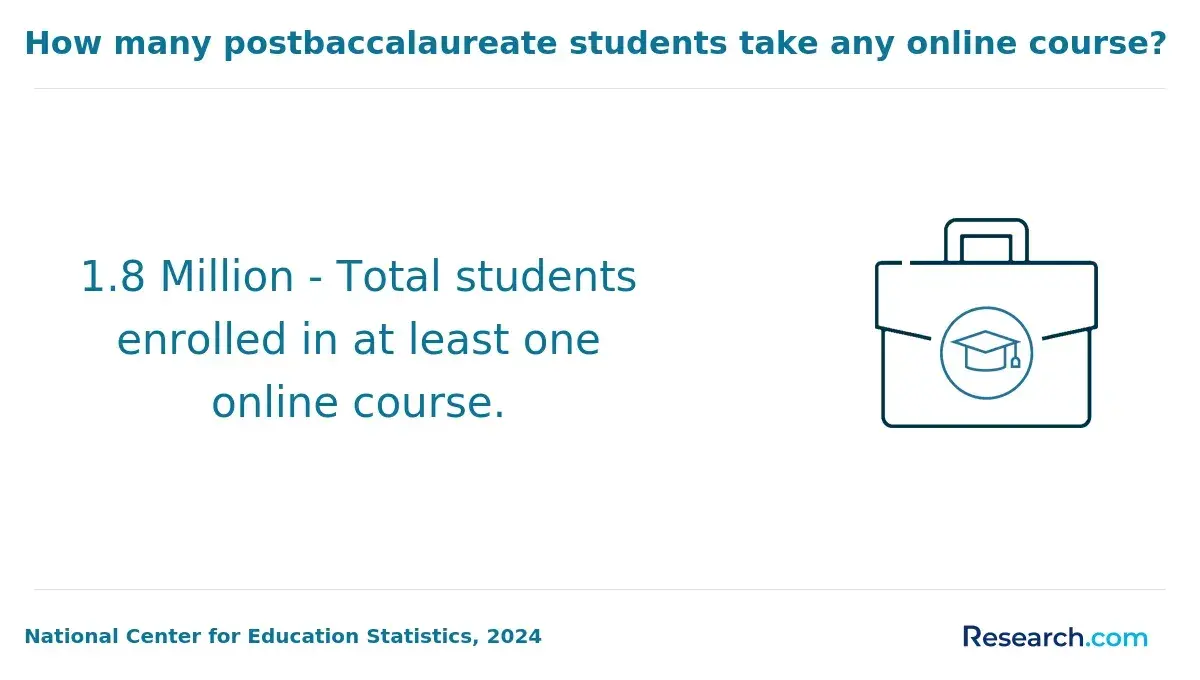
Online graduate enrollment has become mainstream, and many healthcare professionals now compare flexible formats before committing to advanced study. If time is your biggest constraint, reviewing accelerated healthcare programs can help you understand the trade-offs between speed, workload, and flexibility before you choose a doctoral path.
Working students should evaluate format details carefully because "online" can mean asynchronous, synchronous, hybrid, cohort-based, self-paced, or residency-supported. The following factors have the biggest effect on whether full-time work is realistic:
- Course load per term, especially whether the program permits one course at a time during demanding work seasons.
- Synchronous meeting times, including evening seminars, dissertation group sessions, or required live presentations.
- Residency requirements, including travel days, campus intensives, or weekend executive sessions.
- Dissertation timeline, especially whether research milestones are embedded in courses or left mostly to independent work.
- Employer support, such as tuition assistance, schedule flexibility, access to organizational data, or permission to conduct workplace research.
- Family and caregiving obligations, which can affect writing time more than scheduled class time.
A practical strategy is to choose a specialization that overlaps with your job. For example, a quality manager may be able to turn workplace improvement questions into an applied doctoral project, while an informatics director may study data governance or implementation barriers. This alignment can reduce duplication between school and work, although it still requires ethical approval and clear boundaries.
What Are the Admission Requirements for a Health Administration Doctoral Program Online?
Admission requirements vary by school and degree type, but most online Health Administration doctoral programs expect applicants to show graduate-level preparation, professional experience, writing ability, and a clear reason for doctoral study.
More selective programs may also evaluate leadership record, research readiness, quantitative skills, and fit with available faculty expertise.
Common requirements include the items below. Always verify details directly with each school because requirements can differ for DHA, Ph.D., DrPH, DBA, and Ed.D.-style healthcare leadership programs:
- A master's degree, often in healthcare administration, public health, business, nursing, health informatics, public administration, or a related field.
- Official transcripts showing prior graduate coursework and, in many programs, a minimum GPA requirement.
- A professional resume or curriculum vitae documenting healthcare, management, clinical, public health, policy, or administrative experience.
- A statement of purpose explaining career goals, research interests, and why the chosen specialization fits your plans.
- Letters of recommendation from supervisors, faculty, executives, or professional colleagues who can evaluate leadership and scholarly potential.
- A writing sample, interview, research concept paper, or admissions essay for programs that emphasize dissertation readiness.
- Proof of English proficiency for applicants whose prior education was not completed in English, when required by the institution.
Some programs require a master's-level statistics or research methods course. Others allow conditional admission if you complete prerequisite coursework early in the program. GRE or GMAT requirements are less common in many professional online doctorates than they once were, but research-heavy Ph.D. programs may still require or recommend standardized test scores.
Your specialization can affect admission strength. For example, an informatics applicant is stronger with technology, analytics, or data governance experience. A policy applicant benefits from public agency, advocacy, payer, or community health experience. A future academic should show interest in research, teaching, publishing, or curriculum development.
How Much Does an Online Health Administration Doctoral Degree Cost and How Can I Fund It?
The cost of an online Health Administration doctorate depends on tuition per credit, required credits, residency fees, technology fees, dissertation continuation fees, travel, books, and the amount of time it takes to finish. Because doctoral programs often charge for dissertation enrollment after coursework, a delayed dissertation can increase total cost substantially.
NCES reported in its 2024 Digest of Education Statistics that average graduate tuition and required fees were $12,596 at public institutions and $29,931 at private nonprofit institutions for the 2022-2023 academic year.
These are broad graduate averages rather than doctorate-specific healthcare administration prices, but they are useful benchmarks when comparing whether a program's tuition is unusually high or low.
The table below shows major cost factors to compare. Use it to look beyond the advertised per-credit price:
| Cost factor | Why it matters | Questions to ask |
| Tuition per credit | Determines the largest visible cost, especially in 45- to 70-credit programs | Is the online tuition rate different from campus tuition? |
| Dissertation or doctoral project fees | Can continue after coursework if research takes longer than expected | Are there continuation credits or fees after the proposal stage? |
| Residency or travel costs | Online programs may still require campus visits or intensives | How many visits are required, and who pays for travel? |
| Technology and student fees | Can add recurring costs each term | Are online platform, library, graduation, or advising fees mandatory? |
| Employer tuition assistance | Can reduce out-of-pocket cost but may require continued employment | Does my employer cover doctoral coursework or only master's-level study? |
| Time to completion | Longer enrollment may increase fees and opportunity cost | What is the typical completion time for working online students? |
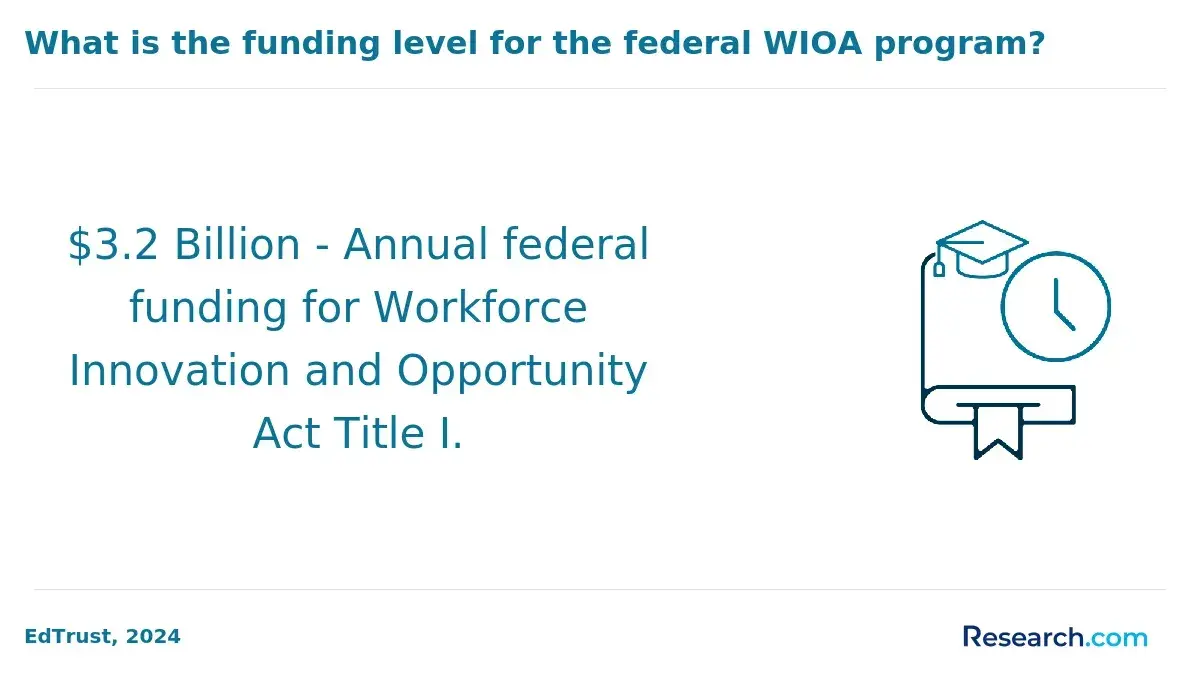
Students commonly fund the degree through federal student aid, employer tuition benefits, scholarships, military or veteran benefits, payment plans, professional association awards, and personal savings. If affordability is your first filter, researching the cheapest online healthcare administration degree options at earlier degree levels can also help you understand how tuition models vary before comparing doctoral pricing.
To evaluate return on investment, compare the program's total cost with the roles you realistically qualify for, not only the roles you eventually hope to reach. A specialized doctorate may be worth the cost if it helps you compete for leadership, consulting, academic, or high-impact system roles, but it may be a poor financial fit if the program is expensive and weakly connected to your career path.
What Is the Difference Between a Health Administration Ph.D. and a Professional Health Administration Doctorate?
The main difference is purpose. A Health Administration Ph.D. is typically designed for original research, academic scholarship, and theory development. A professional doctorate, such as a DHA, DrPH, DBA in Healthcare Management, or Ed.D. in Healthcare Leadership, is usually designed for applied leadership, executive decision-making, and solving practice-based problems.
The table below compares the two paths. This distinction matters because the right degree type can affect your coursework, dissertation format, faculty expectations, and competitiveness for academic or executive roles:
| Feature | Health Administration Ph.D. | Professional Health Administration doctorate |
| Primary goal | Produce original research and prepare for scholarly careers | Apply research to leadership, policy, quality, or organizational problems |
| Best fit | Future researchers, tenure-track faculty, policy scholars, research directors | Executives, administrators, consultants, applied leaders, senior practitioners |
| Typical final project | Traditional dissertation with strong methodological and theoretical emphasis | Applied dissertation, doctoral project, practice-based study, or executive capstone |
| Coursework emphasis | Research methods, statistics, theory, scholarly literature, teaching preparation | Leadership, strategy, policy, finance, quality, systems change, applied research |
| Career signal | Strongest for research-intensive academic and scholarly roles | Strongest for practice-based leadership and executive advancement |
Neither option is universally better. Choose a Ph.D. if you want to publish research, teach in research-oriented settings, or pursue academic scholarship. Choose a professional doctorate if you want to lead organizations, improve systems, consult, or apply evidence to operational problems.
Your specialization should reinforce the degree type. A Ph.D. student in policy may produce a dissertation on regulation and access using advanced methods. A DHA student in policy may design and evaluate an applied improvement initiative for a health agency or system. Both can be valuable, but they prepare you to demonstrate expertise in different ways.
Other Things You Should Know About Health Administration
Usually, employers care more about the institution, degree type, coursework, dissertation topic, and your experience than the exact wording printed on the diploma. If the concentration is not listed on the diploma, you can still highlight it on your resume through selected coursework, research title, capstone project, and relevant skills.
Sometimes, but it can delay graduation if the new concentration has different required courses or faculty supervision needs. Ask schools whether concentration changes are allowed, when the deadline occurs, and whether completed electives can still count toward the degree.
A general doctorate can be better if you want broad executive flexibility or are not sure which sector you will pursue. A specialized doctorate can be better if you already have a defined goal, such as informatics leadership, quality improvement, policy, healthcare finance, or academic administration.
Not by itself in most cases. Health Administration doctoral specializations may support preparation for leadership or professional credentials, but licensure and certification rules vary by state, employer, and credentialing body. Always check the specific requirements for your target role before enrolling.
References
- Doctor of Health Administration (DHA) | Doctor of Healthcare | University of Phoenix https://www.phoenix.edu/online-healthcare-degrees/health-administration-doctoral-degree.html
- Best Online Doctor of Healthcare Administration Programs https://www.phds.me/online-programs/doctorate-healthcare-administration-dha/
- Health Management Careers https://www.ache.org/Career-Resources/Start-Your-Career/Health-Management-Careers
- Explore Healthcare Admin Degree Concentrations https://www.baypath.edu/news/bay-path-university-blogs/post/explore-healthcare-admin-degree-concentrations/
- Doctor of Healthcare Administration Programs: DHA Degree Guide https://www.healthcaremanagement.org/degree/dha/
- Potential Healthcare Management Career Paths https://www.coloradotech.edu/degrees/studies/healthcare/articles/healthcare-management-career-paths
- Best Online Doctorates in Healthcare Administration 2026 https://www.onlineu.com/degrees/doctoral-healthcare-administration