2027 Online Health Administration Doctorate Programs for Working Professionals: Flexible, Part-Time, and Self-Paced Options

Co-Founder and Chief Data Scientist
Choosing an online Health Administration doctorate while working full time is mostly a scheduling and ROI decision. The stakes are real: the U.S. Bureau of Labor Statistics projects medical and health services manager employment to grow 23% from 2024 to 2034, much faster than average.
This guide is for professionals balancing leadership roles, family obligations, and doctoral study. You will learn how flexible, part-time, asynchronous, and self-paced formats differ, what workload to expect, and how to choose a program that fits your goals, budget, and learning style.
Key Things You Should Know
- Most online Health Administration doctorates are designed for employed professionals, but "online" does not always mean low-commitment: part-time students should commonly plan for 10 to 20 hours per week depending on course load, dissertation stage, and residency requirements.
- Typical completion time is about 3 to 7 years: accelerated or full-time formats may take closer to 3 years, while part-time dissertation-based routes often take 4 to 6 years or longer if the capstone, applied project, or dissertation slows down.
- Cost varies widely by institution and credit load; compare total program tuition, fees, travel for residencies, dissertation continuation charges, and financial aid rather than relying only on per-credit tuition.
Is an Online Health Administration Doctorate Worth It for Working Professionals?
An online Health Administration doctorate can be worth it for working professionals when it supports a specific next step: executive leadership, consulting, teaching, applied research, health policy leadership, quality improvement, population health strategy, or system-level administration. It is less likely to pay off if the student only wants a general career boost without a clear role target, employer recognition, or plan for using doctoral-level skills.
The strongest case for the degree is career alignment. A Doctor of Health Administration, Doctor of Healthcare Administration, Doctor of Public Health with a health management focus, or PhD in Health Services Research can help experienced professionals move from managing departments to shaping strategy, evaluating outcomes, leading organizational change, or teaching future administrators.
For salary context, the U.S. Bureau of Labor Statistics reported a 2024 median annual wage of $117,960 for medical and health services managers. That figure is not a promise of doctoral ROI because many managers hold master's degrees, and compensation varies by setting, region, responsibility, and employer size. It does show that healthcare leadership is a well-compensated field where advanced credentials may matter most for senior, academic, consulting, or specialized policy roles.
If you are still building foundational healthcare management experience, a master's in healthcare administration may be the more practical credential before committing to doctoral study. A doctorate is usually best after you can connect your dissertation or applied project to a leadership problem you already understand from professional experience.
The table below summarizes when an online doctorate is likely to be a strong fit and when another route may be more efficient.
| Professional situation | Doctorate fit | Why it matters |
| Experienced manager seeking executive, consulting, or academic roles | Strong fit | The degree can support credibility in strategy, research translation, policy, and organizational leadership. |
| Clinician moving into administration | Potential fit | It can bridge clinical expertise with finance, governance, quality, and operations if the program includes management depth. |
| Early-career professional with limited leadership experience | Usually premature | A master's degree, certifications, or direct management experience may produce faster career value. |
| Professional seeking licensure for clinical practice | Usually not the right degree | Health administration doctorates generally do not prepare students for clinical licensure. |
| Leader needing a highly flexible schedule | Depends on format | Asynchronous and part-time options help, but residencies, group projects, and dissertation deadlines may still require fixed commitments. |
Which Type of Online Health Administration Doctorate Best Fits Your Career Goals?
The best online Health Administration doctorate depends on whether you want to lead organizations, teach, conduct research, influence policy, or solve applied operational problems. Degree names vary by school, so compare curriculum, dissertation model, faculty expertise, residency expectations, and graduate outcomes rather than choosing by title alone.
Working professionals should pay special attention to whether the program is practice-based or research-based. Practice doctorates usually emphasize applied leadership and organizational problem solving, while research doctorates usually emphasize theory, methods, publications, and academic preparation.
The comparison below shows how common doctoral options differ for career planning.
| Degree type | Best fit | Common focus | Format considerations for working professionals |
| DHA or Doctor of Healthcare Administration | Senior administrators, healthcare executives, consultants | Leadership, systems management, finance, policy, quality improvement | Often designed for experienced professionals and may offer part-time or executive-style online formats. |
| DrPH with health management or policy concentration | Public health leaders, policy professionals, population health executives | Public health leadership, systems change, equity, policy, program evaluation | May include applied practice experiences and residencies; schedule flexibility varies significantly. |
| PhD in Health Services, Health Policy, or Healthcare Management | Researchers, faculty, analysts, policy scholars | Research design, statistics, theory, publication, dissertation scholarship | Can be less flexible because research mentorship, dissertation pacing, and methods sequences may be structured. |
| DBA with healthcare management concentration | Business-focused healthcare leaders | Strategy, finance, innovation, operations, organizational performance | May be practical for executives but may not carry the same health-sector specialization as a dedicated DHA. |
| EdD with health professions education focus | Academic administrators, health professions educators | Teaching, curriculum, leadership, assessment, higher education administration | Useful when the goal is education leadership rather than hospital or health system administration. |
If speed is a major priority, compare doctoral timelines carefully with other accelerated healthcare programs. Accelerated bachelor's or master's options can be useful stepping stones, but a doctorate still requires advanced research, project, or dissertation work that cannot always be compressed without increasing weekly workload.
A practical way to choose is to start with your target role and work backward. If you want a C-suite role, prioritize healthcare strategy, governance, finance, and executive leadership. If you want to teach, prioritize research methods, publication support, and faculty mentorship. If you want policy or population health work, prioritize public health systems, epidemiology foundations, evaluation, and policy analysis.
How Do Flexible, Part-Time, Asynchronous, and Self-Paced Health Administration Doctorate Programs Differ?
Flexible, part-time, asynchronous, and self-paced are not interchangeable. A program can be online and asynchronous but still have weekly deadlines. It can be part-time but not self-paced. It can advertise flexibility while requiring live evening sessions, group meetings, campus residencies, or dissertation milestones on a fixed calendar.
The table below clarifies the major format terms so you can read program descriptions more critically.
| Format term | What it usually means | Best for | Main trade-off |
| Flexible online | Some control over course load, electives, login times, or sequencing | Professionals with changing work demands | Flexibility may not apply to residencies, live sessions, or dissertation checkpoints. |
| Part-time | Reduced course load per term, often one course at a time | Full-time employees, caregivers, frequent travelers | Lower weekly workload but longer time to completion and potentially more terms of fees. |
| Asynchronous | Coursework can be completed without required live class meetings | Professionals in shift work, multiple time zones, or unpredictable schedules | Still usually includes weekly deadlines, discussion boards, and group assignments. |
| Synchronous online | Live virtual classes at scheduled times | Students who want real-time discussion and structure | Less convenient for night shifts, executive travel, caregiving, or rotating schedules. |
| Self-paced | Students move through material at variable speed, sometimes within subscription or competency periods | Highly independent learners with predictable study blocks | True self-paced doctoral programs are less common, and research milestones may remain faculty-dependent. |
| Cohort-based | Students progress through courses with the same group | Professionals who value peer networks and accountability | Less ability to pause, accelerate, or change course sequence. |
For most working professionals, the right format depends on the predictability of their schedule. A hospital administrator with regular weekday hours may thrive in a cohort with scheduled evening seminars. A traveling consultant, nurse leader on rotating shifts, or parent with unpredictable caregiving duties may need asynchronous courses and a formal part-time path.
Before enrolling, use these questions to test whether the advertised flexibility is real rather than just marketing language:
- Ask whether courses have live attendance requirements, and if recordings can replace attendance when work conflicts arise.
- Confirm whether part-time students can take one course per term without losing financial aid eligibility, scholarship access, or good academic standing.
- Ask whether "self-paced" means no weekly deadlines, variable course completion dates, or only flexible login times within a fixed term.
- Request a sample degree plan for a student working 40 or more hours per week.
- Clarify whether residencies, intensives, dissertation defenses, or practicums require weekday travel.
- Ask how often students may stop out, slow down, or re-enter after a work or family disruption.
The most common mistake is assuming online delivery automatically means work-life fit. The better approach is to compare calendar rules, not slogans: attendance rules, course sequencing, term length, dissertation deadlines, residency travel, and maximum time allowed to finish.
What Are the Admission Requirements for Online Health Administration Doctorate Programs?
Admission requirements vary by school and degree type, but online Health Administration doctorate programs usually expect applicants to show graduate-level preparation, professional experience, leadership potential, and readiness for advanced writing or research. Practice-focused doctorates may emphasize leadership experience, while PhD programs may place more weight on research fit and methodological preparation.
The table below outlines common requirements and how working professionals should interpret them.
| Requirement | What schools may ask for | What it signals |
| Master's degree | MHA, MPH, MBA, MSN, MS in health informatics, public administration, or related field | The applicant has graduate preparation for doctoral-level leadership and research work. |
| Professional experience | Often several years in healthcare, public health, administration, clinical leadership, consulting, or policy | The student can connect coursework to real organizational problems. |
| Graduate GPA | Minimum thresholds vary by school | Admissions committees use GPA as one indicator of readiness, not the only one. |
| Statement of purpose | Career goals, research interests, leadership background, and program fit | A strong statement shows why the doctorate is necessary for your next step. |
| Resume or CV | Leadership roles, projects, publications, certifications, management scope | It helps schools evaluate professional maturity and applied experience. |
| Recommendations | Academic, executive, or professional references | References can validate leadership capacity and doctoral readiness. |
| Interview | Conversation with faculty or admissions committee | Programs may assess fit, motivation, and ability to manage doctoral work while employed. |
| Writing sample or research concept | Academic paper, policy brief, project proposal, or research interest statement | This helps faculty evaluate analytical writing and topic alignment. |
Some programs accept applicants without a healthcare-specific master's degree if they have strong leadership experience or prerequisite coursework. Others require a graduate statistics course, healthcare finance, policy, or research methods before doctoral enrollment.
Working professionals can strengthen an application by showing focus rather than broad ambition. Instead of saying you want to "advance in healthcare leadership," explain the type of problem you want to solve, such as reducing readmissions, improving rural access, strengthening revenue cycle performance, leading digital transformation, or building equitable population health programs.
Common admissions red flags include applying before your career goal is clear, choosing recommenders who cannot speak to leadership ability, underestimating the writing sample, or ignoring prerequisite gaps. If your background is mostly clinical, ask whether the program expects prior coursework in finance, statistics, management, or policy before the first term begins.
How Long Does It Take to Complete an Online Health Administration Doctorate Part Time?
Part-time online Health Administration doctorates often take about 4 to 6 years, although some students finish sooner in structured applied-project programs and others take longer if the dissertation phase extends. The most important timeline variable is not the number of online courses; it is the transition from coursework to proposal, data collection, analysis, writing, defense, or applied doctoral project completion.
In the 2024 National Postsecondary Student Aid Study, graduate and professional students were far more likely than undergraduates to be balancing school with work and family responsibilities. For doctoral planning, that means a realistic timeline should assume periods of heavier employment demand rather than treating every term as equally available for study.
The table below compares common enrollment patterns for employed students.
| Enrollment pattern | Typical course load | Possible completion range | Best fit |
| Full-time online | Two or more courses per term plus research milestones | About 3 to 4 years | Professionals with flexible jobs, reduced hours, employer support, or strong home support. |
| Part-time steady pace | One course per term or a reduced sequence | About 4 to 6 years | Full-time professionals who need sustainable workload and predictable progress. |
| Extended part-time | Occasional breaks or lighter terms | About 5 to 7 years or more, depending on school limits | Executives, caregivers, military-affiliated students, or professionals with unpredictable work cycles. |
| Accelerated or intensive | Compressed terms, heavier reading and writing load | About 3 years when milestones stay on schedule | Students who can protect large weekly study blocks and tolerate deadline-heavy terms. |
To estimate your own timeline, ask admissions for a term-by-term plan and then pressure-test it against your real calendar. Include budget cycles, accreditation surveys, clinical volume peaks, leadership retreats, family events, and any professional travel that could disrupt study time.
A practical planning sequence for full-time professionals is:
- Choose the maximum number of hours you can study in a difficult workweek, not an ideal week.
- Use that number to decide whether one course or two courses per term is realistic.
- Ask the program when dissertation or project work begins and whether you can start topic development early.
- Confirm the maximum time allowed to complete the doctorate before you enroll.
- Build a financial plan for the longest realistic timeline, including continuation fees and travel.
The biggest timeline mistake is treating coursework completion as the finish line. In many doctoral programs, the dissertation or applied project is where students lose momentum. Choose a program with clear milestone support, faculty availability, writing resources, and transparent expectations for proposal approval and final defense.
What Curriculum, Dissertation, Residency, or Practicum Requirements Do Online Health Administration Doctorate Programs Include?
Online Health Administration doctorate curricula usually combine leadership, healthcare systems, finance, policy, quality improvement, ethics, research methods, and a major culminating requirement. That final requirement may be a traditional dissertation, an applied dissertation, a doctoral capstone, a strategic consulting project, or a practice-based portfolio.
The table below summarizes common academic components and why they matter for working professionals.
| Requirement | What it may include | Work-schedule impact |
| Core leadership courses | Healthcare strategy, governance, organizational behavior, change management | Usually manageable online, but group projects may require coordination outside work hours. |
| Healthcare finance and economics | Budgeting, reimbursement, value-based care, financial decision-making | Quantitative assignments may require longer uninterrupted study blocks. |
| Policy, law, and ethics | Regulation, compliance, health equity, organizational ethics | Often reading- and writing-intensive, which fits asynchronous formats if deadlines are clear. |
| Research methods and statistics | Quantitative, qualitative, mixed methods, program evaluation | Can be the heaviest courses for students who have been away from academic research. |
| Residency or intensive | Virtual or campus-based sessions, seminars, networking, proposal development | May require travel, paid time off, childcare, or schedule negotiation with an employer. |
| Practicum or applied experience | Field-based leadership project, consulting engagement, organizational assessment | Often easier if your workplace allows you to use real operational challenges appropriately and ethically. |
| Dissertation or doctoral project | Proposal, data collection, analysis, writing, committee review, defense | Requires self-direction and can be difficult without protected weekly writing time. |
Dissertation-based programs are best for students who want to produce original research, teach, publish, or pursue research-heavy roles. Applied doctoral projects may fit professionals who want to solve a practical organizational problem, evaluate a program, design an intervention, or improve a measurable process in healthcare delivery.
Residency requirements deserve special scrutiny. Some online programs have no campus visits, some use virtual intensives, and others require multiple in-person sessions. A short residency can be valuable for networking and dissertation planning, but it can also add travel costs and scheduling complexity.
When comparing culminating requirements, ask schools these specific questions:
- Is the final requirement a traditional dissertation, applied dissertation, doctoral capstone, or portfolio?
- When do students begin selecting a topic and committee?
- Can the project be based on a problem from the student's workplace?
- What approvals are needed for workplace data, human subjects research, or organizational access?
- How often do students meet with chairs or faculty advisors during the dissertation or project phase?
- Are there required campus visits for proposal defense, final defense, or research seminars?
A common mistake is choosing the shortest coursework plan without examining the final project. For working professionals, the better question is not only "How many credits?" but "How structured is the path from topic idea to completion?"
How Much Weekly Work Should Full-Time Professionals Expect in an Online Health Administration Doctorate Program?
Full-time professionals should expect doctoral study to feel different from master's-level online courses. The work is more self-directed, writing-heavy, and cumulative. Even when lectures are asynchronous, students need time for reading, discussion posts, research design, data analysis, writing, group collaboration, and faculty feedback.
The table below provides realistic workload ranges for common online doctorate scenarios. These ranges are planning estimates, not guarantees, because workload depends on course design, writing speed, research background, and term length.
| Study scenario | Estimated weekly workload | What the time usually covers | Schedule fit |
| One standard doctoral course | 8 to 12 hours | Reading, discussion, papers, lectures, research tasks | Often manageable for full-time employees with protected evenings or weekend blocks. |
| Two concurrent doctoral courses | 16 to 25 hours | Multiple deadlines, heavier writing, group assignments, exams or projects | Better for students with flexible work, fewer caregiving demands, or reduced hours. |
| Compressed or accelerated term | 15 to 25 hours for one intensive course | Fast reading cycles, frequent submissions, concentrated assignments | Works only if the student can protect study time during the entire term. |
| Dissertation or doctoral project phase | 10 to 20 hours | Literature review, proposal revisions, data collection, analysis, writing, committee feedback | Requires consistent weekly writing time and proactive communication with faculty. |
| Residency week or intensive | Variable, often concentrated | Live sessions, workshops, presentations, travel, networking | May require paid time off or schedule coverage. |
Because doctoral workload can expand quickly, the most sustainable plan is to create a weekly study structure before classes begin. Use recurring blocks rather than hoping to "catch up" late at night after demanding workdays.
A workable weekly plan for many employed students includes:
- Two shorter weekday sessions for reading, discussion posts, or lecture review.
- One protected writing block of at least two to three hours.
- One weekend block for larger assignments, research, or data analysis.
- A weekly check of upcoming deadlines, group meetings, and faculty feedback.
- A monthly review of whether the current course load is sustainable.
The most common workload mistake is enrolling in two courses because the program allows it, not because your calendar can absorb it. If your job includes crisis response, travel, budget deadlines, compliance surveys, or rotating shifts, one course at a time may produce faster real progress because it reduces burnout and withdrawal risk.
How Much Does an Online Health Administration Doctorate Cost, and What Financial Aid Is Available?
Online Health Administration doctorate costs vary widely because schools price programs by credit, term, dissertation phase, residency, or full-program package. Working professionals should calculate the total cost of attendance, not just tuition, because online programs can still include technology fees, library fees, graduation fees, background checks, research software, travel, lodging, and continuation fees after coursework.
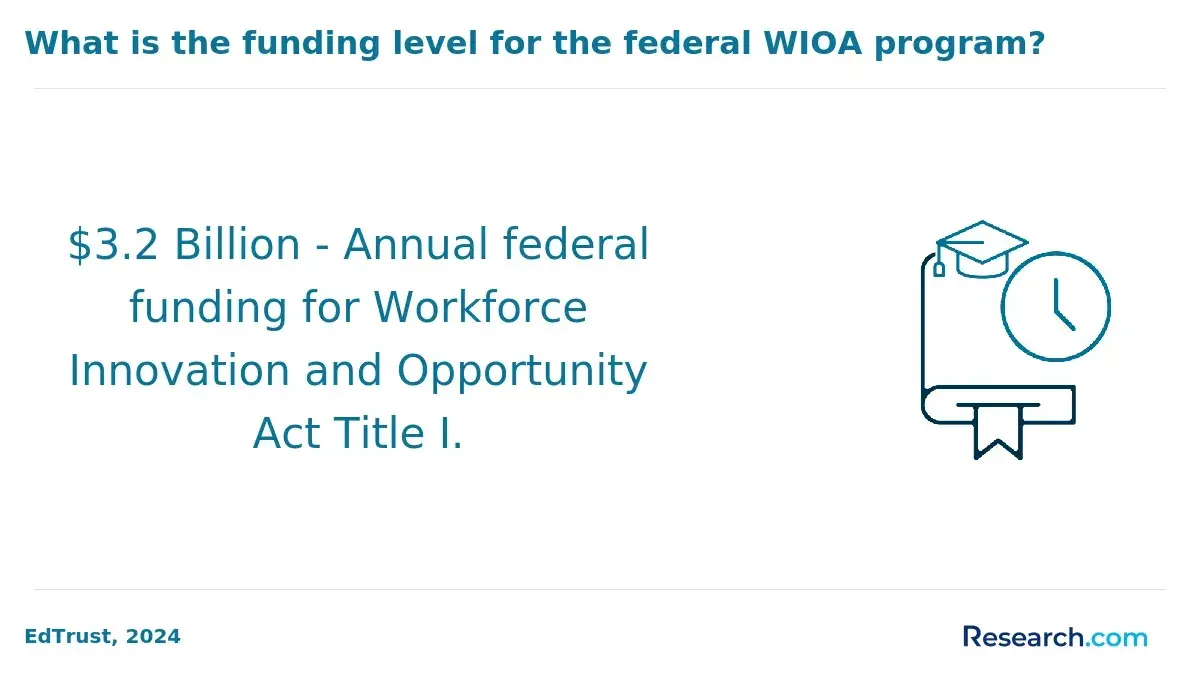
For federal aid planning, graduate and professional students may borrow up to $20,500 per academic year in Direct Unsubsidized Loans under current U.S. Department of Education rules, with Grad PLUS Loans potentially available for eligible remaining costs. Borrowing capacity does not mean borrowing is financially wise; compare projected monthly repayment with your realistic career path.
Because published tuition varies by school, use these common cost categories when comparing programs:
- Per-credit tuition multiplied by the total number of doctoral credits
- Flat-rate term tuition if the program charges by subscription period or semester
- Mandatory university, technology, library, graduation, and student services fees
- Residency travel, lodging, meals, parking, and time away from work
- Books, databases, statistical software, transcription, editing, or research tools
- Dissertation, capstone, or continuation fees after coursework is complete
- Interest costs if using federal or private loans over multiple years
If affordability is your deciding factor, compare doctoral options alongside lower-cost pathways such as the cheapest online healthcare administration degree lists for earlier credentials. A lower-cost master's or certificate may be enough if your target role does not require doctoral-level research or executive scholarship.
The table below shows how different funding sources can affect a working professional's decision.
| Funding source | How it can help | What to verify |
| Employer tuition assistance | Can reduce out-of-pocket cost while keeping the degree tied to career advancement | Annual limits, grade requirements, repayment obligations if you leave, and whether doctoral programs qualify. |
| Federal Direct Unsubsidized Loans | Can spread costs over time for eligible students | Interest accrual, annual limits, origination fees, and repayment implications. |
| Grad PLUS Loans | May cover remaining eligible cost of attendance | Credit requirements, higher borrowing risk, and total debt at graduation. |
| Scholarships or institutional grants | Can lower total cost without repayment | Renewal rules, enrollment minimums, and whether part-time students qualify. |
| Military or veteran education benefits | Can be substantial for eligible students | Program approval, benefit limits, housing allowance rules, and residency implications. |
| Out-of-pocket payment plan | Can reduce borrowing | Monthly cash flow, term billing dates, and emergency savings needs. |
Cost red flags include vague fee disclosures, unclear dissertation continuation charges, required residencies without travel estimates, and tuition discounts that apply only to full-time enrollment. Ask for a written cost estimate based on your intended part-time pace before accepting admission.
How Can You Verify the Accreditation and Quality of an Online Health Administration Doctorate Program?
Accreditation is one of the most important quality checks for an online Health Administration doctorate. At minimum, the institution should hold recognized institutional accreditation from an accreditor accepted by the U.S. Department of Education. Programmatic accreditation is less universal at the doctoral level in health administration, so evaluate whether it applies to your degree type and career goal.
Do not assume that "online," "executive," or "accelerated" means weaker quality. Also do not assume that a familiar university brand automatically means the specific doctoral program fits your needs. Quality depends on accreditation, faculty expertise, curriculum depth, student support, research expectations, outcomes transparency, and scheduling policies.
The table below lists quality signals that matter most for working professionals.
| Quality factor | What to look for | Why it matters |
| Institutional accreditation | Recognized accreditation for the university | It affects federal aid eligibility, transfer recognition, and employer confidence. |
| Program fit | Curriculum aligned with healthcare leadership, policy, research, or education goals | A flexible program is not valuable if the content does not support your target role. |
| Faculty expertise | Faculty with healthcare administration research, executive, policy, or practice experience | Faculty fit can shape dissertation support, mentoring, and applied project quality. |
| Dissertation support | Clear milestones, advisor availability, writing resources, research support | Weak support can extend time to completion and increase cost. |
| Residency transparency | Published details on location, frequency, duration, and cost | Hidden in-person requirements can disrupt work and family planning. |
| Student services | Online library access, statistics help, writing center, career support, tech support | Working professionals need support outside traditional daytime hours. |
| Outcome information | Completion data, alumni roles, dissertation examples, career support | Transparent outcomes help you judge whether the program serves students like you. |
Use this step-by-step process before applying:
- Verify the university's institutional accreditation through official accreditation and federal education databases.
- Ask whether the doctoral program has any programmatic accreditation, external recognition, or professional alignment relevant to health administration.
- Review faculty biographies for healthcare leadership, research, policy, finance, informatics, or quality-improvement expertise that matches your interests.
- Request written details on residency, synchronous attendance, dissertation, practicum, and maximum time-to-degree requirements.
- Ask for examples of recent dissertation or applied project topics to see whether the program supports your professional goals.
- Speak with current students or alumni, especially those who worked full time while enrolled.
Major red flags include pressure to enroll immediately, unclear accreditation language, unusually vague dissertation requirements, no access to faculty before enrollment, unrealistic promises about completion time, or claims that a doctorate will automatically lead to a specific job or salary.
What Career Outcomes and Professional Benefits Can an Online Health Administration Doctorate Provide?
An online Health Administration doctorate can support several professional benefits, including stronger executive credibility, deeper analytical skills, expanded professional networks, teaching opportunities, consulting authority, and the ability to lead evidence-based change. The degree is most valuable when paired with experience, measurable leadership accomplishments, and a clear professional narrative.
The labor market outlook is favorable for healthcare leadership. BLS projects medical and health services manager employment to grow 23% from 2024 to 2034, reflecting demand tied to healthcare complexity, aging populations, data-driven operations, and changing care delivery models. For readers, the key takeaway is not that a doctorate is required for all management roles; it is that advanced leadership skills may be useful in a growing and increasingly complex field.
The table below connects common career directions with the doctoral preparation that may matter most.
| Career direction | Typical responsibilities | Doctoral value |
| Healthcare executive leadership | Strategy, governance, financial performance, service-line growth, organizational change | Supports systems thinking, evidence-based decision-making, and senior-level credibility. |
| Quality and performance improvement leadership | Outcomes measurement, patient safety, process redesign, compliance, value-based care | Builds skills in research translation, evaluation, and data-informed improvement. |
| Health policy or population health leadership | Program design, community health strategy, access initiatives, policy analysis | Strengthens policy, systems, and evaluation expertise. |
| Healthcare consulting | Operational assessment, strategy advising, change management, analytics projects | Can add credibility when combined with a strong record of results. |
| Higher education or teaching | Teaching, curriculum design, mentoring, applied scholarship | May support faculty, adjunct, program director, or academic leadership roles depending on employer requirements. |
| Health informatics or data leadership | Information governance, analytics strategy, data quality, digital transformation | Useful when paired with informatics, analytics, or information management experience. |
Professionals interested in data-centered healthcare leadership should also understand adjacent career paths, including health information management salary trends. Informatics, revenue cycle, analytics, privacy, and data governance are increasingly important in administration, and a doctorate can be more powerful when it builds on one of these specialized strengths.
Before enrolling, define the professional benefit you expect from the degree. Good reasons include qualifying for a specific academic role, building consulting expertise, preparing for executive leadership, or developing a research-based solution to a healthcare problem. Weak reasons include wanting prestige alone, assuming every employer rewards doctorates equally, or choosing the degree because it is online and convenient.
The best next step is to create a short decision memo for yourself before applying. Include your target role, preferred degree type, maximum weekly study hours, acceptable completion timeline, budget limit, residency tolerance, dissertation topic area, and employer support options. If a program does not fit that memo, it is probably not the right doctorate no matter how flexible it sounds.
Other Things You Should Know About Health Administration
Sometimes. Many programs allow leaves of absence or stop-outs, but rules vary. Ask about maximum time to degree, re-entry procedures, financial aid impact, and whether courses expire after a certain period.
Not necessarily. Self-paced formats can offer more control, but they require strong self-discipline and may provide less peer accountability. Dissertation and faculty review timelines may still follow school deadlines.
Employer acceptance usually depends more on accreditation, school reputation, program relevance, and your professional performance than on online delivery alone. Verify that the degree type matches expectations in your organization or target sector.
In many cases, yes. Discussing the program can help you access tuition assistance, schedule flexibility, project opportunities, or leadership support. If you plan to use workplace data for a dissertation or capstone, early approval is especially important.
References
- How Long is an MHA Program? MHA Programs One Year to 18 Months https://www.onlineeducation.com/healthcare/faqs/length-of-online-mha-programs
- Cohort Based Learning Vs. Self Paced Learning: Key Differences in 2026 https://www.quyl.online/articles/cohort-based-learning-vs-self-paced-learning
- Best Online Doctor of Healthcare Administration Programs https://www.phds.me/online-programs/doctorate-healthcare-administration-dha/
- How Long Will It Take To Earn a Master’s Degree in Healthcare Administration? - Healthcare Management Degree Guide https://www.healthcare-management-degree.net/faq/how-long-will-it-take-to-earn-a-masters-degree-in-healthcare-administration/
- Global Hiring Trends Reveal Online Degrees Are Your Career’s Biggest Advantage | Copperbelt University Zambia -ECAMPUS https://cbu.ecampus.edu.zm/global-hiring-trends-reveal-online-degrees-are-your-careers-biggest-advantage/
- Best Online PhD Programs for Working Professionals in the USA https://www.euroamerican.eu/best-online-phd-programs-usa-for-working-professionals
- Best Online Doctorates in Healthcare Administration 2026 https://www.onlineu.com/degrees/doctoral-healthcare-administration
- MBA Requirements https://www.collegeessayguy.com/blog/mba-requirements
- Industry Outcomes 2025: What the Data Says About Graduate Employabilit https://iei.asiacareersgroup.com/blogs/articles/industry-outcomes-2025-what-the-data-says-about-graduate-employability