2027 Low-Cost Online Health Administration Doctorate Programs with Financial Aid: Scholarships, Grants, and Employer Tuition Support

Co-Founder and Chief Data Scientist
An online health administration doctorate can strengthen leadership options, but the cost can vary widely once tuition, fees, residencies, and dissertation expenses are included. The decision matters because the U.S. Bureau of Labor Statistics reported a $117,960 median annual wage for medical and health services managers in May 2024, while projecting much faster-than-average demand. This guide is for working healthcare professionals comparing affordable doctoral options. You will learn how to judge total cost, find aid, use employer benefits, avoid hidden expenses, and decide whether a lower-cost program still supports your career goals.
Key Things You Should Know
- The best low-cost online health administration doctorate is usually the one with the lowest net cost, not just the lowest tuition; mandatory fees, residencies, transfer-credit rules, and dissertation extensions can change the final price.
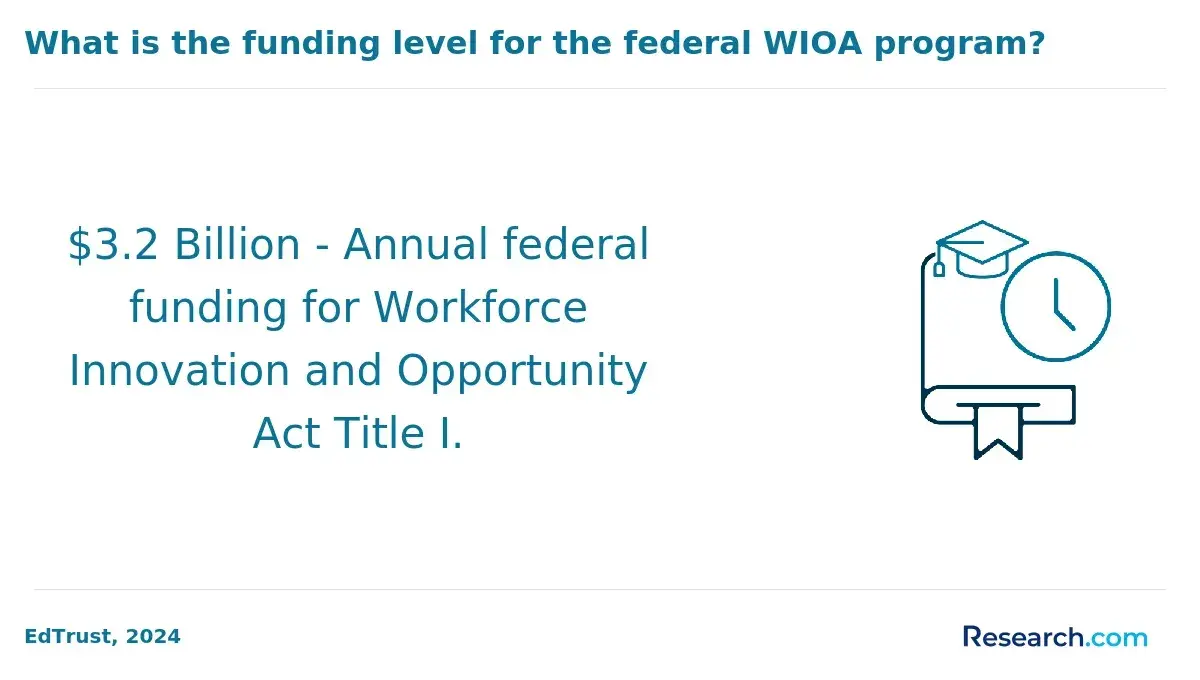
- Graduate students can generally borrow up to $20,500 per year in federal Direct Unsubsidized Loans before considering PLUS loans, so scholarships, grants, and employer aid should be explored before borrowing more.
- Employer tuition support can be especially valuable for working healthcare leaders because many organizations structure benefits around the $5,250 annual tax-free educational assistance limit, though repayment rules vary by employer.
Which Online Health Administration Doctorate Programs Offer the Lowest Total Cost?
The lowest total-cost online health administration doctorate programs tend to share a few traits: moderate per-credit tuition, limited campus residency requirements, transparent fees, and a dissertation or doctoral project structure that helps students finish on time. For many students, the best comparison is not "public vs. private," but "total credits multiplied by tuition plus required fees and travel."
Health administration doctorates usually appear as a Doctor of Health Administration, Doctor of Healthcare Administration, Doctor of Business Administration with a healthcare management concentration, Doctor of Public Health with a leadership or health policy focus, or PhD in health services or health administration. The table below shows how these options commonly differ in cost and fit; students comparing earlier degree pathways may also find a cheapest online healthcare administration degree guide useful for understanding how undergraduate pricing patterns differ from doctoral pricing.
| Program type | Typical cost position | Best fit | Cost risks to check |
| DHA or Doctor of Healthcare Administration | Often moderate when credits are capped and residencies are limited | Experienced healthcare managers seeking executive, operations, policy, or consulting roles | Doctoral project continuation fees, residency travel, and program-specific technology fees |
| DBA in Healthcare Management | Can be low to moderate, especially in flat-rate or transfer-friendly programs | Professionals focused on strategy, finance, organizational leadership, or healthcare business operations | Business school fees, statistics prerequisites, and dissertation course repeats |
| DrPH in Health Leadership or Health Policy | Often moderate to high, depending on school and residency model | Public health leaders, policy professionals, population health executives, and nonprofit administrators | Campus intensives, practicum requirements, and higher public health school fees |
| PhD in Health Services, Health Policy, or Health Administration | Can be low if funded, but self-funded online options may be expensive | Students targeting research, faculty, analytics, or senior policy research roles | Longer completion timelines, research-methods sequencing, and limited online assistantship access |
The strongest low-cost choices are usually programs that publish a full cost estimate and let students calculate the price to graduation before applying. A program with slightly higher tuition may still be cheaper if it accepts relevant transfer credits, has no required travel, and offers strong advising during the dissertation phase.
What Financial Aid Is Available for Online Health Administration Doctorate Students?
Online doctoral students in health administration may be eligible for federal aid, institutional aid, outside scholarships, employer benefits, military education benefits, and private scholarships. The key is to apply in the right order: pursue grants and scholarships first, use employer support where available, then borrow only what is still needed.
The most important financial aid categories differ in how they are awarded and whether they must be repaid. The table below helps compare each option from a cost-control perspective.
| Aid type | Usually repaid? | Who may qualify | Why it matters for doctoral students |
| Federal Direct Unsubsidized Loan | Yes | Eligible graduate students enrolled at least half time in qualifying programs | Provides predictable access to funding, but interest accrues while enrolled |
| Graduate PLUS Loan | Yes | Graduate students who meet credit requirements | Can cover remaining cost of attendance, but should be used carefully because borrowing limits are higher |
| Institutional scholarships or tuition discounts | No | Applicants meeting school-specific academic, professional, military, alumni, or partnership criteria | Can directly reduce tuition before loans are needed |
| External scholarships and professional grants | No | Students matching career field, identity-based, service, research, or employer-related criteria | Often underused by doctoral students because awards may be smaller but stackable |
| Employer tuition assistance | Usually no, if requirements are met | Employees at hospitals, insurers, health systems, universities, government agencies, and healthcare vendors | Can reduce annual out-of-pocket cost, especially for part-time students |
A common mistake is assuming that doctoral students are not eligible for meaningful aid. While need-based grants are more limited at the graduate level, many schools still offer merit scholarships, alumni discounts, partnership discounts, payment plans, military benefits, and research-related funding.
Which Scholarships Help Reduce the Cost of an Online Health Administration Doctorate?
Scholarships for online health administration doctorate students usually come from four places: the university, healthcare professional associations, local foundations, and employers or industry partners. Doctoral students should not ignore smaller awards because several $500 to $2,000 scholarships can reduce the need for high-interest borrowing or cover fees, books, software, and conference costs.
The best scholarship strategy is to match your professional profile with the funder's mission. The categories below are especially relevant for health administration doctoral students.
- Healthcare leadership scholarships: These may support students preparing for executive, hospital administration, health policy, quality improvement, or population health leadership roles.
- Public health and health equity awards: These are useful for students whose doctoral project addresses underserved communities, access to care, rural health, behavioral health, or health disparities.
- Military, veteran, and public service scholarships: These may help current service members, veterans, spouses, government employees, or nonprofit healthcare leaders.
- Association-based awards: Professional groups in healthcare management, health information, nursing leadership, long-term care, and public health may offer scholarships or conference funding.
- University-specific awards: Some schools provide doctoral scholarships based on GPA, professional achievement, alumni status, employer partnerships, or early application timing.
To avoid wasted effort, build a scholarship calendar before the application deadline season. Track the award amount, deadline, required essay, transcript rules, recommendation letters, renewal conditions, and whether the award can be combined with institutional discounts.
How Can Employer Tuition Assistance Help Pay for an Online Health Administration Doctorate?
Employer tuition assistance can be one of the most practical ways to lower the cost of an online health administration doctorate because many doctoral students are already working in healthcare. Hospitals, health systems, insurance companies, consulting firms, government agencies, and universities may support employees whose doctoral study connects to leadership, compliance, operations, informatics, population health, or quality improvement.
Employer benefits are not all the same, so students should compare the policy before choosing a program. Professionals who are still deciding whether to pursue a doctorate or a masters in healthcare administration should ask whether the employer covers both credentials equally or prioritizes one degree level.
Before counting employer support as part of your budget, confirm the rules in writing. These are the questions that matter most:
- Is the benefit paid upfront, reimbursed after grades are posted, or paid directly to the school?
- Is there an annual cap, per-credit cap, lifetime cap, or separate cap for doctoral programs?
- Does the employer require a minimum grade, continued employment, or manager approval before each term?
- Is the doctorate required to be job-related, promotion-related, or tied to an approved internal career path?
- Will you owe repayment if you leave the employer within a set period after using the benefit?
- Can employer aid be combined with school scholarships, military benefits, or payment plans?
The biggest red flag is a repayment clause that is longer than you are willing to accept. Employer-sponsored education can be an excellent deal, but it may limit job mobility if the organization requires repayment after resignation, termination, or a department transfer.
How Do Assistantships, Fellowships, and Research Funding Work for Online Health Administration Doctorate Students?
Assistantships, fellowships, and research funding are more common in campus-based PhD programs than in online professional doctorates, but online students should still ask about them. Some universities offer project-based stipends, dissertation mini-grants, teaching support, research assistant roles, conference travel funds, or faculty-led research opportunities that reduce indirect costs.
These funding options work best when the student's career goals align with faculty research or institutional priorities. The table below explains the practical difference among common doctoral funding sources.
| Funding option | How it usually works | Best for | Limitation for online students |
| Graduate assistantship | Student provides teaching, grading, administrative, or research support in exchange for pay or tuition support | Students with flexible schedules and strong academic or research skills | May require campus presence or daytime availability |
| Doctoral fellowship | Competitive award based on academic merit, research interest, leadership, or service background | Students with strong applications and a clear doctoral agenda | May be limited to full-time students or specific doctoral tracks |
| Research grant or dissertation award | Small award supports data collection, software, participant incentives, travel, or dissemination | Students completing applied research or policy-focused projects | Often does not cover tuition directly |
| Conference or professional development funding | School, department, or association covers part of presentation or travel costs | Students building visibility in healthcare leadership or research | Usually competitive and reimbursement-based |
Students interested in academic or research careers should prioritize programs where faculty actively publish in health policy, healthcare management, organizational leadership, informatics, or population health. Students focused on executive advancement may care less about assistantships and more about predictable tuition, employer alignment, and flexible scheduling.
Which Program Features Have the Biggest Impact on the Total Cost of an Online Health Administration Doctorate?
The largest cost drivers in an online health administration doctorate are not always obvious on the tuition page. A low per-credit rate can become expensive if the program requires many credits, multiple residencies, repeated dissertation enrollment, or extra fees each term.
When comparing programs, look beyond the advertised tuition rate and estimate the total cost to completion. The following features usually have the biggest financial impact:
- Total credits required: A 60-credit program at a lower per-credit rate may cost more than a 45-credit program with slightly higher tuition.
- Transfer-credit policy: Programs that accept eligible doctoral, master's, or graduate certificate credits can reduce tuition, but the policy must be confirmed before enrollment.
- Residency requirements: Online programs may still require campus visits, intensives, seminars, or dissertation defenses that add travel and lodging costs.
- Dissertation or doctoral project structure: Programs with clear milestones, faculty matching, and project support may help students avoid costly extension terms.
- Enrollment pace: Part-time study may work better with employer reimbursement, while full-time study may reduce time-based fees and opportunity costs.
- Technology and course fees: Mandatory platform, library, assessment, graduation, or doctoral support fees can add up over several years.
One of the most common mistakes is comparing only per-credit tuition. A better approach is to request a written cost-to-completion estimate from each school that includes credits, fees, expected terms, residency costs, and dissertation continuation charges.
How Can Students Reduce Borrowing While Earning an Online Health Administration Doctorate?
Reducing borrowing requires sequencing your funding sources and choosing a program structure that fits your cash flow. For working adults, the lowest-debt path often combines part-time enrollment, employer assistance, scholarship applications, and careful avoidance of unnecessary dissertation extensions.
Students who want to finish faster should also compare whether speed actually lowers net cost. Some accelerated healthcare programs reduce time in school, but a faster pace may limit eligibility for employer reimbursement if the annual benefit cap is the main funding source.
A practical low-borrowing plan usually follows this order:
- Ask each school for a complete cost-to-completion estimate, including fees and required travel.
- Complete the FAFSA early if the program participates in federal student aid.
- Apply for school scholarships before admission deadlines, not after enrollment begins.
- Confirm employer tuition assistance rules before selecting full-time or part-time enrollment.
- Apply for external scholarships tied to healthcare leadership, public health, health equity, rural health, or professional service.
- Use payment plans for manageable balances before taking optional private loans or Graduate PLUS loans.
- Borrow only after subtracting scholarships, grants, employer funds, military benefits, and personal payment capacity.
Avoid borrowing the maximum amount just because it is available. Graduate loans can cover living costs, but using loans for nonessential expenses can weaken the return on investment, especially if the doctorate does not lead to a major role change or salary increase.
Does Paying Less for an Online Health Administration Doctorate Affect Career Outcomes?
Paying less for an online health administration doctorate does not automatically reduce career outcomes, but choosing a weak program can. Employers usually care about accreditation, relevant experience, leadership results, applied skills, and whether the doctoral credential fits the role. The school's reputation may matter more in academic, research, or executive search contexts than in internal promotion decisions.
The labor market context is favorable for experienced healthcare leaders, but the doctorate should still match a specific goal. The BLS reported a $117,960 median annual wage for medical and health services managers in May 2024; this figure is useful as a labor-market benchmark, not a promise that a doctorate will produce that salary. For adjacent analytics and data-centered roles, reviewing health information management salary trends can also help students decide whether leadership, informatics, or operations is the better direction.
Lower-cost programs can support strong outcomes when they provide the right academic and career structure. Look for these quality signals before enrolling:
- Institutional accreditation from an agency recognized by the U.S. Department of Education or the Council for Higher Education Accreditation.
- Clear curriculum coverage in healthcare finance, policy, quality improvement, ethics, analytics, strategy, and organizational leadership.
- Faculty with healthcare executive, policy, research, or consulting experience connected to your goals.
- Transparent graduation expectations, dissertation or doctoral project timelines, and student support services.
- Career-relevant applied projects that can be used with an employer, healthcare organization, or professional portfolio.
The better question is not whether a cheaper doctorate is "worth less." The better question is whether the program can help you reach a defined outcome without taking on debt that your expected career path cannot reasonably support.
Which Online Health Administration Doctorate Programs Offer the Best Combination of Cost, Financial Aid, and Flexibility?
The best combination of cost, financial aid, and flexibility depends on the student's situation. A self-funded student may need the lowest tuition and fewest fees, while an employer-funded student may benefit more from a part-time program that spreads tuition across multiple reimbursement years. A research-focused student may choose a program with stronger faculty support even if the sticker price is higher.
The table below summarizes which program profile often works best for different student circumstances. Use it as a decision filter before building a shortlist.
| Student situation | Best-value program profile | Why it may work | What to avoid |
| Self-funded working professional | Low-credit DHA or DBA with limited residencies and transparent fees | Reduces tuition exposure and travel costs | Programs with unclear dissertation continuation fees |
| Employer-funded healthcare manager | Part-time online doctorate aligned with annual tuition assistance limits | Lets employer benefits cover more terms over time | Accelerated formats that exceed reimbursement caps too quickly |
| Military-affiliated student | School with military tuition policies, veteran support, and flexible scheduling | May combine military benefits with institutional support | Programs that do not clearly explain benefit certification timelines |
| Aspiring faculty or researcher | PhD or research-intensive doctorate with faculty mentorship and possible research funding | Supports publication, methods training, and academic credibility | Professional doctorates with limited research infrastructure |
| Executive-track healthcare leader | DHA, DrPH, or DBA with applied leadership projects and strong peer network | Connects coursework to real organizational problems | Programs that are cheap but weak in executive coaching or applied strategy |
A higher-cost program can be the better value if it offers meaningful scholarships, stronger completion support, or better alignment with a promotion path. A lower-cost program is the better value when it is accredited, transparent, flexible, and academically strong enough for the student's target role.
How Should Students Compare Low-Cost Online Health Administration Doctorate Programs?
Students should compare low-cost online health administration doctorate programs using a net-cost and career-fit framework. This prevents two common mistakes: choosing the cheapest program without checking quality, or choosing a prestigious program without understanding the debt impact.
Use the following comparison process before committing to a school:
- Confirm institutional accreditation and, when relevant, programmatic accreditation or public health accreditation expectations for your career path.
- Calculate total tuition by multiplying required credits by the current per-credit rate.
- Add mandatory fees, residency travel, graduation fees, software costs, background checks, and dissertation continuation costs.
- Ask how many credits can be transferred and whether transfer decisions are guaranteed before enrollment.
- Request the school's scholarship, discount, and payment-plan options in writing.
- Compare federal loan eligibility, employer tuition assistance timing, and expected out-of-pocket cost by term.
- Review faculty expertise, doctoral project support, graduation expectations, and career services for doctoral students.
- Ask current students or alumni about workload, advising quality, dissertation support, and hidden costs.
A strong shortlist should include at least three programs: the lowest-cost accredited option, the best-funded option, and the best career-fit option. If one program ranks well across all three categories, it is likely a strong candidate for final consideration.
Decision rule: choose the program with the lowest realistic net cost that still meets your accreditation, flexibility, completion-support, and career-alignment requirements.
Other Things You Should Know About Health Administration
Yes. Many accredited DHA and DrPH programs require 100 to 300 supervised practicum or residency hours, often completed in a local healthcare setting. Programs may also require a dissertation, capstone, or applied project approved by the faculty and recorded in the student’s plan of study.
Most require a master's degree, often in healthcare administration, public health, business, nursing, or a related field. Some may admit students from other graduate backgrounds if they have healthcare leadership experience or complete prerequisites.
Many programs take about three to five years, depending on credit load, transfer credits, dissertation progress, and whether the student attends full time or part time. The dissertation or doctoral project phase is often the biggest timeline variable.
In 2027, financial aid opportunities for online health administration doctorates include scholarships, grants, and employer tuition support. Various universities offer merit-based scholarships, while some organizations provide grants for healthcare professionals. Employer tuition support may cover part or all tuition fees for eligible employees.
References
- 24 Low Cost Online Doctorate in Business Administration Degrees https://www.greatvaluecolleges.net/affordable/online-doctorate-business-administration/
- Your Guide to Doctoral Program Financial Aid | PhDs.me https://www.phds.me/financial-aid/
- Guide to Employers Who Subsidize Online Education https://www.onlineeducation.com/features/employers-who-subsidize-higher-ed
- What is a Doctoral Scholarship? Definition, Benefits, Degrees, and Key Differences https://www.unicaf.org/doctoral-scholarship/
- Tuition Reimbursement for MHA Programs https://www.mhaonline.com/blog/mha-tuition-reimbursement
- Educational Funding https://phdproject.org/educational-funding/
- Healthcare Administration Scholarships https://www.healthadministrationdegrees.com/healthcare-administration-scholarships/
- Complete Guide to Scholarships & Grants [2026 Update] https://www.applykite.com/blog/phd-guide-funding
- Financial Aid Guide https://www.publichealth.org/resources/financial-aid/
- Scholarships https://szkoladoktorska.wum.edu.pl/en/scholarships