2027 Online Exercise Science Degree Master's Programs with No GRE or GMAT Requirements

Co-Founder and Chief Data Scientist
Choosing an online master’s in exercise science without the GRE or GMAT is not about finding an easier degree. It is about finding a legitimate graduate program that evaluates your academic record, work experience, goals, and readiness without making a standardized test the gatekeeper. For working professionals, coaches, fitness specialists, health educators, and career changers, that difference can determine whether graduate school is realistic now or delayed for another year.
Many applicants look for this pathway because test preparation takes time, costs money, and may not reflect the skills needed in applied exercise science. According to recent data, nearly 40% of online exercise science master's program applicants seek schools with waived GRE/GMAT criteria to streamline admissions. This guide explains why programs waive these exams, what admissions committees still expect, how curriculum and cost compare, and how to evaluate whether a no-GRE or no-GMAT online exercise science master’s program is credible, affordable, and aligned with your career plans.
Key Benefits of Online Exercise Science Degree Master's Programs with No GRE or GMAT Requirement
- Online exercise science master's programs without GRE or GMAT streamline admissions, allowing applicants to avoid standardized testing barriers common in over 65% of traditional programs.
- Removing these tests cuts application expenses and preparation time, which typically exceed $400 and dozens of study hours, making graduate education more affordable and accessible.
- This flexibility benefits working professionals and nontraditional students by accommodating varied schedules and reducing stress associated with competitive standardized exams.
Why Do Some Online Exercise Science Master's Programs Waive the GRE or GMAT?
Online exercise science master’s programs waive the GRE or GMAT because many schools now view standardized tests as only one possible indicator of graduate readiness, not the best measure for every applicant. Approximately 60% of online master's programs have moved toward test-optional admissions by waiving GRE or GMAT requirements, reflecting a broader shift toward evaluating applicants through academic performance, experience, and fit.
In exercise science, this approach often makes practical sense. A student’s background in kinesiology, health promotion, coaching, strength and conditioning, rehabilitation support, or wellness programming may tell an admissions committee more than a general graduate admissions exam.
- Holistic review is more useful for applied fields: Programs can assess undergraduate GPA, prerequisite coursework, certifications, work history, recommendations, and writing ability. This helps identify applicants who can handle graduate-level exercise physiology, research methods, biomechanics, and program design.
- Professional experience carries real weight: Many online students are already working in fitness, healthcare, athletics, education, or wellness. Programs may value evidence of client work, leadership, coaching, assessment, or health-related service more than a test score.
- Test requirements can limit access: GRE and GMAT preparation can add financial and scheduling barriers, especially for adult learners, first-generation graduate students, and applicants balancing employment or family responsibilities.
- Online programs compete on flexibility: Removing the test requirement can shorten the admissions timeline and make it easier for qualified students to start when they are ready.
Test-optional does not mean open admission. Strong programs still expect evidence that applicants can succeed in graduate-level science coursework and complete independent projects. The better question is not simply whether the GRE is waived, but whether the program uses other meaningful standards in its place.
These admissions changes also appear in other health-related graduate pathways. Students comparing flexible professional programs may see similar models in options such as the fastest BSN to DNP program, where schools often emphasize experience, readiness, and career fit alongside academic history.
What Are the Best No GRE or GMAT Online Exercise Science Master's Programs?
The best no GRE or GMAT online exercise science master’s programs are not defined by the missing test requirement. They are defined by accreditation, academic rigor, faculty expertise, student support, flexibility, and career relevance. A program that waives the GRE should still have clear admissions standards, transparent degree requirements, and outcomes that match the needs of exercise science professionals.
When comparing programs, focus on the factors that affect degree value after graduation:
- Regional accreditation: Accreditation helps confirm that the institution meets recognized academic standards. It can also affect credit transfer, employer recognition, financial aid eligibility, and admission to future doctoral or professional programs.
- Curriculum aligned with career goals: Look for coursework in areas such as exercise physiology, biomechanics, research methods, sports performance, wellness programming, rehabilitation science, nutrition, and data-informed assessment. The best fit depends on whether you want to work in performance, clinical wellness, research, coaching, corporate health, or education.
- Online flexibility with real structure: Asynchronous courses, part-time plans, and multiple start dates can help working adults. However, flexibility should not mean vague expectations. Strong programs provide clear calendars, instructor access, advising, and technical support.
- Applied learning opportunities: Capstones, research projects, case studies, internships, practicums, or portfolio assignments can help demonstrate skills to employers. This is especially important in a field where practical application matters.
- Faculty and student support: Review whether instructors have relevant academic or professional backgrounds and whether online students receive advising, library access, career support, and help with research or capstone planning.
Applicants should also compare total cost, course load, transfer policies, and whether the program prepares them for the certifications, roles, or doctoral pathways they may want later. If you are still deciding on your undergraduate route before graduate study, an exercise science bachelor degree online can provide a flexible foundation for later master’s-level work.
Students considering adjacent healthcare leadership roles may also compare exercise science programs with an online health management degree, especially if their long-term goal involves administration, program management, or operations rather than direct fitness or performance work.
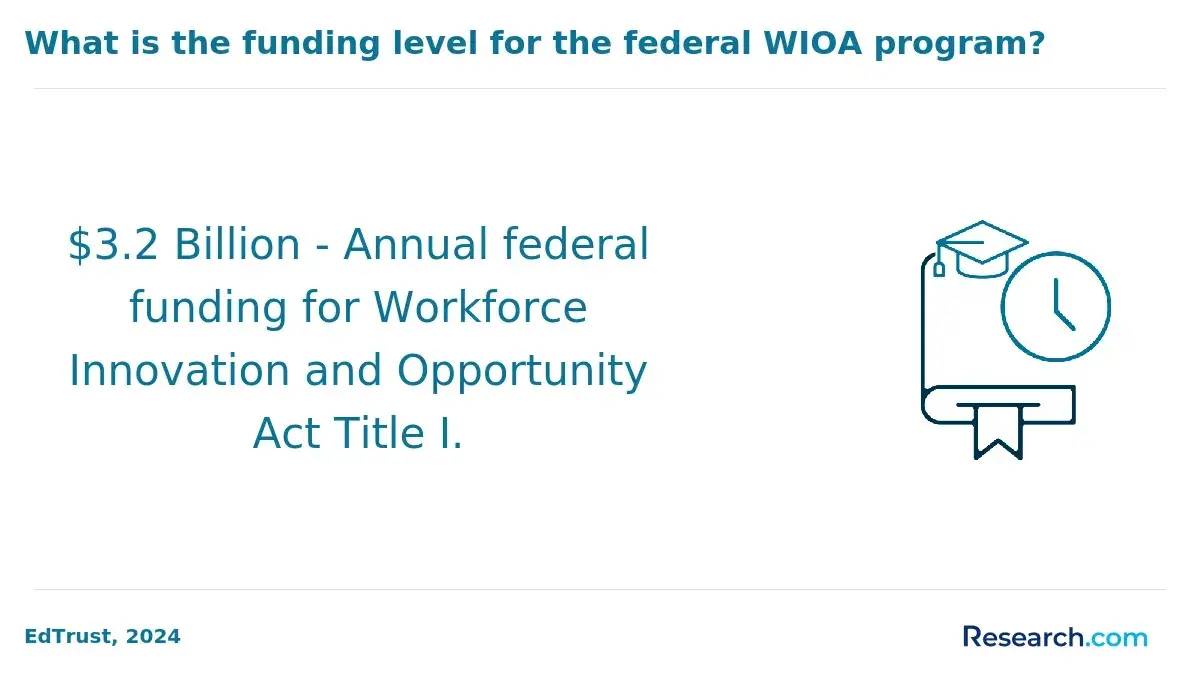
What Are the Admission Requirements for No GRE or GMAT Online Exercise Science Master's Programs?
No GRE or GMAT online exercise science master’s programs still require applicants to prove they are ready for graduate study. Instead of relying on a standardized test, admissions committees usually review academic history, professional experience, recommendations, and written materials together.
Common requirements include:
- Bachelor’s degree: Applicants typically need an undergraduate degree from an accredited institution. Some programs prefer or require a background in exercise science, kinesiology, health science, biology, athletic training, physical education, or a related field.
- Transcripts: Official transcripts allow the program to review GPA, prerequisite courses, science preparation, and academic trends. A strong record in anatomy, physiology, statistics, research methods, or related coursework can strengthen an application.
- Professional experience: Relevant work in fitness, strength and conditioning, health promotion, rehabilitation support, coaching, wellness, or athletics may be preferred. Experience helps show that the applicant understands the field and can connect theory with practice.
- Letters of recommendation: Usually, two to three letters are required from supervisors, instructors, or industry professionals who can comment on the applicant’s academic ability, professionalism, communication skills, and readiness for graduate study.
- Personal statement or essay: This is often one of the most important parts of a test-optional application. Applicants should explain why they want the degree, how their background prepared them, and what career outcomes they are pursuing.
- Resume or portfolio: A resume can document certifications, employment, internships, volunteer work, coaching roles, research experience, presentations, and leadership responsibilities.
Applicants should not treat a test waiver as permission to submit a thin application. In a no-GRE review, weak essays, vague goals, missing prerequisites, or generic recommendation letters can carry more risk because the rest of the file must do the work that a test score would otherwise support.
Students exploring flexible health-related admissions policies may also compare options such as the most affordable nursing programs, where academic preparation, licensure status, and professional experience often play a major role in admissions decisions.
What GPA Is Needed for a No GRE or GMAT Online Exercise Science Master's Degree?
GPA expectations vary by school, but no GRE or GMAT does not mean GPA is ignored. In many test-optional exercise science master’s programs, GPA becomes one of the clearest academic indicators available to the admissions committee. A higher GPA can help show readiness for graduate science coursework, while a lower GPA may need to be balanced by strong experience, prerequisite performance, recommendations, or a persuasive statement of purpose.
Nearly 60% of graduate programs nationally now incorporate holistic review processes. That means the GPA is often considered alongside other evidence rather than used as the only decision point. Admissions committees may look for patterns such as improvement over time, strong grades in major courses, success in anatomy and physiology, or recent coursework that shows renewed academic readiness.
- Academic record: Programs review overall GPA, major GPA, prerequisite grades, and the difficulty of previous coursework. Strong performance in science and research-related classes can matter more than a single cumulative number.
- Professional experience: Practical work, internships, coaching, health promotion, or rehabilitation-related experience can help demonstrate preparation beyond the transcript.
- Letters of recommendation: Faculty or supervisors can explain an applicant’s work ethic, maturity, communication skills, and ability to manage demanding coursework.
- Personal statement or essay: Applicants with academic weaknesses should use the essay to explain growth, clarify goals, and show why they are prepared now.
- Resume or portfolio: Certifications, projects, leadership roles, and applied experience can strengthen the application when GPA alone does not tell the full story.
One recent graduate described the admissions process as more balanced than expected. While his GPA was solid, he said it was not the only focus. “The program's evaluation felt more like a conversation about my professional background and future plans rather than a strict number check.”
He also recalled uncertainty about how a less traditional academic record would be viewed. In the end, he found that clear goals and relevant work experience helped. “It was reassuring to know they valued the full spectrum of my qualifications,” he said, describing the process as both challenging and empowering.
Is the Curriculum Different in No GRE Online Exercise Science Master's Programs?
In most cases, the curriculum is not different simply because the program does not require the GRE or GMAT. The test waiver changes the admissions process, not the degree requirements. About 85% of accredited online master's programs mirror the course structure of their on-campus equivalents, so students should expect the same academic expectations, assignments, and learning outcomes when the online program is properly designed.
A credible no-GRE online exercise science master’s program should still require advanced coursework, research literacy, and applied projects. Before enrolling, compare the curriculum with your career goals rather than assuming all exercise science master’s degrees are interchangeable.
- Core coursework: Strong programs typically include advanced exercise physiology, biomechanics, research methods, statistics or data interpretation, motor learning, performance assessment, or health behavior topics.
- Elective options: Electives may allow students to focus on sports nutrition, rehabilitation, strength and conditioning, fitness management, wellness, coaching, or clinical exercise topics. The right electives depend on the role you want after graduation.
- Capstone or thesis requirements: Many programs require a final project, capstone, thesis, or applied research assignment. A thesis may be better for students considering doctoral study, while a capstone may suit students focused on practice or leadership.
- Learning outcomes standards: No-GRE programs should still expect students to evaluate research, design exercise interventions, interpret physiological data, communicate findings, and apply evidence-based practice.
- Online learning format: Some courses may include virtual labs, recorded demonstrations, case analyses, discussion boards, proctored assessments, or field-based assignments. Ask how hands-on skills are assessed in an online environment.
The key warning sign is not the lack of a GRE requirement. It is a program that cannot clearly explain its curriculum, faculty qualifications, student support, assessment methods, or expected competencies.
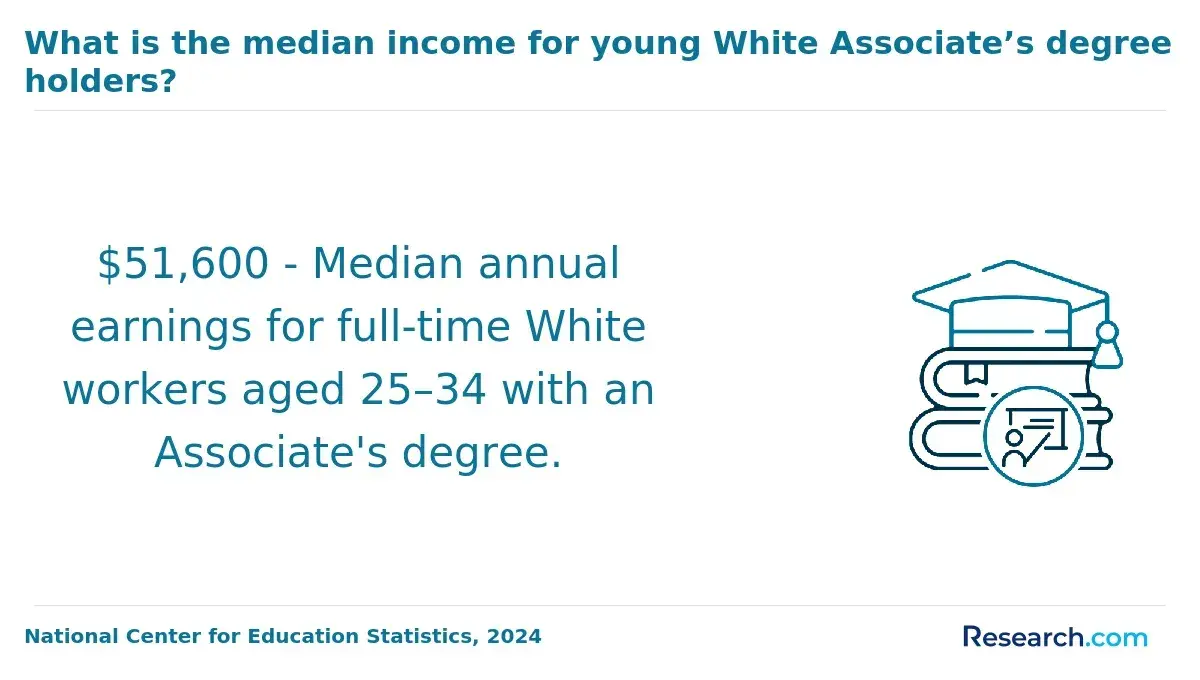
How Long Does It Take to Complete a No GRE or GMAT Exercise Science Master's Degree Online?
The absence of a GRE or GMAT requirement usually affects how quickly you can apply, not how quickly you can graduate. Most students finish these programs in approximately two years, but the actual timeline depends on course load, calendar format, transfer credits, and whether the program includes a thesis, capstone, practicum, or other culminating requirement.
- Full-time enrollment: Full-time students often complete the degree within two years. This option may work best for students who can manage multiple graduate courses at once while maintaining work and personal responsibilities.
- Part-time enrollment: Part-time study usually extends the process to three years or more. This route is common for working professionals who need a sustainable pace.
- Accelerated formats: Some institutions use compressed terms, year-round enrollment, or shorter course sessions. These formats may allow completion in as little as 12 to 18 months, but the workload can be intense.
- Transfer credits: Relevant prior graduate credits may reduce the number of courses required if the program accepts them. Policies vary, so students should ask about transfer limits before applying.
- Capstone or thesis requirements: A thesis or major project can extend the timeline, especially if it requires data collection, advisor approval, revisions, or field-based work.
One professional who enrolled in an online exercise science master’s program without a GRE or GMAT requirement said the application process was straightforward, but the degree still required careful planning. “Even though the program promised flexibility, managing full-time work alongside classes meant stretching the degree out over nearly three years.”
Her experience highlights an important point: a test waiver removes an admissions barrier, not the workload. Students should review weekly time expectations, course sequencing, and project requirements before choosing an accelerated or part-time plan.
Are No GRE or GMAT Online Exercise Science Master's Programs More Affordable?
No GRE or GMAT online exercise science master’s programs are not automatically cheaper. Tuition is usually based on the institution, program length, residency policy, delivery model, and fees, not on whether a standardized test is required. The average tuition for these online master's programs typically ranges from $15,000 to $40,000, depending on factors such as institutional prestige and delivery method.
However, a test waiver can reduce upfront application costs and make the admissions process less expensive to complete.
- Tuition structure: Compare cost per credit, total required credits, online fees, residency-based pricing, and whether tuition is locked for the program. A low per-credit rate may not be the lowest total cost if the program requires more credits.
- Testing and application savings: Eliminating GRE or GMAT requirements removes exam fees averaging around $205, plus possible score-reporting fees, preparation materials, tutoring, and lost time.
- Online delivery costs: Online study can reduce commuting, relocation, and campus-related expenses. Still, technology fees, proctoring fees, lab kits, or course materials may add to the total.
- Financial aid eligibility: Federal aid and many institutional funding options typically depend on accreditation, enrollment status, and student eligibility rather than test scores. Some merit awards, however, may consider standardized test results, so students should review scholarship criteria carefully.
- Opportunity cost: A flexible online program may allow students to keep working while enrolled, which can be financially important even if tuition is not lower.
The best affordability comparison looks at total program cost, not just tuition. Applicants should ask for a full cost estimate, including fees, books, required software, and any in-person components. They should also confirm whether the program is eligible for federal financial aid and whether scholarships are available to online graduate students.
For broader comparison across advanced healthcare programs, students may review PhD nursing programs to understand how online delivery, funding, and program structure can affect total affordability.
Do Employers Respect No GRE or GMAT Exercise Science Master's Degrees?
Employers generally care more about the institution, accreditation, curriculum, skills, and experience than whether a graduate submitted GRE or GMAT scores during admission. A 2023 survey by the National Association of Colleges and Employers (NACE) found that 68% of employers view such degrees positively, especially when coupled with relevant professional experience.
That said, employer perception depends on program quality. A no-GRE degree from an accredited, rigorous university is very different from a poorly documented program with unclear standards.
- Accreditation: Accreditation helps employers trust that the degree came from an institution meeting recognized academic standards. It is one of the first factors students should verify.
- Program rigor: Employers value graduates who can interpret research, design safe and effective exercise programs, understand assessment data, and communicate with clients, athletes, patients, or teams.
- Professional experience: Work history, internships, certifications, coaching experience, and applied projects can make the degree more powerful in the job market.
- Skill application: Hiring managers want evidence that graduates can solve real problems, not just complete coursework. Portfolios, capstones, presentations, and measurable workplace achievements can help.
- Career alignment: A master’s degree may support advancement in wellness, performance, fitness leadership, health promotion, education, or research support, but some clinical or licensed roles may require additional credentials outside the degree.
Students should be cautious about assuming that any master’s degree will automatically change their career. Before enrolling, review job postings in your target field and note whether employers ask for a master’s degree, certifications, supervised experience, licensure, or specific technical skills.
Flexible credential pathways are also common in related fields, including medical billing and coding, where employer trust depends heavily on program credibility, skill relevance, and recognized preparation.
What Is the Salary Outlook After Completing a No GRE or GMAT Exercise Science Master's Program?
A no GRE or GMAT exercise science master’s degree can support higher earning potential, but the admissions policy itself does not determine salary. Employers pay for role fit, experience, credentials, location, leadership ability, and specialized skills. Professionals with a master's degree in this field earn a median annual salary of approximately $58,000, reflecting the potential value of graduate education compared with stopping at the bachelor’s level.
Salary outcomes can vary significantly by job function and setting. A graduate working in sports performance may have a different compensation path than one working in wellness programming, rehabilitation support, research coordination, corporate health, or education.
- Median annual salary: The approximately $58,000 figure represents a midpoint, not a guarantee. Individual earnings depend on job title, employer, region, and experience.
- Industry variation: Healthcare, fitness, rehabilitation, athletics, research, education, and corporate wellness may compensate differently and may require different credentials.
- Experience level impact: A master’s degree often has the strongest salary impact when paired with relevant work experience, leadership responsibilities, certifications, or a track record of results.
- Long-term growth potential: Graduate training may help professionals move into management, program design, specialized coaching, teaching, research support, or advanced wellness roles over time.
- Credential requirements: Some career paths may require certification or licensure beyond the master’s degree. Students should verify requirements before assuming the degree alone qualifies them for a specific role.
The most practical way to evaluate return on investment is to compare total program cost with realistic job outcomes in your target market. Review current job postings, talk with professionals in the field, and ask programs where graduates work after completing the degree.
What Are the Pros and Cons of Applying to No GRE Exercise Science Master's Programs?
No GRE exercise science master’s programs can be a strong option for qualified applicants who have relevant academic preparation or professional experience but do not want standardized testing to delay enrollment. They are not ideal for every student, especially if test scores could strengthen an otherwise uneven application or help qualify for certain scholarships.
- Pro: Faster and less stressful application process: Without GRE or GMAT preparation, applicants can focus on transcripts, recommendations, essays, and program research.
- Pro: Lower upfront cost: Students can avoid test fees, score-reporting costs, and test-preparation expenses.
- Pro: Better fit for experienced professionals: Applicants with strong work history, certifications, leadership, or field experience may be evaluated more fairly through holistic review.
- Pro: More accessible for adult learners: Test waivers can help students who have been out of school for years or who cannot easily fit standardized test preparation into work and family schedules.
- Con: GPA and application materials matter more: Without a test score, weak transcripts, generic essays, or vague recommendations may stand out more.
- Con: Some scholarships may still favor test scores: Limited scholarship opportunities can occur when awards or assistantships consider standardized test performance.
- Con: Selective programs may remain competitive: A test waiver does not guarantee admission. Strong applicants still need evidence of readiness and fit.
- Con: Quality varies by institution: Students must verify accreditation, curriculum, faculty, support services, and outcomes rather than choosing a program only because it is test-optional.
The best candidates for no-GRE programs are usually applicants who can present a coherent case: relevant preparation, clear goals, strong recommendations, and a realistic understanding of what the degree can do for their career.
What Graduates Say About Online Exercise Science Degree Master's Programs with No GRE or GMAT Requirement
- Shaun: "Choosing an online exercise science master's degree program with no GRE or GMAT requirements was a game-changer for me, especially in managing the financial aspect. The cost was manageable, and I appreciated not having to stress over additional testing fees. This flexibility allowed me to focus completely on my coursework and practical learning, which ultimately boosted my confidence and readiness for my career."
- Mike: "Getting admitted into an online exercise science master's program without the GRE or GMAT felt like an incredible opportunity that opened doors I thought were once inaccessible. The absence of those tests made the application process far less daunting and allowed me to showcase my real-world experience and passion. Reflecting on my journey, I realize this pathway truly accelerated my professional growth and gave me a competitive edge in the health and wellness field."
- Kenneth: "The no GRE or GMAT requirement in the online exercise science master's program was crucial for advancing my career without interruption. It streamlined my admission process and saved me time, letting me begin enhancing my skills immediately. Now, as a practicing professional, I see how this degree has expanded my expertise and opened doors to leadership roles I had long aspired to achieve."
Other Things You Should Know About Exercise Science Degrees
Yes, many online exercise science master's programs that waive GRE or GMAT scores are designed with working professionals in mind. These programs often offer flexible scheduling, part-time enrollment options, and asynchronous coursework to help balance studies with work and personal commitments.
Some online exercise science master's programs without GRE or GMAT requirements include internships or practicum components to provide hands-on experience. However, this varies by program, and many schools offer virtual or local placement options to accommodate online students.
Yes, most 2027 online exercise science master's programs without GRE or GMAT requirements are accredited by recognized educational bodies like the Commission on Accreditation of Allied Health Education Programs (CAAHEP) or the National Strength and Conditioning Association (NSCA). Accreditation ensures that the program meets high standards of quality and effectiveness.
References
- Online Master of Exercise Science https://www.maryville.edu/online-programs/masters/exercise-science/
- Exercise Science https://www.nku.edu/academics/chhs/programs/graduate/mses.html
- Master of Science Major in Exercise Science, Sport Coaching Concentration https://online.txst.edu/degrees/healthcare/ms-exercise-science-sports-coaching/
- MSc in Health and Exercise Science | Department of Health, Kinesiology and Applied Physiology - Concordia University https://www.concordia.ca/artsci/health-kinesiology-physiology/programs/msc-exercise-science.html
- 2025 Most Affordable Online Master's Degrees in Exercise Science https://www.onlineu.com/most-affordable-colleges/exercise-science-masters-degrees
- Online Exercise Science Degrees: Top School Review https://www.edumed.org/online-schools/exercise-science-degrees/
- M.S. in Exercise Science Online Degree - Aurora University https://online.aurora.edu/online-degrees/ms-masters-in-exercise-science/
- Online Master’s in Exercise Science – Self-Paced, Affordable https://exsci.cuchicago.edu/exercise-science/degrees/masters/
- Masters degree without GRE or GMAT | MS in USA - MBA Crystal Ball https://www.mbacrystalball.com/blog/2016/04/06/masters-degree-without-gre/
- Are Online Degrees Respected? https://online.champlain.edu/blog/are-online-degrees-respected