2027 Competency-Based Online Exercise Science Master's Degrees

Co-Founder and Chief Data Scientist
Choosing a graduate program in exercise science is not only about the subject matter. For many working adults, the harder question is whether the program can fit around job responsibilities, family schedules, clinical or coaching hours, and financial limits. Competency-based online exercise science master’s degrees are designed for that reality: students advance by proving they have mastered defined skills, not by sitting through a fixed number of weekly class hours.
This model can be a strong fit for experienced fitness, wellness, rehabilitation, coaching, and health science professionals who already have relevant knowledge and want a more flexible path to graduate-level credentials. It is not automatically easier, however. Students still need strong self-direction, reliable technology, clear documentation of prior learning, and careful review of accreditation, costs, transfer policies, and career alignment.
According to the National Center for Education Statistics, enrollment in online graduate programs increased by over 20% in recent years, reflecting rising demand for flexible graduate education. This guide explains how competency-based exercise science master’s programs work, what admissions teams usually look for, how long completion may take, what costs to compare, how assessment works, and what career outcomes graduates may pursue.
Key Benefits of Competency-Based Online Exercise Science Master's Degree
- Competency-based online exercise science master's programs offer flexible pacing, letting working professionals balance study with job and family commitments without fixed semester timelines.
- These programs enable accelerated skill mastery by allowing students to progress upon demonstrating competencies, reducing time spent on material they already know.
- Students gain access to global networking opportunities, connecting with peers, faculty, and industry experts internationally, broadening career and collaboration prospects.
What Is a Competency-Based Exercise Science Master's Degree, and How Does It Work?
A competency-based exercise science master’s degree is a graduate program built around measurable learning outcomes. Instead of moving through courses mainly by completing weekly assignments over a semester, students demonstrate mastery of specific competencies such as exercise prescription, physiological assessment, biomechanics, research interpretation, leadership, and ethical practice.
The main advantage is flexibility. Students who already understand a topic may move through it quickly, while those who need more time can slow down without being locked into the same pace as a full cohort. The trade-off is that students must be organized and self-motivated; a flexible schedule can become a liability without consistent progress.
- Mastery replaces seat time: Progress depends on whether the student can prove competence through assessments, projects, exams, portfolios, or applied demonstrations. The focus is not how long the student spends in class, but whether the student can meet the required standard.
- Learning is usually modular: Content is commonly divided into smaller competency units. This format lets students spend less time on familiar material and more time on areas that require deeper study.
- Assessment happens throughout the program: Students receive feedback as they submit work, revise projects, or complete demonstrations. This makes the model more iterative than a traditional course that may rely heavily on midterms and final exams.
- Faculty and mentors still matter: CBE is not the same as studying alone. Strong programs provide faculty guidance, academic coaching, assessment feedback, and advising to help students stay on track.
- The format often suits adult learners: Programs are commonly designed for working professionals who need flexible pacing and practical assessments. Notably, over 70% of adult learners prefer programs with flexible pacing and practical assessments.
| Feature | Traditional Master’s Program | Competency-Based Master’s Program |
| Primary measure of progress | Credit hours and course completion | Demonstrated mastery of defined competencies |
| Pacing | Usually tied to semesters or terms | Often more flexible and self-paced |
| Best fit | Students who prefer structured weekly timelines | Students who can manage independent progress |
| Main risk | Limited flexibility for busy schedules | Falling behind without strong self-discipline |
Students comparing different flexible health and science pathways may also review online PharmD programs to understand how other professional programs structure online learning, pacing, and career preparation.
What Are the Admission Requirements for a Competency-Based Online Exercise Science Master's Program?
Admission to a competency-based online exercise science master’s program usually looks similar to admission for other graduate programs, but the review may place more weight on readiness for independent learning and evidence of relevant skills. Applicants should expect the school to evaluate both academic preparation and practical fit.
- Accredited bachelor’s degree and transcripts: Applicants generally need an accredited bachelor’s degree. Many programs prefer exercise science, kinesiology, health sciences, athletic training, physical education, biology, or a related field. Transcripts help admissions teams confirm prerequisite preparation, overall academic performance, and minimum GPA and prerequisites for exercise science online master’s programs.
- Letters of recommendation: Programs often request two or three letters from faculty, supervisors, coaches, clinicians, or other professionals who can speak to the applicant’s work ethic, discipline, communication skills, and readiness for graduate-level study.
- Professional or field experience: Experience is not always required, but it can strengthen the application. Relevant work in fitness, wellness, coaching, rehabilitation support, athletic performance, health promotion, or clinical exercise settings can help show that the applicant understands the field and can connect coursework to practice.
- Standardized test policies: Many competency-based programs waive GRE or GMAT requirements. When tests are optional or not required, applicants should use the rest of the application to show readiness through transcripts, experience, certifications, writing quality, and professional goals.
- Personal statement or goals essay: The statement should explain why the applicant wants the degree, how the competency-based format fits their learning style, and how the curriculum supports their intended career path.
- Holistic evaluation: Admissions committees may consider academic history, work experience, recommendations, prior certifications, writing ability, and evidence that the applicant can succeed in a self-directed online environment.
A strong application does more than list experience. It connects prior work to graduate-level competencies. For example, an applicant with coaching experience should explain how they have used assessment data, designed programs, communicated with clients or athletes, and adjusted training plans based on outcomes.
Applicants considering adjacent healthcare training options may also compare online medical billing and coding courses, especially if they are weighing clinical, administrative, and wellness-related career paths before committing to graduate study.
What Is the Minimum GPA Requirement for a Exercise Science Competency-Based Master's Program?
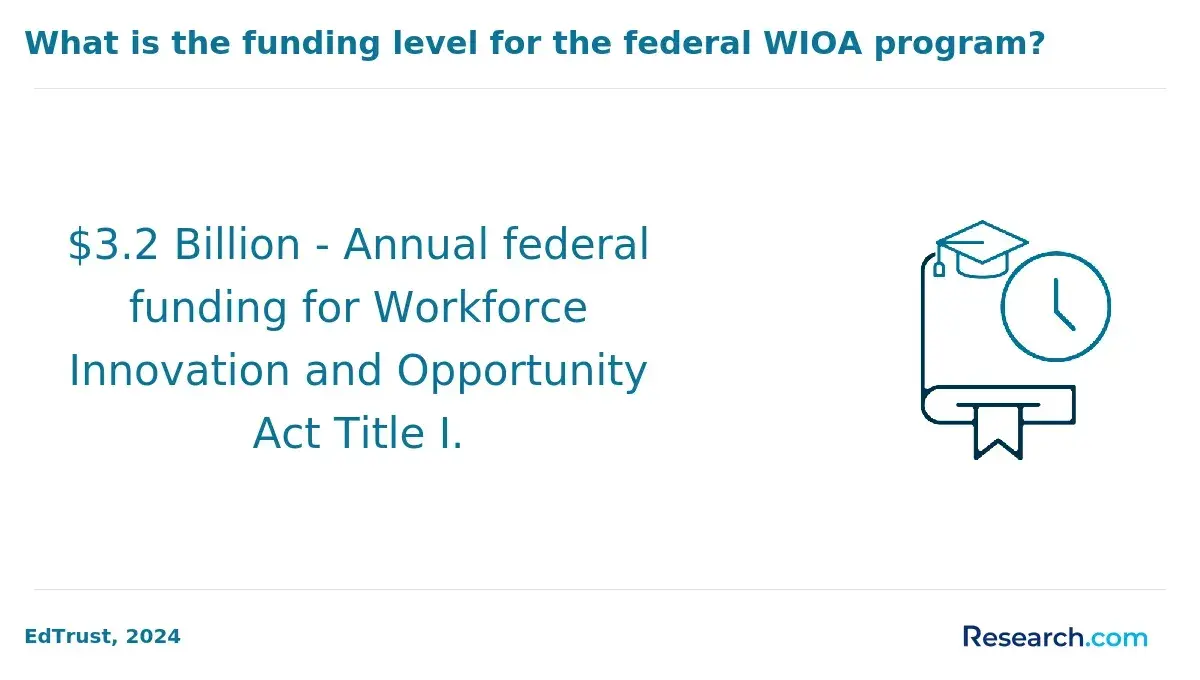
The typical minimum GPA requirement for an exercise science competency-based master’s program is often near 3.0 on a 4.0 scale. This benchmark helps schools judge whether applicants are academically prepared for graduate coursework in research, physiology, biomechanics, assessment, and applied exercise programming.
That said, GPA is not always the only deciding factor. Competency-based programs may be more open to applicants who can show strong professional experience, relevant certifications, improved later academic performance, or direct evidence of field knowledge.
- Standard GPA expectation: Many accredited programs use a minimum GPA near 3.0 on a 4.0 scale as a common screening threshold.
- Possible flexibility below the benchmark: Applicants below 3.0 may still be considered if they show substantial professional achievement, strong recommendations, relevant certifications, or clear evidence that earlier grades do not reflect current ability.
- Alternative evidence of readiness: Some programs may review portfolios, skills-based exams, writing samples, professional documentation, or competency demonstrations to supplement the transcript.
- Program policies vary: One school may strictly enforce a minimum GPA, while another may offer conditional admission, probationary admission, or additional review for applicants with strong experience.
- Early advising helps: Applicants with GPA concerns should contact admissions staff before applying. Advisors can explain whether the program accepts supplemental materials and how to present professional strengths effectively.
A professional who enrolled in a competency-based online exercise science master’s shared that although his undergraduate GPA was below 3.0, his hands-on experience in athletic training helped him gain admission. He described the process as “challenging but fair,” noting that submitting a detailed portfolio and passing a competency exam reassured the admissions team about his capabilities. He emphasized the importance of engaging with advisors early, saying, “Their guidance helped me understand how to showcase my strengths beyond grades.”
How Long Does It Take to Complete a Competency-Based Exercise Science Master's Degree Online?
A competency-based online exercise science master’s degree may be completed faster than a traditional program, but the timeline depends heavily on the student’s prior knowledge, weekly study time, transfer or prior learning credit, and ability to submit assessments consistently. Highly driven learners can finish in as little as 12 months, while many learners require 18 months to 3 years because of work, family, and other obligations.
- Self-paced advancement: Students may move quickly through competencies they already understand and spend more time on unfamiliar or technical areas. This can be especially helpful for professionals with experience in coaching, fitness assessment, rehabilitation support, or wellness programming.
- Typical completion range: Many students finish within 18 months to 3 years. The longer end of that range is common for students studying part time while maintaining full-time employment.
- Subscription tuition can affect pacing: In programs that charge by term, students who complete more competencies per term may reduce their total cost. However, rushing can lead to weaker submissions, repeated revisions, and burnout.
- Prior learning and transfer credit may shorten the path: Prior learning assessment (PLA), transfer credits, or accepted certifications can reduce the number of competencies a student must complete.
- Realistic planning is essential: Students should estimate weekly study hours, identify busy work seasons, and build a timeline that accounts for assessment revisions, practicum-style projects, and capstone work.
| Student Profile | Likely Timeline Consideration | Main Planning Issue |
| Experienced exercise science professional | May progress faster through familiar competencies | Documenting prior learning clearly |
| Full-time worker with family responsibilities | May need a longer completion window | Protecting consistent weekly study time |
| Career changer | May need more time for foundational concepts | Building technical exercise science knowledge |
| Accelerated learner | May aim for completion in as little as 12 months | Avoiding rushed or incomplete assessments |
Students comparing flexible graduate models may also review an online nurse practitioner degree to see how online healthcare programs use pacing, clinical expectations, and cost structures differently.
How Much Does a Competency-Based Online Exercise Science Master's Degree Cost?
The cost of a competency-based online exercise science master’s degree depends on the school’s pricing model, the student’s pace, accepted transfer or prior learning credit, fees, and available aid. The key question is not only the advertised tuition rate, but the total amount the student is likely to pay before completing all required competencies.
- Subscription-based tuition: Students pay a fixed amount for a term, such as a monthly or quarterly period, and may complete as many approved competencies as they can during that time. This can be cost-effective for students who move quickly and submit strong work on the first attempt.
- Per-competency or per-credit pricing: Students pay based on the competencies or credits they complete. This model may feel more predictable for slower-paced learners, but the total cost can rise if the program includes many required units or fees.
- Potential for lower overall costs: Competency-based formats can cost less than traditional programs when students complete requirements efficiently, reduce time enrolled, and avoid relocation or commuting costs.
- Financial aid options: Students may be able to use federal student loans, employer tuition reimbursement, and specialized scholarships for graduate exercise science students, depending on institutional eligibility and individual circumstances.
- Costs beyond tuition: Applicants should check for technology fees, assessment fees, books, software, background checks if required, certification-related costs, and lost income if they plan to reduce work hours.
Before enrolling, students should ask the school for a full cost breakdown under different completion timelines. A program that looks inexpensive for an accelerated student may be less affordable for someone who needs several extra terms. Likewise, a higher tuition program may be reasonable if it accepts meaningful prior learning credit or provides strong advising that helps students finish efficiently.
A professional who transitioned careers after completing a competency-based online exercise science master’s reflected on the costs involved, emphasizing both challenges and rewards. She recalled feeling uncertain about how quickly she could complete the program and how expenses would accumulate but found the subscription model motivating because “it encouraged me to push harder and finish faster.” Although balancing work and study was tough, she appreciated access to employer tuition assistance and a scholarship that lightened financial pressure. Looking back, she noted, “Calculating every little cost upfront helped me avoid surprises, making the whole investment feel manageable and worthwhile.”
Which Accrediting Bodies Recognize Competency-Based Exercise Science Master's Programs?
Accreditation is one of the most important quality checks for any online exercise science master’s program. It affects whether the institution is recognized, whether students may qualify for federal financial aid, and whether employers, licensing bodies, certification organizations, or doctoral programs are likely to view the degree as legitimate.
- Regional accreditation: Institutional accreditors such as the Higher Learning Commission (HLC), Southern Association of Colleges and Schools Commission on Colleges (SACSCOC), and WASC Senior College and University Commission (WSCUC) review entire colleges and universities. Their evaluation includes academic quality, governance, student support, financial stability, and institutional integrity.
- Programmatic accreditation: Some exercise science, allied health, or related tracks may also seek specialized review. Agencies such as the Commission on Accreditation of Allied Health Education Programs (CAAHEP) provide additional validation for certain program types or professional preparation areas.
- Review of competency-based rigor: Legitimate accreditors examine how a CBE program defines competencies, measures mastery, documents learning, supports students, and maintains graduate-level standards.
- Verification through official sources: Prospective students should confirm accreditation through the U.S. Department of Education’s Database of Accredited Postsecondary Institutions and Programs (DAPIP), not only through a school’s marketing pages.
- Avoiding misleading claims: Some schools or organizations may advertise accreditation from bodies that are not recognized by federal authorities. That can create problems with federal aid eligibility, transferability, employer acceptance, and future academic plans.
Students should verify both institutional accreditation and any program-specific accreditation the school claims. If a career goal involves certification, licensure, clinical practice, or doctoral study, applicants should also ask the relevant employer, board, or credentialing organization whether the degree meets their requirements before enrolling.
What Core Competencies and Curriculum Areas Are Covered in a Exercise Science CBE Master's Program?
A competency-based exercise science master’s curriculum is organized around what graduates should be able to do. While specific requirements vary by school, strong programs typically combine scientific knowledge, assessment skills, applied programming, research literacy, leadership, and ethical decision-making.
- Analytical reasoning and critical thinking: Students learn to evaluate research, interpret data, compare intervention strategies, and make evidence-informed decisions in exercise science settings.
- Exercise physiology and human performance: Programs commonly address how the body responds and adapts to physical activity, training, fatigue, recovery, and health-related exercise interventions.
- Biomechanics and movement analysis: Students may study movement patterns, force, posture, gait, injury risk, and performance mechanics to support safer and more effective programming.
- Exercise testing and prescription: Technical competencies often include fitness assessment, physiological testing, goal setting, program design, and progress monitoring for different populations.
- Research methods and evidence-based practice: Graduate students are expected to understand research design, evaluate literature, and apply findings responsibly in professional practice.
- Leadership and communication: Programs emphasize communicating with clients, athletes, patients, colleagues, and interdisciplinary teams. Leadership may include program management, staff training, health promotion, or organizational decision-making.
- Ethical practice and professionalism: Students examine professional boundaries, client safety, informed decision-making, equity, confidentiality, and responsible use of data and technology.
- Applied projects and capstone work: Instead of relying only on exams, programs may require students to create rehabilitation plans, performance programs, wellness initiatives, research proposals, or professional portfolios.
Students who are still deciding between undergraduate and graduate pathways may first compare the scope of an exercise science degree with the advanced competencies expected in a master’s program.
Prospective students should request the program’s competency map or curriculum framework before applying. The best fit is a program whose assessed competencies match the student’s intended work setting, whether that is wellness, performance, rehabilitation support, coaching, research, or health promotion.
What Delivery Formats and Technology Platforms Are Used in Online Exercise Science CBE Programs?
Online exercise science CBE programs depend on technology that supports flexible pacing, assessment submission, communication, and progress tracking. A well-designed platform can make the program easier to manage; a weak platform can slow students down, especially when assessments require video, data files, simulations, or detailed feedback.
- Learning management systems: Programs may use platforms such as Canvas or Blackboard, or a proprietary system designed for competency-based education. The LMS typically houses readings, lectures, assignments, assessment rubrics, discussion tools, grades, and progress dashboards.
- Asynchronous learning: Most CBE programs rely heavily on asynchronous materials, allowing students to study at the times that fit their schedules. This is useful for working professionals but requires strong time management.
- Synchronous elements: Some programs include live webinars, virtual labs, office hours, coaching sessions, or real-time discussions. These can improve engagement and feedback, but students should check whether attendance is required and how often sessions occur.
- Virtual labs and applied tools: Depending on the curriculum, students may use video demonstrations, movement analysis tools, data interpretation exercises, case simulations, or remote assessment activities.
- Accessibility and mobile compatibility: Quality programs should support students with disabilities and function reliably on common devices, including laptops, tablets, and smartphones. Mobile access is helpful, but students should not assume every assessment can be completed on a phone.
- Technical support: Reliable chat, email, or phone support is important because technical delays can affect assessment submission and pacing.
Before enrolling, applicants should request a platform demo, sample course access, or screenshots of the student dashboard. They should also ask how assessments are submitted, how feedback is delivered, whether proctoring is required, and what equipment or software they must provide.
Students comparing online program accessibility across healthcare fields may also review options such as nursing school without TEAS, where admissions design, technology, and student support can also shape the learning experience.
How Are Students Assessed, and How Is Mastery Demonstrated in Exercise Science CBE Programs?
Assessment in an exercise science CBE program is designed to answer a practical question: can the student perform the competency at the required graduate level? Instead of relying only on traditional exams and letter grades, programs often ask students to submit evidence that mirrors professional work.
- Performance-based assessment: Students may complete simulations, case analyses, capstone projects, portfolios, proctored assessments, program designs, research critiques, or applied demonstrations.
- Standardized rubrics: Faculty members or trained assessors use detailed rubrics that define what mastery looks like. This helps make evaluation more consistent and transparent.
- Faculty feedback and revision: If a submission does not meet the mastery standard, students typically receive feedback and may revise or resubmit. The process is intended to build competence, not simply penalize early mistakes.
- Evidence tied to professional competencies: Students may demonstrate skills in areas such as exercise testing, biomechanics, program design, research interpretation, leadership, communication, and ethical decision-making.
- Portfolio value: Completed assessments can become evidence for employers, especially when they show applied problem-solving rather than only course completion.
Students should ask how many attempts are allowed, how quickly faculty provide feedback, whether assessments are graded as pass/fail or with another scale, and how the transcript represents competency-based progress. These details matter for employer review, doctoral applications, tuition planning, and student pacing.
Applicants who want to understand how other online career-focused programs signal quality may compare standards used by the best medical billing and coding schools online, particularly around accreditation, student support, and outcome-focused training.
What Transfer Credit and Prior Learning Assessment Options Exist for Exercise Science CBE Programs?
Transfer credit and prior learning assessment can be especially valuable in a competency-based exercise science master’s program because many applicants already bring field experience, certifications, or previous graduate coursework. The goal is to avoid repeating material the student has already mastered while still protecting the academic quality of the degree.
- Portfolio evaluation: Students may submit documentation of professional experience, certifications, continuing education, prior coursework, training materials, work products, or supervised practice. The portfolio must usually show direct alignment with specific program competencies.
- Standardized exams: Exams like CLEP and DSST may be considered for foundational knowledge, depending on the institution’s policies and whether the content applies to graduate requirements.
- Challenge exams: Some schools create their own exams or assessments for exercise science topics. Strong performance may result in waived coursework or awarded credit.
- Transfer credit review: Prior graduate credits may be accepted if they come from an accredited institution, match the program’s content, and fall within the school’s recency rules.
- Transfer and PLA limits: CBE programs usually cap transfer or PLA credit at around 30% to 50% of the total degree requirements. Students should confirm the exact cap before assuming prior learning will substantially shorten the program.
- Potential time and cost savings: Accepted prior learning can shorten the path to graduation and reduce tuition, especially in subscription-based programs where fewer remaining competencies may mean fewer enrolled terms.
Applicants should gather documentation before applying. Useful materials may include official transcripts, syllabi, certification records, job descriptions, supervisor letters, continuing education certificates, project samples, and descriptions of hands-on responsibilities. The stronger the documentation, the easier it is for the school to evaluate whether prior learning meets graduate-level competencies.
What Career Outcomes and Professional Opportunities Does a Exercise Science CBE Master's Degree Unlock?
A competency-based online exercise science master’s degree can support advancement in fitness, wellness, performance, rehabilitation support, health promotion, and research-related settings. Its value depends on the program’s accreditation, curriculum quality, the student’s prior experience, and whether the degree aligns with the requirements of the target role.
- Skill-based employer appeal: Some employers value CBE graduates because their portfolios and assessments can show practical ability, not only completed coursework. This is useful for roles where program design, assessment, communication, and data interpretation matter.
- Common career paths: Graduates may pursue roles such as exercise physiologist, wellness coordinator, clinical researcher, or health promotion expert.
- Salary expectations: Median salaries typically range from $55,000 to $85,000 annually. Actual earnings vary by role, employer, location, experience, certifications, and whether the position is clinical, administrative, research-focused, or performance-based.
- Industry settings: Opportunities may exist in healthcare providers, fitness facilities, rehabilitation centers, corporate wellness programs, athletic organizations, community health programs, and research environments.
- Portfolio use in job searches: Students should save polished assessment artifacts, capstone work, program plans, data analyses, and case projects that demonstrate mastery in relevant areas.
- Professional networking: Exercise science associations, alumni networks, supervisors, internship contacts, and certification communities can help graduates identify roles and stay current in the field.
Students should be cautious about assuming that a master’s degree alone qualifies them for every exercise science or healthcare role. Some positions may require specific certifications, supervised experience, state authorization, or separate licensure. Before enrolling, applicants should review job postings in their target area and ask employers or credentialing organizations which qualifications are preferred or required.
What Graduates Say About Their Competency-Based Online Exercise Science Master's Degrees
- Maia: "I chose the competency-based online exercise science master's program because it allowed me to learn at my own pace while balancing a demanding work schedule. The affordability of the program was a big plus, especially compared to traditional on-campus options. Since graduating, I've been able to apply practical skills directly to my role as a fitness consultant, which has really boosted my client outcomes."
- Lawrence: "Reflecting on my experience, the flexibility of the competency-based online exercise science master's degree was crucial as a full-time professional. The program's focus on measurable competencies helped me stay motivated and track my progress clearly. Financially, it was a sensible investment that didn't require me to take on additional debt, making the career advancement all the more rewarding."
- Olive: "As someone with a background in physical therapy, pursuing a competency-based online exercise science master's degree seemed like the perfect way to deepen my expertise efficiently. The cost-effectiveness combined with the ability to tailor my study hours around my patient appointments really stood out. Ultimately, this program has elevated my professional credibility and opened doors to leadership roles within my clinic."
Other Things You Should Know About Exercise Science Degrees
In 2027, the flexibility and self-paced nature of competency-based programs offer unique advantages for students balancing work or personal commitments. However, challenges may include maintaining motivation without structured deadlines and ensuring consistent access to required technology for successful completion of online coursework.
Competency-based exercise science master's programs in 2027 support student success by offering personalized learning plans, access to virtual resources including libraries and online tutoring, and regular interaction with faculty advisors for feedback and guidance tailored to individual learning paces and needs.
Competency-based exercise science master's programs focus on mastery of specific skills and knowledge without fixed semester schedules, allowing students to progress at their own pace. In contrast, traditional online programs follow a semester-based calendar with credit hours and set deadlines. CBE programs are often more flexible and can be completed faster by motivated learners, but they require strong self-discipline and time management.
Pros of competency-based exercise science master's programs include flexible pacing, personalized learning paths, and the ability to leverage prior knowledge for faster completion. They are also often more affordable due to reduced time in the program. On the downside, these programs demand high self-motivation and may lack the structured social interaction found in traditional programs, which can affect networking opportunities.
References
- Online Master of Exercise Science https://www.maryville.edu/online-programs/masters/exercise-science/
- Exercise Science Tuition & Fees https://exsci.cuchicago.edu/tuition-and-fees/
- 2025 Most Affordable Online Master's Degrees in Exercise Science https://www.onlineu.com/most-affordable-colleges/exercise-science-masters-degrees
- Best Online Master's Degrees in Exercise Science and Kinesiology 2020 https://www.bestmedicaldegrees.com/best-online-exercise-science-wellness-kinesiology-masters-degree-programs/
- Top 5 Software Features https://accelerware.com.au/top-5-software-features-every-exercise-physiology-clinic-needs/
- Health, Kinesiology & Sports Studies (MS) Exercise Science Emphasis https://www.etamu.edu/programs/health-kinesiology-sports-studies-ms-exercise-science/
- Top 20 Careers With a Master’s in Exercise Science | PLNU https://www.pointloma.edu/resources/health-sciences/top-20-careers-masters-exercise-science
- CBE Starter Pack 4: Progress Based on Mastery https://aurora-institute.org/cw_post/cbe-starter-pack-4-progress-based-on-mastery/
- Online educational resources and digital platforms – Patient Education Essentials for Physiotherapy https://uq.pressbooks.pub/patient-education-essentials-physiotherapy/chapter/online-educational-resources-and-digital-platforms/
- Exercise Science Jobs & Careers: What Can You Do? https://online.aurora.edu/career-outcomes/exercise-science-career-guide/