2027 Online English as a Second Language (ESL) Bachelor's Degrees for Career Changers

Co-Founder and Chief Data Scientist
Facing limited growth and burnout in early professional years, many consider shifting careers to find better fulfillment. The education field, especially teaching English as a second language, attracts those seeking meaningful work. Online ESL bachelor's degree programs offer flexibility and accessibility, allowing learners to balance studies with current responsibilities. Demand for ESL professionals continues to rise, with the U. S. Bureau of Labor Statistics projecting a 7% increase in employment for adult literacy and remediation teachers through 2032. This article explores how online ESL degrees help career changers acquire essential skills and smoothly transition into this growing sector.
Key Benefits of Online English as a Second Language (ESL) Bachelor's Degrees for Career Changers
- Online English as a Second Language (ESL) bachelor's degrees offer flexible scheduling to accommodate working professionals balancing jobs and family responsibilities.
- Many accredited programs provide accessible learning environments, enabling career changers to earn recognized qualifications from anywhere with internet access.
- Curricula align with evolving ESL career pathways, preparing graduates for roles in education, curriculum development, and community support services.
Is an Online English as a Second Language (ESL) Bachelor's Degree Good for Career Changers?
Career changers often look to an online English as a Second Language (ESL) bachelor's degree as a practical gateway to transition into new professional fields. This pathway offers flexibility that accommodates the unique challenges faced by adults re-entering higher education.
According to the National Center for Education Statistics, about 40% of postsecondary students are adult learners aged 25 and older, underscoring the demand for programs tailored to nontraditional students. For those pursuing an online English as a Second Language bachelor's degree for career changers, this flexibility is a defining advantage.
Online English as a Second Language programs provide structured academic pathways that align with industry-relevant standards and current educational theories, helping students develop expertise efficiently. These programs are designed to be accessible to diverse learners, removing geographic and scheduling barriers that often complicate continuing education.
Additionally, the curriculum supports career changers by focusing on skills applicable to linguistics, education, and support services for English language learners, making it a strategic investment. Those interested in related fields may also explore online speech pathology programs for complementary opportunities.
Can I Work Full-Time While Studying an Online English as a Second Language (ESL) Degree?
Many students choose to work full-time while pursuing an online English as a Second Language (ESL) bachelor's degree because of the program's inherent flexibility. Online learning formats enable students to balance education with professional and personal responsibilities, making career advancement without sacrificing income a realistic goal.
According to the National Center for Education Statistics, about 75% of undergraduates enrolled exclusively in distance education courses are employed either part-time or full-time. This widespread trend highlights how working students can successfully balance a full-time job with online English as a Second Language bachelor's degree commitments.
Online ESL degree programs are designed to support students who maintain full-time employment by offering features such as asynchronous coursework, allowing learners to access materials at convenient times. Modular scheduling breaks courses into manageable units that accommodate diverse work schedules, while extended deadlines and multiple start dates provide needed flexibility.
Additionally, many institutions offer support services tailored for adult learners, including academic advising and tutoring, which ease the challenge of balancing responsibilities. Prospective students interested in flexible graduate options might also consider exploring options such as an online masters in marriage and family therapy that offer similar adaptable structures to support working professionals.
What Skills Do I Need to Succeed in an Online English as a Second Language (ESL) Program as a Career Changer?
Career changers pursuing an online English as a Second Language (ESL) bachelor's degree must develop specific skills to thrive in both the academic and virtual environments. This preparation is vital since only about 40% of adult learners complete their online degree programs, highlighting the challenges of balancing education with other commitments. To succeed, it is important to build abilities that address both the subject matter and the nature of online learning.
Key competencies include:
- Subject Mastery: A solid grasp of linguistics, language acquisition, and cultural sensitivity is essential for understanding how to teach English effectively to diverse learners.
- Self-Discipline: Managing your own study schedule and staying motivated without in-person oversight requires strong organizational skills and personal accountability.
- Communication Skills: Clear written and verbal expression helps navigate online discussions, collaborate with peers, and complete assignments successfully.
- Technological Proficiency: Comfort with digital tools, such as learning platforms and virtual collaboration software, is necessary for seamless participation and submission of coursework.
- Critical Thinking: Applying ESL theories to real-world teaching scenarios demands analytical skills and adaptability to varied educational contexts.
A professional engaged in an online ESL bachelor's program shared that juggling coursework with family obligations often felt overwhelming at first. He mentioned, "Adjusting to online communication took time-I had to be very intentional about staying connected with professors and classmates." Overcoming uncertainties about technology and balancing study hours required trial and error, but he found that setting consistent routines and actively seeking help when needed gradually increased his confidence. These experiences illustrate how developing both academic and self-management skills is crucial for success as a career changer in an online ESL program.
How Do I Transition Into a New Career With an Online English as a Second Language (ESL) Bachelor's Degree?
Career transition planning is vital for students pursuing an online English as a Second Language bachelor's degree, as it helps clarify goals and prepares them for successful entry into the field. Nearly 60% of adults in the workforce have changed careers at least once, underscoring the importance of education that adapts to evolving professional paths. Below are key factors to consider during this transition.
- Aligning Academic Learning with Career Goals: Connect coursework with the specific demands of the ESL field to ensure education is practical and career-driven. Tailoring studies toward your professional aspirations sharpens focus and effectiveness.
- Building Foundational Knowledge: Establish a strong theoretical and methodological base in ESL principles and teaching strategies. Solid grounding facilitates confidence and skill development vital for career changers balancing full-time work and online English as a Second Language degree for career changers.
- Leveraging Institutional Resources: Take advantage of career services, mentorship programs, and networking opportunities offered by your institution. These support systems can provide guidance and connections essential for a successful transition.
- Developing Relevant Experience Pathways: Engage in internships, practicum placements, or volunteer opportunities to apply classroom learning in authentic settings. Practical experience enhances employability and helps build professional confidence.
- Understanding Workforce Expectations: Gain insight into essential soft skills like communication and cultural competency, which are crucial for thriving in ESL roles. Recognizing employer needs ensures you meet industry standards effectively.
For those managing the challenge of balancing full-time work and an online English as a Second Language degree for career changers, strategic planning is essential. Exploring related options, such as the best online MFT programs, can provide additional pathways for career advancement and skill diversification.
How Long Does It Take to Change Careers With an Online English as a Second Language (ESL) Bachelor's Degree?
Pursuing an online English as a Second Language (ESL) bachelor's degree as part of a career change generally takes between four and six years, though this timeline can vary widely. Full-time students often finish in four years, but part-time enrollment, common among adult learners, can extend completion beyond six years, according to the National Center for Education Statistics. The duration depends on numerous factors such as prior college credits, program design, and whether students choose accelerated or self-paced courses.
Understanding these variables helps career changers set realistic goals and manage both financial and personal commitments tied to their educational journey. Additionally, the time needed to build practical experience and adjust to a new professional role influences the overall transition period beyond just completing coursework.
When asked about her experience, a professional who completed an online English as a Second Language (ESL) bachelor's degree shared that balancing work, family, and studies was challenging yet rewarding. She described feeling initially overwhelmed by the flexibility of online learning, which required strong self-discipline and time management skills. However, the ability to progress at her own pace allowed her to maintain steady progress despite setbacks. Reflecting on the process, she noted, "It wasn't just about finishing classes; it was about adapting my mindset toward learning and growth." Her journey highlighted how the timeline is shaped by individual circumstances as much as academic requirements.
Can I Get a Job With No Experience After an Online English as a Second Language (ESL) Bachelor's Degree?
Many students pursuing an online English as a Second Language (ESL) bachelor's degree wonder if they can find employment without prior experience, especially those shifting careers who rely heavily on academic qualifications. Employers generally seek candidates who combine relevant knowledge with the ability to apply it effectively, even at entry-level positions.
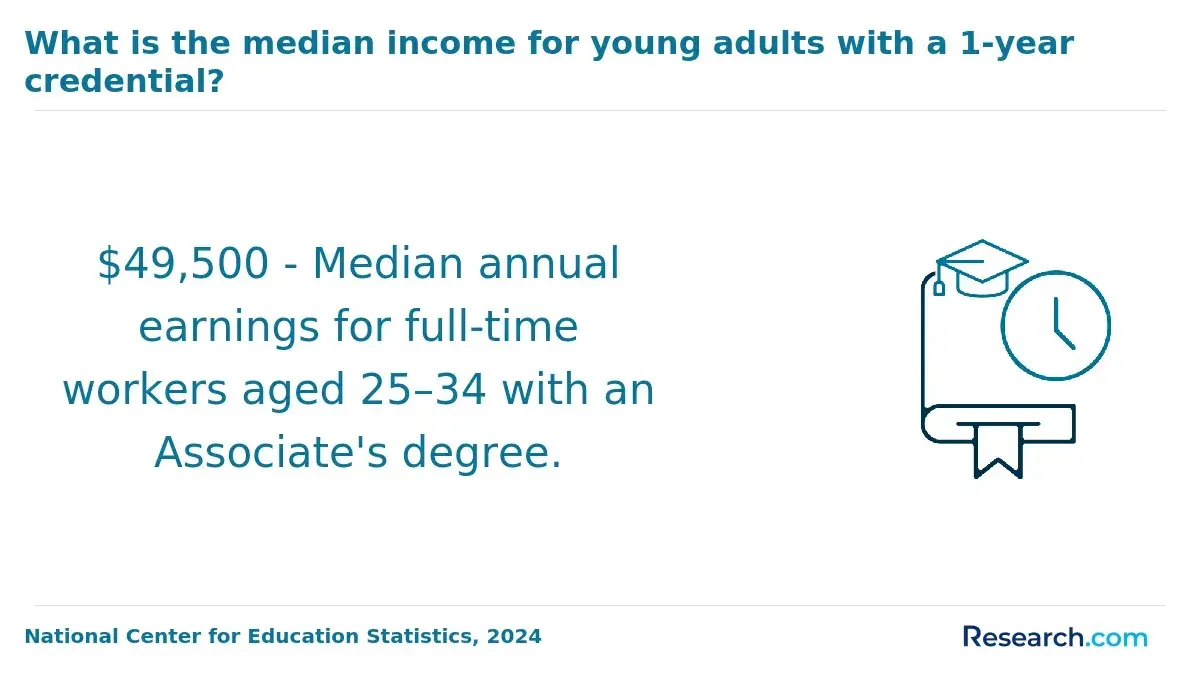
Approximately 85% of bachelor's degree graduates were employed or in graduate school within two years of finishing their degree, according to recent statistics. This positive figure sets the context for understanding key factors that influence entry-level job prospects.
Several important aspects play a role in how graduates with an online ESL degree are evaluated by employers:
- Academic Credentials: Degrees provide essential evidence of knowledge and dedication, but employers often look for more than just a diploma. Demonstrating practical skills aligned with job demands helps candidates stand out.
- Foundational Knowledge: An ESL bachelor's program covers language acquisition theories, teaching methodologies, and cultural awareness. These core areas prepare graduates to meet the expectations of education and training roles.
- Employer Expectations: Hiring managers weigh various qualities beyond education, including communication skills, adaptability, and teamwork. These interpersonal traits influence entry-level hiring decisions significantly.
- Degree Alignment: Success depends on how closely a candidate's academic background matches the requirements of the specific position. Employers value relevance and applied expertise in their new hires.
- Supplemental Experience: Internships, volunteer work, or practicum experiences often included in online programs can serve as important indicators of job readiness to employers.
What Certifications Help Career Changers in English as a Second Language (ESL) Fields?
Professional certifications offer valuable support for career changers pursuing an online English as a Second Language (ESL) bachelor's degree by bridging theoretical knowledge with practical skills. These credentials help reinforce subject-matter expertise, demonstrating readiness and enhancing credibility in the competitive ESL job market. Nearly 40% of adult learners engage in certification programs to boost career prospects and skillsets.
- TEFL and TESOL Certifications: These widely recognized credentials align closely with ESL degree coursework, focusing on teaching methodologies, language assessment, and cultural competency. They provide practical training in lesson planning and classroom management that complements academic study.
- CELTA Qualification: The Certificate in English Language Teaching to Adults offers an internationally acknowledged teaching credential. It broadens opportunities in diverse educational settings and complements the pedagogical foundation of online ESL bachelor's degrees.
- State Teaching Licenses: For those aiming to work in K-12 or special education, state-specific ESL teaching licenses or endorsements are critical. These certifications support career changers by formalizing their qualifications for public school employment.
- Technical Certifications: Digital literacy and language assessment tool certifications help educators stay current with evolving online teaching platforms. Such expertise enhances engagement and instructional effectiveness in virtual ESL classrooms.
What Jobs Can I Get After an Online English as a Second Language (ESL) Bachelor's Degree?
Career changers often inquire about available job opportunities after completing an online English as a Second Language (ESL) bachelor's degree because it provides a structured path into a new professional field. This degree lays a strong foundation in language acquisition, teaching methods, and cultural competency, enabling individuals to transition effectively into education and related roles. According to the National Center for Education Statistics, over 40% of adult learners finish a bachelor's degree as part of a career change, highlighting the value of this degree in opening new career avenues.
- Entry-Level Teaching: Graduates frequently qualify for entry-level ESL teaching careers for career changers, including roles as classroom instructors or teacher assistants in K-12 schools and community programs. The degree's focus on linguistics and pedagogy prepares students to support English language learners effectively.
- Language Tutoring: Many find opportunities as language tutors or in support services, utilizing strong communication skills and instructional techniques developed through coursework. These roles provide flexible settings for applying ESL teaching principles.
- Curriculum Coordination: Some graduates move into positions like curriculum coordinators or educational program specialists, especially within adult education or immigrant assimilation programs. The degree's emphasis on culturally responsive teaching aids professionals in designing effective ESL curricula and assessments.
- EdTech and Materials Development: Opportunities also exist in language resource development and educational technology, where graduates contribute to creating instructional materials or digital tools that enhance ESL learning experiences.
For professionals exploring an online human services degree, the ESL bachelor's program offers a flexible, focused option to enter diverse roles connected to education, community outreach, and language support.
What Is the Job Outlook for English as a Second Language (ESL) Careers for Career Changers?
Understanding the job outlook for English as a Second Language (ESL) careers is vital for career changers considering an online ESL bachelor's degree, as labor market conditions directly influence long-term planning and the viability of entering this field. The U.S. Bureau of Labor Statistics projects employment for adult literacy and secondary education teachers, which includes many ESL educators, to grow about 10 percent from 2022 to 2032, faster than the average for all occupations. This growth reflects a rising demand driven by globalization and immigration trends. Those exploring an online ESL teaching job growth should consider how these market factors impact both immediate opportunities and future stability.
The job outlook for ESL careers depends on multiple factors, including increasing multicultural populations and expanding international business, which create sustained demand for language instruction. Technological advancements such as online learning platforms and language learning software are reshaping how instruction is delivered, generating new opportunities while transforming traditional roles. Economic shifts influence funding for educational programs, affecting job availability in the sector.
Academic preparation through accredited online ESL programs equips students with adaptive skills, making flexible options like the quickest masters degree online attractive to those balancing career changes. Understanding these broad influences can help career changers align their educational investments with current and emerging industry trends.
What Are the Salary Expectations After Switching to a English as a Second Language (ESL) Career?
Professionals shifting into an English as a Second Language career after earning an online ESL bachelor's degree can generally anticipate starting salaries ranging from $40,000 to $55,000 per year. This range reflects common entry-level roles such as ESL instructors in public schools, private language centers, or community education programs.
For career changers, these figures represent a stable income foundation with room for growth as expertise and experience increase. The salary is competitive, considering the specialized skills required to support English language learners effectively.
Several elements affect salary prospects in the ESL field. Geographic location significantly impacts pay, with urban centers or areas having large immigrant populations often offering higher wages due to greater demand. The type of employer also matters; public education institutions may have different pay scales compared to private language schools or corporate training settings.
Additionally, holding only a bachelor's degree typically sets the baseline salary, while advanced degrees or additional certifications can enhance earning potential. Prior experience related to teaching or language acquisition is valued by some employers and can positively influence starting salaries for those entering the ESL profession from other sectors.
What Graduates Say About Online English as a Second Language (ESL) Bachelor's Degrees for Career Changers
- Azrael: "Choosing an online English as a Second Language bachelor's degree was a game changer for me because it offered the flexibility I needed while juggling family responsibilities. The cost was surprisingly manageable compared to traditional programs, which made returning to school less stressful financially. Since graduating, I've been able to transition into a rewarding career teaching in diverse communities, which has truly fulfilled my passion for education."
- Alvaro: "I decided to pursue an online English as a Second Language bachelor's degree to pivot from my previous career in retail management. The convenience of studying from anywhere helped me stay on track despite working full-time. Additionally, the program's affordability allowed me to invest in my future without overwhelming debt, and now I'm proud to say I've advanced into a position that makes a meaningful impact on students' lives."
- Robert: "Reflecting on my journey, the most important insight from my online English as a Second Language bachelor's degree is how it equipped me with both the theory and practical skills needed in education. The cost-effectiveness was a huge relief, especially as a career changer starting fresh. This degree opened doors I never thought possible, giving me credibility and confidence to thrive in professional ESL teaching roles worldwide."
Other Things You Should Know About English as a Second Language (ESL) Degrees
Most online ESL bachelor's programs require applicants to have a high school diploma or equivalent. Some programs might ask for prior coursework in education or language studies, but many are designed to accommodate students from diverse academic backgrounds, including career changers. Admissions may also consider work experience and motivation during the application process.
Online ESL programs often use a combination of video lectures, interactive assignments, discussion forums, and live sessions to support varied learning preferences. This blended approach helps career changers engage with material in different ways, whether through reading, listening, or hands-on teaching practice. Flexible pacing options also allow learners to adapt the study schedule to their individual needs.
Beyond tuition, students should expect costs for textbooks, teaching materials, and background checks for practicum placements. Some programs may require technology fees or subscriptions to specialized software used for language learning and instructional delivery. Career changers should budget for these expenses to avoid surprises during their studies.
References
- Teaching English Online with a Full-Time Job: Alumni Q&A with Sam Kg https://www.internationalteflacademy.com/blog/teaching-english-online-with-full-time-job-sam-kg
- 7 Benefits of Online English Learning https://www.englishradar.com/english-courses/7-benefits-of-online-english-learning/
- Teach English as a Second Language Job and Salary Outlook | CUNE https://www.cune.edu/news/teach-english-second-language-salary
- Thinking of a Career Change? Here Are 8 Reasons Why You Should Become an ESL Teacher https://tesolau.com/thinking-of-a-career-change-here-are-8-reasons-why-you-should-become-an-esl-teacher/
- I Made Teaching English a Career in 5 Steps - ESL Teacher 365 https://www.eslteacher365.com/teaching-english-as-a-career/
- Why Learning ESL (English as a Second Language) Can Transform Your Career - ABC Access Business College https://abccollege.ca/why-learning-esl-english-as-a-second-language-can-transform-your-career/
- The Ultimate Guide to Teaching English Without a Degree or Experience (Online and Abroad) - BridgeUniverse - TEFL Blog, News, Tips & Resources https://bridge.edu/tefl/blog/teach-english-without-degree-experience-guide/
- Career Opportunities and Advancement for ESL Teachers | ITTT https://www.teflcourse.net/pillars/tefl-global-demand/emerging-markets-for-english-teachers/career-opportunities-and-advancement-for-esl-teachers/
- Verifying that you are not a robot... https://teflhero.com/blog/teach-english-online-no-degree/
- How can I transition from teaching English online to teaching abroad? | ITTT TESOL & TESOL https://www.tesolcourse.com/ai/how-can-i-transition-from-teaching-english-online-to-teaching-abroad/