2027 Is an Online English as a Second Language (ESL) Bachelor's Degree Worth It?

Co-Founder and Chief Data Scientist
Facing a career change while managing work and personal commitments can make pursuing an English as a second language (ESL) bachelor's degree feel overwhelming. Many prospective students worry whether an online program will provide credible credentials and practical skills to enter a competitive job market. Recent data shows that online ESL bachelor's programs have seen a 35% enrollment increase in the past five years, reflecting growing trust in their flexibility and relevance. This article will explore the value of an online ESL degree-examining accreditation, career outcomes, and key factors to help readers decide if this educational path aligns with their professional goals.
Key Things to Know About the Value of an Online English as a Second Language (ESL) Bachelor's Degree
- An online English as a second language bachelor's degree offers flexible scheduling and transfer credit options, making it ideal for working parents, military veterans, and mid-career professionals balancing life goals with education.
- Accredited programs ensure quality education that employers recognize, leading to strong career outcomes in education, government, and nonprofit sectors with a growing demand for ESL instructors.
- Investment returns include competitive salaries and eligibility for graduate studies, with military-friendly online programs often providing tuition assistance and credit for service training.
What Are the Real Costs of Earning an Online English as a Second Language (ESL) Bachelor's Degree, and How Do They Compare to On-Campus Programs?
Tuition per credit hour for online English as a Second Language (ESL) bachelor's programs typically ranges from $200 to $600, often 10 to 30 percent less than comparable on-campus tuition, which can exceed $400 per credit hour at many public universities, according to IPEDS and the College Board's Trends in College Pricing report. This cost comparison of online versus on-campus ESL bachelor's degrees highlights significant savings potential.
- Tuition: Online programs usually have lower per-credit costs, and many allow transfer credits or competency-based assessments, further reducing expenses.
- Fees: While on-campus students pay for activity and facility fees, online learners often incur technology and digital resource fees ranging from $50 to $150 per semester, still generally less than on-campus fees.
- Required Technology: Students must ensure reliable internet and have a suitable computer. Some programs may require specific software or proctoring tools, adding $100 to $300 annually, though on-campus students cover some technology costs through in-person resources.
- Indirect Costs: Savings include no commuting, housing, or meal plan expenses-potentially thousands annually. However, online students should consider printing, study materials, and workspace costs.
Net Price vs. Sticker Price: The sticker price rarely reflects actual cost. Financial aid-scholarships, grants, and federal programs-can reduce expenses by 30 to 70 percent. Understanding aid eligibility and transfer policies is crucial to fully realizing the financial investment in online English as a Second Language bachelor's programs.
Prospective students should also consider paths to advanced credentials like a 1 year masters degree, which can enhance long-term career outcomes and return on investment.
What Is the Return on Investment (ROI) of an Online English as a Second Language (ESL) Bachelor's Degree Over a Career Lifetime?
Return on investment (ROI) in higher education evaluates the financial benefits of earning a degree against its total costs. For an online English as a Second Language (ESL) bachelor's degree, this means balancing tuition, fees, and other expenses with projected lifetime earnings in ESL-related careers. According to the Georgetown University Center on Education and the Workforce, individuals with bachelor's degrees typically earn substantially more over their careers than those with only a high school diploma. The PayScale College ROI Report provides discipline-specific data, enhancing understanding of the career lifetime earnings with an online esl bachelor's degree.
Calculating ROI requires summing all direct costs of the degree-including tuition, online fees, and materials-and comparing these to the expected salary growth after graduation. For instance, a low-cost online ESL program priced around $20,000 combined with an annual salary increase of $10,000 compared to non-degree holders could yield a favorable return in just a few years.
- 10-Year ROI: Online ESL graduates often recover initial costs and begin to see net financial gains within ten years, supported by consistent demand in education and language services fields.
- 20-Year ROI: Over two decades, cumulative earnings typically increase notably as ESL degree holders advance professionally and benefit from steady wage growth.
- Cost Comparison: Many online ESL programs feature lower tuition than traditional campus-based equivalents, lowering upfront debt and enhancing long-term ROI.
Beyond financial gains, there are important non-monetary benefits adding value to an online ESL degree. These include:
- Job Satisfaction: Many ESL professionals find fulfillment in supporting students' language acquisition and academic success.
- Career Mobility: The credential enables entry into diverse roles such as curriculum development, administration, and higher education teaching.
- Professional Credibility: Accreditation and program quality enhance employer confidence, positively affecting hiring and promotion chances.
Considering both monetary and intangible returns assists prospective students such as working parents, veterans, and mid-career professionals in making informed decisions about investing in an online ESL bachelor's degree. For those also exploring related fields, programs like the online counseling degree accredited can offer complementary career paths and further educational opportunities.
How Do the Salary Outcomes for Online English as a Second Language (ESL) Bachelor's Graduates Compare to Those With Traditional Degrees?
Online bachelor's degrees in English as a Second Language typically require 120 to 130 credit hours, mirroring traditional campus programs, with most students finishing within three to four years when enrolled full-time. Options to accelerate completion include transferring college or military credits, leveraging Advanced Placement (AP) or International Baccalaureate (IB) scores, and enrolling in accelerated or year-round courses-tools especially beneficial for working adults or veterans.
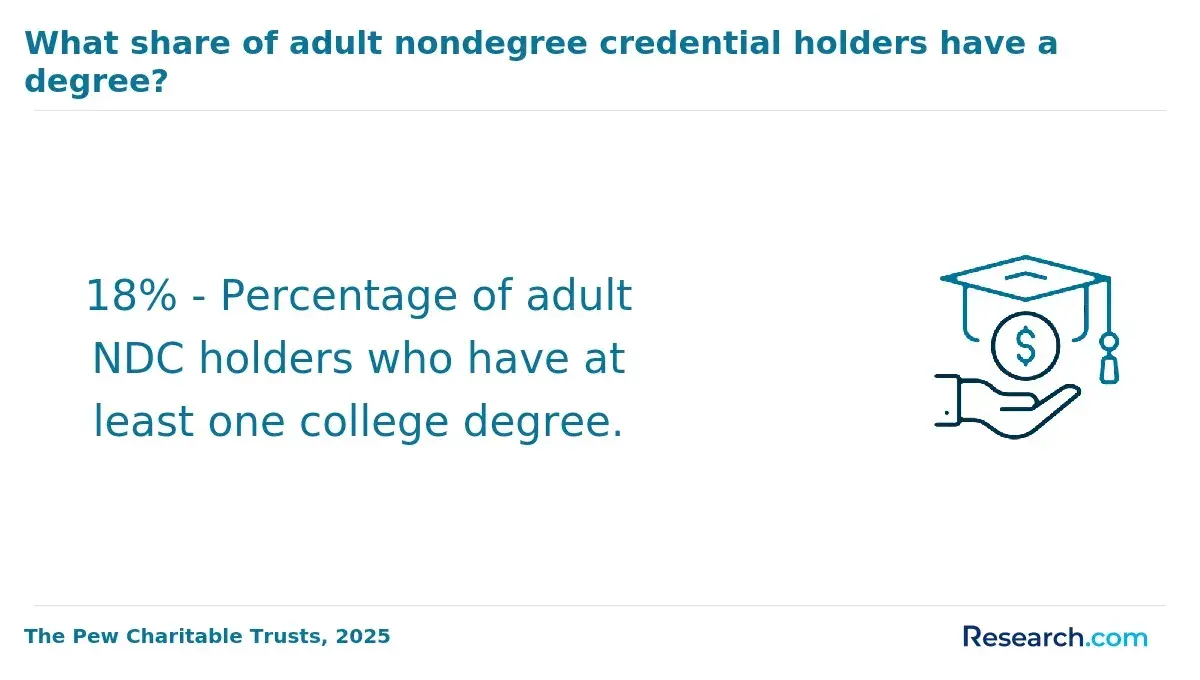
Salary data from the Bureau of Labor Statistics, PayScale, and LinkedIn Salary Insights show that graduates from online and on-campus ESL programs receive comparable median incomes. Geographic location, institutional prestige, specialization within ESL education, and years of teaching experience generally have a larger impact on wages than whether the degree was earned online.
- Starting Salary: Entry-level ESL teachers typically earn $38,000 to $42,000 annually, although local demand and school reputation can cause variation.
- Mid-Career Earnings: After about a decade in the field, salaries often increase to between $55,000 and $65,000, especially for those with additional certifications or specialized skills.
- Institutional Impact: Graduates from regionally accredited institutions with strong employer ties may see enhanced salary growth and better job placement, as noted in IPEDS and institutional transparency reports.
- Delivery Mode Considerations: Employers prioritize work experience and licensure over the modality of the degree-online or on-campus-when evaluating candidates.
Reflecting on the salary outcomes of online ESL bachelor's graduates, a professional who completed such a program shared that despite initial concerns about employer perceptions, the flexible scheduling allowed him to maintain full-time employment while studying. "Balancing work, family, and coursework was challenging, yet completing the degree online opened doors that seemed inaccessible otherwise," he noted. He emphasized that gaining relevant teaching experience concurrently with his studies was crucial in securing a stable position post-graduation and that his salary progression matched peers from traditional programs, underscoring the value of accredited online education paired with practical experience.
What Career Paths and Job Opportunities Are Available to Online English as a Second Language (ESL) Bachelor's Degree Graduates?
Graduates holding an online English as a Second Language bachelor's degree can pursue various career paths that tap into their teaching and linguistic expertise. Key roles include:
- ESL Teacher: Educators deliver English instruction to non-native speakers in K-12 or adult education. While some K-12 positions require state licensure, many adult education jobs accept a bachelor's degree alone. This sector is expected to grow moderately due to immigration and globalization trends.
- Adult Literacy and Education Specialist: Professionals work in community programs, government agencies, or correctional facilities, focusing on improving adult English literacy. These roles typically require only a bachelor's degree and offer opportunities in public and nonprofit sectors.
- Educational Program Coordinator: Coordinators design and oversee ESL curricula within schools or nonprofit organizations. Entry-level positions need a bachelor's degree, but advanced roles may require additional certification or experience.
- Instructional Coordinator: Specialists manage educational content and standards, sometimes concentrating on ESL program evaluation. Usually, a master's degree is preferred, but a solid ESL bachelor's degree can support progression into graduate education.
- Translator or Interpreter: These roles often require fluency in multiple languages; however, some ESL-focused positions are available with a bachelor's degree, and certification can enhance employability.
According to the Bureau of Labor Statistics Occupational Outlook Handbook, job growth in adult literacy and postsecondary instruction fields-common for ESL bachelor's degree holders-is projected to be on par with average through 2032. This reflects increased demand for language access at workplaces and local communities. Concentrating in TESOL, bilingual education, or curriculum design within an online ESL bachelor's degree can help fine-tune or expand career opportunities. Emphasizing leadership or digital learning technologies can further improve prospects, especially in online education and program management roles. For those evaluating educational costs, exploring financial aid and transfer credit policies in online accounting classes may provide useful budgeting insights applicable across fields.
What Student Support Services Do Online English as a Second Language (ESL) Bachelor's Programs Provide to Promote Success and Retention?
- Academic Advising: Personalized guidance from advisors helps students navigate course selections, degree requirements, and credit transfers, accommodating diverse needs such as military veterans or working adults balancing multiple responsibilities.
- Tutoring and Writing Labs: Targeted tutoring supports mastery of complex ESL material while writing labs offer constructive feedback to refine academic writing and boost language skills.
- Mental Health Counseling: Telehealth services provide accessible emotional support, which is vital for online learners managing isolation and the stress of combining education with personal and professional duties.
Retention and Success Data: Reviewing institutional retention and graduation statistics alongside national surveys like the National Survey of Student Engagement (NSSE) helps gauge the effectiveness of student support and its impact on timely degree completion.
A professional who built her career after finishing an online esl bachelor's program shared that what stood out most was the consistent and personalized support through academic advising and career services. She recalled struggling initially with balancing work and coursework but found that tutors and writing labs made a significant difference in overcoming language barriers. The telehealth counseling also provided a crucial outlet during stressful periods, enabling her to maintain focus and motivation. Her experience confirms how comprehensive support plays a pivotal role in student success beyond academics, fostering both personal growth and professional readiness.
Is an Online English as a Second Language (ESL) Bachelor's Degree Respected by Employers and Recognized Across Industries?
A 2023 survey by the Society for Human Resource Management found that over 80% of employers accept online degrees from accredited institutions as equally credible to traditional on-campus credentials, especially in education and language-related fields. This acceptance highlights improvements in the quality and regulation of online programs. In areas such as public education, adult literacy, and language tutoring, online English as a Second Language bachelor's degrees generally hold the same value as on-campus degrees, with many school districts and language organizations actively hiring graduates from these programs. However, some specialized federal roles and top-tier academic settings may still favor traditional credentials due to established hiring preferences or prestige considerations.
Prominent employers including public school districts in states like California and Texas, nonprofits serving immigrant communities, and corporate language training departments frequently recruit graduates of online ESL programs. Data from universities offering such degrees consistently show placement rates exceeding 70% in these sectors, signaling strong market acceptance. When selecting a program, students should carefully evaluate the accreditation status, institutional reputation, and evidence of employer connections and graduate outcomes, as these factors often outweigh the program's delivery format. Investigating specific employer expectations and networking within target industries can offer valuable guidance for making an informed decision.
- Employer Acceptance: Accredited online ESL degrees are broadly acknowledged, particularly for roles in public education and adult language services where proven skills matter more than how the degree was earned.
- Field-Specific Equivalence: While many public and nonprofit positions treat online and on-campus degrees equally, some competitive or specialized jobs still prioritize traditional credentials, making program choice important.
- Recruitment by Leading Employers: Public school systems, immigrant-focused nonprofits, and corporate trainers regularly seek candidates holding online ESL degrees, reflecting increasing confidence in these qualifications.
- Accreditation Impact: Employers place significant weight on program accreditation and institutional reputation, so selecting a well-regarded school improves job prospects.
- Industry Insight: Understanding the hiring standards and preferences within your target field helps tailor your program choice to align with employer expectations and career goals.
What Accreditation Standards Should an Online English as a Second Language (ESL) Bachelor's Program Meet to Be Considered Legitimate?
Accreditation plays a vital role in evaluating online English as a Second Language (ESL) bachelor's degree programs-regional accreditation typically offers greater benefits than national accreditation. Regional accreditation carries superior credit transferability, higher employer acceptance, and better eligibility for graduate studies.
The six regional accrediting bodies recognized by the U.S. Department of Education are:
- HLC: Higher Learning Commission, covering the central U.S.
- SACSCOC: Southern Association of Colleges and Schools Commission on Colleges, serving southern states.
- NECHE: New England Commission of Higher Education, overseeing institutions in the northeast.
- MSCHE: Middle States Commission on Higher Education, focusing on mid-Atlantic states.
- NWCCU: Northwest Commission on Colleges and Universities, responsible for the northwest region.
- WSCUC: WASC Senior College and University Commission, covering California and Hawaii.
No specialized accrediting agency exclusively certifies ESL bachelor's programs, but regional accreditation indicates adherence to rigorous academic and operational standards. This recognition helps with eligibility for federal financial aid and wider acceptance by employers and graduate schools.
Prospective students should verify accreditation status through the Council for Higher Education Accreditation (CHEA) or the U.S. Department of Education's databases, both offering up-to-date listings and verification tools. Attending unaccredited or lapsed programs risks loss of financial aid, non-transferable credits, and poor employer recognition.
According to the National Center for Education Statistics, approximately 85% of U.S. postsecondary institutions hold regional accreditation, underscoring its widespread trust and value in higher education.
How Long Does It Take to Complete an Online English as a Second Language (ESL) Bachelor's Degree, and What Factors Affect the Timeline?
Online english as a Second Language (ESL) bachelor's degree programs generally require about 120 credits, typically completed over four years of full-time study. This standard timeline aligns with many on-campus equivalents, reflecting a consistent curricular framework designed to balance general education and specialized ESL training. However, various factors affect the time to complete an online English as a Second Language bachelor's degree, leading to potential acceleration or extension depending on student circumstances.
Accelerated eight-week course formats have become common, allowing motivated students to finish more courses annually and potentially reduce completion times to two or three years. Competency-based education (CBE) pathways, which let students move forward by demonstrating mastery rather than following fixed schedules, also contribute to faster graduation. Institutions like Western Governors University and Southern New Hampshire University report average completion times for their competency-based or accelerated ESL bachelor's programs within this two- to three-year range.
Year-round enrollment is another key factor accelerating degree completion. Continuous study without typical semester breaks helps maintain momentum and trim down overall duration. Transfer credits from previous college work or military service can further reduce required coursework and timeline. On the other hand, part-time enrollment due to work or family obligations often extends degree duration beyond four years, increasing costs and delaying career entry.
Finishing an online ESL degree sooner reduces tuition expenses and lessens the opportunity cost related to delayed full-time employment. For those balancing education with other responsibilities, understanding these factors can guide efficient program selection and financial planning. For additional insights on managing education expenses while accelerating career paths, explore online MBA entrepreneurship programs.
- Credit Requirements: A 120-credit curriculum forms the standard foundation for online ESL bachelor's degrees, requiring consistent course loads unless accelerated tracks are chosen.
- Accelerated Formats: Eight-week terms and competency-based education allow students to complete coursework faster by focusing on mastery and compact scheduling.
- Year-Round Enrollment: Continuous academic terms without traditional breaks help students progress steadily, shortening overall completion times by as much as a year.
- Transfer Credits: Prior college coursework or military training can reduce required credit hours, allowing quicker program completion.
- Time vs. Cost: Faster graduation lowers both tuition payments and the income lost from postponing full-time work in ESL fields.
What Financial Aid, Scholarships, and Tuition Assistance Are Available for Online English as a Second Language (ESL) Bachelor's Students?
Students pursuing an online English as a second language bachelor's degree have several financial aid options to help reduce tuition and other educational costs. Applying early through the Free Application for Federal Student Aid (FAFSA) is critical to maximize eligibility for aid. FAFSA collects financial information to determine qualification for federal grants, loans, and work-study programs.
- Federal Pell Grants: Need-based grants that do not require repayment, offering up to several thousand dollars annually depending on financial need and enrollment status.
- Direct Subsidized and Unsubsidized Loans: Subsidized loans are need-based with the government paying interest while the student is in school; unsubsidized loans are available regardless of need but accrue interest immediately.
- Institution-Specific Scholarships: Many colleges offer scholarships designed for online English as a second language degree students. Notable examples include the TESOL Foundation Scholarship, which awards up to $2,000 for students enrolled in accredited ESL education programs with demonstrated financial need. The Latino Scholarship Fund provides up to $5,000 based on academic merit and community involvement. These awards supplement federal aid and support affordable tuition assistance for online ESL bachelor's degrees.
- State Grant Programs: Various states offer grants for residents enrolled in online programs, often aimed at workforce development within education fields.
- Additional Aid Opportunities: Students can minimize out-of-pocket expenses by combining multiple aid sources like federal grants, scholarships, employer tuition reimbursement, and work-study employment. This layering requires early and careful financial planning.
For veterans, working parents, and mid-career professionals, leveraging these funds is key to managing costs. Transfer policies and employer perceptions often favor accredited credentials, so careful selection of programs is essential. Prospective students may also explore ASHA online SLP programs to assess alternative pathways closely aligned with language and speech careers.
What Are the Admission Requirements for Online English as a Second Language (ESL) Bachelor's Degree Programs?
Admissions criteria for online English as a Second Language (ESL) bachelor's degree programs vary widely based on institutional selectivity. Competitive programs generally require a minimum high school GPA of about 3.0 alongside a valid high school diploma or GED. Some selective schools may request SAT or ACT scores, though many now apply test-optional policies. Applicants often need to submit letters of recommendation and personal statements to highlight their preparedness and commitment to the field.
In contrast, open-enrollment or less selective ESL programs usually have more flexible entry standards, frequently requiring only proof of a high school diploma or GED without standardized test mandates. Many offer rolling or continuous admissions, enabling individuals to apply anytime-an advantage for working parents, military veterans converting service credits, and professionals balancing education with career demands.
Applicants with academic backgrounds below typical requirements can improve their applications by completing relevant coursework at community colleges, obtaining professional certificates related to language instruction or education, or providing strong recommendation letters from employers or educators. Prerequisite classes in English composition and foundational linguistic studies are often required or recommended to prepare students for bachelor-level coursework.
- High School Diploma or GED: Nearly all programs require this as confirmation of secondary education completion.
- Minimum GPA: Selective programs usually specify a 3.0 or higher; open-access schools may lack a minimum GPA.
- Standardized Tests: Some competitive institutions require SAT or ACT scores; many adopt test-optional policies.
- Prerequisite Coursework: Foundational studies in English and language are commonly mandated or advised.
- Additional Materials: Letters of recommendation and personal statements are often requested to assess applicant potential.
How Should Prospective Students Evaluate and Choose the Right Online English as a Second Language (ESL) Bachelor's Degree Program for Their Goals?
- Accreditation: Verify the program holds regional accreditation to ensure recognized academic standards and acceptance by employers and graduate programs.
- Cost and ROI: Assess tuition and fees together with post-graduation salary expectations. Utilize resources like the U.S. Department of Education's College Scorecard and the IPEDS Data Center to compare net price and income outcomes, helping determine financial value over time.
- Program Format and Flexibility: Consider whether courses are offered online asynchronously, synchronously, or in a hybrid model and how the schedule fits around work, family, or military obligations.
- Career Outcomes Data: Seek detailed information on graduate employment rates, typical roles, and advancement opportunities aligned with your goals in English as a Second Language education.
- Student Support Services: Examine availability of tailored academic advising, tutoring, technical assistance, and career counseling designed for online learners.
- Transfer Credit Policies: Investigate how prior college, military, or professional credits may reduce time and cost to degree completion by being accepted.
Remember to identify additional expenses not included in advertised tuition-such as technology fees, costs for proctored exams, textbook purchases, and any mandatory in-person residencies-that could affect your budget.
What Graduates Say About the Value of Their Online English as a Second Language (ESL) Bachelor's Degree
- Azrael: "Choosing the online English as a Second Language bachelor's degree program was a game changer for me because of its flexibility-I could balance work, family, and study without compromise. The affordable tuition made it accessible, and the knowledge I gained has opened doors to teaching opportunities I never imagined. This program truly delivers value by combining convenience with career advancement."
- Alvaro: "Reflecting on my experience, what stood out most about the online English as a Second Language bachelor's degree program was the excellent return on investment. The cost was reasonable compared to traditional options, and the skills I acquired helped me secure a promotion within months of graduating. I'm grateful for how the curriculum prepared me to meet real-world challenges professionally."
- Robert: "From a professional standpoint, the online English as a Second Language bachelor's degree program enhanced my confidence and teaching effectiveness in diverse classrooms. The interactive learning environment and expert faculty were invaluable assets during my studies. This degree not only boosted my résumé but also deepened my passion for helping others master English."
Other Things You Should Know About English as a Second Language (ESL) Degrees
Online ESL bachelor's programs typically use learning management systems where students access lectures, readings, and assignments asynchronously. This format offers flexibility, allowing students to study around work or family commitments. Interaction is usually supported through discussion boards, video conferences, and group projects, fostering a collaborative environment despite physical distance.
Many online ESL bachelor's programs offer specializations in areas such as bilingual education, curriculum development, or TESOL (Teaching English to Speakers of Other Languages). These concentrations help students tailor their expertise toward specific career paths, whether they plan to work in K-12 education, adult education, or international settings.
Graduates with online ESL bachelor's degrees from accredited institutions are generally eligible for admission into master's programs in TESOL, linguistics, or education. Admission committees often value the self-discipline demonstrated by completing an online degree. However, students should verify that their program meets prerequisites for their intended graduate studies.
References
- The Truth About ‘Free’ and Low-Cost Online Colleges: Catches and Hidden Costs to Consider https://www.investopedia.com/the-truth-about-free-online-colleges-catches-and-hidden-costs-to-consider-11789310
- How to assess a prospective ESL student - Off2Class https://www.off2class.com/how-assess-prospective-esl-student/
- 23 Best Teaching English Online Companies (Comparison) | The TEFL Org https://www.tefl.org/teach-english-online/
- Job opportunities with an ESL degree | ITTT TEFL & TESOL https://www.teflonline.net/ia/job-opportunities-with-an-esl-degree/
- Online ESL Degree Programs | Onlinedegrees.com https://www.onlinedegrees.com/esl/
- Online Education vs. On-Campus Tuition: How ACE Online Degree Programs Help Keep Your Costs Down | ACE Blog https://ace.edu/blog/online-education-vs-on-campus-tuition-how-ace-online-degree-programs-help-keep-your-costs-down/
- What To Consider When Choosing ESL Courses https://www.csinow.edu/blog/what-to-consider-when-choosing-esl-courses/
- Teach English Online - Highly Paid Online ESL Teaching Jobs https://ontesol.com/teach-english-online/
- The Pros and Cons of Teaching English Online https://www.internationalteflacademy.com/blog/pros-and-cons-of-teaching-english-online