2027 What Jobs Can You Get With an English as a Second Language (ESL) Bachelor's Degree?

Co-Founder and Chief Data Scientist
Many individuals with a passion for language and education wonder about viable career options after earning an English as a second language (ESL) bachelor's degree. Navigating the job market can be especially challenging given the varied settings in which ESL skills apply, from classrooms to corporate environments. According to the U. S. Bureau of Labor Statistics, employment for adult literacy and remedial education teachers is projected to grow 7% from 2021 to 2031, reflecting steady demand.
Understanding the range of professions accessible with an ESL degree is crucial for informed career planning. This article explores the diverse employment opportunities available to ESL graduates and offers insights to guide job selection.
Key Benefits of the Jobs You Can Get With a English as a Second Language (ESL) Bachelor's Degree
- Graduates with a bachelor's in English as a second language can pursue careers in education, corporate training, and government, demonstrating strong versatility across industries.
- These roles often offer competitive salaries, with the U.S. Bureau of Labor Statistics noting median wages above average for adult literacy and language instructors.
- The degree fosters long-term growth by enabling advancement into specialized fields such as curriculum development, administration, or higher education teaching positions.
What Entry-Level Jobs Can I Get With a English as a Second Language (ESL) Bachelor's Degree?
A bachelor's degree in English as a Second Language (ESL) offers a pathway to various entry-level jobs where graduates apply their foundational knowledge and skills in language acquisition, teaching methods, and cultural communication. National data show that about 68% of bachelor's degree holders find employment in their field within the first year after graduation, demonstrating the degree's connection to job placement. Those exploring career options with an English as a Second Language bachelor's degree will find several roles suited for fresh graduates.
- ESL Teacher Assistant: This position involves supporting lead teachers by preparing educational materials, assisting students during language practice, and managing classroom activities. Graduates are equipped with essential pedagogical skills and linguistic theory to contribute effectively in educational environments.
- Language Tutor: Working individually or with small groups, language tutors help learners enhance their English skills. The training emphasizes communication techniques and cultural sensitivity, enabling graduates to customize sessions according to diverse student needs.
- Adult ESL Instructor: Instructors specialize in teaching English to adult learners, often at community centers or language schools. The degree provides an understanding of adult learning principles and curriculum planning necessary to deliver engaging instruction.
- Curriculum Assistant: This role supports the creation and adaptation of ESL teaching materials and programs. A strong grasp of language structure and instructional strategies gained from the degree is key to this behind-the-scenes work.
- Language Program Coordinator (Entry-Level): Graduates assist with organizing ESL programs, managing enrollments, and coordinating logistics, applying their foundational knowledge of language education and learner needs.
For students considering further education options related to their ESL bachelor's degree, exploring an online doctorate could be a valuable next step toward specialized expertise and career advancement.
What Industries Hire English as a Second Language (ESL) Bachelor's Degree Graduates?
A bachelor's degree in English as a Second Language (ESL) offers pathways across multiple industries where strong language skills and cultural fluency are vital. Demand for graduates varies depending on their specialization and communication expertise, with the U.S. Bureau of Labor Statistics projecting about 12% growth in jobs requiring at least a bachelor's degree over the next decade. This steady increase highlights continued opportunities for ESL degree holders in diverse fields.
- Education: This sector remains the primary employer of ESL graduates. Opportunities include roles such as ESL instructors, curriculum developers, and coordinators who facilitate language learning in public schools, private institutions, and adult education programs.
- Nonprofit and Government Agencies: These organizations often seek ESL graduates for program development, advocacy, and immigrant or community support services. Their language and cultural skills enhance outreach and integration efforts.
- Healthcare: Hospitals and clinics increasingly hire ESL graduates to improve patient communication. Positions like medical interpreters, cultural liaison officers, and patient education specialists help bridge language barriers in healthcare settings.
- Corporate and Business Services: ESL graduates support companies with international clients or diverse workforces, contributing to human resources, training, and corporate communications to enhance workplace communication and development.
- Publishing and Media: Some ESL degree holders find roles in content creation, editing, and translation, particularly within organizations producing educational or multicultural materials.
The career options for ESL degree holders in education and corporate sectors demonstrate the value of specialized language instruction and intercultural communication. For students exploring educational pathways, comparing programs such as an accredited online psychology degree can also provide complementary skills that enhance career versatility.
Can You Get Jobs Outside Your Major With a English as a Second Language (ESL) Bachelor's Degree?
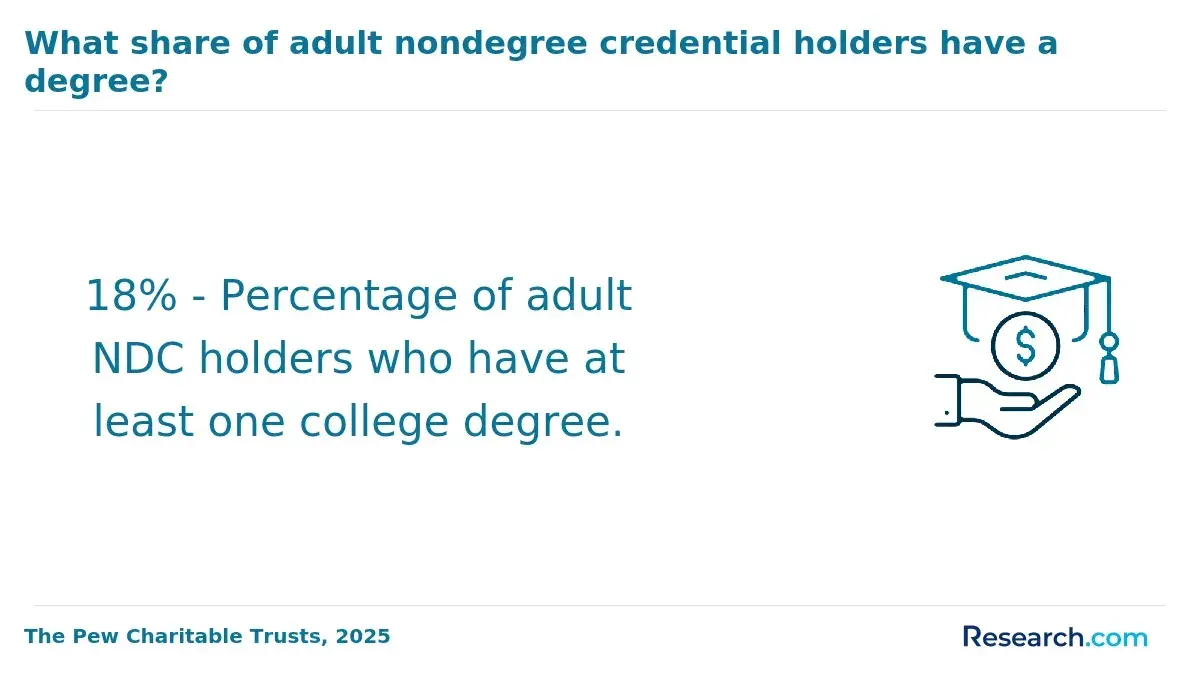
Many graduates with a bachelor's degree in English as a Second Language (ESL) find career paths beyond their field of study, leveraging transferable skills and adapting to evolving job market trends. Research indicates that nearly 30% of college graduates end up working in areas unrelated to their majors, highlighting growing flexibility in career choices.
- Transferable Skills: An ESL degree develops strong communication, cultural sensitivity, and problem-solving skills, which are highly sought after in roles such as customer service, human resources, and education support.
- Employer Hiring Trends: Increasingly, employers prioritize soft skills and adaptability over strict degree alignment, allowing ESL graduates to compete for a broader range of positions when they demonstrate relevant experience and capabilities.
- Experience and Additional Training: Practical experience through internships or certifications in related fields can expand job prospects into areas like program coordination, community outreach, or training, even when the roles don't directly involve ESL instruction.
Graduates with an ESL bachelor's degree benefit from a versatile skill set that supports diverse employment opportunities beyond traditional ESL careers, especially when combined with real-world experience and ongoing professional development.
What Remote Jobs Can I Get With a English as a Second Language (ESL) Bachelor's Degree?
The shift toward remote work continues to reshape the professional landscape, with over half of U.S. employees now able to work from home part of the time. Graduates with a bachelor's degree in English as a Second Language (ESL) are particularly well-suited for remote careers due to their advanced communication skills and cultural sensitivity, both essential in virtual work environments.
- Online ESL Instructor: This role entails teaching English to learners worldwide via online platforms, requiring lesson creation and progress evaluation. An ESL degree equips instructors with a profound understanding of language development, enabling effective remote teaching and engagement.
- Curriculum Developer: Designing and adapting educational resources for digital use is central to this position. ESL graduates utilize their grasp of language acquisition challenges to produce accessible and motivating content tailored for diverse remote learners.
- Language Assessment Specialist: Managing and interpreting language proficiency tests virtually demands both linguistic insight and analytical skills. ESL training prepares specialists to administer assessments accurately while maintaining standardized evaluation procedures.
- Educational Consultant: Advising educational organizations on implementing language programs and remote teaching strategies leverages an ESL graduate's specialized knowledge to support inclusive and effective learning experiences.
One graduate I spoke with shared how her ESL degree opened doors to various online roles, although transitioning to fully remote work took patience and adjustment. "Initially, coordinating across time zones and mastering digital tools felt overwhelming," she recalled. "But my training in clear communication and adaptability truly helped me build confidence and connect with students globally." Her experience highlights how ESL graduates can thrive in remote settings by embracing flexibility and continuous learning.
Can I Switch Careers With a English as a Second Language (ESL) Bachelor's Degree?
Many professionals utilize an English as a Second Language (ESL) bachelor's degree as a versatile foundation to explore various career change options with an ESL bachelor's degree. This adaptability is reflected in data showing that nearly 40% of degree holders shift their career focus within the first decade after graduation. The dynamic nature of today's workforce encourages graduates to leverage skills learned during their studies to enter new fields. Such transitions are common as evolving job markets demand diverse and transferable competencies. As a result, an ESL degree can serve as a stepping stone to numerous professional paths beyond its initial educational scope.
An English as a Second Language (ESL) degree supports career switching by fostering key transferable skills such as effective communication, problem-solving, adaptability, and analytical thinking. These abilities are critical in managing change and thriving in varied work settings. Successful career shifts also often depend on gaining additional experience through internships, volunteer work, or employer-provided training. Self-directed learning efforts, including workshops or online courses, further enhance readiness for new roles. For those exploring how to transition careers with an English as a Second Language degree, options like the best 2 year construction management degree online can offer practical pathways for growth and diversification.
What Are the Highest-Paying Jobs With a English as a Second Language (ESL) Bachelor's Degree?
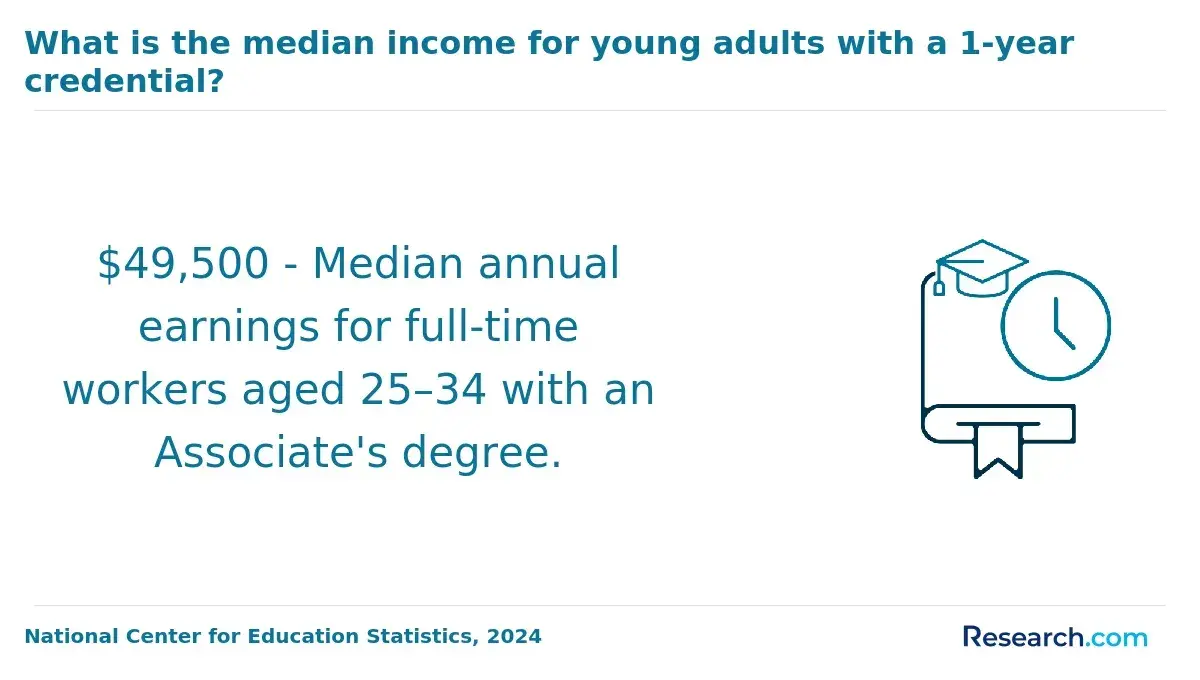
Income for graduates with a bachelor's degree in English as a Second Language varies widely depending on factors like industry, location, experience, and area of focus. Nonetheless, earning a bachelor's degree generally boosts long-term earning potential compared to having only a high school diploma, opening doors to better-paying positions as proficiency and expertise grow.
- ESL Teacher at International Schools: These professionals work with students from diverse backgrounds, developing curricula and delivering instruction tailored to non-native English speakers. The ESL degree supports effective communication and cultural sensitivity, with salaries typically ranging between $45,000 and $70,000 annually, increasing at well-established international institutions.
- Corporate Language Trainer: Trainers in multinational companies design business English programs that enhance employees' communication skills. An ESL background provides insight into language acquisition and teaching methods essential for this role. Compensation usually falls between $55,000 and $85,000, often rising with experience and client engagement.
- Curriculum Developer for ESL Programs: These experts create customized learning materials and courses aimed at diverse learners, using their knowledge of language structure and learner challenges. Employers tend to offer salaries ranging from $50,000 to $80,000, reflecting the specialized nature of the work.
- Adult Education Instructor: In community colleges or nonprofit settings, these instructors teach English to adults improving language skills for professional or citizenship goals. Their strong ESL knowledge helps address varied learning styles. Salary ranges typically sit between $40,000 and $65,000, with growth potential over time.
- Language Program Coordinator: Coordinators manage ESL programs or departments, combining administrative duties with overseeing staff and evaluating effectiveness. Their ESL expertise aids in aligning educational goals with organizational needs, with salaries commonly starting around $50,000 and potentially exceeding $75,000 depending on institution size.
What Career Growth Opportunities Are Available With a English as a Second Language (ESL) Bachelor's Degree?
An English as a Second Language (ESL) bachelor's degree provides a strong foundation for long-term career development and advancement across various education-related roles. Graduates often progress to positions with greater responsibility, such as curriculum coordinator or program director, while also developing specialized expertise in areas like language assessment or instructional technology. Experience and continuous skill development can open doors to leadership roles within schools, community organizations, or language service agencies. Additionally, professionals may expand into cross-functional roles involving collaboration with social services, healthcare, or business sectors, broadening their impact beyond traditional teaching.
A professional with an English as a Second Language (ESL) bachelor's degree shared that advancing from a classroom role to program coordination felt both challenging and rewarding. "Navigating the transition required quickly learning about budgeting and team management," he reflected. "I often found myself balancing competing priorities but grew more confident as I realized how much my educational background prepared me for strategic decision-making." He emphasized how mentorship and hands-on experience helped bridge gaps between theory and practice, stating that the journey "felt like evolving from a teacher to a leader who shapes language education programs." This personal insight highlights the dynamic opportunities for growth available with an ESL degree.
What Jobs Require Certifications After a English as a Second Language (ESL) Bachelor's Degree?
Certain roles available to graduates with a bachelor's degree in English as a Second Language (ESL) may require or strongly prefer additional certifications. These credentials validate specialized skills and align with industry standards, improving eligibility for targeted positions. Acquiring these certifications can be essential for meeting the specific demands of various ESL teaching careers.
English as a Second Language Teacher: Many K-12 public schools require state teaching certification or licensure alongside an ESL degree. Common certifications include the Praxis II ESL exam or state-specific ESL endorsements, which ensure teachers meet legal and educational standards for classroom instruction. These credentials are vital to meet ESL teacher certification requirements in the United States.
TESOL Instructor at Language Schools: Positions teaching English to adult learners often require specialized credentials such as TESOL certification or CELTA (Certificate in English Language Teaching to Adults). These certifications focus on adult teaching methodologies and complement the theoretical foundation gained through an ESL bachelor's degree.
Adult Education Instructor: Teaching ESL to adults in settings like community colleges or workforce programs may demand adult education or GED teaching certifications. Credentials such as the Adult Education and Literacy certificate highlight expertise in adult learning strategies applicable to ESL students, enhancing career opportunities.
Speech-Language Pathology Assistant: For ESL graduates interested in speech and language support roles, certification as a Speech-Language Pathology Assistant (SLPA) is often necessary. Although this role emphasizes speech therapy, the ESL background aids in understanding language acquisition challenges. Certification requirements vary by state.
Some professionals also pursue roles requiring instructional design or education administration certifications to become educational coordinators or curriculum developers in ESL programs. These certifications help in designing curricula and managing ESL education at various institutions. Exploring related fields can also be beneficial in broadening career prospects, as seen with programs like forensic psychology masters programs.
What Jobs Require a Master's After a English as a Second Language (ESL) Bachelor's Degree?
While a bachelor's degree in English as a Second Language (ESL) opens doors to many career opportunities, some roles require a master's degree for advanced knowledge, specialization, or professional licensure. A growing trend shows that nearly 60% of educators in specialized fields hold graduate-level credentials, reflecting the demand for a deeper understanding of teaching methodologies and linguistics. This highlights the importance of masters programs required for advanced ESL teaching careers.
- ESL Program Coordinator: These professionals manage ESL curricula and oversee teacher training. A master's degree provides essential skills in educational leadership and program development, preparing coordinators to implement effective language instruction strategies.
- Curriculum Specialist: Specialists design and evaluate instructional materials tailored for ESL learners. Graduate degrees offer expertise in curriculum theory and innovative teaching methods, crucial for enhancing learning outcomes in diverse classrooms.
- English Language Specialist: Often employed internationally or in government agencies, this role requires advanced research abilities and linguistic knowledge typically gained through graduate study. Such specialization supports policy development and program assessment.
- Higher Education Instructor: Teaching ESL at the college level typically demands a master's or doctoral degree due to the complexity of course content and research responsibilities. Graduate education ensures instructors can meet academic standards and mentor future educators effectively.
- Educational Consultant: Consultants advise schools and organizations on ESL strategies and policies. A master's degree equips them with analytical and strategic planning skills needed to implement effective language programs in various educational settings.
Pursuing a master's degree after an ESL bachelor's enhances one's knowledge base and often meets professional standards necessary for advancing in these specialized careers. Students seeking further education might also explore programs such as the best online architecture degree, reflecting the broader landscape of graduate degrees needed for ESL education advancement and career development.
What Is the Job Outlook for English as a Second Language (ESL) Careers?
Employment prospects for English as a Second Language careers are steady, with the U.S. Bureau of Labor Statistics projecting about a 5% growth over the next ten years-on par with the average for all occupations. Demand fluctuates by location and setting, often higher in urban public schools and adult education centers serving diverse populations. Industries focused on international business and global communication also contribute to the need for specialists in this field. Economic conditions and shifting immigration patterns further influence the number of learners requiring language support. Individuals with adaptable skills and cultural awareness tend to be sought after across various teaching environments.
Several factors shape the future landscape of English as a Second Language careers. Advances in digital learning platforms and educational technologies have transformed instructional methods, encouraging a blend of in-person and online teaching. Growth in higher education, private tutoring, and community programs sustains ongoing opportunities. Increasingly, employers value not only language instruction ability but also cultural competence and collaboration across disciplines. Those who can tailor their teaching approach to diverse learner needs and utilize new technology will likely find more avenues for success in this evolving field.
What Graduates Say About the Jobs You Can Get With a English as a Second Language (ESL) Bachelor's Degree
- Azrael: "Choosing to major in English as a Second Language was a decision driven by my passion for helping others communicate and connect across cultures. The degree opened doors to various teaching opportunities abroad and in international schools, which perfectly aligned with my desire to work globally. Pursuing this path has profoundly shaped my career, allowing me to advocate for inclusive education and language accessibility in diverse communities."
- Alvaro: "When I started my bachelor's in English as a Second Language, I was initially unsure about the job prospects, but the practical skills I gained made a huge difference. Navigating employment became easier as I found roles in curriculum development and educational consulting, thanks to the program's emphasis on pedagogy and language theory. The degree has truly expanded my professional horizon, helping me become a leader in language program design and cross-cultural training."
- Robert: "The reason I chose English as a Second Language as my major was because I wanted a career that combined my love for linguistics with real-world impact. With this degree, I secured a position as an ESL coordinator at a community college, where my role focuses on student success and bridging communication gaps. Earning this bachelor's has not only provided job stability but also the satisfaction of enabling lifelong learning for others."
Other Things You Should Know About English as a Second Language (ESL) Degrees
In 2027, ESL bachelor's degree holders can explore non-teaching careers such as curriculum design, linguistics research, and educational consulting. Roles in education technology, content creation, and translation services are also on the rise, providing diverse opportunities beyond classroom instruction.
Many ESL teaching jobs, especially in public schools or specialized programs, require additional state-issued teaching certifications or endorsements beyond a bachelor's degree. Certifications such as TESOL (Teaching English to Speakers of Other Languages) or CELTA (Certificate in English Language Teaching to Adults) can significantly enhance employment opportunities. Some employers may accept a bachelor's degree with relevant experience but certification increases professional credibility.
Graduates with an english as a second language (ESL) bachelor's degree are qualified to work internationally, particularly in countries with strong demand for English language instruction. Many universities, language schools, and cultural exchange programs worldwide hire ESL degree holders to teach English. Understanding local educational regulations and obtaining necessary visas or work permits are important steps for international employment.
Besides teaching, graduates may find opportunities in curriculum design, educational consulting, language assessment, and program coordination. Roles in adult education centers, nonprofit organizations, and government agencies offering language acquisition services are common. These positions often utilize ESL expertise to support language learners without direct classroom instruction.
References
- Bachelor’s Degree in ESL https://www.eslteacheredu.org/education/bachelors-degree-esl/
- 8 Great Benefits of Being an ESL Teacher - TtMadrid https://ttmadrid.com/8-great-benefits-esl-teacher/
- Learn the Importance of ESL Teaching Careers | All Education Schools https://www.alleducationschools.com/teaching-careers/esl-teacher/
- Browse jobs | TESOL Career Center https://careers.tesol.org/jobs/
- Benefits of pursuing an ESL degree | ITTT TEFL & TESOL https://www.tesolcourse.com/ia/benefits-of-pursuing-an-esl-degree/
- Thinking of a Career Change? Here Are 8 Reasons Why You Should Become an ESL Teacher https://tesolau.com/thinking-of-a-career-change-here-are-8-reasons-why-you-should-become-an-esl-teacher/
- How to Become an ESL Teacher | The TEFL Org https://www.tefl.org/en-us/esl-teacher/
- Jobs With A Teaching Qualification | ITTT https://www.teflcorp.com/tefl-tesol-info/jobs-with-a-teaching-qualification/
- Job opportunities with an ESL degree | ITTT TEFL & TESOL https://www.teflonline.net/ia/job-opportunities-with-an-esl-degree/
- How English Skills Can Boost Your Job Prospects: ESL for Career Advancement - Acacia https://acacia.edu/blog/how-english-skills-can-boost-your-job-prospects-esl-for-career-advancement/